Why Choosing the Right Cookie Packaging Machine Matters
Whether you run a small artisanal bakery or a large-scale confectionery plant, your cookie packaging machine directly impacts product quality, shelf life, and production efficiency. A well-chosen system protects delicate cookies from breakage, reduces waste, and helps you scale output without sacrificing consistency. According to packaging industry benchmarks, optimized packaging equipment can lower material costs by up to 20% while accelerating time-to-market.
Common Packaging Formats for Cookies
Before evaluating machines, clarify which package style suits your product and market. Cookies are commonly packed in:
- Pillow bags – ideal for high-speed flow wrapping of single stacks or trays.
- Gusseted pouches – provide a flat bottom for shelf presentation and family-size packs.
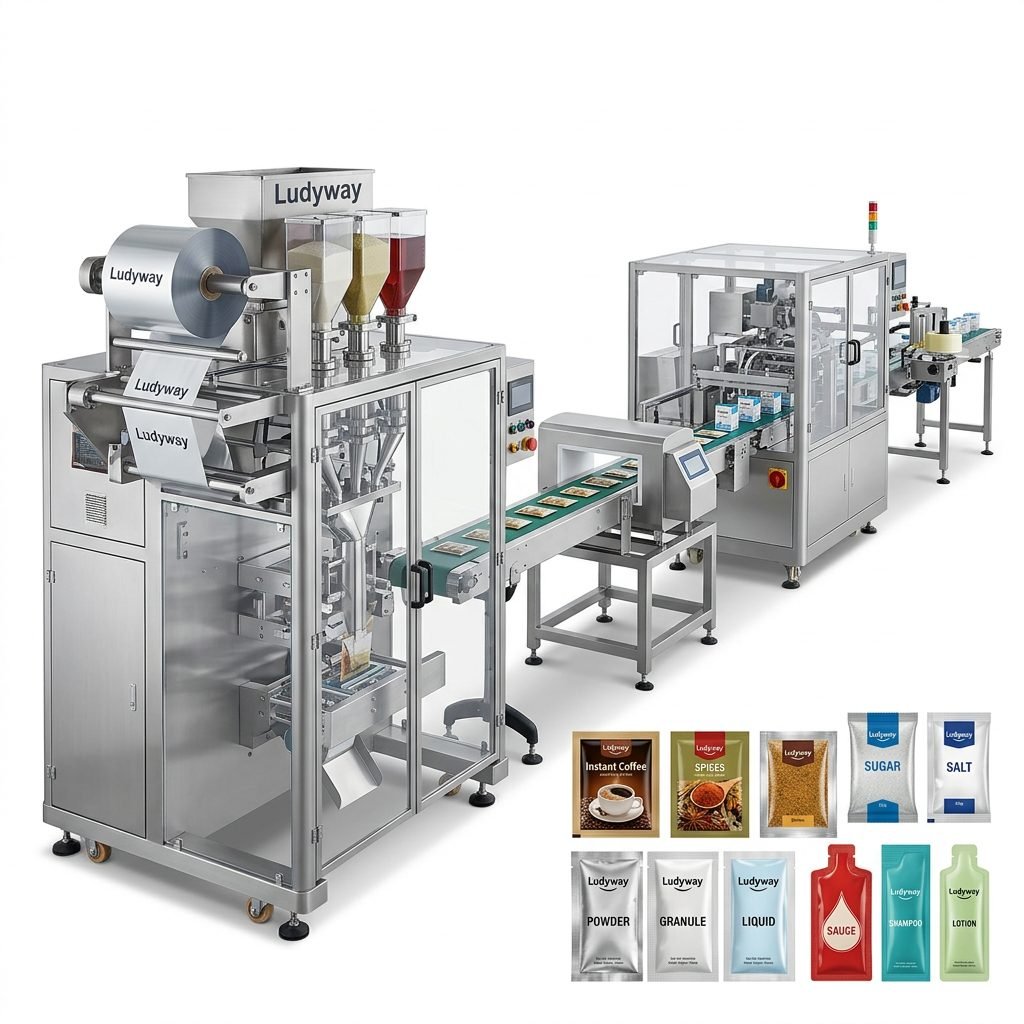
- Stick packs or sachets – popular for on-the-go, portion-controlled snacking.
- Pre-made pouches with zippers – offer resealable convenience and premium brand appeal.
- Box or carton overwrapping – a traditional format that adds structural protection.
Types of Cookie Packaging Machines
The core machine type determines speed, flexibility, and investment level. The three main categories are:
| Machine Type | Best For | Typical Output | Key Advantage |
|---|---|---|---|
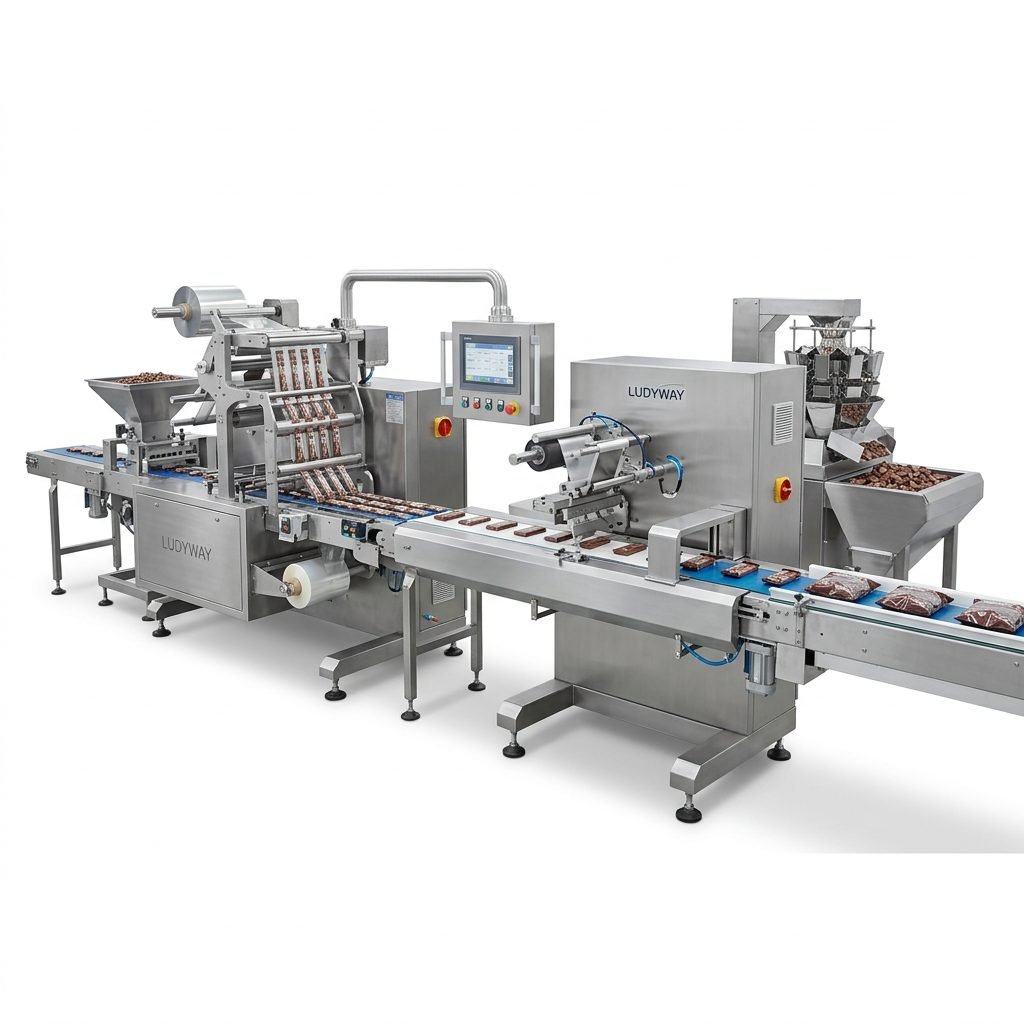
| Horizontal Flow Wrapper | Single-layer trays, stacks, individual bars | 50 – 800 packs/min | Compact footprint, gentle handling |
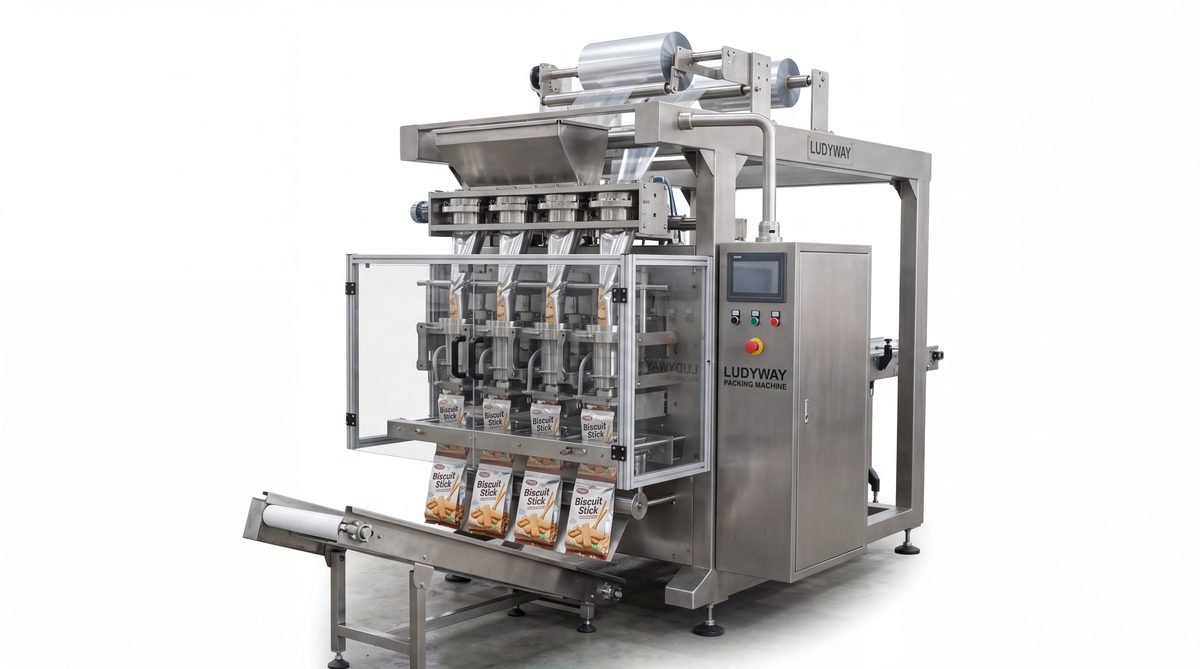
| Vertical Form Fill Seal (VFFS) | Loose cookies, granola clusters, mini cookies | 30 – 180 bags/min | Versatile for various bag styles |
| Pre-made Pouch Rotary / Inline Filler | Stand-up pouches, zipper bags, premium formats | 20 – 80 packs/min | Resealable, high shelf impact |
Critical Factors to Evaluate
While speed and price are obvious considerations, a successful purchase requires looking deeper into several operational parameters.
1. Product Fragility and Feed Design
Cookies are prone to cracking. Look for machines with servo-controlled, gentle transfer mechanisms and minimal drops between stations. Incline conveyors, soft-flight feeds, and programmable grippers are common features that maintain product integrity. When testing, run a batch of your actual product—not a dummy sample—to check breakage rates.
2. Packaging Material Compatibility
Whether you use BOPP, metallized PET, paper-based laminates, or compostable films, the machine must handle the exact gauge and seal characteristics of your material. Dual-reel unwinds, registered print capability, and easy changeover between film types can save hours of downtime. Verify that the sealing jaws support the heat-seal temperature range required by your films.
3. Speed vs. Flexibility
A dedicated line flowing one cookie format at ultra-high speed differs from a versatile machine that switches between counts, trays, and bag sizes multiple times per day. Define your expected changeover frequency and evaluate whether toolless adjustments or recipe-driven automation are justified. For co-manufacturers, flexibility often outweighs raw speed.
4. Hygiene, Cleanability, and Food Safety Standards
Cookies often share lines with allergen-containing products. Respecting FDA food contact regulations and ISO 22000 frameworks is non-negotiable. Look for stainless steel construction, sloped surfaces, and wash-down compatibility if wet cleaning is required. Validated CIP (clean-in-place) or easy disassembly reduces sanitation downtime.
5. Automation Level and Workforce Integration
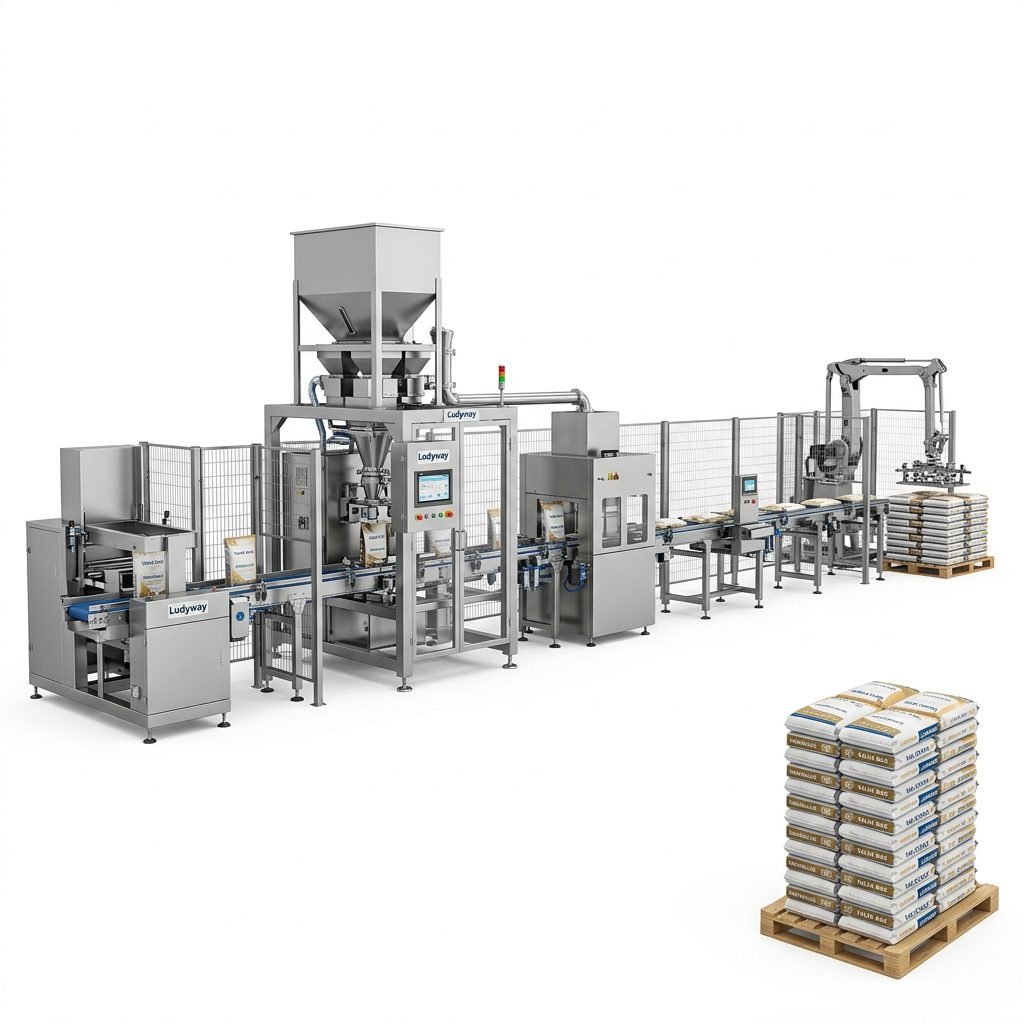
From semi-automatic hand-feed stations to fully integrated lines with robotic pick-and-place, the automation spectrum is wide. Consider available labor, skill level, and expected throughput growth. Automated collating, cartoning, and case packing often deliver a two-year ROI in high-wage environments.
6. Machine Footprint and Factory Layout
Measure your floor space carefully. Modular machines that can be reconfigured or extended over time provide future-proofing. Also confirm ceiling height, power requirements (voltage, phase), and compressed air consumption before issuing a request for quotation.
Understanding Total Cost of Ownership
Purchase price is only part of the equation. Build a realistic budget that includes:
- Installation and commissioning support
- Operator training
- Consumable parts (sealing jaws, belts, blades)
- Annual maintenance contracts
- Energy and utilities
- Compliance with ISO packaging standards
Machines built to international safety and quality standards often show lower long-term cost due to higher reliability and spare parts availability. Request a lifecycle cost projection from your vendor.
Selecting a Reliable Machine Manufacturer
A cookie packaging line is a long-term investment, so partner choice matters as much as the machine itself. Look for providers with a track record in food-specific automation, global service capability, and the engineering depth to customize solutions around your product’s unique shape, fragility, and packaging format.
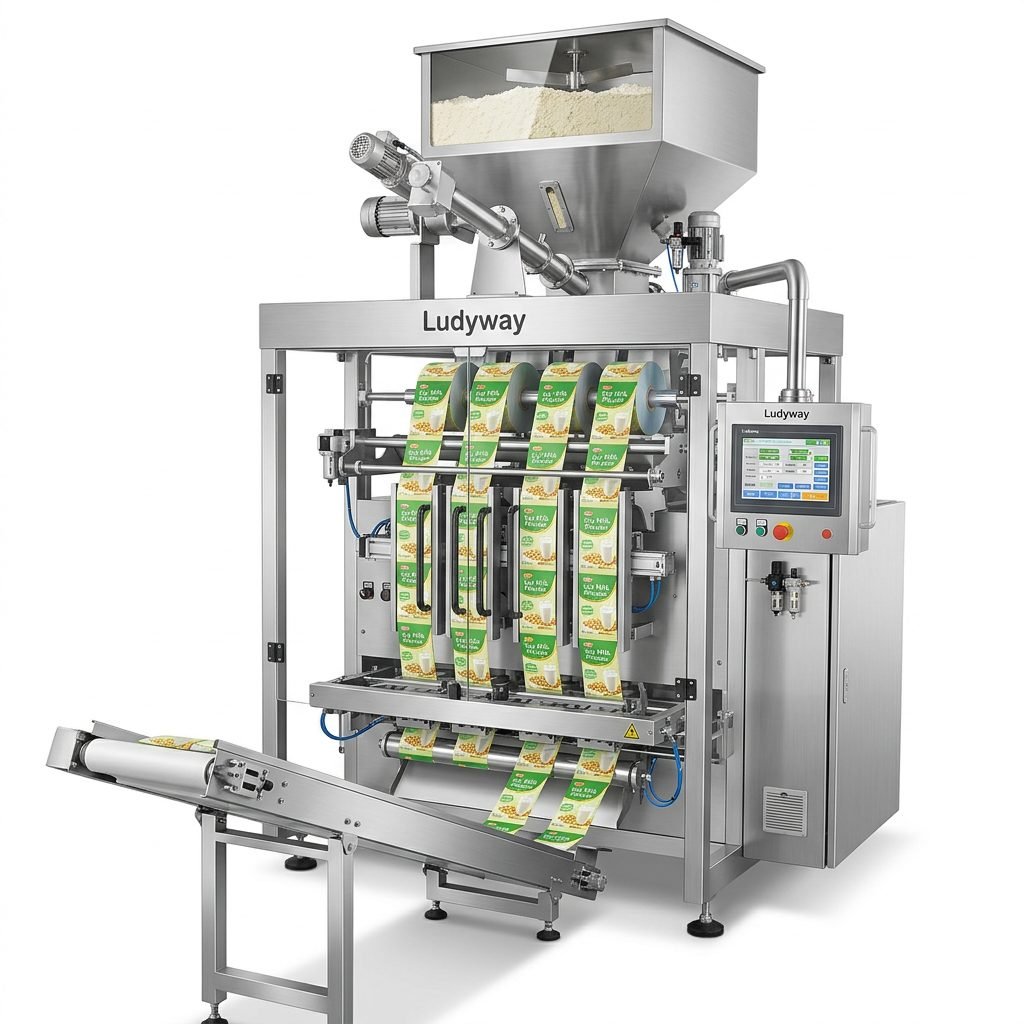
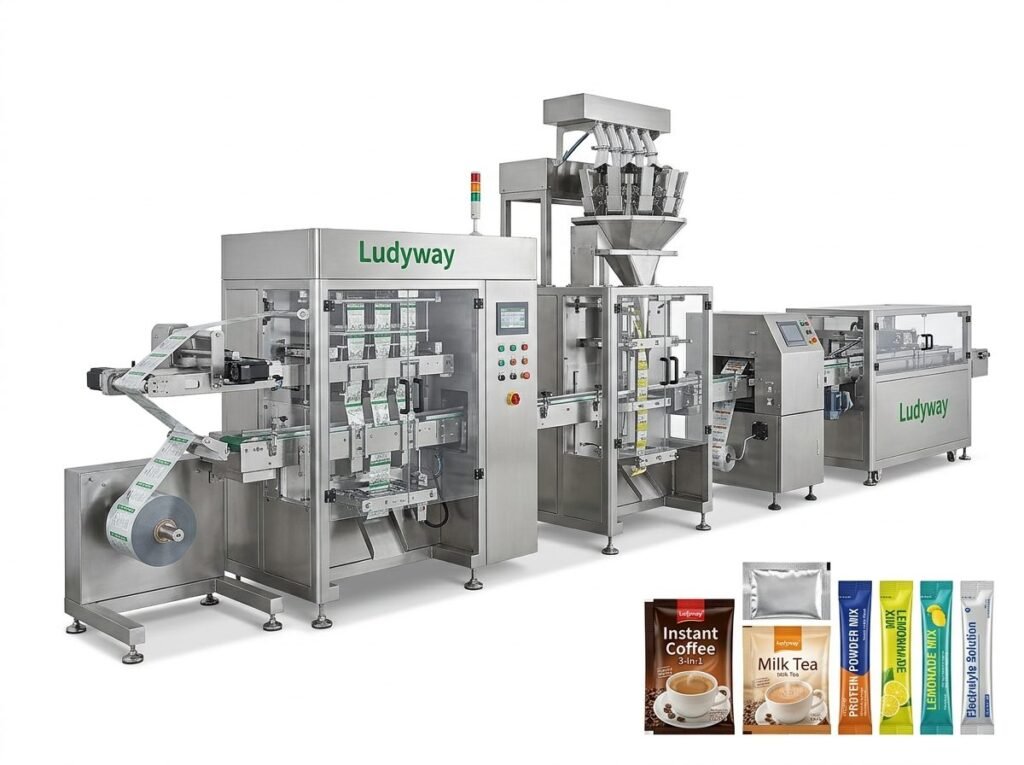
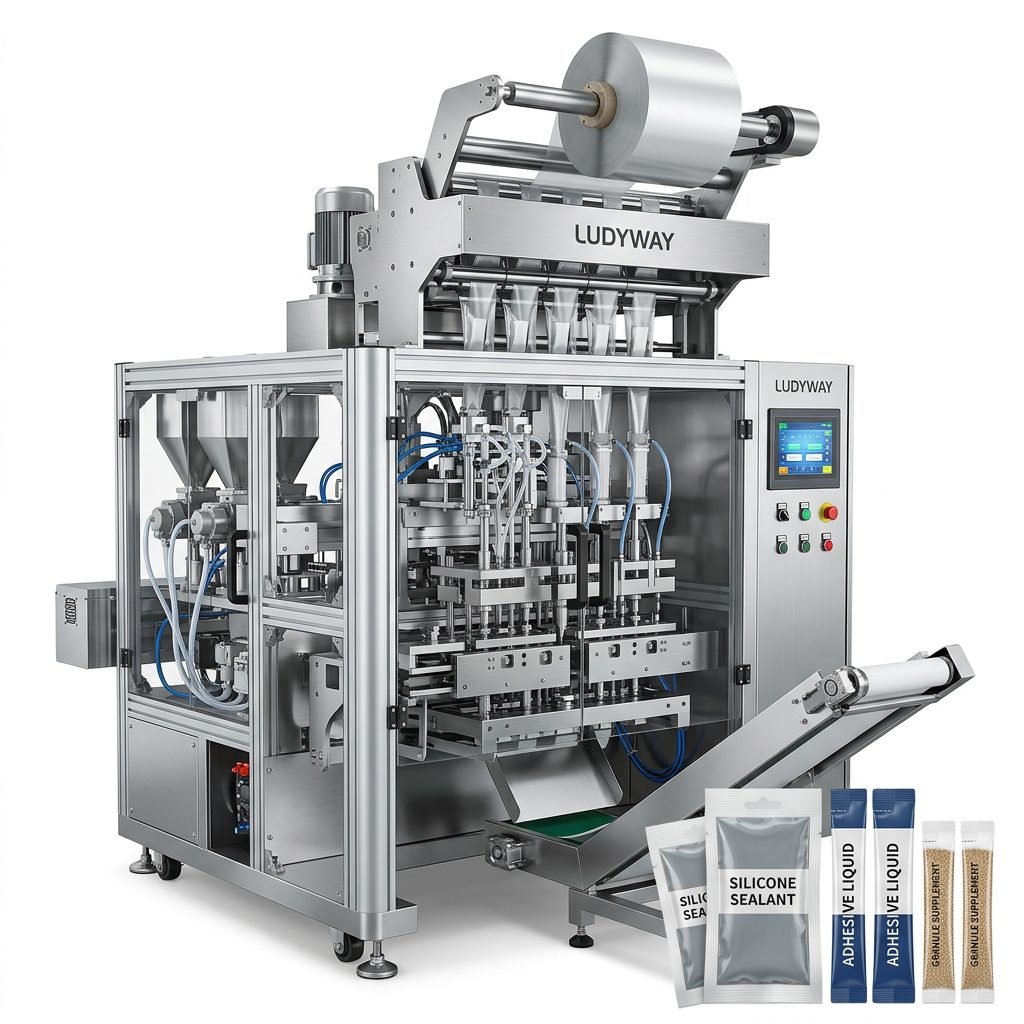
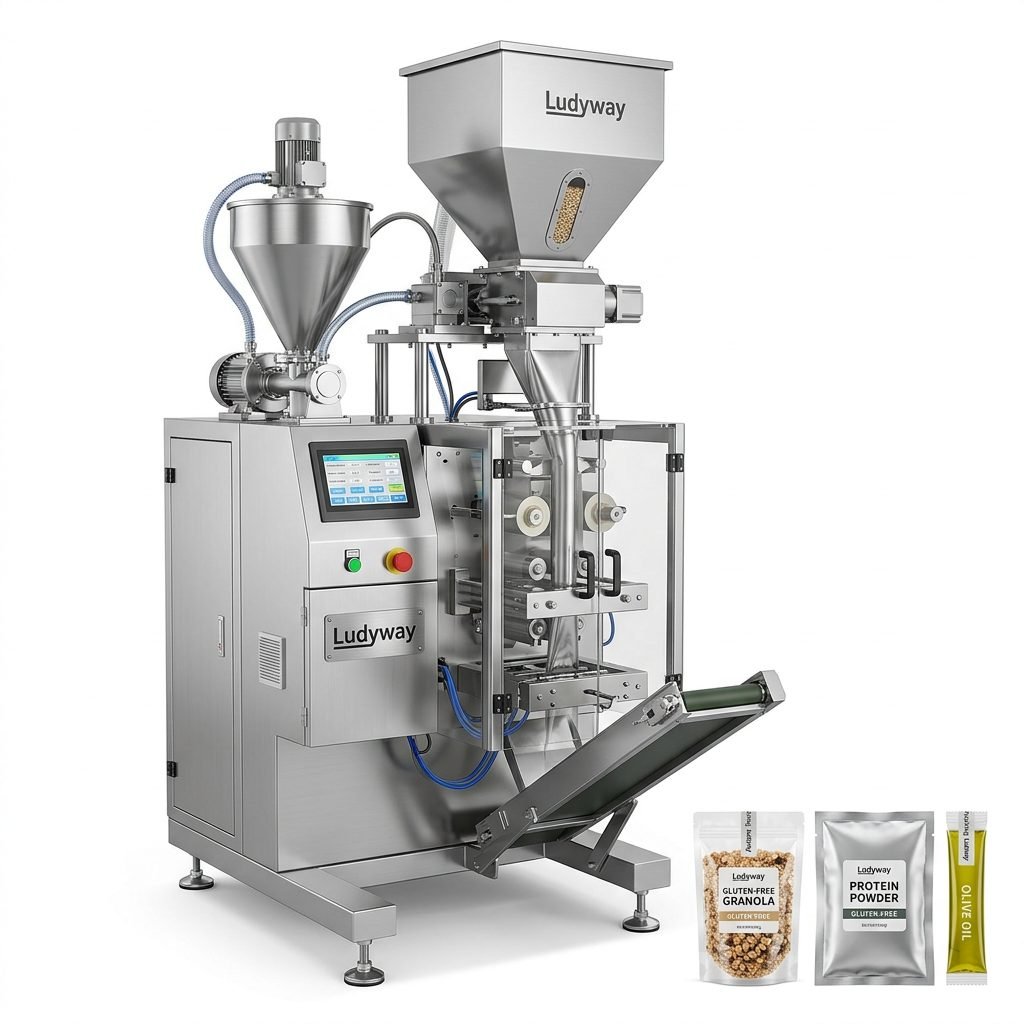
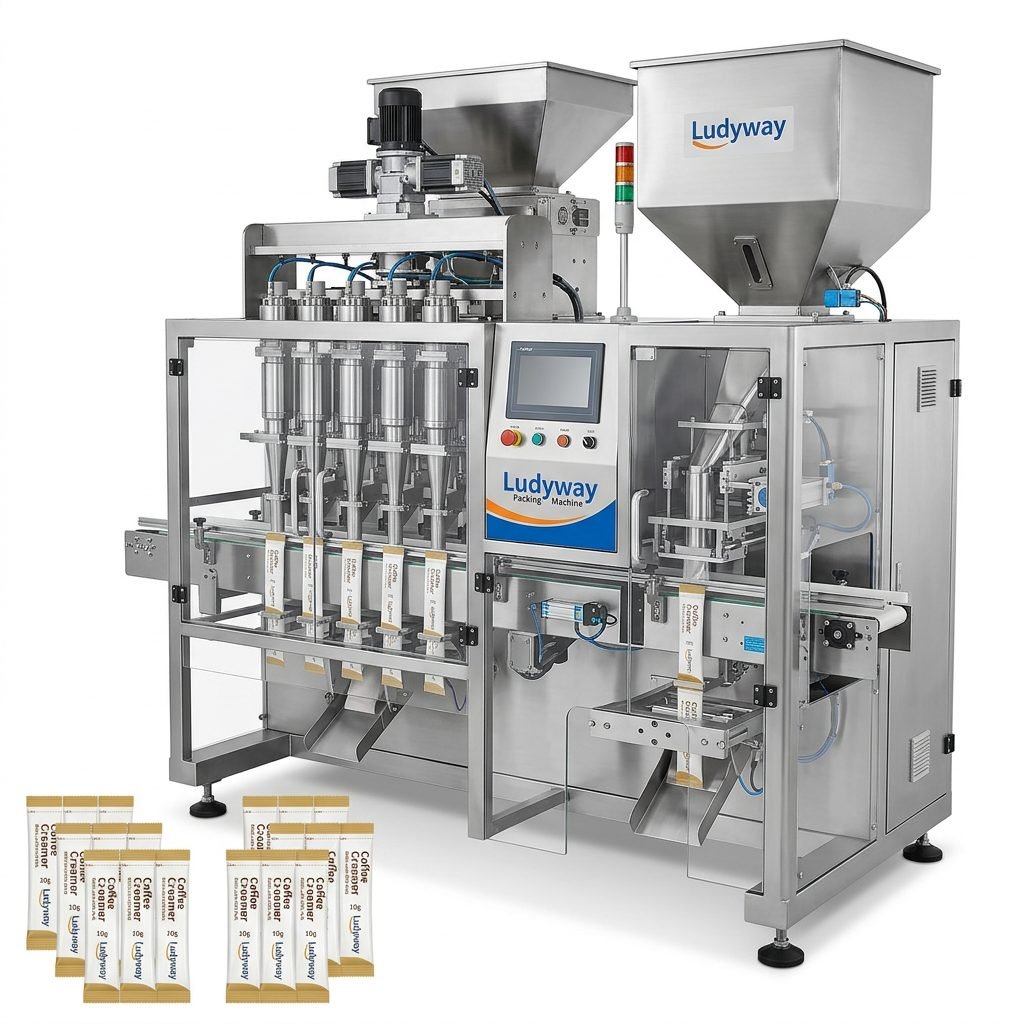
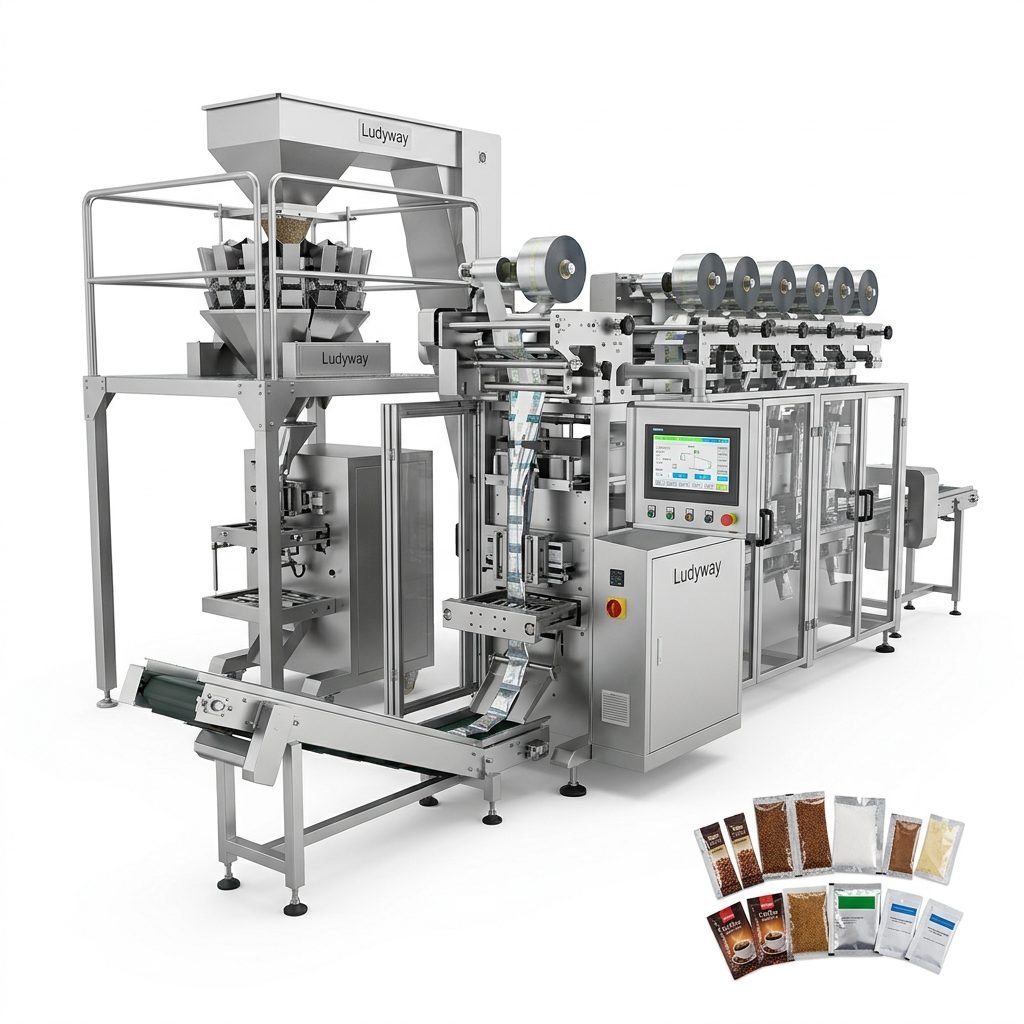
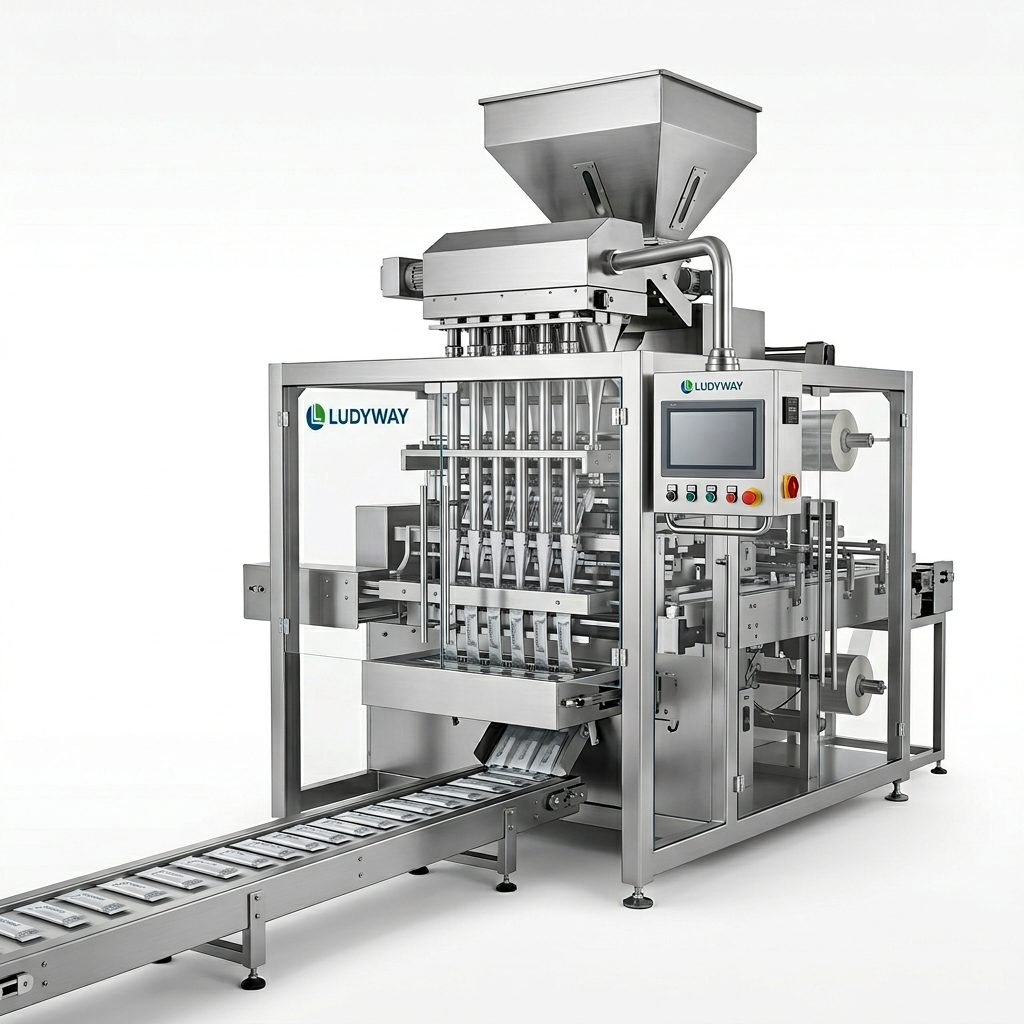
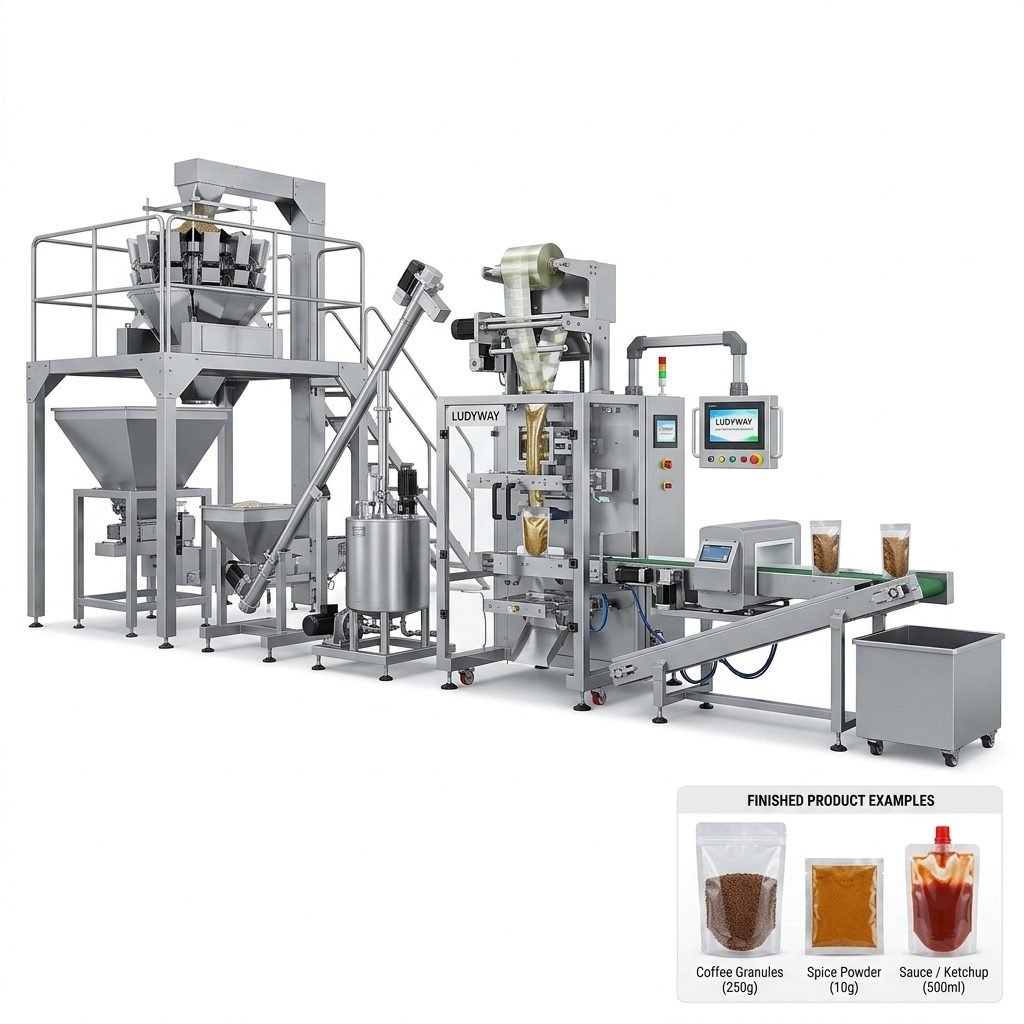
For manufacturers seeking a single-source partner with extensive flexible packaging experience, Ludyway Machinery offers a comprehensive portfolio—from individual flow wrappers and VFFS machines to fully integrated turnkey packaging lines. With more than 30 years of industry expertise, a 20,000‑m² manufacturing facility, and a presence in over 100 countries, Ludyway combines engineering automation with application-specific customization for cookies, bars, and other delicate food products. Its machines can be configured with gentle product handling, multi-lane formats, and flexible film sealing systems that match both standard and premium packaging requirements.
Key Questions to Ask Before Buying
- Can the machine handle our specific cookie dimensions, weight range, and fragility?
- What is the true output with our product, not just the rated speed?
- How many format changeovers does the typical production shift require, and can change parts be swapped without tools?
- Is the supplier able to reference similar installations in our industry?
- What after-sales support, remote diagnostics, and spare parts network are provided?
- Does the machine meet relevant safety and packaging machinery standards for our target markets?
Future-Proofing Your Packaging Line
Sustainability legislation, smart factory connectivity, and changing consumer formats mean your machine should not become obsolete in a few years. Prioritize IoT-ready controls, recipe management software, and modular upgrades. Machines that provide OEE dashboards and remote performance monitoring help transform packaging from a cost center into a data-driven operation. Explore trends from sources like the Flexible Packaging Association to align your purchasing decisions with where the market is heading.
Checklist: Summary of What to Look For
| Area | Essential Check |
|---|---|
| Product handling | Validated with your own cookies; breakage ≤ 0.5% |
| Film / material | Tested with your specific film structure and sealant layer |
| Speed | Confirmed at 85%+ efficiency over a minimum 4-hour run |
| Hygiene | Stainless steel on product contact surfaces; accessible for cleaning |
| Changeover | Color-coded parts, recipe-driven settings, ≤ 15 minutes for typical format |
| Service & warranty | On-site installation, training, and a multi-year spare parts guarantee |
Selecting the right cookie packaging machine balances protection of delicate products with throughput, budget, and future growth. By systematically evaluating machine type, material compatibility, automation level, and manufacturer expertise, you can deploy a packaging line that elevates your brand, reduces waste, and delivers consistent performance for years to come.