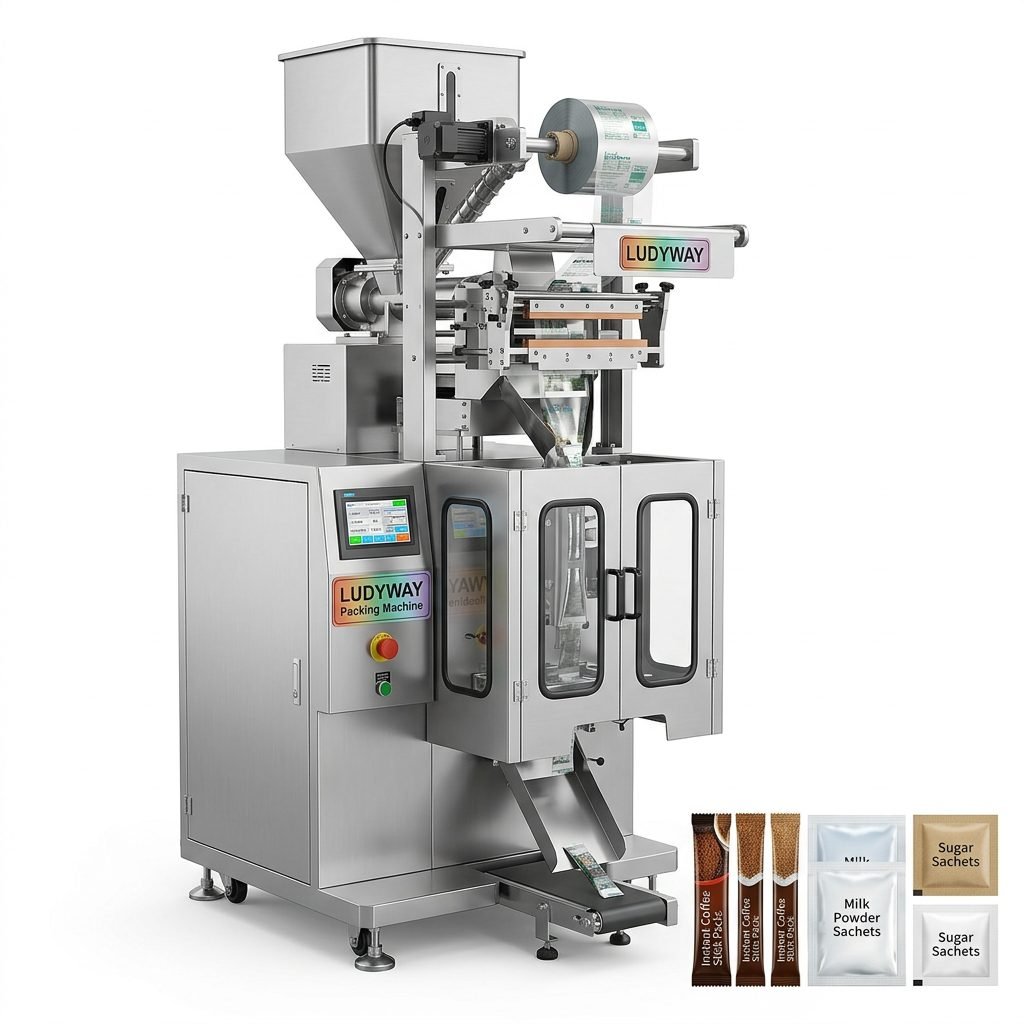
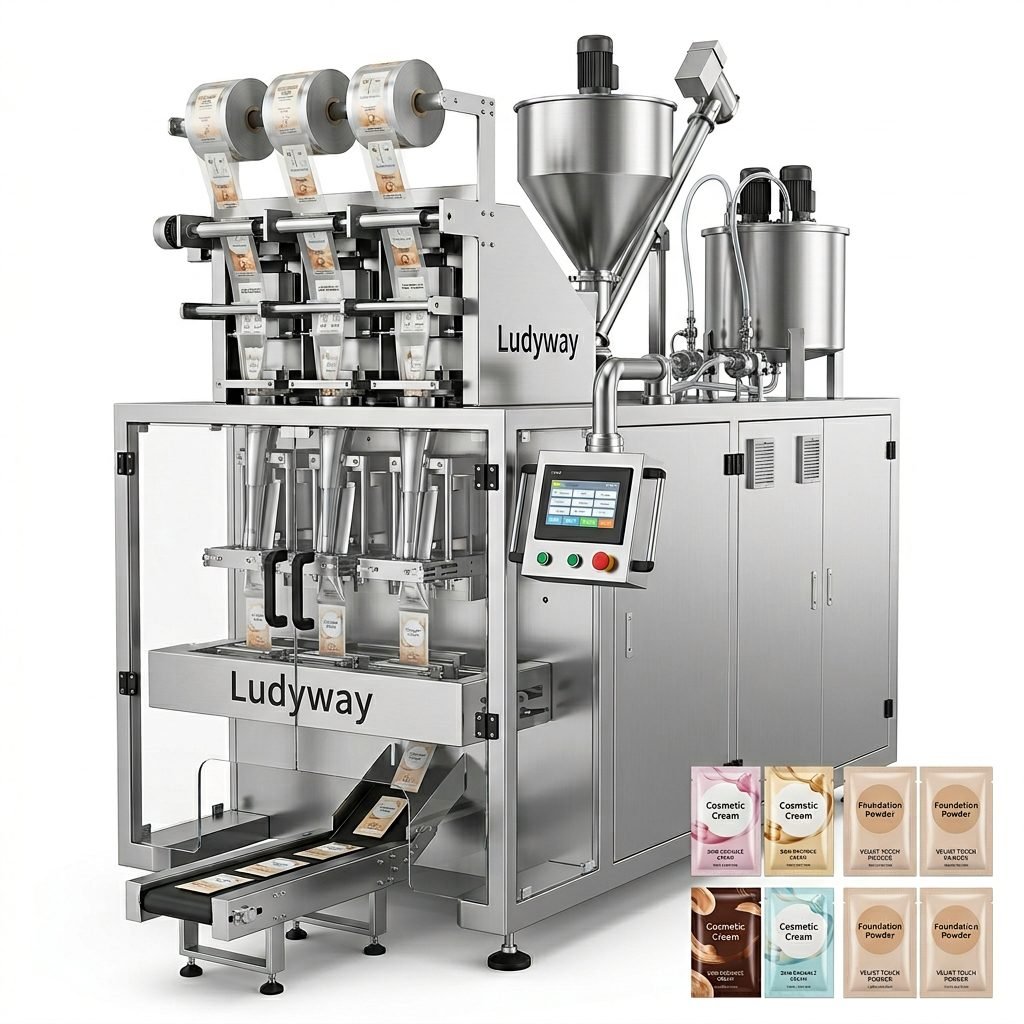
Selecting the right packaging machine for animal food is a critical decision that impacts production efficiency, product quality, and overall operational costs. This comprehensive guide explores the various types of packaging machines available, their key features, and provides a structured approach to help you choose the best solution for your specific needs.
Understanding Animal Food Packaging Requirements
Animal food, encompassing pet food, livestock feed, and specialty nutritional products, presents unique packaging challenges. The primary goals are to maintain freshness, prevent contamination, ensure portion accuracy, and create a visually appealing package for the end consumer. Factors such as product form (dry kibble, wet food, powder, treats), shelf life, and distribution channels heavily influence the choice of packaging machinery.
Key Consideration: The packaging process must protect against moisture, oxygen, and pests while being robust enough for transportation. For premium pet foods, the presentation and resealability of the package are increasingly important to pet owners.
Primary Types of Animal Food Packaging Machines
The market offers a range of machinery tailored to different packaging formats and production scales. Understanding these types is the first step toward an informed decision.
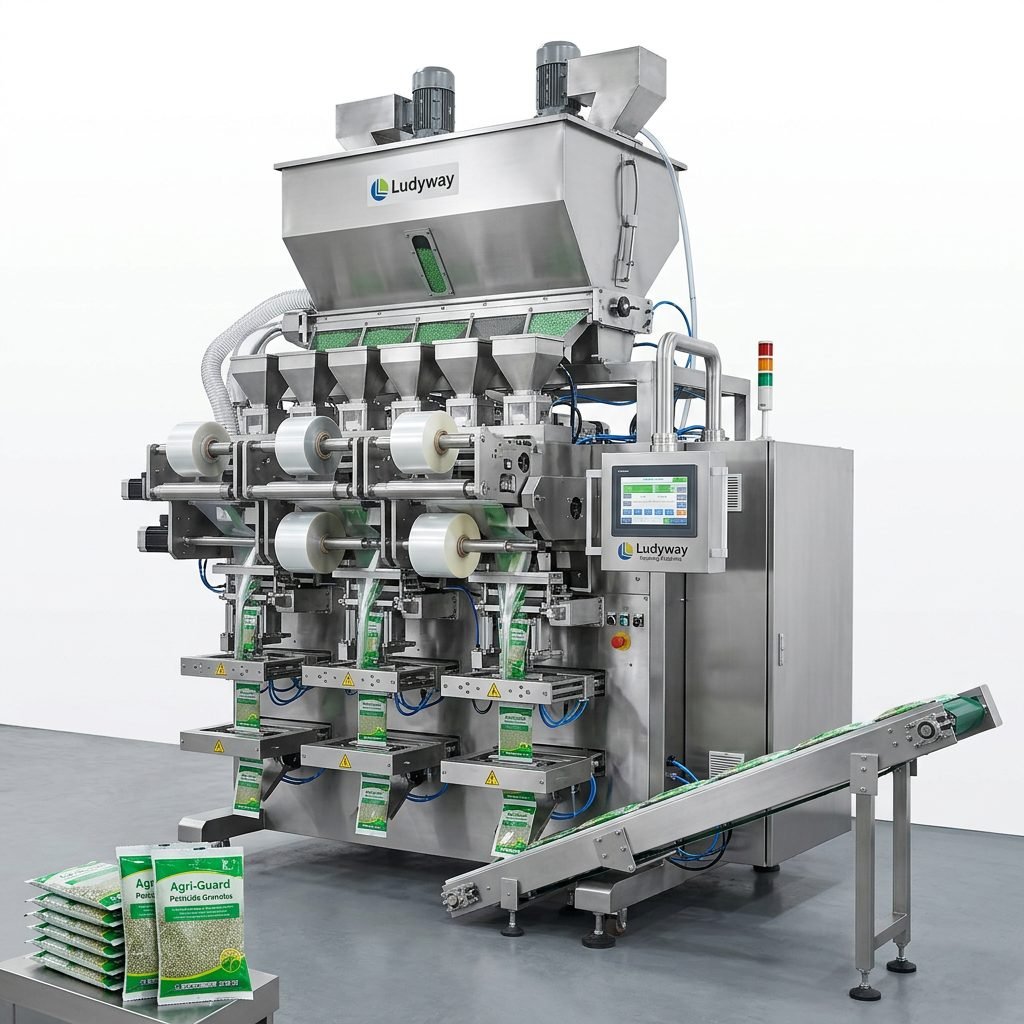
1. Vertical Form-Fill-Seal (VFFS) Machines
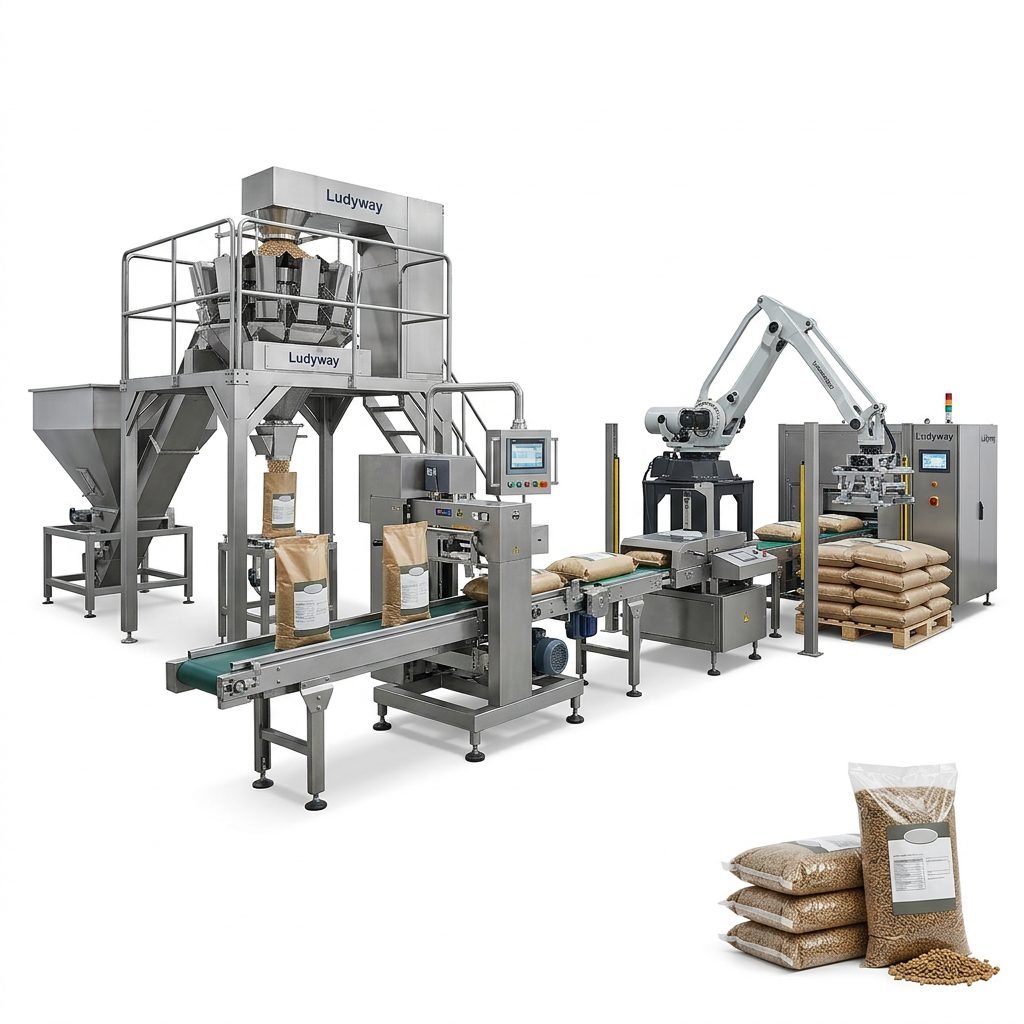
These are the most common machines for packaging dry animal food like kibble, pellets, and treats. They form a bag from a roll of film, fill it with the product, and then seal it—all in a continuous vertical motion. They are highly versatile and efficient for medium to high-volume production.
Core Features: High-speed operation, adjustable bag sizes, integration with checkweighers and metal detectors, and the ability to handle various films (including multi-layer barrier films).
2. Horizontal Form-Fill-Seal (HFFS) Machines
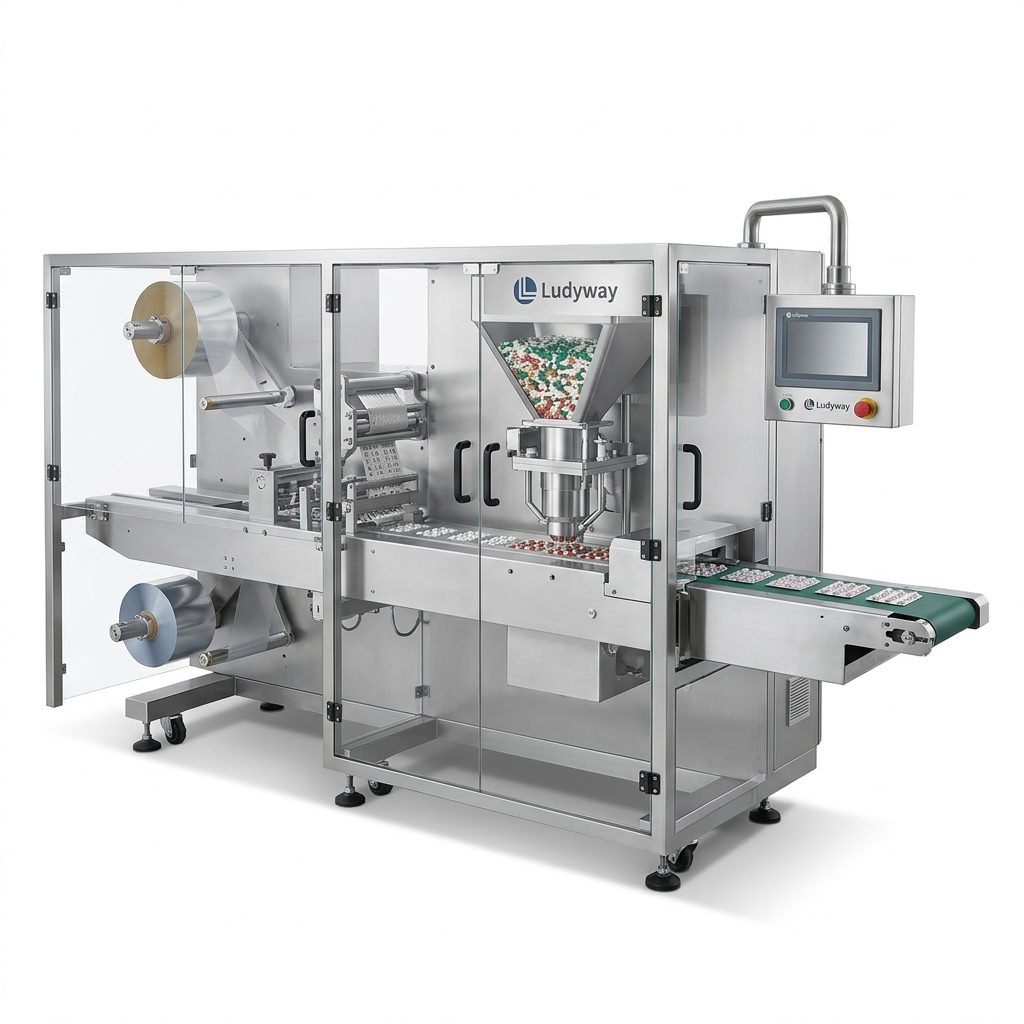
Ideal for packaging moist or semi-moist food, treats in trays, or multipacks. HFFS machines form packages horizontally, often using pre-made lids or lidding film. They are excellent for creating pillow packs, flow-wrap packs, and tray-sealed packages with a premium look.
Core Features: Gentle product handling, excellent for irregular shapes, capable of gas flushing (modified atmosphere packaging) to extend shelf life, and ideal for portion-controlled packs.
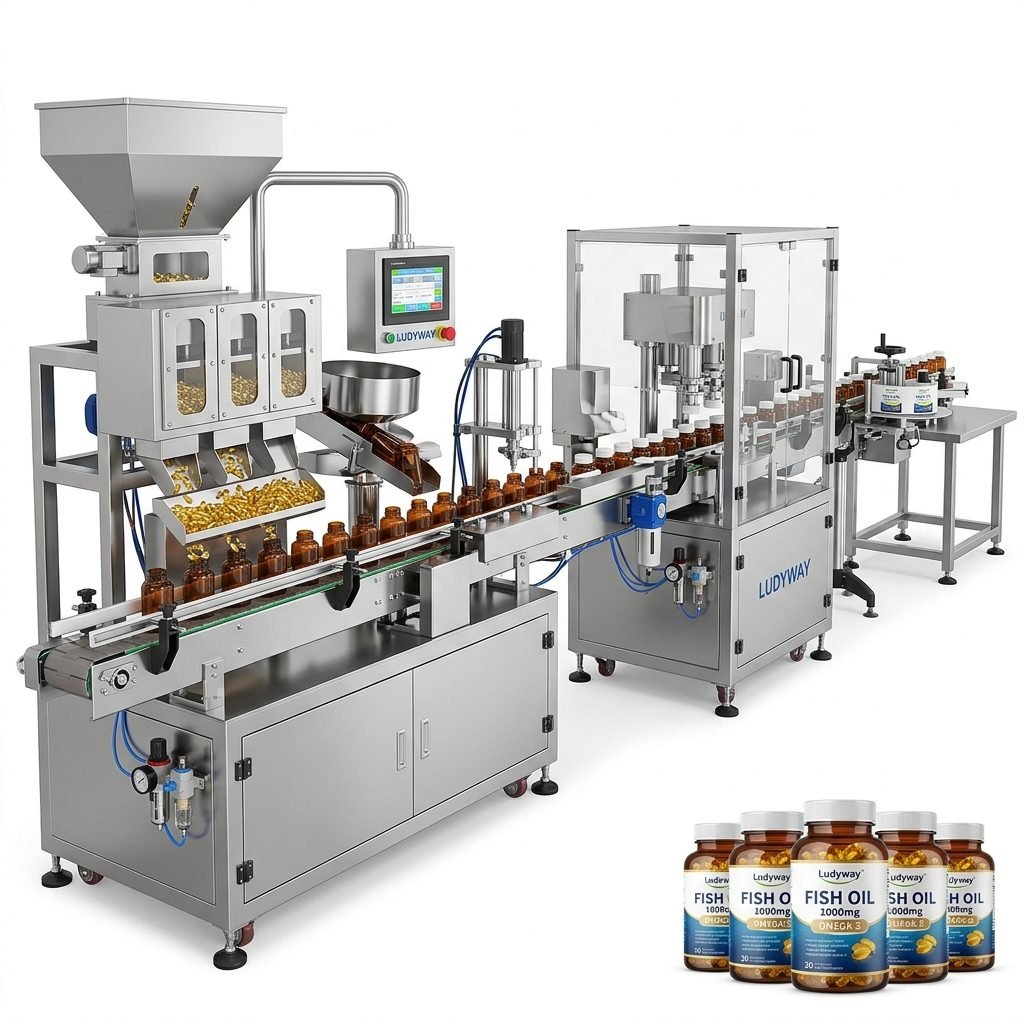
3. Pre-Made Bag Fillers
This system uses pre-manufactured bags (stand-up pouches, gusseted bags) which are then automatically opened, filled, and sealed. It is perfect for brands that require complex, high-quality printed pouches with strong brand identity.
Core Features: Superior bag graphics and structure, often includes degassing valves for fresh coffee or similar products, suitable for both small batches and high-speed lines.
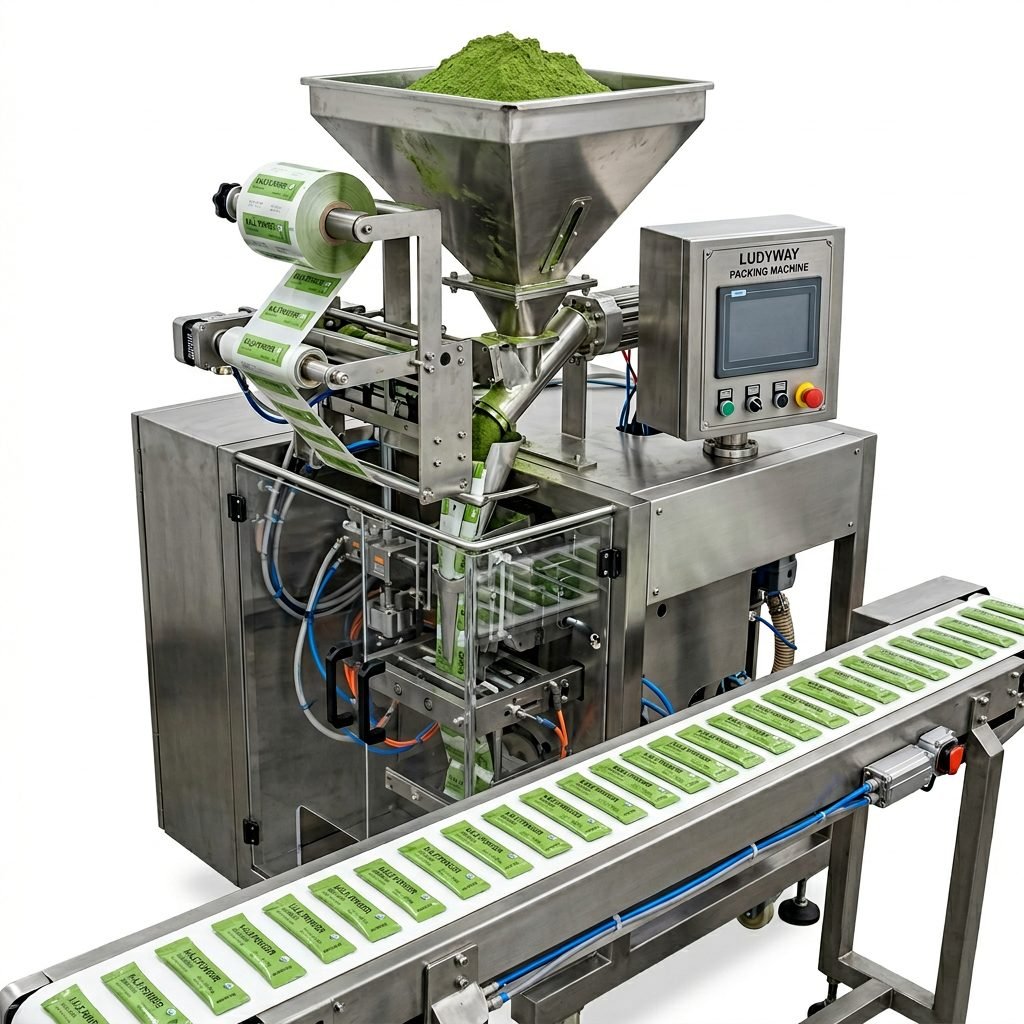
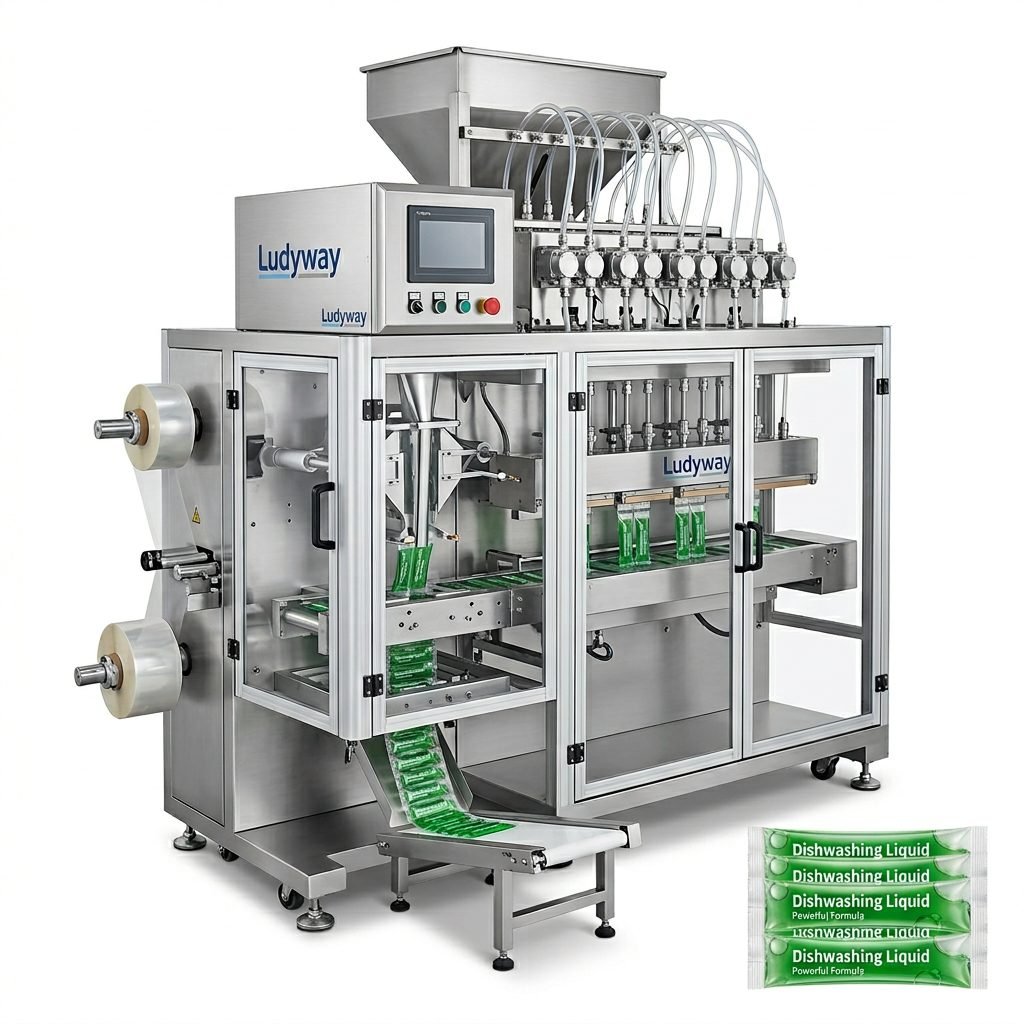
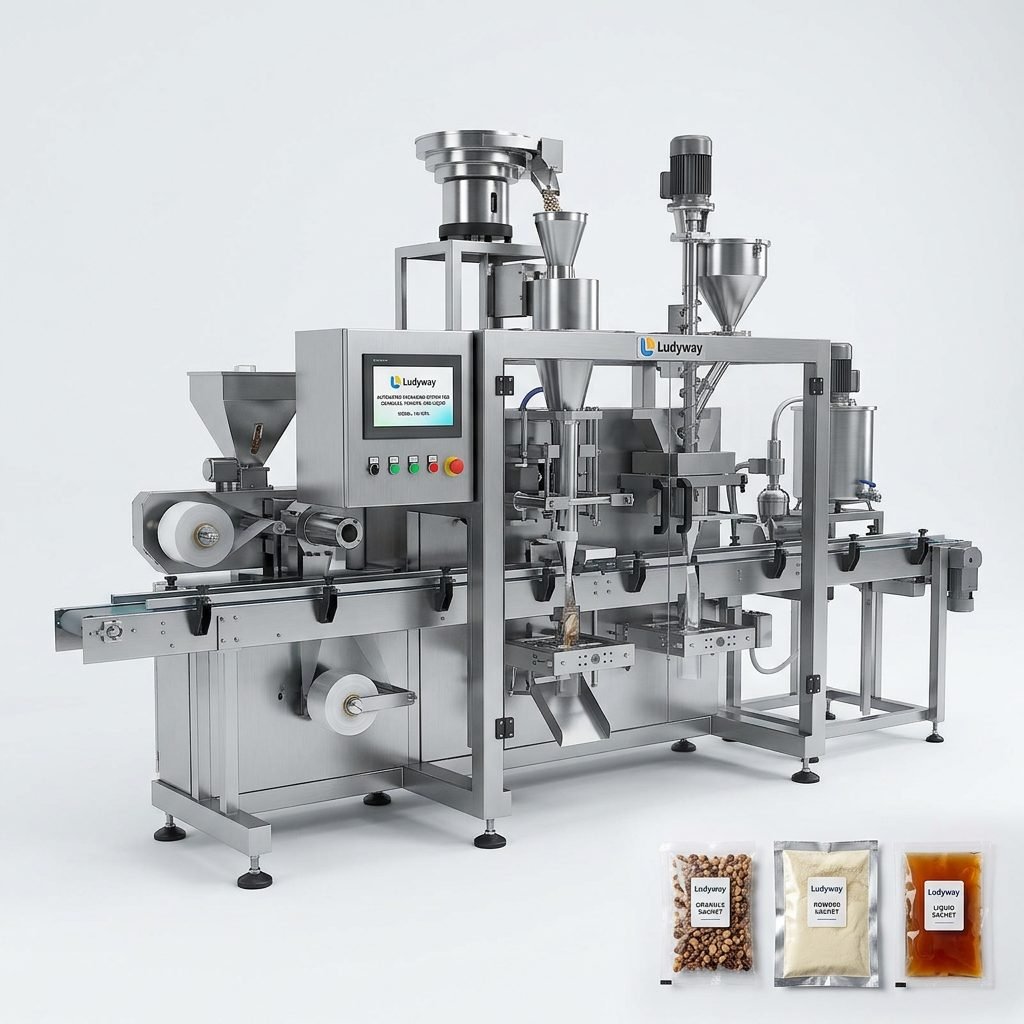
4. Granule & Powder Packaging Machines
Specifically engineered for fine products like powdered milk replacers, vitamin supplements, or fine-grained feed. These machines use auger fillers for precise volumetric dosing, ensuring accurate weight control even with challenging products.
→ Precision Focus: They often feature anti-bridging mechanisms, vibration systems, and dust extraction ports to maintain a clean filling process and achieve high accuracy.
Essential Features to Evaluate
Beyond the machine type, several features are crucial for performance, hygiene, and longevity in an animal food production environment.
Construction and Hygiene Design
Machines should be constructed from food-grade stainless steel (e.g., SS304 or SS316) in all product contact areas. Look for smooth surfaces, easy-access panels, and CIP (Clean-in-Place) capabilities to meet stringent food safety standards like FDA or EFSA regulations.
Weighing and Dosing Accuracy
Consistent portion control is non-negotiable. Advanced machines use multi-head weighers or precision auger systems paired with in-line checkweighers to ensure every bag meets the declared weight, minimizing giveaway and ensuring regulatory compliance.
Automation and Integration Level
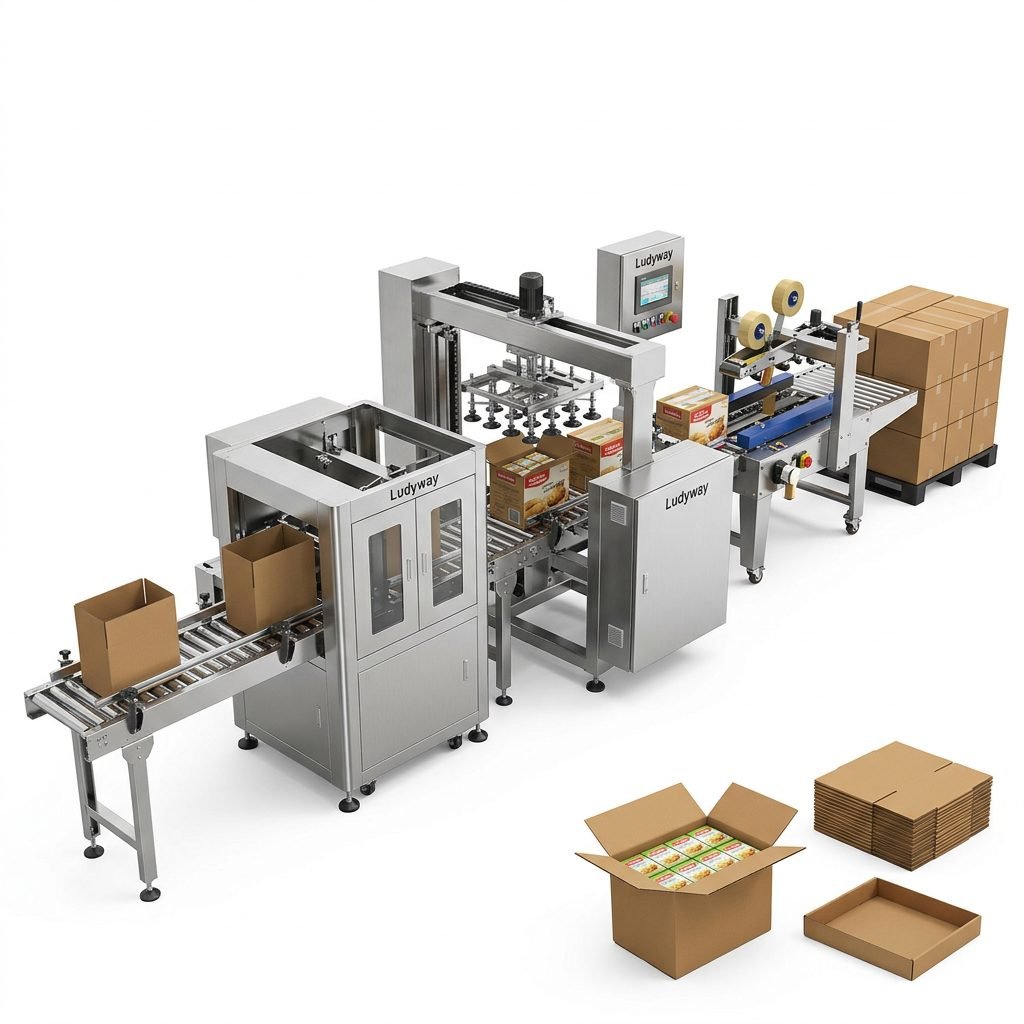
Modern lines integrate seamlessly with upstream and downstream equipment. Consider machines with PLC control, HMI touchscreens, and connectivity for Industry 4.0 data collection. Integration with robotic palletizers or case packers further boosts efficiency.
Flexibility and Changeover
Quick changeover between bag sizes, film types, or products is vital for manufacturers running multiple SKUs. Machines with tool-less adjustments and saved recipe settings on the HMI drastically reduce downtime.
How to Choose the Best Packaging Solution: A Step-by-Step Guide
Step 1: Analyze Your Product and Production Goals
Define your product’s physical characteristics (size, shape, moisture, oil content) and your target packaging format (bag, pouch, tray). Set clear output targets (bags per minute) and consider future growth to avoid under or over-investing.
Step 2: Assess Your Operational Environment
Evaluate your factory floor space, available utilities (electrical, compressed air), and the skill level of your operators. A highly automated machine may require different infrastructure and maintenance support than a semi-automatic one.
Step 3: Prioritize Key Machine Capabilities
Create a checklist based on the features discussed. For instance, if you package fatty treats, a machine with robust sealing jaws and temperature control is a top priority. If you have many SKUs, changeover speed becomes critical.
Step 4: Evaluate Suppliers and After-Sales Support
The machine’s quality is only part of the equation. Choose a supplier with proven experience in the animal food sector. Evaluate their technical support, availability of spare parts, training programs, and warranty terms. A reliable partner like Ludyway Packaging Machinery, with decades of industry experience, can provide invaluable guidance and long-term support.
Step 5: Plan for the Total Cost of Ownership (TCO)
Look beyond the initial purchase price. Calculate TCO by factoring in energy consumption, maintenance costs, expected lifespan, and potential for future upgrades. A slightly higher initial investment in a robust, efficient machine often leads to lower long-term costs.
Common Questions (FAQs)
Q1: What is the typical lifespan of a commercial animal food packaging machine?
A well-maintained machine from a reputable manufacturer can last 10 to 15 years or more. Lifespan depends heavily on construction quality, maintenance schedules, and production hours.
Q2: Can one machine handle both dry kibble and soft, moist treats?
It is challenging. While some VFFS machines offer flexibility, significant differences in product characteristics often require different feeding, weighing, and sealing systems. A dedicated line or a machine specifically designed for versatility is recommended for such diverse products.
Q3: How important is Modified Atmosphere Packaging (MAP) for animal food?
MAP is crucial for premium, natural, or high-fat products prone to oxidation. By replacing oxygen with nitrogen or a gas mix, MAP significantly extends shelf life and preserves flavor and nutritional value, justifying the investment for many brands.
Q4: What are the key maintenance routines to ensure consistent performance?
Daily cleaning, weekly inspection of seals and cutting blades, and regular lubrication as per the manual are essential. Scheduled professional servicing every 6-12 months is recommended to check electrical components, mechanical wear, and calibration.
Q5: How do I ensure my packaging line complies with international safety regulations?
Work with a supplier who understands global standards. Ensure the machine is constructed with food-grade materials, has appropriate safety guarding (e.g., interlocks), and comes with documentation (CE, UL certifications) for your target markets.