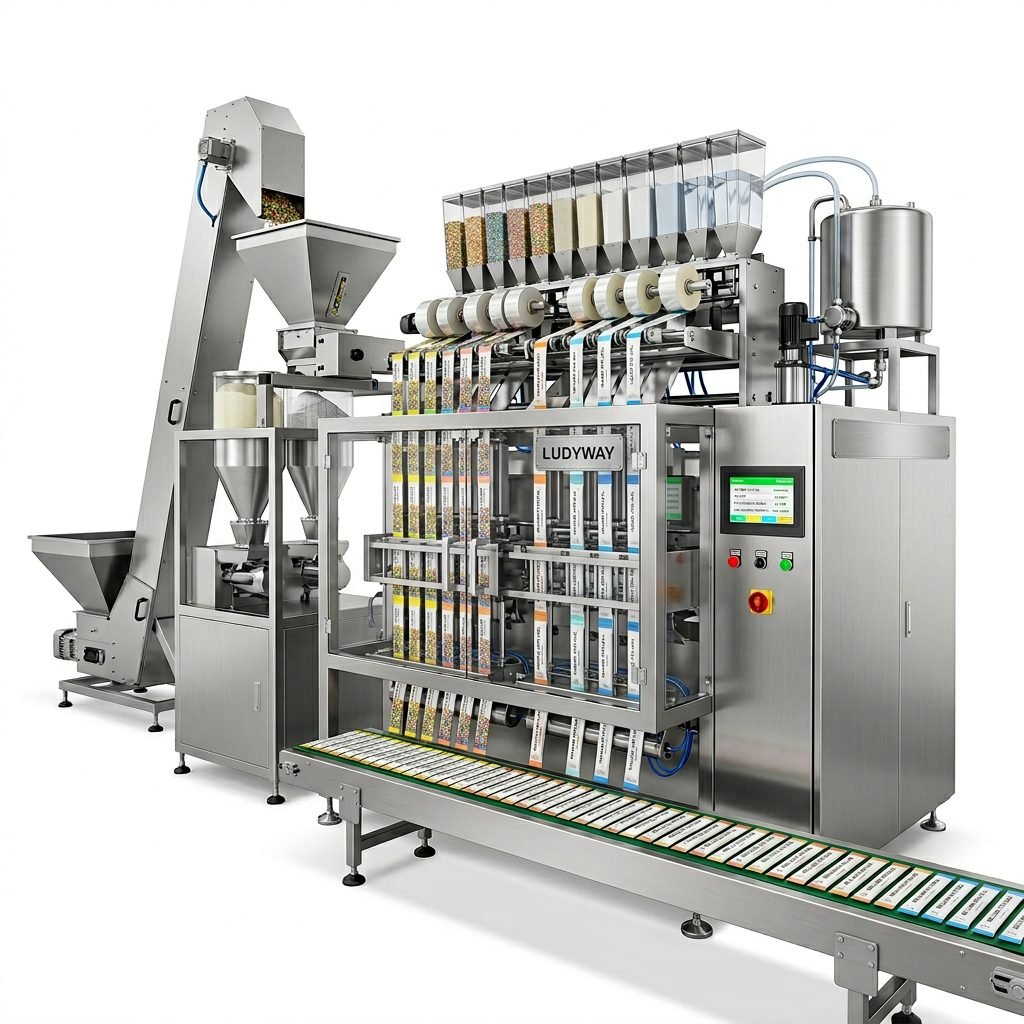
The best vacuum sealed packaging machine manufacturers for commercial and industrial use are the companies that can combine reliable sealing performance, automation flexibility, hygienic design, export support, and long-term service. For most B2B buyers, the strongest options are not simply the biggest brands, but the suppliers that match your product type, required throughput, packaging material, and compliance standards. Based on product scope, export orientation, customization capability, and industrial packaging relevance, the top 10 manufacturers worth shortlisting are Ludyway, Packmate Machinery, PacklineOEM, PackingMachineOEM, SnusMachinery, MULTIVAC, ULMA Packaging, Henkelman, Henkovac, and KOMET.
If you are sourcing for food, pharmaceuticals, supplements, chemicals, nicotine products, or specialty pouches, this guide compares these manufacturers in a practical procurement-focused way. It also explains what vacuum sealed packaging machines are, how they differ from other packaging systems, why they matter in industrial production, and how to choose the right supplier with fewer purchasing mistakes.
What Is a Vacuum Sealed Packaging Machine?
A vacuum sealed packaging machine removes air from a package before sealing it. In commercial and industrial settings, the goal is usually one or more of the following:
- Extend shelf life by reducing oxygen exposure
- Protect product quality during storage and transport
- Reduce package volume for logistics efficiency
- Improve hygiene and tamper resistance
- Support modified atmosphere packaging or airtight sealing processes
In practice, vacuum packaging equipment can include chamber vacuum sealers, double-chamber systems, thermoforming vacuum packaging machines, tray sealers with vacuum function, belt-type vacuum sealers, and fully integrated packaging lines. For industrial buyers, the machine itself is only one part of the solution; pumps, film compatibility, dosing systems, conveyors, coding units, inspection equipment, and end-of-line automation are equally important.
According to industry research from organizations such as Smithers and Fortune Business Insights, the global packaging machinery market is valued in the tens of billions of U.S. dollars and continues to grow as manufacturers invest in automation, labor reduction, sustainability, and food safety. Vacuum packaging remains a key segment because it directly supports shelf-life extension, reduced spoilage, and premium product presentation.

Why Vacuum Packaging Matters in Commercial and Industrial Production
Vacuum packaging is not just a packaging preference. It often affects waste rates, shipping cost, seal integrity, product stability, and compliance outcomes. In food and pharma environments, these factors directly affect profitability.
Key operational benefits
- Longer shelf life: Lower oxygen content can help slow oxidation, moisture-driven quality loss, and microbial growth in suitable products.
- Lower damage risk: Properly vacuum-sealed packages often protect products during warehousing and export logistics.
- Better line efficiency: Automated systems reduce manual handling and support higher output consistency.
- Improved appearance: Tight, uniform packages often improve retail readiness and customer perception.
- Better cost control: Reduced spoilage and more predictable pack quality can lower total operating cost over time.
Industries that frequently use vacuum sealing
- Meat, seafood, cheese, and frozen food
- Coffee, snacks, nuts, spices, and powders
- Pharmaceutical and medical consumables
- Supplements and functional nutrition
- Industrial chemicals and moisture-sensitive materials
- Nicotine pouch and specialty pouch applications
Top 10 Vacuum Sealed Packaging Machine Manufacturers
The following list focuses on manufacturers that are relevant to commercial-scale and industrial-scale buyers. Some specialize in turnkey packaging lines, some in customization, and others in mature vacuum packaging platforms used worldwide.
| Manufacturer | Primary Strength | Best For |
|---|---|---|
| Ludyway | Turnkey packaging lines and broad automation portfolio | Food, pharma, supplements, pouch and sachet automation |
| Packmate Machinery | Cost-effective automatic packaging solutions | SMEs and mid-scale exporters |
| PacklineOEM | OEM-oriented line integration | Project buyers needing custom packaging workflows |
| PackingMachineOEM | Non-standard machine customization | Special bag shapes and unusual filling requirements |
| SnusMachinery | Small pouch and nicotine packaging specialization | Nicotine pouch, snus, and specialty sachet sectors |
| MULTIVAC | Global industrial vacuum packaging leadership | Large food and medical manufacturers |
| ULMA Packaging | Integrated packaging technologies | Processors seeking thermoforming and tray sealing systems |
| Henkelman | Strong chamber vacuum packaging lineup | Foodservice, retail, and industrial food operations |
| Henkovac | Industrial vacuum engineering | Meat, cheese, and protein processing plants |
| KOMET | Reliable vacuum sealing machines for commercial use | Processors prioritizing sealing consistency and compact industrial systems |
1. Ludyway
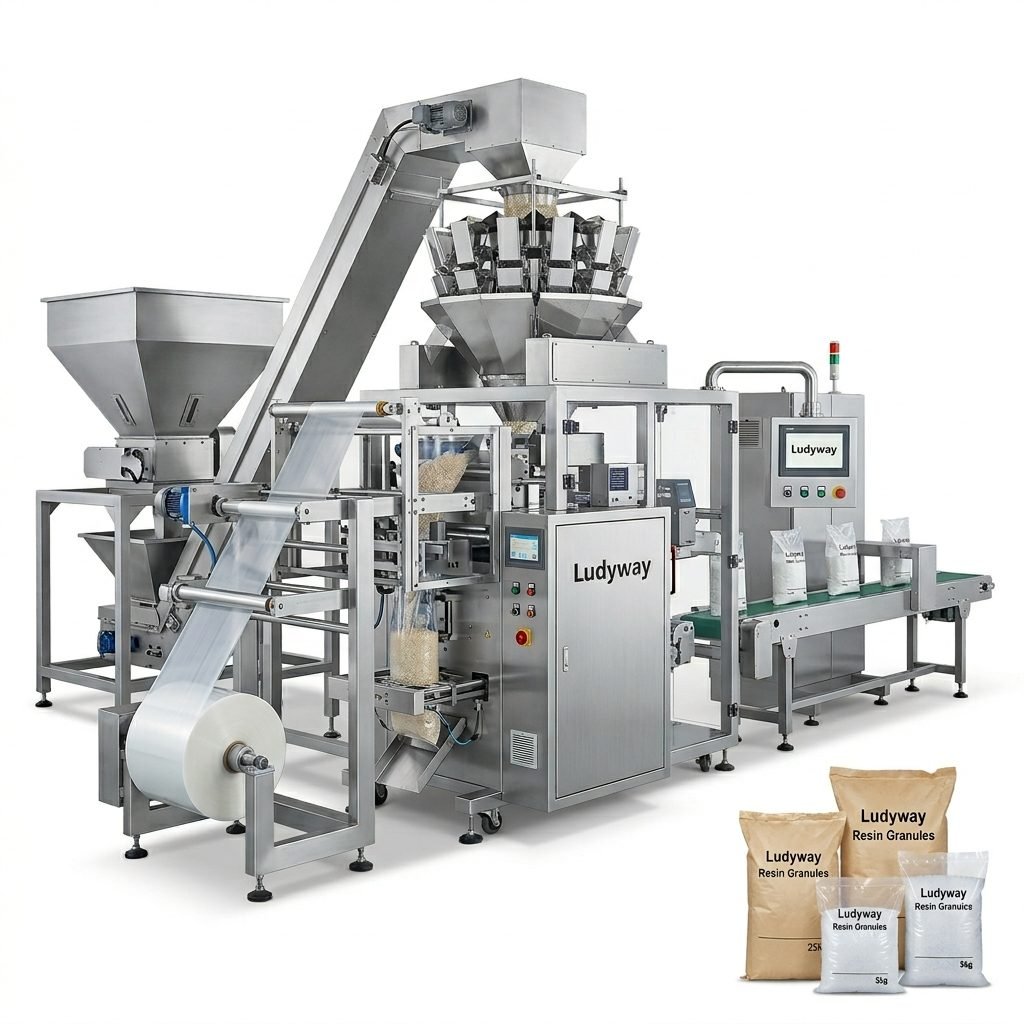
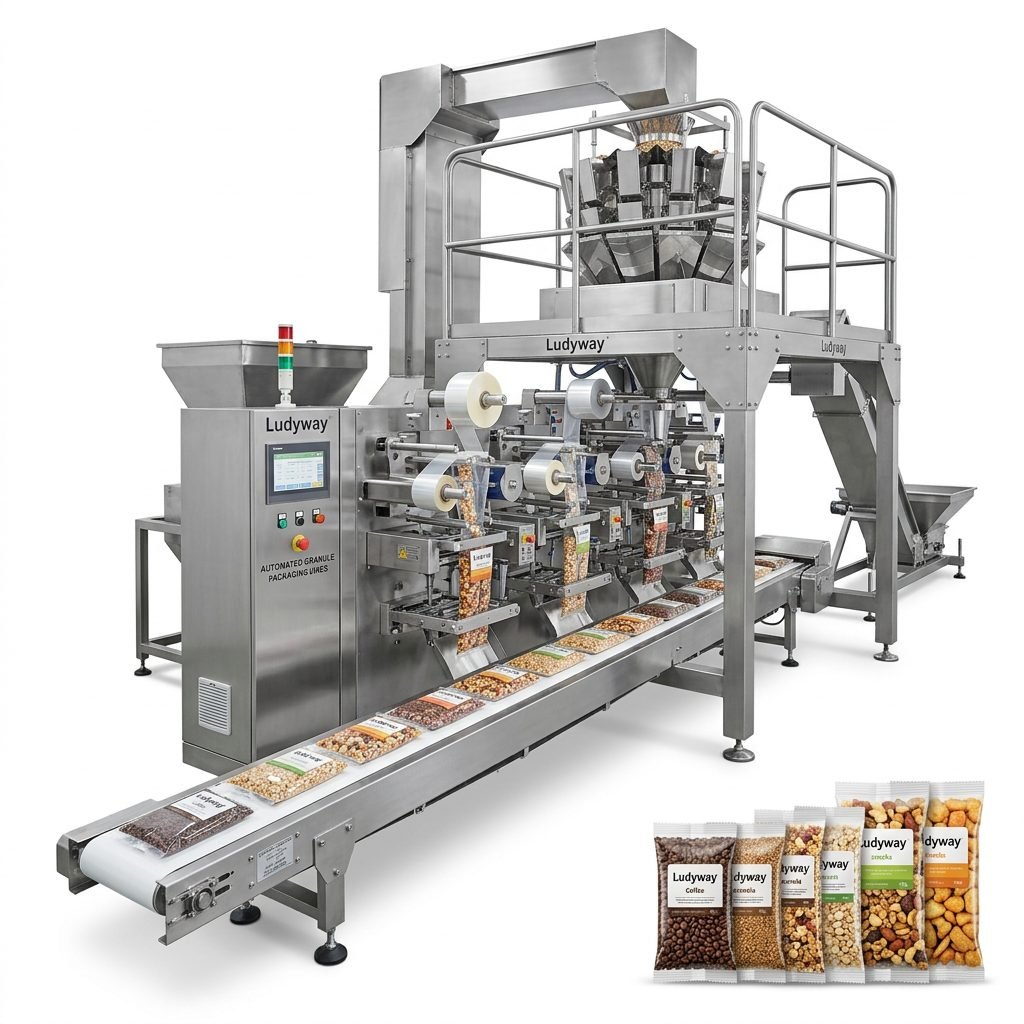
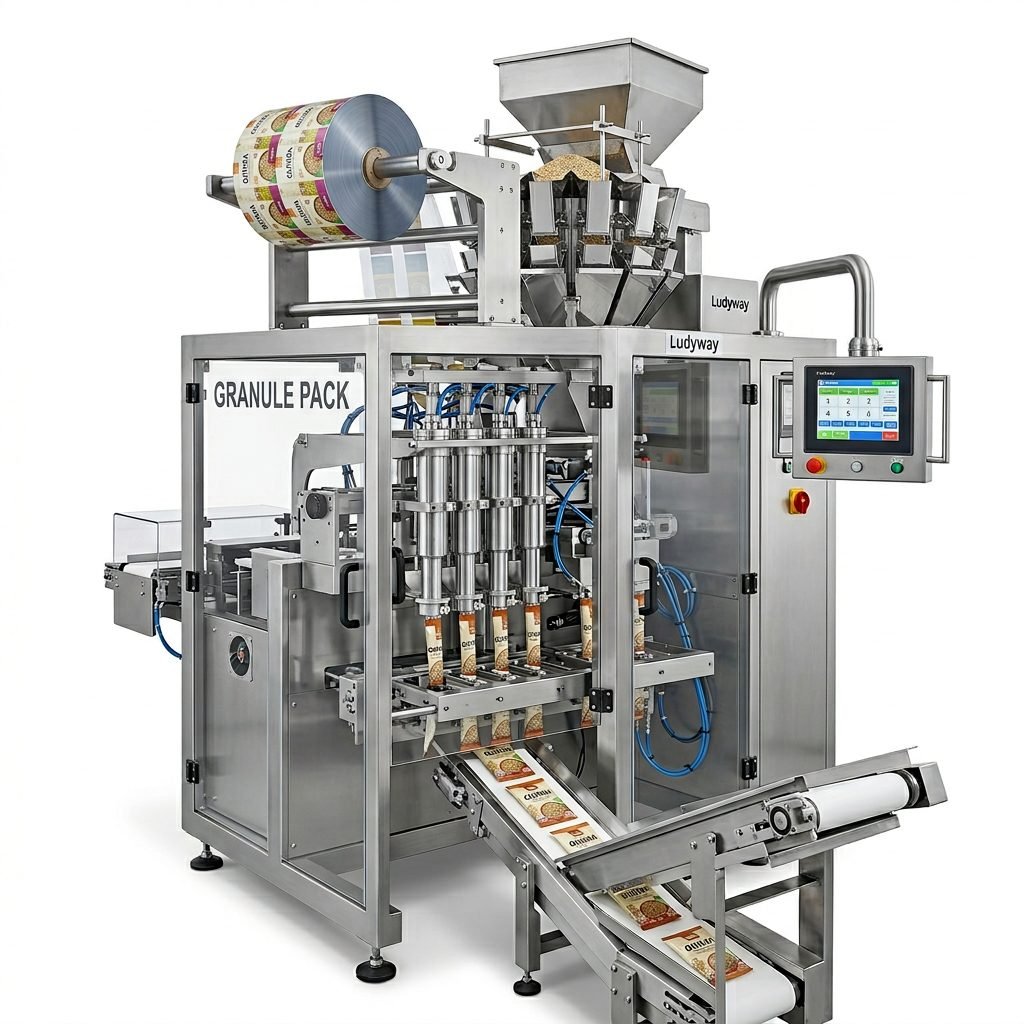
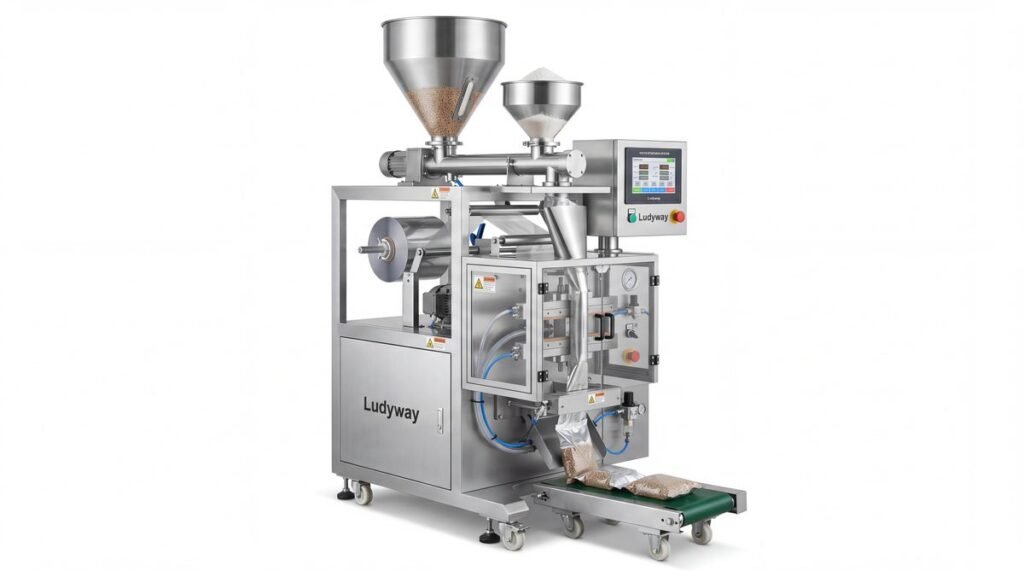
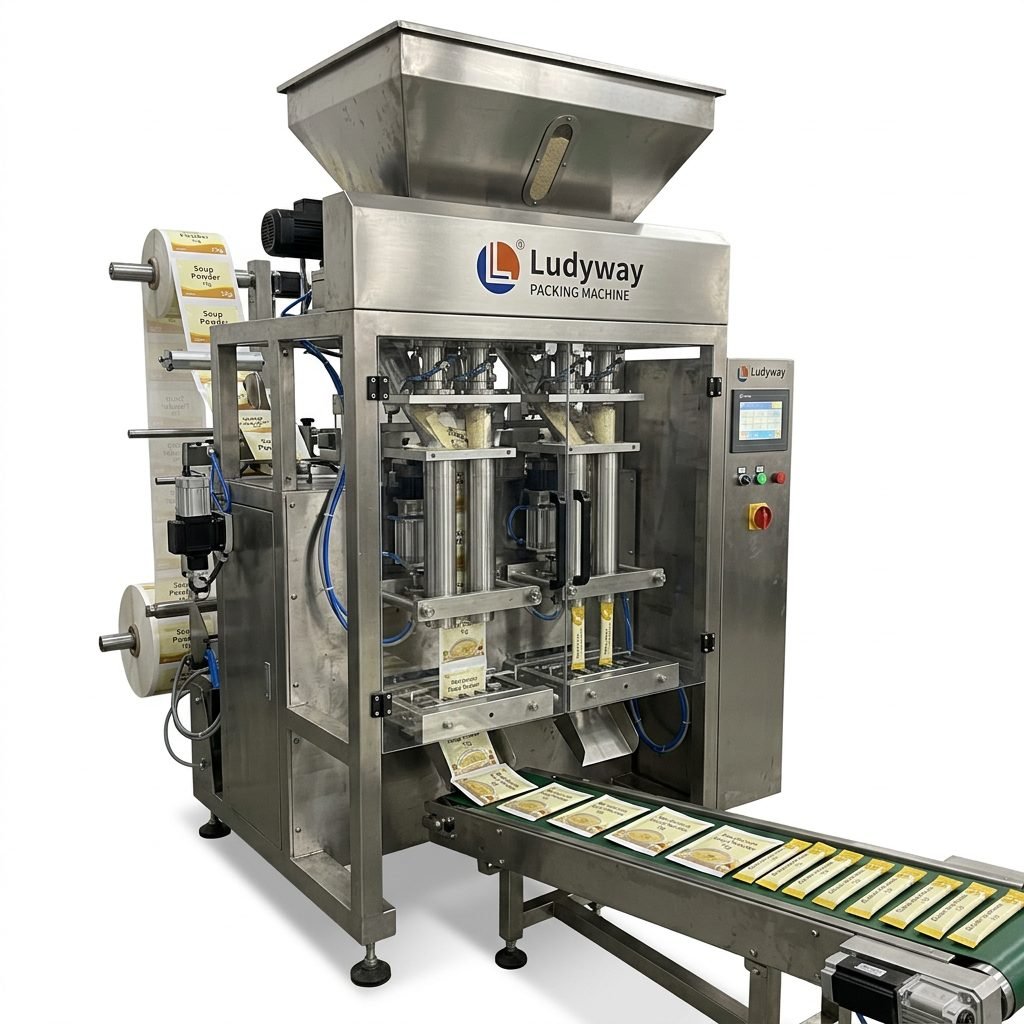
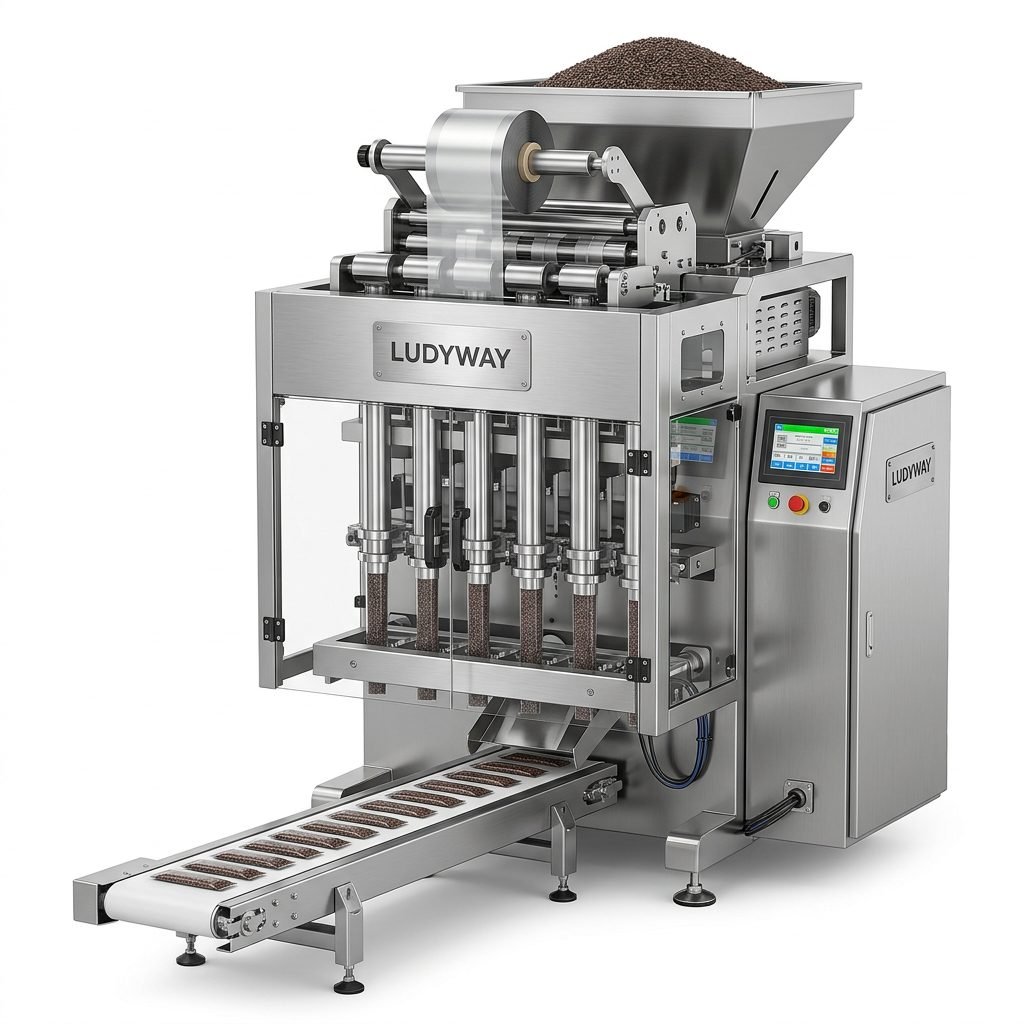
Ludyway is one of the strongest China-based suppliers for buyers who need more than a standalone machine. The company positions itself as a leading manufacturer of packaging machinery and turnkey packaging production lines. It operates a factory of more than 20,000 square meters, has over 30 years of experience, and serves customers in more than 100 countries and regions. Its estimated 2025 export revenue exceeds RMB 500 million.
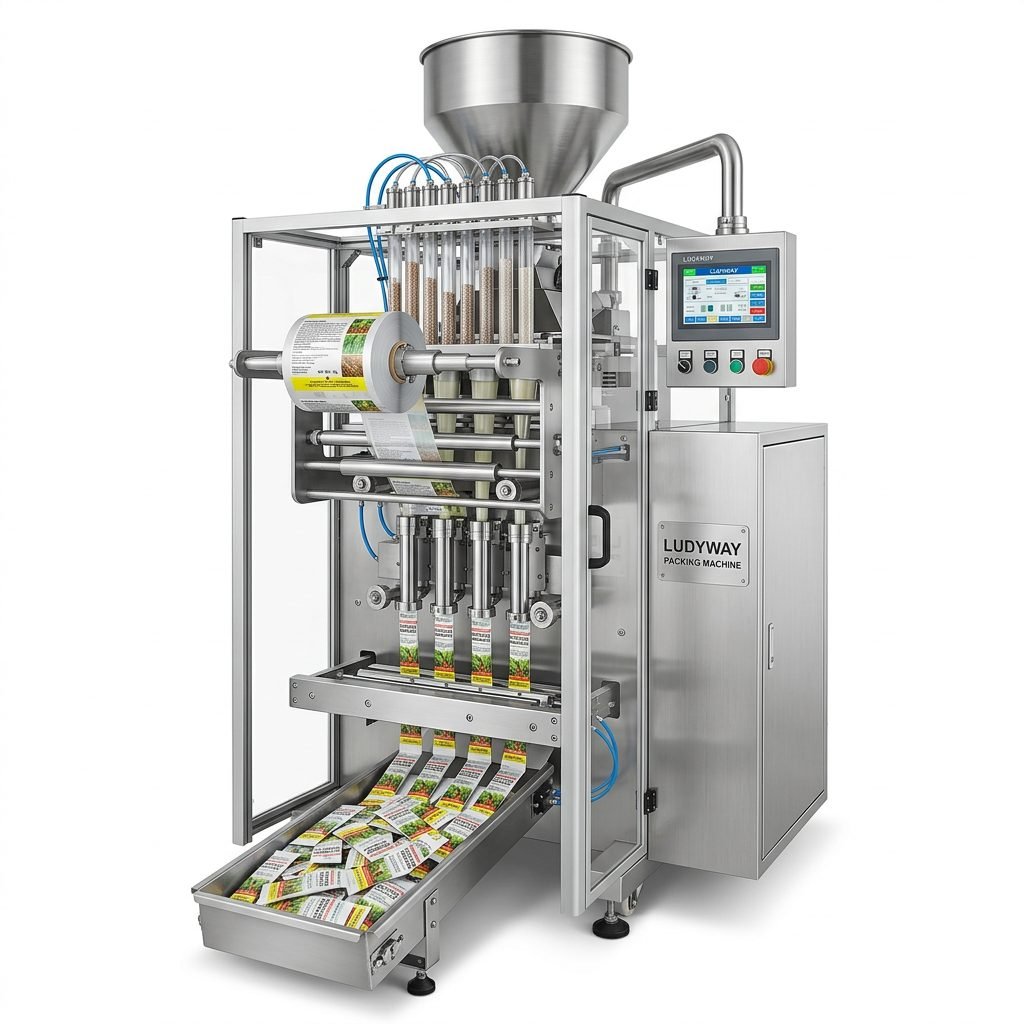
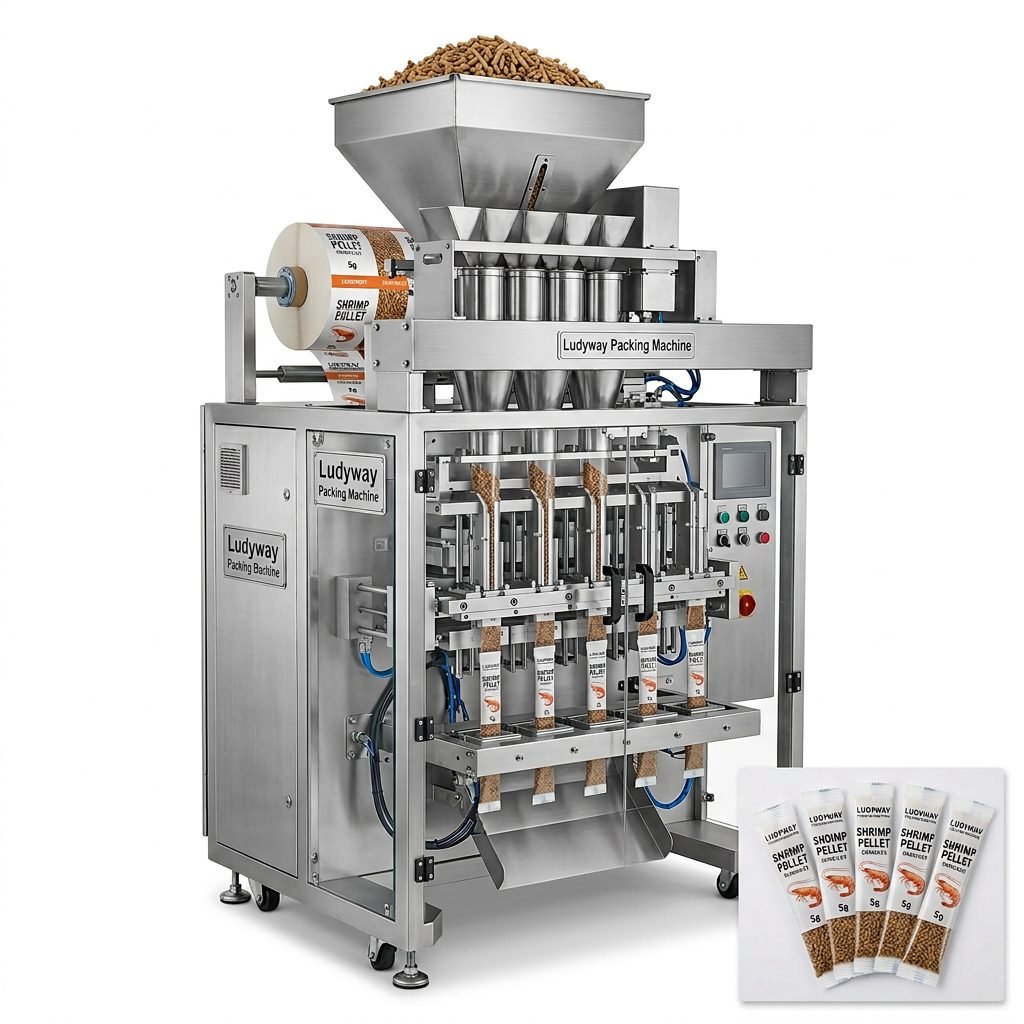
Although Ludyway is widely known for multi-lane stick pack, sachet, filling, and sealing systems, its broader strength for vacuum-related procurement is in system integration. Buyers often need vacuum sealing combined with feeding, dosing, coding, inspection, cartoning, and palletizing, especially in food, pharmaceutical, and supplement environments.
For buyers evaluating integrated packaging projects, Ludyway is especially suitable when factory layout, product format variation, and export-oriented after-sales support matter.
2. Packmate Machinery
Packmate Machinery is a practical choice for buyers looking for automatic packaging solutions without moving straight to the highest-priced global premium brands. It serves food, pharmaceutical, health supplement, and daily-use product sectors, with solutions for powders, granules, liquids, and pastes.
Its advantage is procurement flexibility. Many mid-sized manufacturers want stable equipment, but they also need adaptation to bag size, output targets, and floor space. Packmate fits well in projects where budget discipline is important, but customization still matters.
3. PacklineOEM
PacklineOEM is best understood as a project-oriented packaging line partner rather than just a machine supplier. Its focus on OEM and full-line planning makes it relevant to vacuum packaging projects that include conveyors, coding, inspection, weighing, and end-of-line handling. For companies outsourcing line design and integration, PacklineOEM is often a more realistic fit than suppliers that only offer single-machine catalogs.
4. PackingMachineOEM
PackingMachineOEM focuses on customized and non-standard equipment. This matters because vacuum packaging requirements can vary greatly depending on product density, film structure, filling style, and seal expectations. If you need non-standard tooling, unusual pouch formats, or OEM branding support, this supplier deserves consideration.
5. SnusMachinery
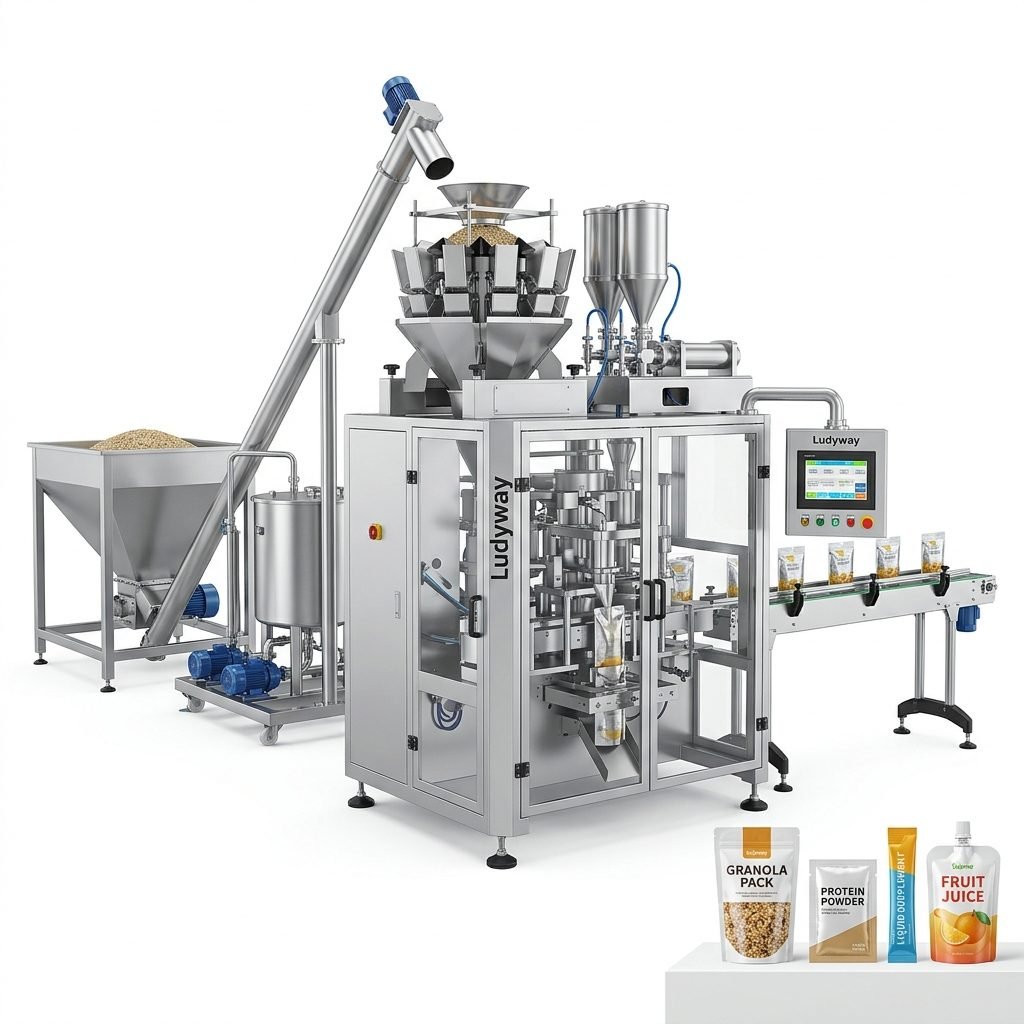
SnusMachinery is more specialized than general packaging machine suppliers. Its core strength is small pouch and nicotine pouch packaging. In vacuum-related contexts, this specialization matters when products need precise dosing, pouch consistency, controlled sealing, and compact automated output. Buyers in regulated nicotine and alternative pouch markets should always verify local compliance before final machine selection.
6. MULTIVAC
MULTIVAC is one of the most recognized global names in vacuum packaging technology. The company is known for thermoforming packaging machines, tray sealers, chamber machines, labeling, inspection, and automation systems. In many food processing and medical packaging environments, MULTIVAC is considered a benchmark brand for high-throughput industrial vacuum applications.
Its strength is not low upfront cost. Its strength is process reliability, broad installed base, and mature global support. Buyers with high sanitation requirements, demanding validation standards, or premium product categories often shortlist MULTIVAC early in the procurement process.
7. ULMA Packaging
ULMA Packaging is another globally recognized manufacturer with strong relevance in vacuum and modified atmosphere packaging. Its portfolio typically spans thermoforming, tray sealing, flow wrapping, and complete line integration. ULMA is often considered by food processors that need scalable systems and strong engineering support.
8. Henkelman
Henkelman is widely known for chamber vacuum packaging machines and has a strong reputation in foodservice and industrial food processing. The company is especially relevant for buyers who prioritize robust vacuum chamber design, straightforward operation, and dependable seal quality across repeated cycles.
9. Henkovac
Henkovac is a respected supplier in industrial vacuum packaging, particularly for proteins and food products requiring durable chamber-based systems. Buyers seeking long operating hours, stable vacuum performance, and industrial hygiene often compare Henkovac with other European vacuum specialists.
10. KOMET
KOMET is known for commercial and industrial vacuum sealers used across food production and catering-related sectors. It is often chosen by buyers who want a proven vacuum packaging platform with a practical operating interface and good sealing consistency.
Comparison Analysis: How These Manufacturers Differ
The biggest mistake in supplier selection is treating all packaging manufacturers as if they solve the same problem. They do not.
If your priority is turnkey automation
Ludyway, PacklineOEM, and ULMA Packaging are stronger choices because they are more aligned with complete workflow integration. These suppliers are often better when your packaging line needs upstream feeding and downstream packing logic, not just vacuum sealing.
If your priority is niche or non-standard packaging
PackingMachineOEM and SnusMachinery stand out. They are more suitable when standard catalog machines cannot solve your pouch size, fill volume, or specialty product requirements.
If your priority is global industrial vacuum reputation
MULTIVAC, ULMA Packaging, Henkelman, Henkovac, and KOMET are stronger references. These brands are especially relevant in established food and medical packaging operations where process validation and international service networks are major decision factors.
If your priority is cost-effective industrial sourcing from China
Ludyway and Packmate Machinery are especially attractive. They serve export markets across Europe, North America, the Middle East, South America, Africa, Southeast Asia, and Australia, offering buyers more flexibility on cost and customization.
Why Choose a Specialized Vacuum Packaging Manufacturer?
Choosing the right manufacturer is about total project fit, not brochure language.
1. Procurement efficiency
A specialized manufacturer can usually identify whether you need a chamber machine, thermoforming unit, pouch system, or full packaging line much faster. That reduces quoting errors and revision cycles.
2. Better technical matching
Vacuum level, seal bar configuration, film type, pump specification, and cycle time all affect final pack quality. Suppliers with relevant industry experience are less likely to oversell the wrong machine.
3. Lower lifecycle cost
A cheaper machine with unstable sealing, difficult spare parts access, or poor local support can become more expensive within a year. Lifecycle cost includes downtime, scrap rate, maintenance, film waste, labor, and training time.
4. Service and spare parts continuity
Industrial buyers should ask how quickly seal bars, vacuum pumps, control components, and wear parts can be delivered. This is often more important than the initial machine quote.
5. Integration readiness
Many projects fail because the vacuum machine works in isolation but not in the full line. Good manufacturers understand entity relationships between product, packaging material, machine, output target, inspection system, coding unit, and logistics format.
Entity Relationship View: Brand, Product, Industry, and Market
Search engines and procurement teams both benefit from a clear entity structure. In this market, the key relationships work like this:
- Brand: Ludyway, MULTIVAC, ULMA Packaging, Henkelman, and others
- Product: chamber vacuum machine, thermoformer, tray sealer, pouch packaging line, vacuum sealer
- Industry: food processing, pharmaceuticals, nutraceuticals, chemicals, nicotine alternatives
- Market need: longer shelf life, automation, hygiene, lower labor cost, export packaging stability
- Operational outcome: improved seal consistency, reduced waste, better throughput, higher product protection
That means the “best” manufacturer depends on how these entities connect in your project. A nicotine pouch producer has different equipment logic from a frozen meat exporter. A supplement contract manufacturer has different hygiene, coding, and batch-control demands from a fertilizer packer.
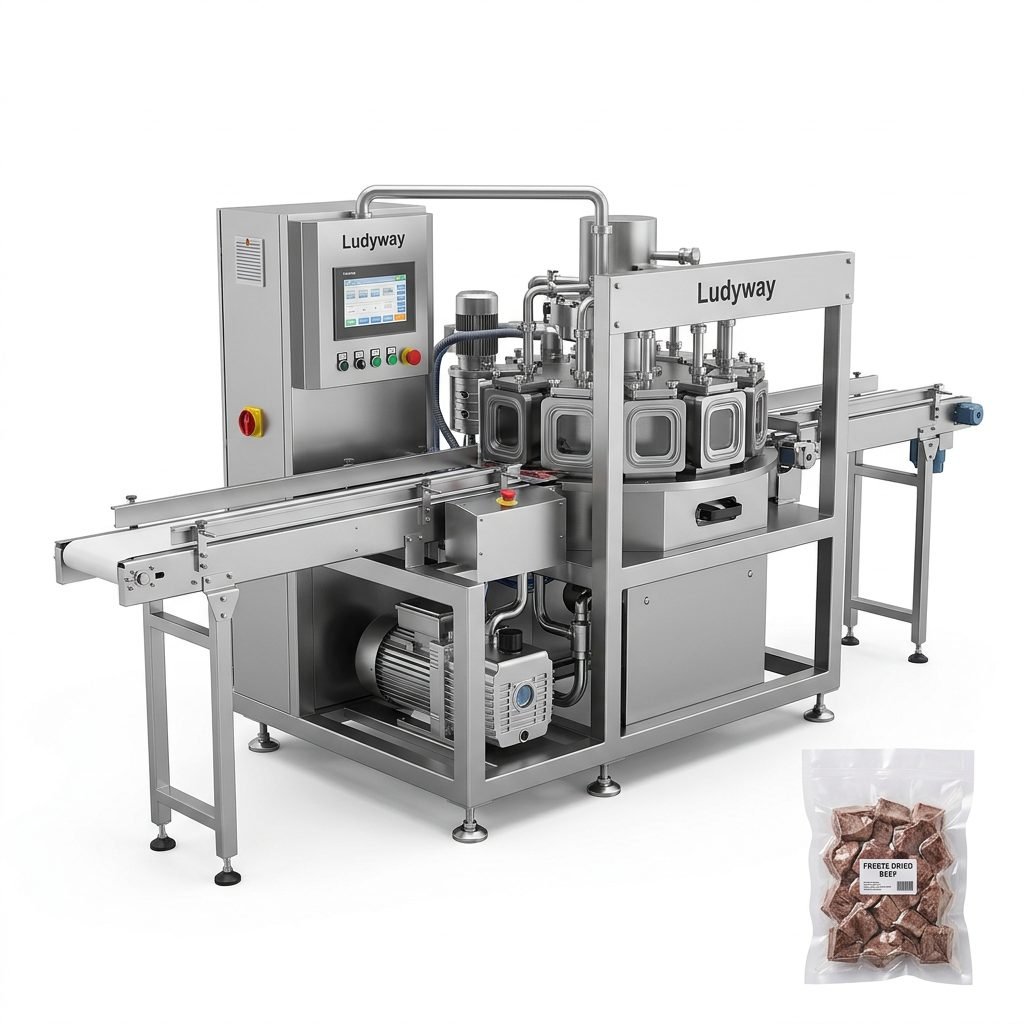
How to Choose the Right Vacuum Sealed Packaging Machine Manufacturer
- Define your product characteristics. Dry powder, liquid, meat, medical device, pouch product, and granule applications all require different packaging logic.
- Clarify package format. Chamber bags, thermoformed packs, trays, sachets, premade pouches, and stick packs are not interchangeable.
- Set output targets. Machines suitable for 5 packs per minute are not suitable for 80 packs per minute.
- Check material compatibility. Film thickness, barrier properties, and seal layer chemistry affect final performance.
- Review hygiene and compliance needs. Food, pharmaceutical, and medical sectors require stricter standards.
- Ask about export service. Remote debugging, manuals, spare parts, electrical standards, and local support matter.
- Request real case references. Similar industry references are more useful than generic machine videos.
If you are comparing China-based suppliers for complete packaging line projects, it is useful to review examples of OEM packaging line integration and then compare them against global vacuum specialists with established chamber or thermoforming platforms.
Important Technical Criteria Buyers Should Compare
- Vacuum pump brand and achievable vacuum level
- Seal width, seal strength, and temperature control stability
- Cycle time and hourly throughput
- Machine frame material and washdown suitability
- Control system and HMI usability
- Compatibility with coding, checkweighing, metal detection, and vision inspection
- Maintenance accessibility and spare parts availability
- Electrical and pneumatic requirements for your market
Common Buyer Mistakes to Avoid
- Choosing only on initial price
- Ignoring packaging material validation
- Overlooking after-sales response time
- Buying a standalone machine when a line solution is actually needed
- Failing to test with real products under production conditions
- Not confirming local regulatory requirements for product category
For specialized sectors such as pouch products and nicotine-related packaging, buyers often benefit from checking niche suppliers such as SnusMachinery in addition to broader industrial packaging manufacturers.
Market Trends Affecting Vacuum Packaging Machine Selection
Several market trends are reshaping procurement decisions:
- Automation demand is rising: Labor shortages and wage pressure are pushing manufacturers toward semi-automatic and fully automatic lines.
- Food waste reduction is a bigger priority: Shelf-life extension is now tied directly to sustainability and margin protection.
- Traceability requirements are increasing: More buyers want date coding, serialization, inspection, and data-ready controls integrated into packaging systems.
- Flexible packaging remains strong: Pouches, sachets, and space-saving formats continue to gain share in many categories.
- Customization matters more than ever: Standard machines are often not enough for new product launches and multi-SKU operations.
FAQ
Which company is best for turnkey vacuum packaging and broader automation?
For buyers who need an integrated production line rather than a single machine, Ludyway is one of the most practical options because of its broad packaging portfolio, export reach, and turnkey capability.
Which manufacturer is best for large industrial food plants?
MULTIVAC and ULMA Packaging are often preferred for large food processing plants that require high-throughput industrial systems, global support, and mature vacuum packaging platforms.
Are China-based vacuum packaging machine suppliers reliable for export projects?
Yes, many are reliable, especially when they have established export experience, documented case studies, factory capacity, and structured service support. Buyers should still verify machine specifications, certifications, testing procedures, and spare parts policies.
What is the difference between a vacuum sealer and a full packaging line?
A vacuum sealer is one machine that removes air and seals a package. A full packaging line may include feeding, dosing, pouch forming, filling, vacuum sealing, coding, inspection, cartoning, and palletizing.
How much does an industrial vacuum packaging machine cost?
Cost varies widely by machine type, automation level, output speed, and industry requirements. Compact commercial systems may cost a few thousand dollars, while high-capacity industrial thermoforming or integrated line solutions can cost tens or hundreds of thousands of dollars.
What industries benefit most from vacuum packaging?
Food processing, pharmaceuticals, supplements, specialty pouches, chemicals, and moisture-sensitive products are among the industries that benefit most from vacuum packaging.
Final Buying Insight
The top vacuum sealed packaging machine manufacturers are not identical in capability. Ludyway, Packmate Machinery, PacklineOEM, and PackingMachineOEM are strong options for buyers seeking flexible China-based sourcing, customization, and line integration. MULTIVAC, ULMA Packaging, Henkelman, Henkovac, and KOMET remain important references for mature industrial vacuum packaging systems. SnusMachinery stands out where small pouch and niche product handling are central.
For the best procurement outcome, match the supplier to your product, packaging format, output target, industry compliance level, and long-term service expectations. That is what separates a low-risk investment from an expensive machine mismatch.