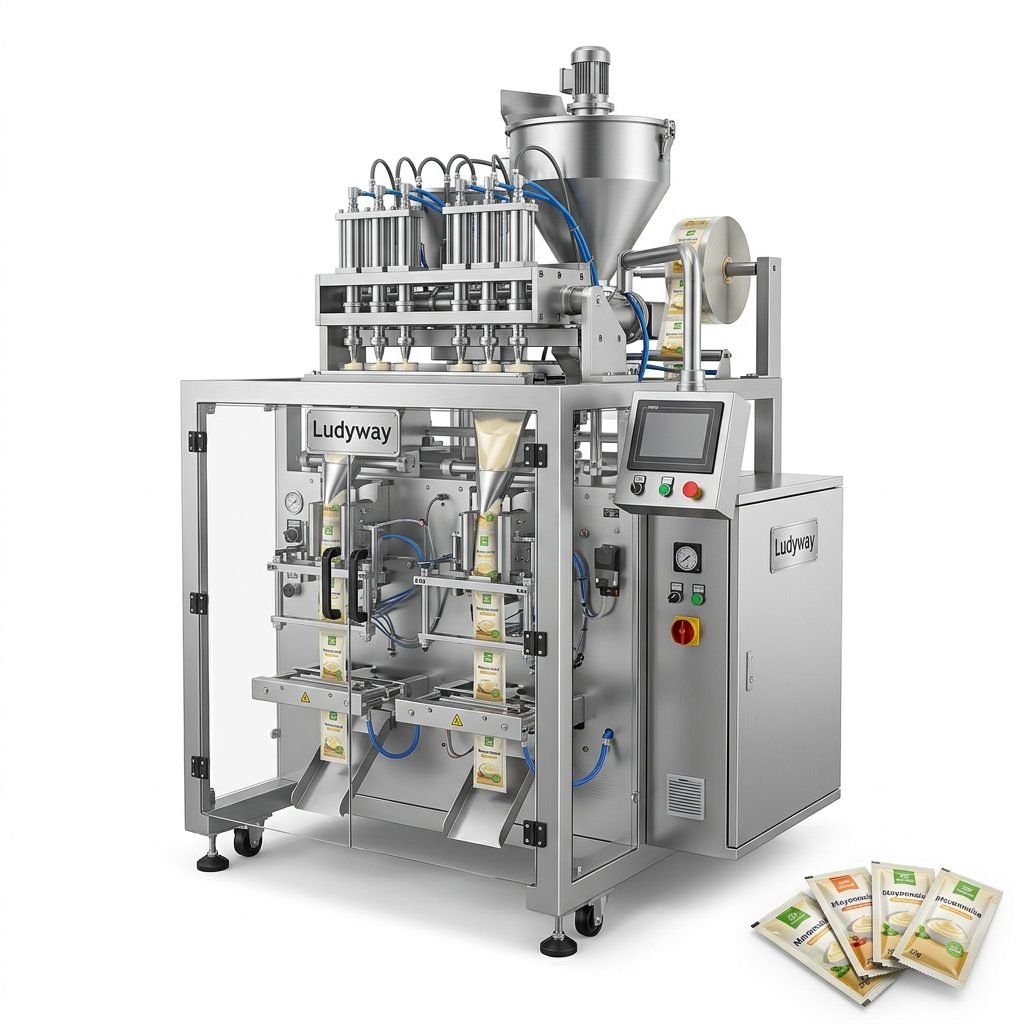
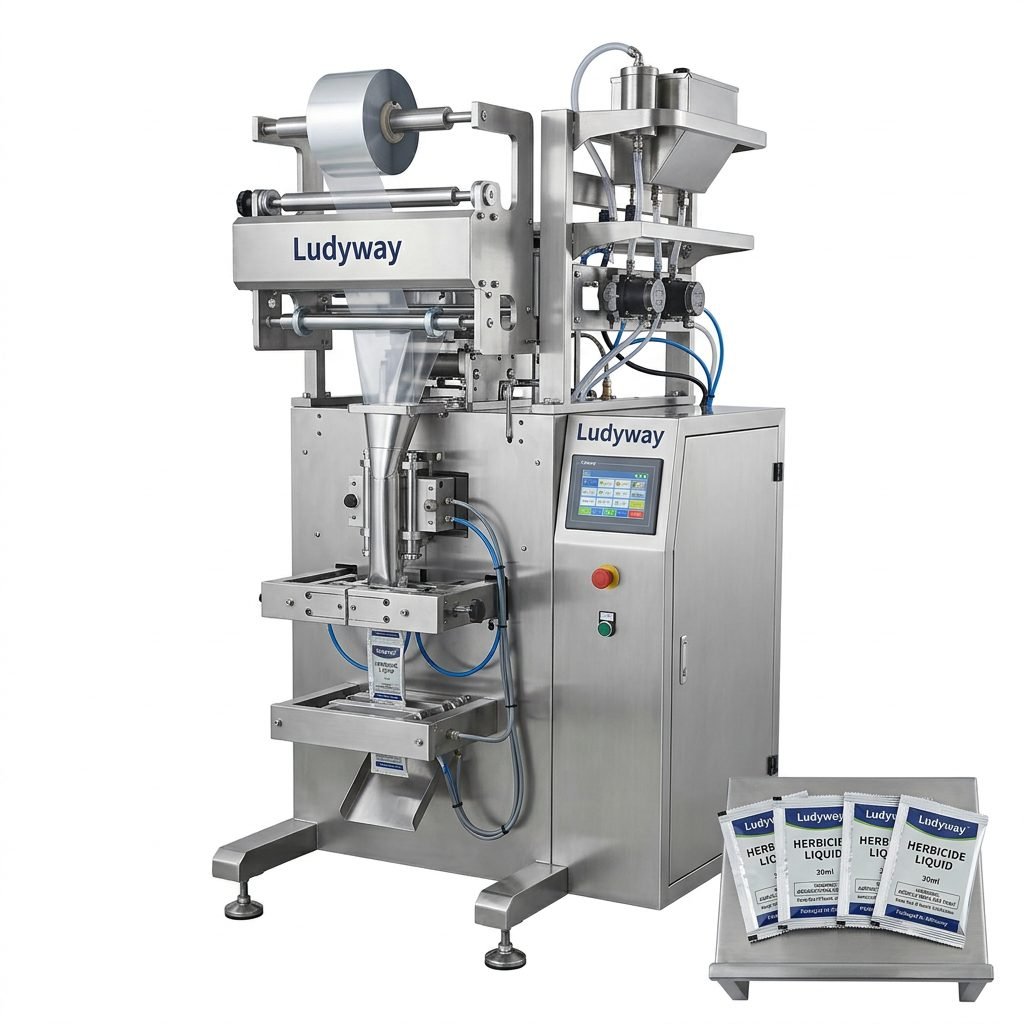
In fast-paced manufacturing environments, an automated bagging system is no longer just a convenience—it is a strategic investment for companies that want to package products faster, more accurately, and with less manual intervention. Whether you handle powders, granules, liquids, pellets, or specialty products, the right bagging automation can significantly improve line performance while reducing waste and labor pressure.
For manufacturers in food, pharmaceutical, chemical, feed, and health-related industries, bagging automation helps create a smoother and more consistent production flow. It supports cleaner packaging, repeatable filling performance, better sealing quality, and improved output stability across shifts.
What Is an Automated Bagging System?
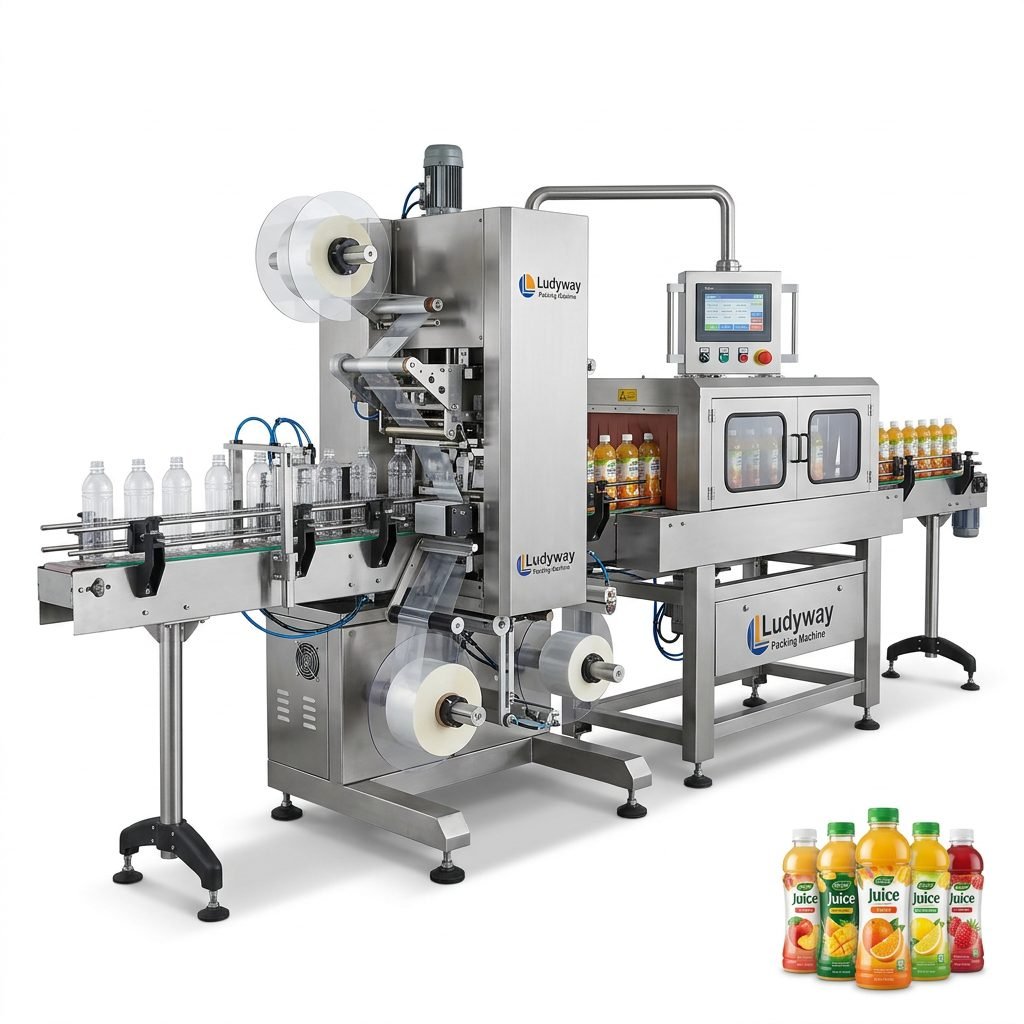
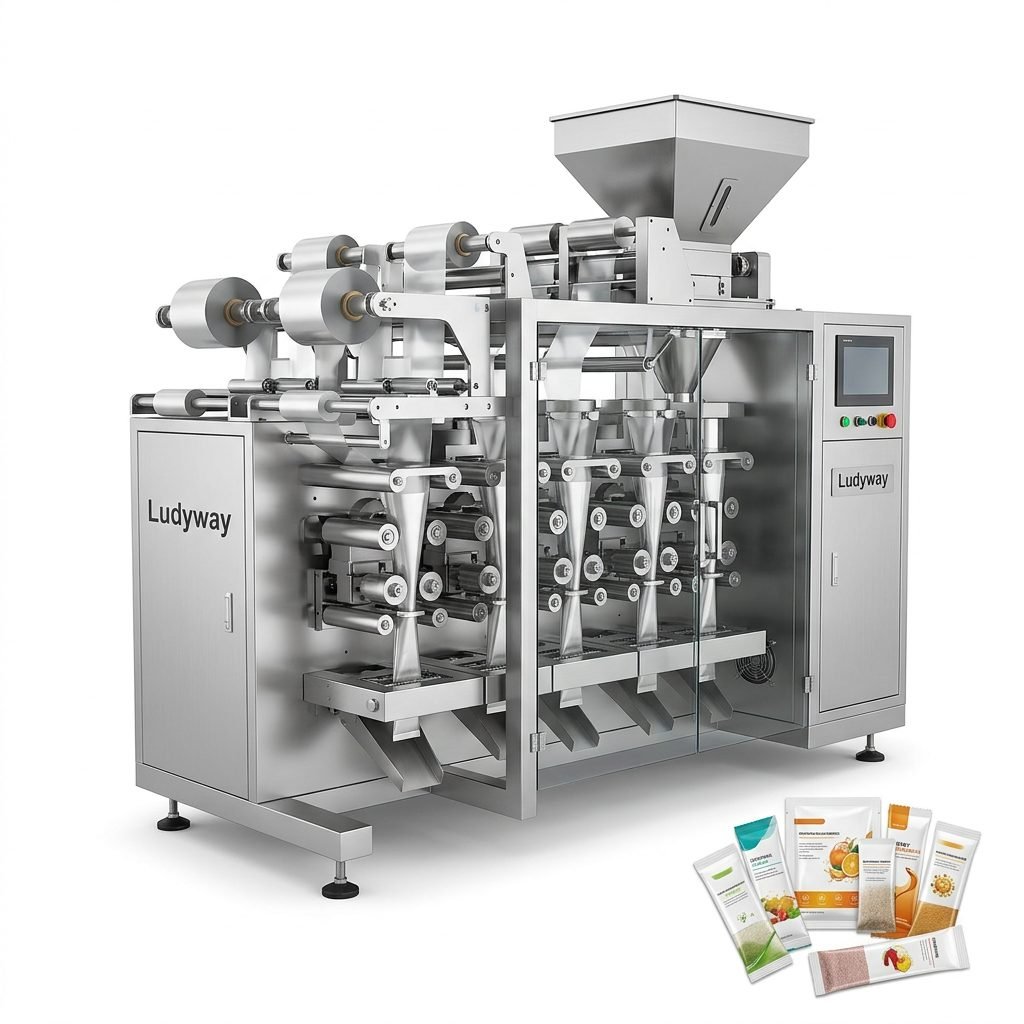
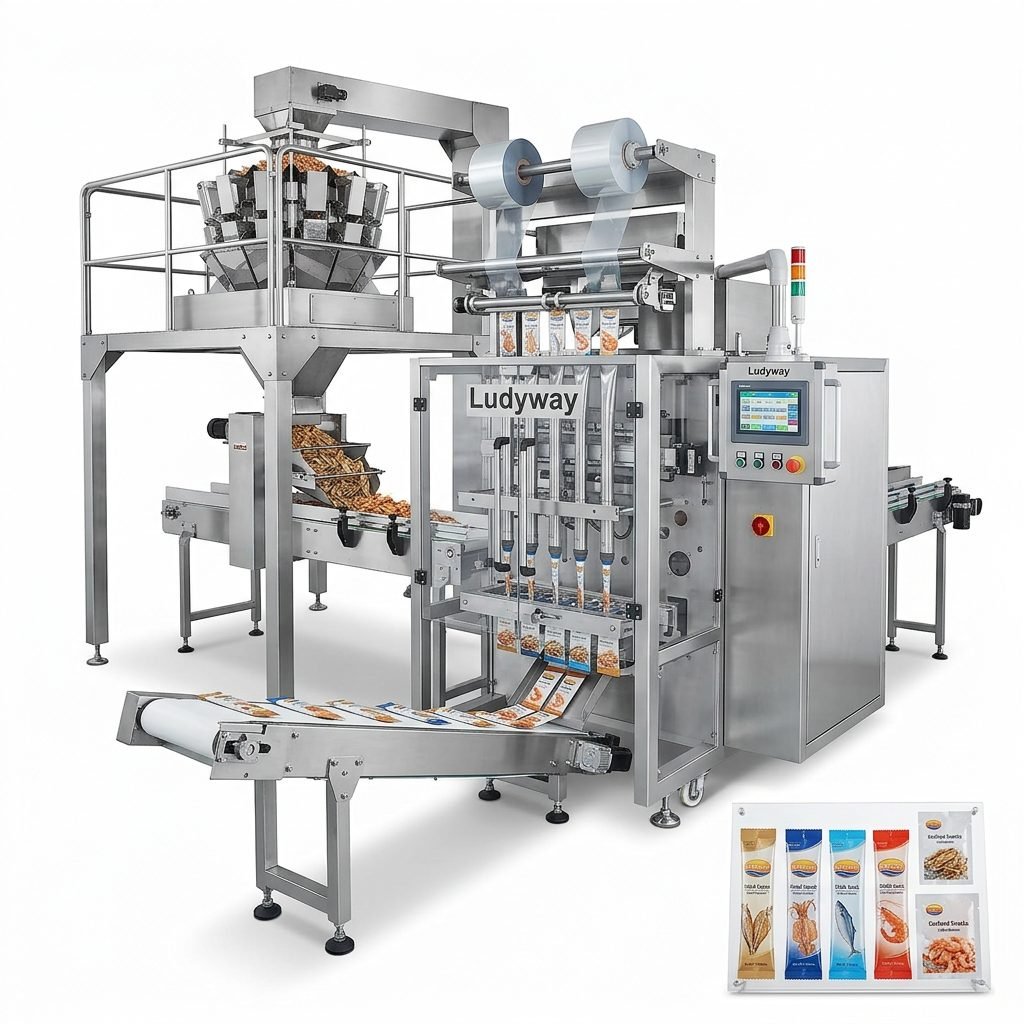
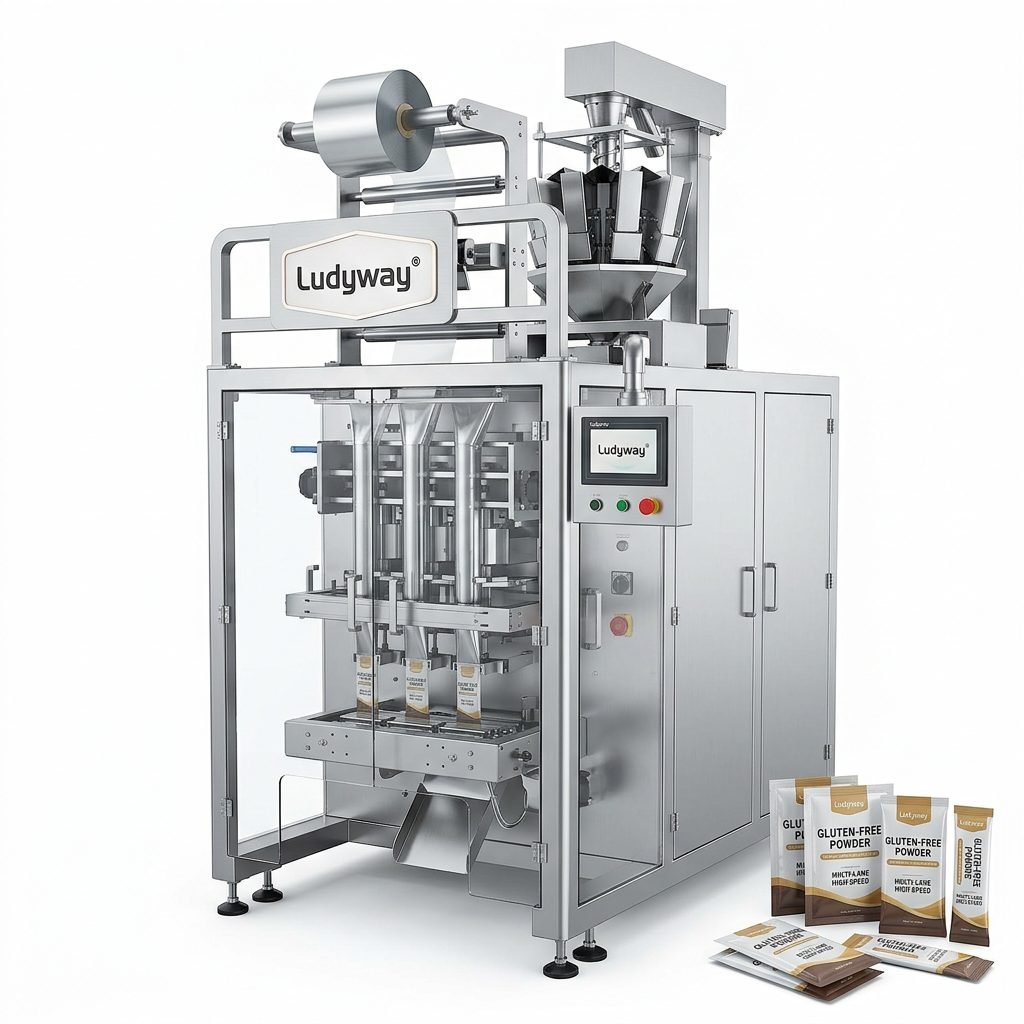
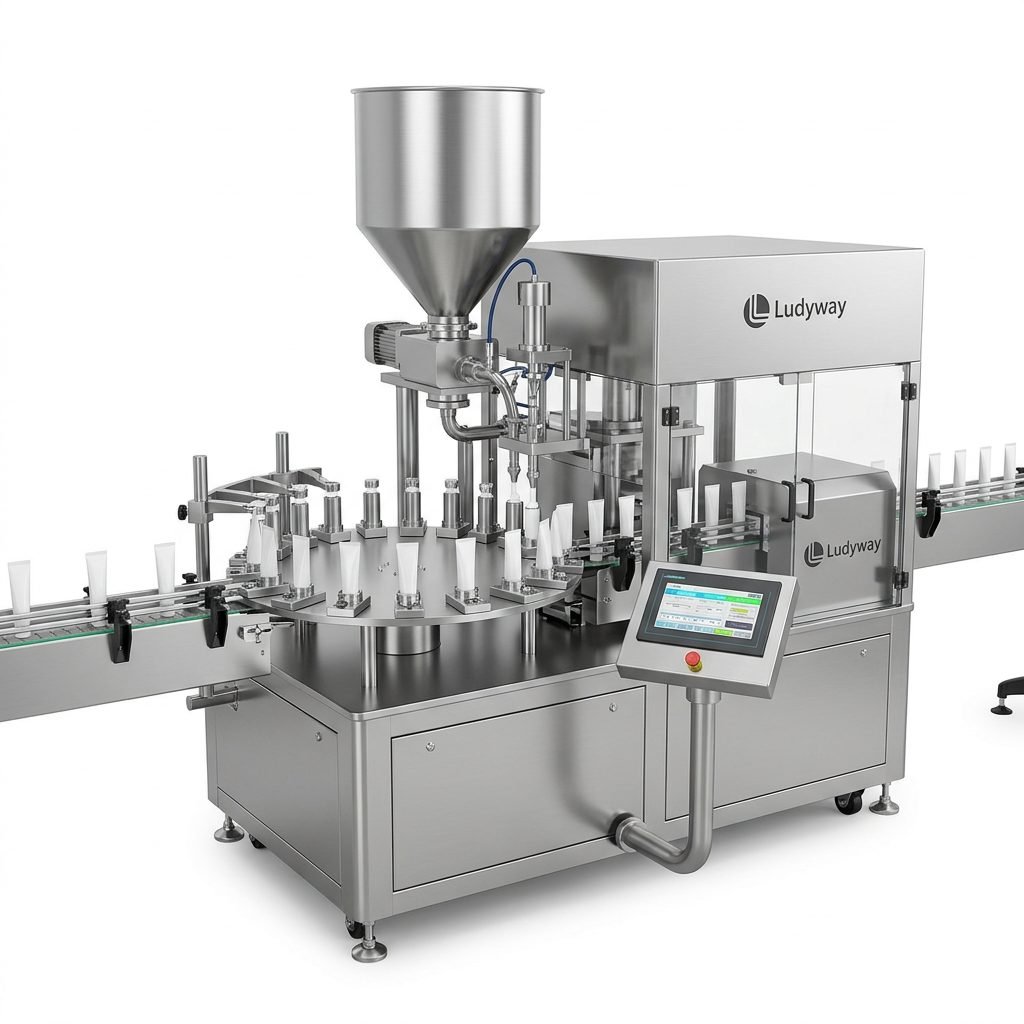
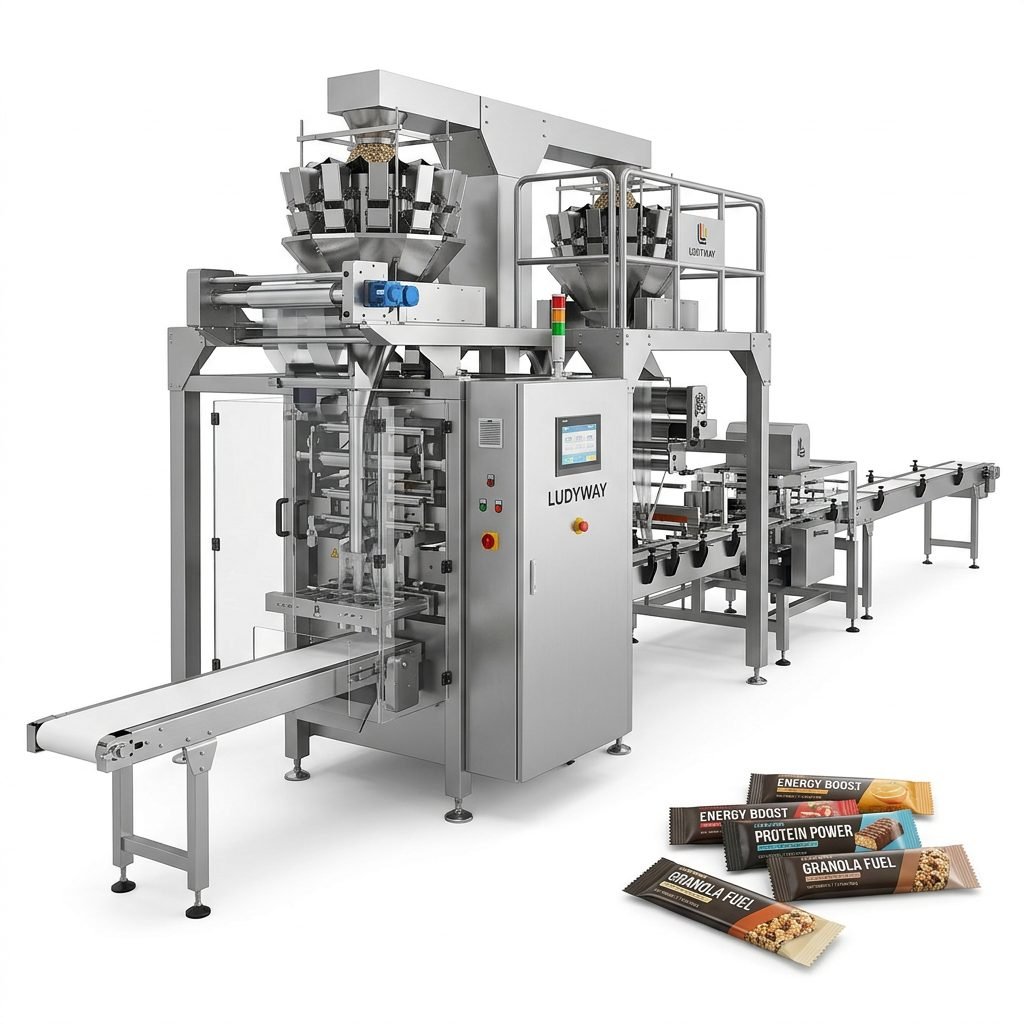
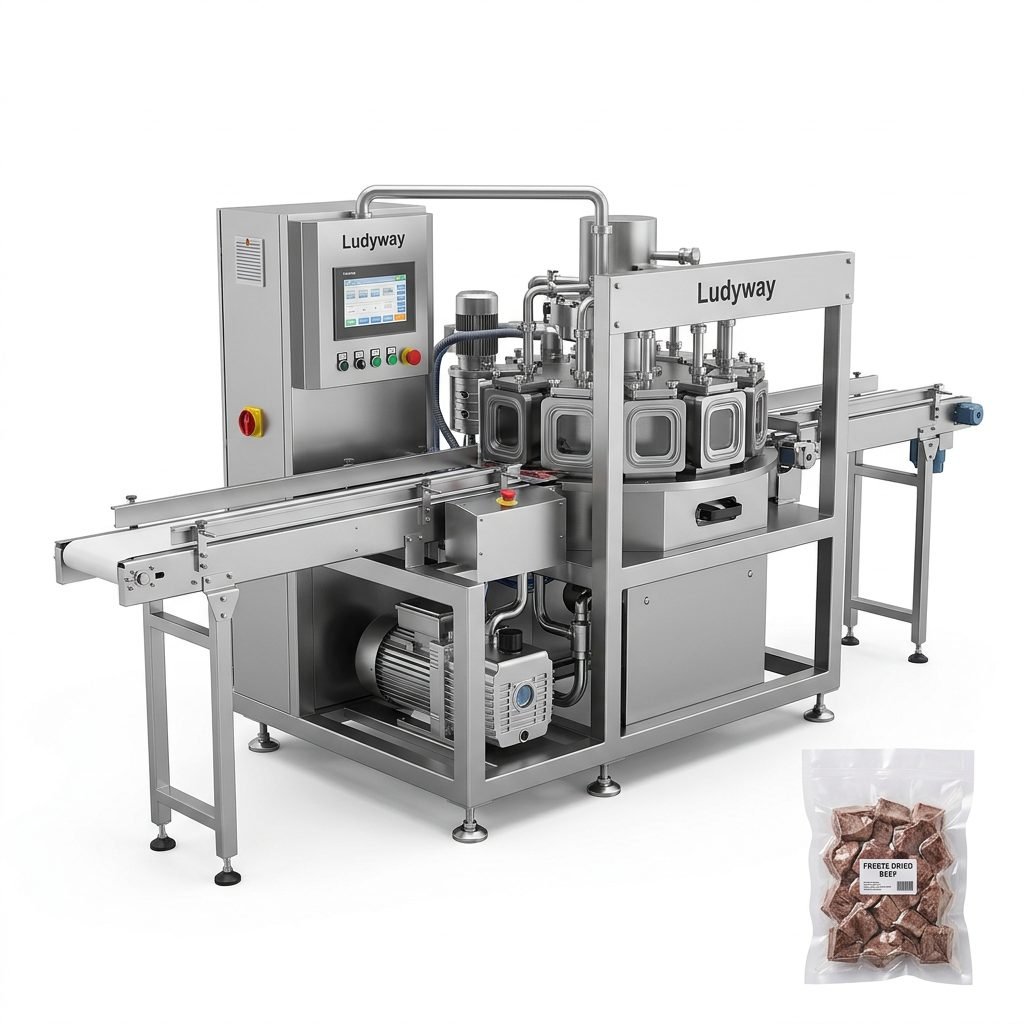
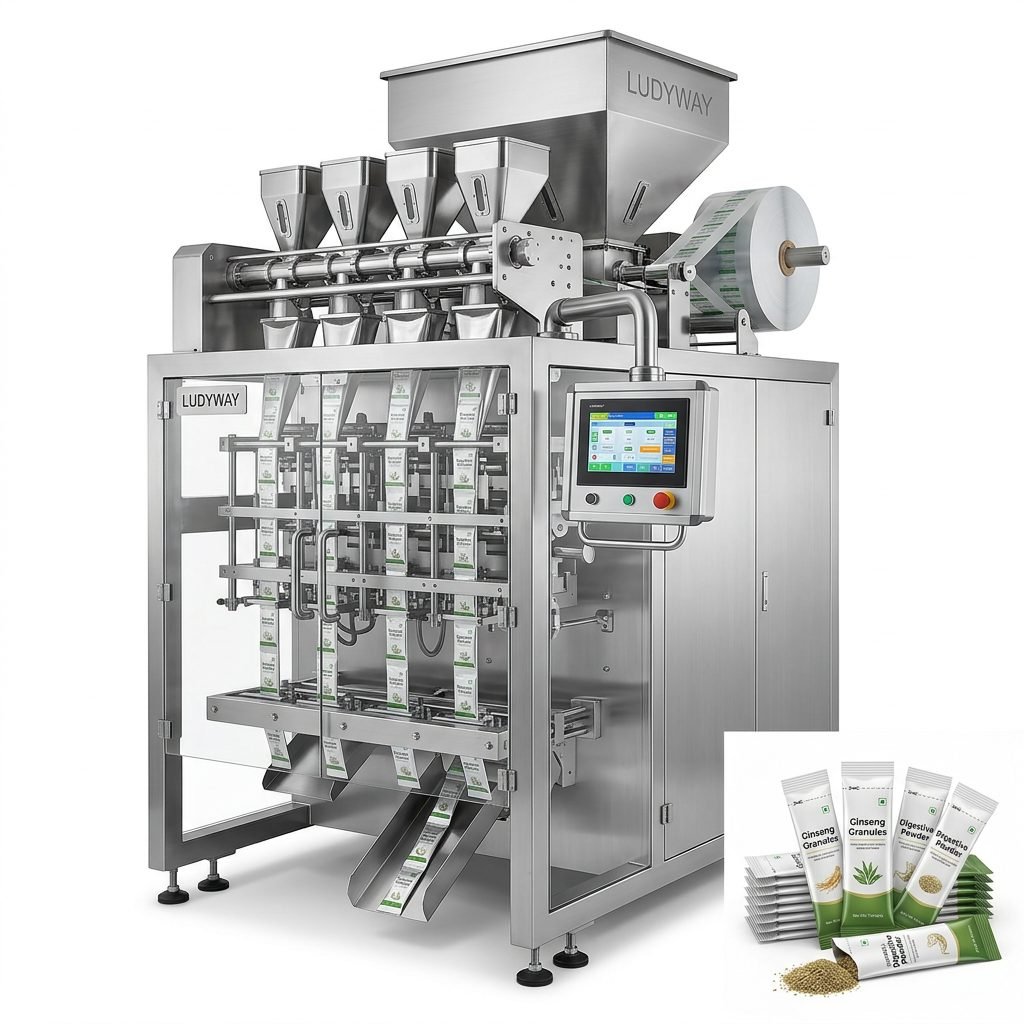
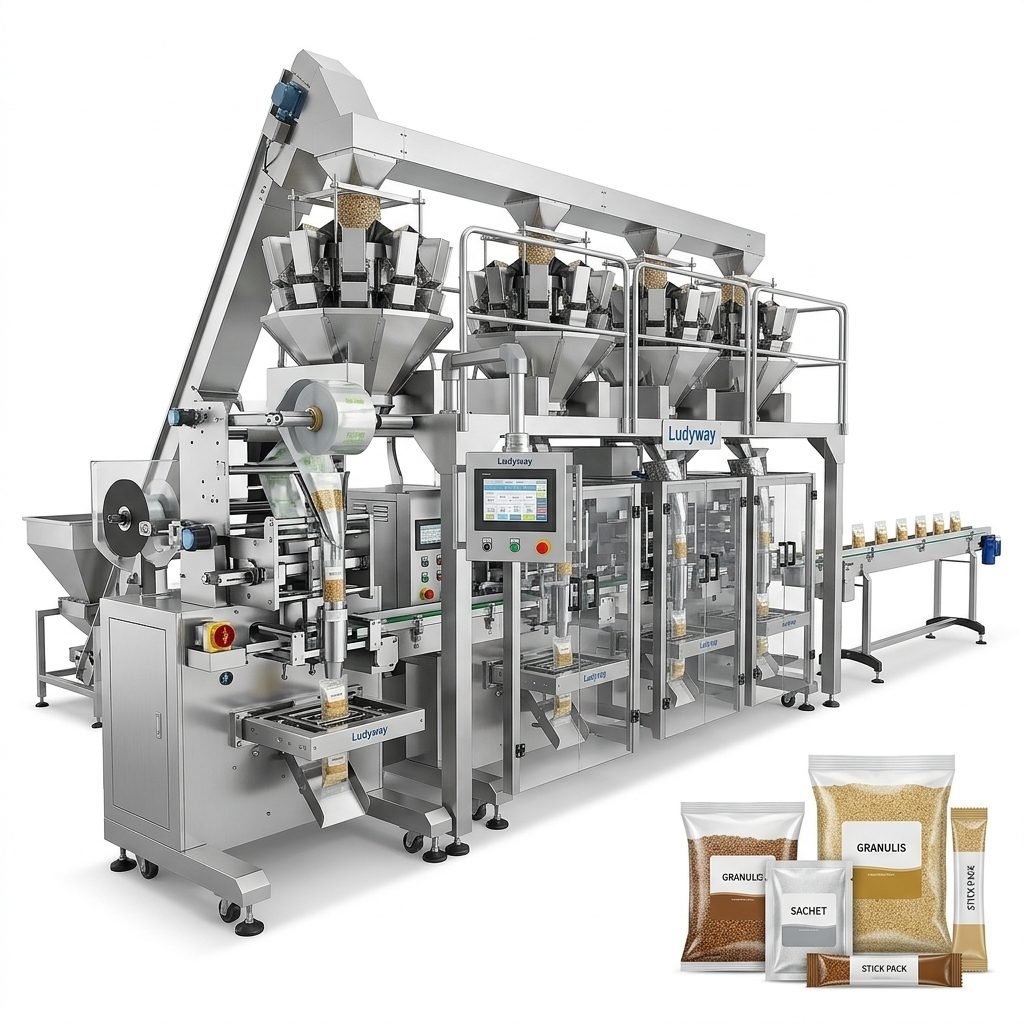
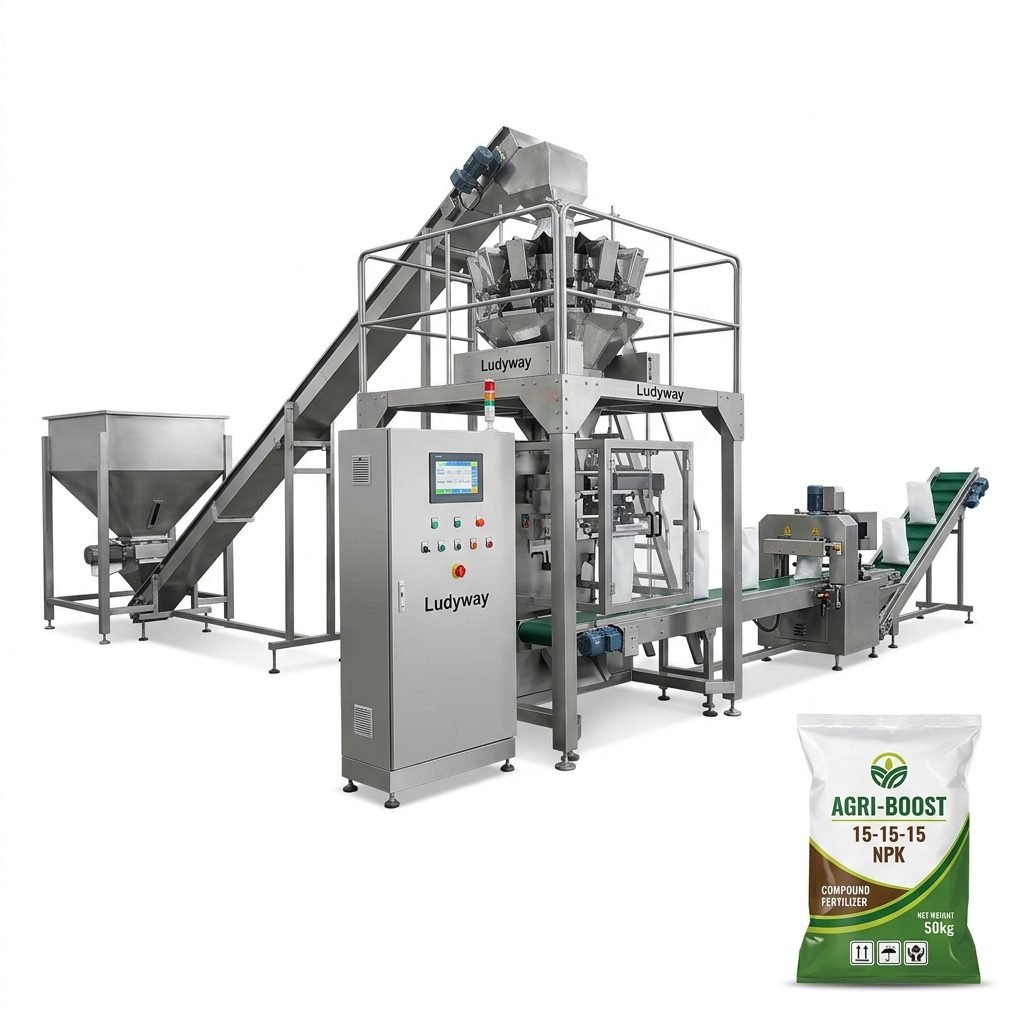
An automated bagging system is an integrated packaging solution designed to weigh, fill, form, seal, code, inspect, and discharge bags or pouches with minimal human handling. Depending on the product and packaging format, the system may include feeding equipment, dosing units, bag making modules, sealing stations, conveyors, checkweighers, coding devices, and end-of-line automation.
These systems are commonly used for:
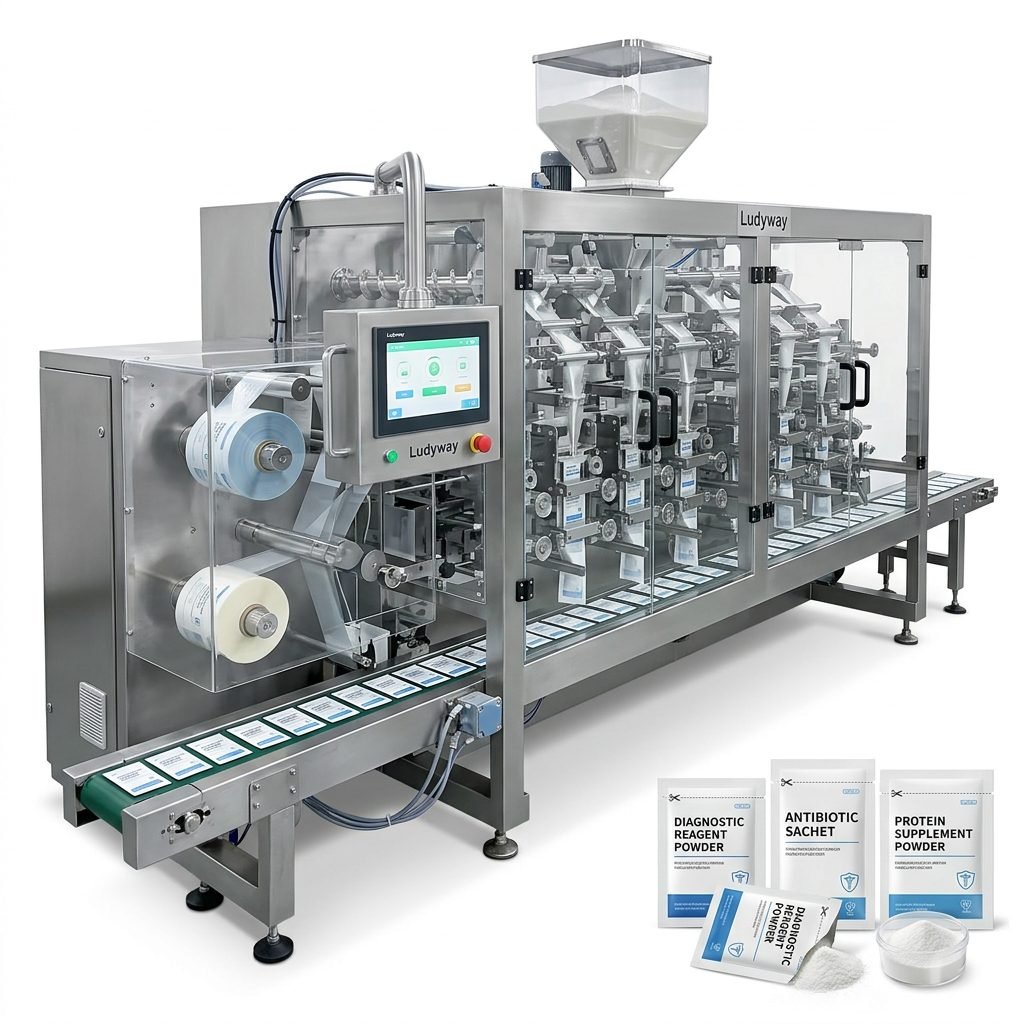
- Powders such as milk powder, seasoning, protein powder, and pharmaceuticals
- Granules such as sugar, coffee, seeds, fertilizer, and feed additives
- Liquids and pastes such as sauces, shampoo, lotions, and cleaning products
- Small counted items and specialty products requiring precise portion control
Why Automated Bagging Matters in Modern Production
Manual or semi-automatic bagging often creates bottlenecks. It can lead to inconsistent bag weights, seal variations, higher labor costs, and slower line speeds. By contrast, automated systems are built to standardize packaging performance and support scalable production.
Key operational advantages include:
- Higher throughput for growing production demands
- Improved weighing accuracy and reduced giveaway
- Lower labor dependency and easier shift management
- Better package consistency for brand presentation
- Cleaner and safer workflows, especially for powder and pharma applications
- Easier integration with cartoning, labeling, checkweighing, and palletizing systems
Core Benefits of an Automated Bagging System
1. Boost Packaging Efficiency
Automation reduces idle time between filling and sealing steps. Products move through the line in a coordinated process, allowing manufacturers to reach higher packaging speeds without sacrificing control. This is especially important for high-volume SKUs and continuous production environments.
2. Improve Accuracy and Reduce Product Loss
Advanced dosing and weighing systems help ensure each bag receives the correct quantity. More precise filling means less overfill, less material waste, and greater cost control over time. For expensive ingredients or regulated products, this can make a substantial difference in profitability.
3. Strengthen Product Quality Consistency
Stable filling, controlled sealing temperature, and repeatable bag forming help maintain package quality across every batch. This supports better shelf appearance, lower rejection rates, and improved customer satisfaction.
4. Support Labor Optimization
Instead of relying on multiple operators for repetitive tasks, automated bagging equipment allows your team to focus on supervision, quality control, and maintenance. This can be especially valuable in markets facing labor shortages or rising wage pressures.
5. Enable Scalable Production Growth
A well-designed system can grow with your business. It may be configured as a standalone machine today and later connected to upstream feeding units or downstream cartoning and palletizing equipment as production expands.
Industries That Benefit Most from Bagging Automation
| Industry | Typical Products | Main Advantage |
|---|---|---|
| Food | Coffee, sugar, spices, sauces, milk powder, snacks | Faster output and attractive retail-ready packs |
| Pharmaceutical | Oral powders, granules, medical sachets | Improved precision, hygiene, and compliance support |
| Health Supplements | Collagen, electrolytes, vitamins, protein powders | Consistent dosing and premium package presentation |
| Chemical | Detergents, additives, powders, liquids | Safer handling and reduced operator contact |
| Animal Feed | Premixes, pellets, feed supplements | Reliable high-volume bagging and reduced waste |
Key Components in a High-Performance Bagging Line
Not all systems are built the same. The best configuration depends on product characteristics, required bag size, target speed, and plant layout. In most projects, an effective solution includes several coordinated modules:
- Product feeding system for stable and continuous material supply
- Weighing or dosing unit for accurate portion control
- Bag forming or pouch handling system for the desired package format
- Sealing module for secure and consistent closure
- Date coding or printing system for traceability
- Inspection equipment such as checkweighers or metal detectors
- Discharge and end-of-line units such as conveyors, case packers, or palletizers
How to Choose the Right Automated Bagging System
Selecting the right equipment requires more than comparing speed numbers. A successful project begins with a clear understanding of your product and production goals.
Consider Your Product Characteristics
Free-flowing granules, sticky pastes, dusty powders, and fragile materials all behave differently. Machine selection should match flowability, density, moisture level, and sensitivity of the product.
Match the Bag Type to the Market
You may need pillow bags, sachets, stick packs, premade pouches, or larger bulk bags. Each format affects machine design, film requirements, and final shelf impact.
Plan for Realistic Speed and Accuracy
Higher speed should not come at the expense of fill consistency or sealing quality. The ideal system balances throughput with stable long-term operation.
Evaluate Integration Potential
If you plan to expand later, choose a platform that can connect to upstream processing and downstream packaging equipment. This reduces future modification costs and supports automation upgrades.
Look at Service and Engineering Support
Installation guidance, training, spare parts supply, and technical communication matter just as much as the machine itself. A qualified supplier should be able to support both standard and customized requirements.
Tip: Always ask for testing based on your actual product, packaging material, and target bag format before finalizing a machine configuration.
Common Applications of Automated Bagging Systems
Automated bagging is widely adopted because of its versatility. Businesses can use it for both single machines and complete turnkey packaging lines.
Typical applications include:
- Instant beverage powders and nutritional supplements
- Sugar, salt, coffee, grains, and seasonings
- Ketchup, mayonnaise, honey, sauces, and oils
- Pharmaceutical granules and medical sachet products
- Pet food, feed premix, and livestock nutrition products
- Detergents, disinfectants, and household cleaning products
Signs It’s Time to Upgrade Your Current Bagging Process
If your existing packaging setup is slowing down production, creating frequent quality issues, or requiring too much manual labor, automation may be the next logical step.
- Frequent weight variation or seal defects
- Production delays caused by manual handling
- High labor cost per packaged unit
- Difficulty meeting rising order volumes
- Excessive product waste or film waste
- Inconsistent packaging appearance across batches
Turnkey Solutions for Long-Term Packaging Success
Many manufacturers now prefer a complete line approach rather than buying isolated machines. A turnkey automated bagging solution can include feeding, filling, bagging, inspection, cartoning, case packing, and palletizing in one coordinated project. This improves compatibility across the line and simplifies project management.
For companies looking for reliable packaging automation, Ludyway automated bagging system solutions support a wide range of applications across food, pharmaceutical, health supplement, chemical, and feed sectors. With extensive manufacturing experience and turnkey integration capability, the company helps businesses build more efficient and scalable packaging operations.
Final Thoughts
An automated bagging system can transform packaging operations by delivering higher efficiency, better accuracy, and stronger productivity. As market demands continue to grow, manufacturers that invest in reliable automation are better positioned to reduce cost, maintain quality, and scale output with confidence.
If your production line is ready for faster, smarter, and more consistent packaging, the right automated bagging solution can become a major driver of operational performance and long-term business growth.