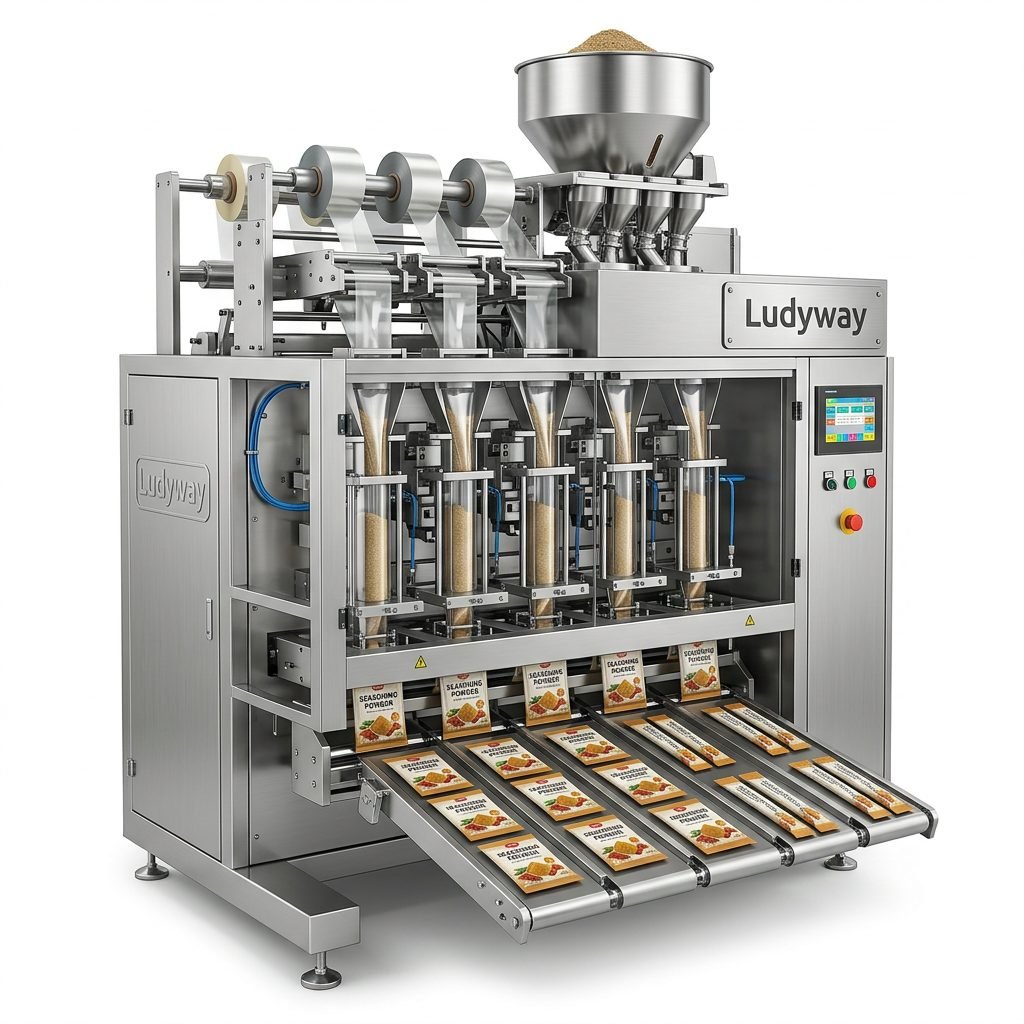
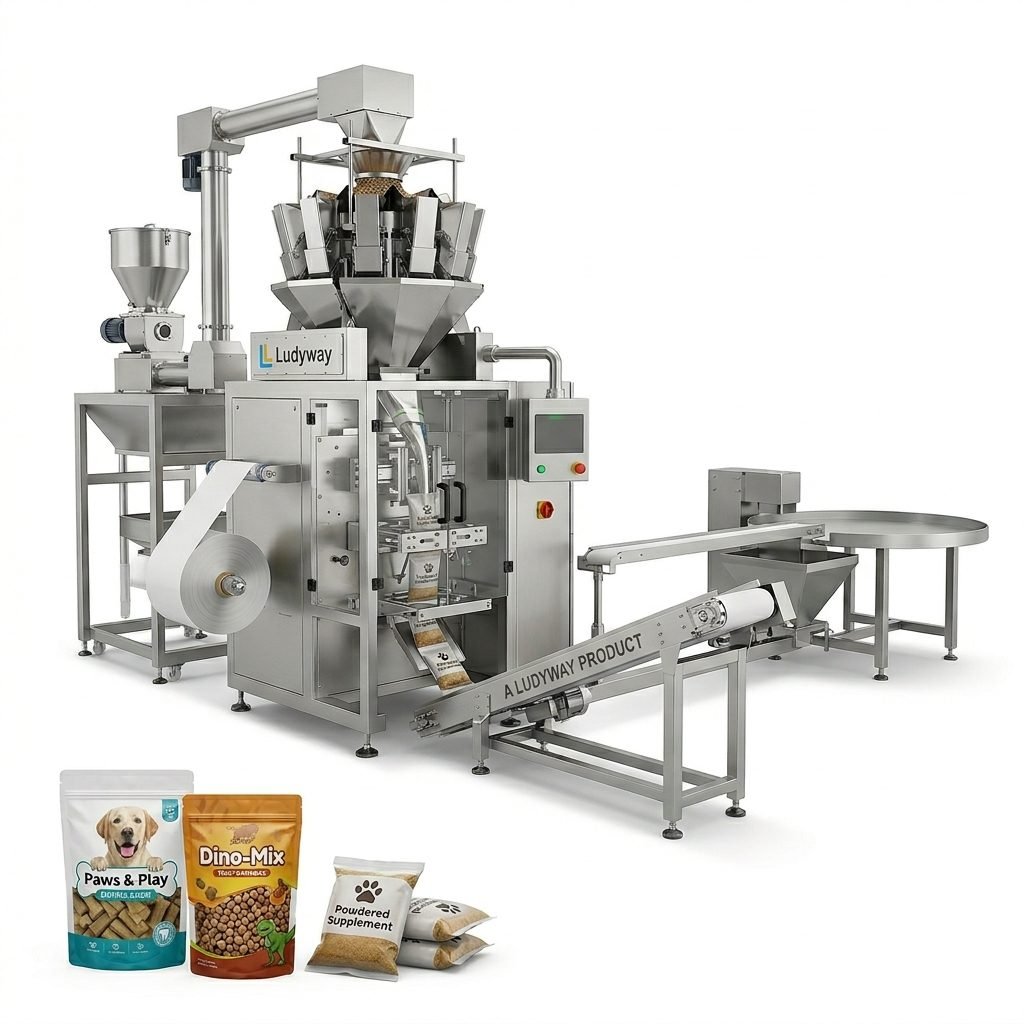
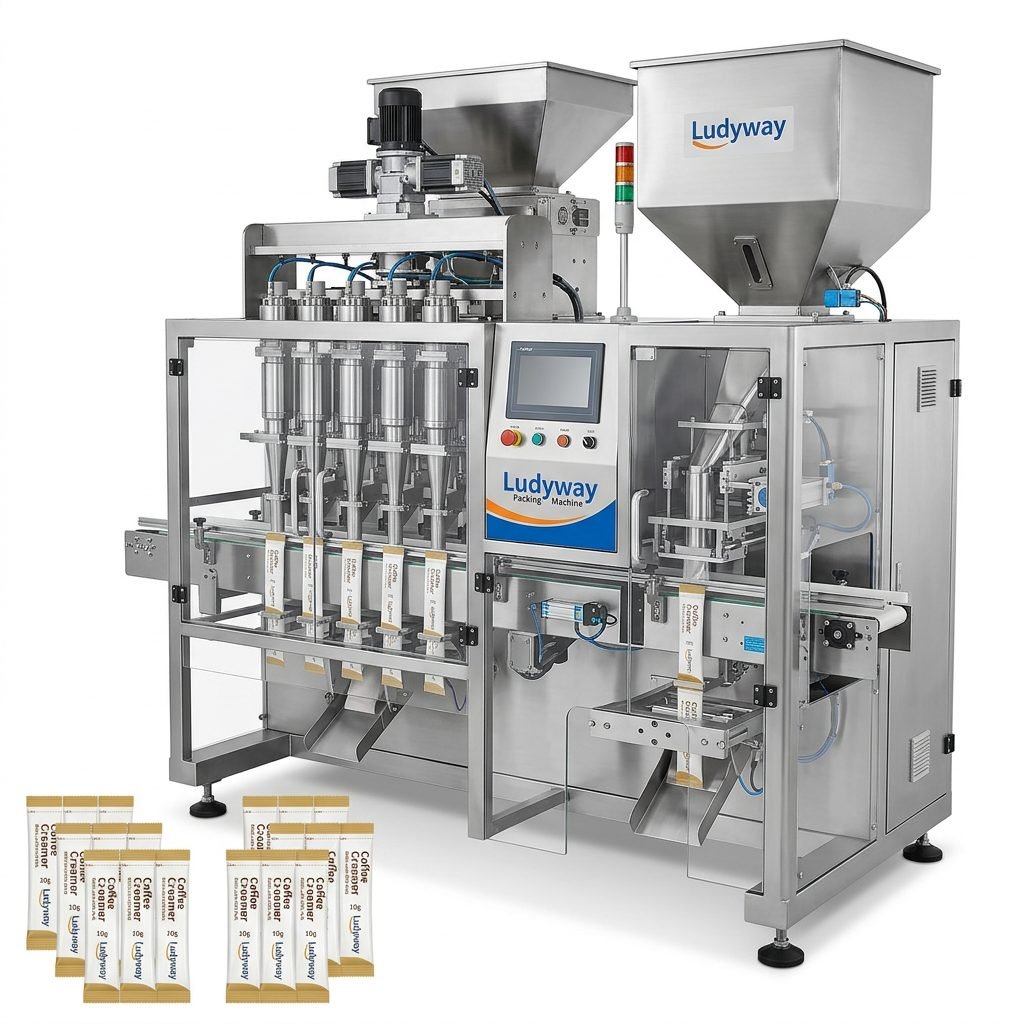
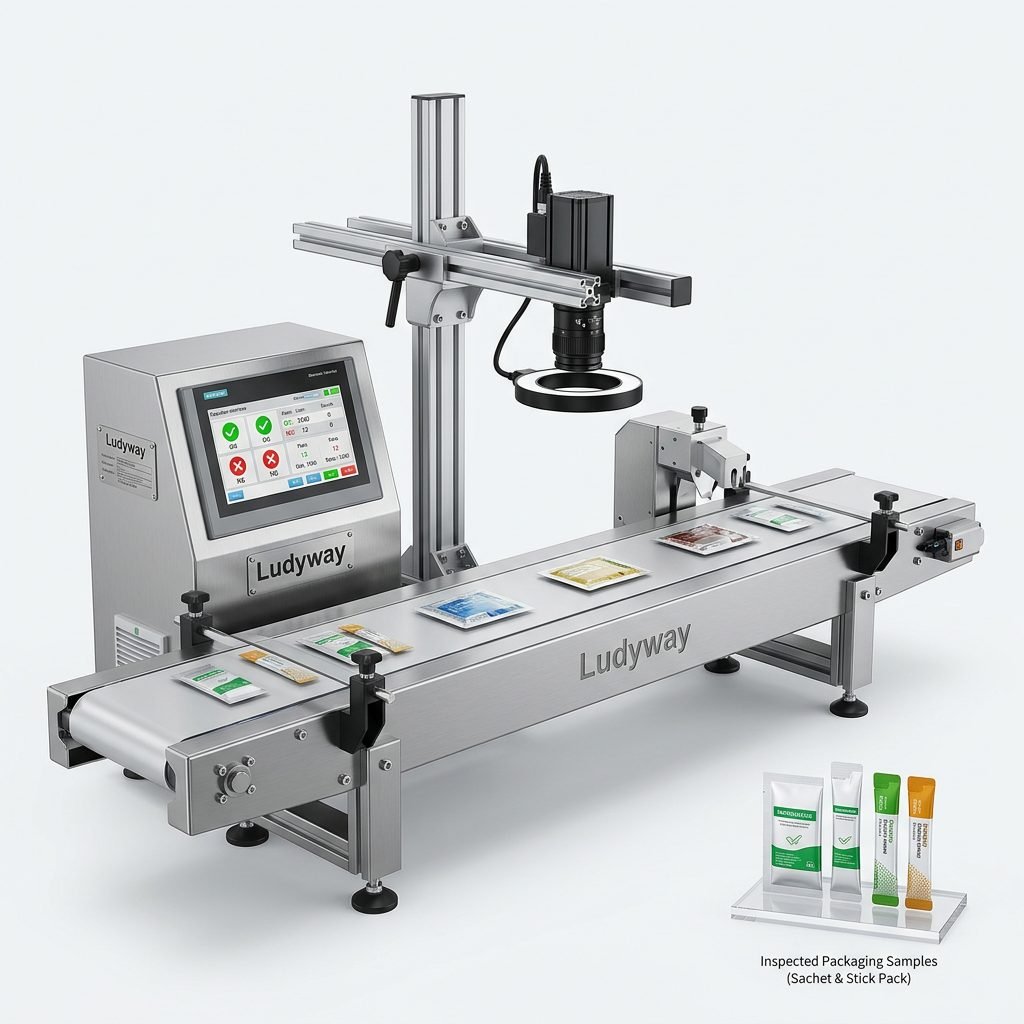
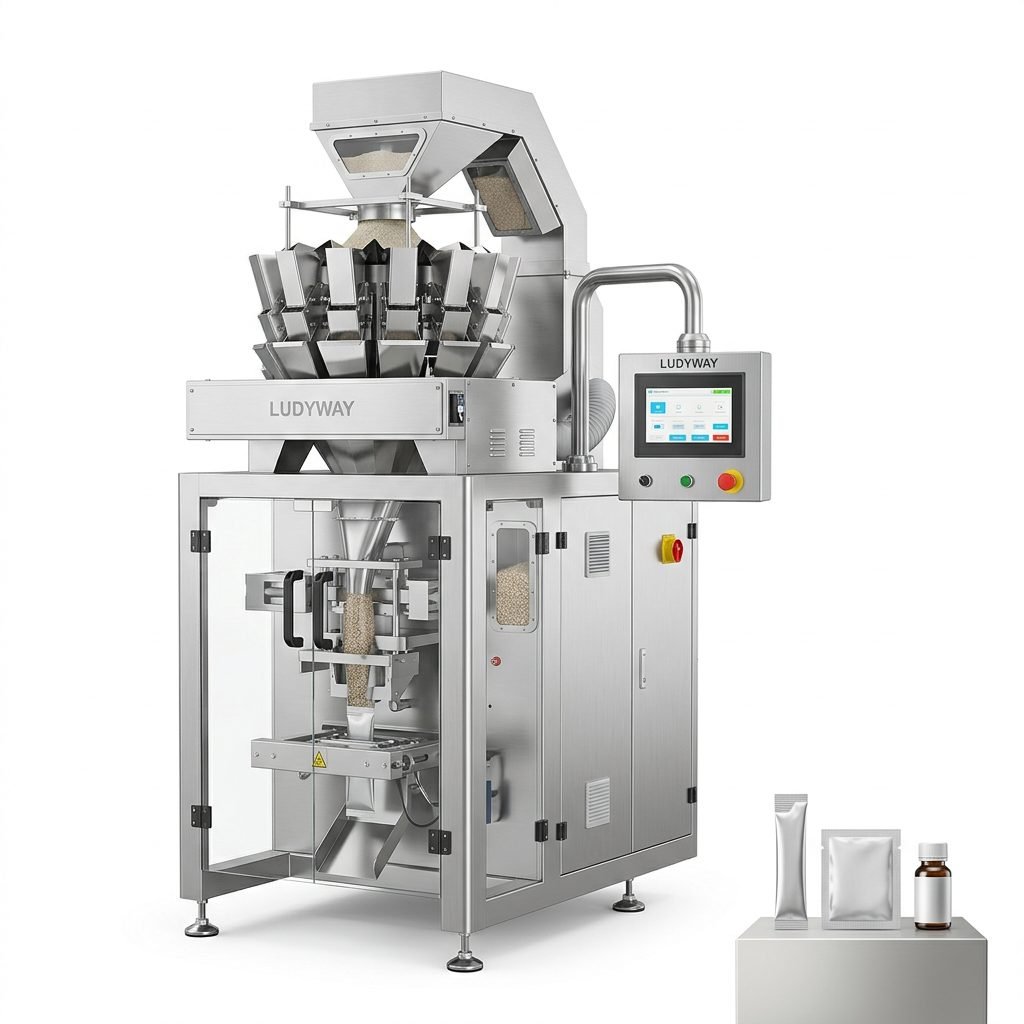
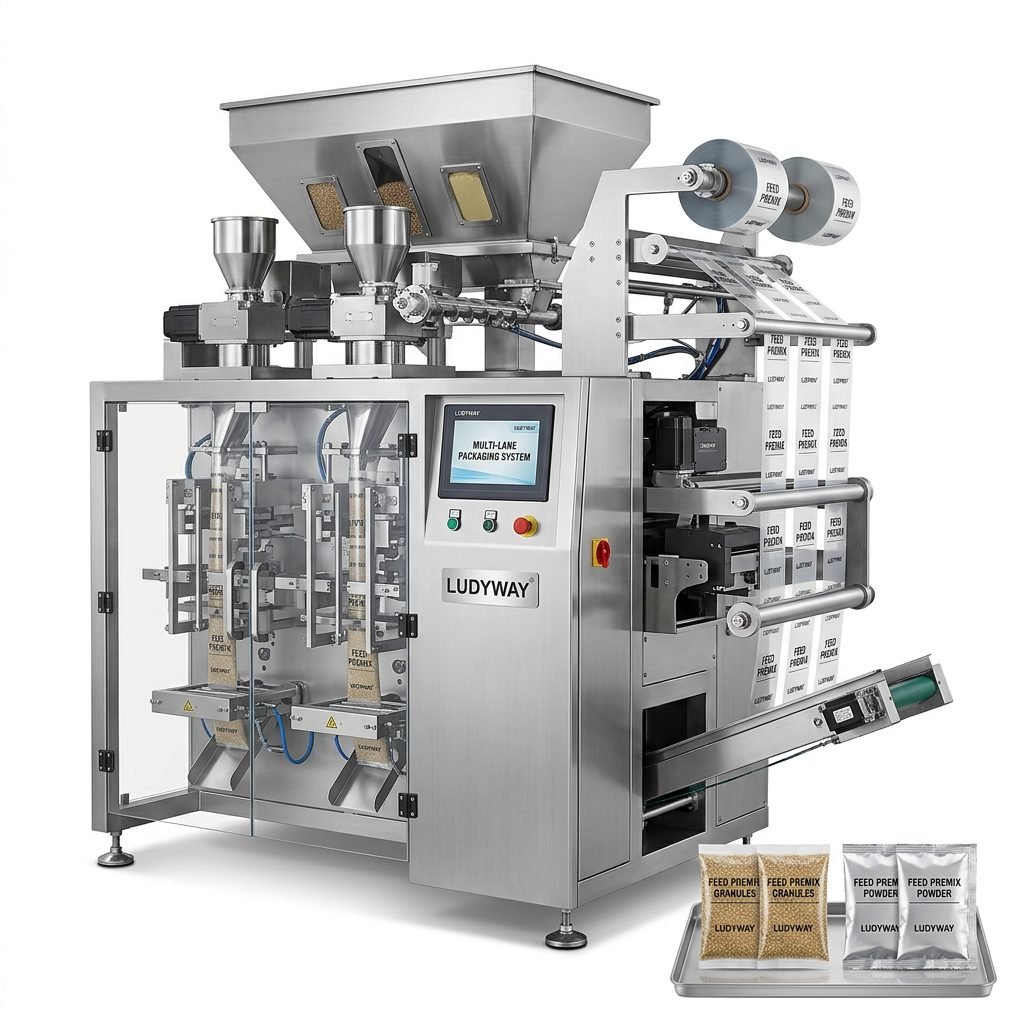
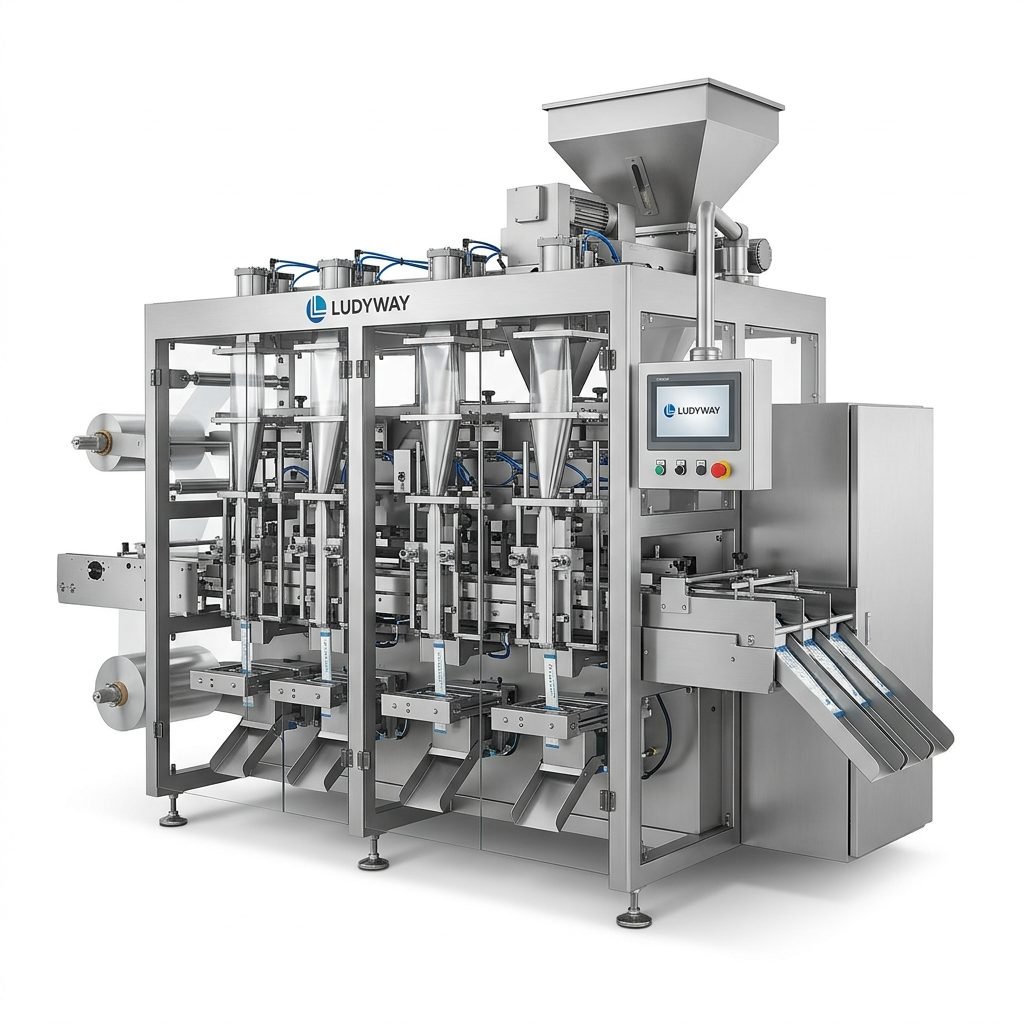
In dairy production, packaging accuracy is more than a productivity target—it directly affects product quality, shelf life, hygiene compliance, and brand trust. A modern milk powder packaging machine is designed to automate weighing, filling, sealing, coding, and output handling while reducing dust, material loss, and human error.
For manufacturers of infant formula, adult nutrition powder, dairy creamer, and milk-based beverage mixes, choosing the right equipment can significantly improve throughput and consistency. From small sachets to stick packs, pouches, and larger bags, automated systems help ensure every package meets expected standards for fill precision and seal integrity.
Why Milk Powder Packaging Requires Specialized Equipment
Milk powder is a fine, flow-sensitive product that can easily create dust, bridge in hoppers, or affect sealing areas if not handled properly. That is why a dedicated powder packaging machine must combine stable dosing, clean product transfer, and reliable sealing performance.
- Accurate filling for premium-value dairy products
- Low dust generation to keep the sealing zone clean
- Food-grade contact parts for hygienic production
- Consistent bag shape and appearance for retail presentation
- Flexible packaging formats for different market channels
In particular, products such as infant milk powder and nutritional dairy blends demand a packaging process that supports traceability, repeatable weight control, and minimal contamination risk.
Core Functions of an Automatic Milk Powder Packaging Machine
A fully automatic solution typically integrates several processing steps into one continuous workflow. This allows manufacturers to reduce labor dependency while maintaining high output efficiency.
| Function | What It Does | Benefit |
|---|---|---|
| Powder Feeding | Transfers milk powder from hopper or screw conveyor | Stable product supply |
| Auger or Servo Dosing | Measures target fill volume or weight | High precision filling |
| Bag Forming | Creates sachet, stick pack, or pouch from film | Flexible packaging design |
| Heat Sealing | Seals package edges securely | Leak prevention and shelf stability |
| Date/Batch Coding | Prints traceability information | Compliance and product tracking |
| Discharge/Collection | Transfers finished packs to downstream equipment | Smooth line automation |
Packaging Formats Commonly Used for Milk Powder
Different dairy brands serve different consumer needs, so packaging format matters. A flexible machine platform should support both retail and bulk applications.
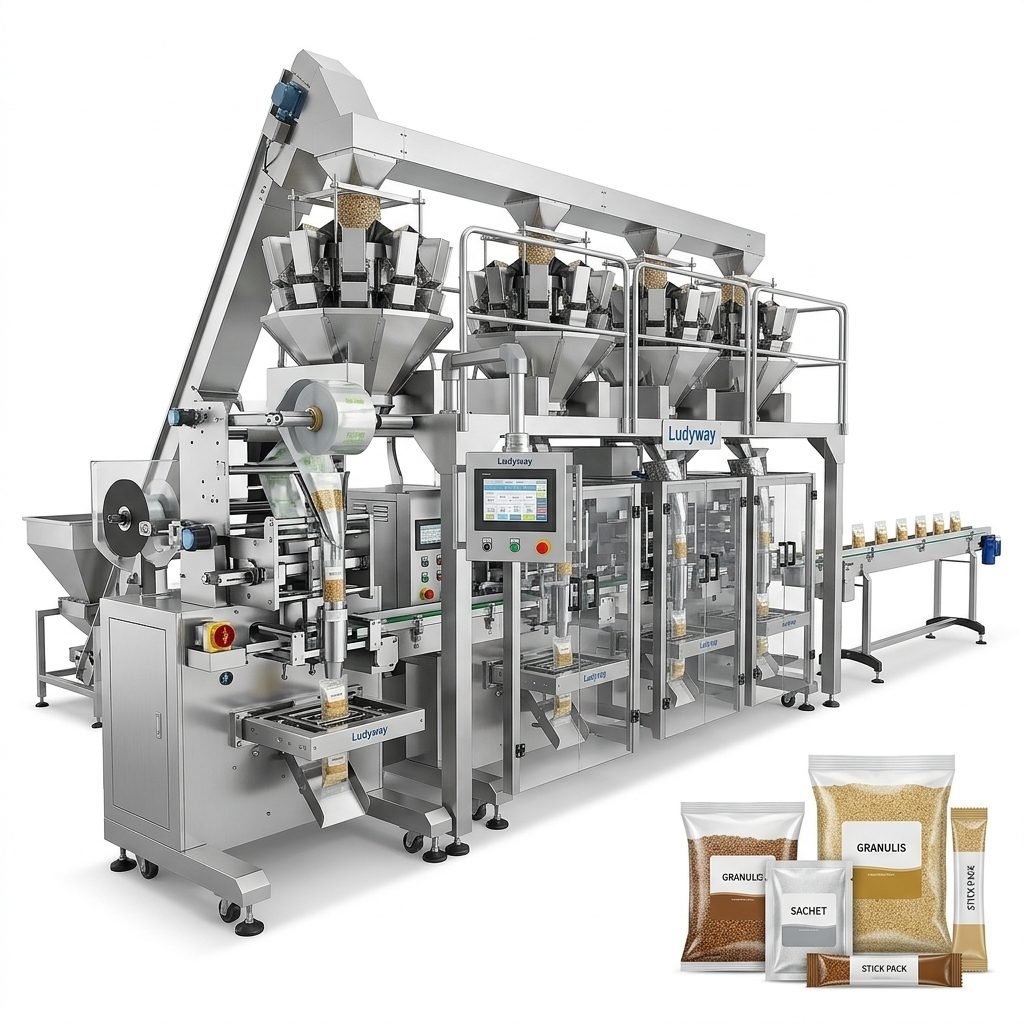
1. Sachets
Ideal for sample packs, single-serve use, travel packs, and healthcare nutrition products. Sachets are widely used for affordability and convenience.
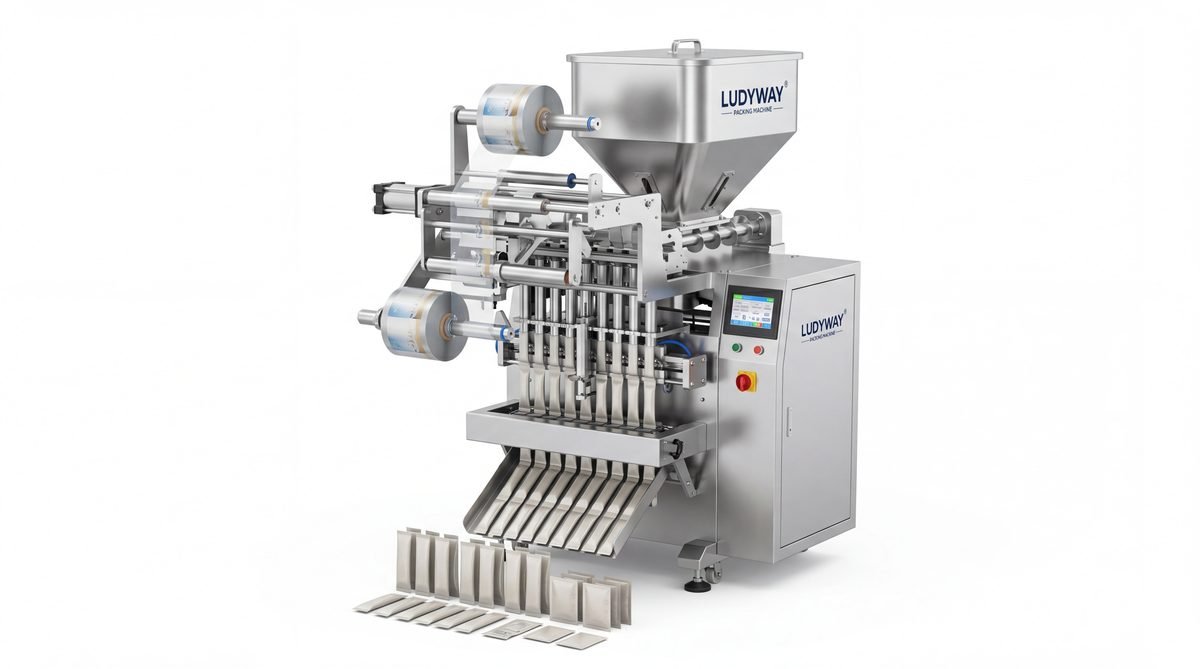
2. Stick Packs
Stick packs are slim, portable, and well suited for on-the-go milk beverage powder, creamer, and nutritional supplements. They also offer attractive shelf presentation.
3. Pillow Bags or VFFS Bags
Suitable for medium to larger retail weights, often used in family-size milk powder packaging where automated vertical bagging provides excellent speed.
4. Premade Pouches
Often selected for premium dairy brands that want a stronger visual impact, resealable options, or higher-end consumer packaging.
5. Bulk Bags
Used in industrial dairy ingredient handling, food service channels, or large-scale milk powder distribution.
Key Features to Look For
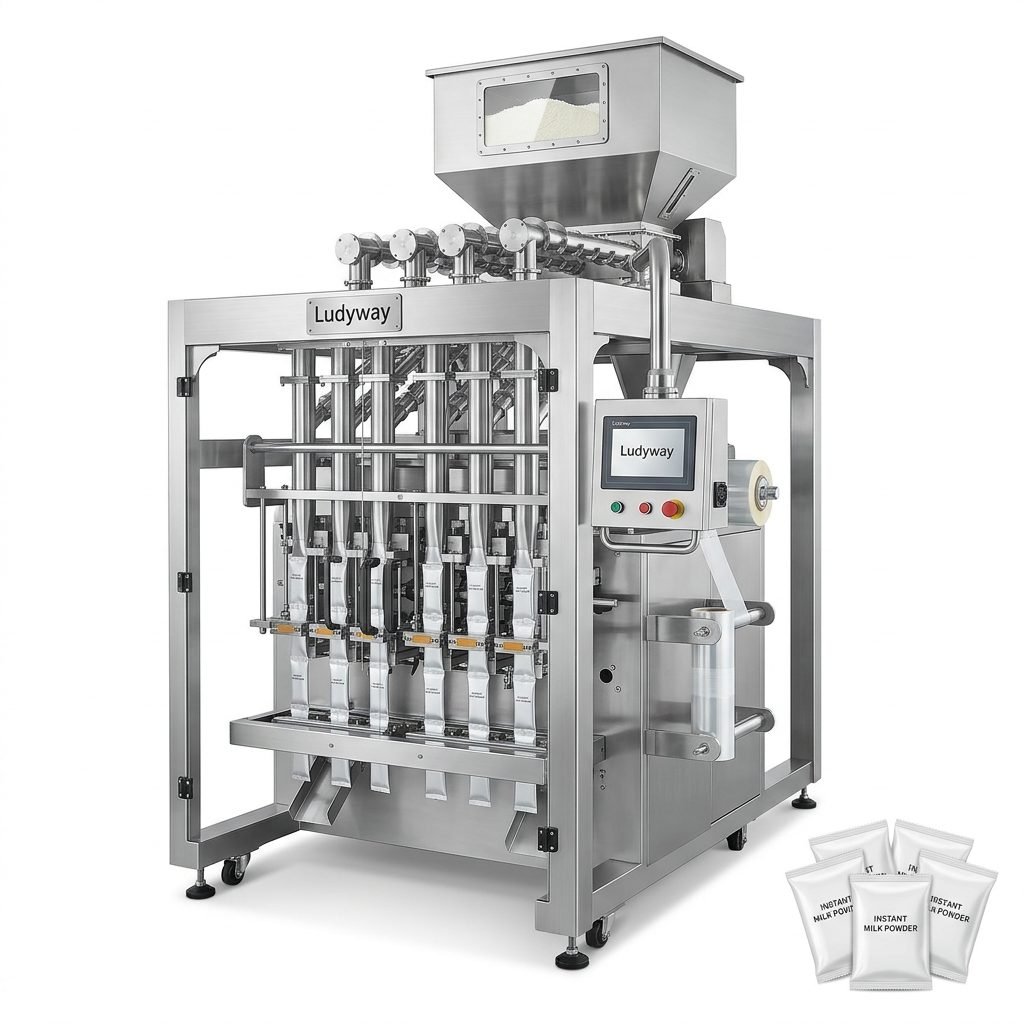
Not all powder packaging systems are built the same. For milk powder applications, the best machine should offer a balance of speed, precision, sanitation, and flexibility.
- High-precision dosing system for accurate net content control
- Dust-control design to protect sealing quality and workshop cleanliness
- Servo-driven operation for stable filling and film pulling
- PLC and touch screen control for easy parameter adjustment
- Food-grade stainless steel construction for hygienic contact surfaces
- Fast changeover capability for different package sizes
- Integration with conveyors, checkweighers, metal detectors, and cartoning systems
Benefits of Automation in Milk Powder Packaging
Manual or semi-automatic packing can limit production speed and increase inconsistency. In contrast, an automatic milk powder packaging machine delivers measurable operational advantages.
| Area | Manual / Basic Setup | Automatic Packaging Solution |
|---|---|---|
| Output | Lower and labor-dependent | Higher and more consistent |
| Accuracy | Prone to variation | Stable and repeatable |
| Hygiene | More human contact | Reduced handling risk |
| Material Waste | Often higher | Lower through controlled dosing |
| Scalability | Limited | Easy to expand with line integration |
How Accurate Filling Improves Dairy Packaging Performance
Accuracy is one of the most important selection criteria for milk powder packing equipment. Even small deviations can affect cost control over large production volumes. Overfilling increases giveaway, while underfilling can create compliance and customer satisfaction issues.
Advanced auger filling systems combined with servo control help maintain uniform fill weights across long production runs. When integrated with a checkweigher, manufacturers can further improve quality control and reduce rework.
Hygiene and Sealing Reliability Matter
Because milk powder is sensitive to moisture and contamination, sealing performance is just as important as filling accuracy. A clean, airtight seal helps preserve flavor, texture, and shelf life.
- Prevents moisture ingress
- Reduces leakage during transport
- Supports longer storage stability
- Protects the product in export and retail distribution
Machines designed for powder applications often include features to minimize powder contamination near the sealing zone, which is essential for maintaining strong seal quality.
Applications Beyond Standard Milk Powder
A well-configured powder packaging machine can also be used for a range of dairy and nutrition-based powdered products, such as:
- Infant formula powder
- Skim milk powder
- Whole milk powder
- Dairy creamer powder
- Protein-enriched milk beverages
- Functional nutrition blends
- Meal replacement powders
- Milk tea powder and instant drink mixes
Choosing the Right Machine for Your Production Needs
Before investing, manufacturers should evaluate both current production demands and future expansion goals. The right machine is not just about filling powder; it is about fitting into the full packaging workflow.
Important selection factors include:
- Required package format and size range
- Target speed per minute
- Desired filling accuracy tolerance
- Available workshop space
- Film type or pouch material compatibility
- Need for downstream automation such as cartoning or palletizing
- Cleaning and maintenance requirements
If your business handles multiple SKUs, a modular setup with quick changeover and smart recipe storage can be especially valuable.
Turnkey Packaging Line Advantages
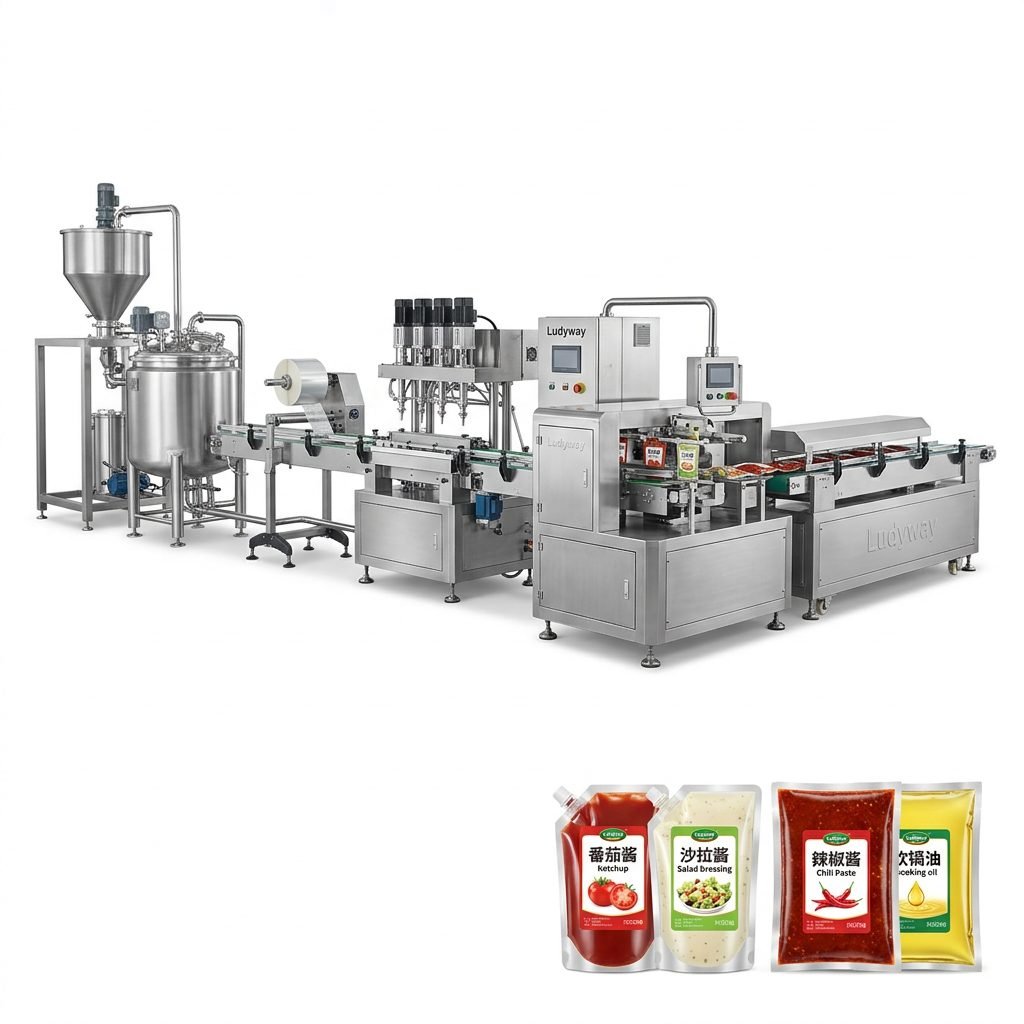
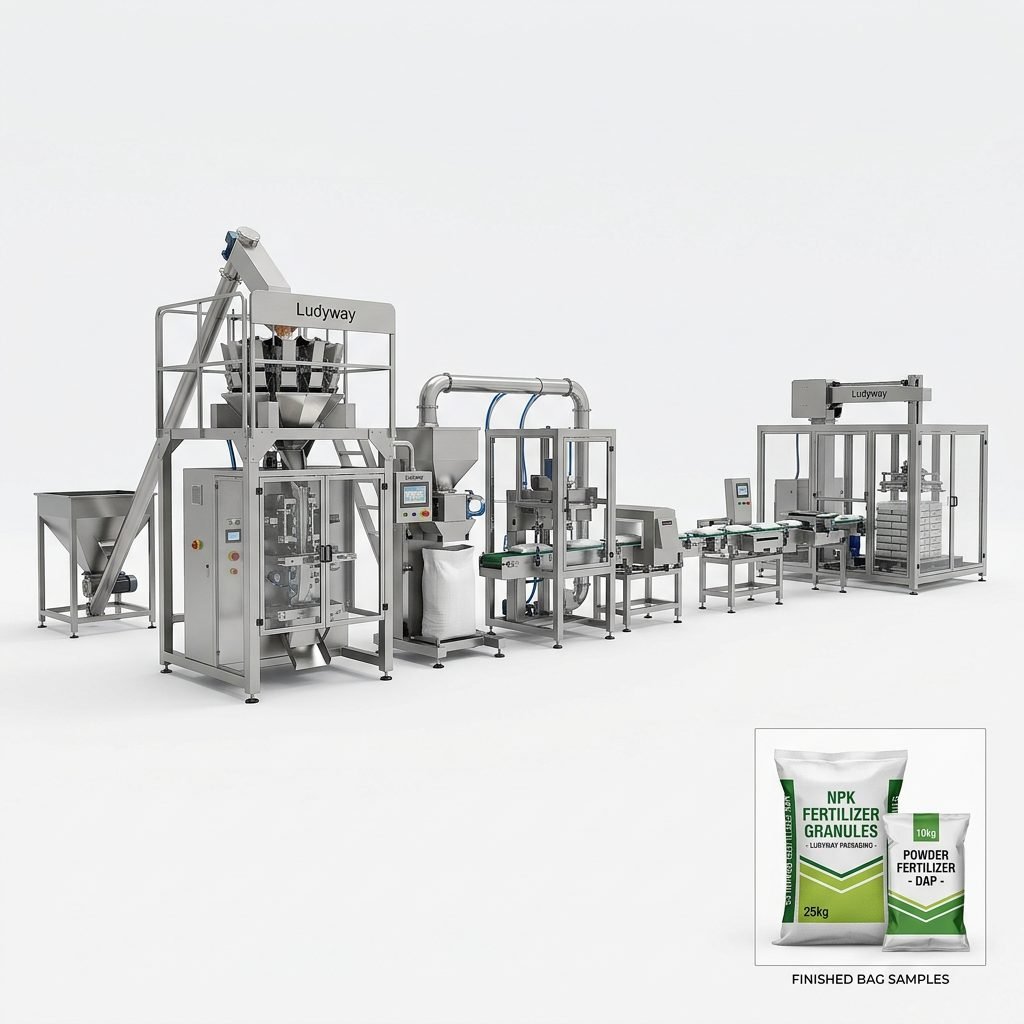
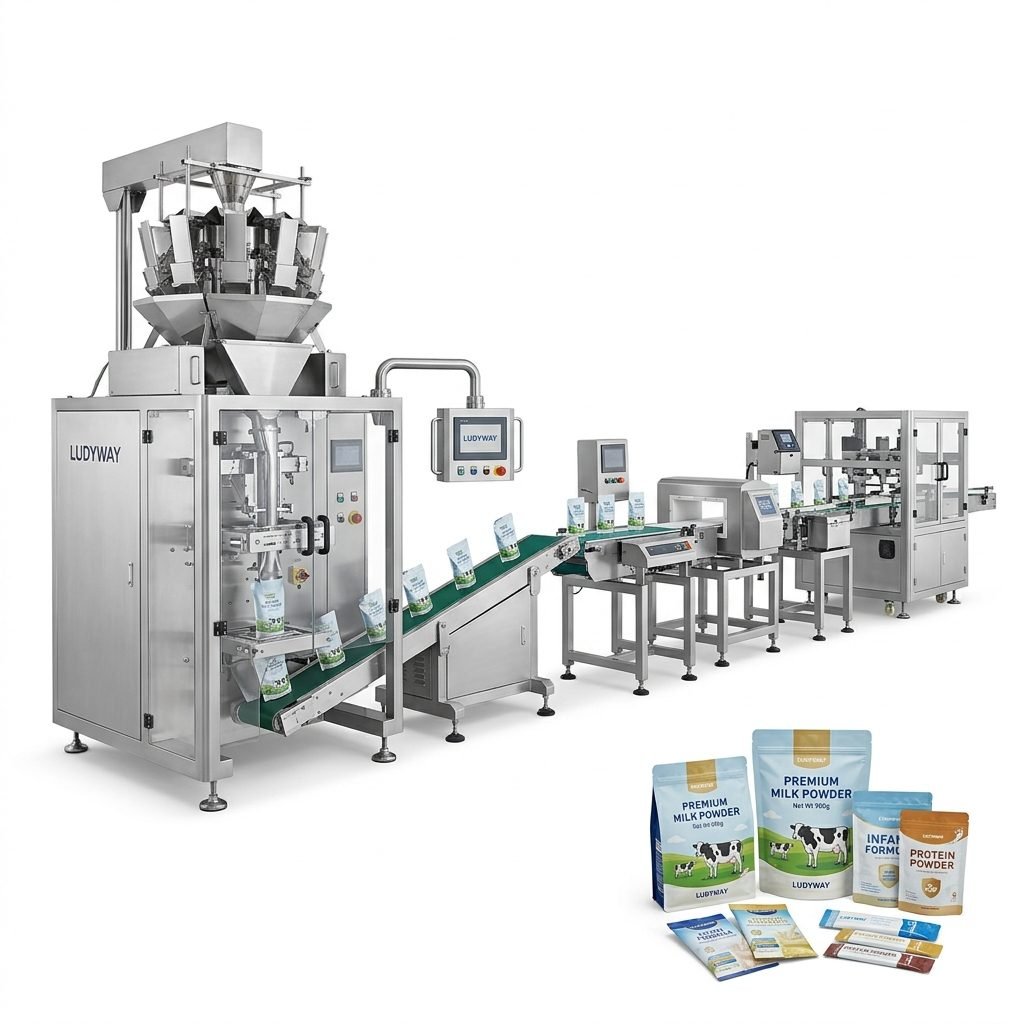
Many milk powder producers now prefer a complete packaging line rather than a standalone machine. A turnkey solution can include powder feeding, filling, sealing, coding, conveying, inspection, cartoning, and end-of-line handling.
This approach simplifies integration, shortens project coordination time, and improves overall production flow. Companies looking for a reliable milk powder packaging machine manufacturer often prioritize suppliers that can support both individual machines and complete automated packaging line projects.
Why Manufacturers Focus on Long-Term Value
The lowest purchase price does not always mean the best return. In milk powder packaging, long-term performance depends on machine durability, dosing stability, spare parts support, and ease of maintenance.
A high-quality automatic system helps reduce downtime, improve package consistency, and support sustainable production growth. Over time, this can lead to lower labor cost per unit, less material waste, and stronger product competitiveness in domestic and export markets.
Conclusion
A milk powder packaging machine is an essential investment for dairy manufacturers seeking efficient, automatic, and accurate powder filling and sealing. Whether you package single-serve sachets, slim stick packs, retail bags, or bulk formats, the right solution can improve productivity, hygiene, and packaging quality at every stage.
By focusing on precision dosing, reliable sealing, dust control, and line integration, manufacturers can build a packaging process that supports both present demand and future expansion.