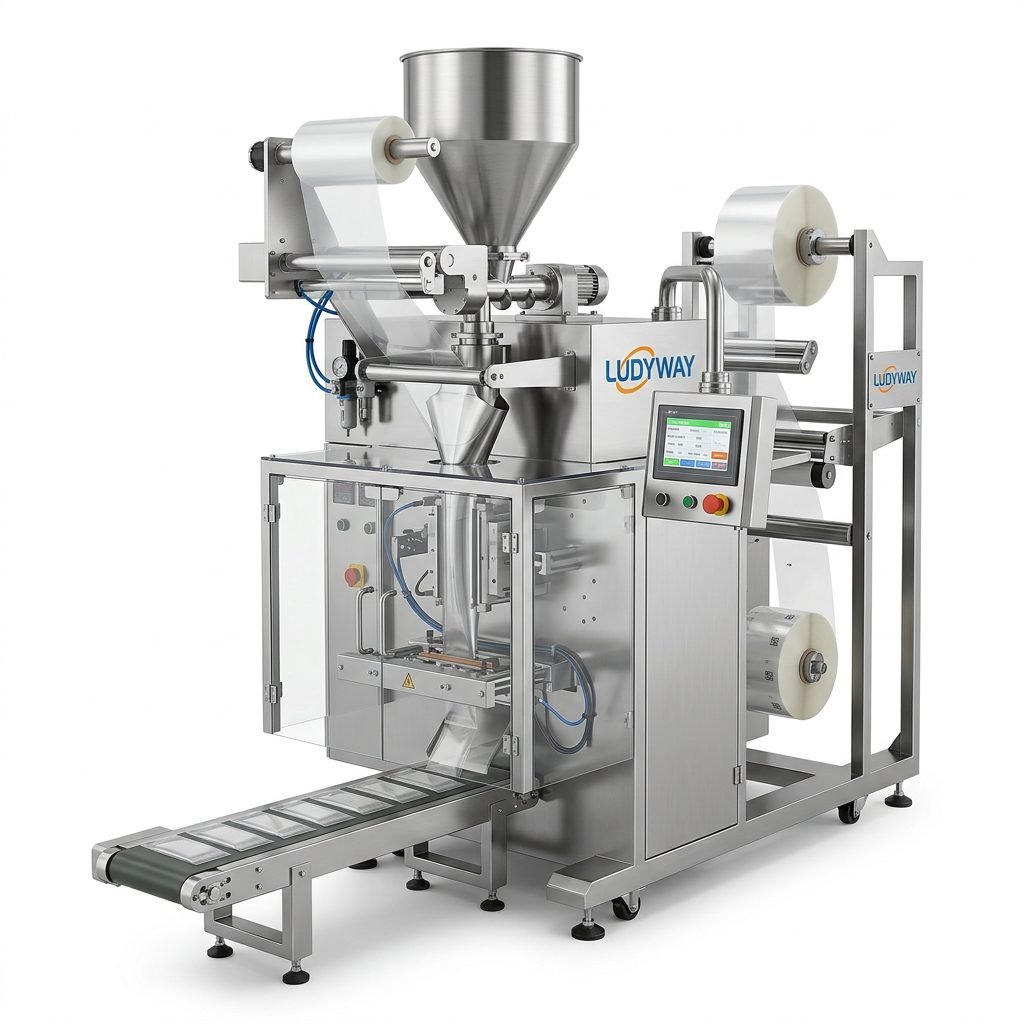
The Indian ice cream market is projected to reach USD 5.4 billion by 2028, growing at a CAGR of over 13%. This explosive growth, driven by rising disposable incomes, urbanization, and increasing demand for frozen desserts, makes India one of the most attractive destinations for setting up an ice cream packaging production line. Whether you are producing cups, cones, sticks, sachets, or bulk tubs, the right automatic ice cream packaging machine setup can significantly boost your operational efficiency and product quality.
Setting up a packaging line in India involves understanding local food packaging regulations, choosing the right machinery, optimizing layout, and planning for scalability. This article provides a comprehensive, step-by-step overview of what it takes to establish a successful ice cream packaging machine production line in India.

Why India Is a Strategic Market for Ice Cream Packaging
India is not only a massive consumer of ice cream but also an emerging manufacturing hub for frozen dairy products. Several factors make the country an ideal location for setting up a packaging production line:
- Growing Domestic Demand: Per capita ice cream consumption in India has doubled over the past decade, creating sustained demand for packaged frozen products.
- Export Potential: India’s strategic location allows manufacturers to export to the Middle East, Southeast Asia, and Africa, where demand for packaged ice cream is also rising rapidly.
- Government Incentives: Initiatives like the Production Linked Incentive (PLI) Scheme for food processing offer financial benefits to manufacturers investing in automated production infrastructure.
- Cost-Effective Operations: Compared to developed markets, India offers competitive labor costs, lower utility expenses, and a growing supplier ecosystem for packaging materials and machinery components.
- Cold Chain Expansion: India’s cold storage capacity has grown by over 20% in recent years, enabling better distribution of frozen products across the country.
Key Components of an Ice Cream Packaging Machine Production Line
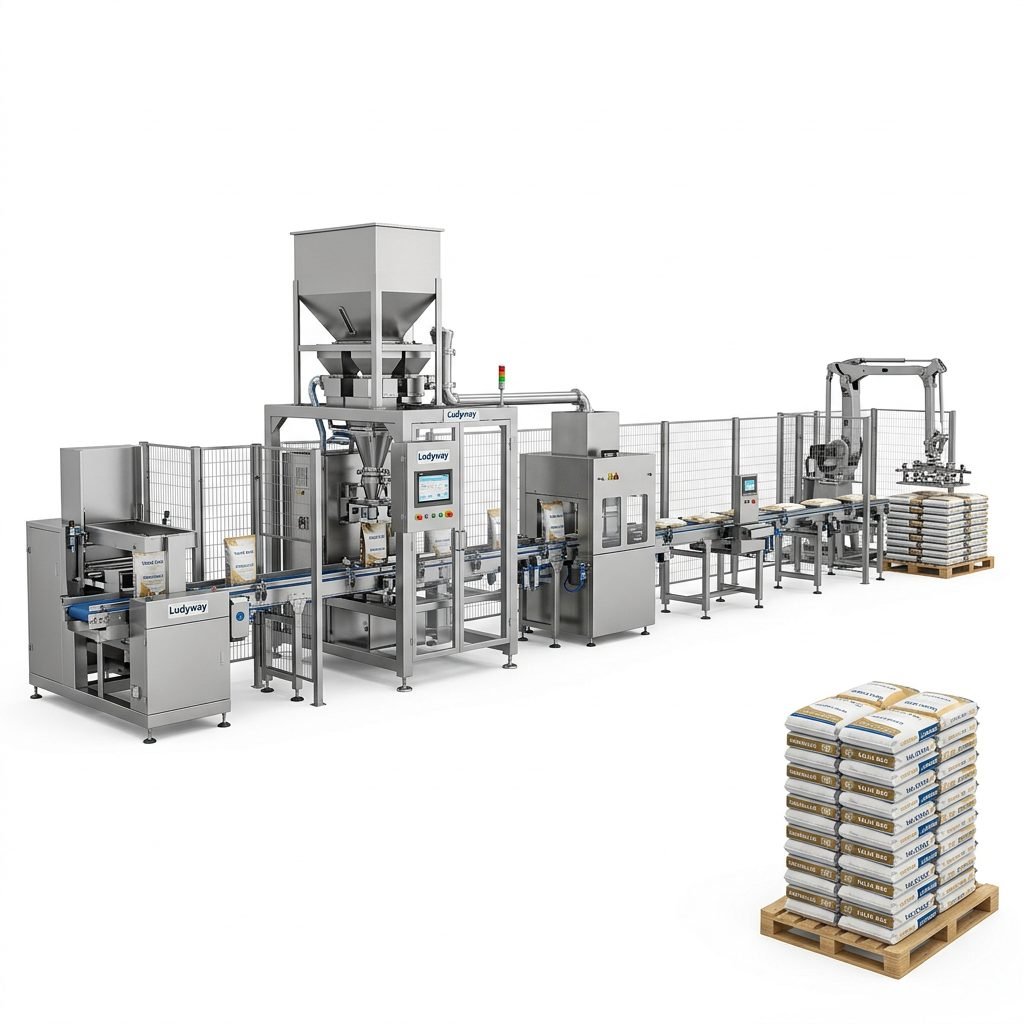
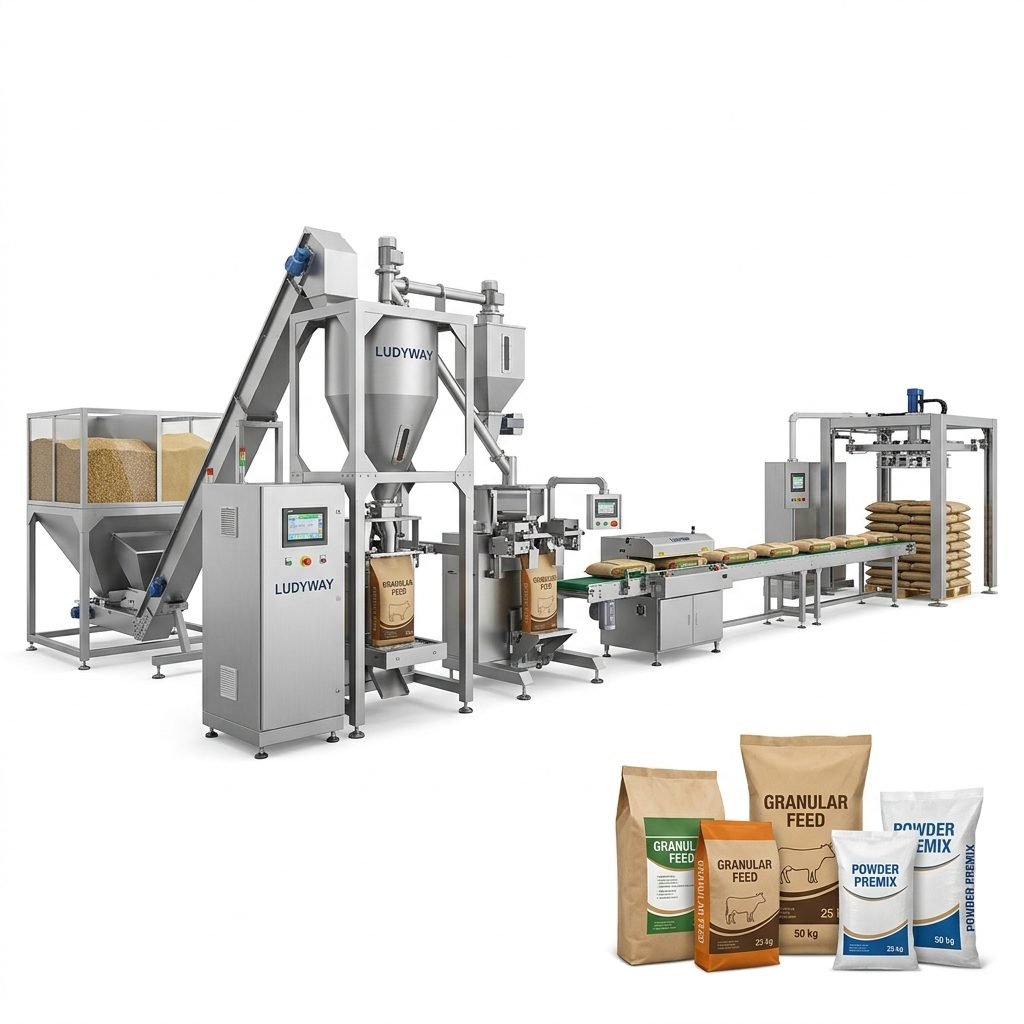
A well-designed ice cream packaging production line typically consists of multiple integrated modules. Understanding each component is crucial before making procurement decisions. Below are the core sections of a modern automated line suited for the Indian market.
1. Product Feeding and Handling Systems
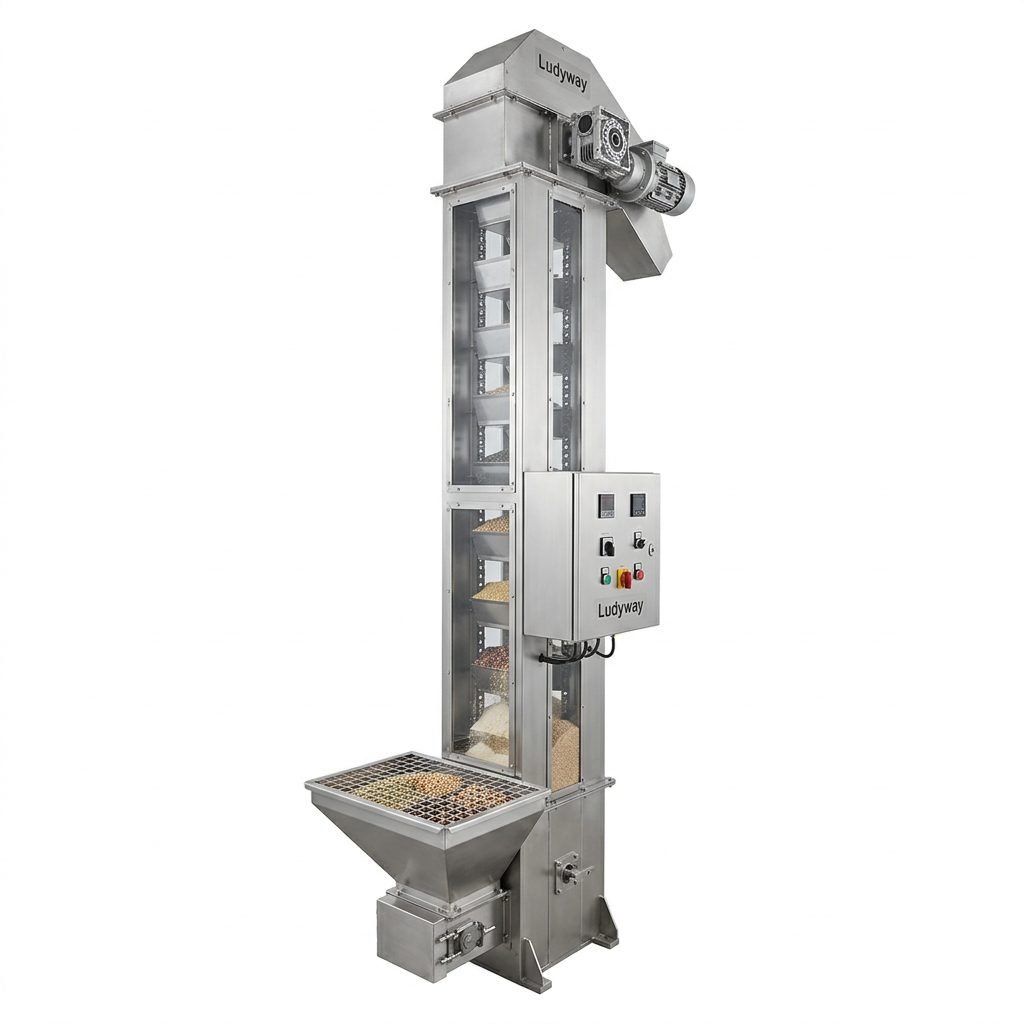
The first stage of any packaging line involves efficient product infeed. For ice cream, this may include robotic pick-and-place systems for bars and cones, vibratory feeding for cup filling, or automatic dosing pumps for liquid and semi-solid ice cream products. A well-designed feeding system minimizes product damage and ensures consistent flow into the packaging stations.
2. Filling and Sealing Equipment
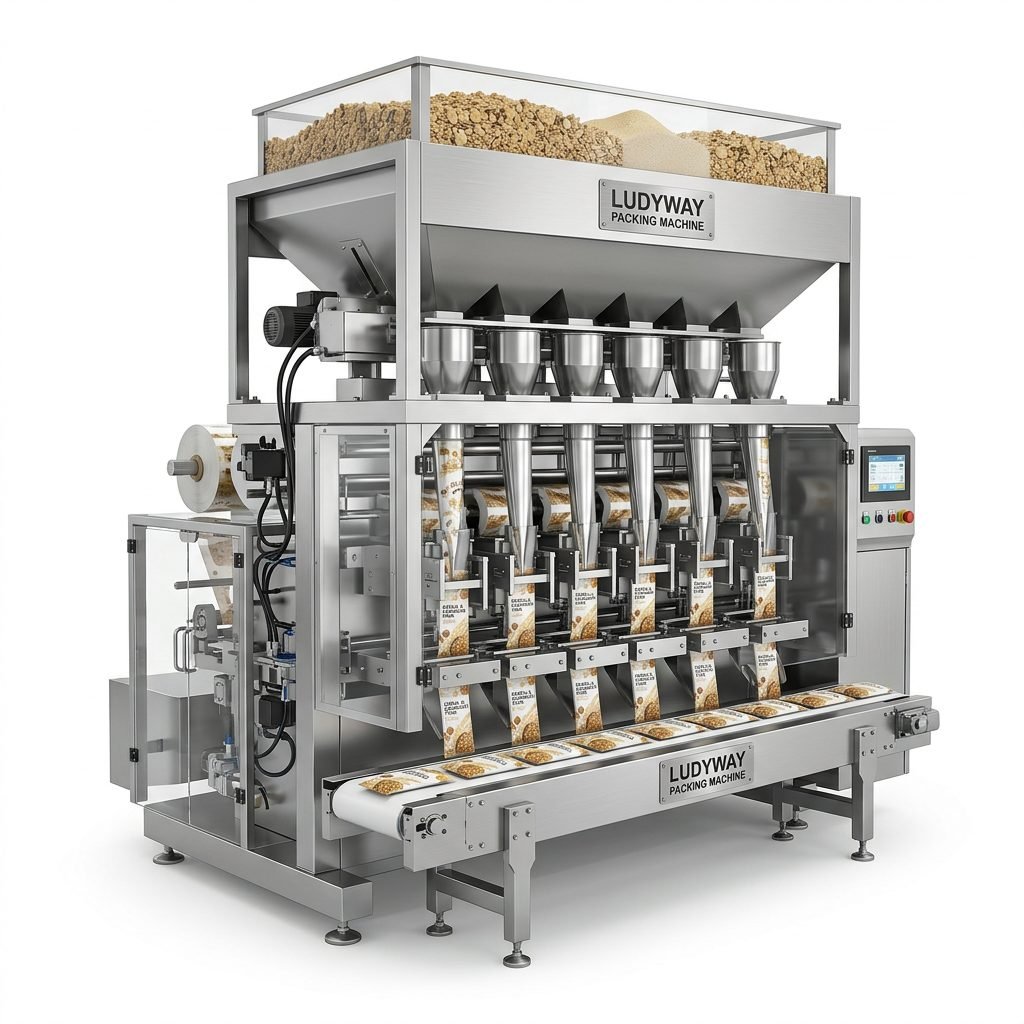
The heart of the production line is the filling and sealing machine. Depending on your product format, you may need:
- Cup Filling and Sealing Machines: For single-serve cups, family packs, and premium tubs with heat-seal or snap-on lids.
- Stick and Bar Wrapping Machines: High-speed flow wrappers that enclose ice cream bars in flexible film with excellent seal integrity.
- Cone Sleeving and Wrapping Systems: Specialized equipment for handling delicate ice cream cones with protective overwrap.
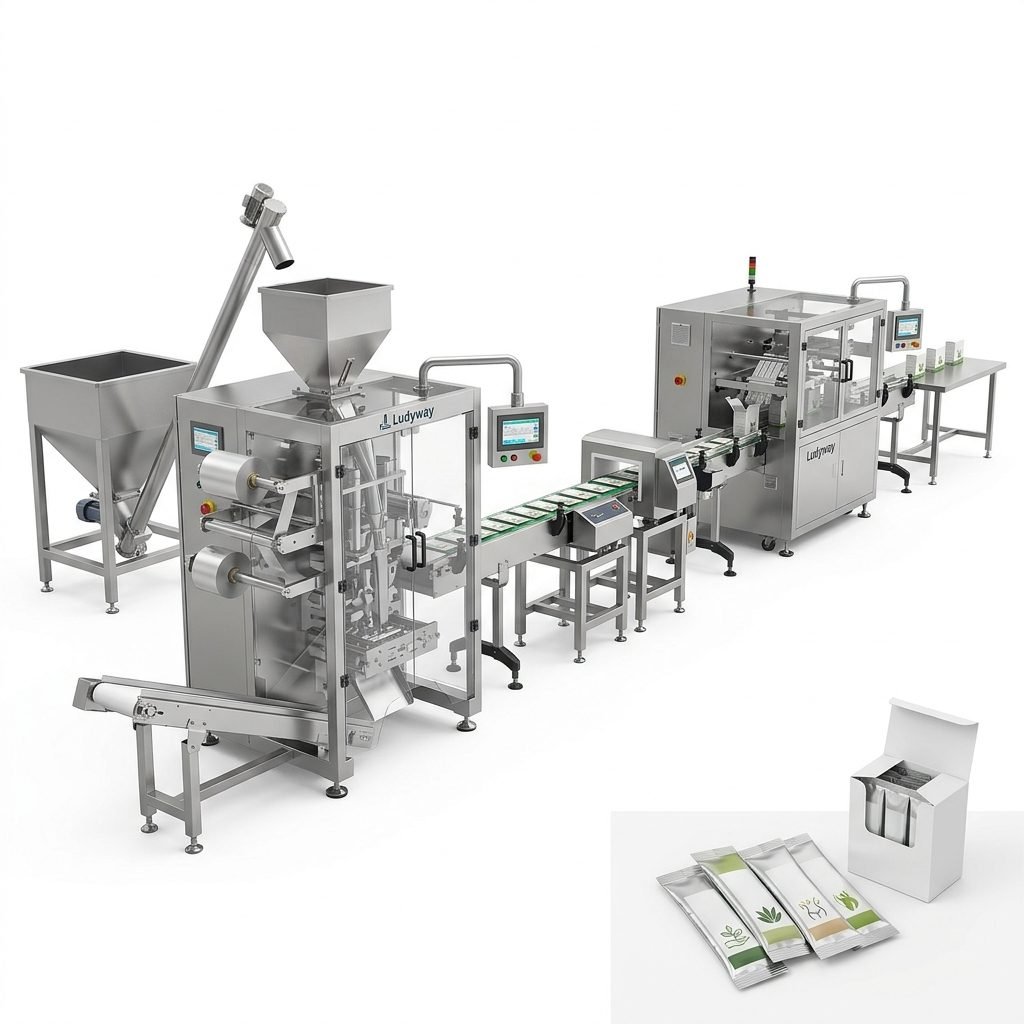
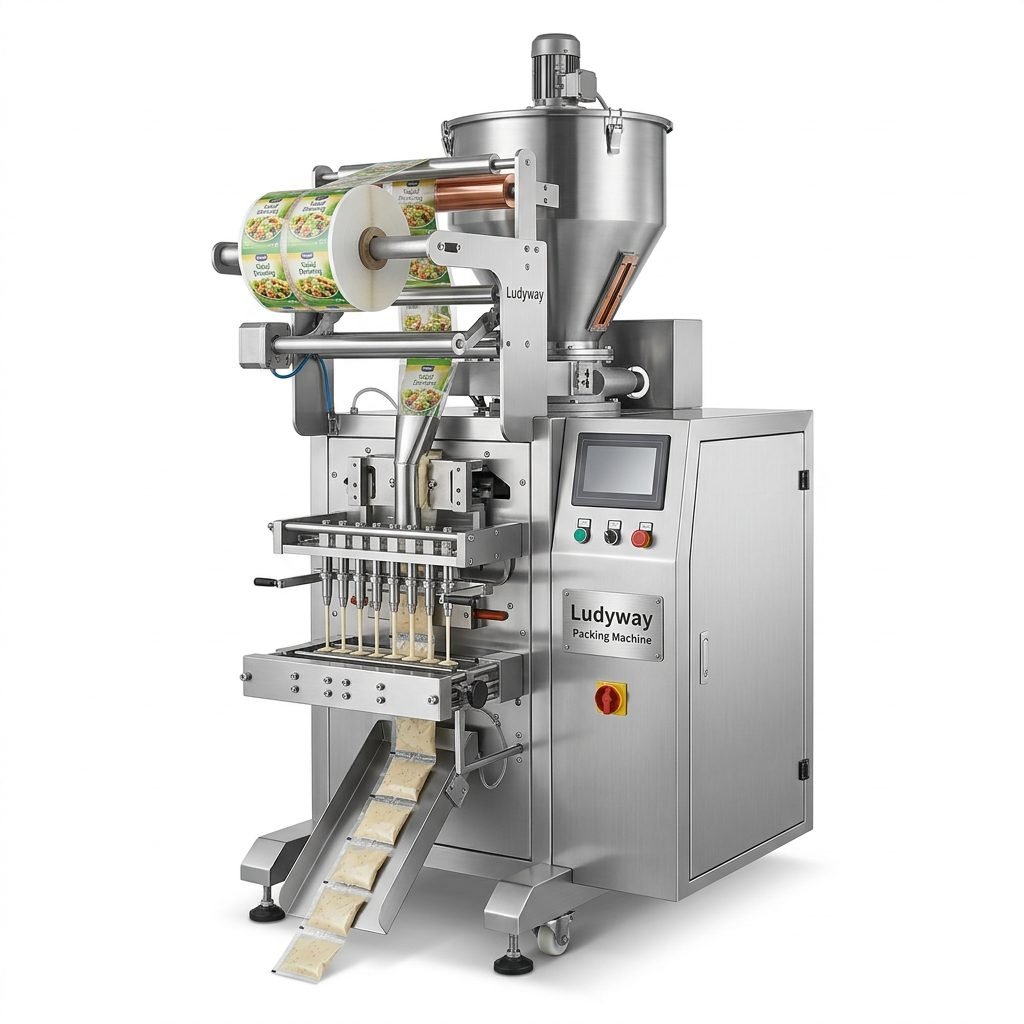
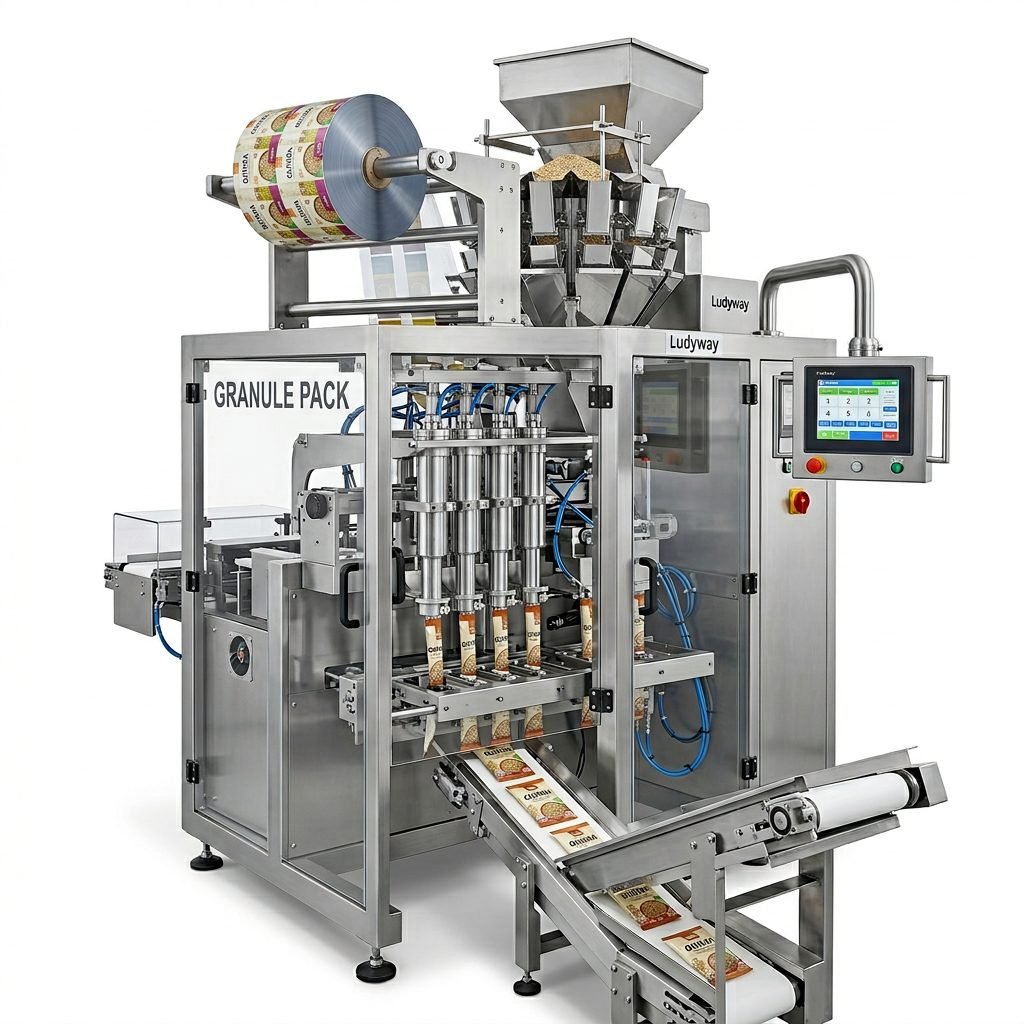
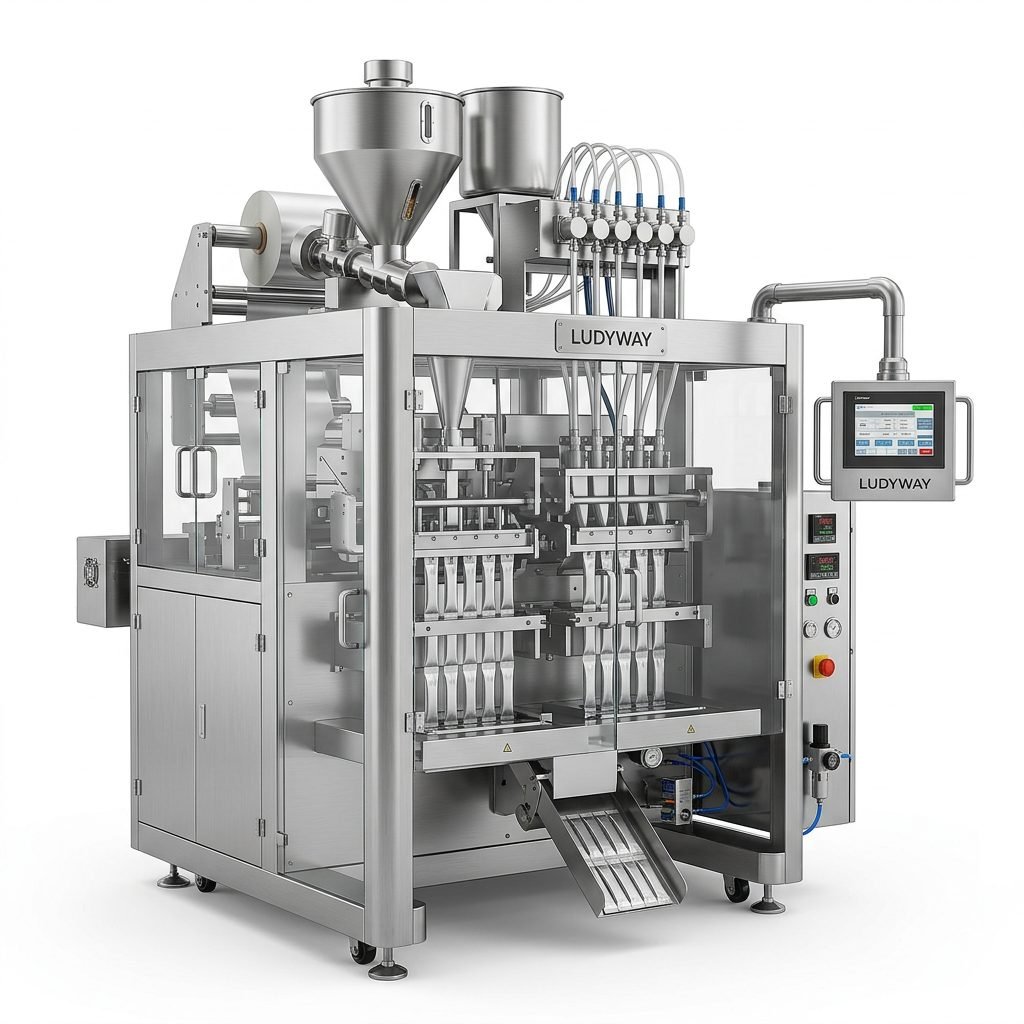
- Sachet and Stick Pack Machines: For single-serve frozen treats, kulfi sticks, and portion-controlled products, multi-lane packaging systems offer high throughput.
- Bulk Tub Fillers: For institutional and food service packaging, handling larger volumes with minimal waste.
3. Multi-Lane Stick Pack and Sachet Packaging
For manufacturers targeting the growing single-serve and impulse-buy segments, multi-lane stick pack machines are increasingly popular. These systems can run 4 to 16 lanes simultaneously, producing individually sealed portions at speeds exceeding 400 packs per minute. They are ideal for frozen kulfi, ice cream bites, and dessert toppings packaged in stick or sachet formats.
4. Cartoning and Secondary Packaging
After primary packaging, products need to be grouped into cartons or cases for distribution. Automated cartoning machines erect, load, and seal cartons at high speed, reducing manual labor and ensuring consistency. For Indian conditions, where mixed SKU shipments are common, flexible cartoning systems with quick changeover capabilities are highly recommended.
5. Quality Control, Coding, and Inspection Systems
No production line is complete without quality assurance modules. Essential equipment includes:
- Checkweighers: Verify fill weights to comply with legal metrology requirements under Indian regulations.
- Metal Detectors and X-Ray Inspection: Critical for food safety, detecting foreign contaminants before products leave the facility.
- Date Coding and Labeling Machines: Print batch codes, manufacturing dates, MRP, and barcodes in compliance with food contact substance regulations.
- Vision Inspection Systems: Automated cameras that verify label placement, seal integrity, and print quality at production speed.
Step-by-Step Process to Set Up Your Production Line in India
Setting up a packaging line requires meticulous planning and execution across multiple phases. Below is a structured approach that has proven effective for manufacturers entering the Indian market.
Step 1: Define Your Product Portfolio and Packaging Formats
Start by clearly defining the types of ice cream products you intend to produce. Will you manufacture cups, cones, bars, bulk tubs, sachets, or a combination of formats? This decision directly influences the machinery you need, the line layout, and your overall capital investment. Consider current market demand in India and future product line expansion plans before finalizing specifications.
Step 2: Conduct a Site Assessment and Facility Planning
Your production facility must meet food safety and hygiene standards. Key considerations include:
- Temperature-controlled production areas (typically 4°C to -25°C for ice cream processing and packaging)
- Adequate floor space for machinery, material storage, and operator movement
- Proper drainage, ventilation, and cleanroom classifications per ISO packaging standards
- Utility connections including three-phase power, compressed air, and water supply
- Waste management and CIP (Clean-in-Place) system provisions
Step 3: Select Machinery and Technology Partners
Choosing the right equipment supplier is one of the most critical decisions. Evaluate potential partners based on their experience in dairy and frozen food packaging, availability of after-sales support in India, spare parts supply chain, and willingness to provide installation and training services. Turnkey packaging line solutions can simplify procurement by providing a single point of contact for the entire integrated system.
Step 4: Ensure Regulatory Compliance
Before commencing production, you must obtain necessary licenses and certifications from Indian authorities, including FSSAI (Food Safety and Standards Authority of India) licensing, state-level factory permits, environmental clearances, and metrology approvals for packaged commodity labeling. Ensuring your packaging machinery meets international standards such as ISO 11607 for packaging validation will also support export readiness.
Step 5: Installation, Commissioning, and Training
Once machinery arrives on-site, professional installation and commissioning by experienced engineers is essential. This phase includes mechanical assembly, electrical integration, software configuration, and dry-run testing. Comprehensive operator training should cover machine operation, troubleshooting, cleaning procedures, and basic maintenance to ensure smooth day-to-day running.
Step 6: Trial Production and Optimization
Conduct trial runs with actual product to validate machine performance, seal integrity, fill accuracy, and overall line efficiency. Use this phase to fine-tune machine parameters, train operators under real production conditions, and identify any bottlenecks. Document all standard operating procedures for future reference and workforce training.
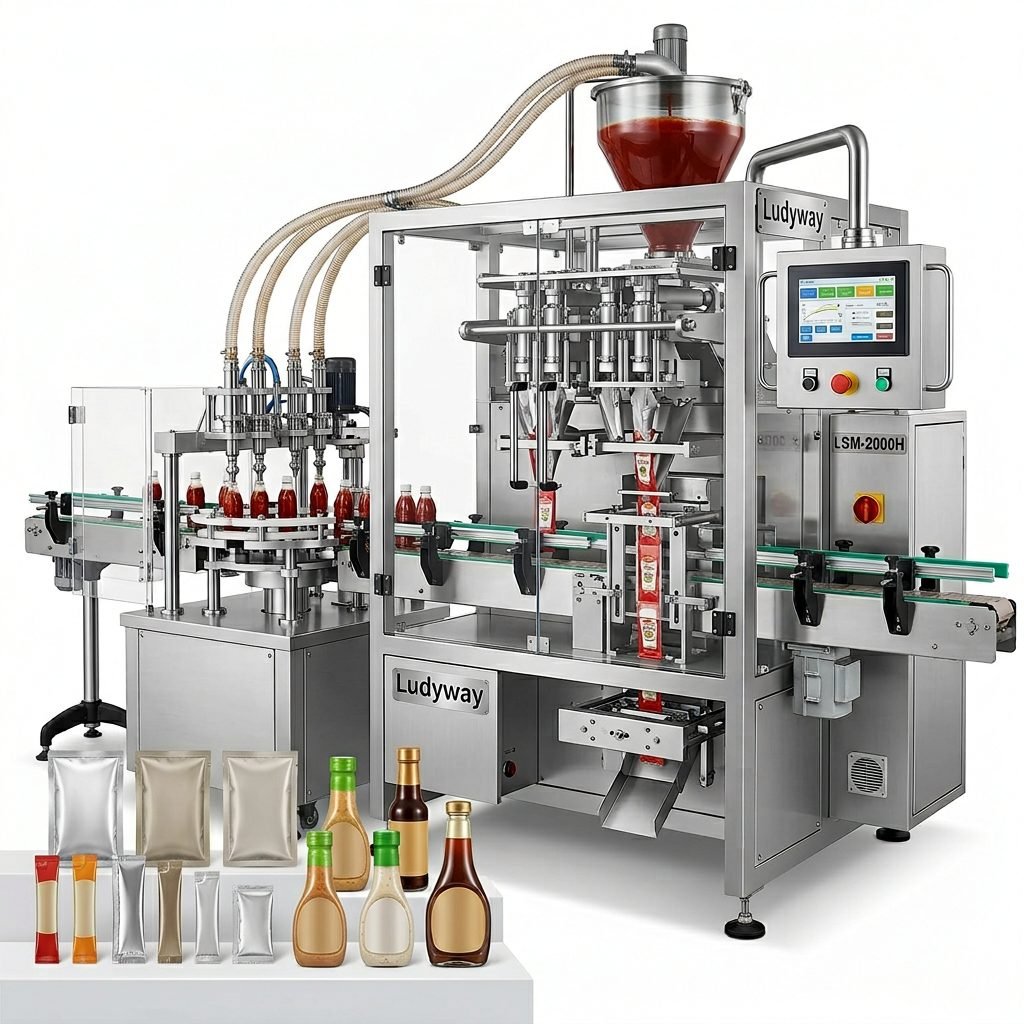
Estimated Cost Breakdown for an Ice Cream Packaging Line in India
The total investment for establishing an ice cream packaging production line varies based on capacity, automation level, and equipment origin. Below is an indicative cost breakdown for a mid-sized production line capable of processing 5,000 to 15,000 units per hour.
| Cost Component | Estimated Range (INR) | Estimated Range (USD) |
|---|---|---|
| Primary Packaging Machines | ₹60 Lakh – ₹2.5 Crore | $72,000 – $300,000 |
| Secondary Packaging (Cartoning) | ₹25 Lakh – ₹80 Lakh | $30,000 – $96,000 |
| Quality Control Equipment | ₹15 Lakh – ₹50 Lakh | $18,000 – $60,000 |
| Conveyors and Material Handling | ₹10 Lakh – ₹35 Lakh | $12,000 – $42,000 |
| Installation and Commissioning | ₹8 Lakh – ₹25 Lakh | $9,600 – $30,000 |
| Facility Modifications and Utilities | ₹20 Lakh – ₹60 Lakh | $24,000 – $72,000 |
| Total Estimated Investment | ₹1.38 Crore – ₹5 Crore | $165,000 – $600,000 |
Note: These figures are indicative and can vary significantly based on machine origin (domestic vs. imported), line speed requirements, customization needs, and specific product formats. Imported high-speed multi-lane systems may push the total investment higher, while Indian-manufactured equipment can offer cost advantages with comparable quality for standard applications.
Regulatory Considerations Specific to India
Navigating the regulatory landscape is critical for successful operation. Key compliance areas include:
- FSSAI Licensing: All food manufacturing and packaging operations require a valid FSSAI license. The packaging facility must comply with Schedule 4 requirements for good manufacturing practices.
- Legal Metrology: Packaged ice cream products must display net quantity, MRP, manufacturing date, and best-before date as per Legal Metrology (Packaged Commodities) Rules.
- BIS Standards: Relevant Bureau of Indian Standards may apply to packaging materials, particularly for flexible packaging materials used in direct food contact.
- Environmental Compliance: State Pollution Control Board consent is typically required for manufacturing facilities, including waste management and effluent treatment plans.
- Cold Chain Requirements: The Indian cold chain infrastructure must meet temperature maintenance standards from production through distribution to retail.
Choosing the Right Packaging Equipment Partner
Selecting the right machinery supplier can determine the long-term success of your production line. When evaluating potential partners, consider the following selection criteria:
- Industry Experience: Look for manufacturers with a proven track record in dairy and frozen food packaging, not just general packaging applications.
- Indian Market Presence: A supplier with existing installations in India, local service teams, and readily available spare parts will significantly reduce downtime risks.
- Customization Capability: The ability to customize machine configurations for unique product dimensions, packaging materials, and production volumes is a valuable advantage.
- After-Sales Support: Comprehensive warranty, preventive maintenance programs, operator training, and remote technical support should be non-negotiable requirements.
- Technology Integration: Modern packaging lines benefit from IoT-enabled monitoring, data analytics for OEE tracking, and compatibility with ERP and MES systems.
Among leading global suppliers, companies like Ludyway have established a reputation for providing integrated packaging solutions across food, pharmaceutical, and health industries, with expertise spanning granule, powder, liquid, and pouch packaging applications. When sourcing equipment for India, evaluate both international and domestic manufacturers to find the optimal balance of quality, price, and local support capability.

Automation Level Comparison for Ice Cream Packaging Lines
Choosing the right automation level depends on your production volume, budget, and workforce strategy. The table below compares three common configurations for the Indian market context.
| Feature | Semi-Automatic Line | Fully Automatic Line | High-Speed Turnkey Line |
|---|---|---|---|
| Output Capacity | 1,000 – 3,000 units/hour | 5,000 – 12,000 units/hour | 15,000 – 40,000+ units/hour |
| Labor Requirement | 8 – 15 operators | 3 – 6 operators | 1 – 3 operators |
| Initial Investment | ₹40 Lakh – ₹1 Crore | ₹1 Crore – ₹3 Crore | ₹3 Crore – ₹8 Crore+ |
| Best Suited For | Startups, regional brands, niche products | Mid-sized manufacturers, growing brands | Large enterprises, national distribution, exports |
| Changeover Time | 30 – 60 minutes | 15 – 30 minutes | 5 – 15 minutes |
Common Challenges and How to Overcome Them
Setting up an ice cream packaging line in India presents unique challenges that manufacturers should anticipate and address proactively during the planning phase.
Cold Chain Integrity
Maintaining consistent low temperatures throughout the packaging process is critical. Any temperature fluctuation can compromise product quality and lead to significant waste. Invest in properly insulated packaging zones, temperature monitoring systems with real-time alerts, and backup cooling solutions for uninterrupted operation.
Skilled Workforce Availability
While India has a large labor pool, finding operators with specific experience in automated packaging machinery can be challenging. Partner with equipment suppliers who offer comprehensive training programs, and consider hiring graduates from food technology institutes who can quickly adapt to automated production environments.
Packaging Material Sourcing
High-quality packaging films, laminates, and containers suitable for frozen products must meet stringent barrier property requirements. Develop relationships with reliable flexible packaging suppliers who understand the specific needs of frozen dairy applications and can provide consistent quality with competitive lead times.
Power Supply Reliability
In certain Indian regions, power interruptions can disrupt production. Installing adequate backup power systems, voltage stabilizers, and UPS for critical control systems is a prudent investment that protects both machinery and product quality during grid fluctuations.
Future Trends Shaping Ice Cream Packaging in India
The Indian ice cream packaging landscape is evolving rapidly. Staying ahead of these trends can give manufacturers a competitive edge:
- Sustainable Packaging: Growing consumer awareness is driving demand for recyclable, biodegradable, and reduced-plastic packaging formats. Manufacturers are exploring paper-based cartons, mono-material laminates, and compostable films for frozen applications.
- Portion Control and Single-Serve Formats: The rise of health-conscious consumers and impulse buying is fueling demand for smaller portion sizes, including stick packs, mini cups, and individually wrapped bars with precise calorie labeling.
- Smart Packaging Technologies: QR codes for traceability, temperature-sensitive indicators, and augmented reality features are emerging as value-added packaging innovations that enhance consumer engagement and brand differentiation.
- E-Commerce Ready Packaging: With the rapid growth of online grocery and quick-commerce platforms in India, packaging designed for home delivery with enhanced thermal protection and tamper-evident features is becoming essential.
- Industry 4.0 Integration: Sensors, data analytics, and machine learning are enabling predictive maintenance, real-time OEE tracking, and remote diagnostics for packaging lines, reducing unplanned downtime and optimizing performance.
Conclusion: Taking the Next Step
Setting up an ice cream packaging machine production line in India is a strategic investment that requires careful planning across equipment selection, facility design, regulatory compliance, and workforce development. The Indian market’s robust growth trajectory, combined with improving infrastructure and government support for food processing, creates a favorable environment for manufacturers willing to invest in modern, automated packaging solutions.
Begin by clearly defining your product portfolio and capacity requirements, conducting a thorough site assessment, and evaluating equipment partners based on their expertise in frozen dairy packaging and their ability to provide local support. With the right approach, your production line can achieve high efficiency, consistent product quality, and the scalability needed to capture a meaningful share of India’s expanding ice cream market.
For further guidance on packaging machinery selection, industry standards, and market intelligence, explore resources from PMMI – The Association for Packaging and Processing Technologies, review flexible packaging industry data, and stay informed about international packaging standards that support export-ready production.