In today’s fast-paced manufacturing landscape, the choice of automated packaging machinery is a critical decision that directly impacts operational efficiency, product quality, and overall profitability. Selecting the right system is not merely a purchase; it’s a strategic investment that can streamline your production line, significantly reduce labor costs, minimize material waste, and enhance your brand’s consistency in the marketplace.
Understanding Your Core Packaging Requirements
The journey to the ideal system begins with a deep and honest assessment of your specific needs. This foundational step prevents costly mismatches and ensures the machinery aligns with your business goals.
Key Factors for Initial Assessment:
Product Characteristics: Is your product a granule, powder, liquid, paste, or solid? Each type demands different feeding, dosing, and sealing technologies. For instance, hygroscopic powders require systems with excellent moisture barrier capabilities and precise auger fillers.
Production Speed & Volume: Calculate your required output in packs per minute (PPM) or units per hour. A multi-lane stick pack machine can dramatically boost output for single-serve items compared to a single-lane system.
Packaging Materials: Determine the film type (e.g., laminates, mono-films), thickness, and whether you need specialized barriers for oxygen, moisture, or light. Your machine must be compatible with these materials for reliable sealing.
Future Scalability: Consider not just today’s needs, but where your business will be in 3-5 years. Can the system be easily upgraded or integrated with additional modules like cartoning or case packing?
Key Types of Automated Packaging Systems
Navigating the variety of available machinery is easier when you understand the core functions and best applications of each system type.
Vertical Form-Fill-Seal (VFFS) Machines
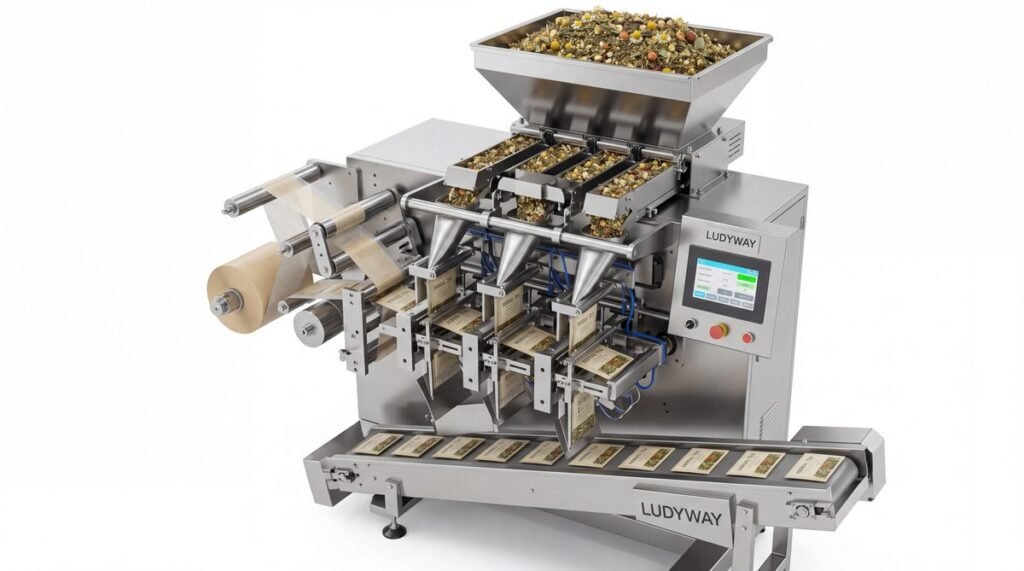
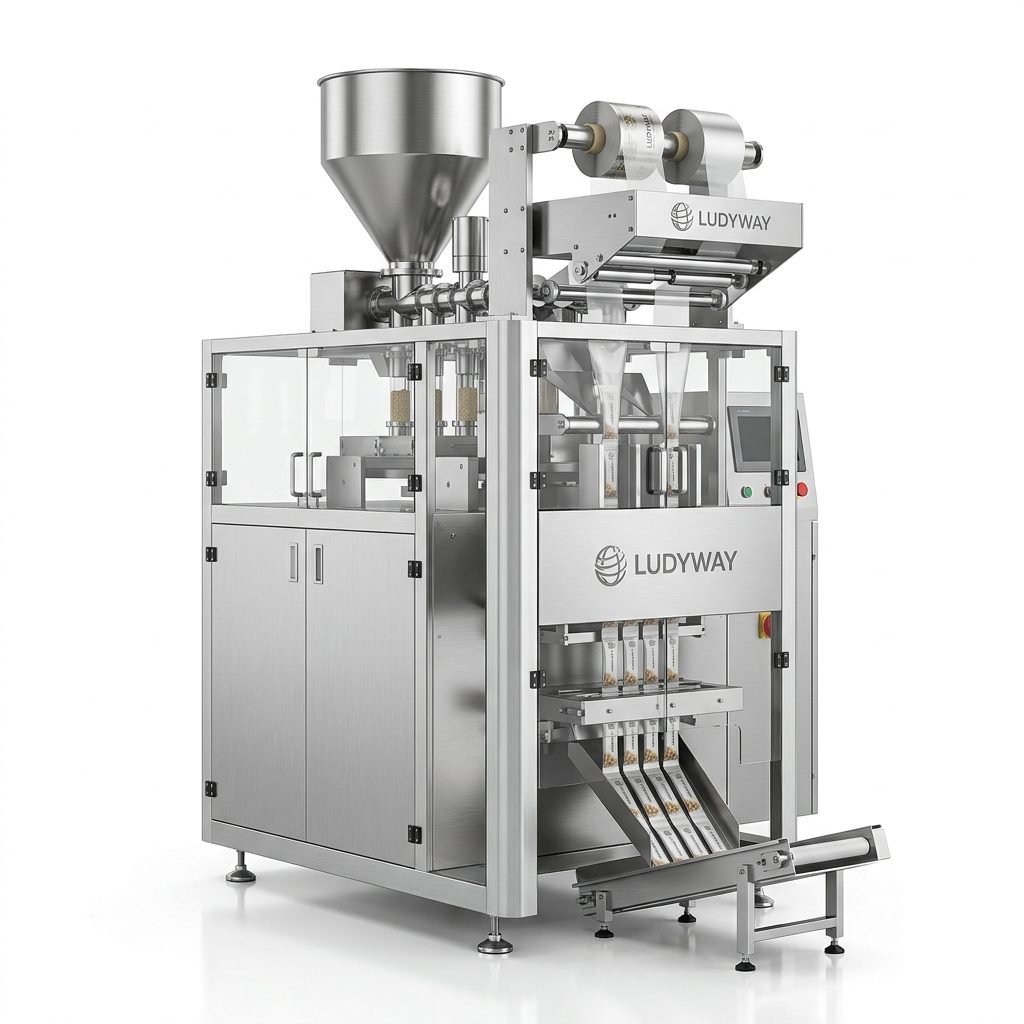
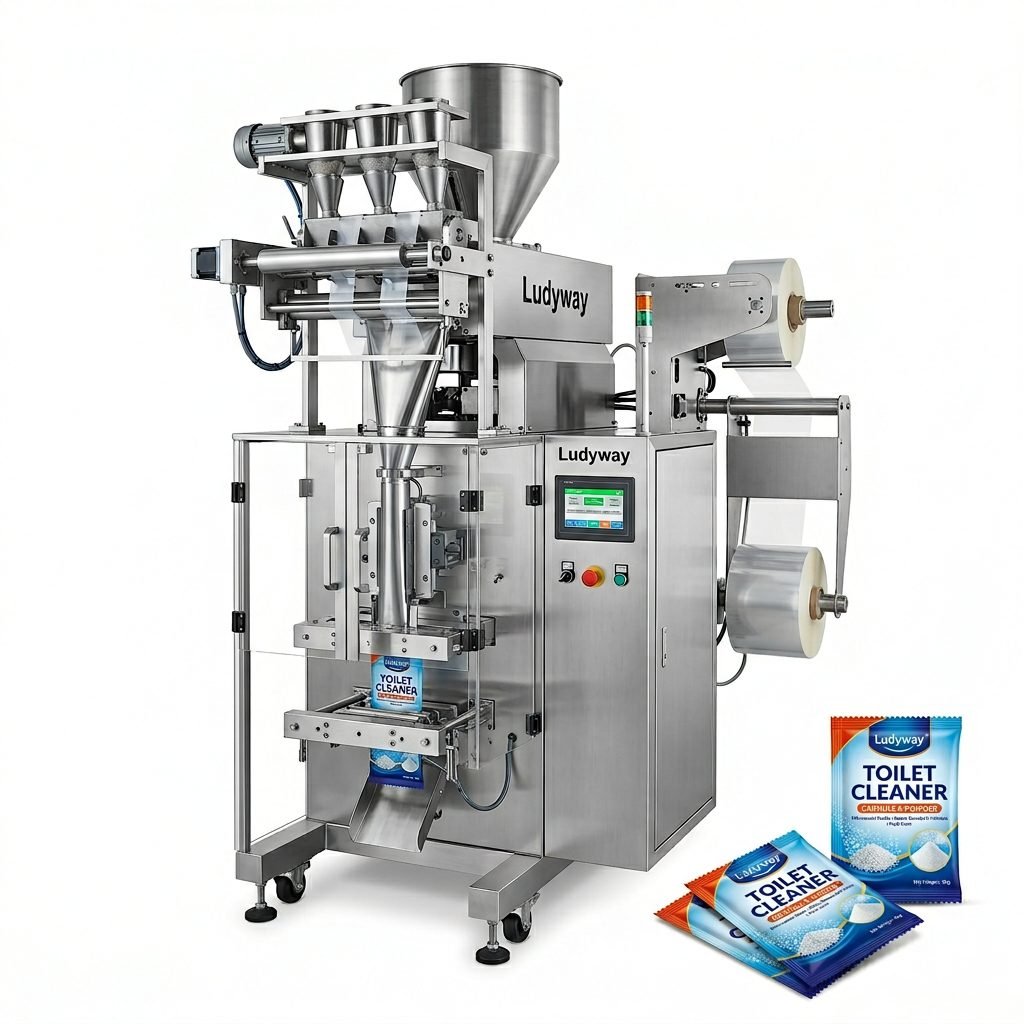
These are the workhorses of the industry, ideal for packaging free-flowing products like snacks, granules, powders, and some liquids. The machine forms a bag from a roll of film, fills it with product, and seals it—all in a continuous vertical motion. They are highly versatile and space-efficient.
Horizontal Form-Fill-Seal (HFFS) Machines
Perfect for bundling multiple items, creating trays with lids, or packaging delicate products that require a horizontal orientation. HFFS machines are often used for cookies, candy bars, medical devices, and frozen foods.
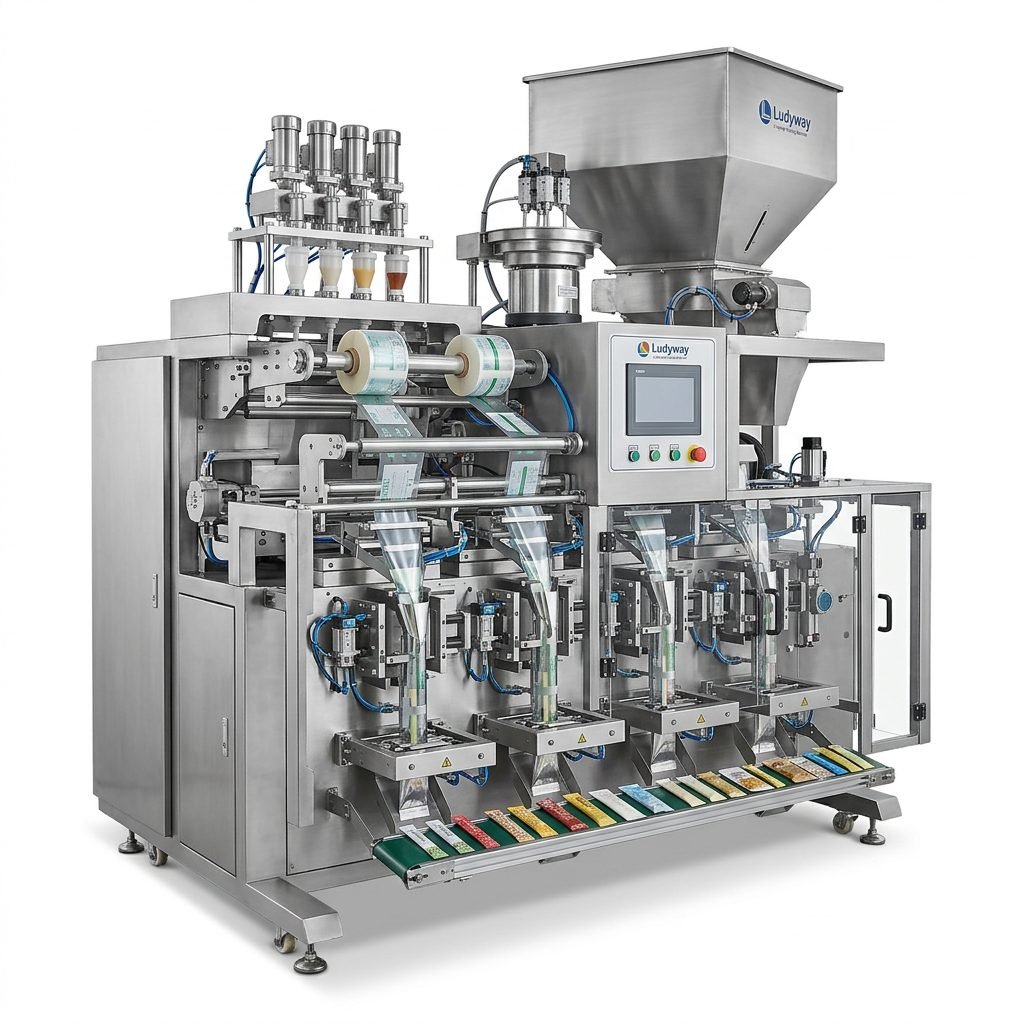
Stick Pack & Sachet Packaging Machines
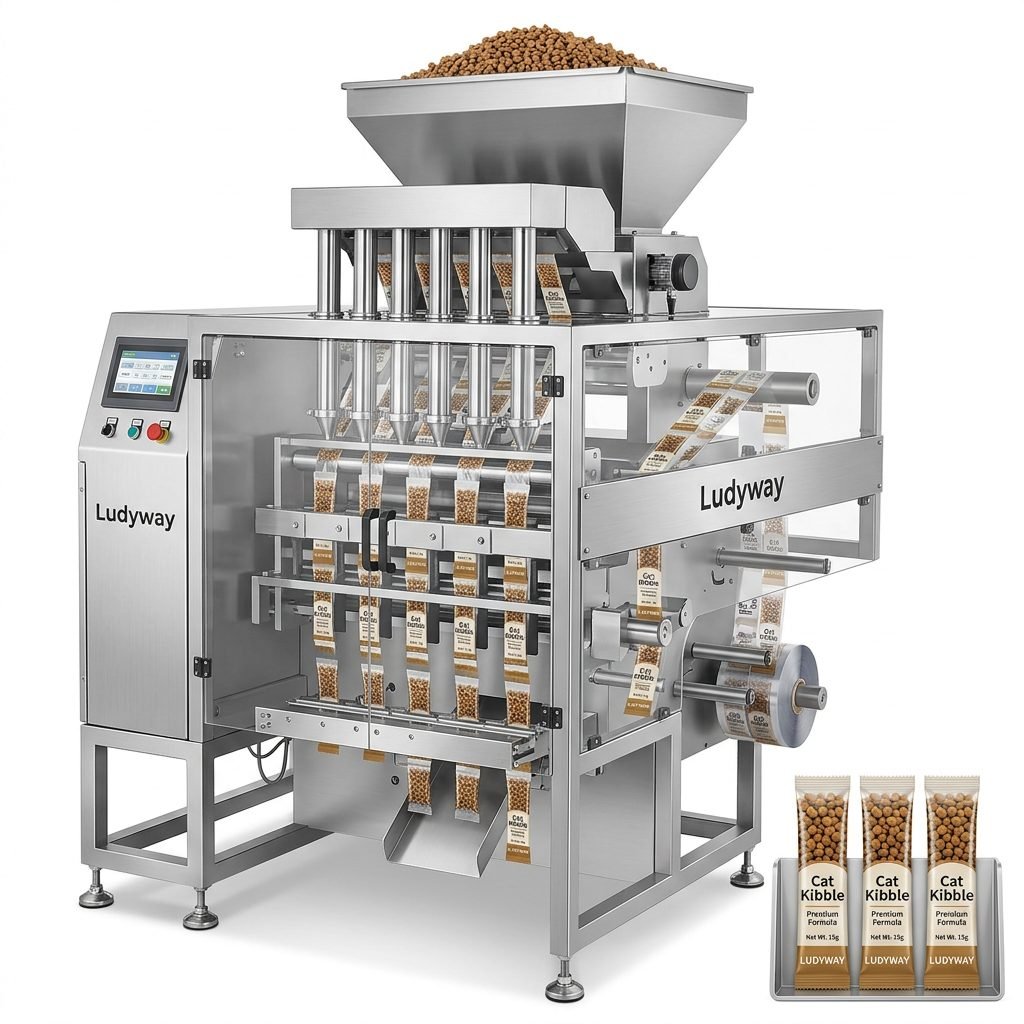
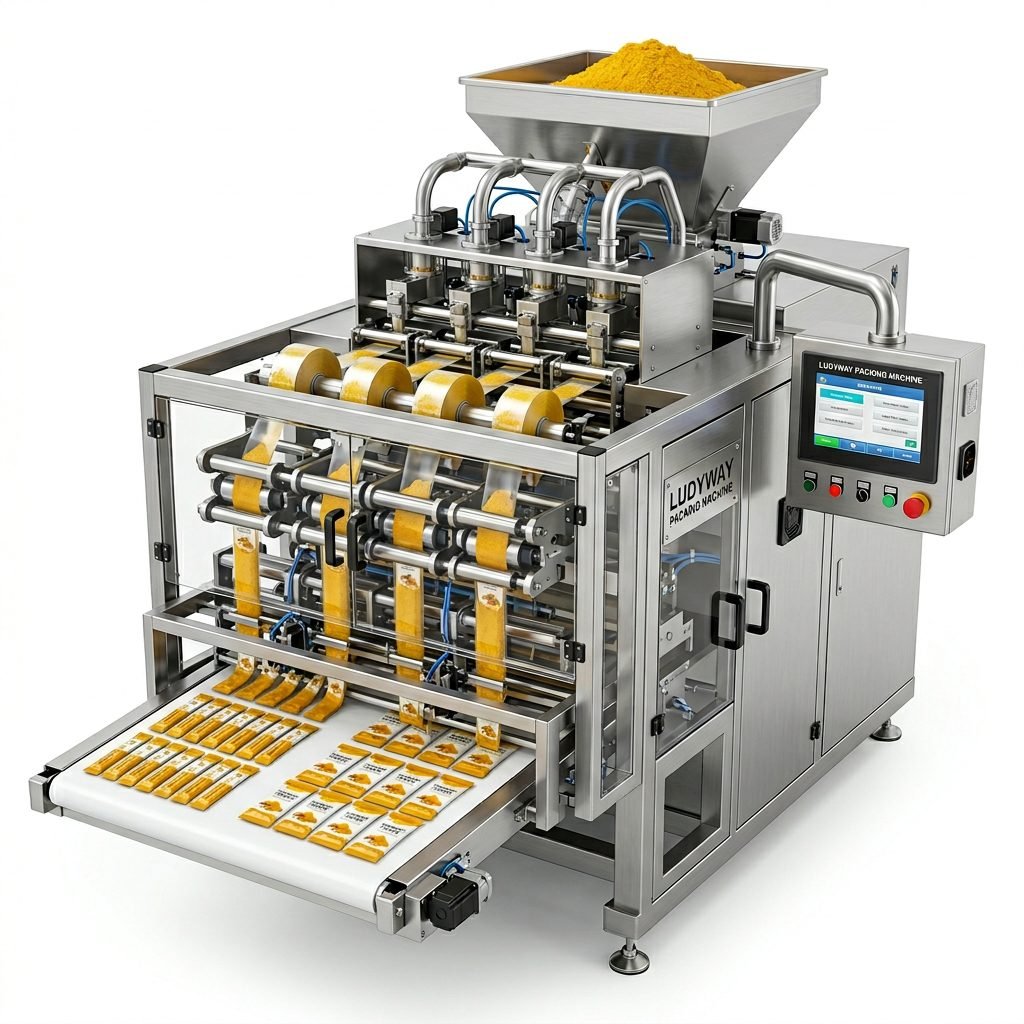
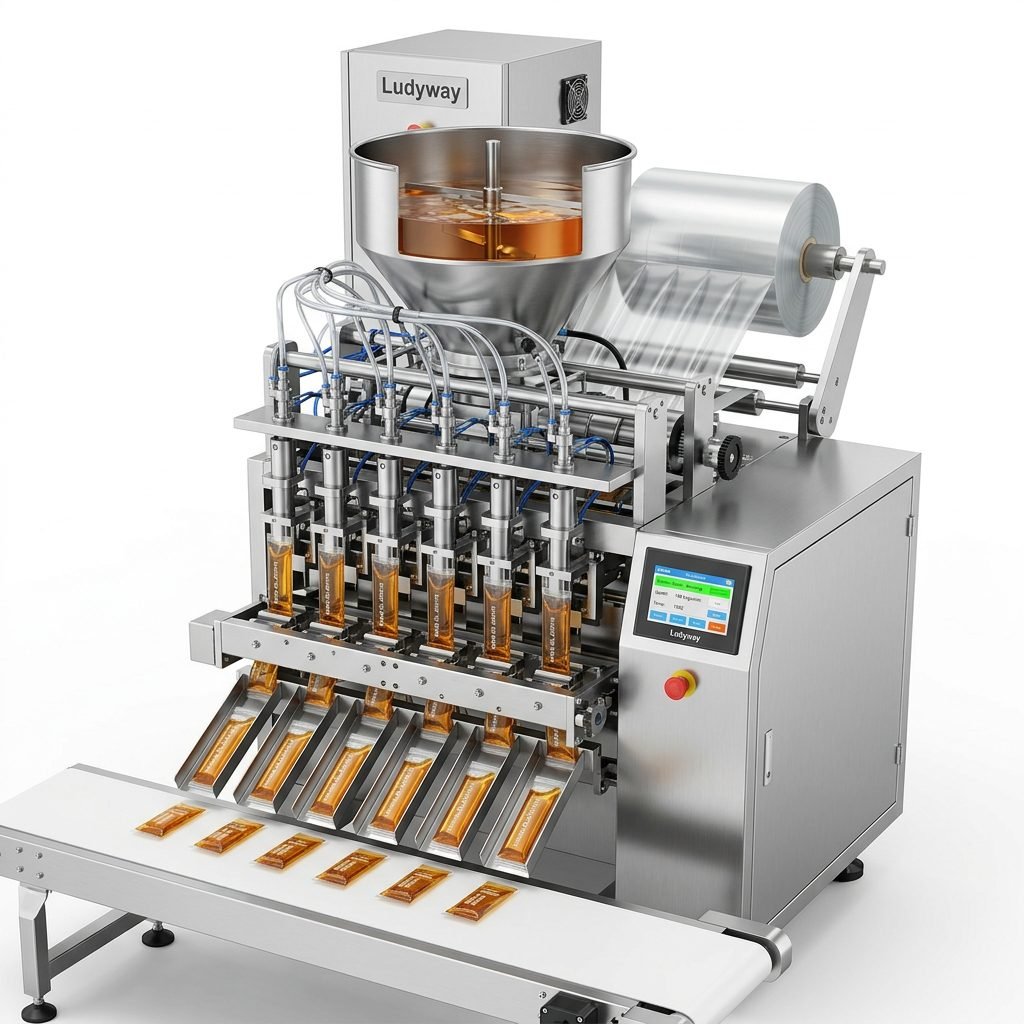
Designed for single-serve portions of powders (like coffee, sugar, supplements), liquids (sauces, shampoos), or gels. Modern sachet packaging systems offer high-speed, multi-lane operation, making them exceptionally cost-effective for high-volume applications in the food and pharmaceutical sectors.
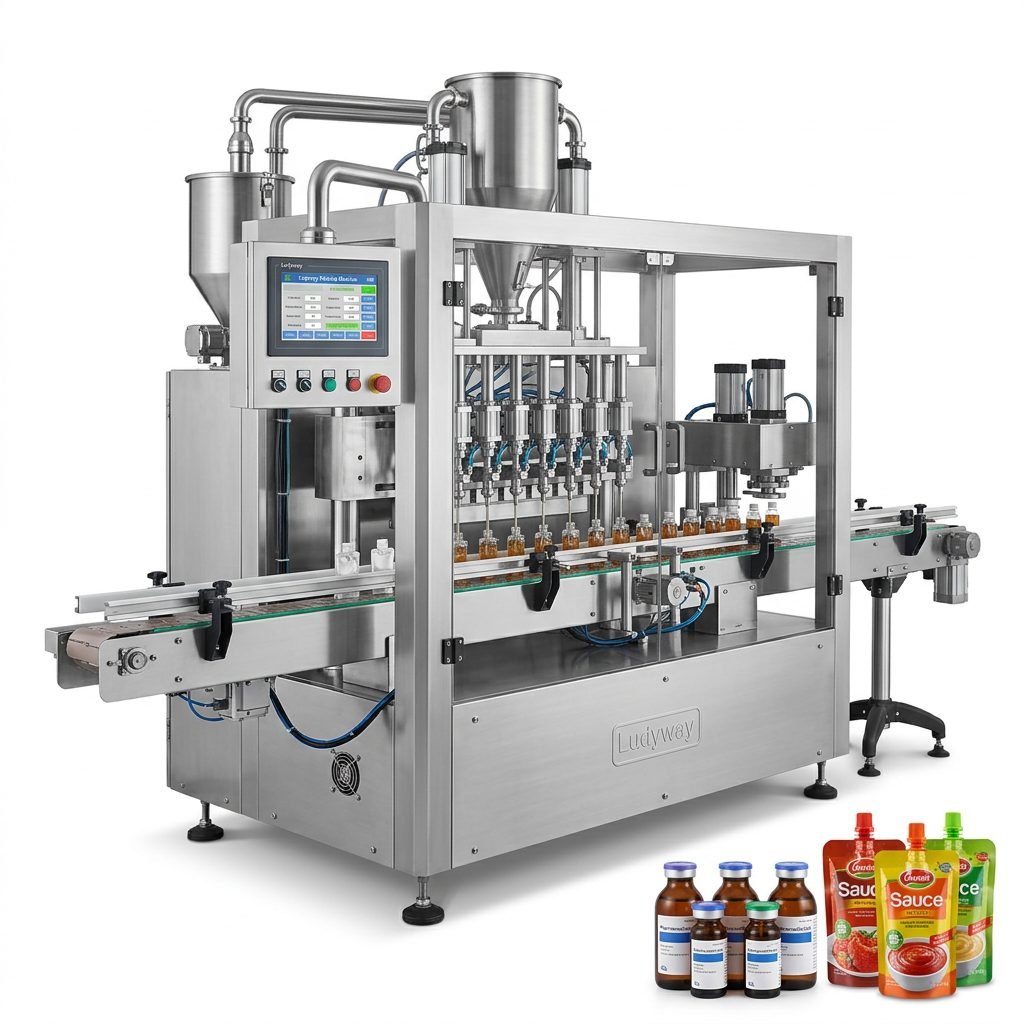
Liquid & Piston Filling Machines
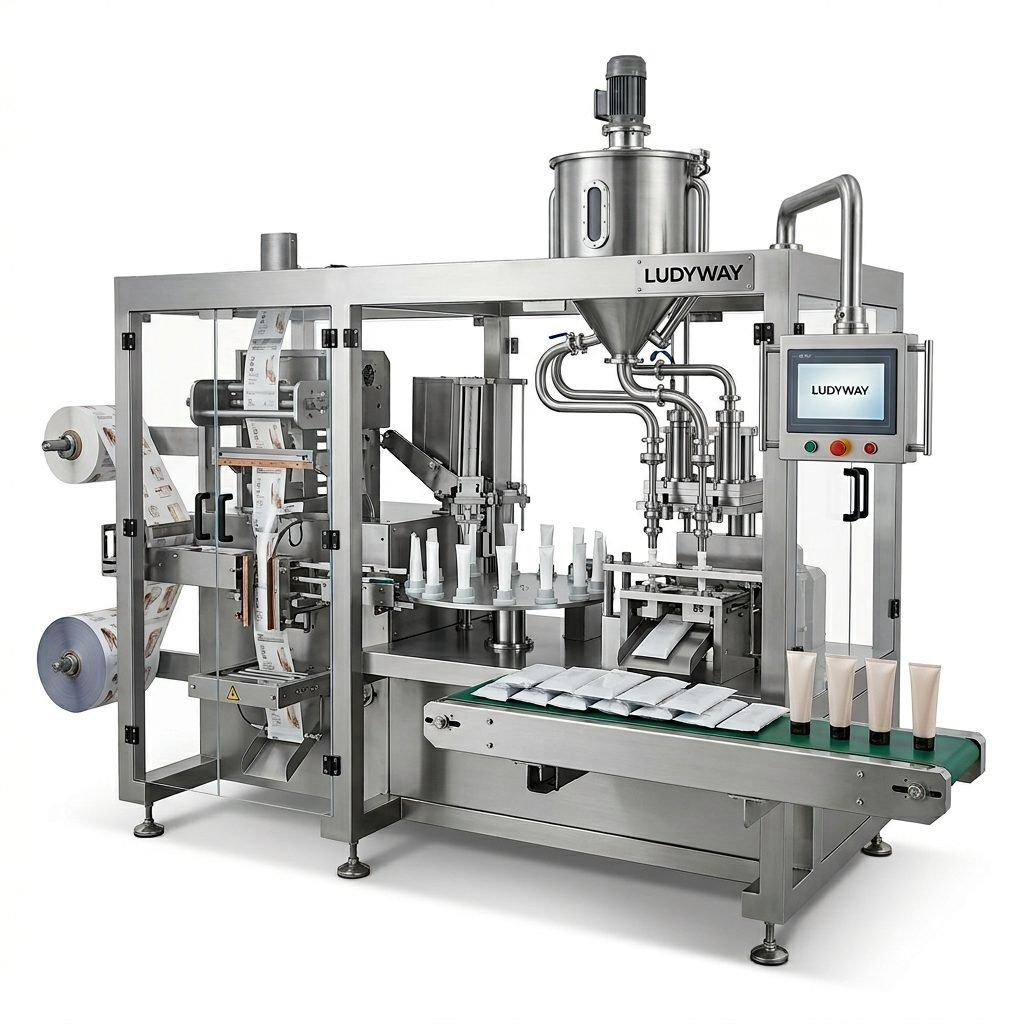
These systems provide precise volumetric filling for liquids, creams, and pastes into bottles, jars, or pouches. They are essential for industries where dosage accuracy and cleanliness are paramount, such as pharmaceuticals, cosmetics, and food condiments.
Evaluating Efficiency & Cost-Saving Features
Beyond basic functionality, advanced features are where true efficiency gains and cost reductions are realized. Look for these capabilities during your evaluation.
🔍 Precision Dosing Systems
Inaccurate filling leads to product giveaway (costing you money) or underfilling (which is illegal in many markets). Servo-driven auger fillers, precision pumps, and weight-check systems ensure you put exactly the right amount of product in every pack, protecting your margins.
⚙️ Quick Changeover Capabilities
If you run multiple products or package sizes, changeover time is dead time. Machines with tool-less adjustments, recipe memory (where settings are saved digitally), and modular components can reduce changeover from hours to minutes, maximizing uptime.
📊 Integrated IoT & Monitoring
Smart machines with IoT connectivity provide real-time data on OEE (Overall Equipment Effectiveness), production counts, downtime reasons, and maintenance alerts. This data is invaluable for continuous improvement and predictive maintenance, preventing costly unplanned stops.
💎 Sustainable Operation Features
Features like film saving algorithms, reduced energy consumption modes, and efficient sealing systems not only cut utility and material costs but also align with growing consumer and regulatory demands for sustainable manufacturing.
The Critical Role of Reliability & Support
The most feature-rich machine is a liability if it constantly breaks down or lacks support. Operational reliability and strong manufacturer backing are non-negotiable for protecting your investment.
Investigate the manufacturer’s reputation. A company like Ludyway Machinery, with decades of focused industry experience, typically builds knowledge into more robust and reliable machine designs. Look for a proven track record in your specific industry, whether it’s food, pharmaceuticals, or chemicals.
Comprehensive after-sales support is crucial. Ensure availability of spare parts, detailed technical documentation, and responsive service technicians. Ask about training programs for your operators and maintenance staff—well-trained personnel drastically reduce operational errors and extend machine life.
Making the Final Decision: A Strategic Checklist
Before signing a purchase order, use this final checklist to ensure all bases are covered.
- ✅ Total Cost of Ownership (TCO) Analysis: Look beyond the purchase price. Factor in installation, energy use, maintenance costs, expected lifespan, and potential efficiency savings.
- ✅ Request a Product Test: Always send your actual product and packaging materials to the supplier for a live machine test. This validates performance, speed, and seal quality.
- ✅ Verify Compliance & Safety: Ensure the machine meets all relevant local and international safety standards (e.g., CE, UL) and industry-specific regulations (like FDA requirements for food contact surfaces).
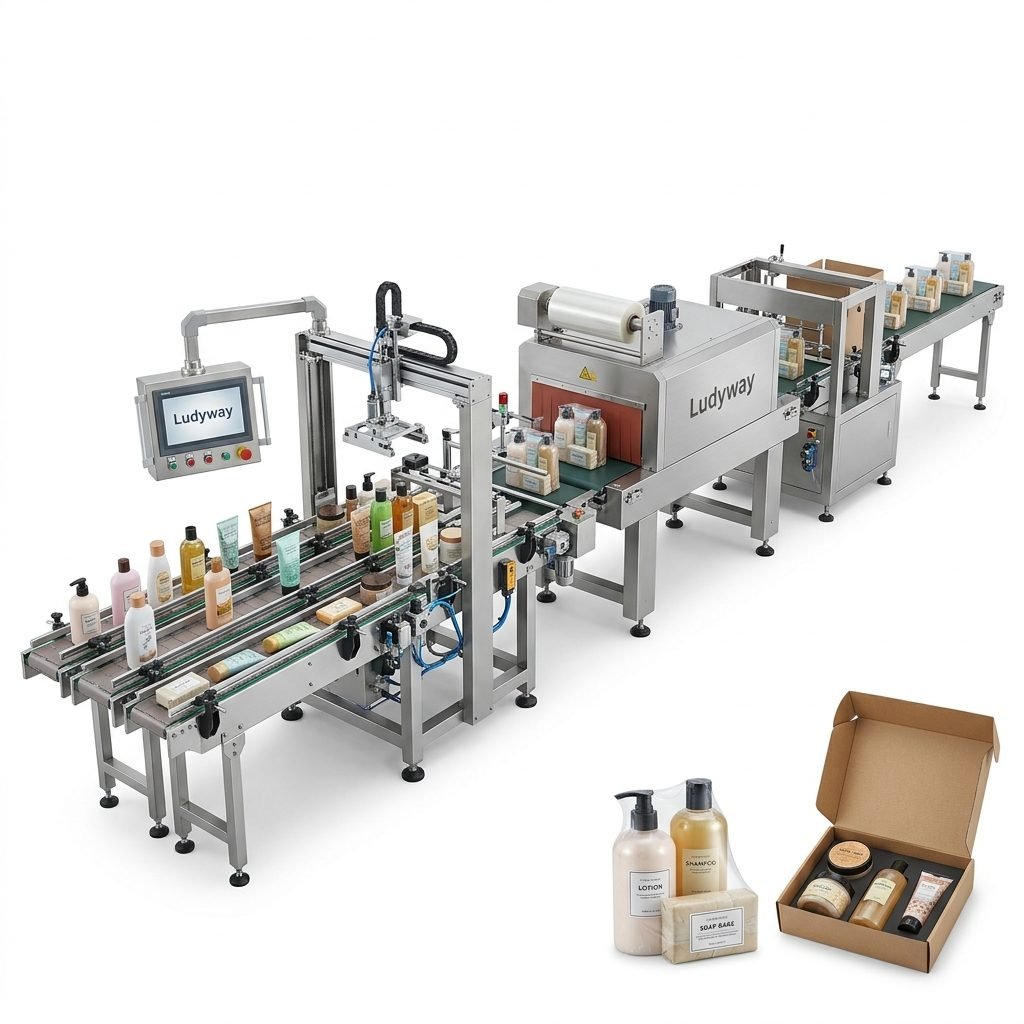
- ✅ Plan for Integration: Consider how the new machine will fit into your existing line. Discuss integration points with the supplier to ensure smooth material handling upstream and downstream.
Choosing the right automated packaging system is a multifaceted process that balances technical specifications, financial planning, and long-term strategic vision. By meticulously defining your needs, understanding the technology, prioritizing efficiency features, and partnering with a reliable supplier who offers strong support, you can select a system that becomes a true engine for growth. The right machinery will not only boost efficiency and cut costs but also provide the flexibility and quality assurance needed to compete and thrive in an evolving market. For businesses seeking tailored solutions, exploring the range of intelligent packaging machine models from experienced providers can be an excellent starting point.
Frequently Asked Questions (FAQs)
1. What is the typical payback period for an automated packaging machine investment?
Payback periods vary widely based on machine cost, labor savings, output increase, and material waste reduction. For many small to mid-sized operations replacing manual labor, a period of 12 to 24 months is common. High-speed systems for large-volume production may have a longer initial payback but deliver greater long-term scalability and savings.
2. How do I know if I need a vertical (VFFS) or horizontal (HFFS) machine?
The choice primarily depends on your product and package format. VFFS is best for free-flowing products going into stand-up or pillow pouches. HFFS is ideal for arranging multiple items into a tray, creating blister packs, or packaging items that are fragile or pre-formed. A packaging consultant or machinery supplier can advise based on a sample of your product.
3. Can one machine handle different package sizes and materials?
Most modern machines are designed with some level of flexibility. The key is the changeover process. High-flexibility machines allow quick, tool-less adjustments for different bag lengths, widths, and sealing patterns. However, switching between vastly different materials (e.g., from a thin laminate to a thick paper composite) may require more significant adjustments or different sealing jaws.
4. What are the most common causes of downtime, and how can they be minimized?
Common causes include film breaks/jams, dosing inaccuracies, sealing issues, and mechanical wear. Downtime is minimized through preventive maintenance (regular cleaning, lubrication, part inspection), using high-quality packaging materials specified for the machine, and ensuring operators are thoroughly trained on daily checks and basic troubleshooting procedures.
5. What should I look for in a machinery supplier beyond the machine itself?
Prioritize suppliers who offer comprehensive after-sales support. This includes clear technical documentation, readily available spare parts, responsive remote and on-site service, and operator training. A supplier with deep application experience in your industry (e.g., food, pharma) can provide invaluable guidance on compliance and best practices, ensuring a successful long-term partnership. Companies that provide complete turnkey production line solutions often have the expertise to ensure all components work together seamlessly.