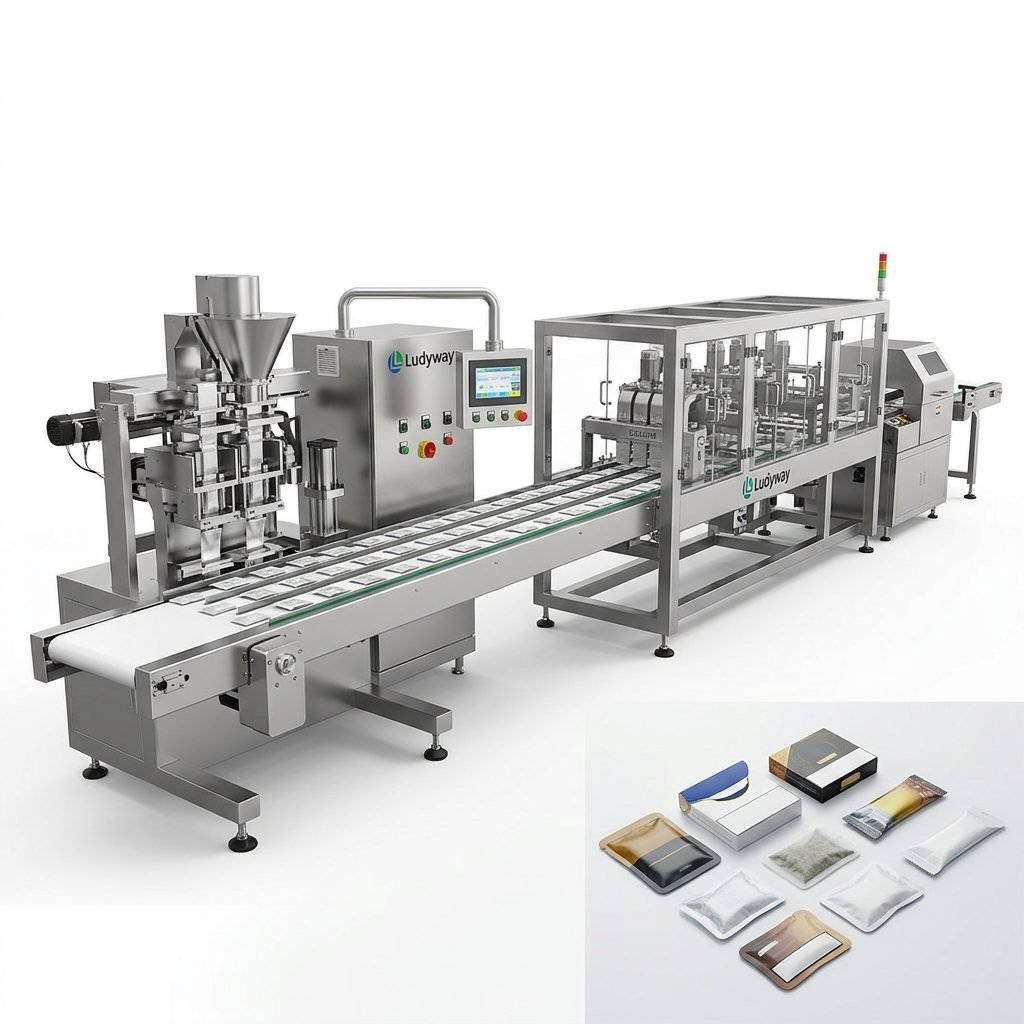
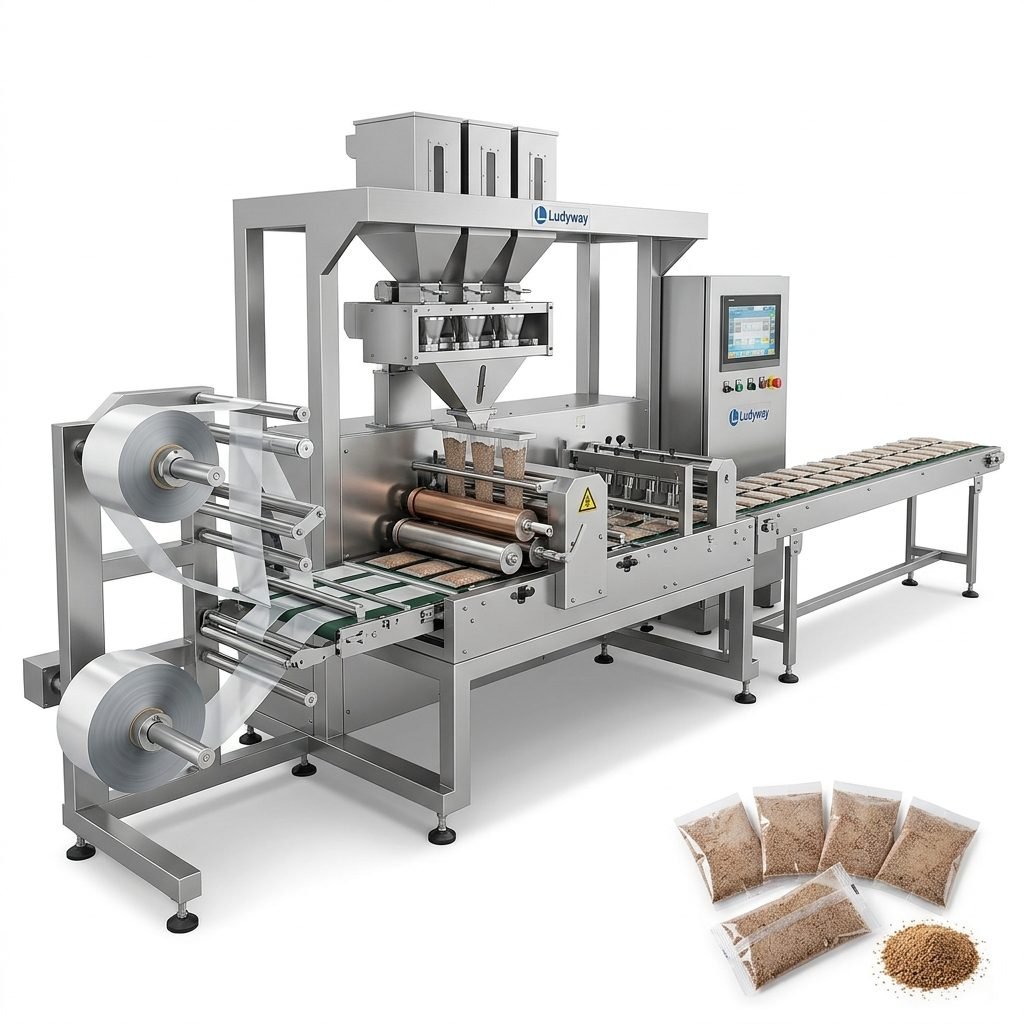
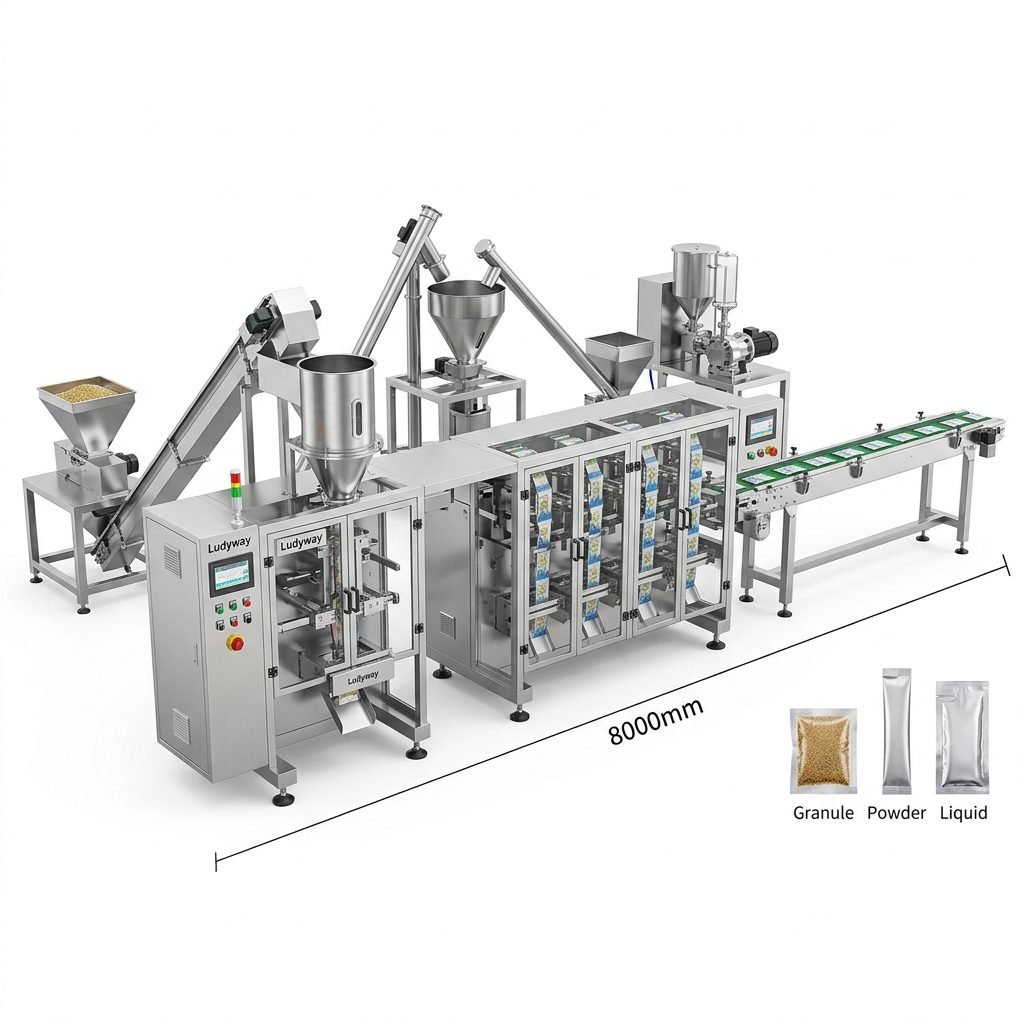
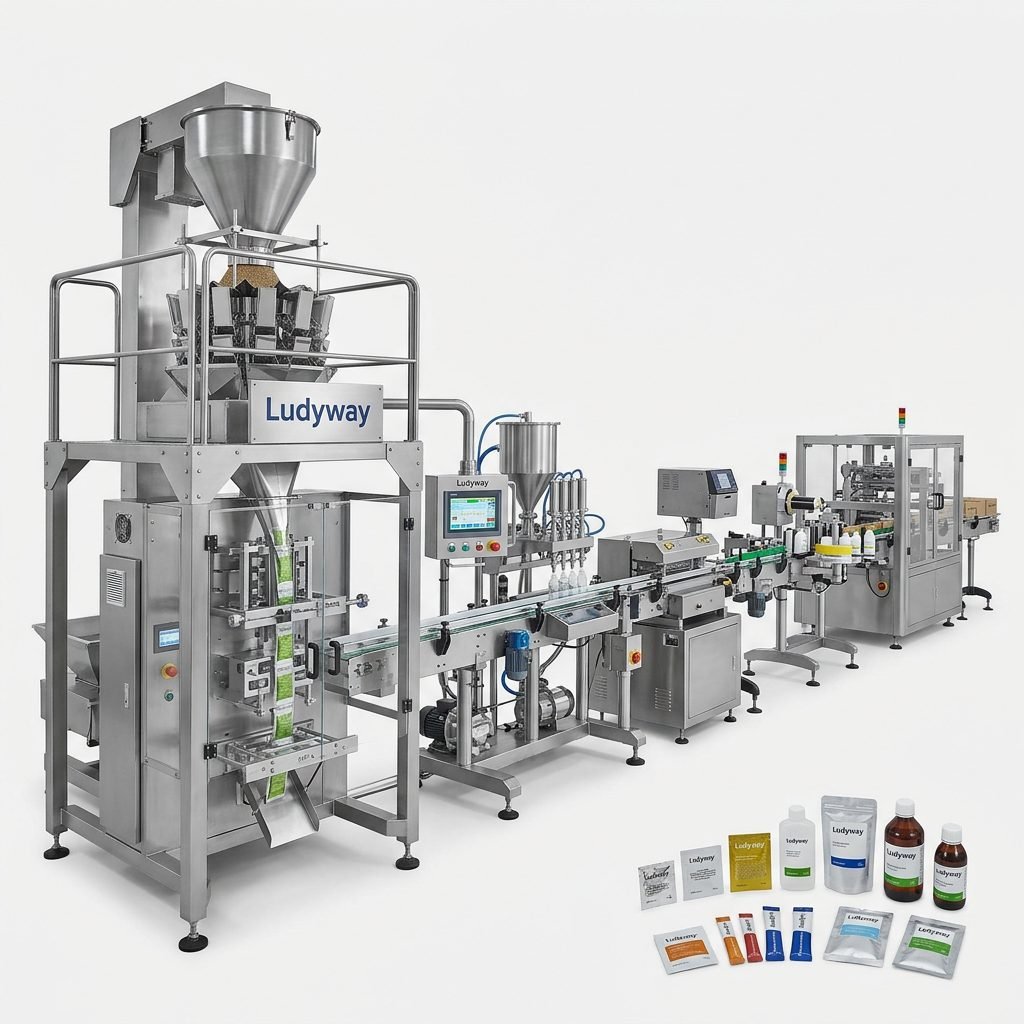
In the demanding world of chemical manufacturing, the choice of packaging equipment is a critical decision that impacts safety, operational efficiency, and product integrity. Whether handling volatile liquids, fine powders, or corrosive substances, the right machinery forms the backbone of a secure and profitable production line. This guide explores the top solutions for chemical packaging, focusing on the specialized equipment needed for safe and efficient liquid and powder filling operations.
Understanding the Unique Demands of Chemical Packaging
Chemical products present a distinct set of challenges that generic packaging equipment simply cannot address. The primary concerns revolve around material compatibility, containment safety, dosing accuracy, and operator protection. Equipment must be constructed from materials resistant to corrosion and chemical attack, such as stainless steel (316L grade is often preferred), specialized alloys, or coated surfaces. Sealing systems must be impeccable to prevent leaks, spills, and exposure, which is paramount for both hazardous materials and product purity. Furthermore, precision in filling volumes is non-negotiable to ensure compliance with regulations and avoid costly giveaways or underfills.
Key Consideration: For powder chemicals, especially those that are dusty or explosive, equipment must incorporate dust containment features and often require explosion-proof (ATEX) rated components. Liquid fillers for acids or solvents need to handle potential fumes and ensure zero-drip dispensing.
Core Equipment for Liquid Chemical Filling
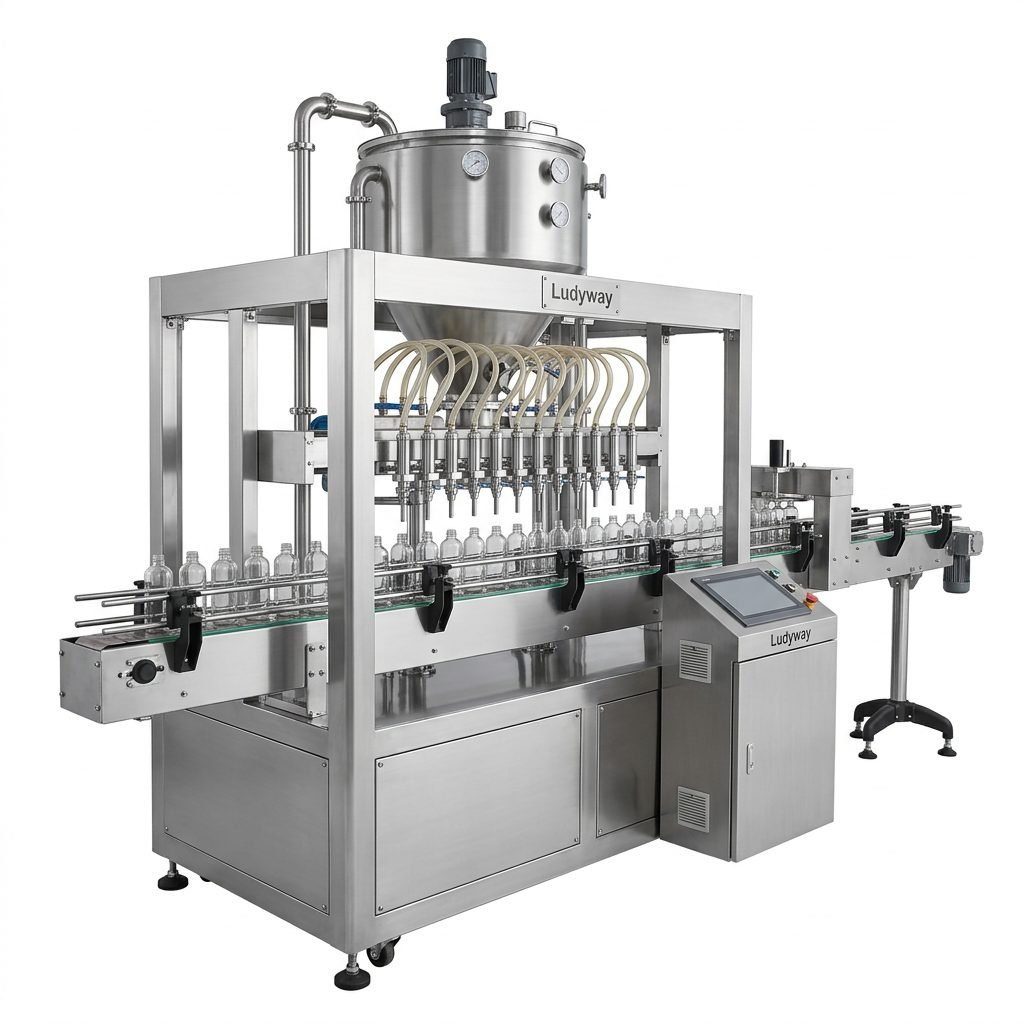
Liquid chemical filling requires robust and adaptable technology. The main types of fillers include:
- Piston Fillers: Ideal for viscous products like gels, adhesives, or thick suspensions. They offer excellent accuracy by displacing a set volume of product with each stroke. Modern versions feature easy-clean designs and corrosion-resistant cylinders.
- Gravity & Pressure Fillers: Best suited for free-flowing, non-aerated liquids. Pressure-assisted systems are excellent for foamy products or those requiring a completely sealed filling path to prevent oxidation or fume escape.
- Volumetric Cup Fillers: A cost-effective solution for medium-viscosity liquids, using adjustable cups to measure volume before discharge into containers.
- Pump Fillers (Peristaltic & Rotary): Peristaltic pumps are exceptionally valuable for aggressive chemicals, as the product only contacts the flexible tubing, which can be easily replaced. This minimizes contamination and simplifies cleaning.
Integration with capping machines, labelers, and conveyor systems creates a seamless automated line, reducing manual handling and increasing throughput.
Advanced Solutions for Powder & Granule Chemical Packaging
Packaging powders demands precision and dust control. Key equipment includes:
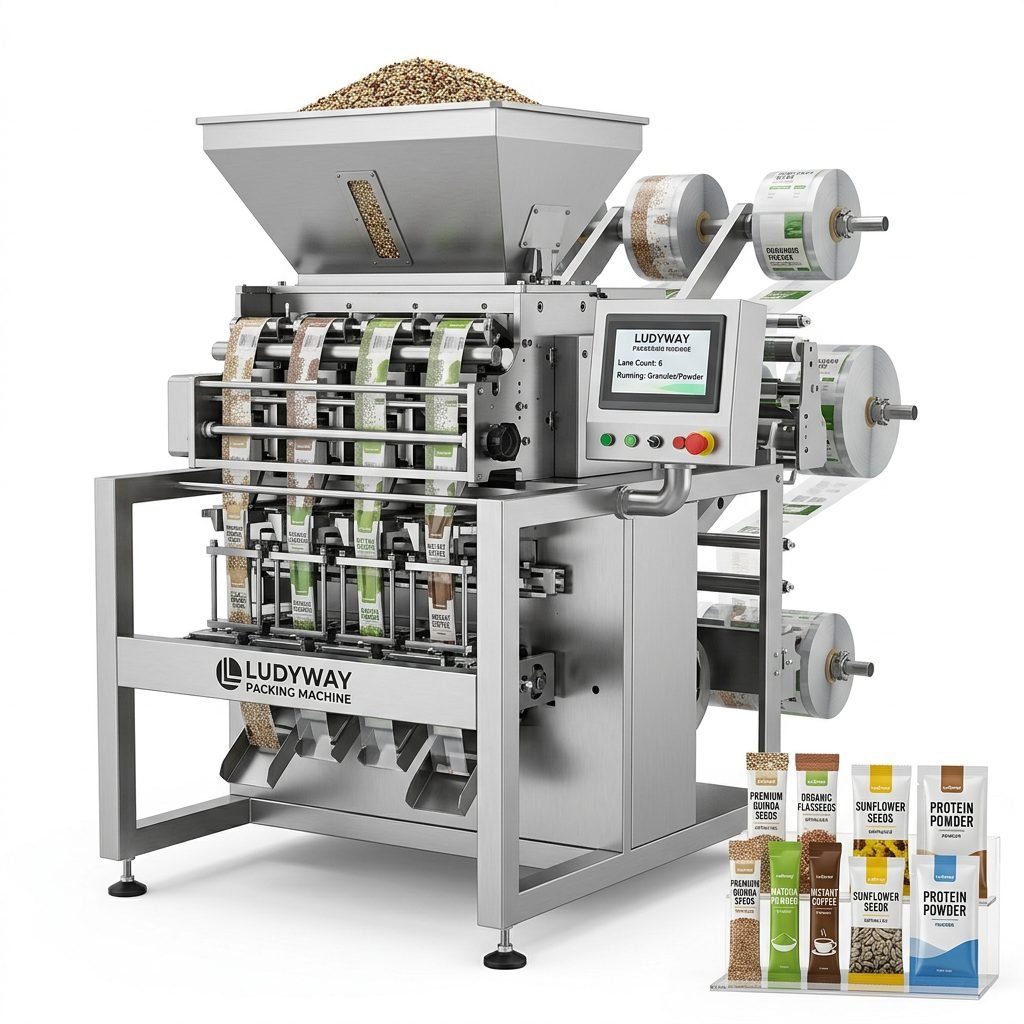
- Auger Fillers: The industry standard for most dry chemicals. A rotating auger screw meters powder from a hopper into the container. Accuracy is enhanced with servo-driven systems and weight feedback controls. Options include dust-tight housings and sanitary designs.
- Weighing Fillers (Net Weigh Scales): Provide the highest accuracy by weighing each dose before filling. This is crucial for high-value or regulated chemical products where every gram counts.
- Vibratory Tray Fillers: Used for granular products, gently vibrating the material into a measured chamber for consistent volume filling.
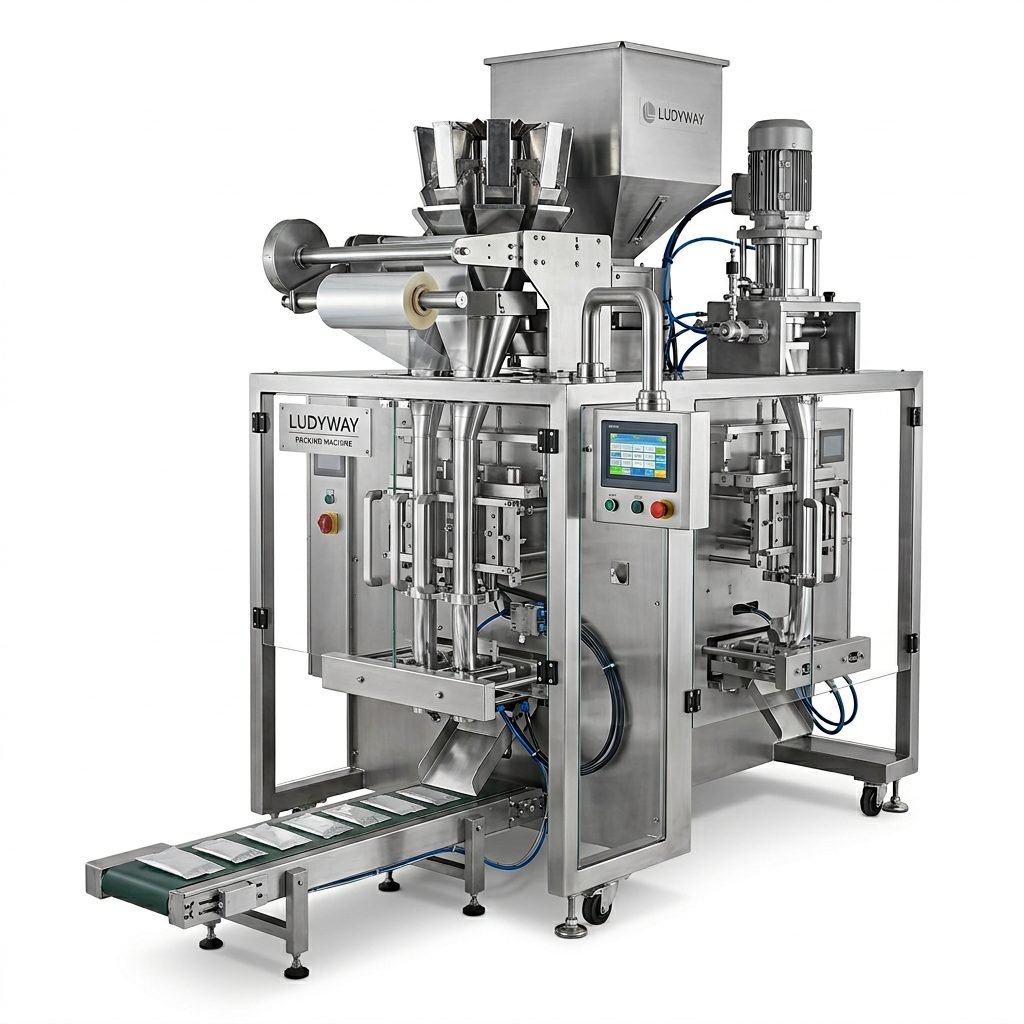
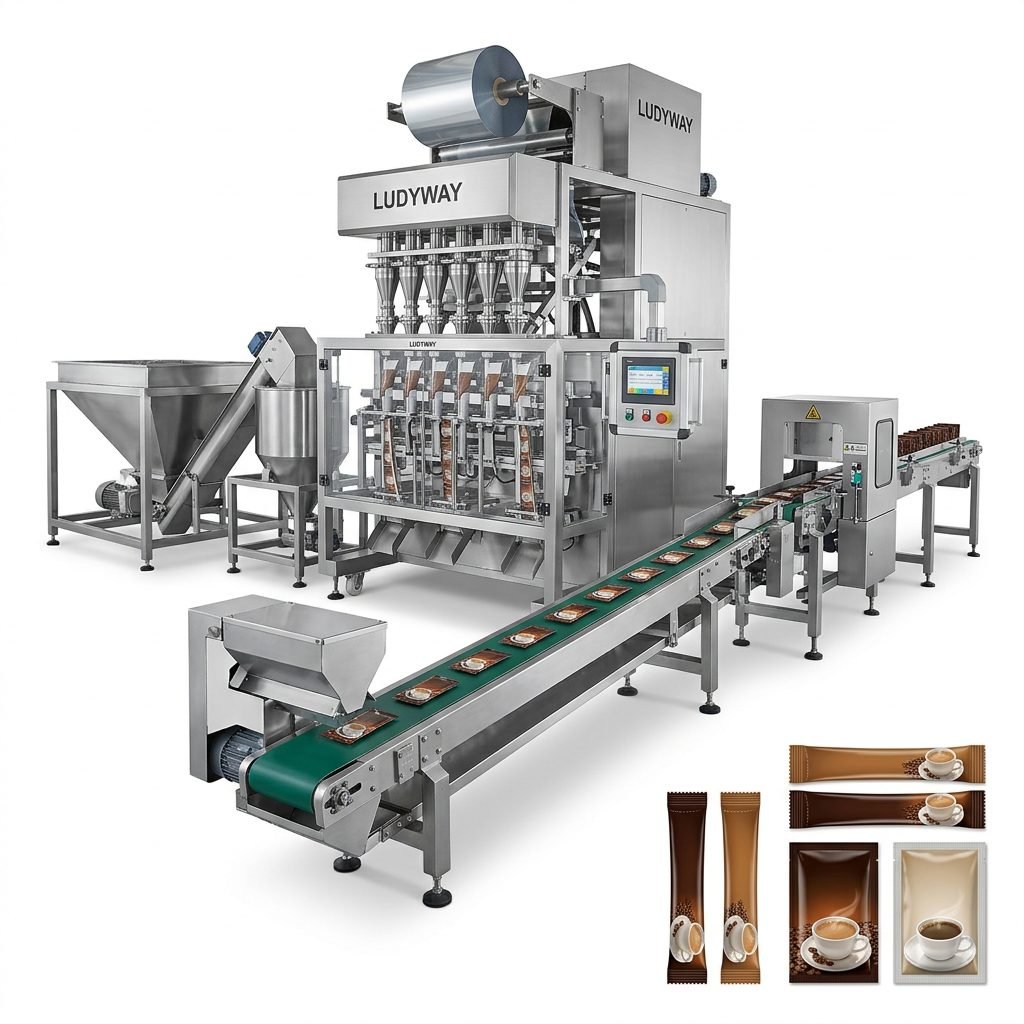
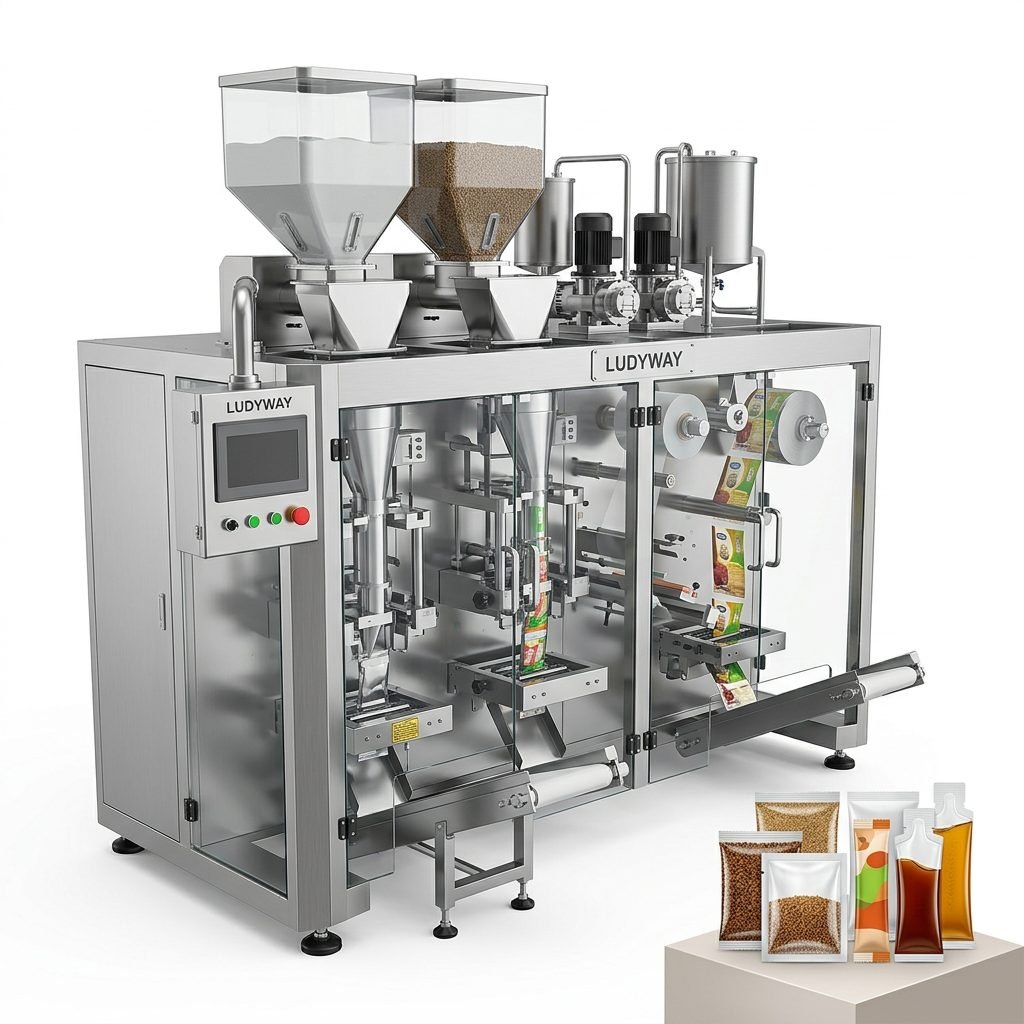
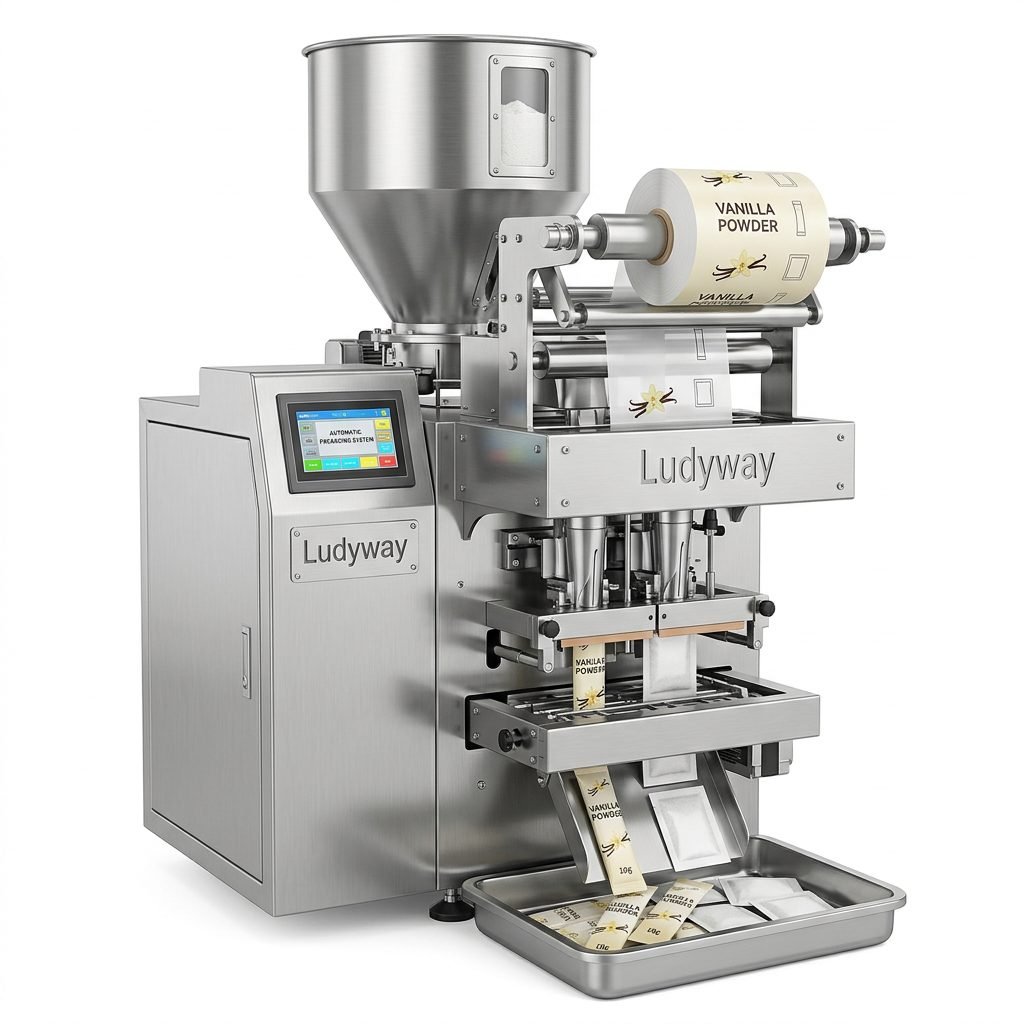
- Form-Fill-Seal (FFS) Machines: For packaging powders into premade bags or creating bags from roll stock. These systems are excellent for producing sealed, ready-to-ship units of chemical products like water treatment powders or agricultural chemicals.
Safety & Automation: Non-Negotiable Features
Modern chemical packaging lines are defined by their safety and automation features. Look for equipment with:
- Containment Systems: Glove boxes, laminar flow hoods, or closed-loop transfer systems for highly toxic or potent compounds.
- Washdown & CIP/SIP Capabilities: Equipment designed for easy cleaning with water, steam, or solvents to prevent cross-contamination.
- Intrinsically Safe Controls: For environments with explosive atmospheres.
- Integrated Checkweighers & Metal Detectors: To ensure fill weight compliance and detect foreign contaminants.
- PLC/HMI Control with Data Logging: For precise recipe management, traceability, and compliance with industry standards like GMP.
Selecting the Right Partner for Your Packaging Line
Beyond the machinery itself, choosing a supplier with deep expertise in chemical applications is vital. A partner like Ludyway Packing Machine brings over a decade of focused experience in providing turnkey packaging solutions for demanding industries. The right partner will not only sell you a machine but will understand your chemical properties, suggest compatible materials of construction, design for your specific safety protocols, and provide reliable after-sales support.
They should offer comprehensive services from initial consultation and testing with your product to factory acceptance testing (FAT), installation, training, and ongoing technical support. This holistic approach ensures the packaging line integrates smoothly into your operation and delivers long-term reliability.
The Role of Customization and Future-Proofing
Off-the-shelf solutions often fall short in chemical packaging. The ability to customize—whether it’s a special nozzle to reduce static, a specific hopper design for difficult-to-handle powders, or a unique sealing method—is crucial. Furthermore, consider scalability and flexibility. Can the equipment handle a range of container sizes? Can it be easily integrated with robotics or future line expansions? Investing in modular, intelligent packaging systems from the start protects your investment and adapts to changing market demands.
Summary: Building a Best-in-Class Chemical Packaging Operation
Optimizing your chemical packaging requires a strategic blend of the right equipment technology and expert partnership. Prioritize safety, accuracy, and material compatibility in every machine selection. Embrace automation to enhance consistency and protect personnel. Finally, collaborate with a seasoned provider who can deliver a customized, integrated line that meets your precise technical and regulatory requirements, ensuring safe, efficient, and profitable packaging for years to come.
Frequently Asked Questions (FAQs)
1. What are the most important factors when choosing a filler for corrosive liquid chemicals?
The paramount factors are material compatibility and containment. Ensure all wetted parts (contacting the product) are made from chemically resistant materials like 316L stainless steel, Hastelloy, PTFE, or specific fluoropolymers. The filler design should prevent leaks and fumes, often requiring sealed or pressurized filling systems. Easy and thorough cleanability (CIP) is also essential to prevent corrosion and cross-contamination during product changeovers.
2. How can I improve accuracy when filling lightweight or aerated powder chemicals?
For challenging powders, move beyond basic volumetric auger fillers. Servo-driven auger systems with weight feedback control are highly effective. A net weigh scale system, which weighs each dose before dispensing, offers the highest accuracy. Additionally, equipment features like de-aeration systems in the hopper, vibration-assisted settling, and specially designed anti-static augers can significantly improve consistency and fill weight precision.
3. What certifications or safety standards should I look for in chemical packaging equipment?
This depends on your location and product hazard. Key standards include ATEX/IECEx for equipment used in potentially explosive atmospheres (common with fine organic powders). For pharmaceuticals or food-grade chemicals, cGMP (Current Good Manufacturing Practice) design with easy-clean surfaces and validation support is critical. Always check for general machine safety certifications like CE (Europe) or NRTL (North America) to ensure basic electrical and mechanical safety compliance.
4. Can one packaging line handle both liquid and powder chemical products?
While some modular systems offer high flexibility, it is generally challenging and not recommended to use the exact same filler for both liquid and powder without significant changeover. However, a well-designed production line can be configured with separate filling heads or modules that can be swapped out or cleaned thoroughly. The conveying, capping, and labeling sections may be more universal. Discuss your product range with your supplier to design a line that maximizes flexibility while maintaining integrity for each product type.
5. How does automation reduce risks in chemical packaging operations?
Automation minimizes direct human interaction with hazardous materials, dramatically reducing exposure risks. Robotic palletizing, automated container handling, and closed-loop filling systems keep operators away from the point of product transfer. Furthermore, automated systems provide consistent, repeatable processes that reduce human error in dosing, sealing, and labeling, leading to fewer spills, leaks, and product recalls. Integrated sensors and monitoring can also instantly detect and halt operations in case of a fault, preventing larger incidents.