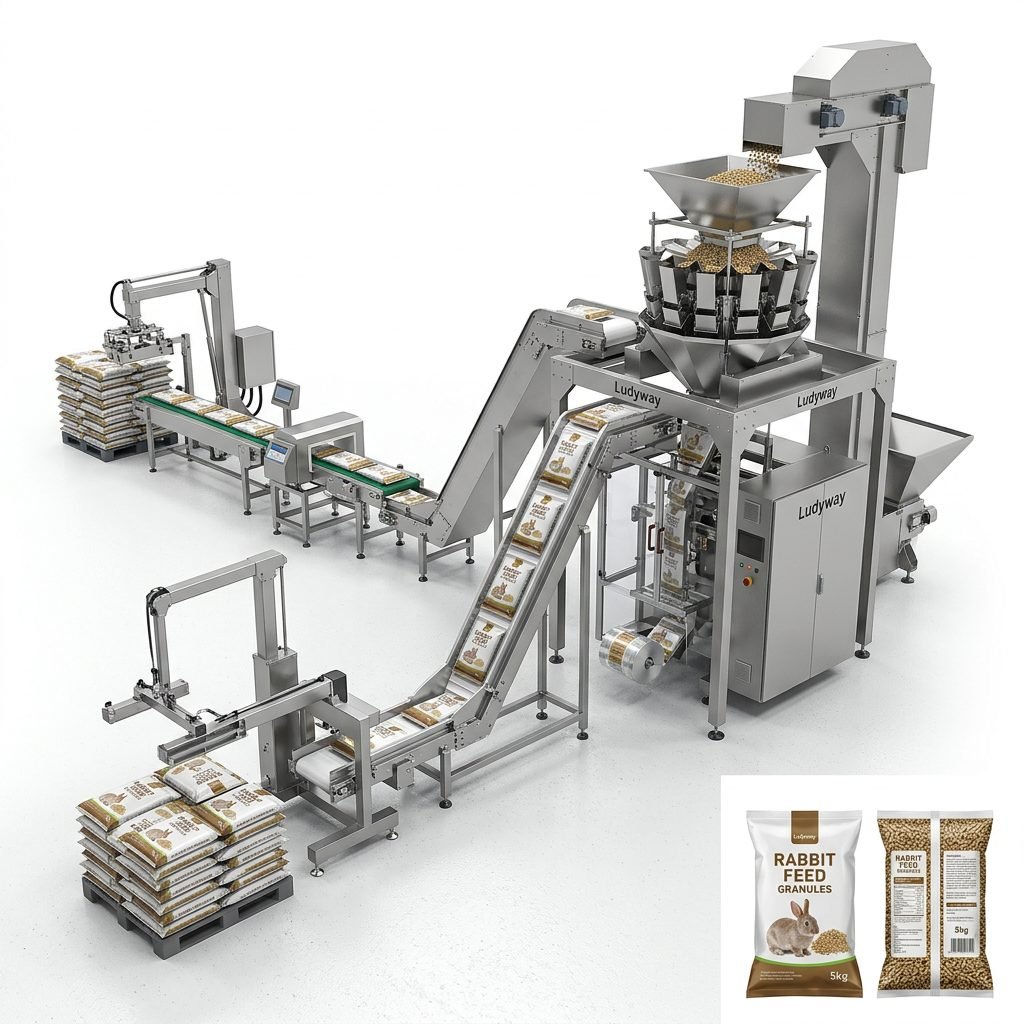
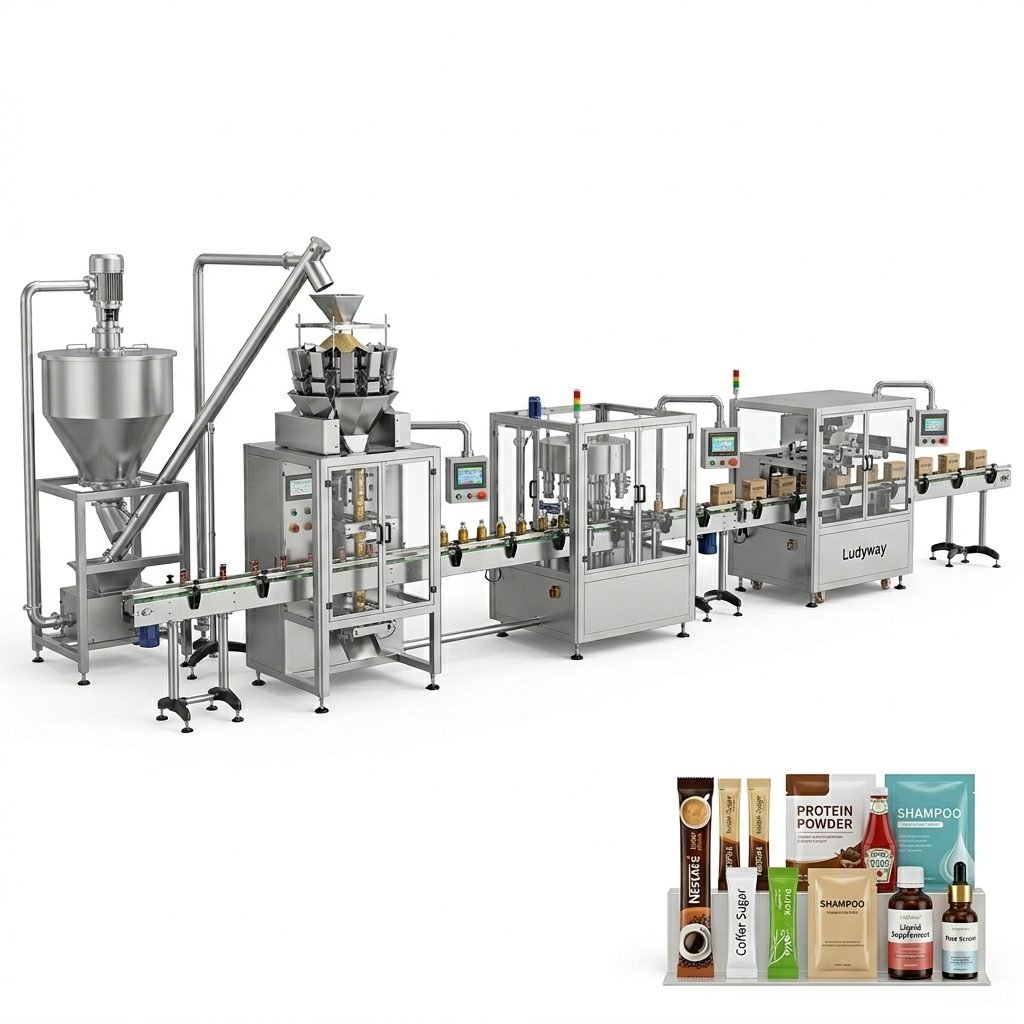
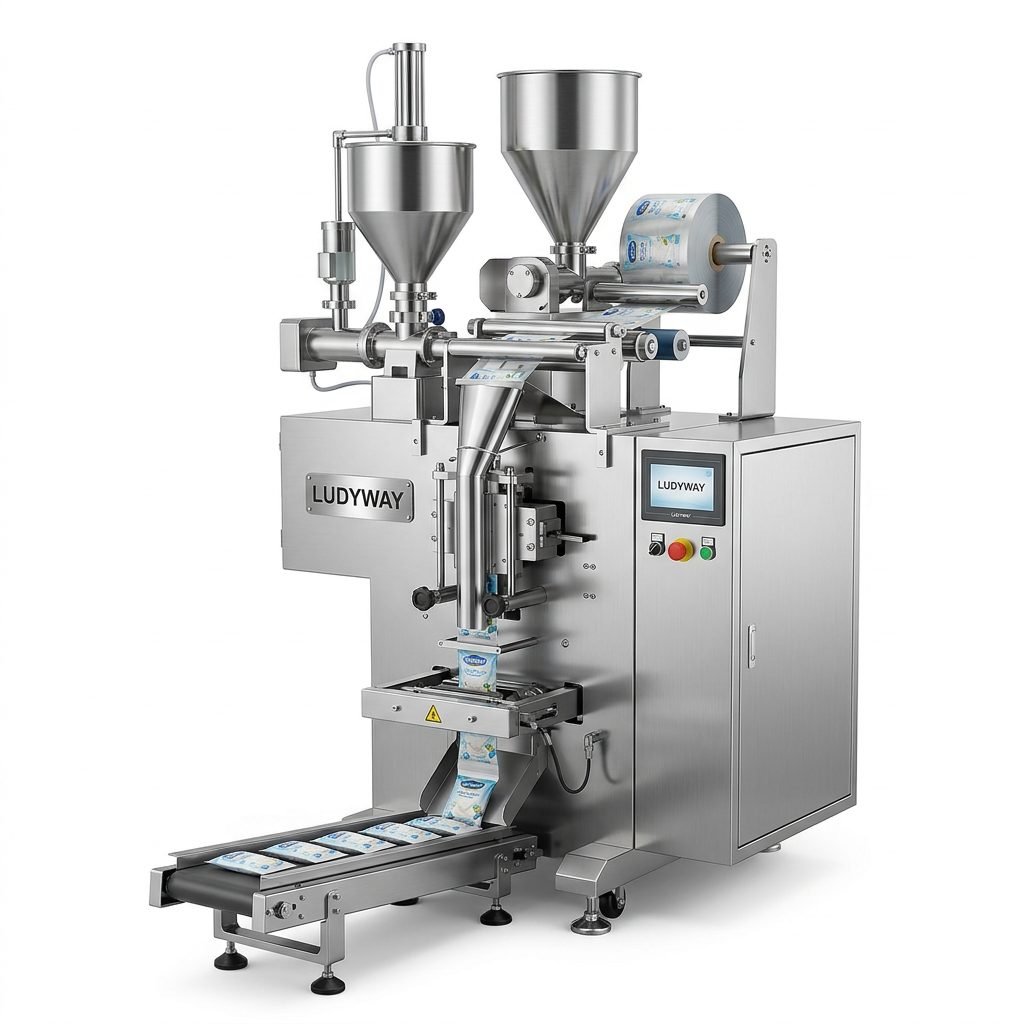
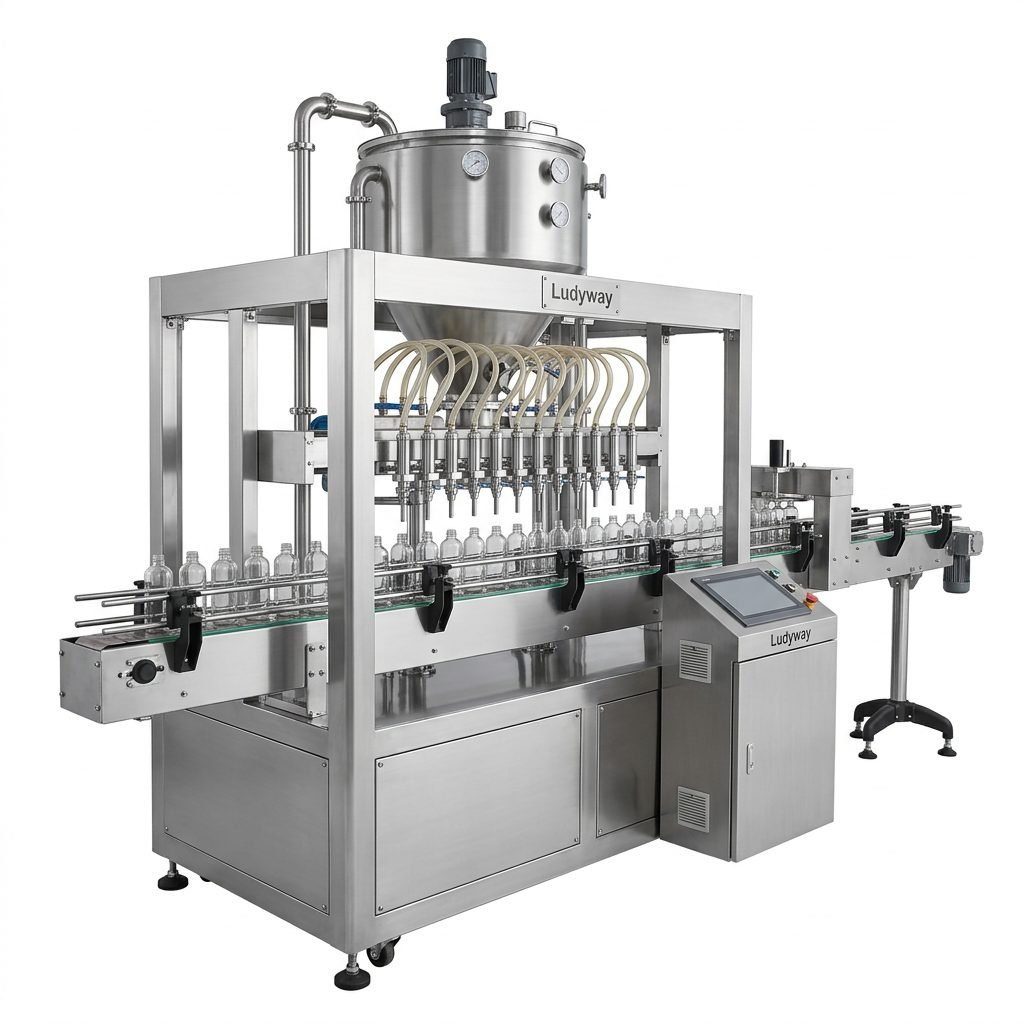
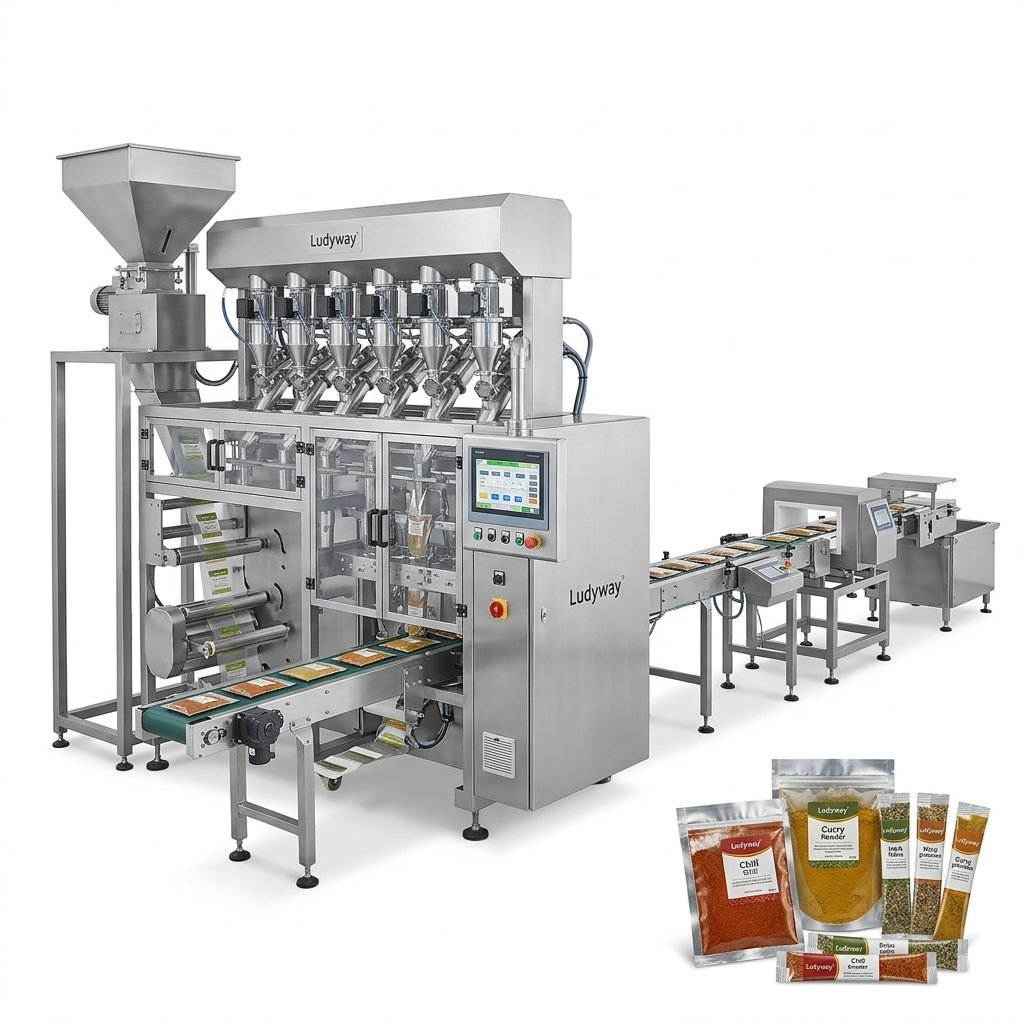
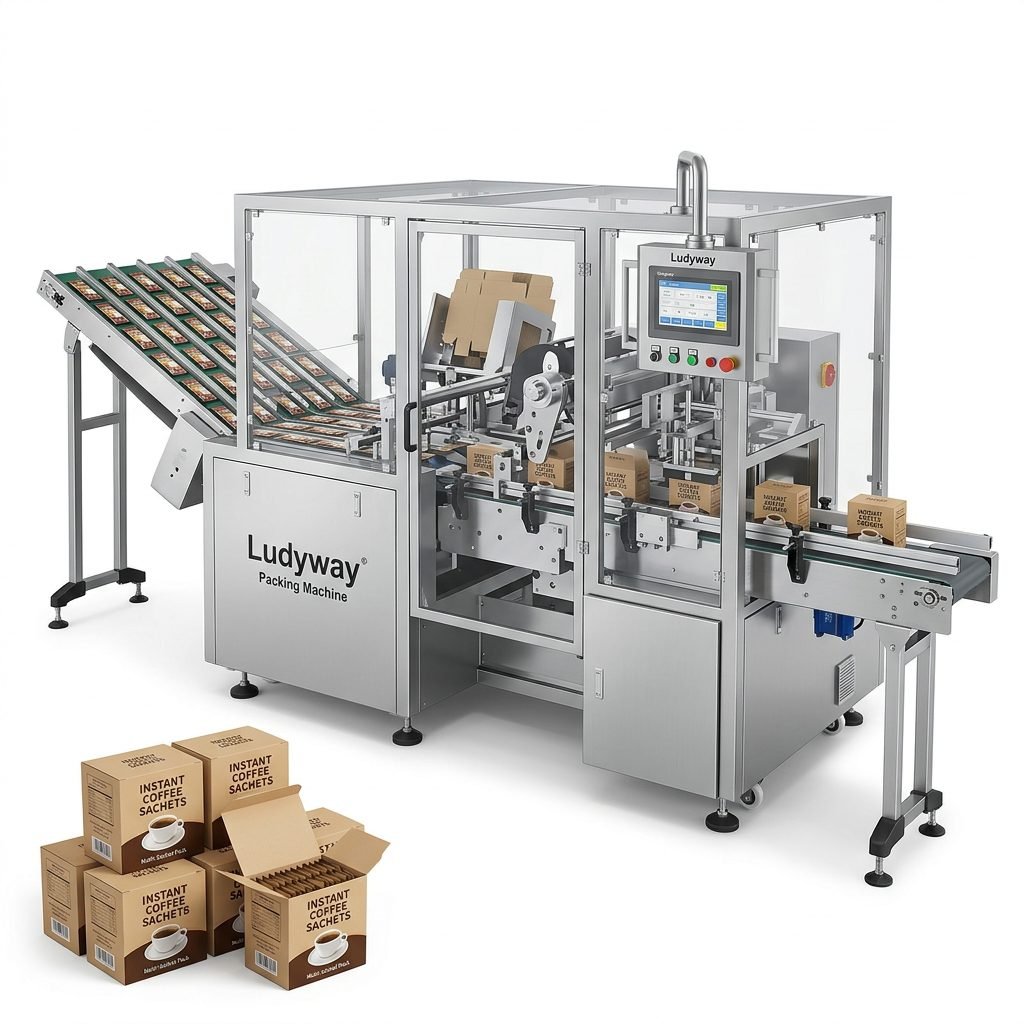
Choosing between VFFS and HFFS machines is one of the most important decisions in flexible packaging. Both technologies are widely used for forming, filling, and sealing packages, but they serve different product types, bag styles, speeds, and factory layouts. If you are comparing packaging automation options for food, pharmaceutical, personal care, or chemical products, understanding these differences can help you avoid costly mistakes.
In simple terms, a VFFS machine forms the package vertically, while an HFFS machine forms the package horizontally. That sounds straightforward, but the right choice depends on much more than machine direction. Product flow behavior, packaging format, footprint, sealing requirements, production speed, and future expansion all matter.
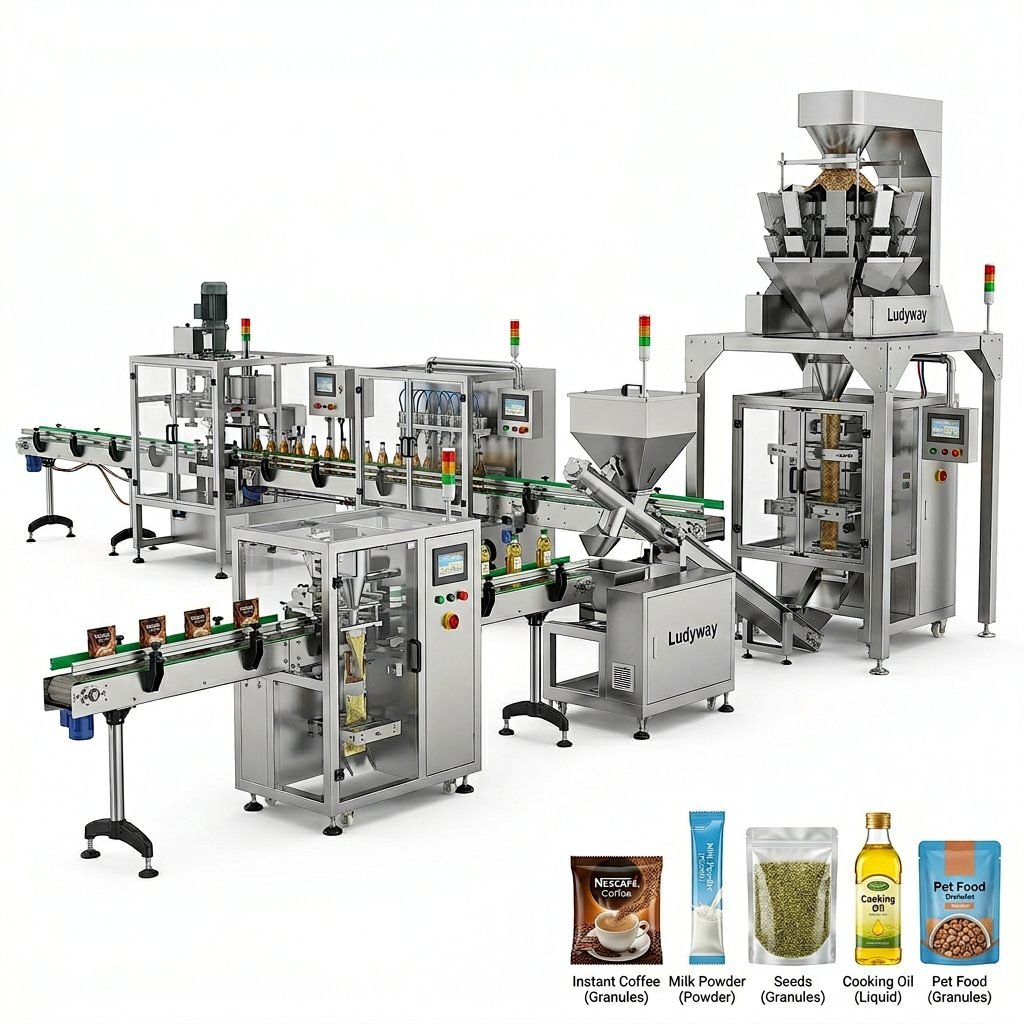
What Is a VFFS Machine?
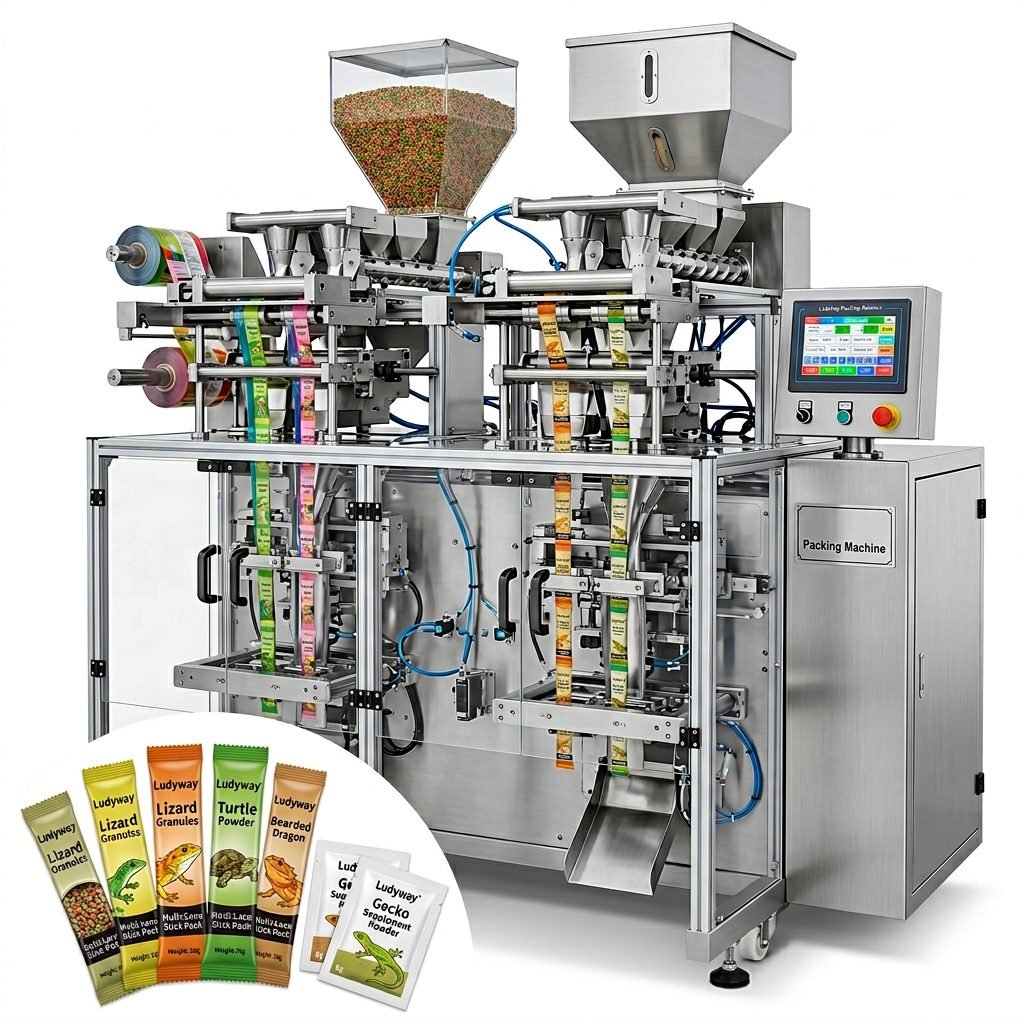
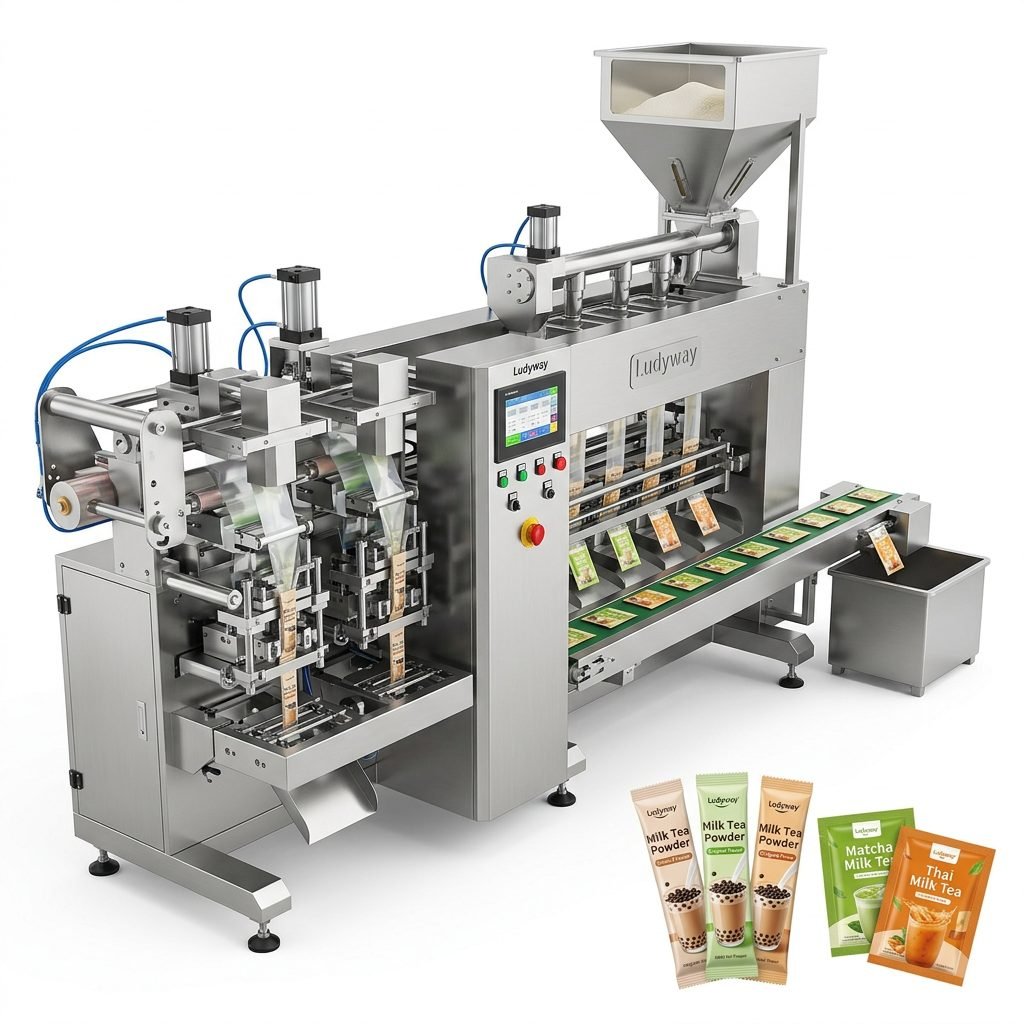
A Vertical Form Fill Seal (VFFS) machine pulls film from a roll, shapes it into a tube around a forming collar, seals the longitudinal seam, fills the product from the top, and then makes cross seals to create individual bags.
VFFS equipment is commonly used for:
- Powders
- Granules
- Snack foods
- Coffee
- Sugar, salt, spices, rice, beans
- Frozen foods
- Liquids and pastes in certain machine configurations
Typical package styles include pillow bags, gusseted bags, quad seal bags, stick packs, and sachets depending on machine design.
What Is an HFFS Machine?
A Horizontal Form Fill Seal (HFFS) machine forms the package horizontally. In many cases, the film runs flat through the machine, is shaped into a pouch, filled, and sealed from the side or top depending on the design. HFFS machines are often selected for premade pouch filling or for creating more complex pouch shapes from rollstock.
HFFS equipment is often used for:
- Stand-up pouches
- Zipper pouches
- Shaped pouches
- Spouted pouches
- Wet wipes and medical products
- Products requiring premium shelf appearance
It is especially popular when brand presentation, pouch convenience, or specialty seals are important.
VFFS vs HFFS: Core Differences at a Glance
| Factor | VFFS Machine | HFFS Machine |
|---|---|---|
| Machine direction | Vertical forming and filling | Horizontal forming and filling |
| Common products | Powders, granules, snacks, coffee, grains | Pouches, liquids, wipes, premium retail packs |
| Typical package types | Pillow bags, gusset bags, stick packs, sachets | Stand-up pouches, zipper pouches, shaped pouches |
| Footprint | Usually more compact | Usually longer horizontal footprint |
| Output efficiency | Very strong for standard small and medium bags | Strong for pouch formats and specialized packs |
| Packaging appearance | Functional and cost-efficient | Often more premium and shelf-friendly |
| Investment level | Often lower for standard applications | Often higher for advanced pouch applications |
How VFFS Machines Work Best
VFFS machines are usually the first choice when manufacturers need high efficiency, simpler bag styles, and good cost control. Because the product drops into the bag by gravity, VFFS is highly suitable for free-flowing materials.
Best-fit applications for VFFS
- Powdered drink mixes
- Protein powder portions
- Coffee sachets and stick packs
- Sugar, salt, and seasoning packs
- Snack foods and dry ingredients
- Agricultural and chemical granules
Advantages of VFFS
- Compact design for limited factory space
- Strong speed-to-cost ratio
- Excellent for free-flowing products
- Easy integration with weighers, auger fillers, and liquid fillers
- Suitable for entry-level automation and large-scale production alike
Limitations of VFFS
- Less ideal for highly complex pouch shapes
- May offer fewer premium presentation options than HFFS
- Some fragile or irregular products may need special handling
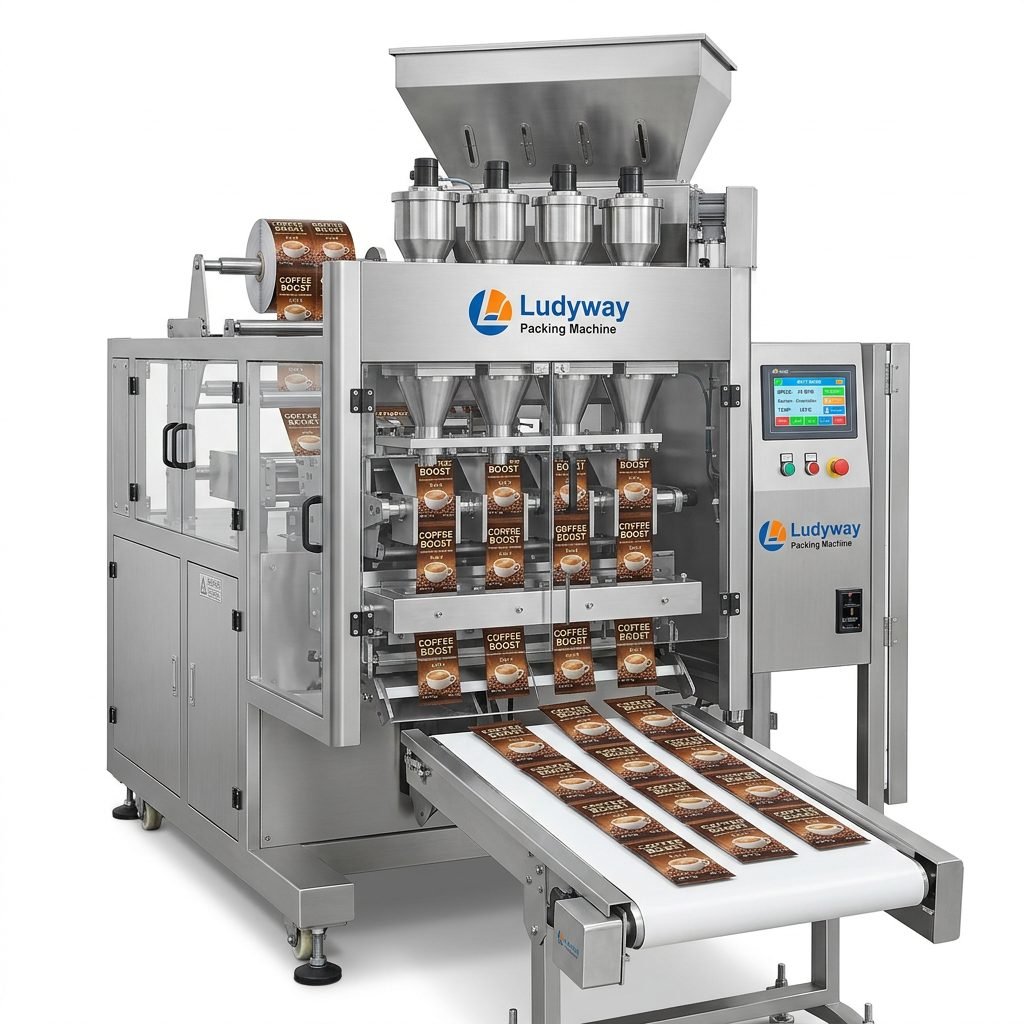
How HFFS Machines Work Best
HFFS machines are often chosen when packaging needs to do more than simply contain a product. If you want a retail-ready pouch with strong shelf impact, resealability, easy-open features, or specialized shapes, HFFS is frequently the better solution.
Best-fit applications for HFFS
- Stand-up food pouches
- Sauce, puree, and liquid pouches
- Pharmaceutical and medical sachets
- Personal care sample packs
- Wet wipes and hygiene packaging
- Premium consumer product pouches
Advantages of HFFS
- Supports more complex pouch designs
- Better for premium branding formats
- Can include zipper, spout, or shaped features
- Handles some delicate or presentation-sensitive products better
- Strong option for higher-value retail packaging
Limitations of HFFS
- Typically requires more floor space
- Initial investment can be higher
- Format changes may be more complex depending on pouch style
Which Machine Is Better for Different Product Types?
| Product Type | Recommended Option | Reason |
|---|---|---|
| Free-flowing powders | VFFS | Efficient gravity filling and low packaging cost |
| Granules and dry food | VFFS | Fast, compact, reliable for standard bags |
| Sauces and pastes | Depends on pouch style | VFFS for sachets, HFFS for premium pouches |
| Premium retail pouches | HFFS | Better presentation and pouch versatility |
| Medical or wipe products | HFFS | More suitable for flat-pack and specialty packaging |
| Single-dose stick packs | VFFS / Multi-lane vertical systems | Excellent for high-output narrow pack production |
How to Choose the Right Packaging Machine
Before selecting VFFS or HFFS, ask these practical questions:
- What package style do you need?
If a basic pillow bag or sachet works, VFFS may be more economical. If you need stand-up or zipper pouches, HFFS is usually stronger. - How does your product flow?
Free-flowing powders and granules often pair naturally with vertical systems. More delicate, sticky, or premium-packed products may benefit from horizontal designs. - What is your target speed?
For many high-volume standard applications, VFFS offers excellent productivity. HFFS is also fast, but is often chosen more for format capability than for lowest package cost. - How much factory space do you have?
VFFS machines usually save space because of their vertical design. - What is your budget now and later?
A lower upfront cost may favor VFFS, but premium brands may earn more with better shelf presentation from HFFS packaging. - Will you expand your product range?
If future packaging formats are likely to diversify, machine flexibility should be part of your decision from the start.
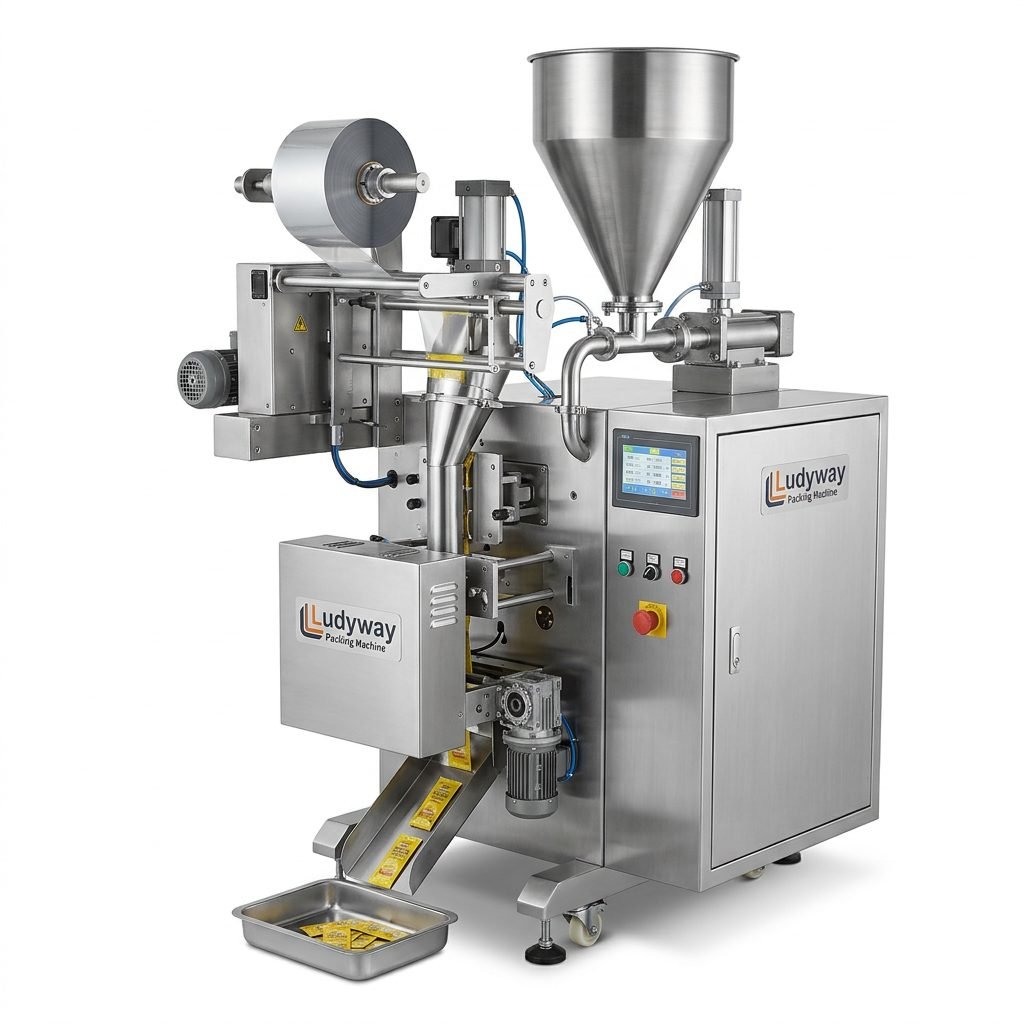
VFFS vs HFFS for Cost, Speed, and Flexibility
Cost
For standard bag applications, VFFS often delivers a lower total cost per pack. Machine structure is usually simpler, film usage can be efficient, and the line can be compact. HFFS may require higher investment, especially when producing advanced pouches or integrating additional features such as zippers and spouts.
Speed
VFFS is highly competitive in high-speed production of powders, granules, and basic flexible packaging. HFFS can also achieve strong output, but its major value is often in format sophistication rather than only raw speed.
Flexibility
If your business plans to launch multiple premium pouch formats, HFFS may offer broader presentation flexibility. If your focus is stable, repeatable production of standard sachets, bags, or stick packs, VFFS can be the more practical long-term solution.
When to Choose VFFS
- You package powders, granules, snacks, seeds, grains, or coffee
- You want a compact machine layout
- You need efficient, large-volume output
- You prefer lower packaging cost for standard bag styles
- You are producing sachets, pillow bags, gusset bags, or stick packs
When to Choose HFFS
- You need stand-up pouches, zipper pouches, or shaped pouches
- Retail shelf appeal is a top priority
- Your product requires specialty filling or sealing presentation
- You package higher-value goods where pouch design affects sales
- You need additional convenience features for consumers
A Practical Buying Tip
Do not compare machines only by price. Compare them by product compatibility, packaging style, output target, material waste, changeover time, maintenance support, and downstream line integration. The cheapest machine can become the most expensive if it limits your packaging format or causes downtime.
For manufacturers seeking scalable automation across food, pharmaceutical, health supplement, and related industries, Ludyway packaging machine solutions cover both standalone equipment and turnkey packaging lines, with more than 30 years of industry experience and broad export service capability.
Final Decision: Which One Is Right for You?
If your priority is speed, space efficiency, and economical packaging for standard bag formats, VFFS is often the right choice. If your priority is premium pouch design, branding impact, and advanced pack features, HFFS is usually the better fit.
The best packaging machine is the one that fits your product, your market, and your growth plan. Start with the package you want to sell, then work backward to the machine that can produce it consistently, efficiently, and profitably.