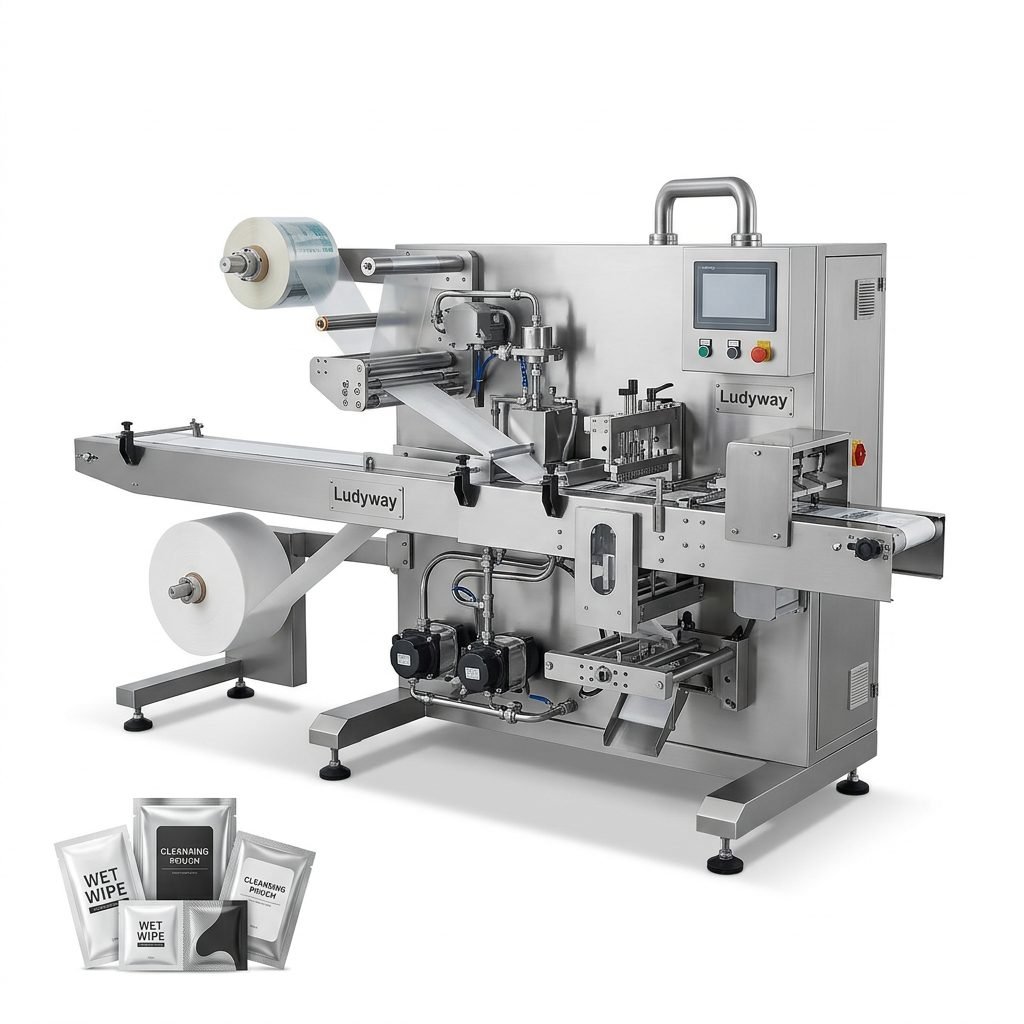
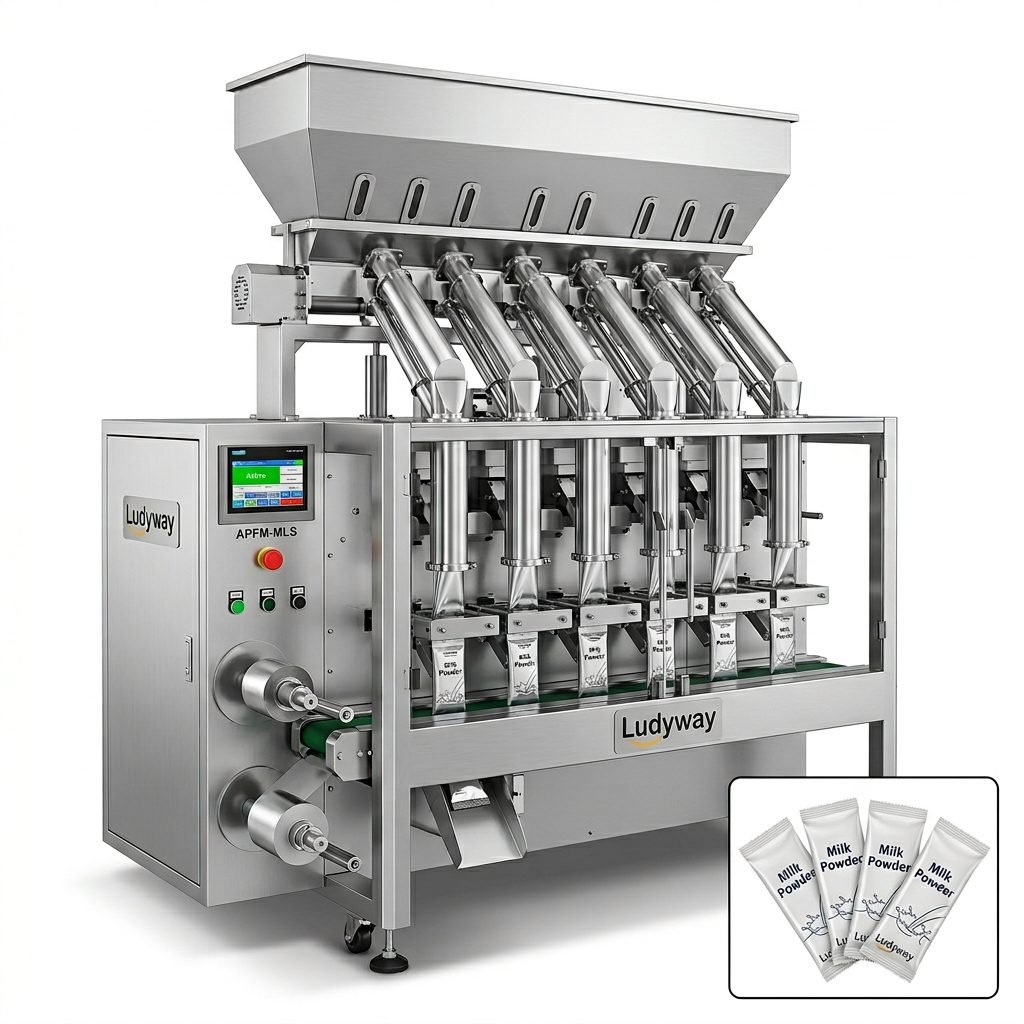
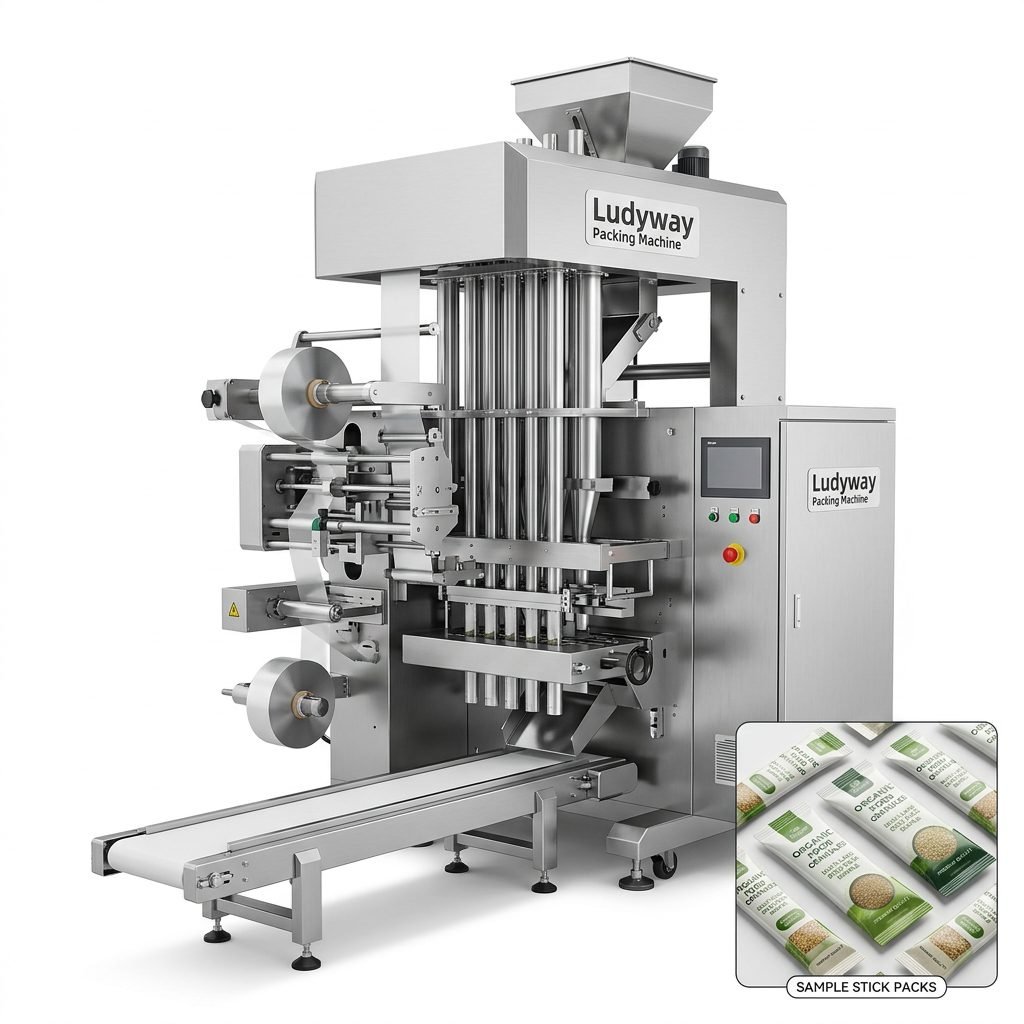
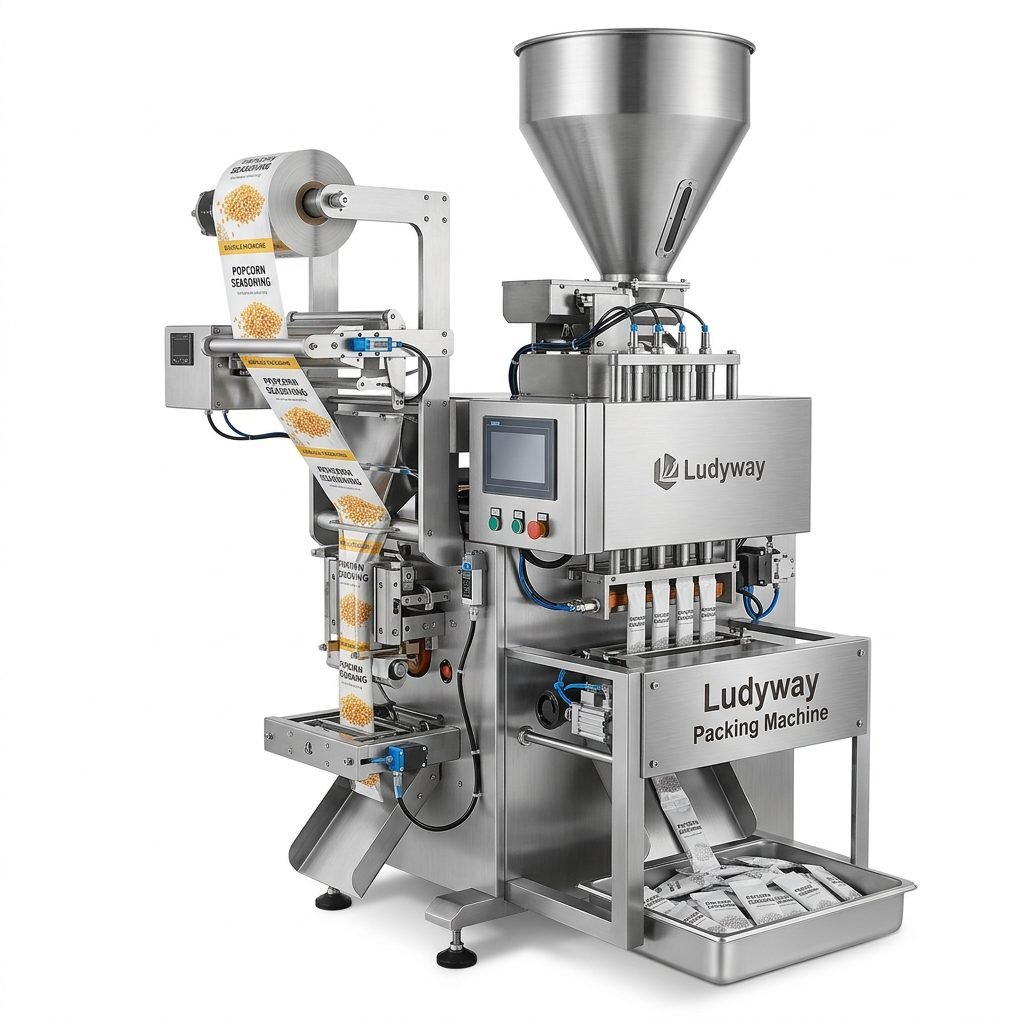
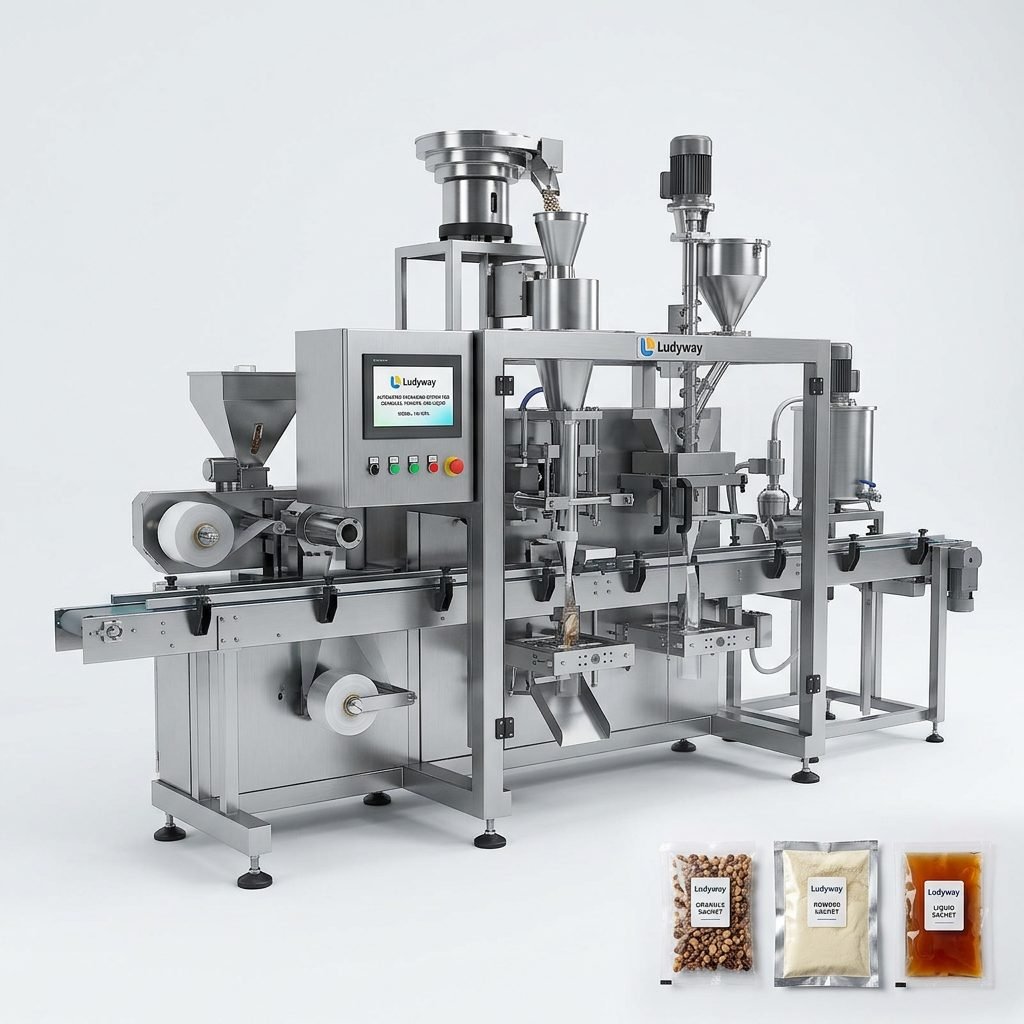
Blister packing machines are widely used in the pharmaceutical, healthcare, food, and consumer goods industries because they provide secure unit-dose packaging, product visibility, tamper evidence, and long shelf life. Whether you are packaging tablets, capsules, softgels, medical devices, or small consumer products, choosing the right machine directly affects production efficiency, compliance, and operating cost.
This guide explains how blister packing machines work, their key features, major benefits, and the most important factors to evaluate before making an investment.
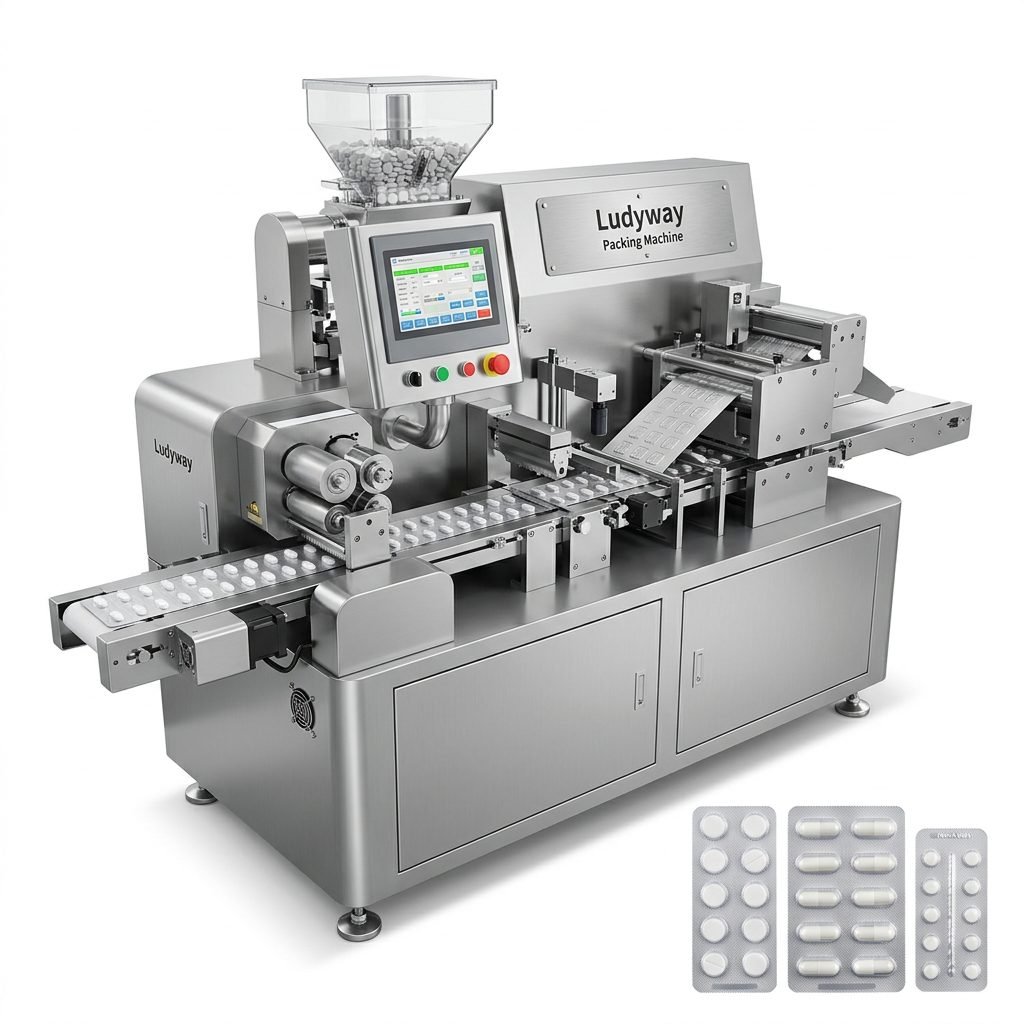
What Is a Blister Packing Machine?
A blister packing machine is an automated system that forms cavities from plastic film or aluminum material, places products into those cavities, and seals them with a lidding material. The final package protects each item individually while making counting, transportation, storage, and end-user access much easier.
Blister packaging is especially common for:
- Tablets and capsules
- Softgel supplements
- Ampoules and syringes
- Medical consumables
- Small hardware or electronic items
- Candy, gum, and selected food portions
How a Blister Packing Machine Works
Although the exact design varies by model, most blister packaging systems follow a similar process:
- Material feeding – PVC, PVDC, PET, PP, or aluminum foil is loaded into the machine.
- Forming – Heat or pressure creates blister pockets.
- Product feeding – Tablets, capsules, or other items are accurately placed into the formed cavities.
- Sealing – Lidding foil or film is sealed over the blister.
- Batch coding – Date, lot number, or traceability information is printed.
- Perforating and cutting – The machine cuts the web into final blister cards.
- Inspection and discharge – Finished packs are checked and discharged for cartoning or case packing.
Main Types of Blister Packing Machines
1. Thermoforming Blister Machines
These machines use plastic film that is heated and formed into cavities. They are ideal for high visibility packaging and are commonly used for pharmaceuticals and consumer products.
2. Cold Forming Blister Machines
Cold forming uses aluminum-based material without heat to create deep cavities. This type offers superior barrier protection against moisture, oxygen, and light, making it suitable for highly sensitive pharmaceutical products.
3. Rotary Blister Machines
Rotary systems are built for continuous, high-speed operation and are often used in large-scale production environments.
4. Flat Plate Blister Machines
These are often chosen for products requiring strong sealing quality and stable forming, especially in pharmaceutical applications.
Key Features to Look For
| Feature | Why It Matters |
|---|---|
| Servo-driven control | Improves accuracy, stability, and repeatability while reducing manual adjustment. |
| PLC + touchscreen HMI | Simplifies operation, parameter setting, troubleshooting, and recipe storage. |
| Automatic feeding system | Ensures accurate product placement and minimizes waste. |
| Fast mold changeover | Reduces downtime when switching product sizes or blister formats. |
| Online printing/coding | Supports batch traceability and regulatory compliance. |
| Vision inspection | Detects missing products, seal defects, and printing errors. |
| GMP-compliant design | Important for pharmaceutical and healthcare manufacturing environments. |
| Integration capability | Allows connection with cartoners, checkweighers, printers, and full packaging lines. |
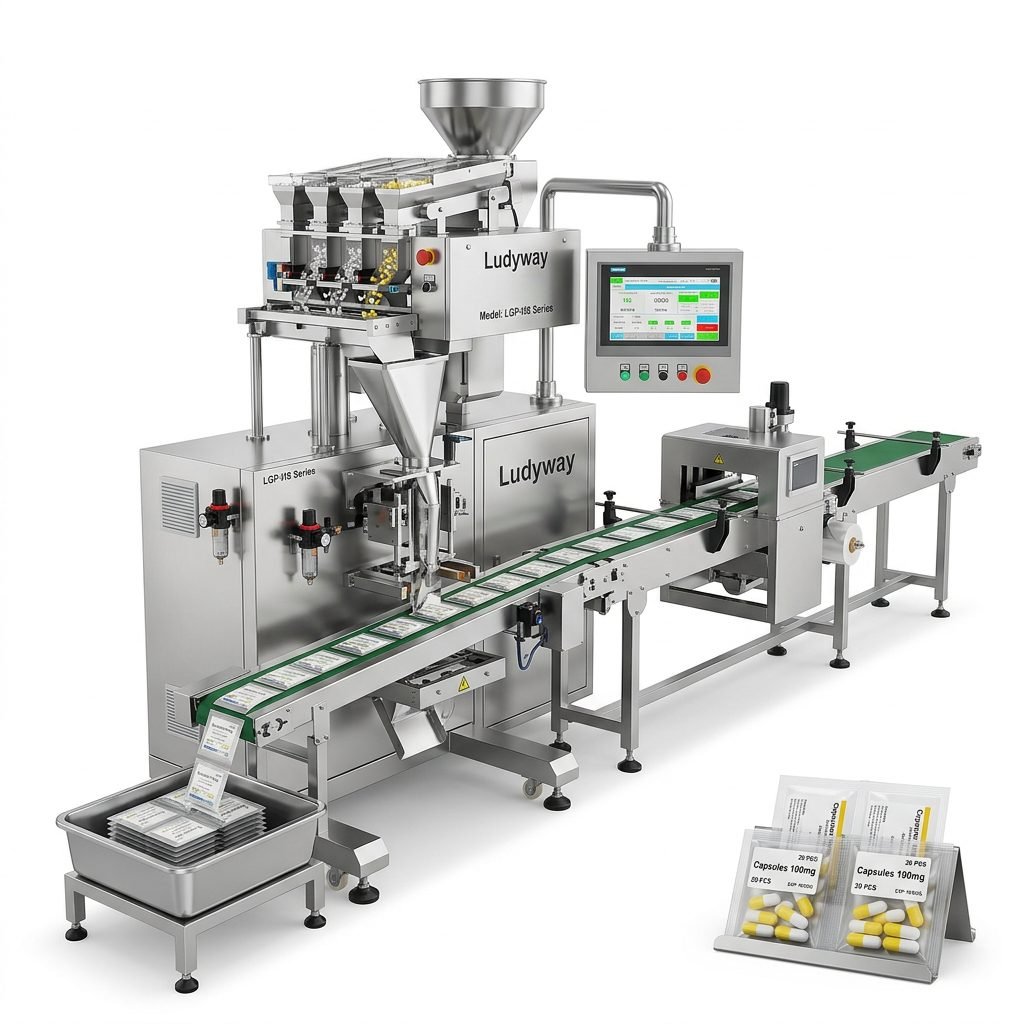
Benefits of Using a Blister Packing Machine
Better Product Protection
Blister packs shield products from contamination, humidity, oxygen, and physical damage. This is especially critical for moisture-sensitive tablets and capsules.
Longer Shelf Life
High-barrier materials help preserve active ingredients and maintain product quality throughout storage and transport.
Unit-Dose Convenience
Each cavity contains a single dose or item, making the pack easier for distribution, retail display, and end-user consumption.
Improved Brand Presentation
Clear blister packaging creates a professional look and allows customers to inspect the product visually before purchase.
Reduced Labor Cost
Automated blister machines can dramatically lower manual handling, increase consistency, and support continuous production.
Regulatory and Traceability Support
For pharmaceutical and medical applications, integrated coding and inspection functions help meet strict industry requirements.
Industries That Commonly Use Blister Packaging
- Pharmaceutical manufacturing
- Nutraceutical and health supplement production
- Medical device packaging
- Food and confectionery packaging
- Electronics and small hardware packaging
- Personal care and consumer goods
How to Choose the Right Blister Packing Machine
1. Understand Your Product Type
Start with the physical characteristics of your product:
- Tablet, capsule, softgel, syringe, ampoule, or device
- Shape, fragility, and size variation
- Moisture or light sensitivity
- Required cavity depth and pocket layout
2. Match the Output Capacity to Your Production Goal
Do not buy based only on maximum speed. Evaluate your actual demand in packs per minute, daily shifts, future expansion plans, and line balancing requirements.
3. Choose the Right Packaging Material
Material selection determines barrier performance, cost, and package appearance.
| Material Type | Typical Use | Main Advantage |
|---|---|---|
| PVC | General tablets and capsules | Cost-effective and transparent |
| PVC/PVDC | Moisture-sensitive pharma products | Improved barrier protection |
| Alu-Alu | High-sensitivity products | Excellent barrier against light and moisture |
| PET/PP | Selected food and consumer applications | Good forming performance and presentation |
4. Check Accuracy and Sealing Quality
A good machine should deliver consistent forming depth, accurate product feeding, and reliable sealing. Poor sealing can cause leakage, contamination, and rejected batches.
5. Consider Cleaning and Maintenance
In regulated industries, easy cleaning matters just as much as speed. Look for accessible structure, hygienic contact parts, and simplified maintenance points.
6. Evaluate Automation Level
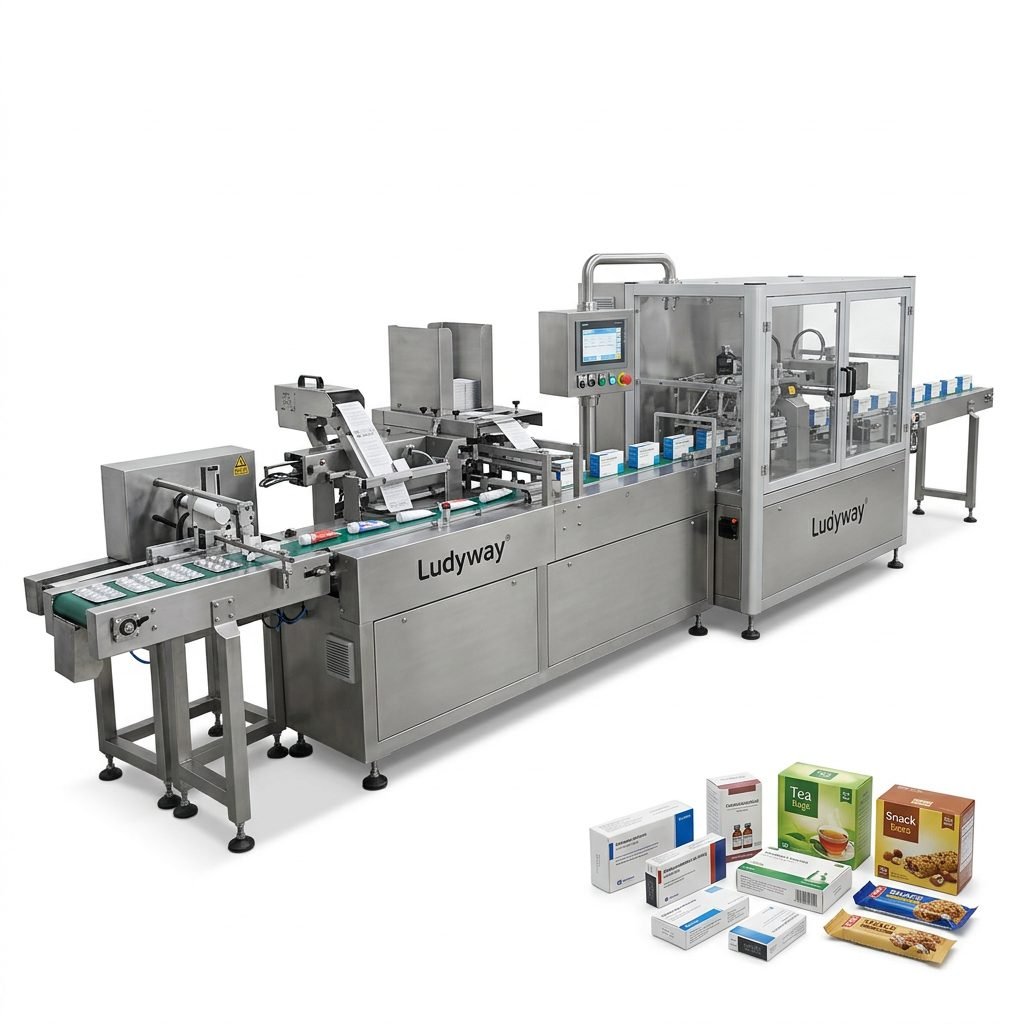
Some manufacturers need a standalone blister machine, while others require a complete line including feeding, cartoning, coding, checkweighing, and case packing. Choosing scalable equipment helps future-proof your investment.
7. Confirm Compliance Requirements
For pharmaceutical and medical production, ask whether the machine meets GMP-related expectations and whether documentation such as IQ/OQ support, validation files, and material certificates can be provided.
8. Assess Supplier Experience
The machine itself is only part of the purchase decision. The supplier’s engineering capability, after-sales response, customization experience, and export service are equally important. Companies looking for broader packaging automation support often consider Ludyway blister packaging and turnkey packaging solutions because of its long manufacturing background, global export experience, and ability to provide both standalone equipment and integrated lines.
Questions to Ask Before Buying
- What products and cavity sizes can the machine handle?
- What is the stable production speed under real conditions?
- How long does mold changeover take?
- Can the machine run both thermoforming and cold-forming materials?
- What inspection systems are available?
- Can it connect with cartoners and downstream automation?
- What spare parts and technical support are included?
- Is operator training available?
Common Mistakes to Avoid
- Choosing a machine based only on price
- Ignoring future production expansion
- Overlooking packaging material compatibility
- Not verifying sealing performance with real samples
- Underestimating changeover and maintenance requirements
- Failing to check supplier support for installation and commissioning
Blister Packing Machine vs. Other Packaging Methods
Compared with bottle filling or pouch packaging, blister packaging offers stronger single-unit protection, easier dose control, and better retail presentation. However, the best packaging format still depends on your product characteristics, target market, and compliance needs.
Blister Packaging Is Best When You Need:
- Individual product protection
- High visibility packaging
- Tamper-evident presentation
- Precise count and dose control
- Retail-friendly card format
Final Buying Tip
The right blister packing machine should not only fit your current product and speed requirements, but also support long-term efficiency, compliance, and expansion. Before making a final decision, send product samples to the supplier, request a real packaging test, review material compatibility, and compare total lifecycle value rather than just initial machine cost.
A well-matched blister packing machine can improve product safety, streamline production, reduce waste, and strengthen your packaging performance for years to come.