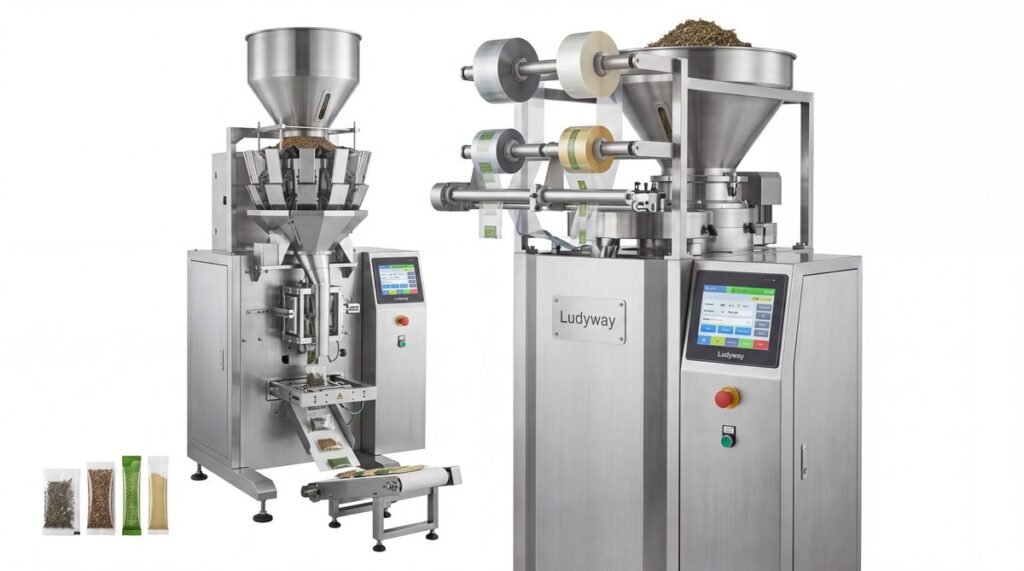
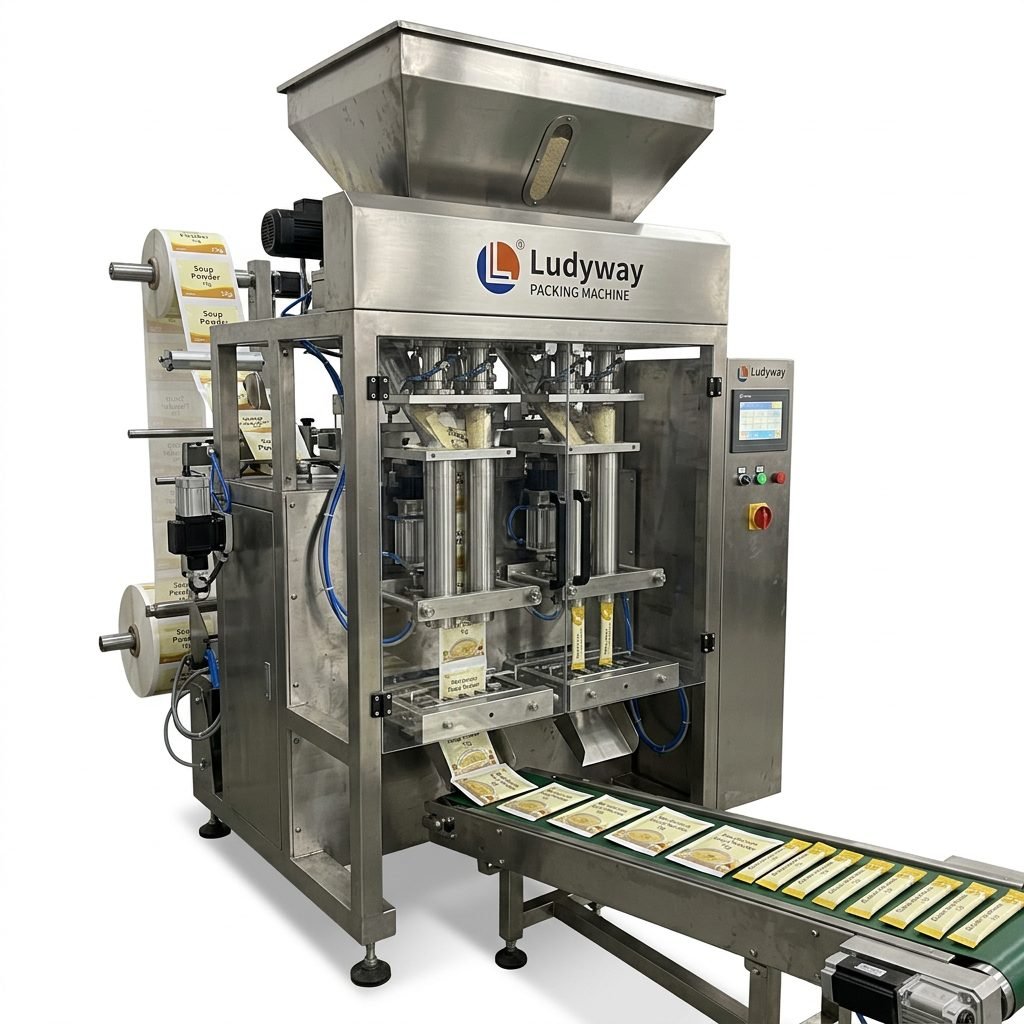
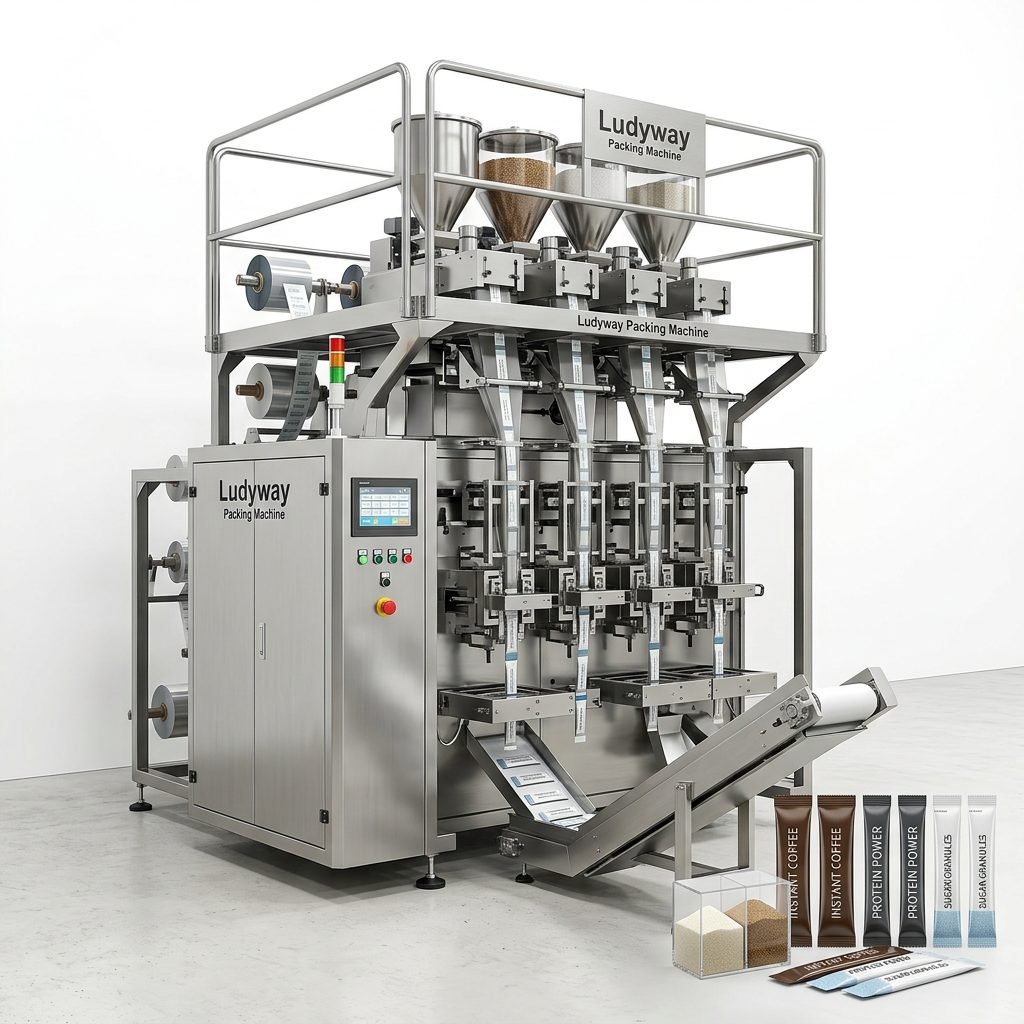
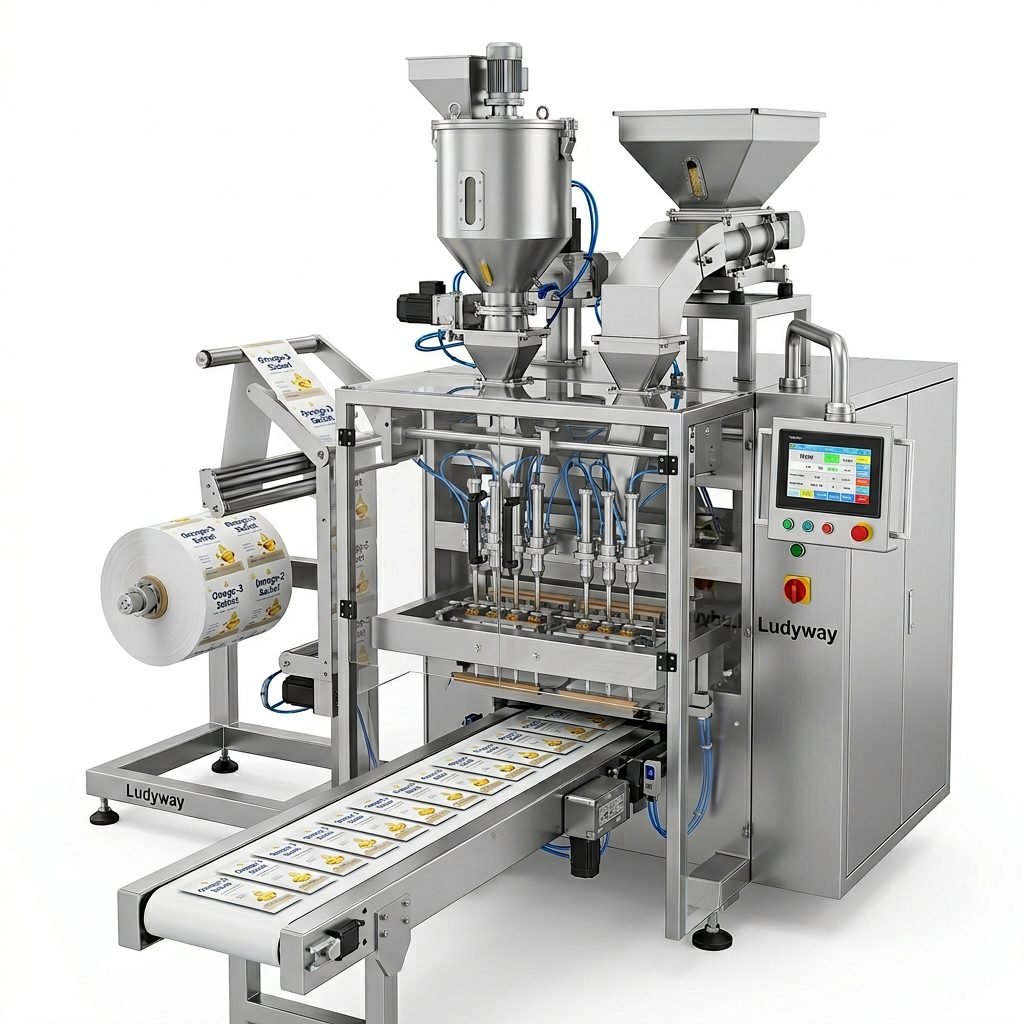
For manufacturers producing sachets or stick packs at scale, a multi-lane packaging machine can be a smart investment—but only when it matches your product, throughput goals, labor structure, and quality requirements. If you are currently running single-lane systems, outsourcing part of your packaging, or struggling with rising labor costs, a multi-lane setup may deliver a strong return through higher speed, lower unit cost, and better production consistency.
Still, buying one is not simply about chasing maximum output. The real question is whether the machine will improve profitability across your full packaging process: feeding, filling, sealing, coding, inspection, cartoning, and final case handling.
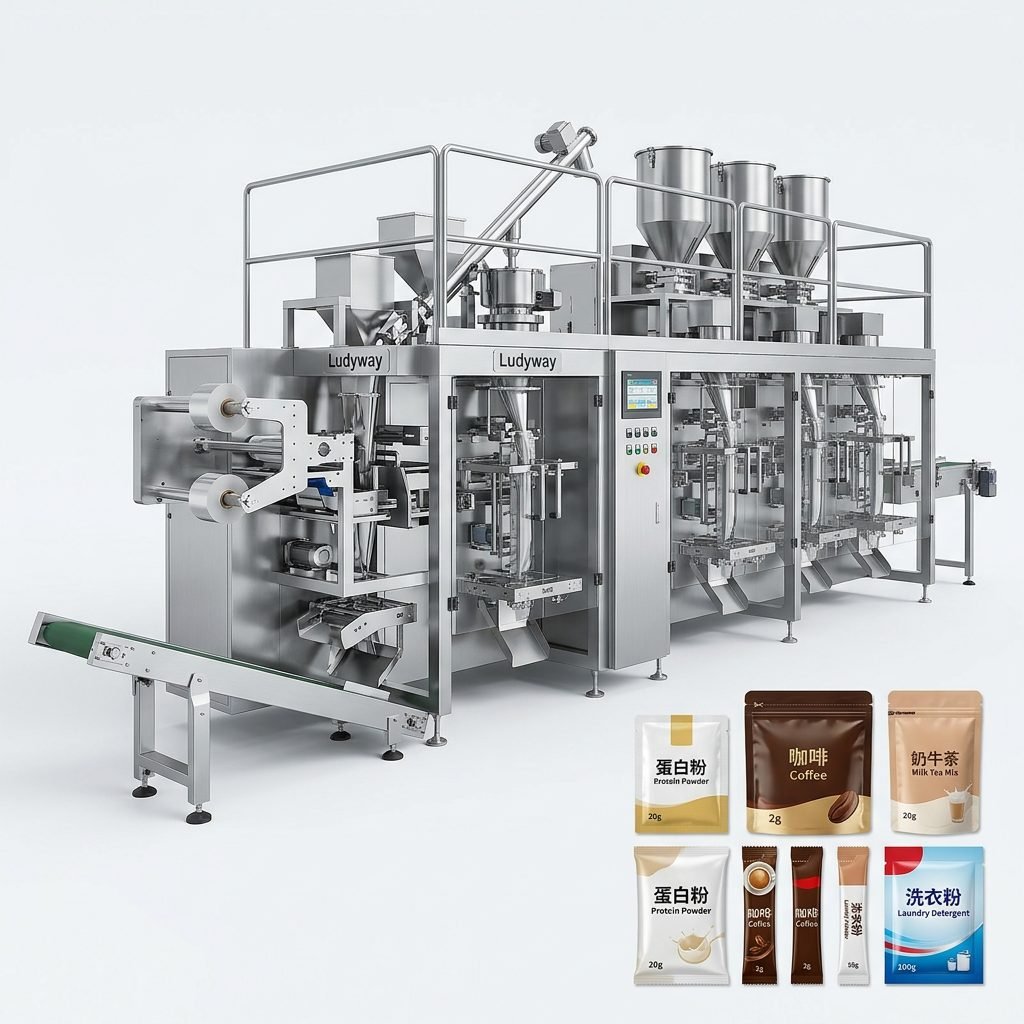
What Is a Multi-Lane Packaging Machine?
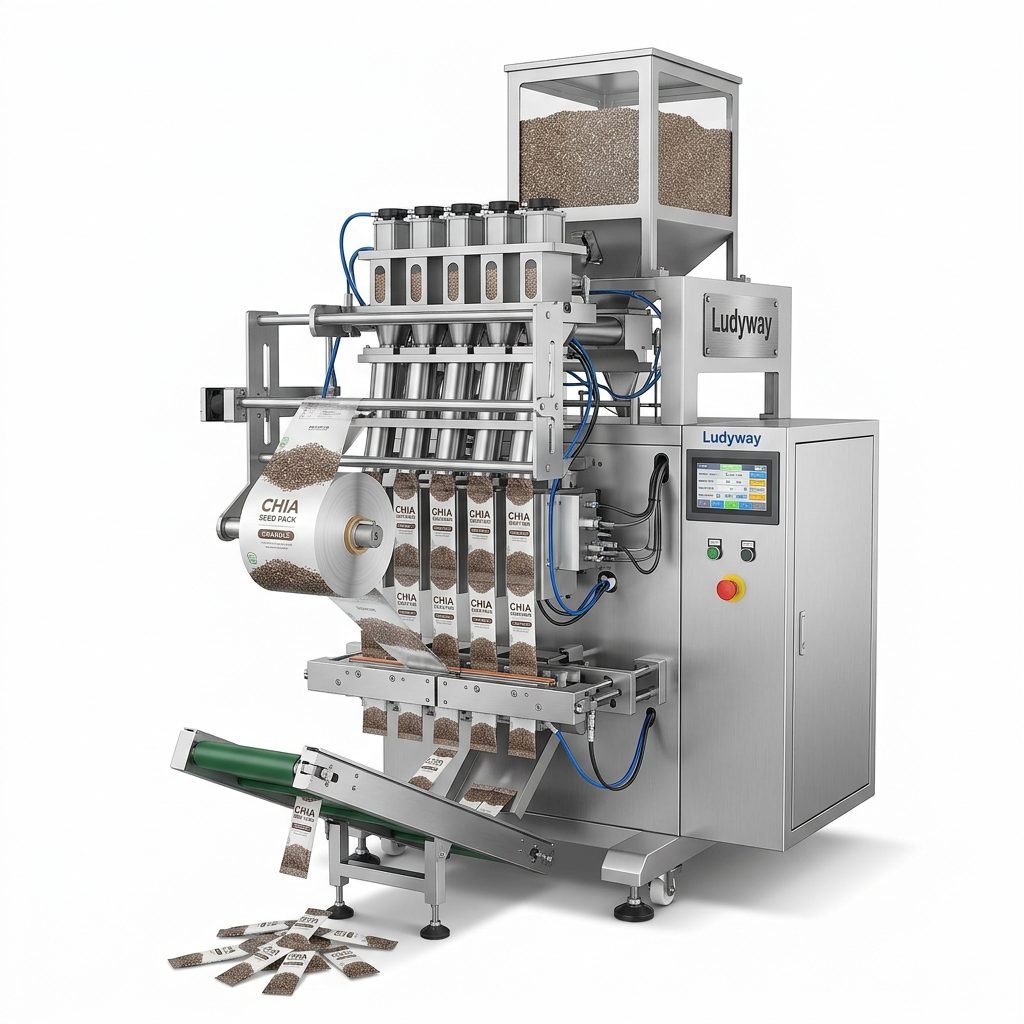
A multi-lane packaging machine is an automated system designed to package products through several parallel lanes at the same time. Instead of filling and sealing one sachet or stick pack per cycle, the machine handles multiple packs simultaneously, dramatically increasing output without requiring separate standalone machines.
These machines are commonly used for:
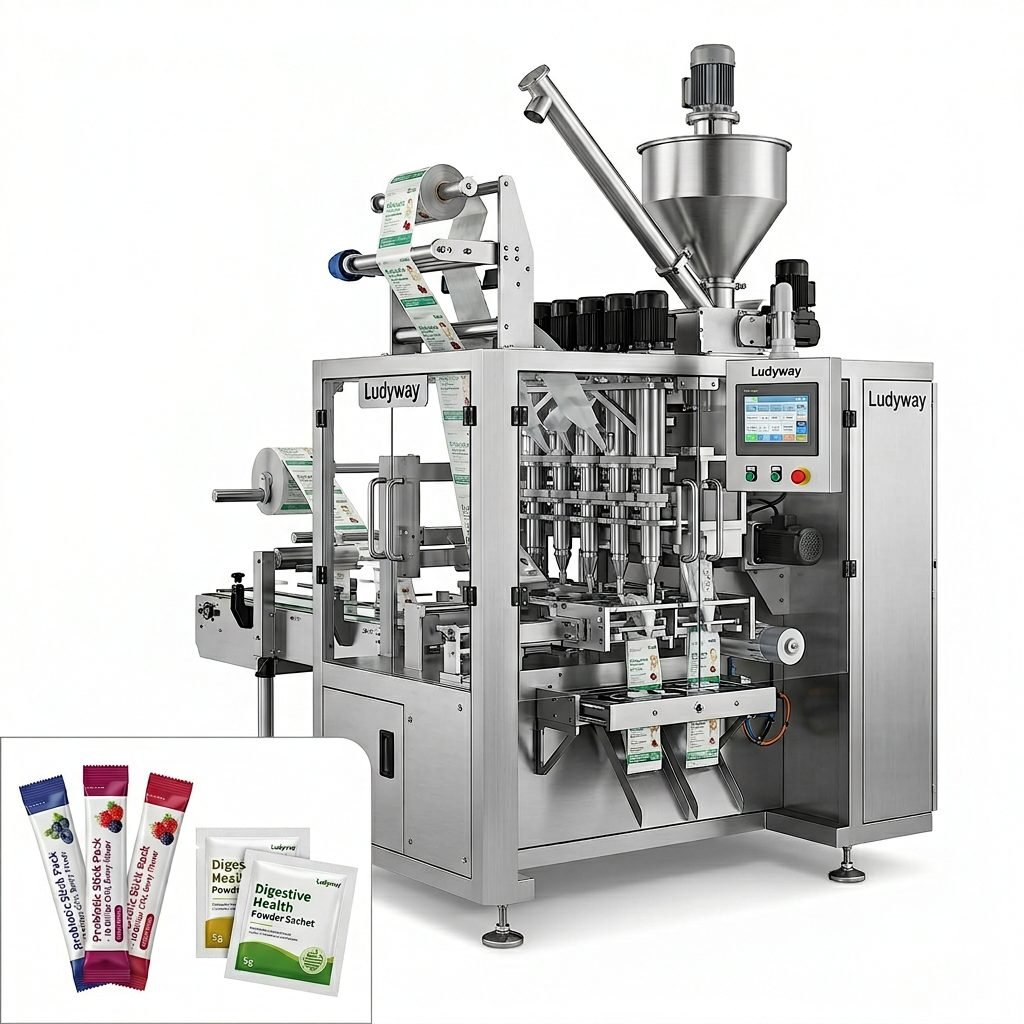
- Powders such as coffee, protein, supplements, spices, and pharmaceuticals
- Granules such as sugar, salt, seeds, and instant beverage mixes
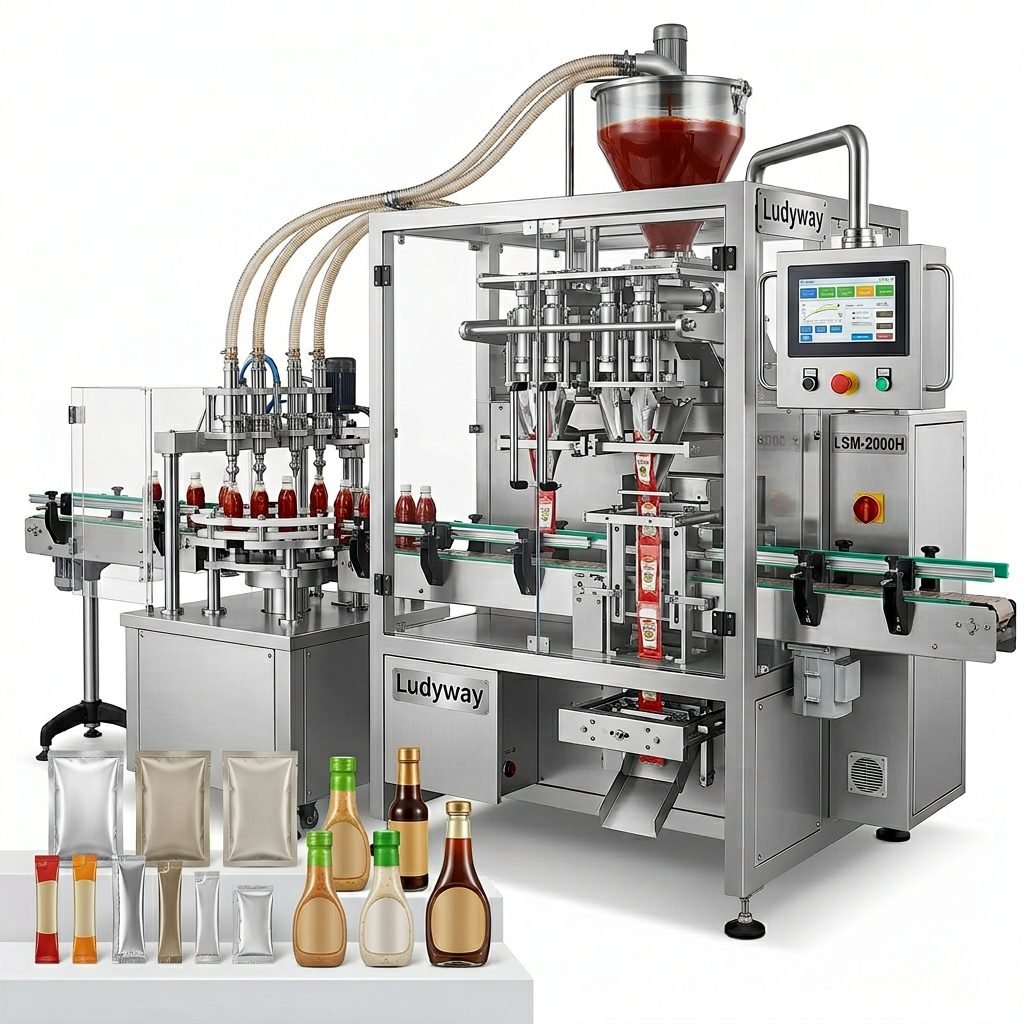
- Liquids and gels such as sauces, shampoo, lotion, sanitizer, and serum
- Small-dose health and personal care products in stick pack or sachet formats
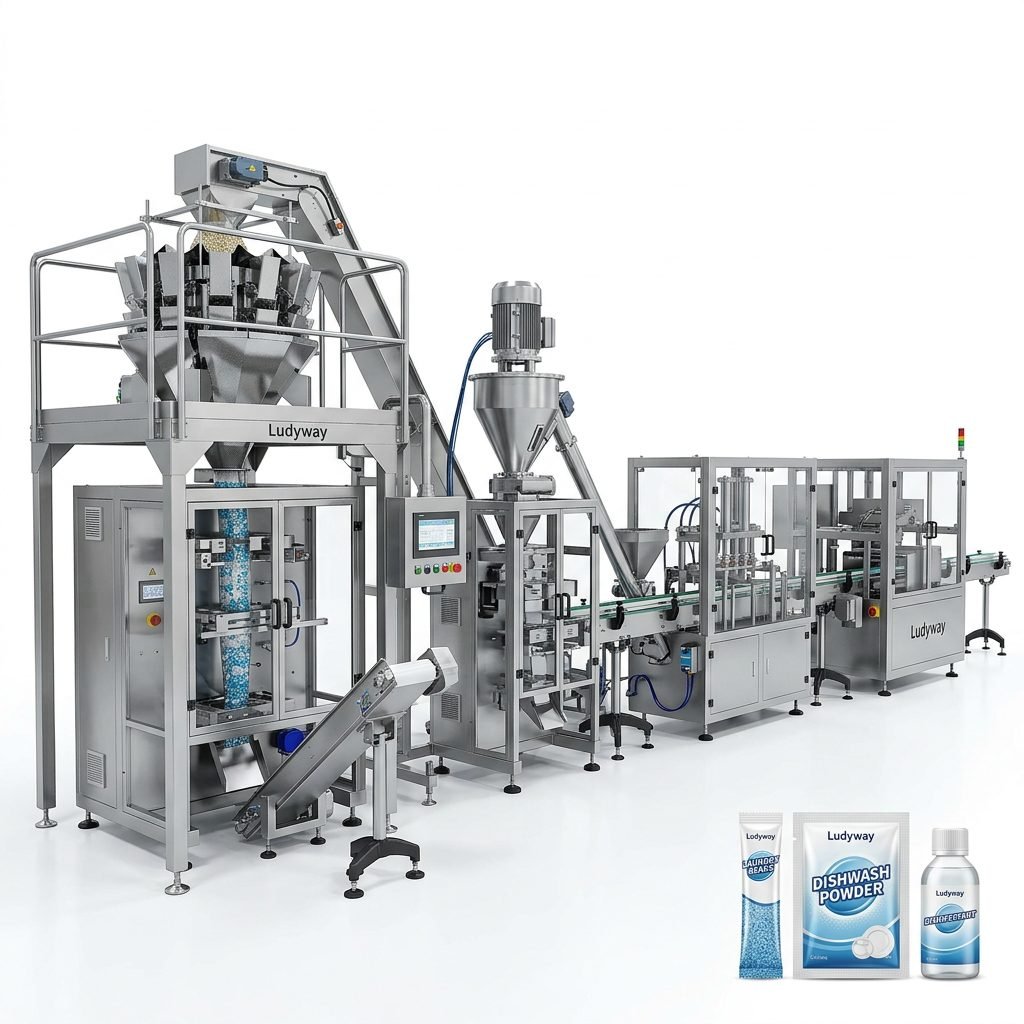
In many factories, they are integrated into complete packaging lines with feeders, conveyors, coding units, checkweighers, cartoners, and end-of-line equipment.
When Is It Worth Buying One?
A multi-lane packaging machine is usually worth buying when your business has moved beyond low-volume or labor-intensive packing and needs a more scalable production model. The best candidates typically have one or more of the following situations:
- High daily production demand that single-lane machines cannot meet efficiently
- Repeated labor shortages or rising wage pressure
- Frequent order growth from retail, private label, export, or e-commerce channels
- Need for more consistent pack weight and seal quality
- Pressure to lower per-unit packaging cost
- Plans to automate secondary packaging and line integration
If your product volume is still unstable, SKU changes are extremely frequent, or your batch sizes are small, the investment may need more careful evaluation.
Key Benefits of a Multi-Lane Packaging Machine
1. Much Higher Output
The biggest advantage is production speed. A multi-lane machine can produce multiple sachets or stick packs in one cycle, which means significantly higher throughput than a single-lane system.
Why it matters: higher output allows you to fulfill larger orders faster, reduce overtime, and improve delivery performance.
2. Lower Labor Cost Per Pack
Although one machine may require trained operators and technicians, it often reduces the need for multiple workers across manual filling, counting, sealing, and handling stages. Over time, this can bring substantial labor savings.
3. Better Packaging Consistency
Modern multi-lane systems help maintain stable dosing, sealing temperature, pouch dimensions, and print registration. This improves product presentation and reduces customer complaints related to underfill, leakage, or poor pack appearance.
4. Lower Material Waste
When configured correctly, automated packaging reduces film waste, rework, and product loss. Precise dosing also helps control giveaway, which is especially important for high-value powder, nutraceutical, or pharmaceutical products.
5. Easier Scaling Without Expanding Floor Labor
Instead of adding several separate machines and larger packaging crews, one multi-lane machine can support scale-up in a more compact and controllable way.
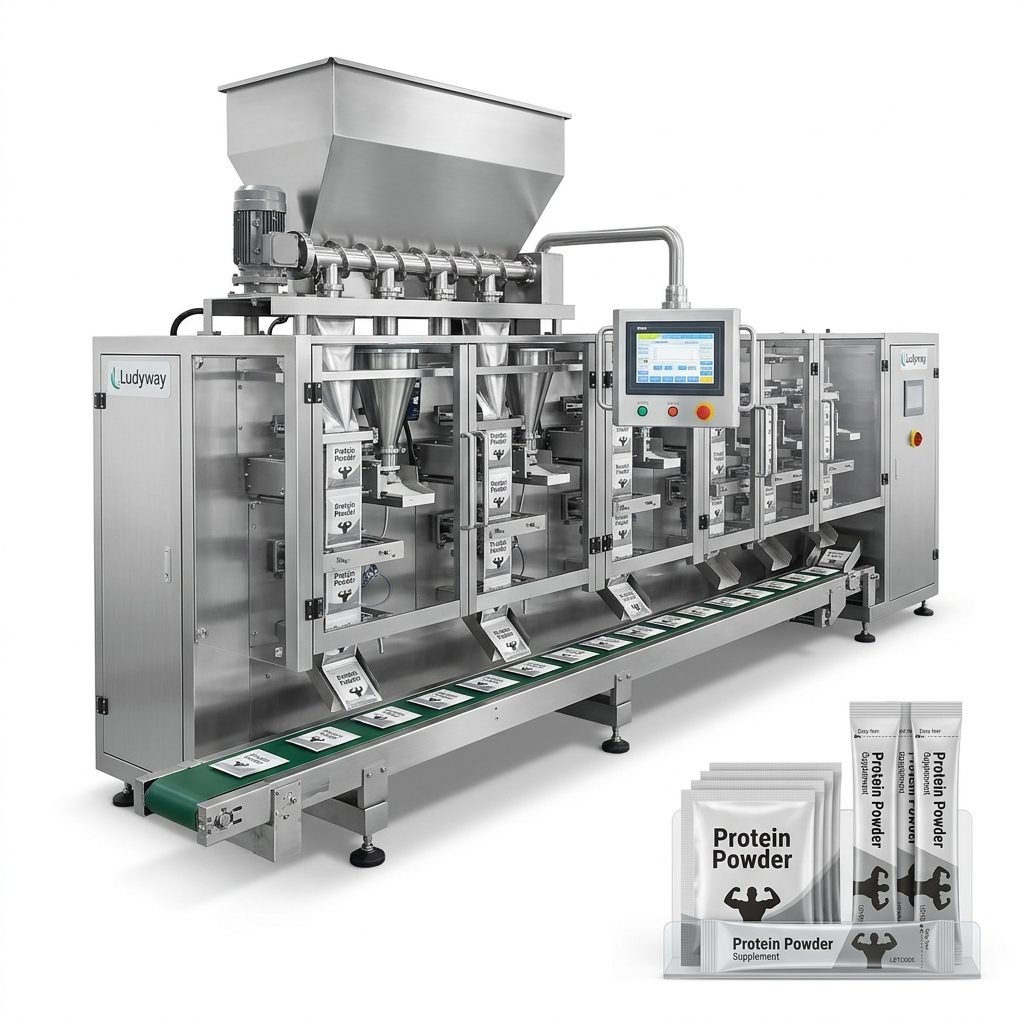
6. Supports Full Automation Upgrades
A multi-lane machine can become the core of a wider automated line. It can connect with upstream feeding systems and downstream boxing, cartoning, sealing, labeling, and palletizing equipment. This creates a more efficient production flow from raw material to finished shipment.
Main Costs You Need to Consider
The machine price alone does not tell the full story. To judge whether the investment is worthwhile, you should calculate the total cost of ownership.
| Cost Area | What It Includes | Why It Matters |
|---|---|---|
| Machine purchase | Core equipment, tooling, lane configuration | Largest upfront expense |
| Installation and commissioning | Setup, calibration, trial runs, training | Affects launch speed and startup quality |
| Packaging film and consumables | Film, inks, spare parts, wear items | Impacts ongoing operating cost |
| Utilities | Electricity, compressed air, possible nitrogen use | Should be included in cost per pack |
| Maintenance | Preventive servicing, replacement parts | Affects uptime and long-term ROI |
| Operator and technician training | Machine use, troubleshooting, format changeover | Reduces mistakes and downtime |
| Downtime risk | Lost production during faults or poor setup | Can erase expected savings if ignored |
How to Estimate ROI
The return on investment usually comes from a combination of labor savings, output growth, lower reject rates, reduced outsourcing, and improved margin per pack.
Simple ROI Thinking
You can start with this practical framework:
- Current packaging cost per unit
- Expected packaging cost per unit after automation
- Monthly labor savings
- Monthly increase in saleable output
- Reduction in rejected or reworked packs
- Additional revenue from faster order fulfillment
Basic payback formula: Total Investment ÷ Monthly Net Benefit = Estimated Payback Period
Example Scenario
Imagine a factory currently using several semi-automatic packing stations:
- Monthly labor cost related to packaging: $12,000
- Monthly reject/rework loss: $2,000
- Outsourced overflow packaging: $4,000
- Estimated new machine monthly operating increase: $3,000
- Total estimated monthly benefit after automation: $15,000
If the total installed investment is $120,000, the estimated payback period would be around 8 months. Actual results vary, but this shows why many high-volume producers move to multi-lane systems once order flow becomes stable.
Who Gets the Best Return?
Not every business will see the same ROI. Multi-lane packaging machines tend to create the strongest financial return for companies in these categories:
- Food manufacturers with fast-moving SKUs such as coffee, sugar, seasoning, milk powder, drink mixes, and sauce sachets
- Pharmaceutical and nutraceutical producers needing precise dose control and high packaging consistency
- Personal care brands producing shampoo, lotion, serum, gel, or sanitizer sachets
- OEM and contract packers handling repeated large-volume orders
- Export-focused manufacturers under pressure to increase output while controlling labor cost
When It May Not Be the Right Choice
There are also situations where buying immediately may not be the best move.
- Order volume is still too low or unpredictable
- Your product changes often and requires frequent complex changeovers
- You lack technical staff for maintenance and operation
- The packaging format is still being validated in the market
- Your upstream product feeding process is unstable, limiting machine efficiency
In these cases, starting with a lower-speed system or planning a staged automation upgrade may be more practical.
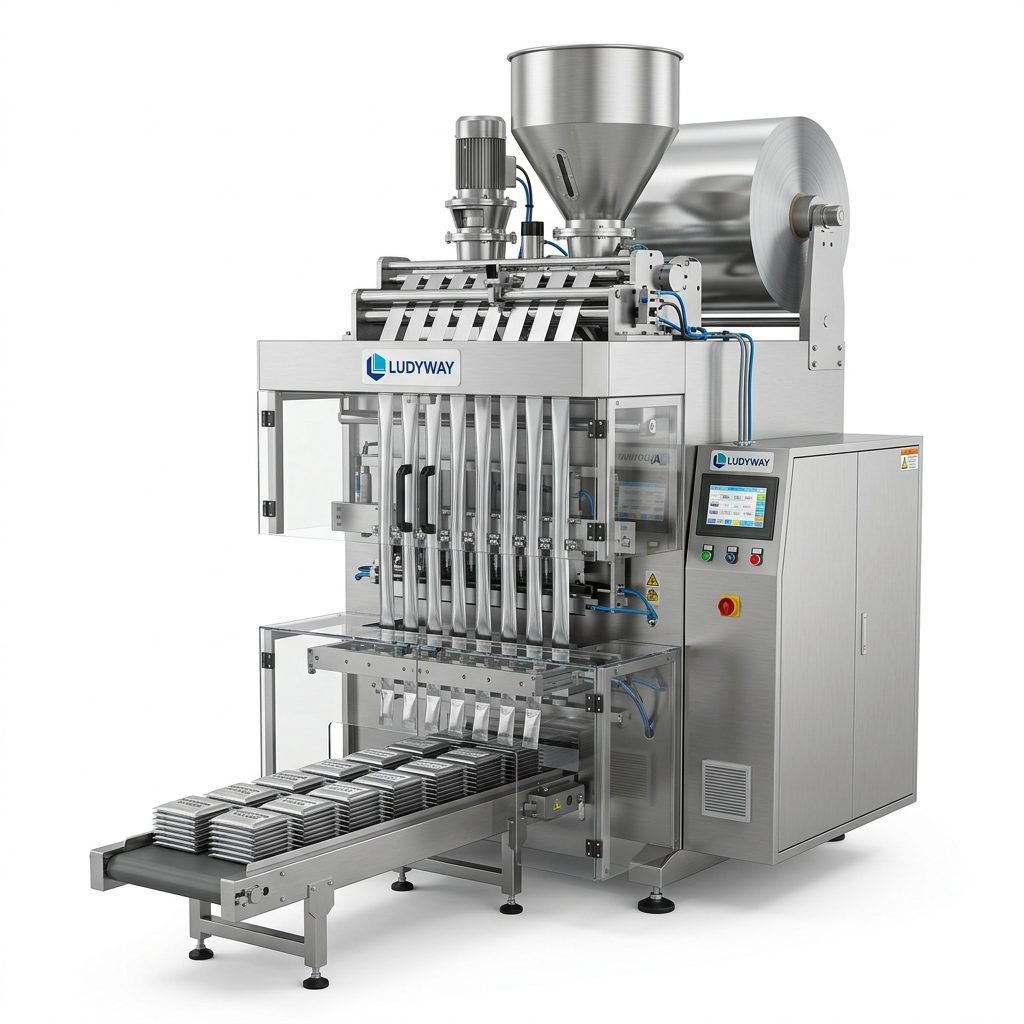
Critical Questions to Ask Before Buying
Before selecting a machine, decision-makers should evaluate more than rated speed on paper. Ask these questions:
- What is the real production speed with my specific product?
- How accurate is dosing across all lanes?
- What is the typical reject rate?
- How long does format or SKU changeover take?
- Can the machine integrate with feeders, coding, inspection, and cartoning?
- What spare parts and service support are available?
- What level of customization is possible for my pouch or stick pack design?
- How much factory space and utility capacity are required?
Machine Selection Factors That Affect Profitability
| Factor | Impact on ROI |
|---|---|
| Number of lanes | Higher lanes can increase output, but only if feeding and downstream capacity match |
| Product type | Powder, granule, liquid, and paste products require different dosing and sealing approaches |
| Film compatibility | Poor film matching can lead to seal defects, waste, and downtime |
| Automation level | Integrated lines usually improve long-term efficiency more than isolated machines |
| Ease of cleaning | Especially important for food, pharma, and health supplement production |
| Technical support | Good support reduces downtime and protects long-term investment value |
Why the Supplier Matters as Much as the Machine
Even a technically capable machine can underperform if the supplier lacks application experience, commissioning capability, or after-sales support. For this reason, buyers often prefer manufacturers that can offer both standalone machines and complete turnkey line solutions.
One option buyers often evaluate is Ludyway packaging machine solutions, especially for projects requiring multi-lane stick pack, sachet, powder, granule, liquid, or integrated packaging line configurations. With more than 30 years of industry experience and broad export coverage, the company is often considered by manufacturers looking for scalable packaging automation and turnkey support.
Practical Buying Tips
- Request sample testing with your real product and film
- Compare actual stable speed, not only maximum advertised speed
- Check changeover complexity if you run multiple SKUs
- Review spare parts availability before purchase
- Plan upstream and downstream integration early
- Evaluate future expansion so the machine does not become a bottleneck later
Final Decision: Is It Worth It?
If your factory has stable order volume, rising labor cost, and a clear need for faster, more consistent packaging, a multi-lane packaging machine is often a worthwhile investment. The strongest cases are those where the machine does not just replace labor, but raises capacity, lowers unit cost, and supports broader automation across the line.
In short, the answer is yes—a multi-lane packaging machine can absolutely be worth buying—provided that you select the right configuration, understand the full cost structure, and work with a supplier capable of supporting long-term production performance.