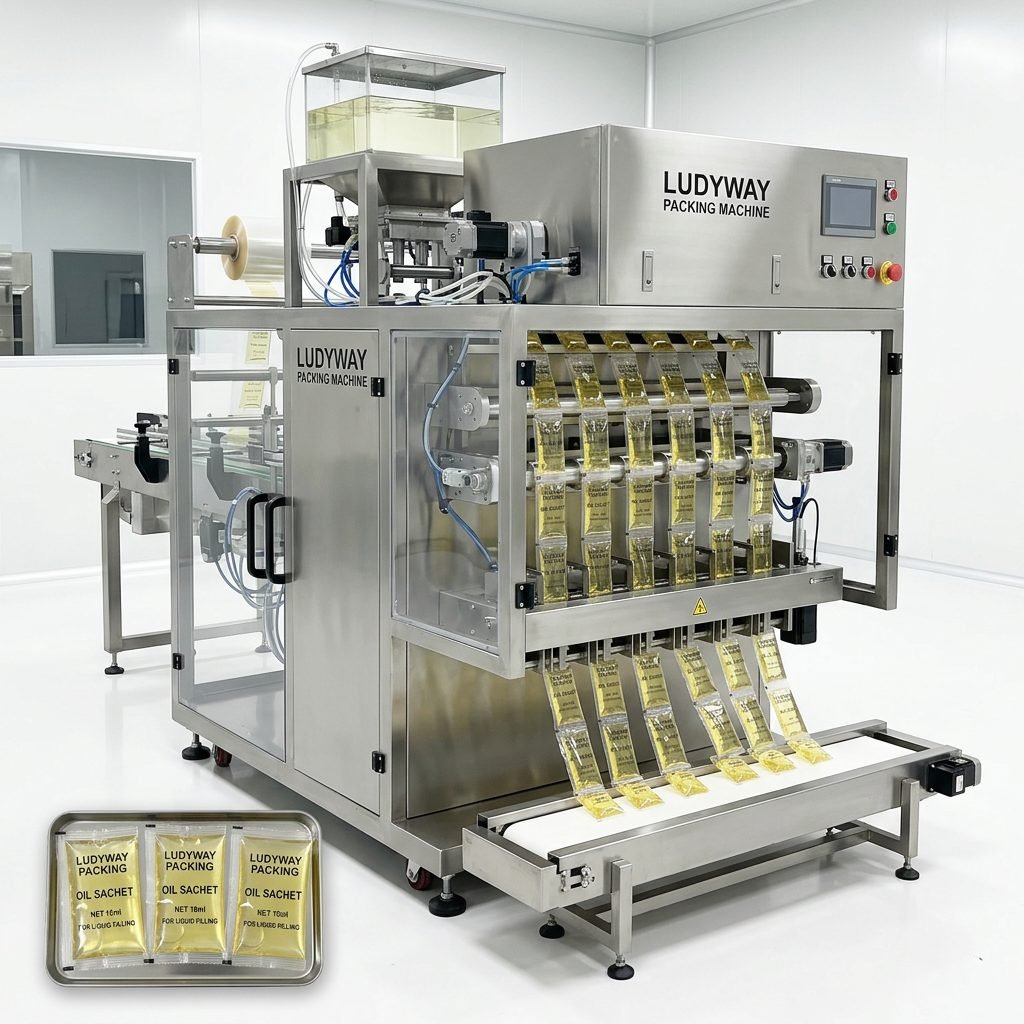
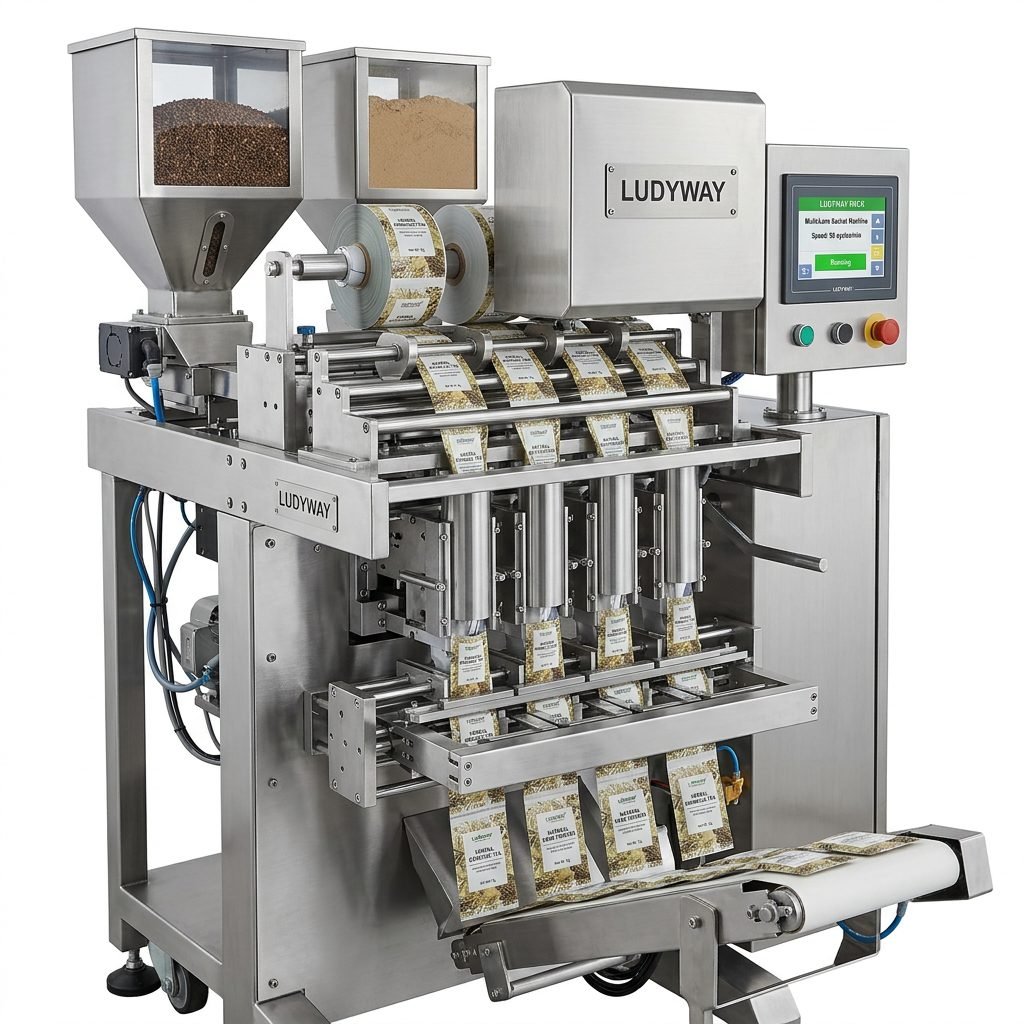
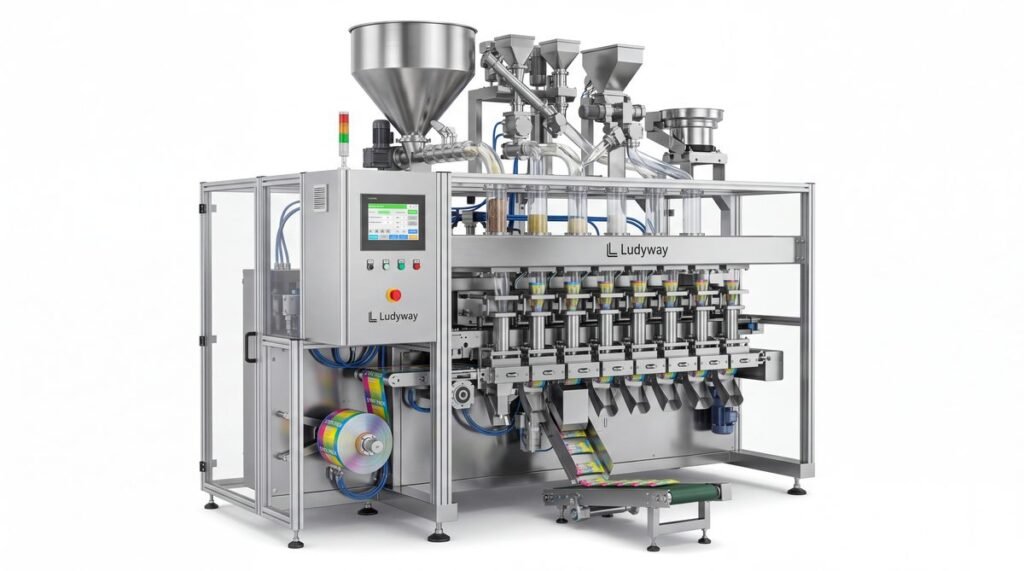
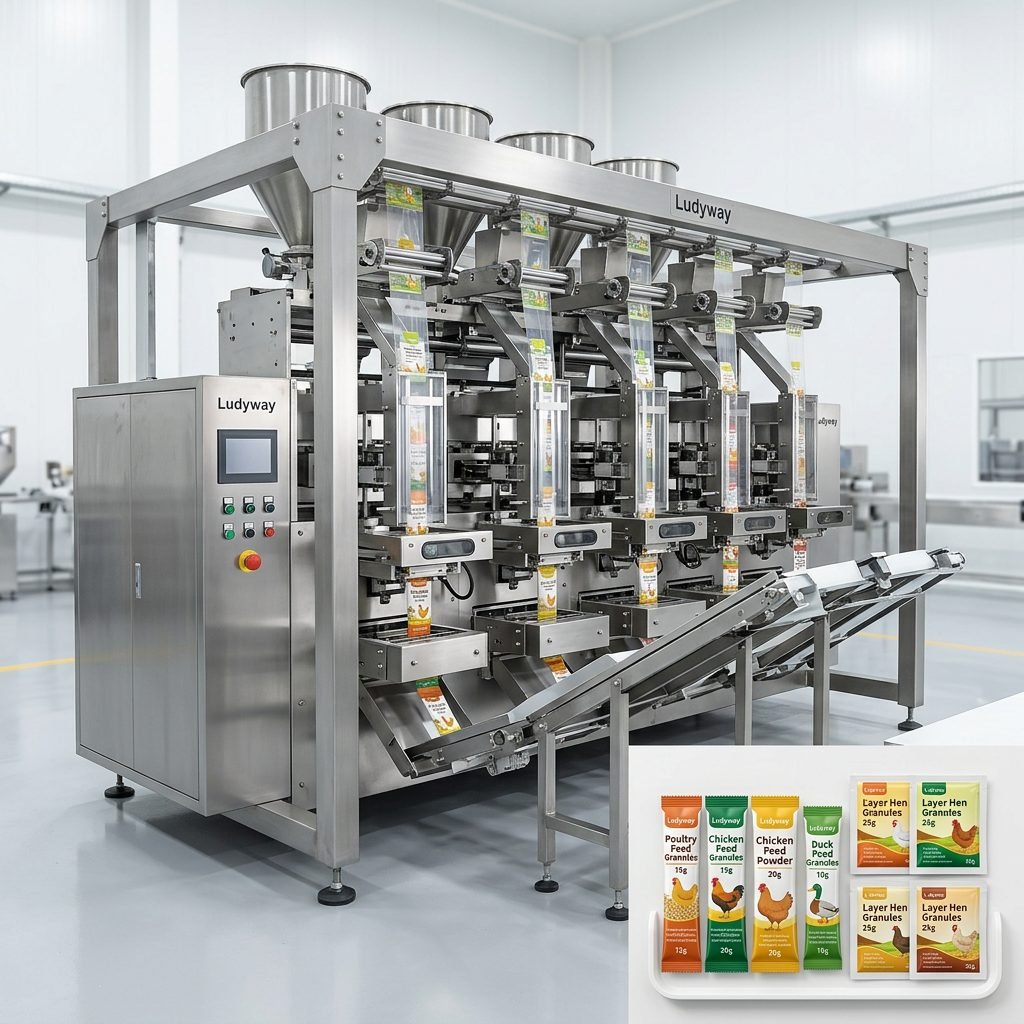
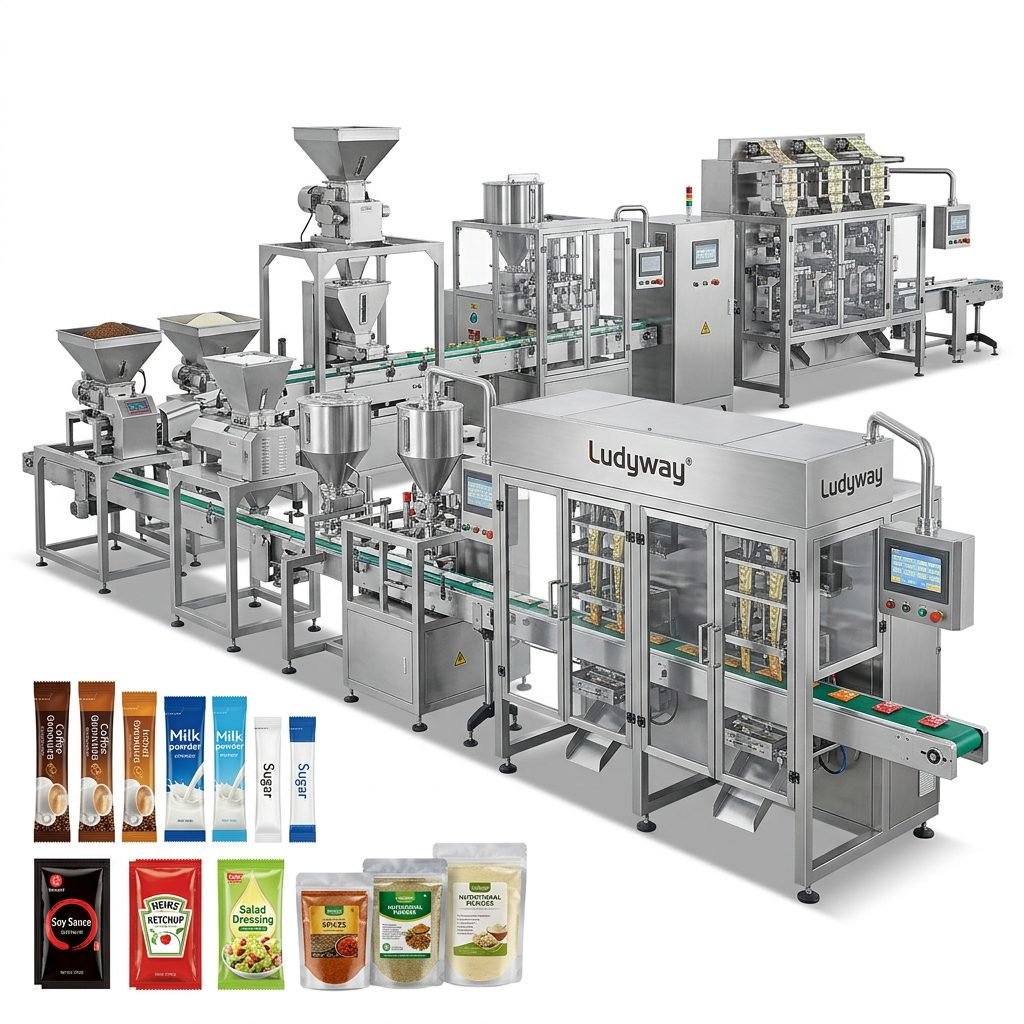
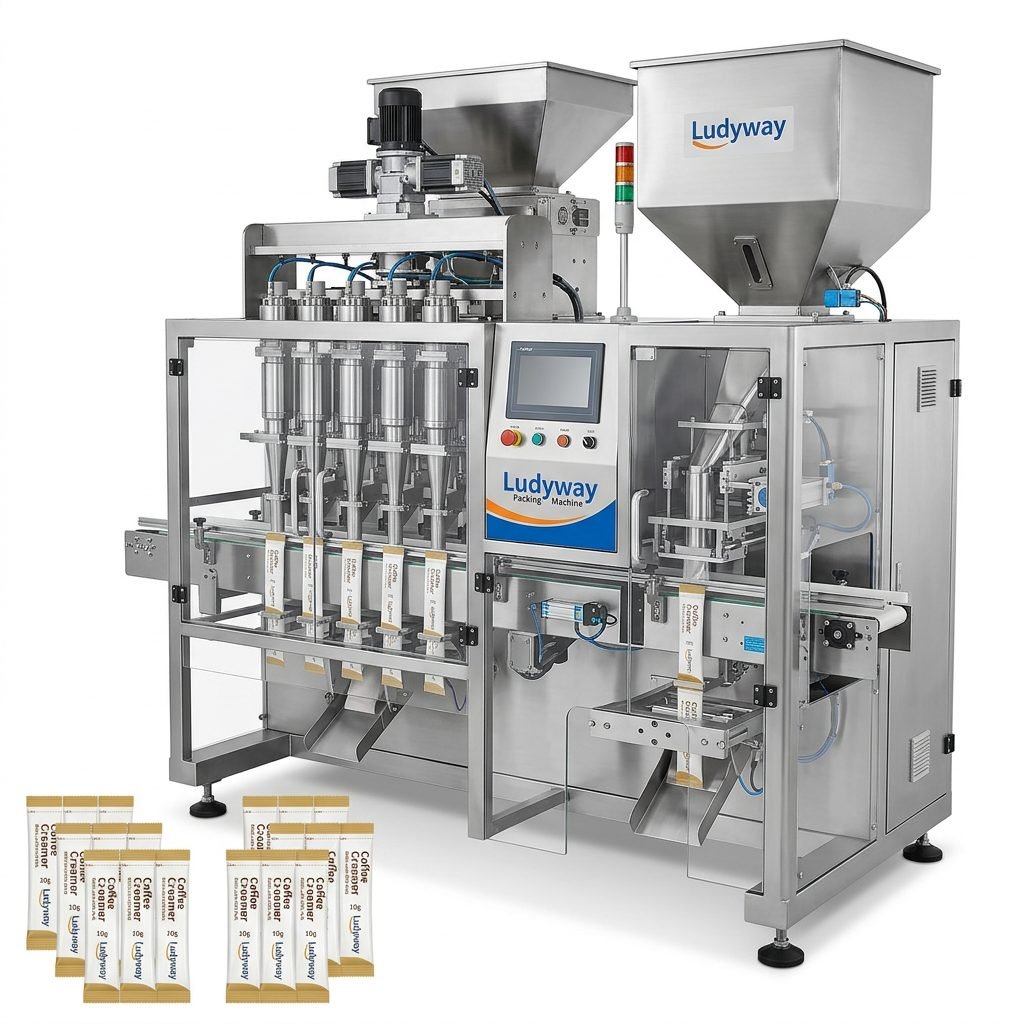
Food manufacturers today face rising pressure to improve output, reduce labor dependence, maintain hygiene, and deliver consistent pack quality. An automatic packing machine for food products can solve these challenges by streamlining filling, sealing, coding, counting, and final pack handling in one efficient workflow. The best solution depends on your product type, packaging format, production speed, and long-term expansion plans.
Whether you pack powders, granules, liquids, pastes, snacks, frozen foods, or ready-to-eat products, choosing the right machine is not just about speed. It is about accuracy, flexibility, compliance, waste control, and total cost of ownership.
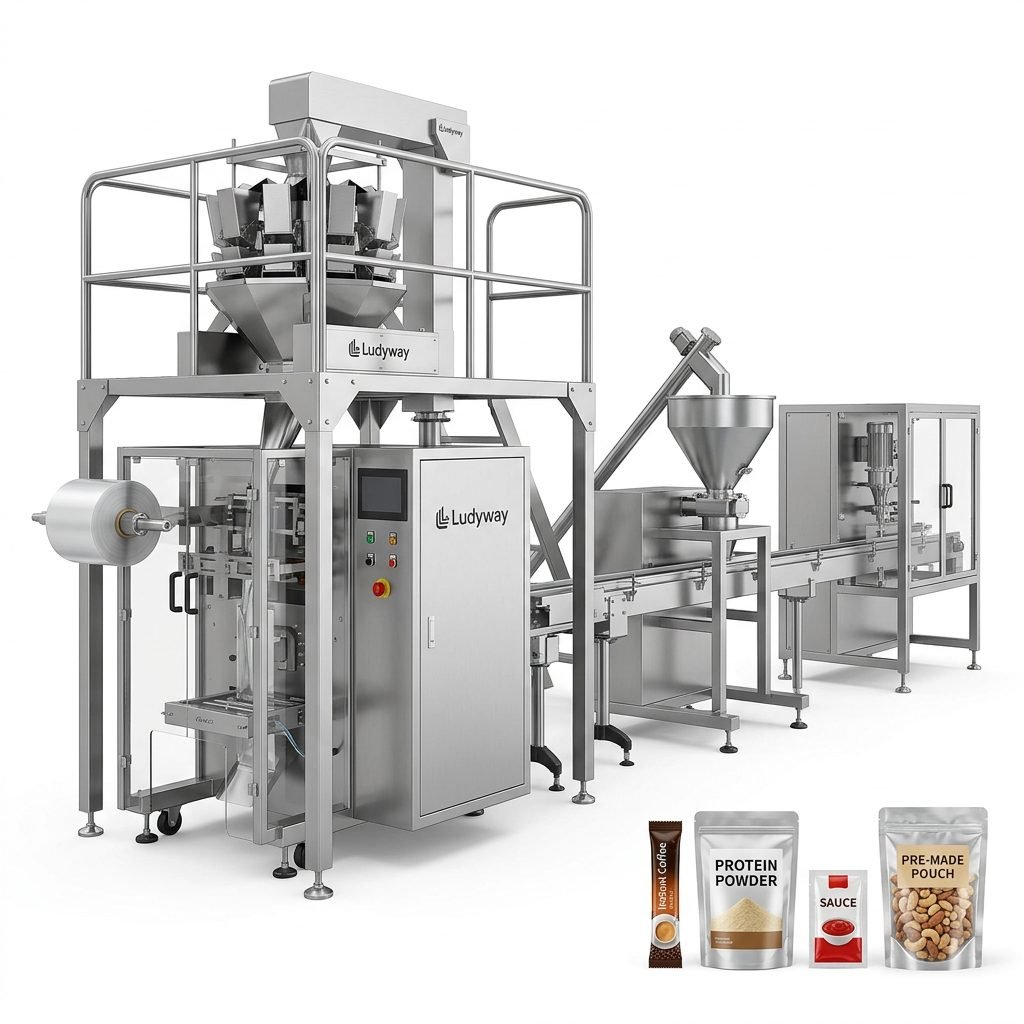
Why Automatic Food Packaging Matters More Than Ever
Modern food businesses need packaging systems that can support high-volume production while protecting product quality. Manual or semi-automatic methods often lead to slower output, inconsistent weights, sealing defects, and higher labor costs. An automated food packing solution helps manufacturers:
- Increase packaging speed and daily throughput
- Improve fill accuracy and seal consistency
- Reduce product giveaway and material waste
- Enhance hygiene and food safety control
- Lower labor intensity and repetitive manual tasks
- Support traceability, coding, inspection, and downstream automation
- Scale production as demand grows
For food brands competing in retail, wholesale, e-commerce, or export channels, automation also helps create a more professional and repeatable packaging standard that strengthens product presentation and customer trust.
Key Types of Automatic Packing Machines for Food Products
Different foods require different machine structures. The best machine is usually chosen according to product flow characteristics, target bag type, and expected production capacity.
| Machine Type | Suitable Food Products | Main Advantages |
|---|---|---|
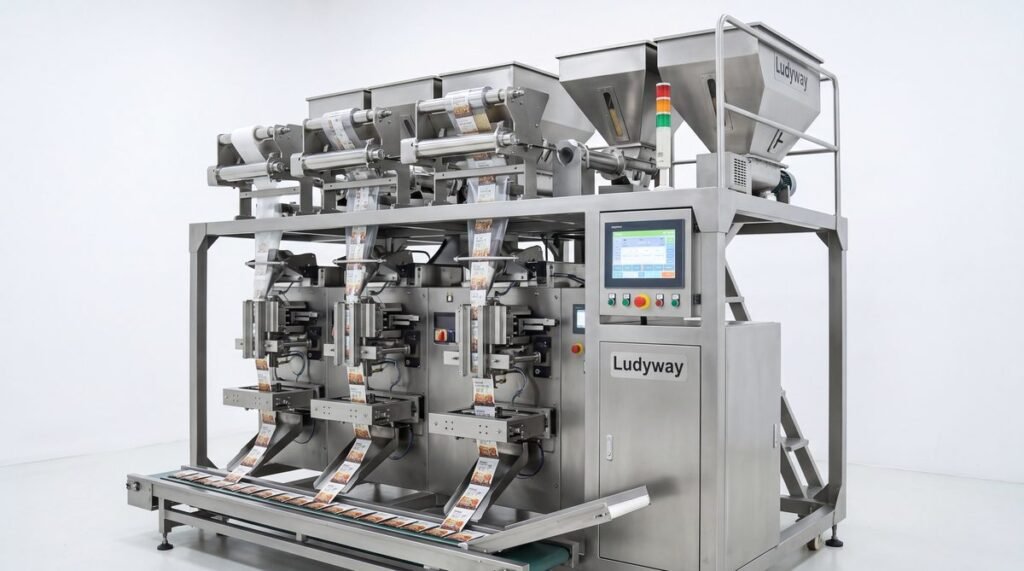
| Vertical Form Fill Seal (VFFS) | Rice, beans, snacks, coffee, sugar, frozen foods | High speed, compact design, flexible bag formats |
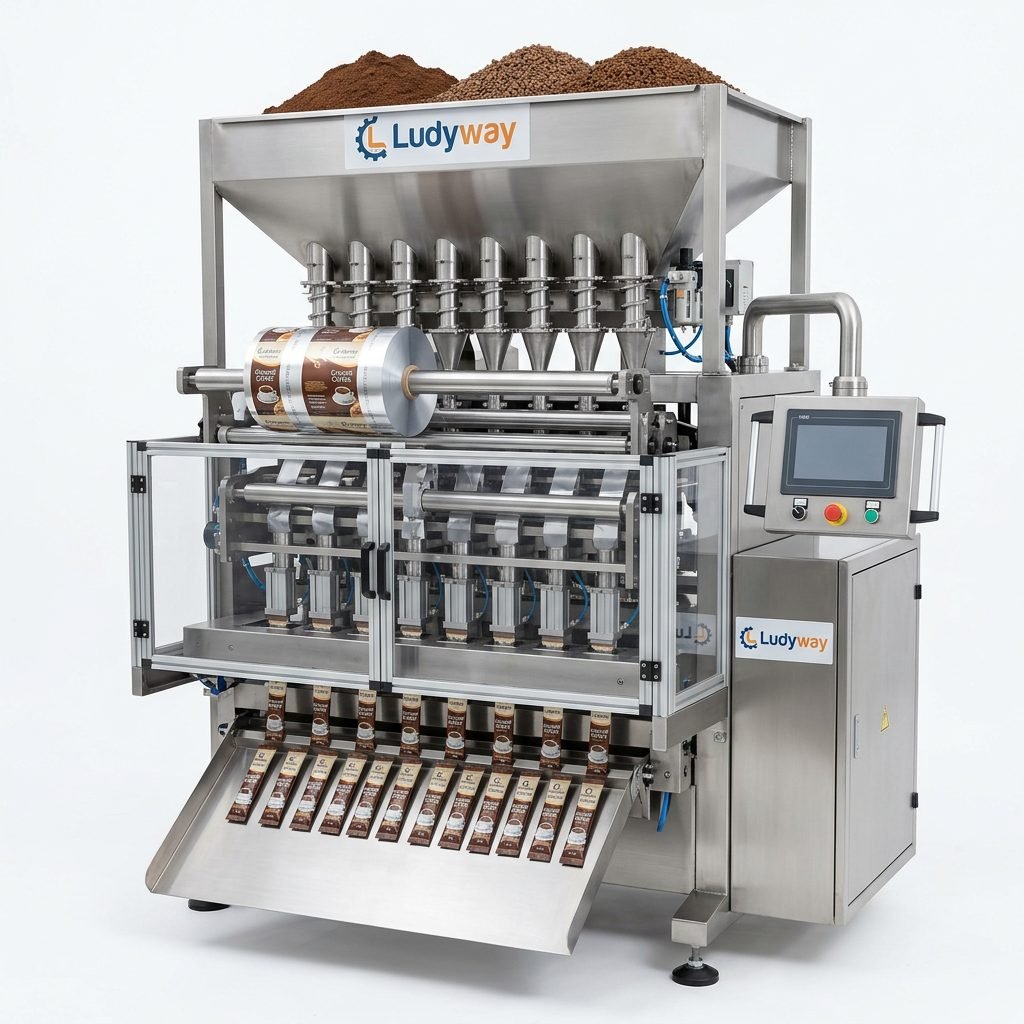
| Multi-lane sachet / stick pack machine | Seasonings, drink powders, instant coffee, sauces, supplements | High-output single-dose packaging, efficient for small packs |
| Premade pouch packing machine | Nuts, dried fruit, pet food, frozen meals, sauces | Premium pouch appearance, zipper and special pouch support |
| Vacuum packaging machine | Meat, seafood, prepared foods, freeze-dried products | Extended shelf life and improved freshness protection |
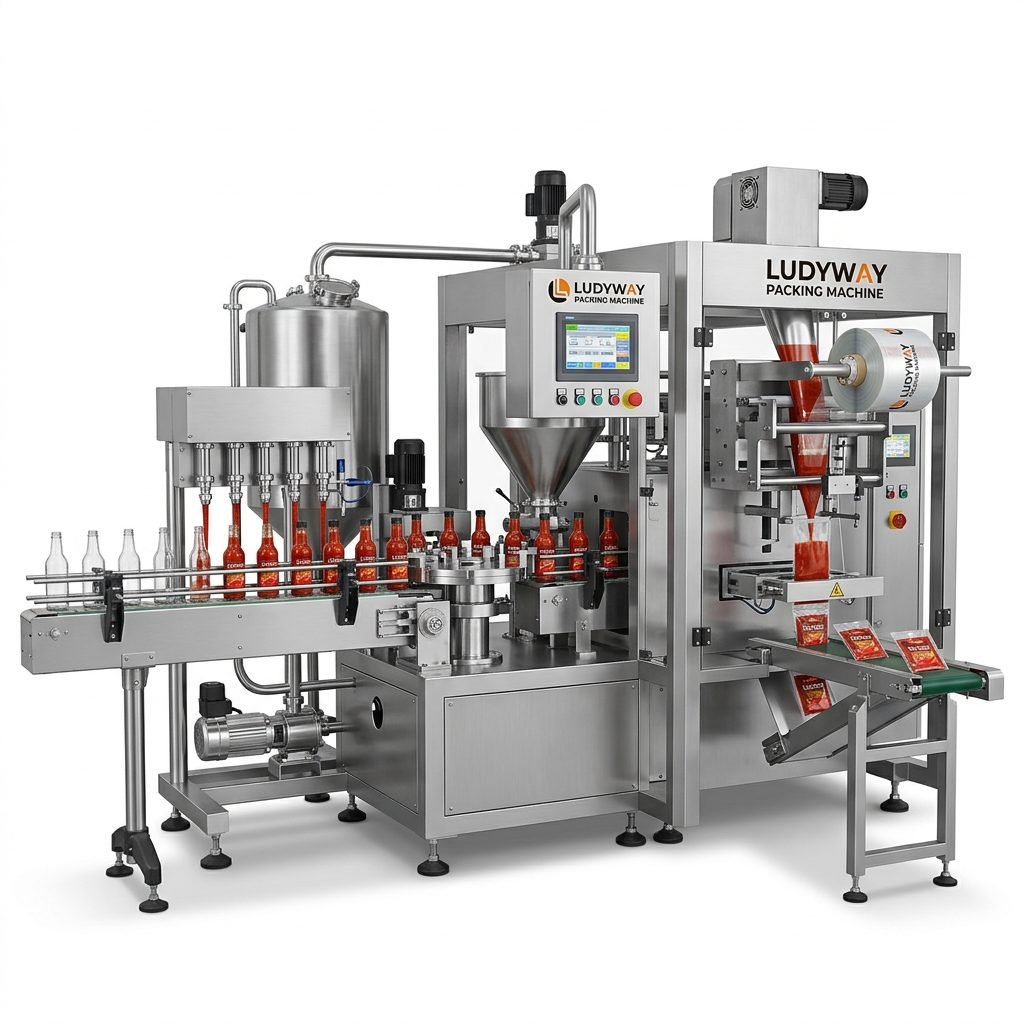
| Liquid/paste filling and sealing machine | Sauces, honey, ketchup, juice, oils, dressings | Clean filling, accurate dosing, leak-resistant seals |
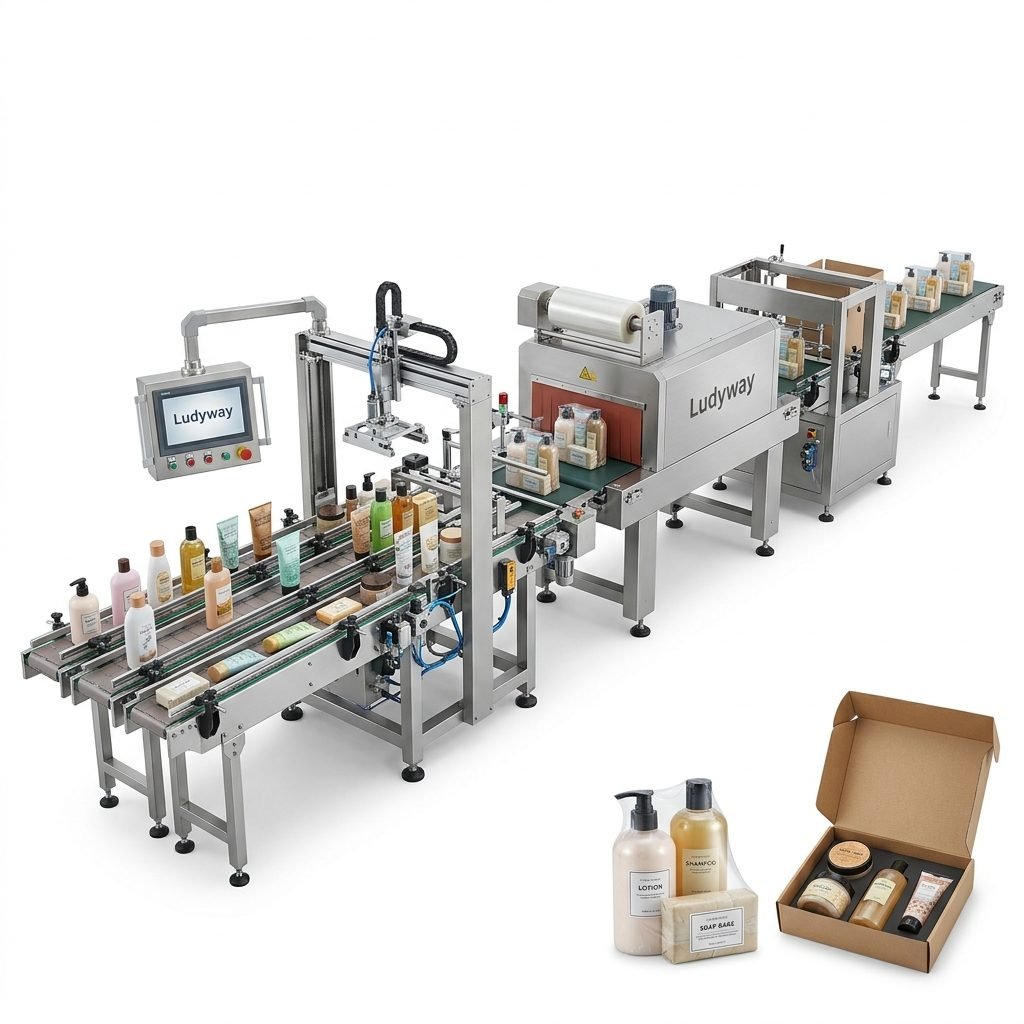
| Complete packaging line | Large-scale food factories with multiple process stages | Integrated feeding, filling, inspection, cartoning, palletizing |
How to Choose the Best Solution for Your Food Product
A machine that performs well for powdered soup mix may not be suitable for frozen seafood, and a snack pouch line may not work for liquid condiments. To make the right investment, assess the following factors carefully.
1. Product Characteristics
Start with the physical nature of the product:
- Granules: sugar, rice, seeds, nuts, cereal, coffee beans
- Powders: milk powder, spices, protein powder, flour, instant drink mix
- Liquids: juice, oil, vinegar, soy sauce
- Pastes: ketchup, mayonnaise, sauces, jam
- Irregular solids: dried fruit, snacks, frozen food portions
The filling system must match the product. Common options include auger fillers for powders, multihead weighers for snacks and granules, piston pumps for sauces, and liquid pumps for free-flowing fluids.
2. Packaging Format
The desired final package strongly influences machine selection. Common food packaging formats include:
- Pillow bags
- Gusset bags
- Quad seal bags
- Stick packs
- Sachets
- Premade pouches
- Vacuum bags
- Spouted pouches
If shelf appearance and convenience are important, premade pouch machines may be ideal. If high-speed small-dose output is the priority, multi-lane stick pack or sachet machines are often the best choice.
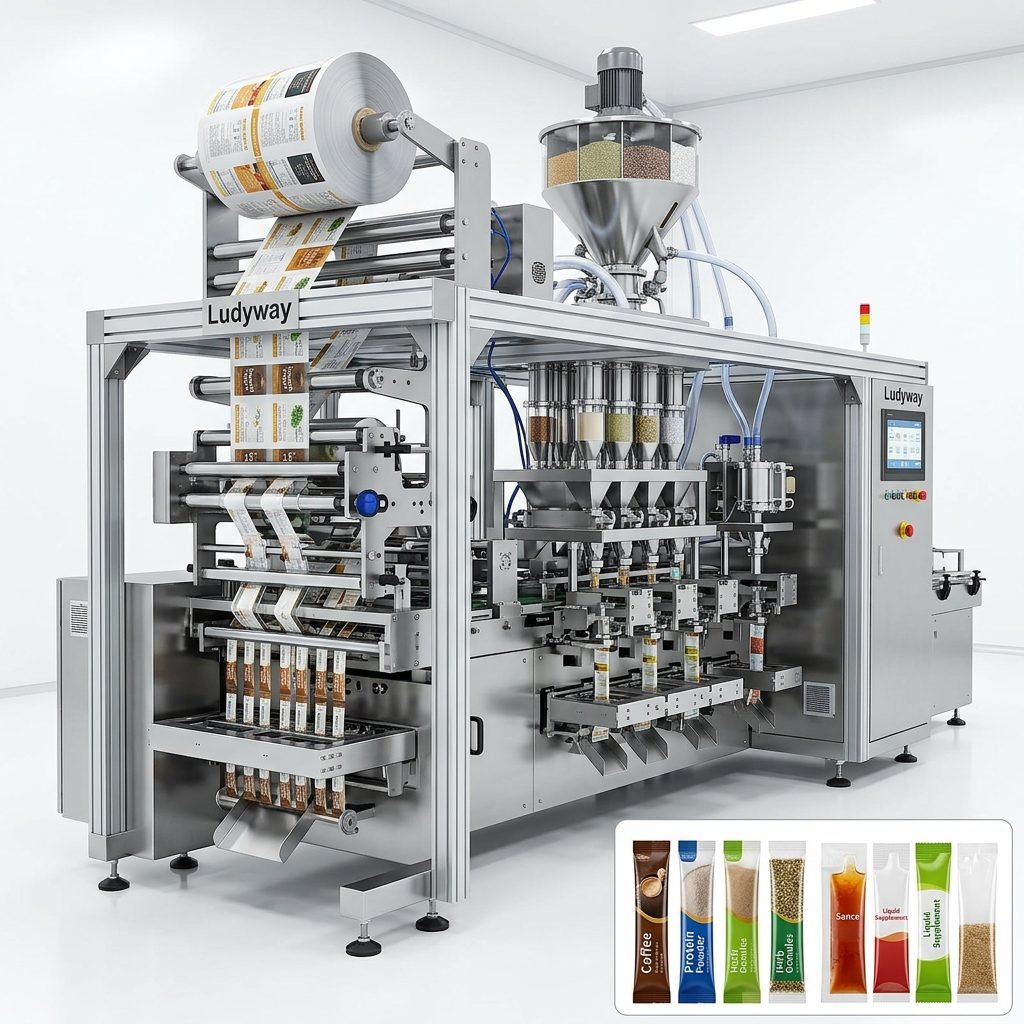
3. Required Speed and Output
A startup food brand may only need moderate production capacity, while a contract packer or large food plant may need high-speed continuous operation. Ask:
- How many packs per minute are required?
- How many hours per day will the machine run?
- Will demand increase in the next 1 to 3 years?
Choosing a machine that only meets current demand may limit future growth. The best packaging investment often balances present efficiency with future scalability.
4. Accuracy and Waste Control
Food manufacturers lose money when every pack is slightly overfilled. High-precision dosing helps reduce product giveaway while maintaining compliance and customer satisfaction. This is especially important for high-value items like protein powder, specialty coffee, seasonings, freeze-dried ingredients, and health-focused food blends.
5. Hygiene and Food Safety Design
Food packaging equipment should be designed for cleanliness, easy maintenance, and stable performance. Look for features such as:
- Food-grade contact parts
- Stainless steel structure
- Easy disassembly for cleaning
- Dust control for powders
- Leak prevention for liquids and sauces
- Integration with metal detection, checkweighing, and coding systems
Best Machine Match by Food Category
| Food Category | Recommended Packaging Solution | Why It Works |
|---|---|---|
| Spices and seasoning powders | Multi-lane sachet or stick pack machine | Fast, accurate small-dose powder filling |
| Coffee, drink mix, nutritional powder | Multi-lane stick pack machine or VFFS with auger filler | Supports portion packs and retail-ready formats |
| Nuts, seeds, snacks, cereals | VFFS or premade pouch machine with multihead weigher | Handles irregular shapes and high-speed weighing |
| Sauces, ketchup, honey, jam | Liquid/paste sachet filling and sealing machine | Controlled dosing and dependable sealing |
| Frozen or freeze-dried food | Vacuum packaging machine or pouch packaging line | Protects freshness and shelf life |
| Bulk grains and staple foods | VFFS or open-mouth bagging line | Efficient for medium to large pack sizes |
Standalone Machine or Complete Packaging Line?
This is one of the most important decisions in food packaging automation. A standalone machine can be the right choice for limited production needs or a specific packaging stage. But for growing factories, a complete line can provide far better efficiency.
Standalone Machine Is Best When:
- You need to automate one packaging process first
- Your current plant layout is limited
- You are testing a new food product
- Your production volume is still moderate
Complete Packaging Line Is Best When:
- You need feeding, weighing, filling, sealing, inspection, labeling, cartoning, and palletizing in one system
- You want to minimize manual handling between stages
- You need more stable high-volume performance
- You want easier future expansion and centralized control
For many food factories, the highest long-term return comes from a turnkey line designed around real production needs rather than buying separate machines from different sources.
Important Features to Look For
When comparing suppliers and machine models, pay attention to the details that affect daily operation.
- Servo-driven control for stable, precise movement
- Recipe memory for fast changeovers between products
- Touchscreen HMI for easy operation and troubleshooting
- Automatic film tracking for better pouch alignment
- Date coding and printing integration for traceability
- Inspection systems such as checkweighers or metal detectors
- Quick-clean structure to reduce downtime
- Custom tooling options for special pack sizes or shapes
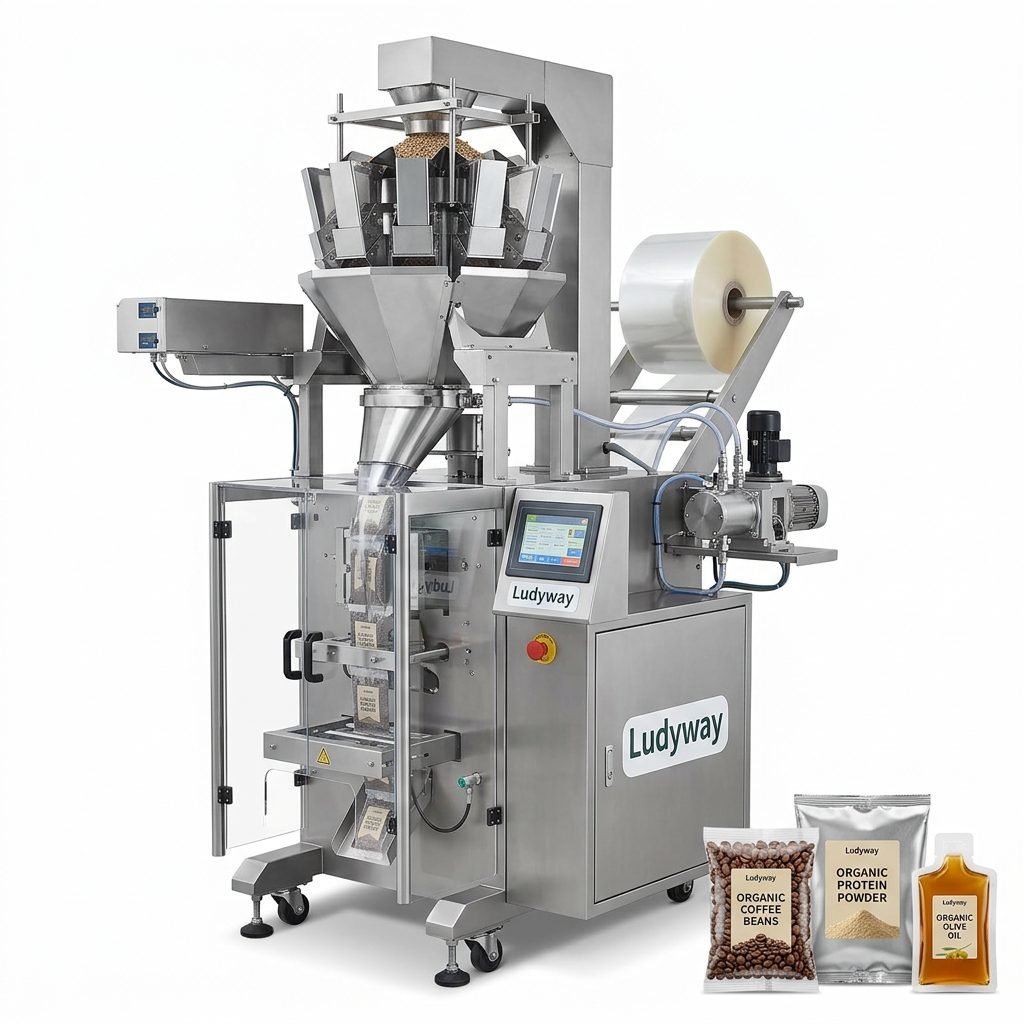
How Automation Improves Packaging Efficiency
A well-selected automatic food packing machine improves efficiency in several ways beyond simple speed:
- Less downtime through stable and repeatable machine operation
- Reduced labor cost by replacing repetitive manual filling and sealing work
- Lower rejection rates thanks to uniform seals and accurate dosing
- Better output planning with measurable and predictable production capacity
- Improved market readiness through consistent, attractive packaging
For food businesses supplying supermarkets, distributors, private labels, or export markets, these gains directly affect competitiveness and profit margins.
Questions to Ask Before Buying
Before making a final decision, ask your supplier the following:
- Can the machine handle my exact product characteristics?
- What packaging speeds are realistic in actual production conditions?
- How accurate is the dosing system?
- How long does product changeover take?
- What maintenance is required?
- Are spare parts and technical support available long-term?
- Can the machine be upgraded into a larger packaging line later?
- Do you provide layout planning, testing, and commissioning support?
Choosing a Reliable Packaging Machine Partner
The best solution is not only the best machine model. It is also the right manufacturing partner with real engineering capability, export experience, and customization support. For businesses seeking scalable automation, Ludyway automatic packing machine for food products solutions offer a broad range of equipment for granules, powders, liquids, pastes, sachets, stick packs, pouches, and complete turnkey packaging lines.
A strong supplier should be able to evaluate your product, recommend the right dosing and bagging method, customize the system where needed, and support future integration with conveyors, coding systems, inspection devices, cartoning, and palletizing.
Final Buying Insight
The best automatic packing machine for food products is the one that fits your product, your packaging format, your required output, and your growth plan. Instead of focusing only on initial price, evaluate the machine based on operating efficiency, dosing precision, hygiene, flexibility, maintenance demands, and upgrade potential.
When selected correctly, an automated food packaging solution becomes more than a machine. It becomes a long-term production asset that helps your business deliver faster, cleaner, and more consistent packaging at scale.