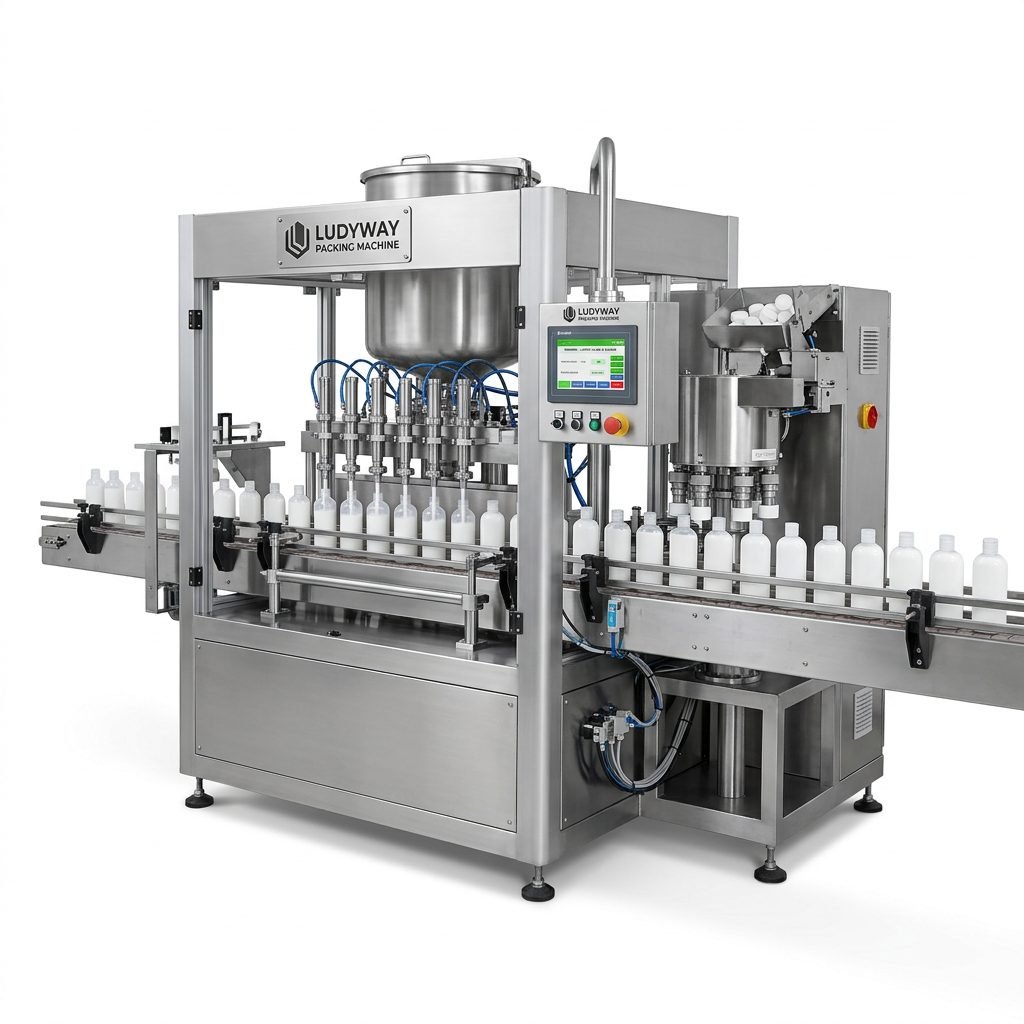
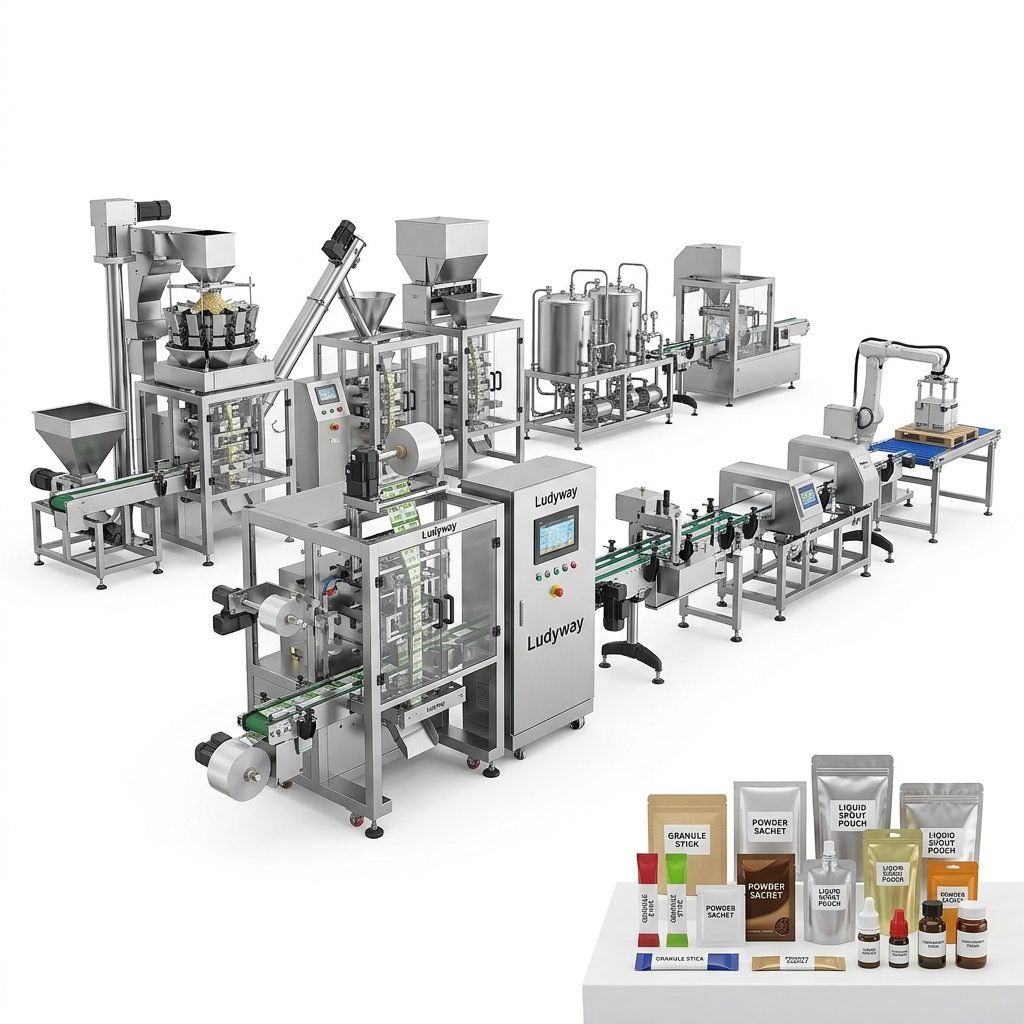
In fast-moving production environments, an auto box packing machine helps manufacturers improve output, reduce manual handling, and protect products during final packaging. Whether used in food, pharmaceutical, health supplement, cosmetic, or consumer goods operations, this type of equipment is designed to make boxing more consistent, efficient, and scalable.
As market competition grows and labor costs continue to rise, more factories are replacing manual case packing with automated systems that deliver higher speed, cleaner workflows, and better carton accuracy. For companies seeking long-term productivity gains, automated boxing is no longer just an upgrade—it is a practical investment in smarter operations.
What Is an Auto Box Packing Machine?
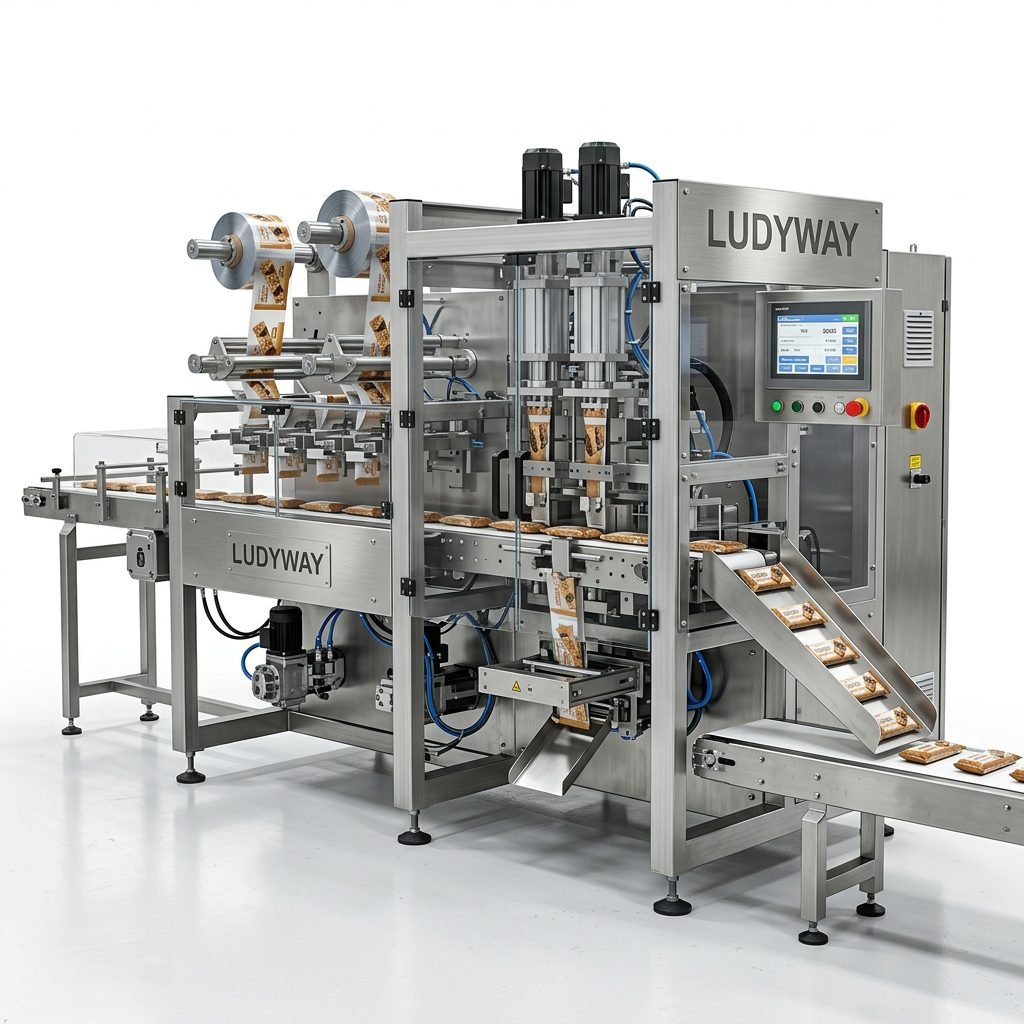
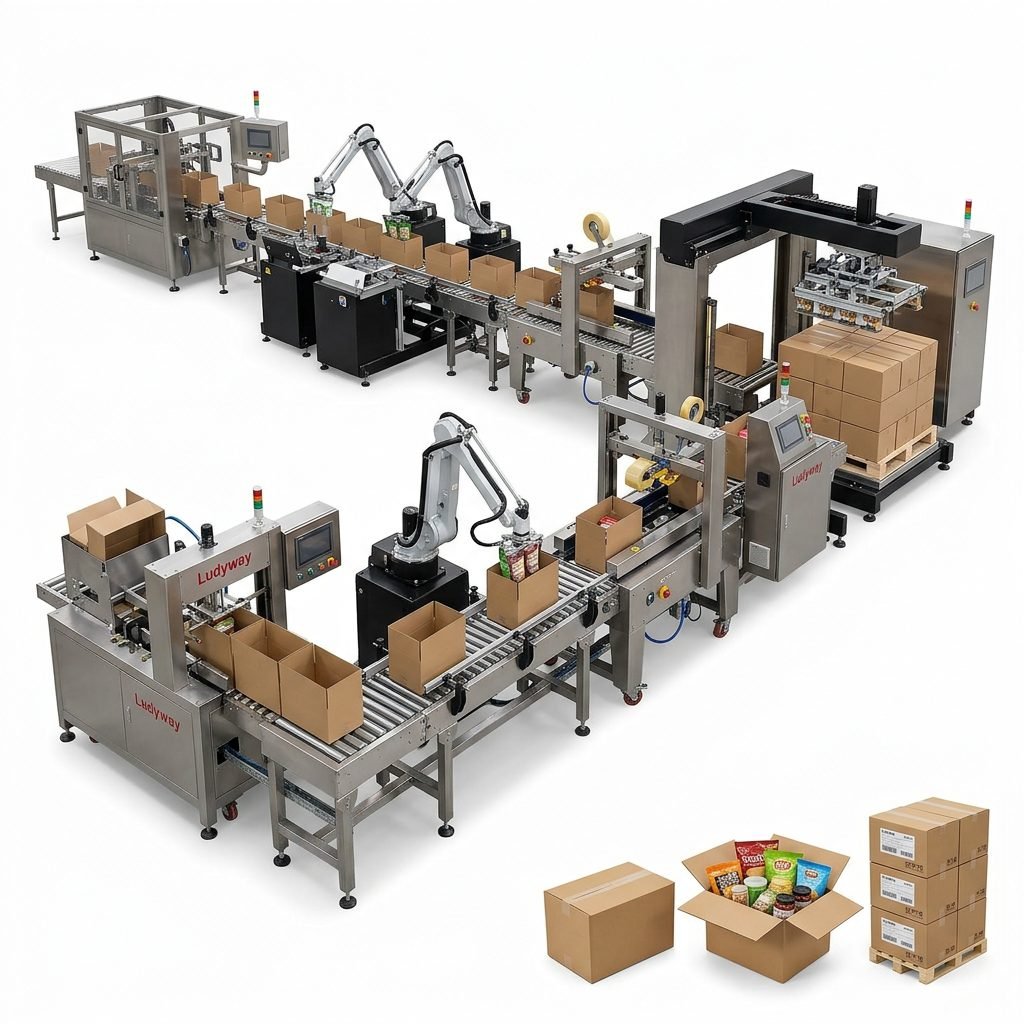
An auto box packing machine is a packaging system that automatically places primary packaged products into boxes, cartons, or cases. It can work as a standalone machine or as part of a complete packaging line that includes product feeding, counting, orientation, boxing, sealing, coding, inspection, and palletizing.
Depending on the product type, the machine can handle:
- Stick packs and sachets
- Pouches and bags
- Bottles and jars
- Blisters and pharmaceutical units
- Tubes and cosmetic packs
- Small boxed retail products
Its main purpose is to create a faster, safer, and more reliable secondary packaging process while reducing dependence on repetitive manual labor.
Why Businesses Are Switching to Automated Box Packing
Manual boxing often causes inconsistent packing quality, product damage, labor fatigue, and slow throughput. Automated box packing machines solve these issues by combining controlled motion, synchronized feeding, and precise carton handling.
Key advantages include:
- Higher packing speed for growing production demands
- Reduced labor costs and lower dependence on manual operators
- Improved product protection during transport and storage
- Better carton consistency for retail and warehouse standards
- Cleaner workflow in regulated industries such as food and pharma
- Easier line integration with sealing, weighing, coding, and palletizing equipment
How an Auto Box Packing Machine Improves Efficiency
Efficiency is more than speed alone. A modern box packing system improves the entire packaging flow by stabilizing product transfer from the previous machine to the final shipping stage. This helps reduce idle time, packing errors, and operator intervention.
| Efficiency Factor | Manual Packing | Auto Box Packing Machine |
|---|---|---|
| Packing speed | Variable and operator-dependent | Stable, continuous, and programmable |
| Labor demand | High | Low to moderate |
| Packing consistency | May vary by shift | Uniform and repeatable |
| Product damage risk | Relatively higher | Lower through controlled handling |
| Traceability and control | Limited | Better data integration and monitoring |
Safer Packaging Operations with Automated Boxing
Workplace safety is another major reason companies adopt automated case packing. Repetitive lifting, bending, stacking, and box loading can lead to operator fatigue and injury over time. An auto box packing machine reduces direct contact with moving products and heavy cartons, especially in high-volume factories.
Safety benefits often include:
- Less repetitive strain from manual boxing work
- Reduced handling of fragile or hygienic products
- More controlled machine guarding and sensor-based stops
- Cleaner packaging zones with less operator traffic
- Improved compliance in sensitive production areas
Smarter Packaging Through Line Integration
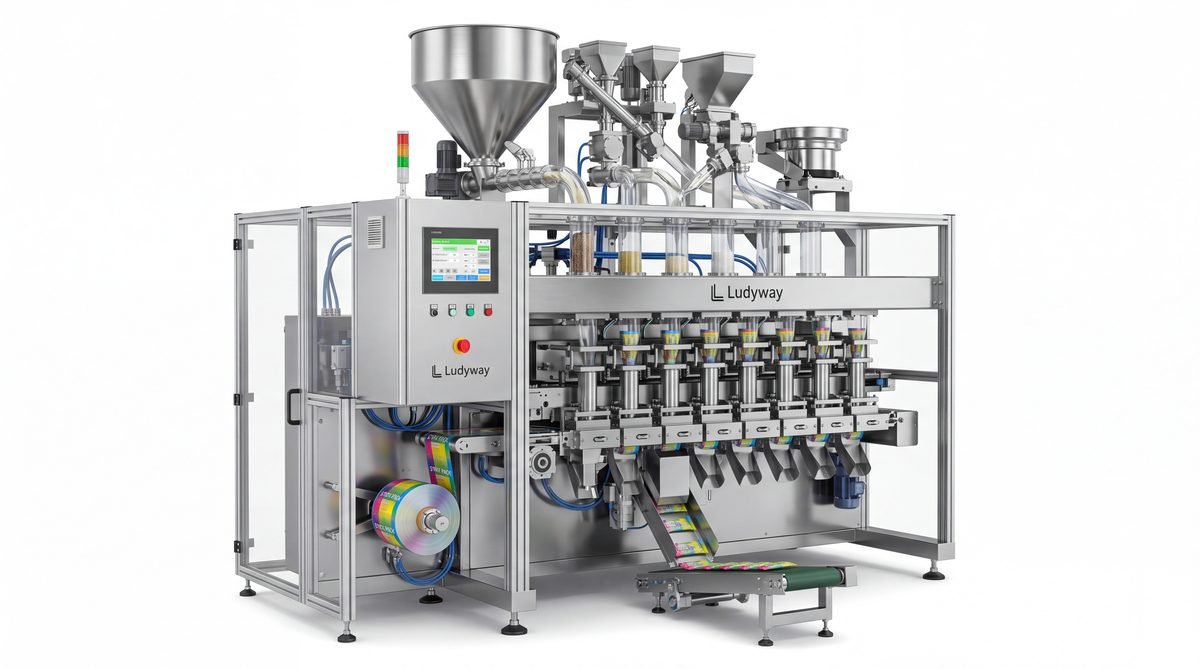
Today’s manufacturers are not just looking for automation—they want connected automation. A smart auto box packing machine can be integrated with upstream and downstream equipment for seamless material flow. This creates a more intelligent packaging line capable of improving efficiency across the full production cycle.
Typical integrated line components:
- Feeding and conveying systems
- Counting and collation units
- Carton erecting systems
- Automatic loading and case packing modules
- Carton sealing and labeling equipment
- Checkweighers and inspection systems
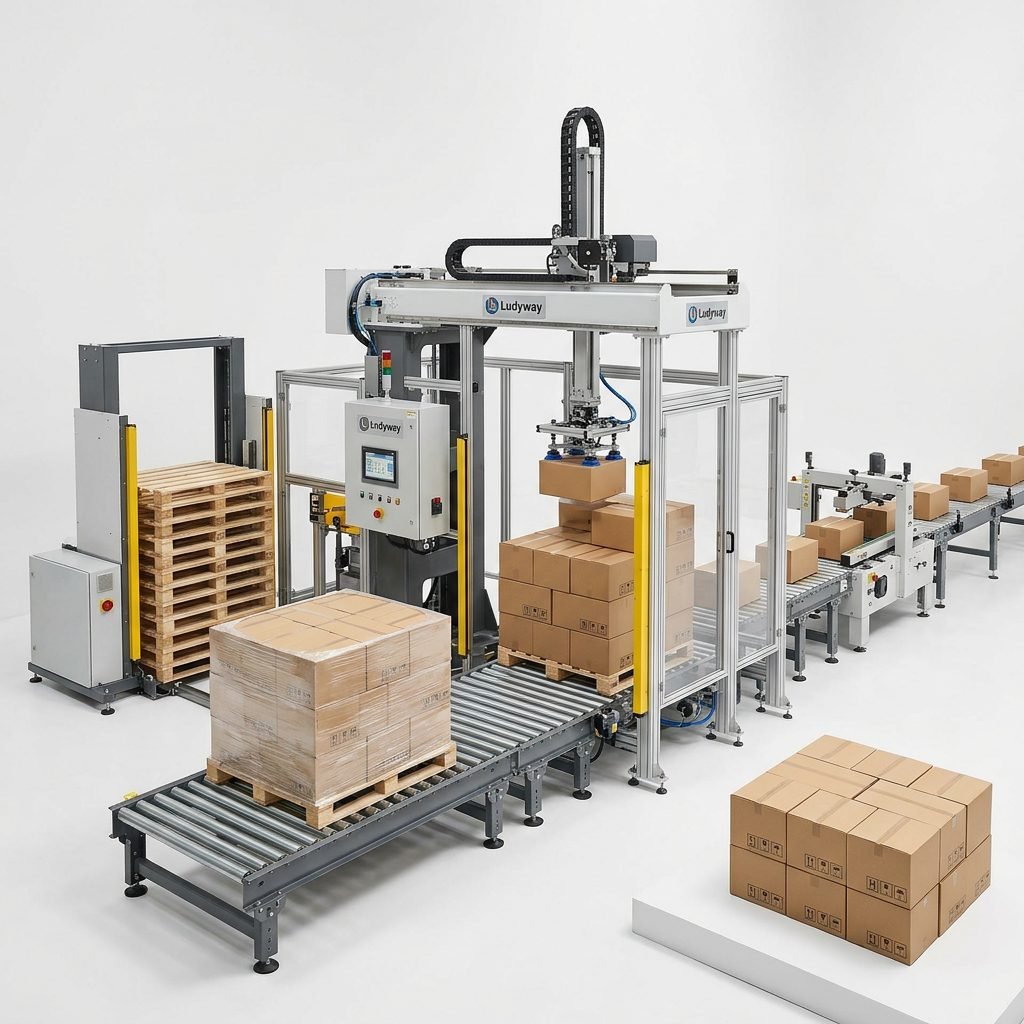
- Robotic palletizers and warehouse transfer solutions
With integration, production managers gain better control over output, rejection rates, downtime, and maintenance scheduling. This makes the entire packaging operation more data-driven and easier to optimize.
Industries That Benefit Most from Auto Box Packing Machines
Auto boxing solutions are suitable for many industries, especially where packaging speed, product consistency, and hygiene matter.
| Industry | Common Products | Packaging Need |
|---|---|---|
| Food | Snacks, powders, sauces, coffee, granules | Fast boxing, hygiene, retail-ready cartons |
| Pharmaceutical | Sachets, sticks, tablets, oral liquids | Accuracy, traceability, clean handling |
| Health supplements | Protein powders, vitamins, nutrition packs | Consistent pack grouping and faster output |
| Cosmetics | Creams, serums, sachets, tubes | Neat presentation and product protection |
| Chemical | Detergents, additives, powders, liquids | Safer handling and sealed case transport |
Important Features to Look For
Not every auto box packing machine is the same. The right choice depends on your product format, speed target, carton style, and factory layout. Before investing, buyers should compare equipment based on actual production requirements instead of headline speed alone.
Core features to evaluate:
- Compatible product formats such as sachets, pouches, bottles, or cartons
- Flexible box size adjustment for multiple SKUs
- Stable feeding and collation to avoid jamming
- User-friendly HMI controls for easy operation
- Servo-driven precision for smoother, more accurate movement
- Easy cleaning and maintenance access
- Integration capability with conveyors, sealers, coders, and palletizers
- Reliable after-sales support and spare parts availability
How to Choose the Right Solution for Your Production Line
Choosing the best machine starts with understanding your packaging process from end to end. A good supplier will assess product type, packaging material, throughput, space conditions, and future expansion plans.
Ask these questions before making a decision:
- What product shapes and package formats need to be boxed?
- How many units per minute or per hour must the line handle?
- Do you need a standalone machine or a turnkey packaging line?
- Will the machine run one carton size or multiple box formats?
- What level of automation is needed for your labor and output goals?
- Do you need compliance support for food or pharmaceutical production?
- Can the system be upgraded later as your production grows?
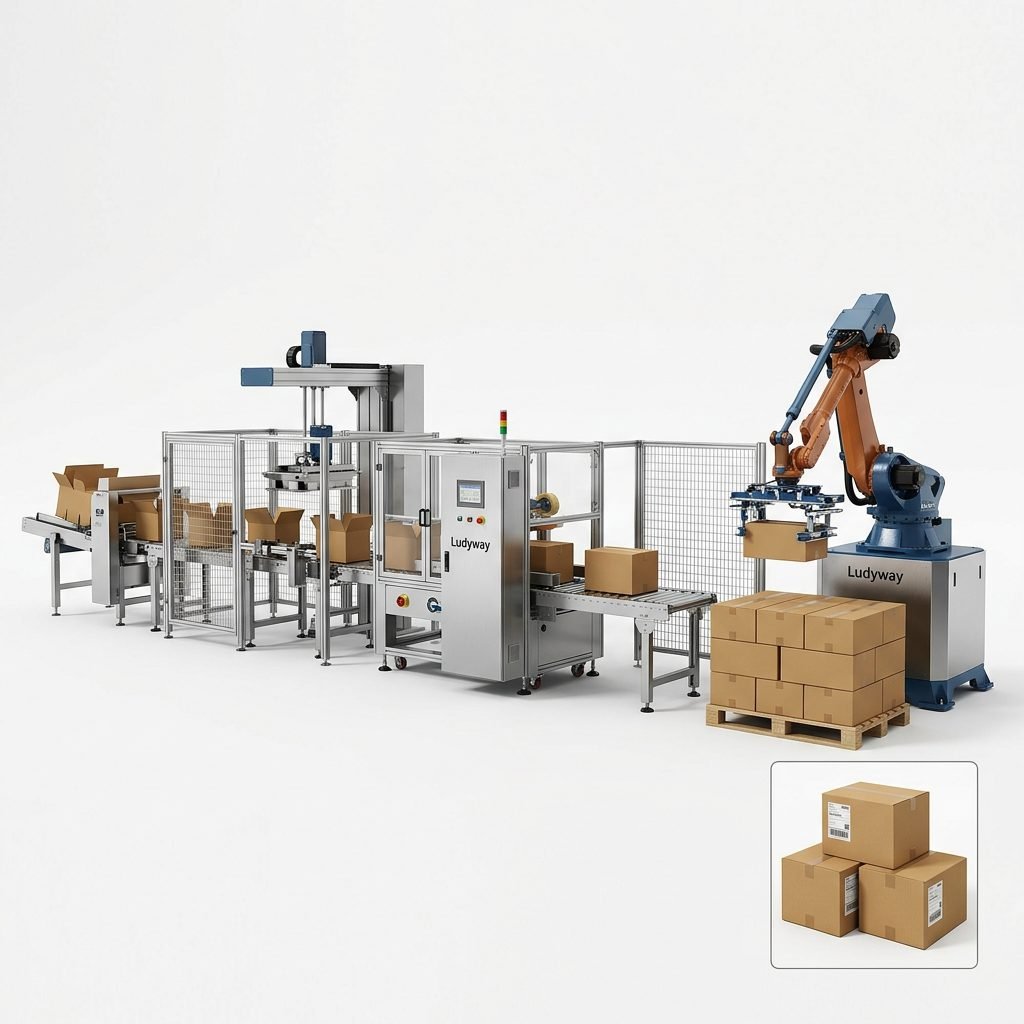
The Value of Turnkey Packaging Integration
Many manufacturers now prefer complete line solutions instead of purchasing separate standalone machines from multiple vendors. A turnkey approach helps improve compatibility, simplify installation, and reduce commissioning risks.
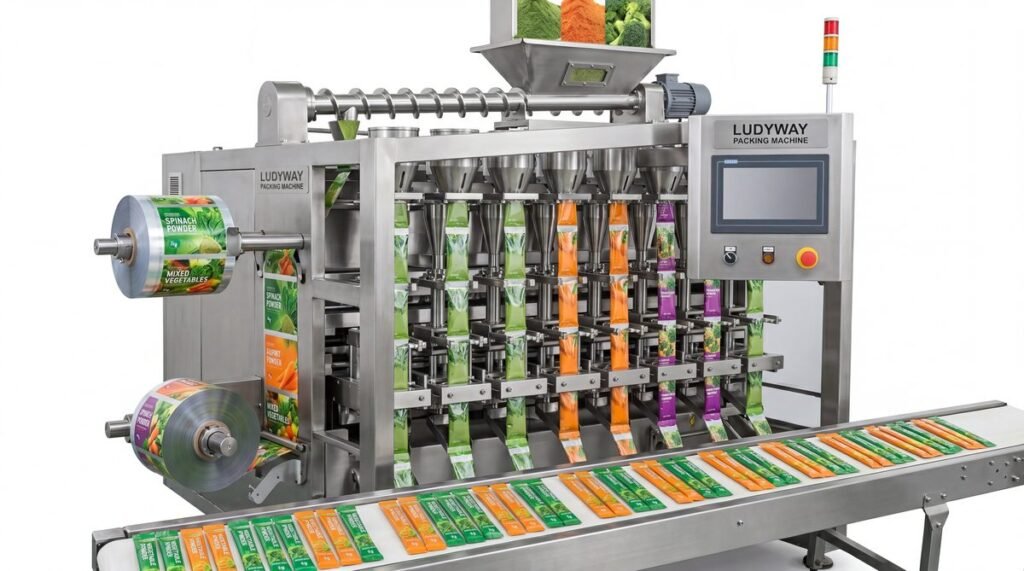
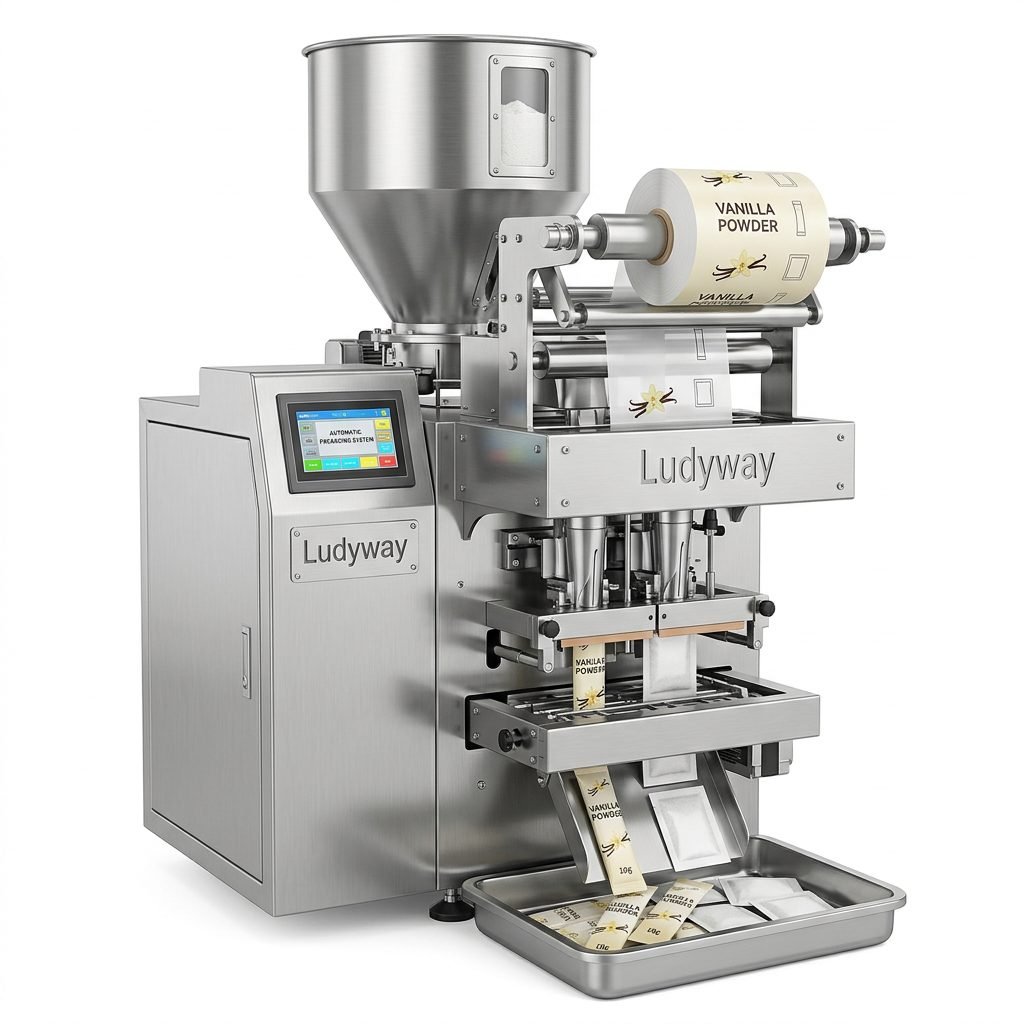
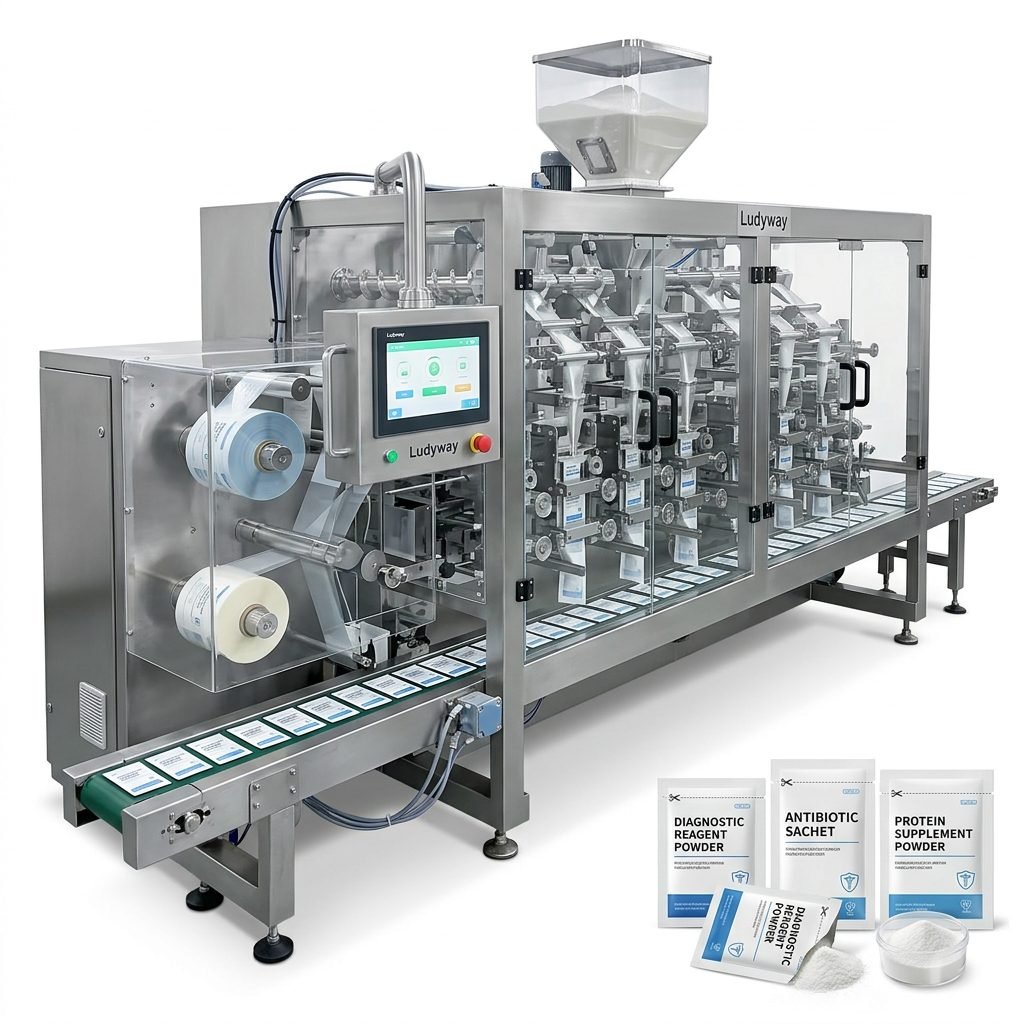
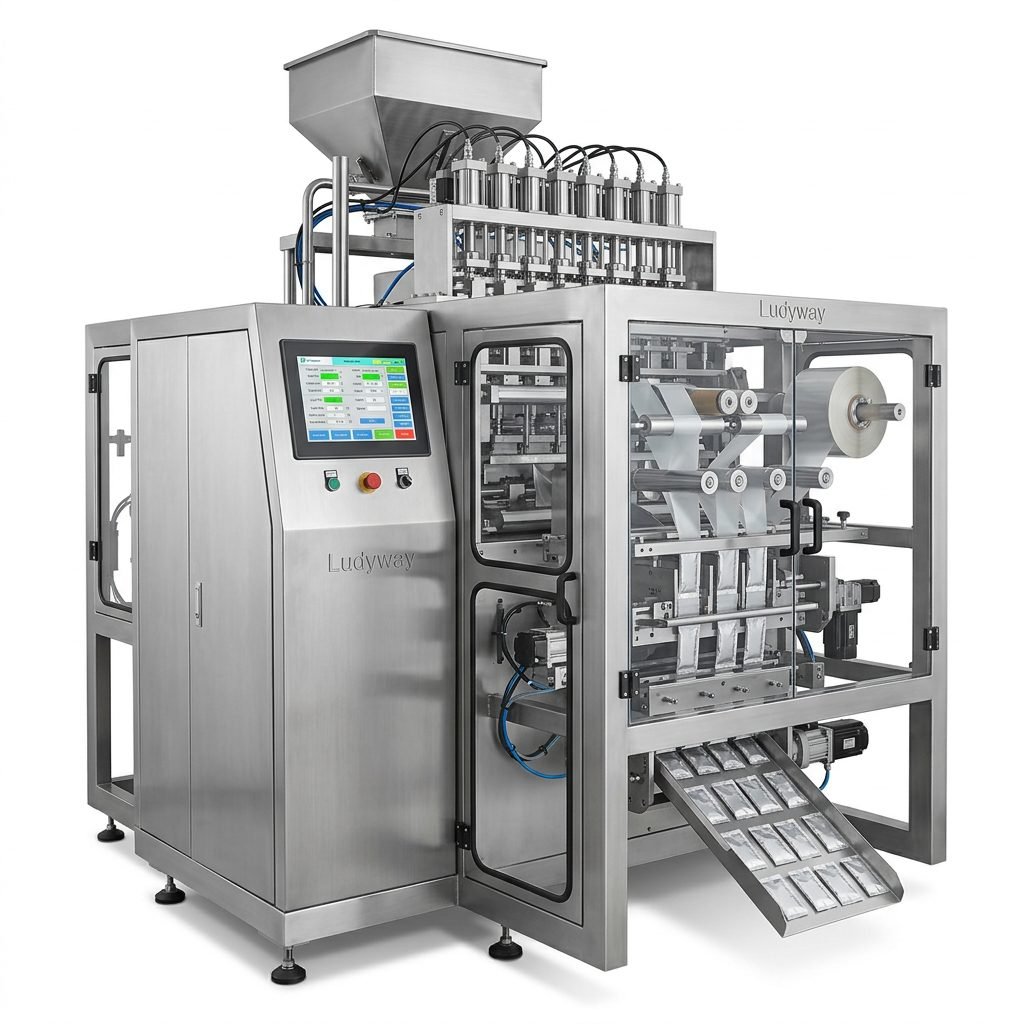
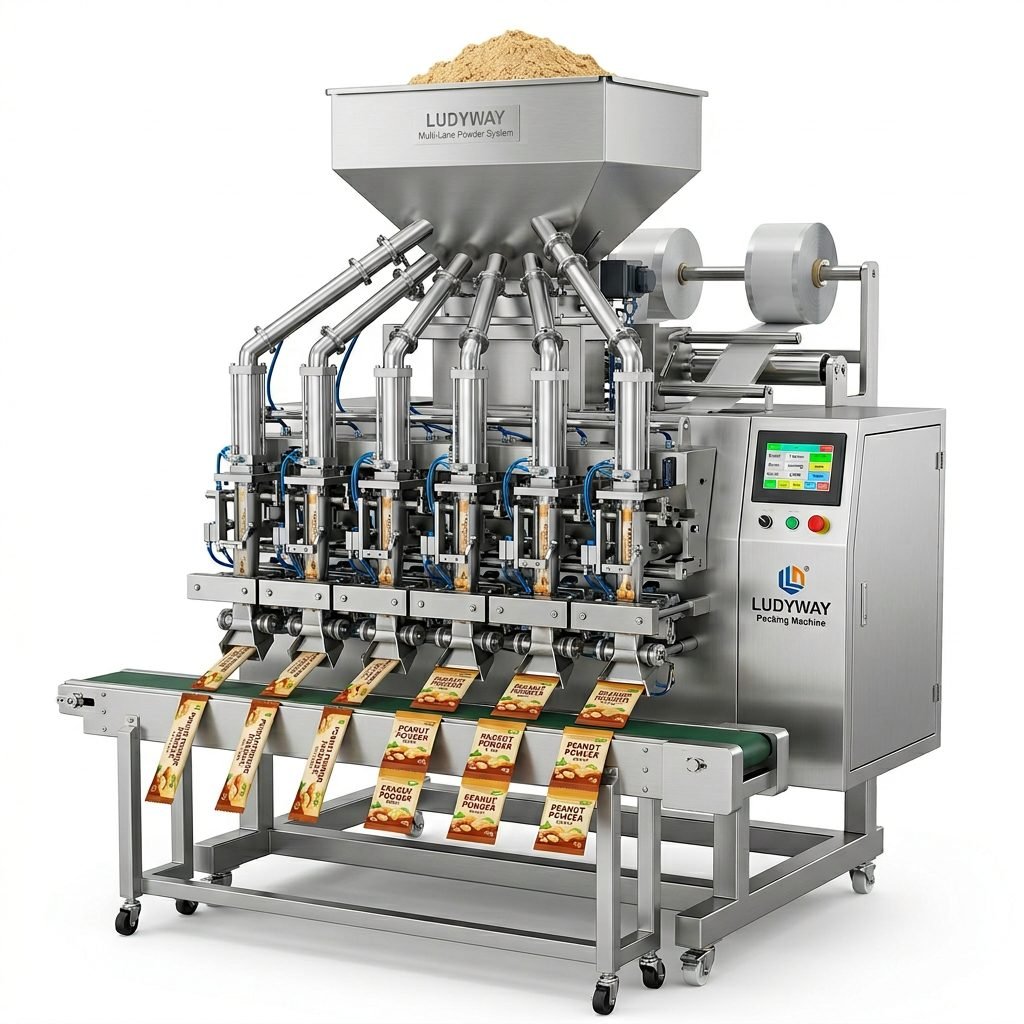
For example, a factory producing sachets or stick packs may connect filling machines, conveying systems, counting units, cartoning equipment, and auto box packing systems into one synchronized line. This reduces transfer issues and allows the full packaging process to operate with better rhythm and efficiency.
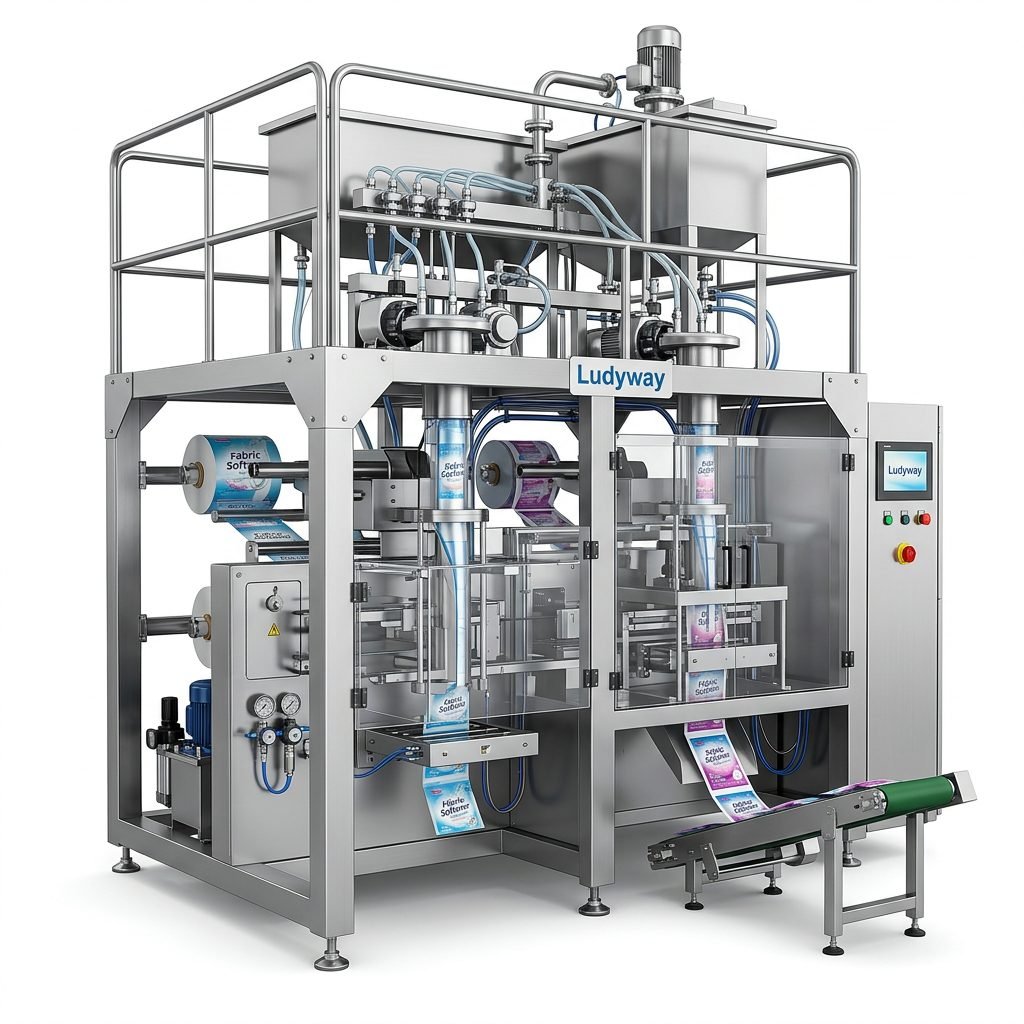
Companies looking for integrated packaging automation often explore solutions from Ludyway auto box packing machine and turnkey packaging line solutions, especially for food, pharmaceutical, health supplement, cosmetic, and related industrial applications.
Common Applications in Modern Packaging Plants
An auto box packing machine can be used in many practical scenarios across different product lines:
- Boxing multi-lane stick packs for nutritional supplements
- Packing sachets of coffee, milk tea powder, or seasoning mixes into cartons
- Grouping pharmaceutical sachets or oral liquid packs for retail sale
- Cartoning cosmetic cream sachets, serum packs, or sample units
- Loading detergent or chemical sachets into shipping cases
- Preparing final boxed packs for warehouse distribution and export shipment
Final Thoughts on Faster, Safer, and Smarter Boxing Automation
An auto box packing machine is a strategic tool for manufacturers that want to improve packaging speed, reduce labor pressure, and deliver more consistent boxed products. It supports safer handling, stronger production control, and smoother line automation across a wide range of industries.
As customer expectations continue to rise, automated box packing helps businesses stay competitive with faster operations, safer workflows, and smarter packaging performance. For companies planning production upgrades, investing in the right boxing solution can create long-term gains in efficiency, quality, and scalability.