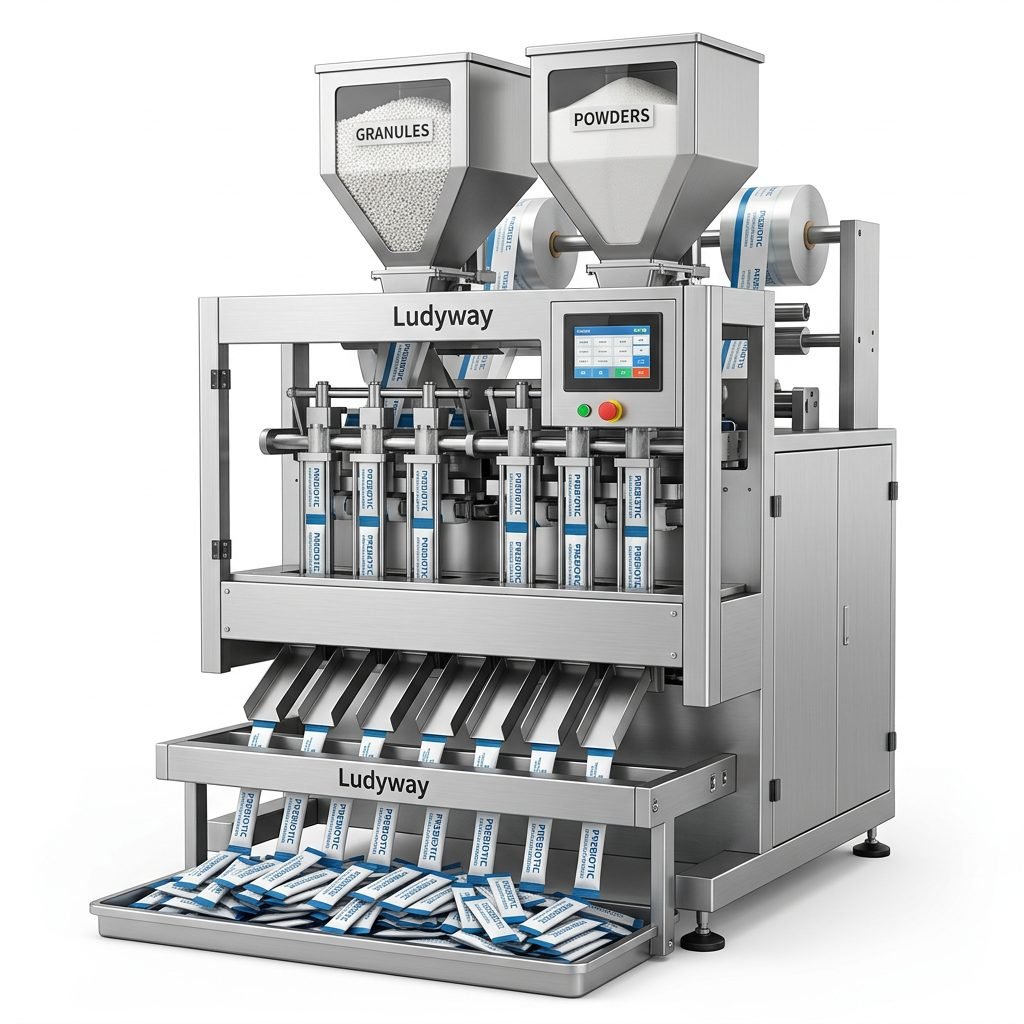
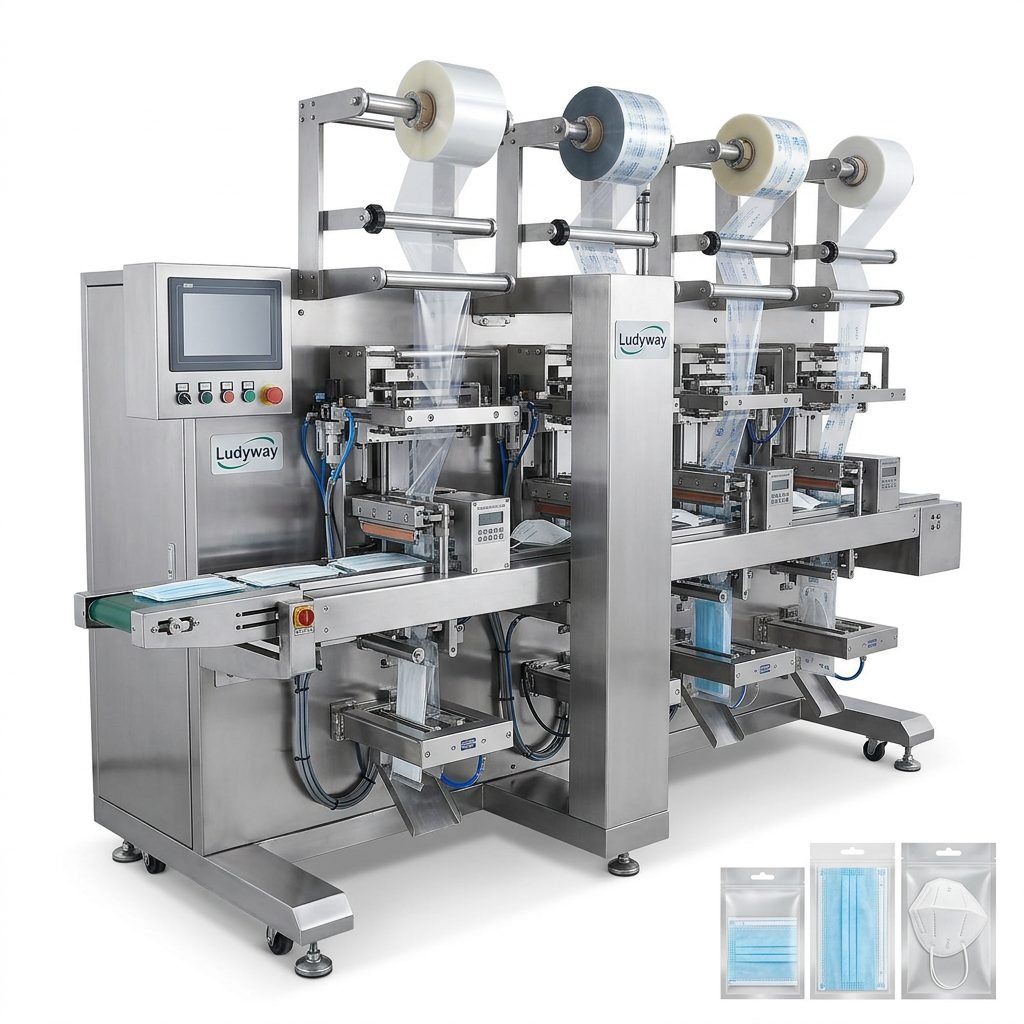
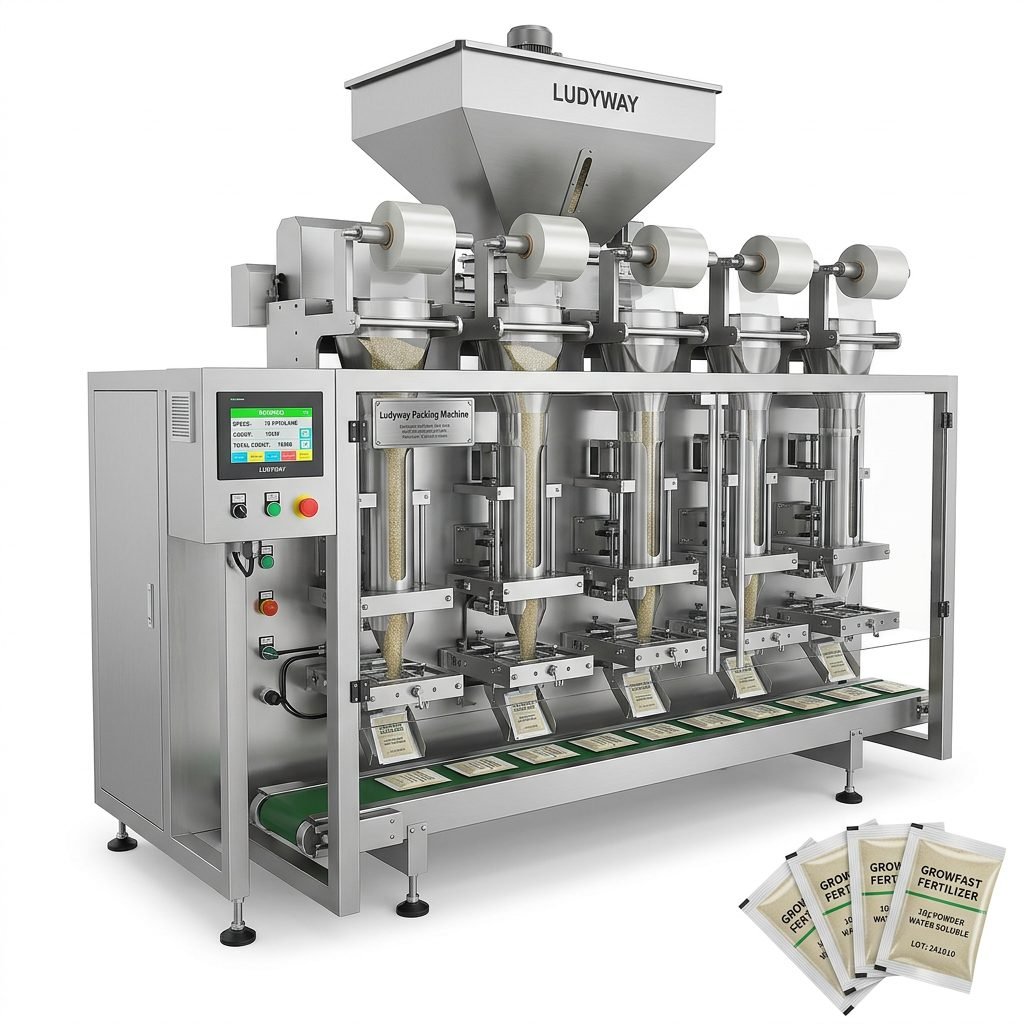
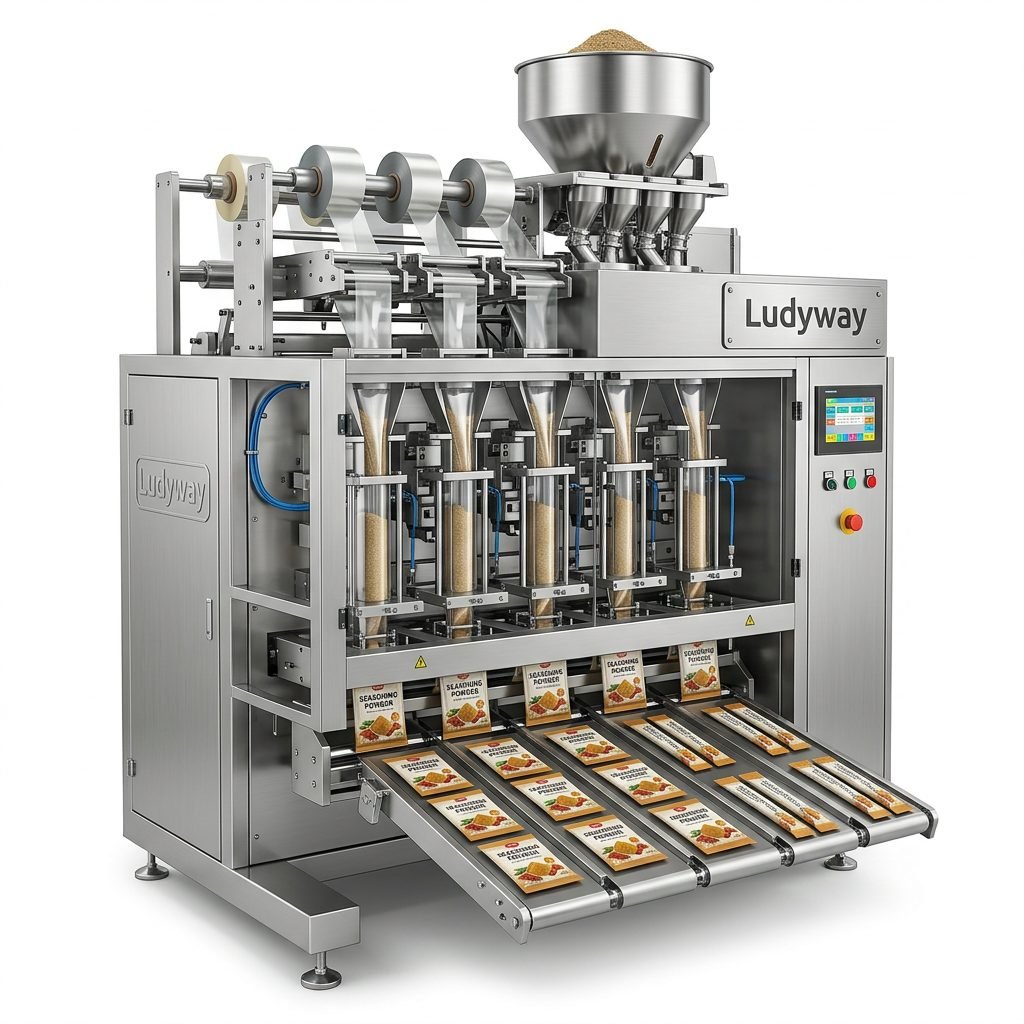
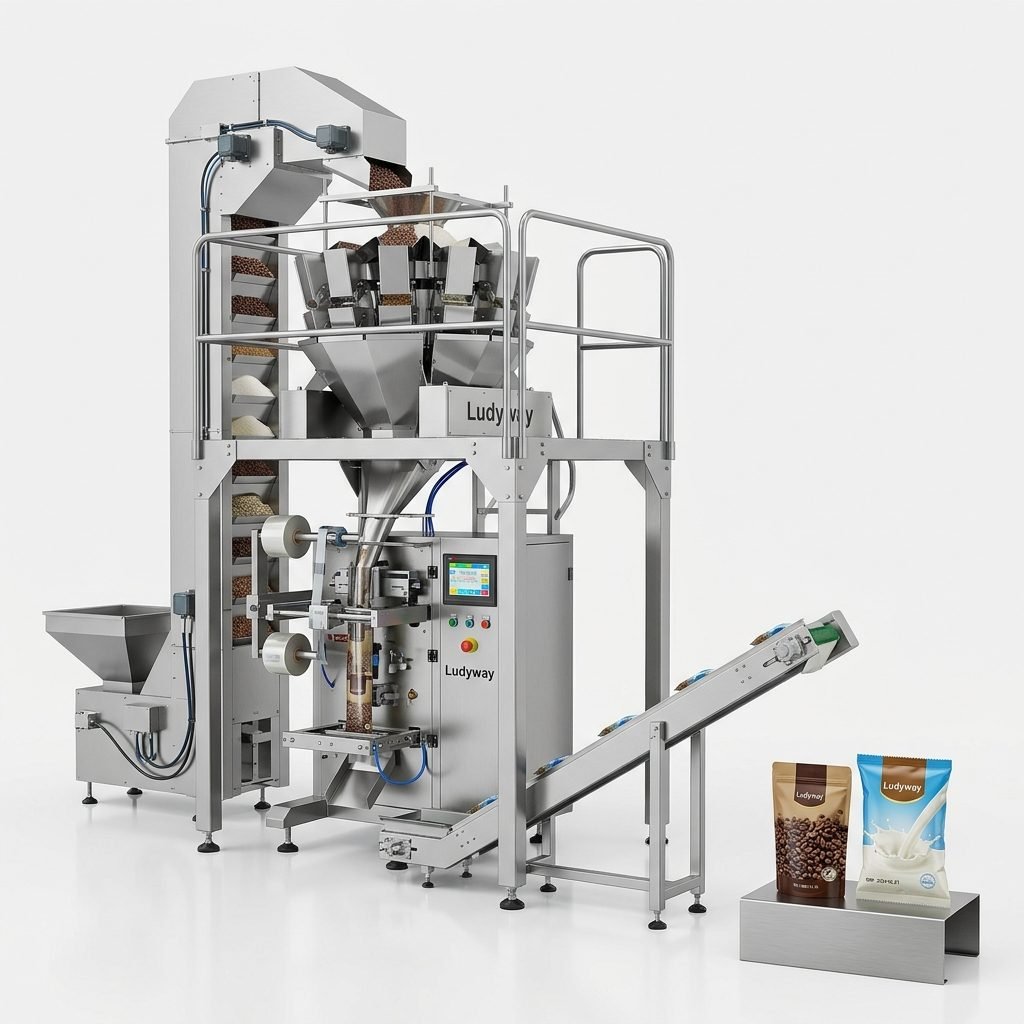
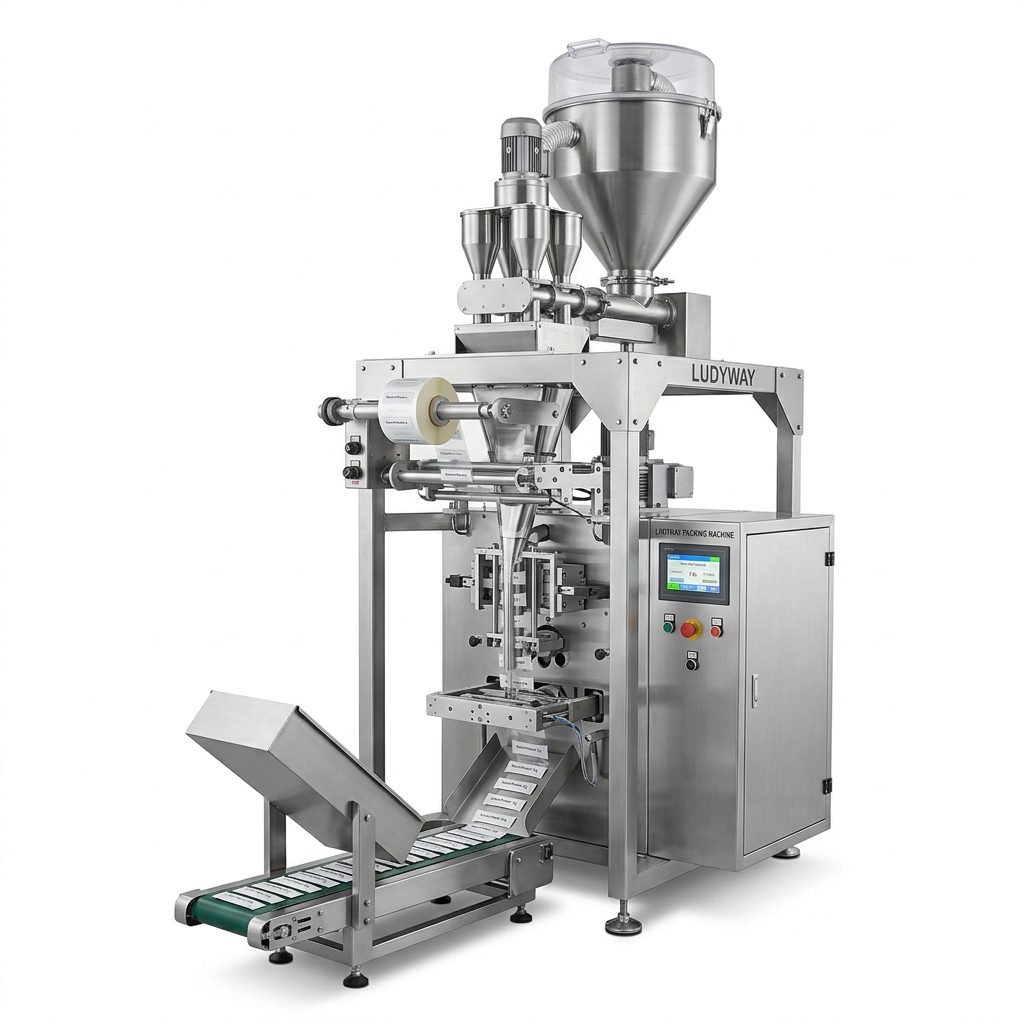
In the fast-paced world of tea production, efficiency and presentation are paramount. An automatic tea bag packaging machine is a critical investment for any business looking to scale operations, ensure product consistency, and meet modern market demands. This comprehensive guide delves into the different types of machines available, their key features, an overview of pricing, and essential factors to consider when making your selection.
Understanding the Different Types of Automatic Tea Bag Packaging Machines
The market offers a variety of automated packaging solutions tailored to different production scales and tea bag styles. Choosing the right type is the first step toward optimizing your packaging line.
Single-Channel vs. Multi-Channel Machines
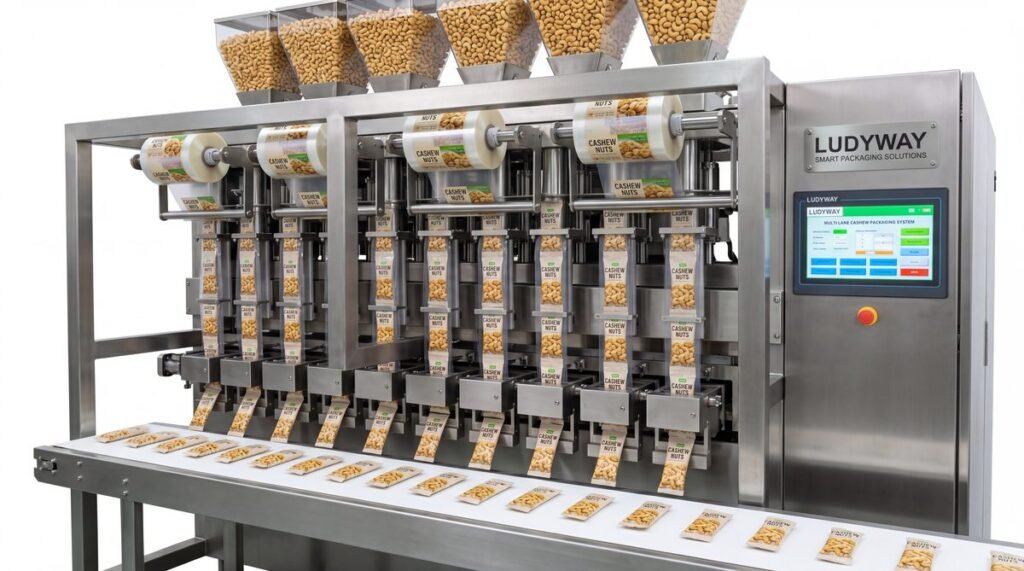
Single-channel machines are ideal for smaller operations or businesses with limited production variety. They package one stream of tea bags at a time, offering simplicity and a lower initial investment. In contrast, multi-channel machines can handle several packaging lanes simultaneously, dramatically increasing output. For producers targeting large retail chains or export markets, a multi-lane system is often indispensable for meeting high-volume orders efficiently.
Stick Pack vs. Sachet Packaging Machines
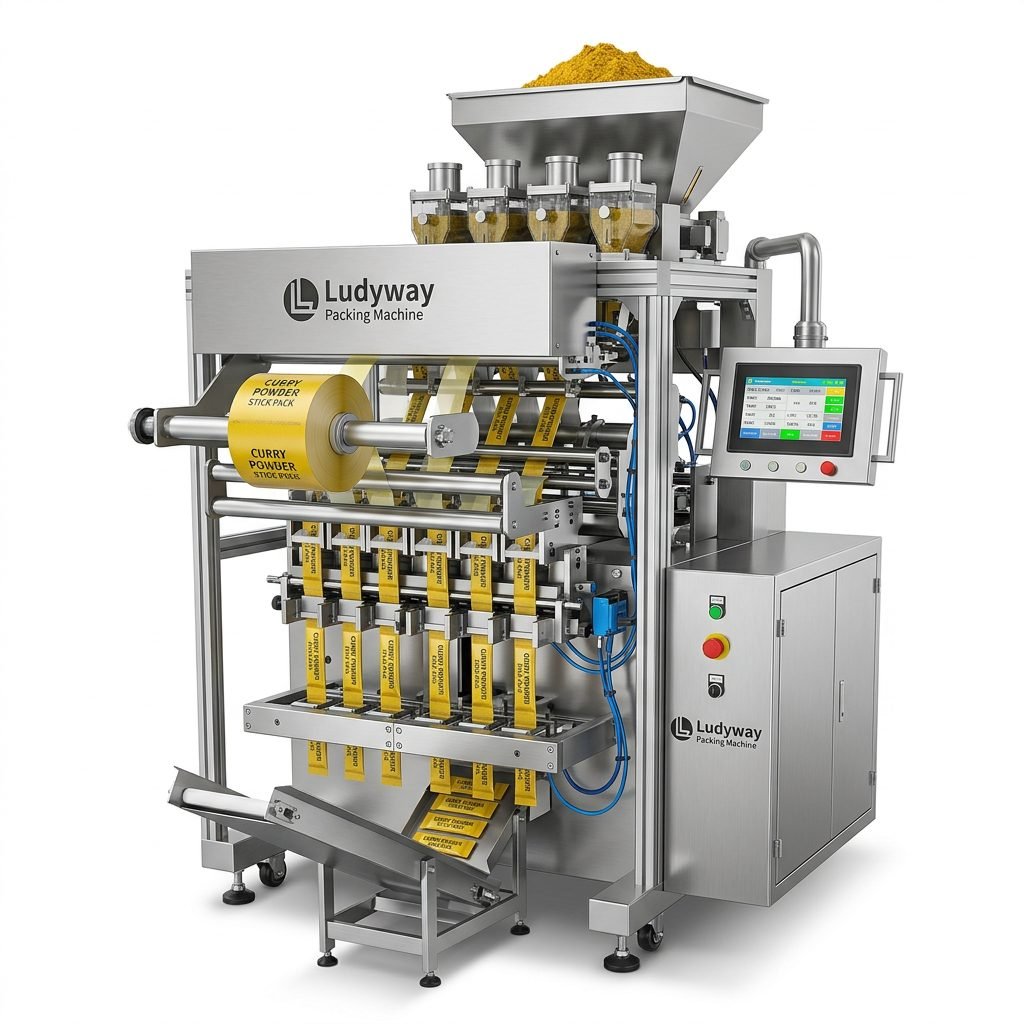
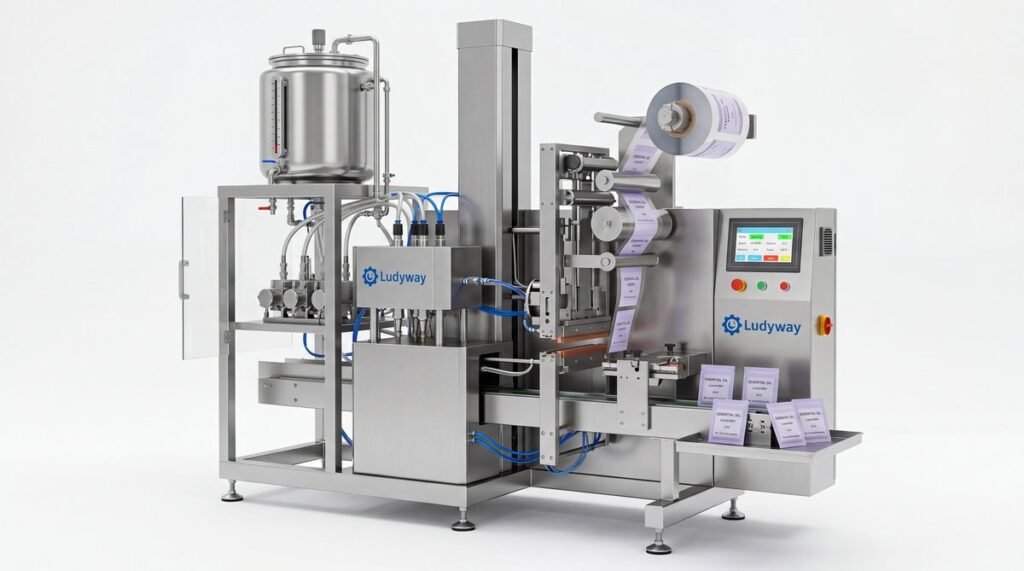
The choice between stick pack and sachet often depends on the product format and market preference. Stick pack machines are designed for long, slender packets commonly used for single-serving instant tea, matcha, or powdered blends. They are space-efficient and popular for on-the-go consumption. Sachet packaging machines create the traditional, rectangular tea bag envelopes. They are versatile and can handle a wider range of tea bag styles, including those with strings and tags. Some advanced models can even produce pyramid-shaped sachets, which are favored for allowing more room for whole tea leaves to expand.
Integrated Production Line Systems
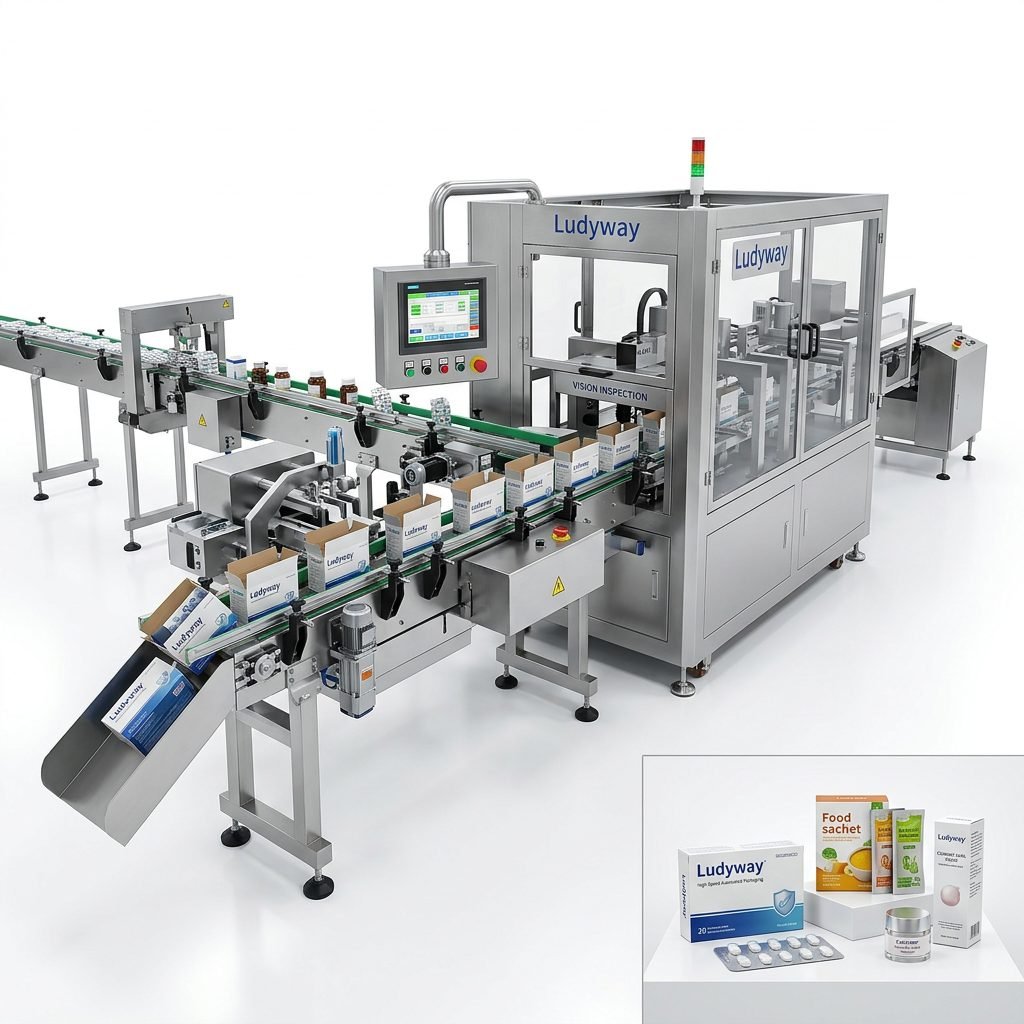
For maximum automation, an integrated turnkey line is the ultimate solution. These systems combine multiple functions—such as tea bag forming, filling, sealing, tagging, and cartoning—into one seamless process. Investing in a complete line from a single supplier like Ludyway Machinery ensures compatibility between components, reduces manual handling, and minimizes the footprint of your production area.
Key Features to Look for in a Quality Machine
Beyond the basic type, several advanced features define a machine’s performance, reliability, and suitability for your specific needs.
Precision Filling and Dosing Systems
Consistency in every bag is non-negotiable. Look for machines equipped with high-precision servo-driven auger fillers or volumetric cup fillers. These systems ensure each tea bag receives the exact weight of tea, whether it’s fine powder, granules, or whole leaves. This accuracy reduces product giveaway, ensures compliance with labeling laws, and guarantees a uniform customer experience.
Advanced Sealing Technology
The seal protects the product’s freshness and integrity. Modern machines use ultrasonic sealing or constant-heat sealing technologies. Ultrasonic sealing is excellent for synthetic materials and creates a strong, clean seal without external heat. Constant-heat sealers are robust and reliable for a wide range of packaging films. A good seal prevents aroma loss and protects against moisture and contaminants.
User-Friendly PLC Control & HMI Interface
Operation should be intuitive. A machine with a Programmable Logic Controller (PLC) and a clear Human-Machine Interface (HMI) touchscreen allows for easy parameter setting, recipe storage, and quick changeovers between different tea products. This minimizes downtime and reduces the training required for operators.
Material Compatibility and Flexibility
Your machine must work with your chosen packaging materials. Ensure the machine is compatible with various filter papers, non-woven fabrics, and laminates (like PET/AL/PE). Flexibility to run different bag sizes and shapes without extensive tooling changes is a significant advantage for product diversification. For insights into material solutions, explore our packaging solutions page.
Investment Guide: Understanding Machine Pricing
The price of an automatic tea bag packaging machine varies widely, typically ranging from $20,000 to over $150,000. This broad spectrum is influenced by several key factors.
Primary Cost Factors:
Production Capacity (Speed): Machines with higher output (e.g., 200 bags/min vs. 80 bags/min) command a higher price due to more robust mechanics and controls.
Level of Automation: A basic bagging machine costs less than a fully integrated line with automatic cartoning and palletizing.
Machine Configuration & Features: Additional features like nitrogen flushing for freshness, built-in checkweighers, or vision inspection systems add to the cost but also add value.
Brand and Supplier Expertise: Established brands with proven reliability and strong technical support, such as Ludyway, may have a premium that reflects their 30+ years of industry experience and comprehensive service network.
Consider the Total Cost of Ownership (TCO), not just the purchase price. This includes long-term costs for maintenance, spare parts, energy consumption, and potential downtime. A slightly more expensive but reliable machine from a reputable supplier often proves more economical over a 10-year lifespan.
How to Choose the Right Machine for Your Business
Selecting the perfect machine requires a careful assessment of your current and future business needs.
1. Assess Your Current and Projected Production Volume
Be realistic about your output. Buying an oversized machine leads to unnecessary capital expenditure and underutilization. An undersized machine becomes a bottleneck. Analyze your sales forecasts for the next 3-5 years to choose a machine with suitable capacity and room for growth.
2. Define Your Product Specifications
List all the tea varieties you package. Consider bag dimensions, shape, material, and whether you need features like a string and tag. Ensure the machine you select can handle your entire product range or can be easily adjusted to do so.
3. Evaluate Supplier Credibility and Support
The supplier is as important as the machine. Look for a partner with:
- A strong track record and positive customer testimonials.
- The ability to provide localized after-sales service, training, and spare parts.
- Offerings like factory acceptance tests (FAT) and installation support.
Suppliers with extensive experience, like those with a 20,000㎡ modern production facility, are often better equipped to deliver quality and support.
4. Plan for Integration and Future Expansion
Think about how the new machine will fit into your existing line. Discuss integration challenges with the supplier. Also, consider if the machine’s design is modular, allowing you to add functions (like a cartoner) later as your business expands.
5. Request a Live Demo or Trial
Never buy based on specifications alone. Insist on a live demonstration using your actual tea and packaging materials. This is the best way to verify speed, accuracy, and the quality of the final packaged product. For more on our testing process, see our company history of practical innovation.
Frequently Asked Questions (FAQs)
1. What is the typical speed range for an automatic tea bag packaging machine?
Speeds vary significantly. Basic models may operate at 60-100 bags per minute (bpm), while high-end multi-lane machines can achieve 200-400 bpm or more. The right speed depends entirely on your production volume requirements.
2. Can one machine handle different types of tea (e.g., loose leaf and powdered)?
Yes, but it requires a versatile filling system. Machines with interchangeable augers or dosing cups can switch between granular/fine powder and larger leaf teas. However, changeover time and possible adjustments should be discussed with the supplier.
3. How important is after-sales service when purchasing?
Extremely important. Reliable technical support, readily available spare parts, and operator training are crucial for minimizing downtime and ensuring the long-term productivity of your investment. Choose a supplier known for strong customer support.
4. What packaging materials are compatible with these machines?
Most modern machines are designed to work with heat-sealable filter paper, non-woven fabric, and various laminated films (e.g., paper/PE, PET/AL/PE). It’s essential to provide your material samples to the machine supplier for compatibility testing before purchase.
5. Are these machines suitable for small businesses or startups?
Absolutely. There are semi-automatic and smaller-capacity fully automatic models designed for lower initial output. These allow small businesses to automate their packaging, improve consistency, and grow into higher-volume machines later without sacrificing early-stage quality.