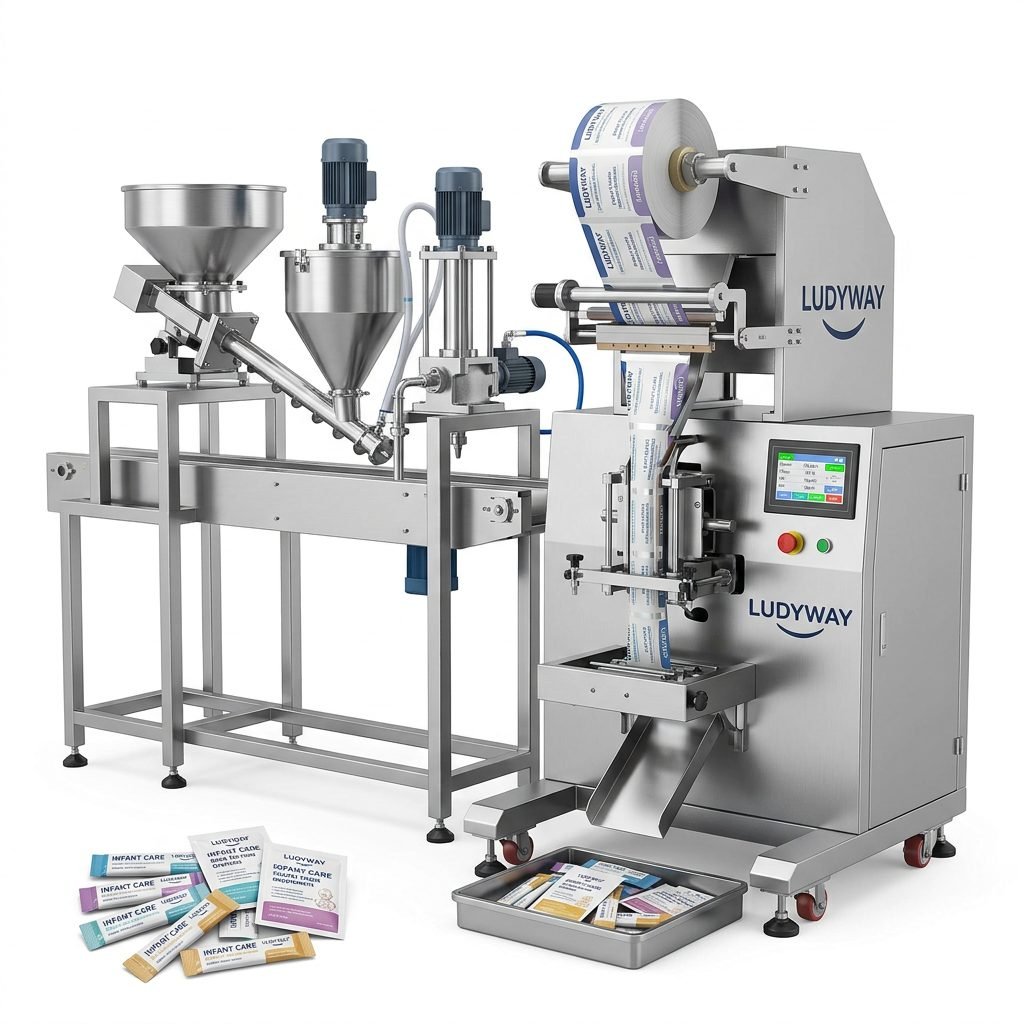
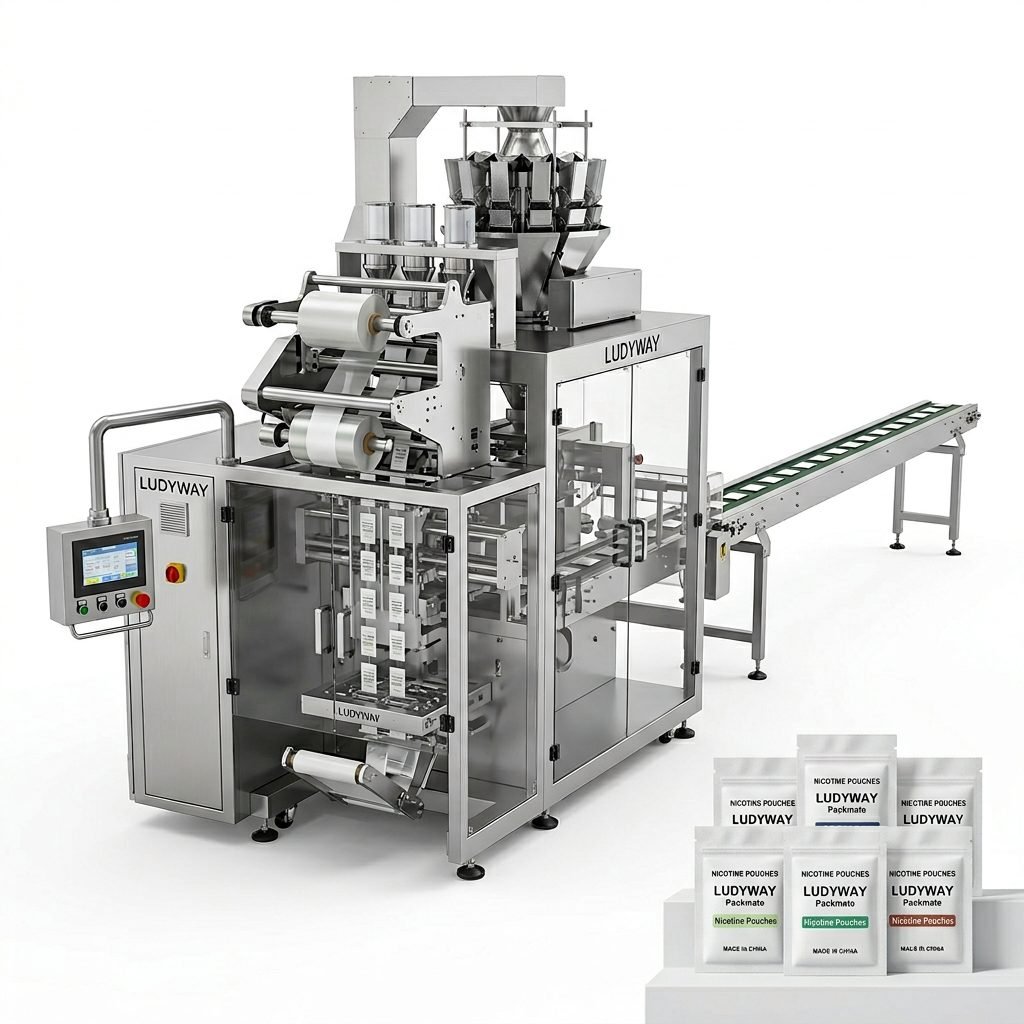
In bottled water production, the final packing stage directly affects throughput, labor cost, shipment efficiency, and product protection. An automatic water bottle packing machine helps manufacturers move from manual or semi-automatic end-of-line work to a faster, more stable, and more scalable packing process. Whether you run a small bottled water factory or a high-output beverage plant, the right packing system can significantly improve line performance.
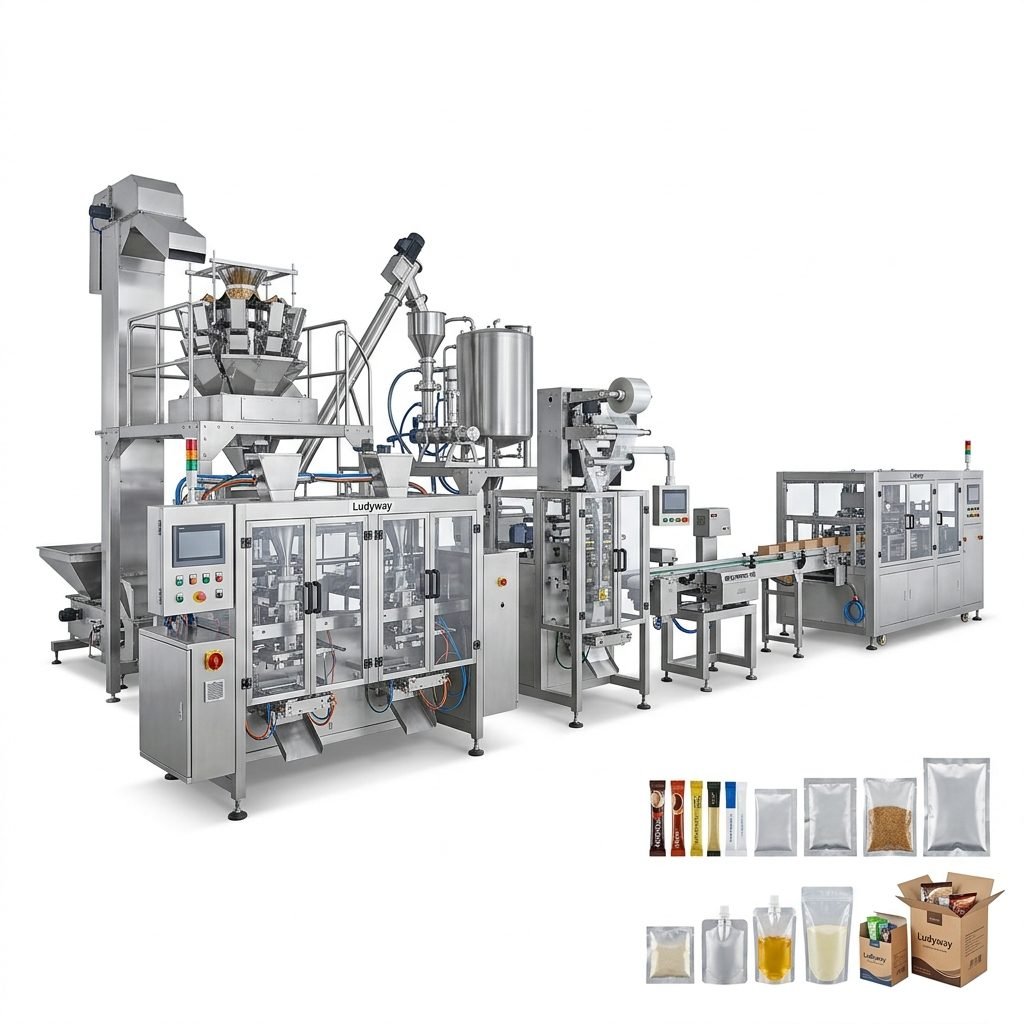
What Is an Automatic Water Bottle Packing Machine?
An automatic water bottle packing machine is an end-of-line packaging solution designed to collect, arrange, wrap, case pack, seal, or bundle bottled water containers after filling and capping. These systems are commonly used for PET bottled water in multiple pack formats, including:
- Shrink-wrapped bottle packs
- Carton-packed water bottles
- Tray + film packs
- Cluster packs for retail distribution
- Secondary packaging for warehouse and logistics handling
In modern beverage plants, the machine is usually integrated with conveyors, bottle collating units, sleeve wrappers, carton sealers, coding systems, and palletizing equipment to create a continuous automated packing workflow.
Why High-Speed Packing Matters in Bottled Water Production
Bottled water is a high-volume, low-margin product category. That means profitability often depends on operational efficiency. If the packing stage cannot keep pace with the filling line, the entire production system slows down. High-speed automatic bottle packing equipment helps solve this problem by maintaining stable downstream movement and reducing human intervention.
- Increased output: Keeps up with fast filling and capping lines.
- Lower labor dependency: Reduces manual grouping, wrapping, and boxing work.
- Better pack consistency: Improves retail-ready appearance and transport safety.
- Reduced downtime: Supports continuous production with reliable automation.
- Improved logistics efficiency: Makes storage, shipping, and palletizing easier.
Core Functions of a Modern Water Bottle Packing System
A complete automatic packing solution for bottled water usually includes several coordinated modules. Depending on line layout and output target, manufacturers can choose standalone units or full turnkey integration.
| Function | Purpose | Benefit |
|---|---|---|
| Bottle conveying | Transfers bottles from filling line to packing area | Smooth product flow |
| Collating and grouping | Arranges bottles into preset pack patterns | Accurate pack formation |
| Film wrapping or case packing | Creates final retail or transport pack | Secure packaging |
| Sealing and shrinking | Applies heat or tape for pack closure | Neat finish and strong protection |
| Coding and inspection | Adds batch data and checks pack quality | Traceability and quality assurance |
| Palletizing integration | Stacks finished packs for transport | Less manual handling |
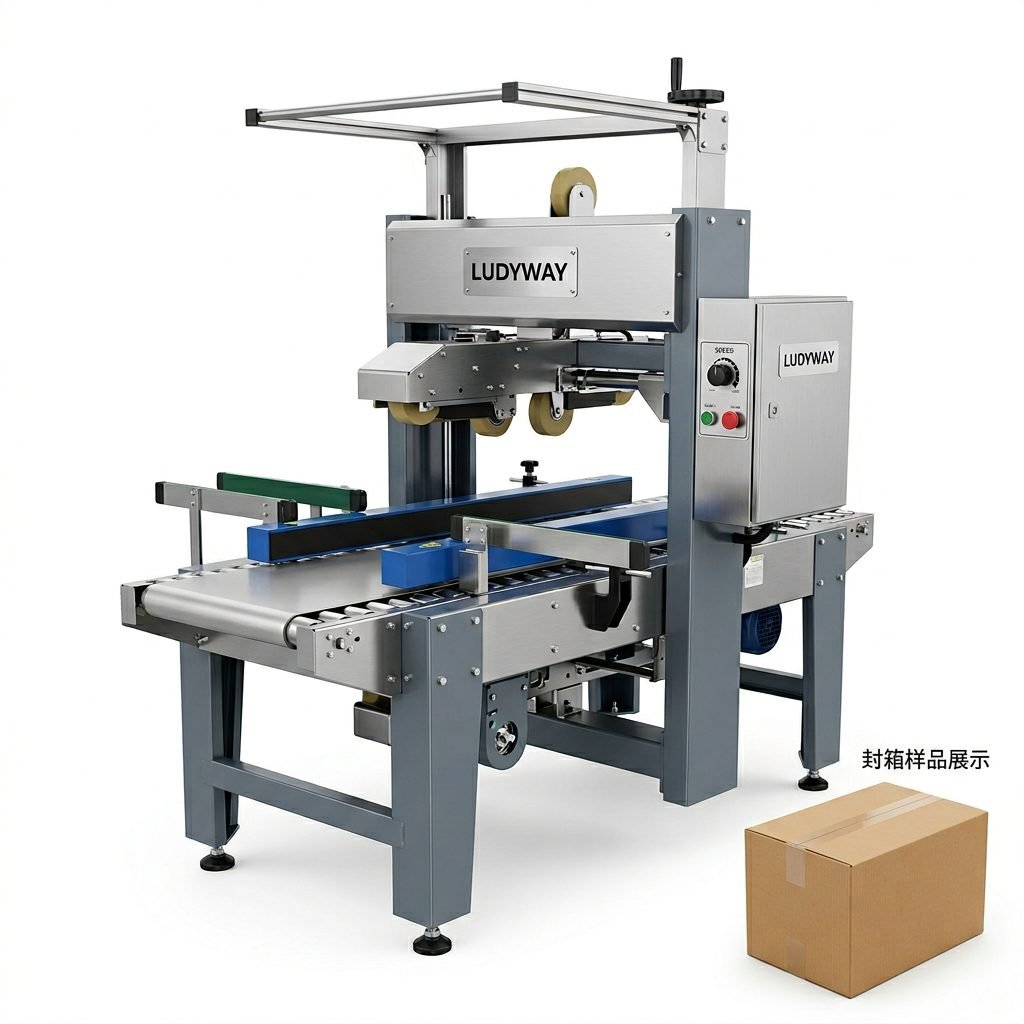
Common Pack Formats for Bottled Water
Water bottle packing machines can be configured for different production and sales channels. The most suitable pack style depends on bottle size, market positioning, transportation conditions, and retailer requirements.
1. Shrink Film Packs
A popular option for 330ml, 500ml, 1L, and 1.5L bottled water. Bottles are grouped and wrapped with shrink film to form compact multipacks. This format is cost-effective and widely used in supermarkets, convenience stores, and wholesale channels.
2. Tray Shrink Packs
Bottles are placed on cardboard trays and then wrapped with film. This provides extra base support and is especially suitable for larger bottles or long-distance shipping.
3. Carton Packing
Used when stronger protection, premium presentation, or organized retail display is required. Automatic cartoning and carton sealing improve shipping stability and brand appearance.
4. Loose Bottle Case Packing
Ideal for distribution centers and bulk transportation where final retail bundling is not necessary. Bottles are packed into corrugated cases for efficient logistics handling.
Key Features to Look for in an Automatic Water Bottle Packing Machine
Choosing the right system is not only about speed. It should also match your bottle design, pack sizes, plant layout, and future expansion goals.
- High-speed synchronization with upstream filling and capping lines
- Flexible bottle size changeover for multiple SKUs
- Stable bottle handling to prevent tipping, scratching, or misalignment
- Servo-driven control systems for precise operation
- User-friendly HMI interface for easy adjustment and monitoring
- Compact line integration for space-efficient installation
- Durable machine structure for long production cycles
- Low maintenance design to reduce stoppages
Benefits of Automation for Bottled Water Manufacturers
Manual secondary packaging may work for low volumes, but as demand grows, automation becomes a strategic investment. A high-speed packing system helps manufacturers standardize output and improve profitability across the whole line.
| Operational Challenge | Automatic Solution | Result |
|---|---|---|
| Labor-intensive manual packing | Automated grouping and wrapping | Lower labor cost |
| Inconsistent bundle appearance | Precision pack formation | Better shelf presentation |
| Packing bottlenecks | Continuous high-speed operation | Higher line efficiency |
| Transport damage | Reliable sealing and sturdy pack design | Reduced product loss |
| Difficult SKU switching | Adjustable machine settings | More flexibility |
Industries and Production Scenarios That Use Bottle Packing Automation
Although primarily associated with bottled water, similar packing technologies are also used in other beverage and liquid product lines. This makes the equipment especially attractive for manufacturers with diversified product portfolios.
- Pure water production lines
- Mineral water bottling plants
- Sparkling water packaging lines
- Functional beverage production
- Juice and flavored drink bottling
- Dairy and nutritional liquid lines
How to Choose the Right Packing Machine for Your Bottled Water Line
Before investing in an automatic water bottle packing machine, it is important to evaluate both current production targets and long-term growth plans. A properly matched system should support stable daily operation while leaving room for future expansion.
Consider These Factors:
- Bottle size range: 250ml, 500ml, 1L, 1.5L, 5L, or custom formats
- Production speed: bottles per minute and packs per minute
- Packaging type: film only, tray + film, carton, or case
- Factory layout: available floor space and conveyor routing
- Material compatibility: film thickness, tray specifications, carton quality
- Automation level: standalone machine or full turnkey line
- Maintenance support: spare parts, remote service, training
Turnkey Packing Lines vs Standalone Machines
Some factories only need a single shrink wrapper or case packer, while others benefit more from a fully integrated line. A turnkey project can reduce interface problems between machines and improve overall production stability.
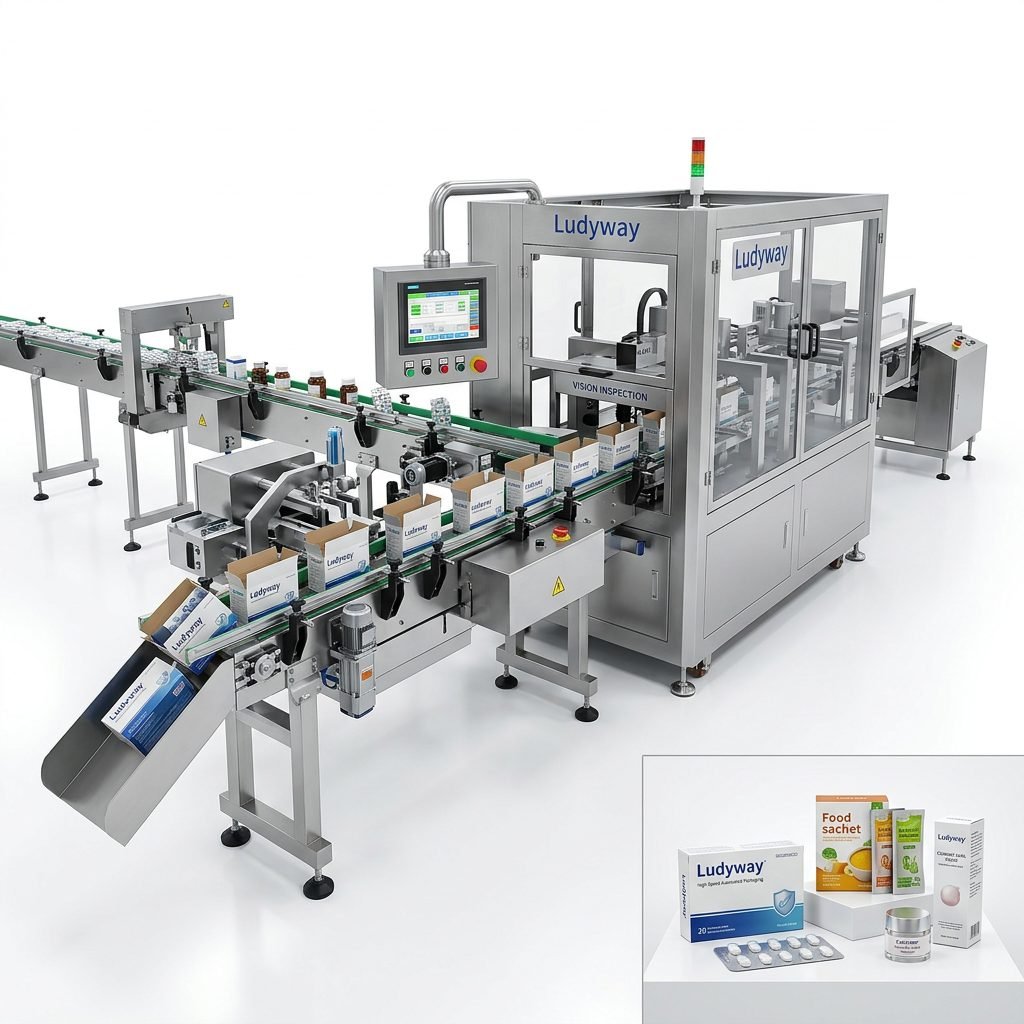
For manufacturers seeking scalable automation, Ludyway automatic packaging solutions can support both individual equipment needs and complete turnkey packaging line integration for high-output industrial environments.
Standalone Machine Advantages
- Lower initial investment
- Suitable for upgrading one section of the line
- Faster installation in some projects
Turnkey Line Advantages
- Better synchronization across all packaging stages
- Unified controls and simpler operation
- Improved efficiency and reduced compatibility issues
- More convenient future expansion
Maintenance Tips for Long-Term Performance
Even the best automatic packing system needs proper preventive maintenance. Routine inspection helps protect throughput, packaging quality, and machine life.
- Check conveyors, guides, and bottle lanes for wear or blockage.
- Inspect sealing components and cutting assemblies regularly.
- Keep sensors and photoelectric detection areas clean.
- Monitor air pressure, servo systems, and moving parts.
- Use correct packaging materials to avoid jam-related downtime.
- Train operators on changeover, safety, and troubleshooting procedures.
Why Demand for Automatic Bottle Packing Machines Is Growing
Global bottled water demand continues to grow due to convenience, urban consumption patterns, retail expansion, and increased hygiene awareness. As competition intensifies, manufacturers need faster and more intelligent packaging lines to maintain efficiency. Automatic packing systems are no longer just optional upgrades; they are becoming standard equipment for plants that want to stay competitive.
With automation, producers can respond more effectively to peak demand, reduce dependency on manual labor, improve packaging consistency, and support modern logistics requirements. For many businesses, this means a stronger return on investment over time.
Conclusion
An automatic water bottle packing machine is an essential solution for bottled water producers aiming to achieve high-speed, efficient, and reliable end-of-line packaging. From bottle collation to wrapping, cartoning, sealing, and pallet-ready output, automated systems help streamline operations and improve pack quality at scale.
If your production line is expanding or your current packing process is limiting output, investing in the right automatic bottle packing equipment can significantly enhance overall efficiency, product handling, and long-term operational performance.