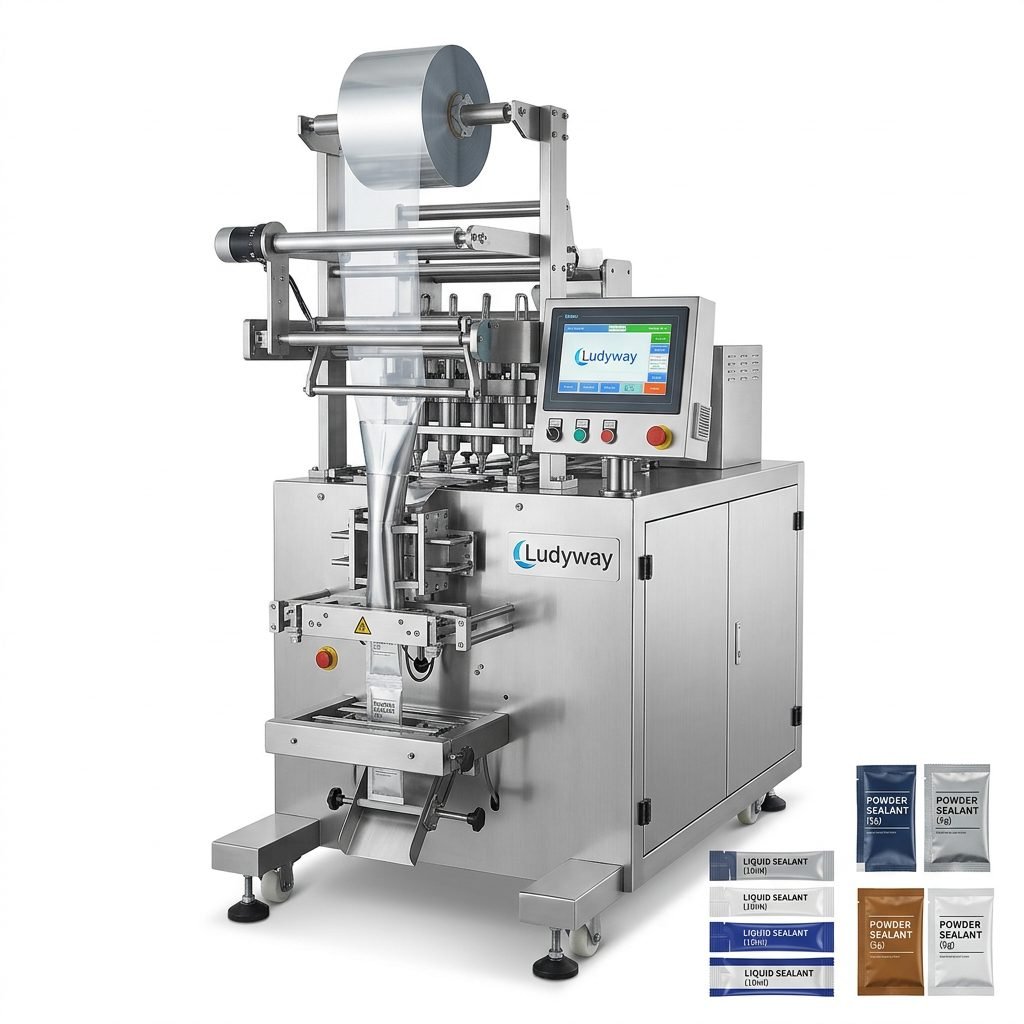
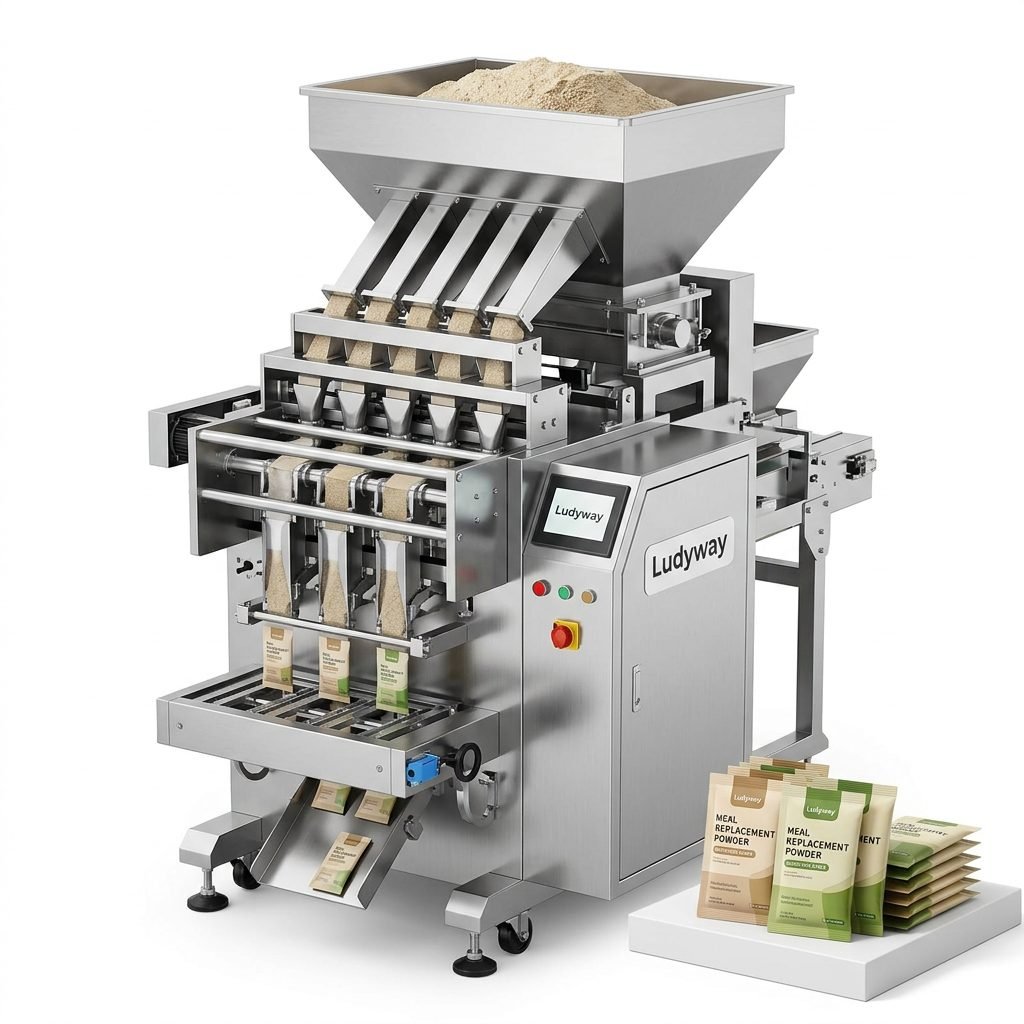
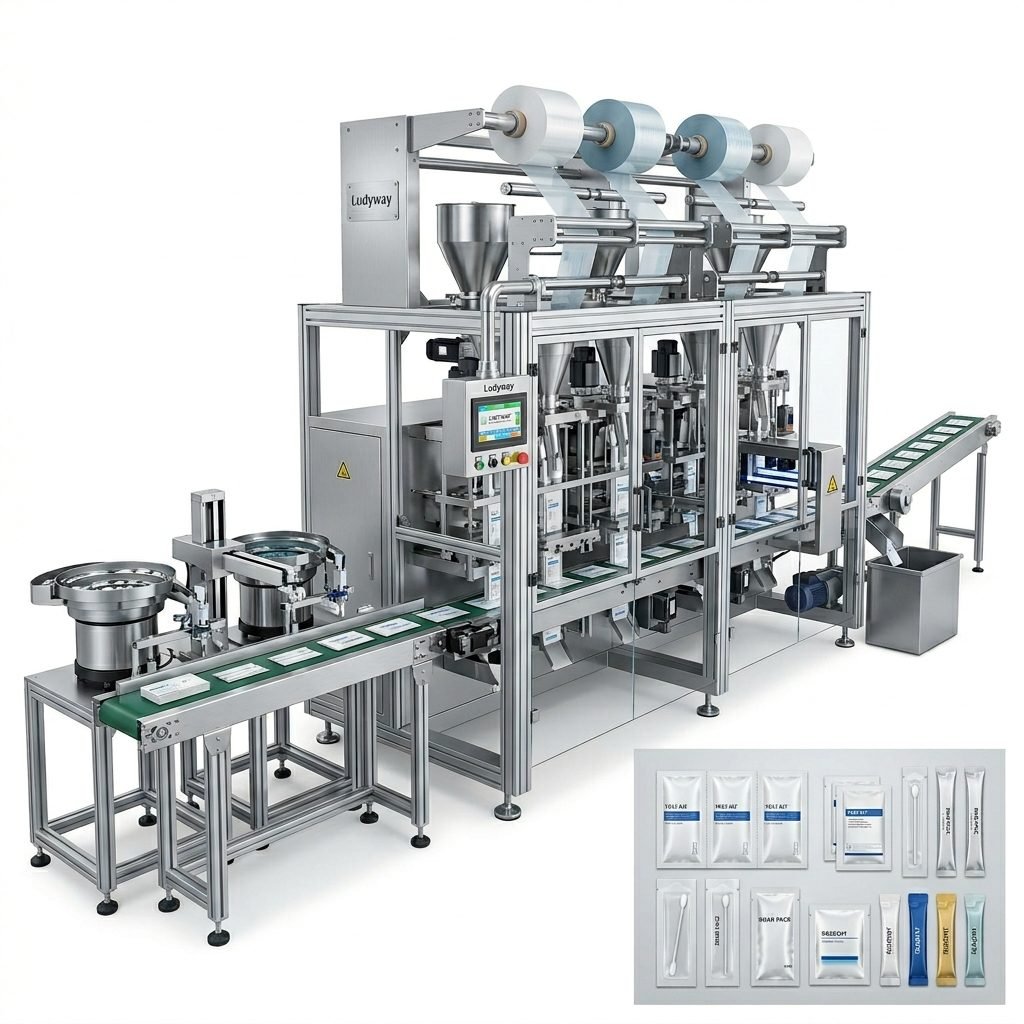
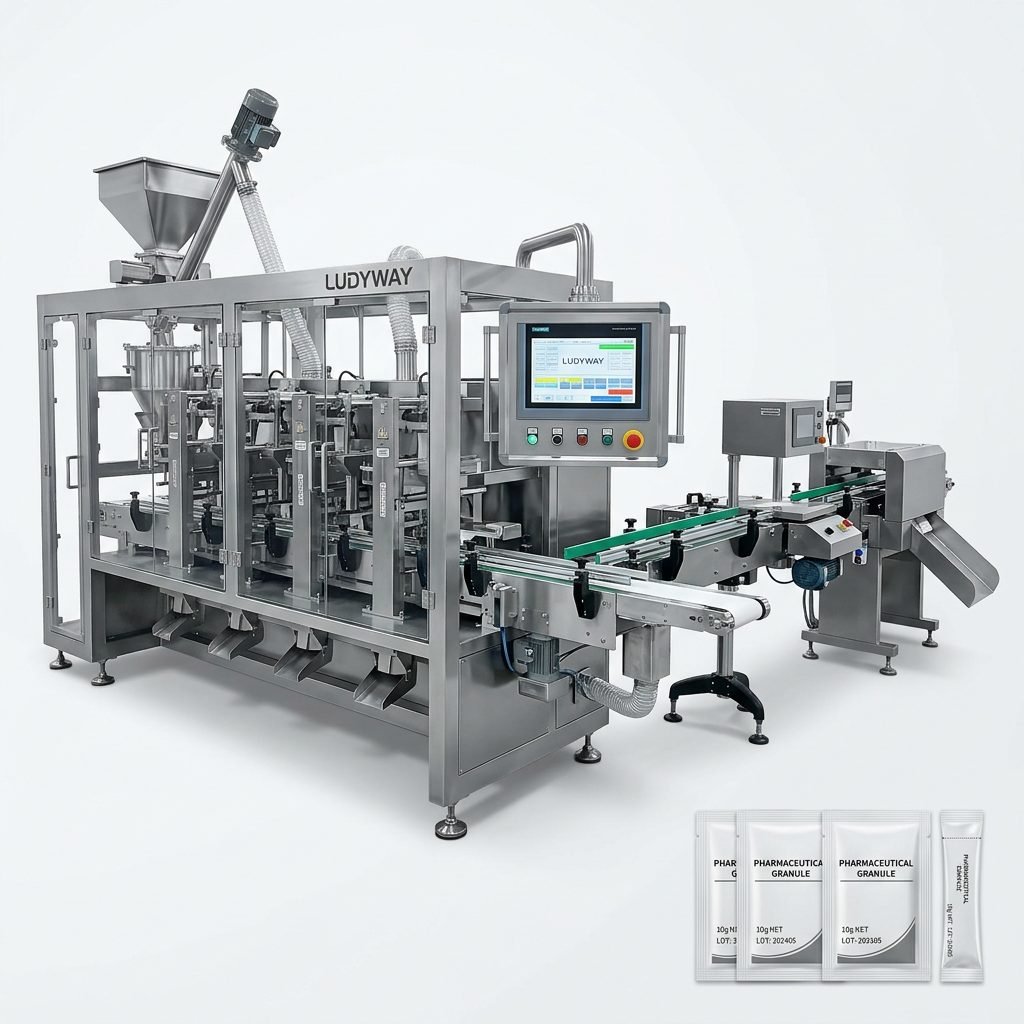
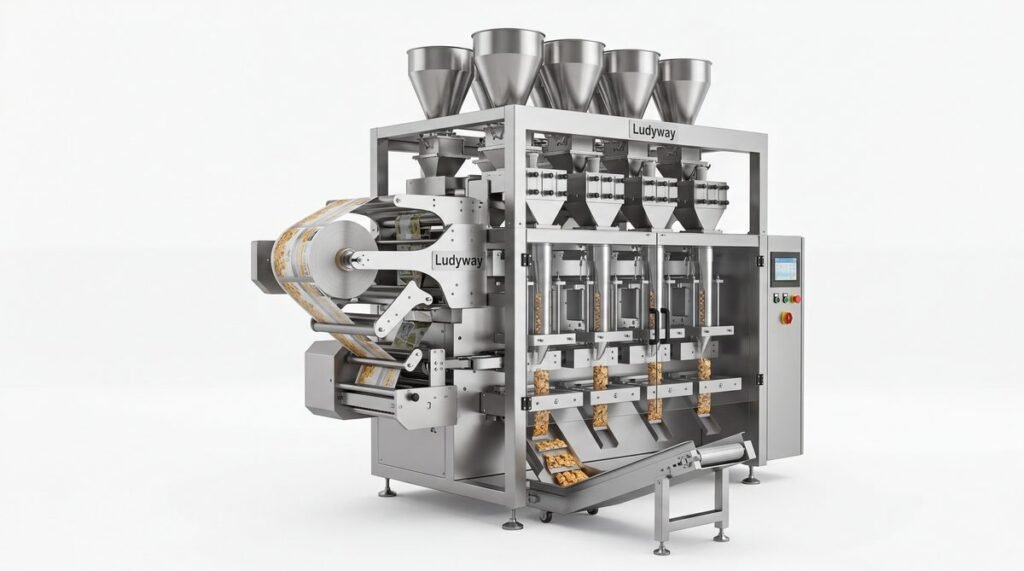
Modern manufacturers need packaging equipment that can deliver accurate weighing, stable output, and consistent bag quality without slowing production. An automatic weight packing machine is designed to meet these goals by combining dosing, weighing, bag forming, filling, sealing, and sometimes coding or inspection into one efficient workflow. For food, pharmaceuticals, chemicals, feed, and daily-use products, this type of automation helps reduce waste, improve batch uniformity, and support scalable production.
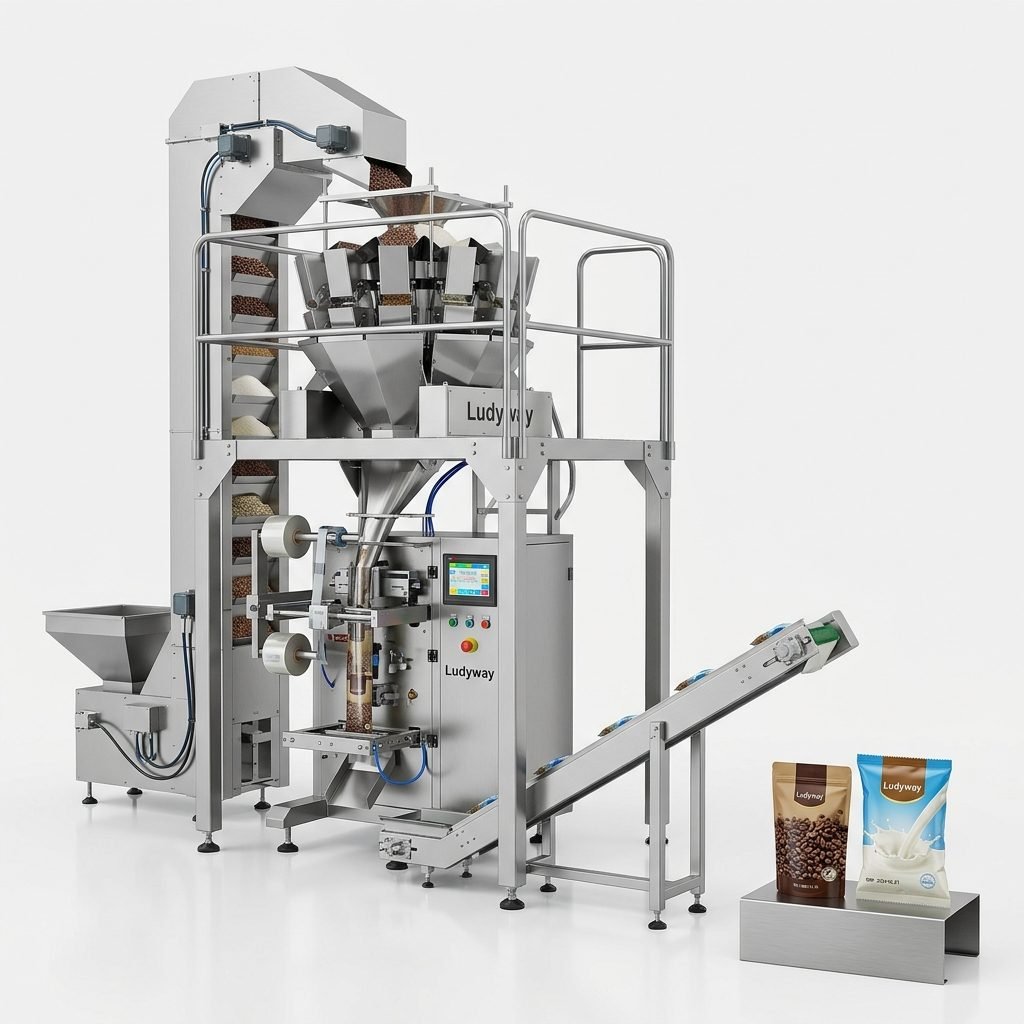
What Is an Automatic Weight Packing Machine?
An automatic weight packing machine is a packaging system that measures products by weight and fills them into bags, pouches, sachets, stick packs, or other containers with minimal manual intervention. It is commonly used for products such as:
- Granules: rice, sugar, seeds, coffee, snacks, pet food
- Powders: milk powder, spices, protein powder, additives, chemicals
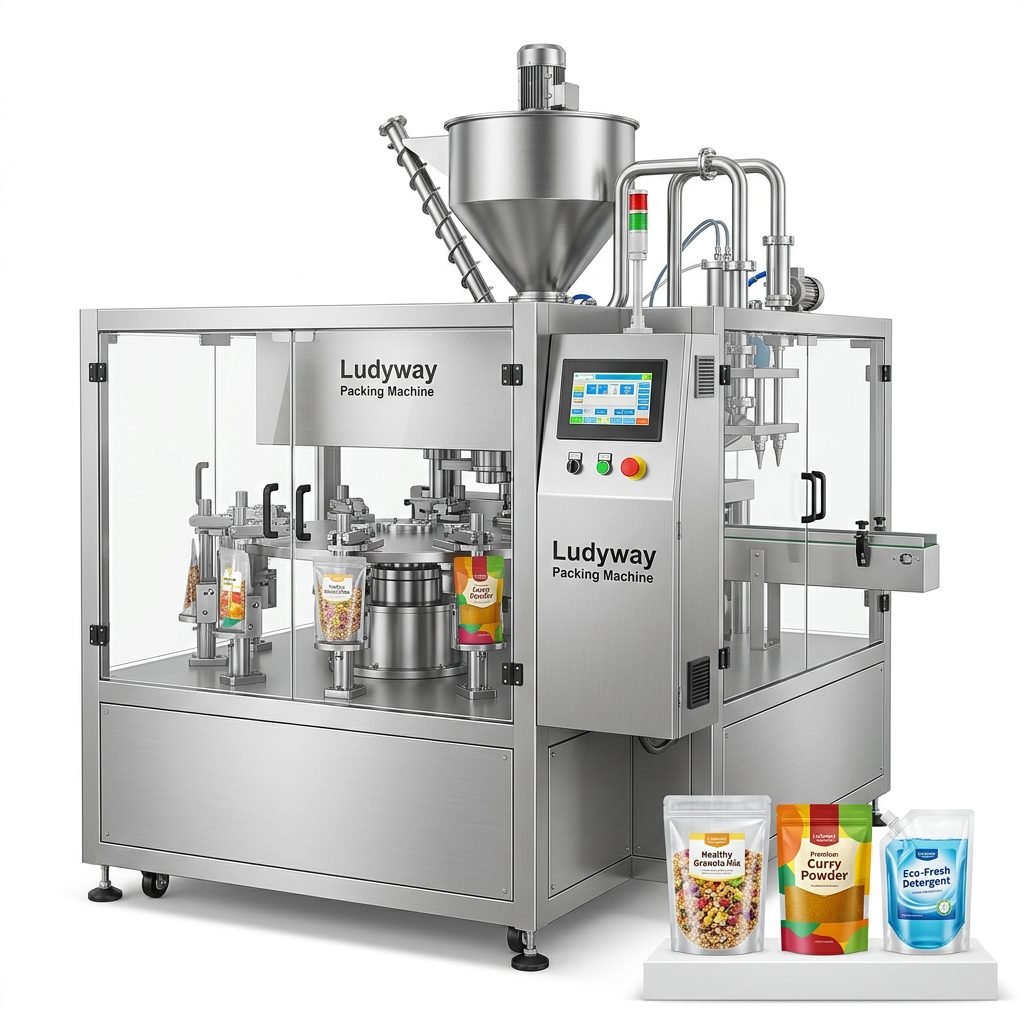
- Liquids and pastes: sauces, detergents, creams, gels
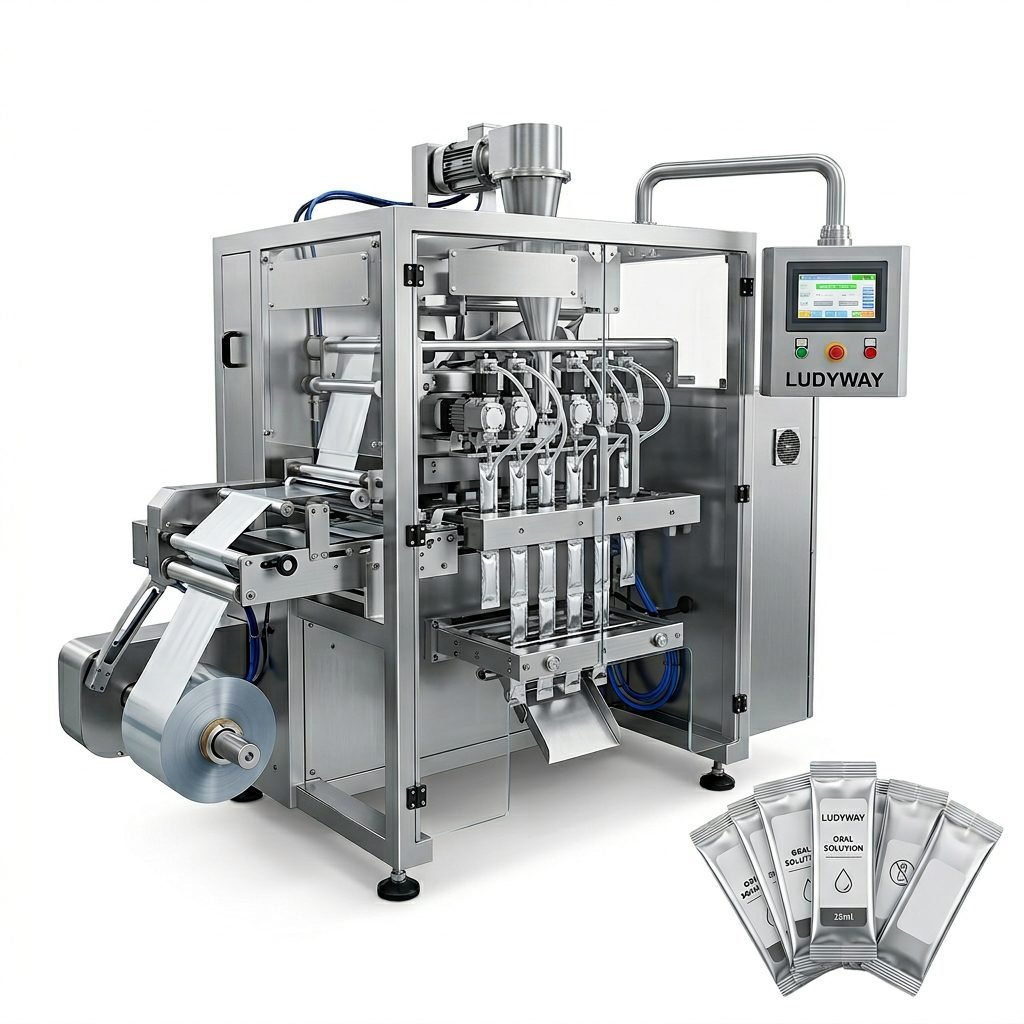
- Pharmaceutical and health products: sachets, stick packs, pouch-based dosing formats
Depending on the product type, the machine may use a multihead weigher, auger filler, linear weigher, cup dosing system, or liquid metering unit. The goal is always the same: precise filling with high repeatability.
Why Accurate Weight Control Matters
In packaging, inaccurate filling causes more than simple material loss. Underfilled bags may lead to complaints, compliance risks, or rejected shipments. Overfilled bags increase raw material cost and reduce profit margins over time. An automatic weight packing machine helps manufacturers maintain a balanced operation by improving:
- Product consistency across every pack
- Material savings through tighter filling tolerances
- Production efficiency with continuous automated cycles
- Brand reliability through better packaging appearance and uniformity
Core Benefits of Automatic Weight Packing Machines
| Benefit | How It Helps Your Production |
|---|---|
| High weighing accuracy | Reduces overfill and underfill, improving cost control and quality compliance |
| Automated operation | Cuts labor dependence and supports stable long-hour production |
| Flexible bag formats | Supports pillows, gusset bags, sachets, stick packs, premade pouches, and bulk bags |
| Faster throughput | Enables higher output than manual or semi-automatic systems |
| Better sealing and presentation | Improves retail appearance and transport reliability |
| Line integration | Can connect with feeders, conveyors, checkweighers, metal detectors, coding, cartoning, and palletizing |
Common Machine Types by Product Application
1. Granule Weight Packing Machines
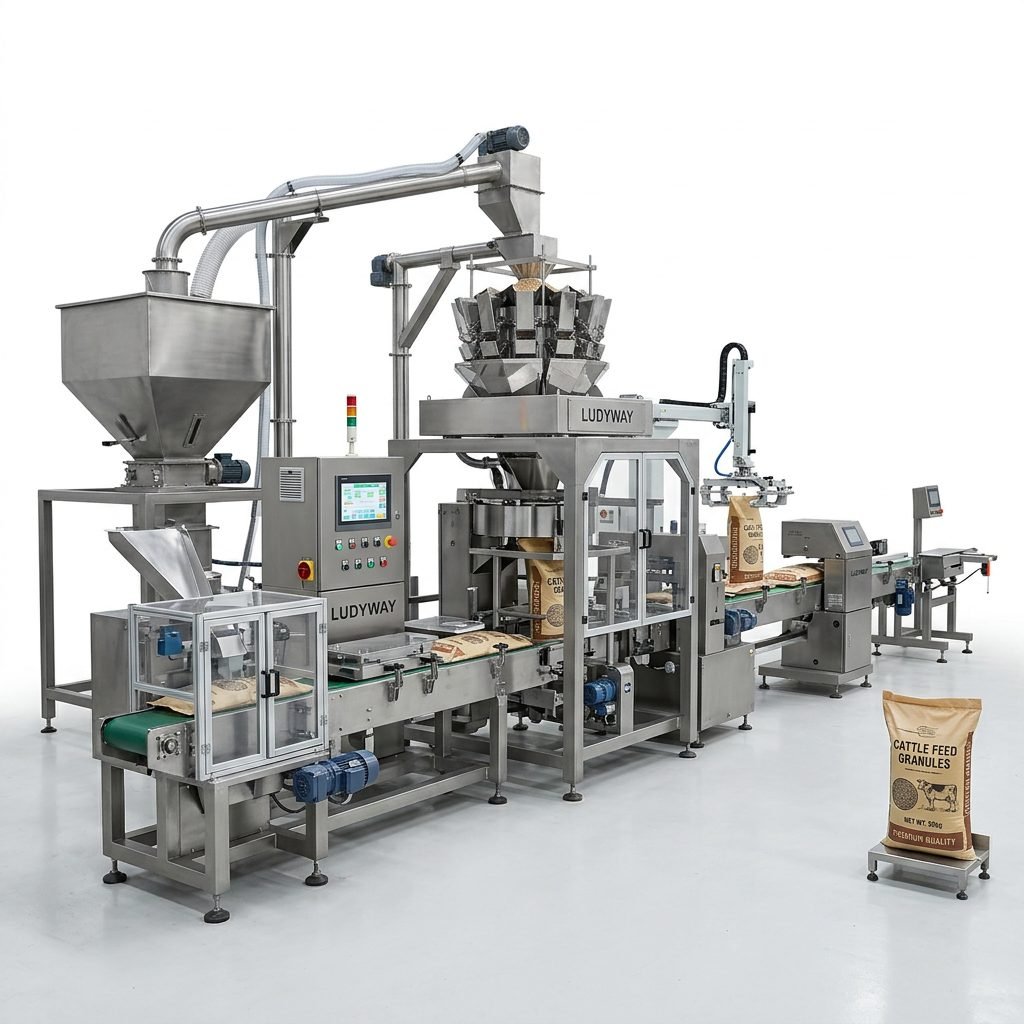
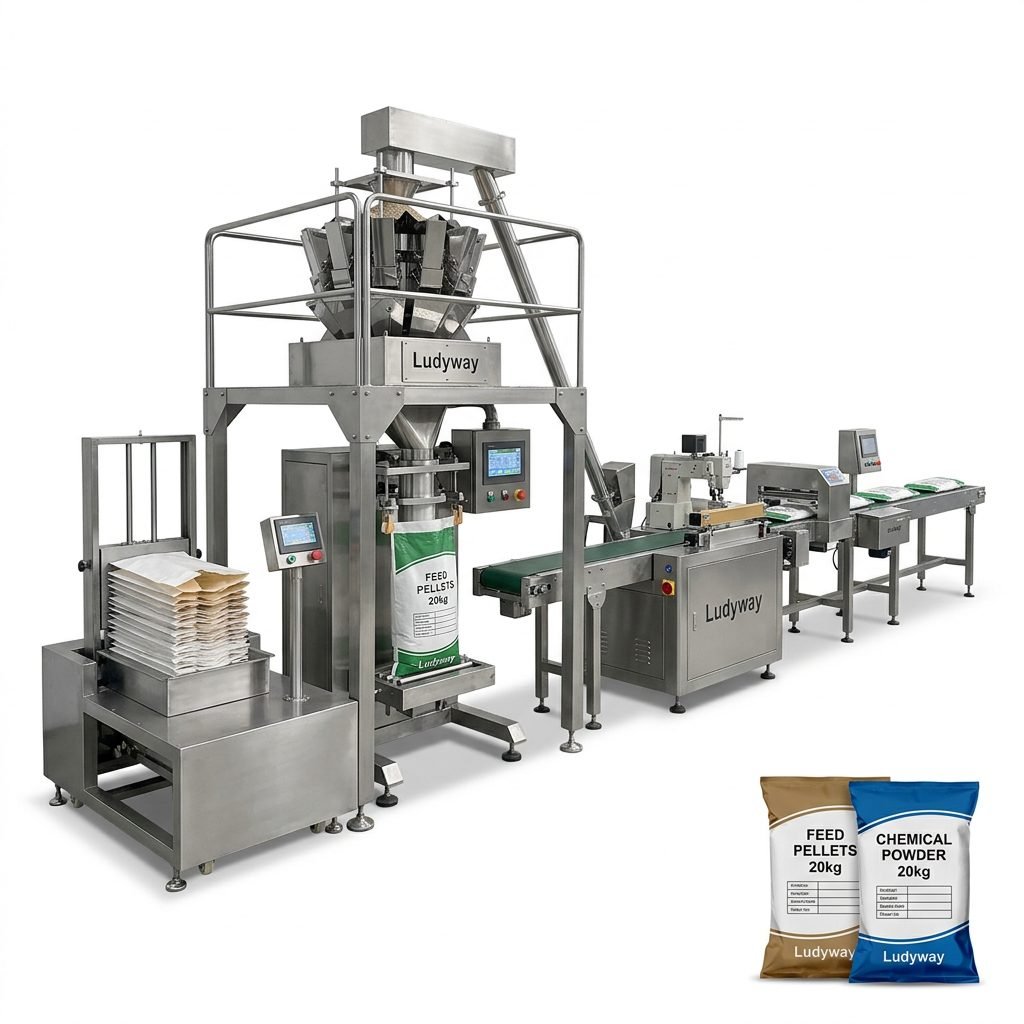
These systems are ideal for free-flowing products such as nuts, grains, beans, candy, frozen food, feed pellets, and seeds. They often use combination weighers or linear weighers to achieve both speed and precision.
2. Powder Weight Packing Machines
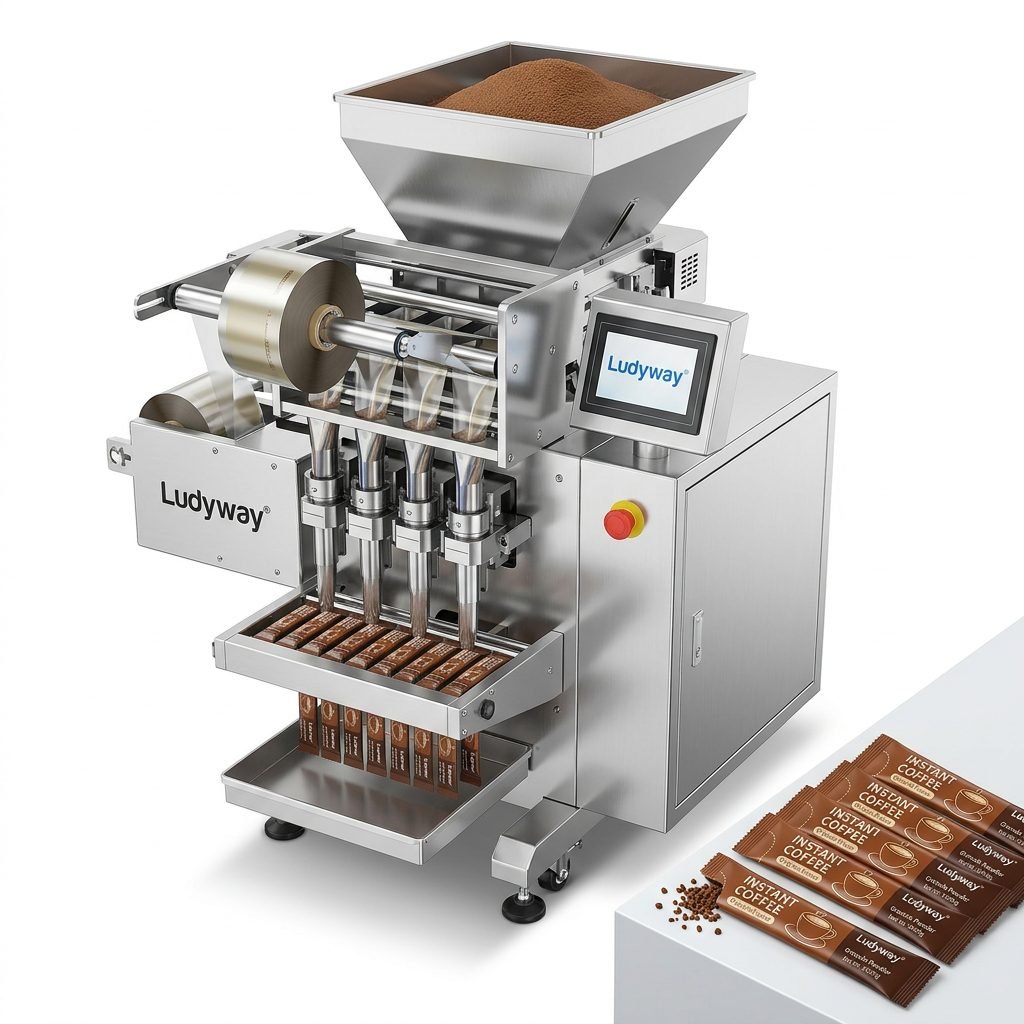
Powders such as flour, protein, spice blends, milk powder, pharmaceutical powders, and chemicals usually require auger filling technology. Dust control, anti-bridging design, and sealing stability are especially important in powder packaging.
3. Liquid and Paste Packaging Systems
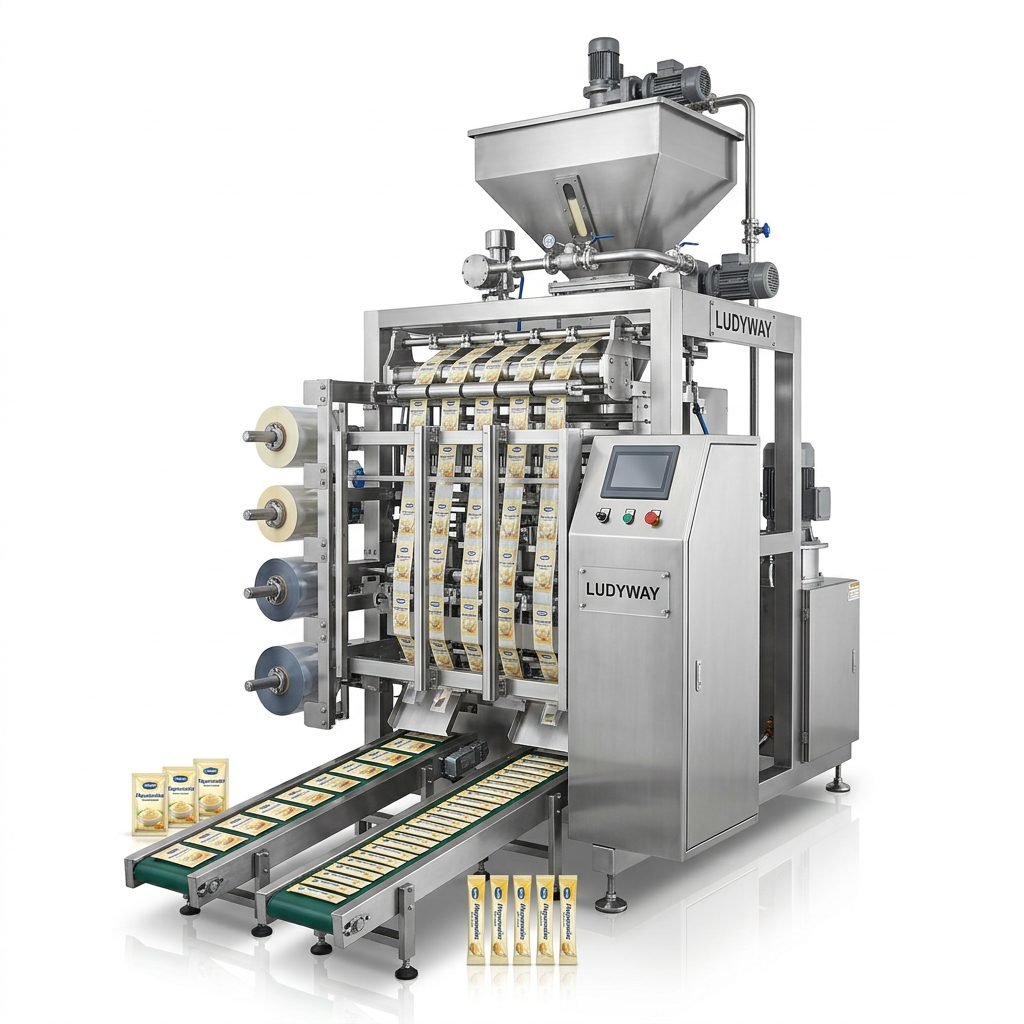
For sauces, gels, detergents, syrups, creams, and cosmetic formulations, the machine may use piston filling, pump dosing, or servo liquid dosing units. These systems are widely used for sachets and small-format flexible packaging.
Key Features to Look For
When choosing an automatic weight packing machine, buyers should evaluate more than speed alone. The right machine should match the product characteristics, target package size, factory layout, and future expansion plan.
- Weighing precision: Important for expensive or regulated products
- Packaging speed: Should fit daily output goals without sacrificing accuracy
- Material compatibility: Powder, granule, liquid, viscous paste, fragile particles, or mixed products
- Bag format flexibility: Useful for brands selling multiple SKUs
- Ease of cleaning: Essential in food, pharma, and hygiene-sensitive industries
- Control system: User-friendly HMI, recipe memory, alarm display, and parameter adjustment
- Upgrade options: Nitrogen flushing, zipper pouch handling, coding, rejection systems, inspection units
Industries That Benefit Most
Automatic weight packing technology is widely used across industries where speed and precision directly impact cost and quality:
| Industry | Typical Products | Packaging Formats |
|---|---|---|
| Food | Rice, coffee, snacks, spices, sauces, powdered drinks | Pouches, bags, sachets, stick packs |
| Pharmaceutical | Granules, powders, oral dose products, medical consumables | Sachets, blister support lines, pouches |
| Health supplements | Protein powder, collagen, probiotics, vitamins | Stick packs, sachets, jars, pouches |
| Chemical | Detergents, additives, water treatment materials | Sachets, bags, industrial packs |
| Animal feed | Pellets, premix powders, nutrition blends | Bulk bags, sacks, retail pouches |
How Automatic Packing Improves Efficiency
Compared with manual packing or entry-level semi-automatic systems, an automatic weight packing machine creates value across the full production chain. It improves workflow not only at the filling station, but also in upstream feeding and downstream case packing.
- Shorter cycle time per bag
- Reduced operator fatigue and human error
- More predictable daily and monthly output
- Cleaner packaging area with less spillage
- Better traceability when integrated with coding and inspection modules
- Lower total cost over time through reduced waste and labor savings
Important Questions Before Buying
To select the right solution, it helps to prepare a few technical details before talking with a packaging machine supplier:
- What product needs to be packed, and is it granule, powder, liquid, or paste?
- What is the target fill weight range?
- How many bags per minute or per hour are required?
- Which bag type and bag dimensions will be used?
- Does the product need dust control, anti-drip design, or hygienic cleaning standards?
- Will the machine operate as a standalone unit or as part of a turnkey packaging line?
- Are coding, checkweighing, metal detection, cartoning, or palletizing needed?
Why Turnkey Integration Matters
For growing factories, buying only a filler is often not enough. A well-planned packaging line can include feeding systems, weighing units, bagging machines, conveyors, coding, quality inspection, cartoning, case packing, and palletizing. Integrated systems improve line balance and reduce bottlenecks between stations.
Manufacturers looking for broader automation often work with experienced suppliers such as Ludyway automatic weight packing machine solutions, especially when they need customized equipment for food, pharmaceutical, health supplement, chemical, or feed packaging projects.
Maintenance and Long-Term Performance
A high-quality automatic weight packing machine should be designed for long service life and easy maintenance. To keep performance stable, operators should follow a basic routine:
- Clean product-contact parts regularly
- Check sealing temperature and film tracking
- Calibrate weighing systems on schedule
- Inspect pneumatic and servo components
- Replace wear parts before they affect output quality
- Store recipes and parameters for fast product changeovers
Choosing the Right Partner
The best machine is not simply the fastest one. It is the system that matches your product properties, packaging format, plant capacity, and future expansion needs. A reliable supplier should offer application-based recommendations, customization support, technical communication, and after-sales service.
If your goal is accurate filling, efficient production, and scalable packaging automation, investing in the right automatic weight packing machine can significantly improve operational performance while strengthening packaging quality across every batch.