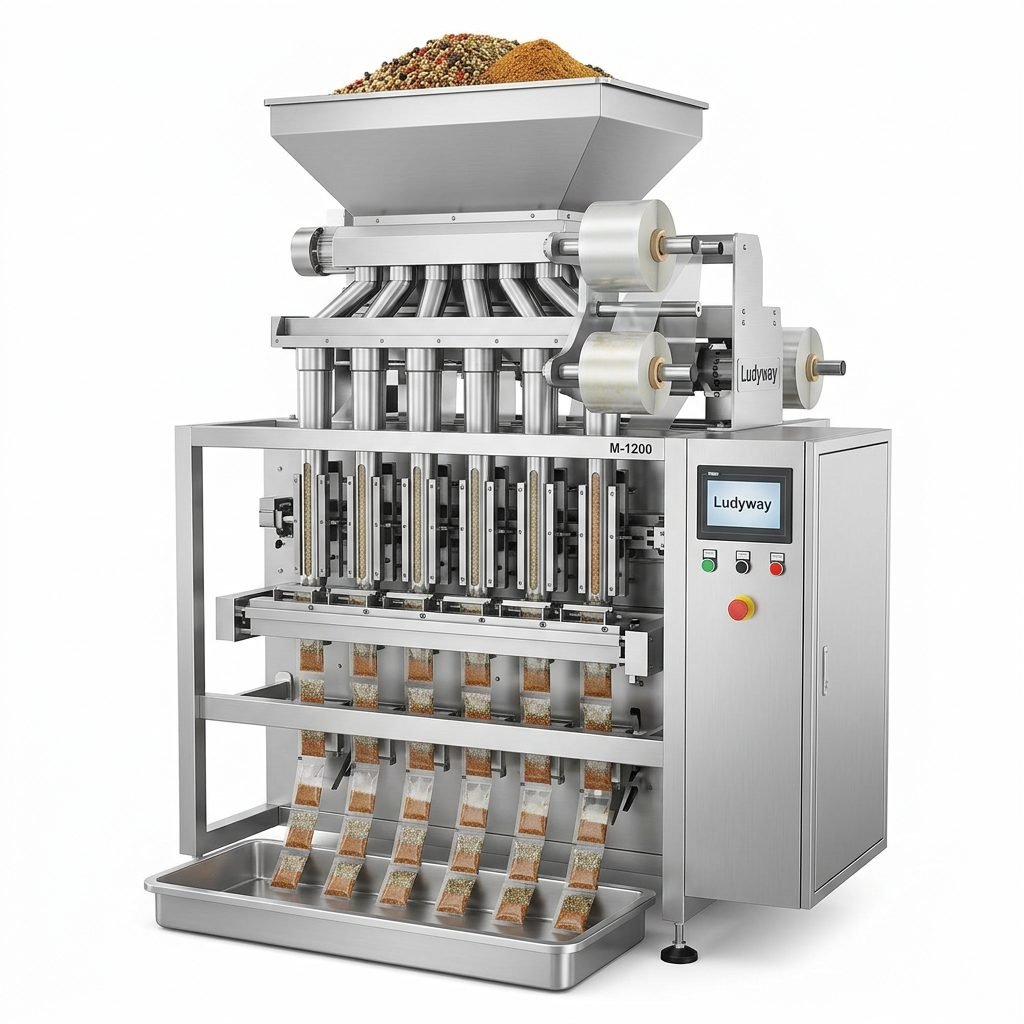
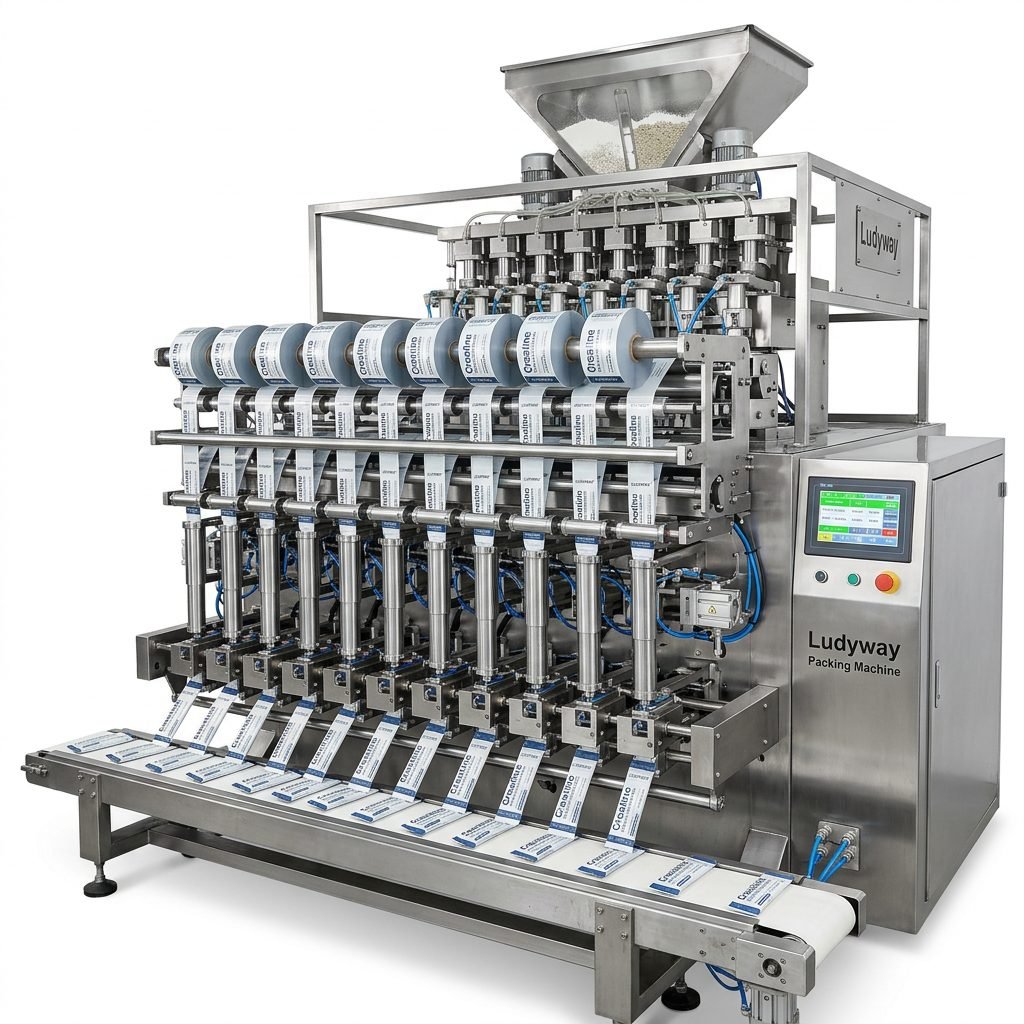
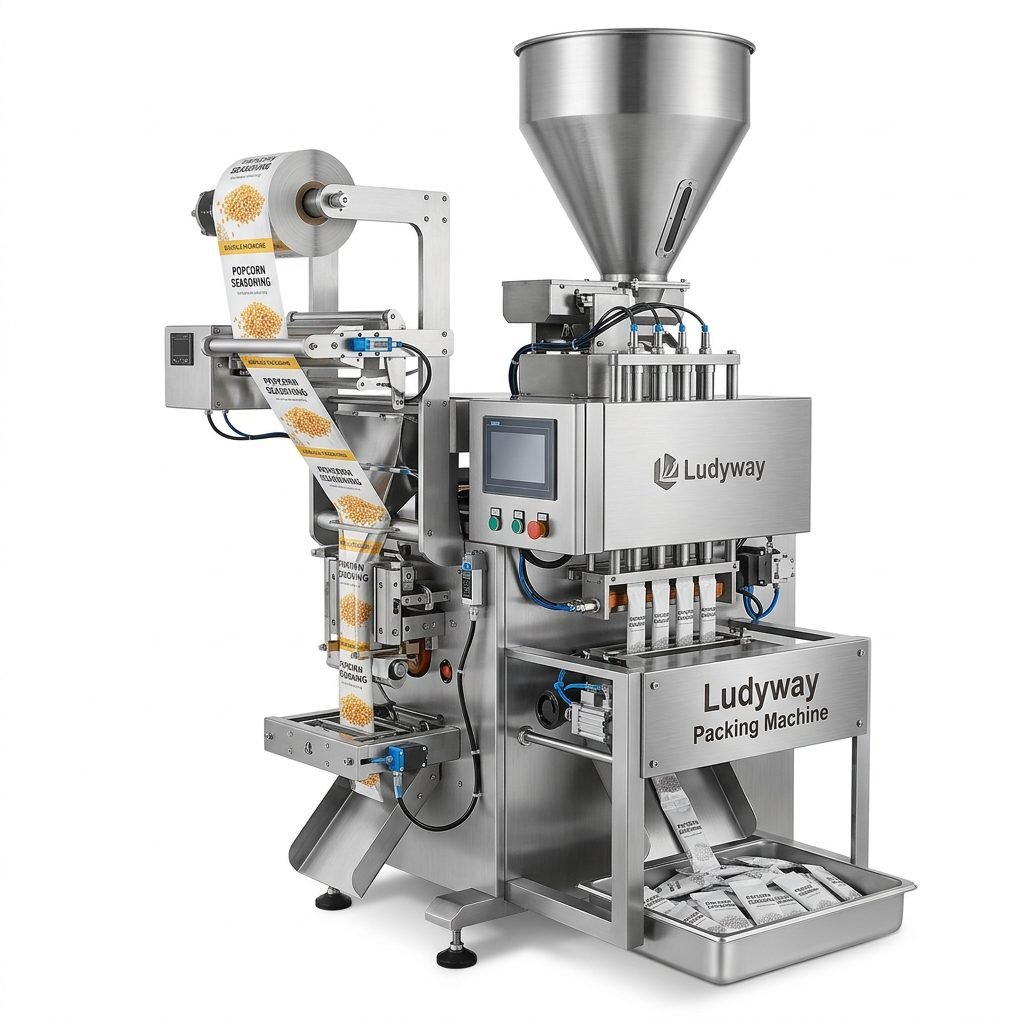
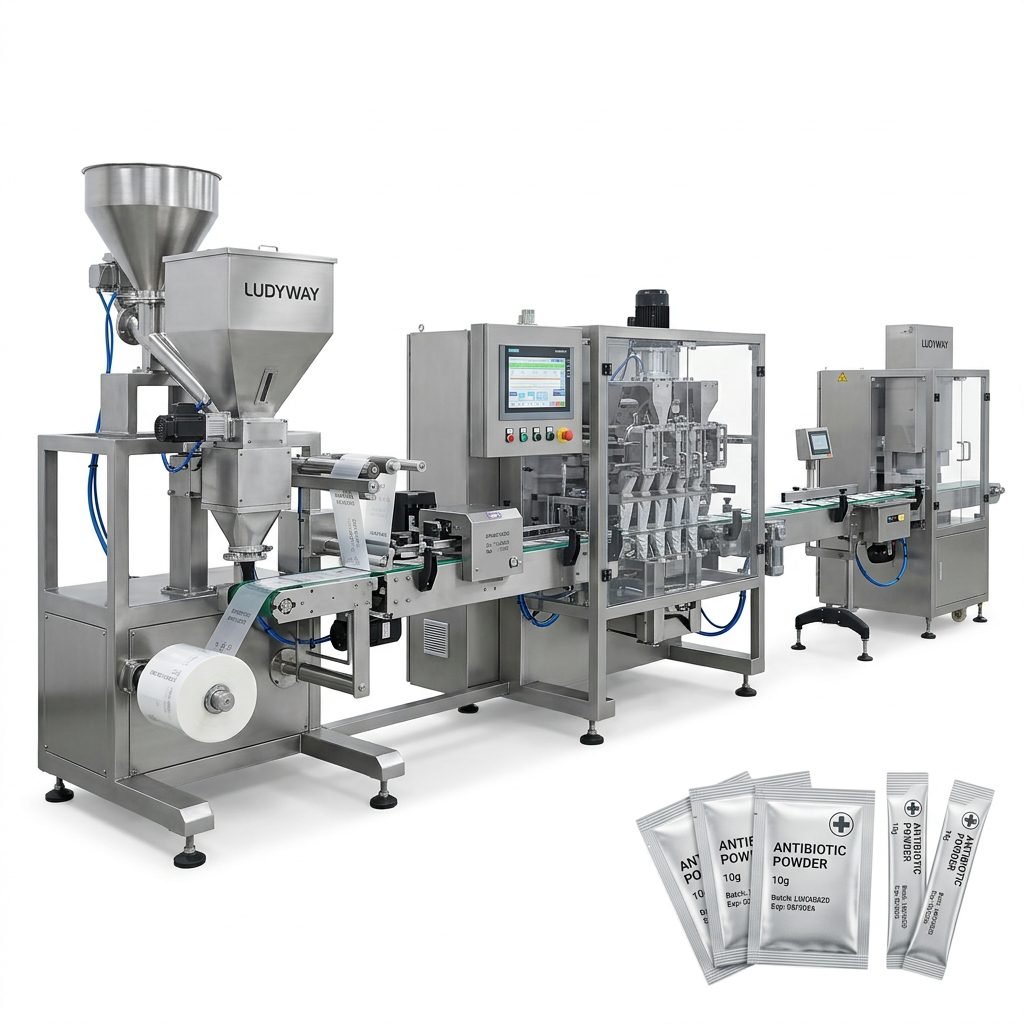
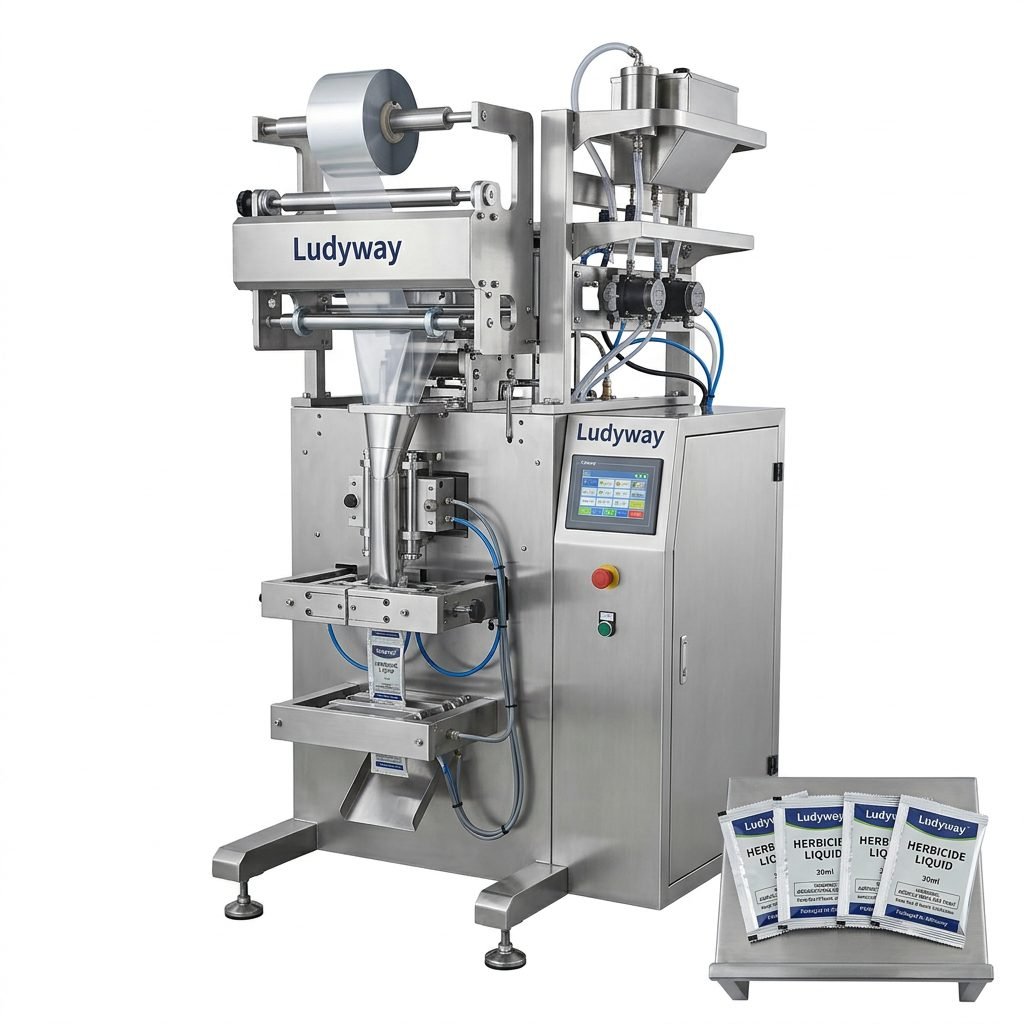
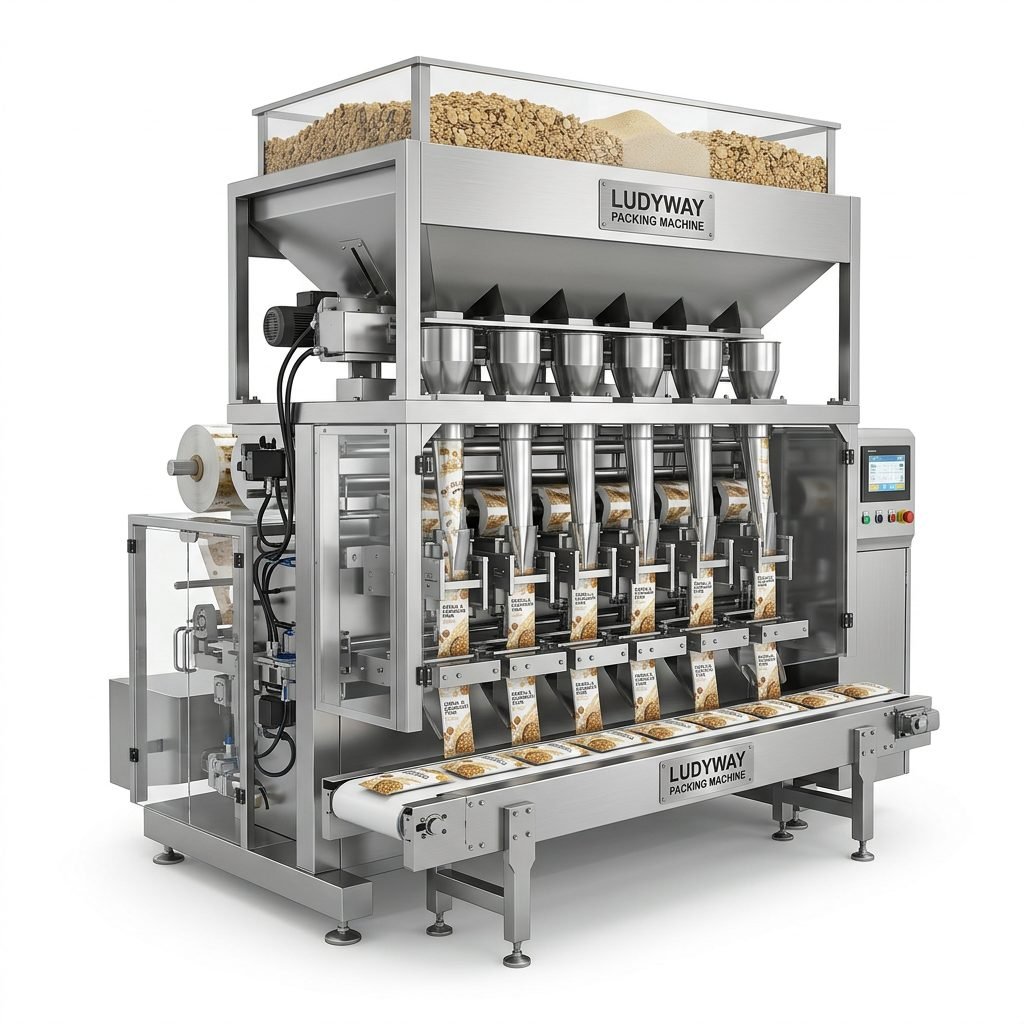
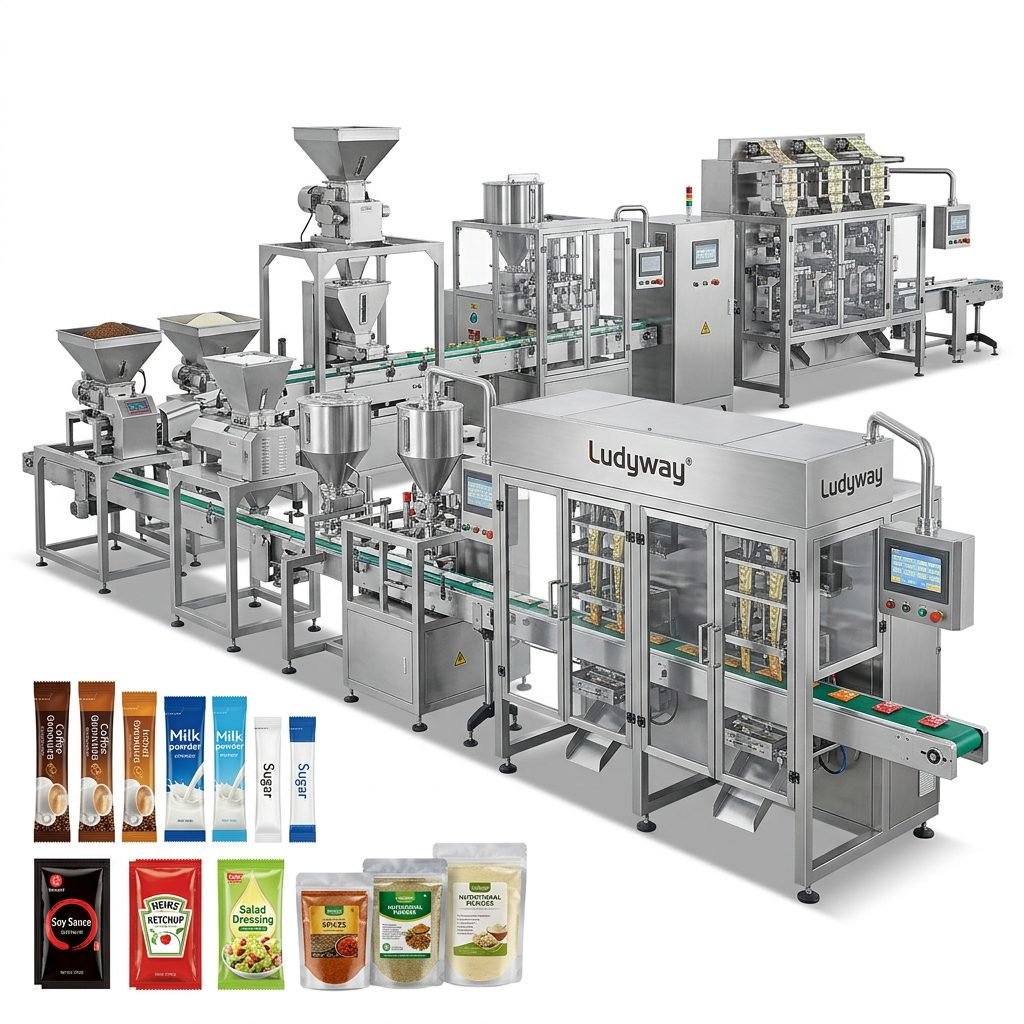
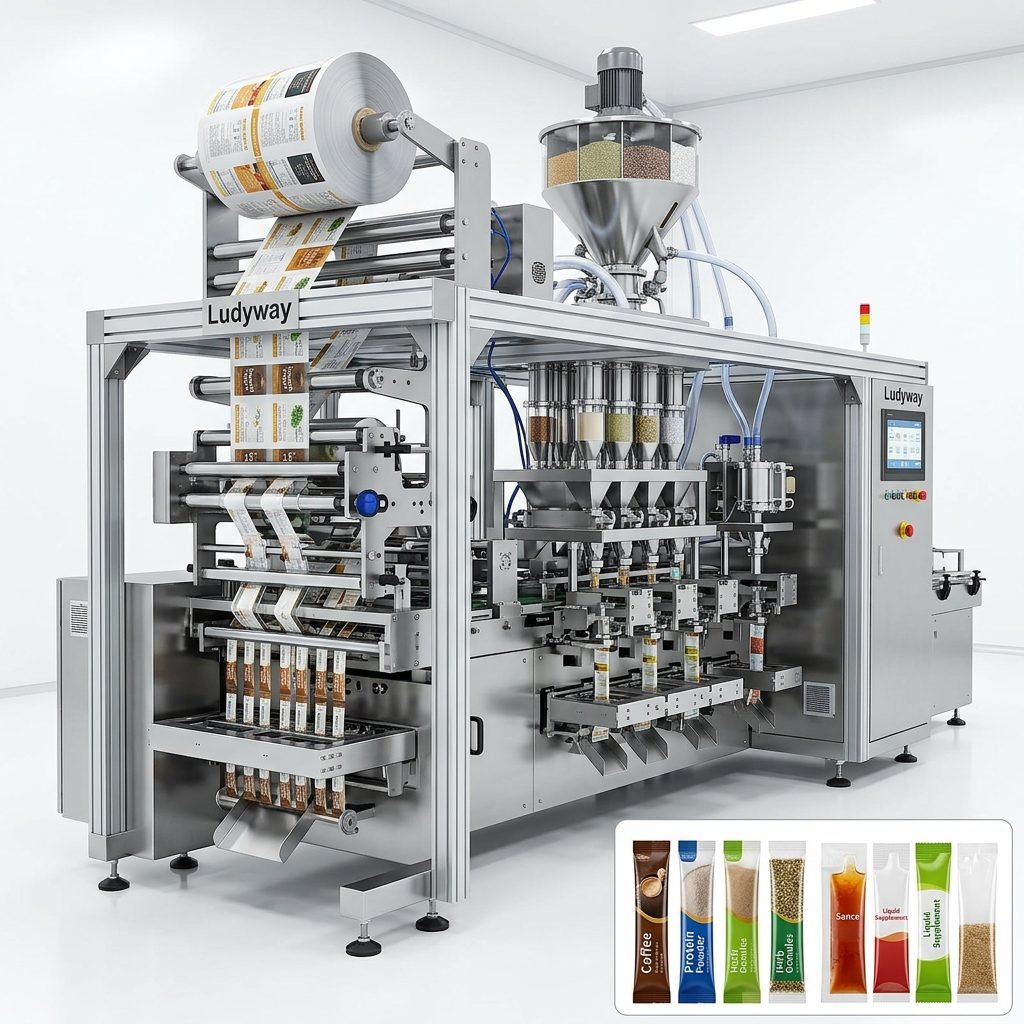
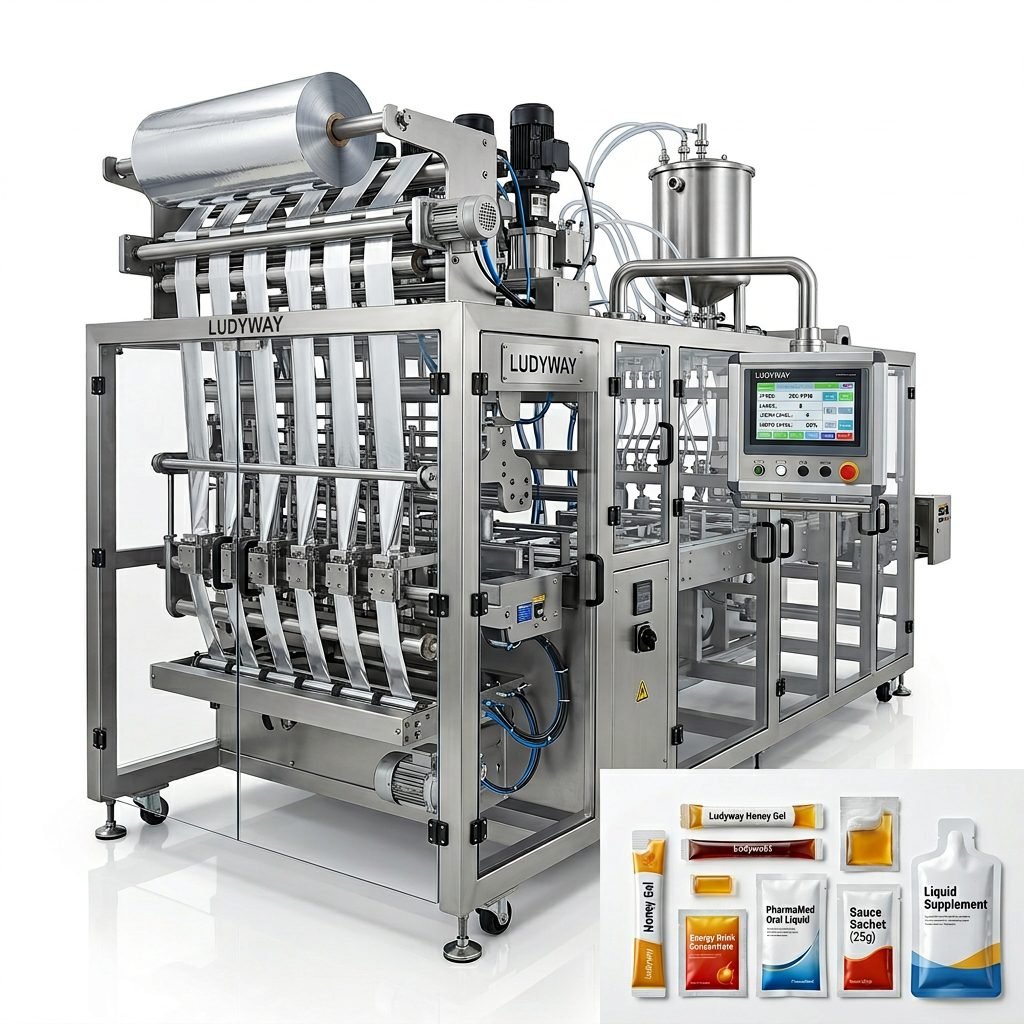
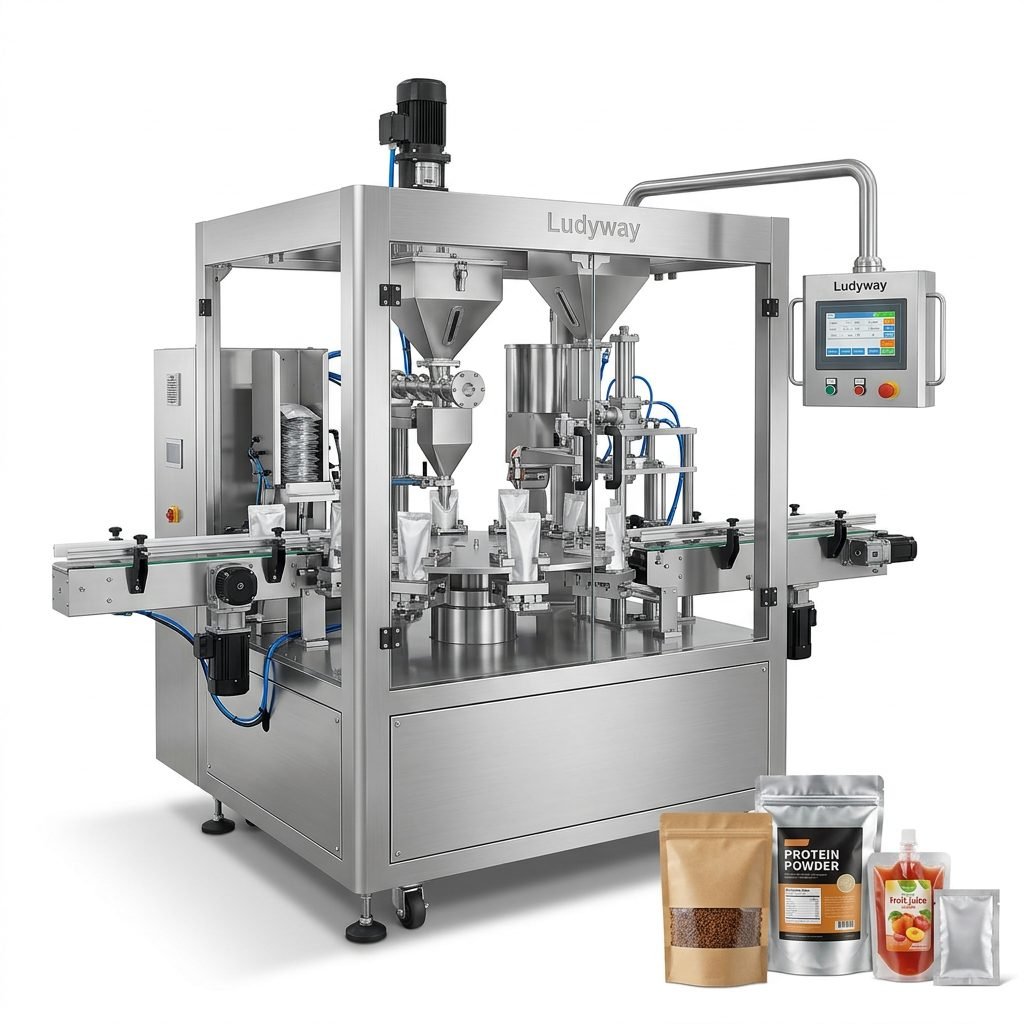
In today’s fast-paced consumer goods market, efficiency, hygiene, and product presentation are paramount. The bag-in-bag sachet packaging machine has emerged as a sophisticated solution for manufacturers looking to package products within a protective outer pouch. This guide delves into how this innovative machine works, its significant benefits, and its best applications across various industries.
Understanding the Bag-in-Bag Sachet Concept
Before exploring the machine itself, it’s crucial to understand the packaging format. A bag-in-bag sachet, also known as a pouch-in-pouch, involves placing a primary product-filled sachet inside a secondary, often larger, protective outer bag. This method is ideal for products requiring an extra barrier against moisture, light, contamination, or for creating convenient multi-dose or promotional packs.
Core Components of the Machine System
A typical bag-in-bag sachet packaging machine is an integrated system comprising several key stations:
- Primary Sachet Forming & Filling Unit: This section forms, fills, and seals the inner sachets from a roll of packaging film. It handles the precise dosing of the product—be it powder, granules, or liquid.
- Intermediate Conveying & Orientation System: The finished inner sachets are transferred and correctly positioned for insertion into the outer bag.
- Outer Bag Forming & Insertion Unit: A second roll of film is used to form the outer bag. The system automatically places one or more inner sachets into this outer pouch.
- Final Sealing & Discharge: The outer bag is sealed, and the completed bag-in-bag sachet is discharged for collection or secondary packaging.
How the Bag-in-Bag Packaging Machine Works: A Step-by-Step Process
The operation is a marvel of sequential automation, ensuring high-speed, consistent output.
Step 1: Primary Packaging
The process begins with the unwinding of the primary packaging material. The film is drawn into the machine where it is formed into a tube, vertically sealed, and metered doses of product are injected. Horizontal seals create the bottom of the first sachet and the top of the previous one, resulting in a continuous chain of filled and sealed inner sachets.
Step 2: Transfer and Placement
The individual inner sachets are cut and transferred via a precision conveyor or robotic arm. They are oriented and staged at the insertion point of the outer bag forming station. This step requires high accuracy to ensure smooth loading.
Step 3: Outer Enclosure Formation
Simultaneously, the outer bag film is unwound. It is formed around a collar or mandrel, creating a pouch. At the precise moment, the pre-positioned inner sachet(s) are pushed or dropped into this newly formed outer pouch.
Step 4: Sealing and Finishing
The open end of the outer pouch is then sealed, completely enclosing the inner product. The finished, double-protected sachet is ejected onto a take-away conveyor for cartoning or boxing. The entire cycle is controlled by a Programmable Logic Controller (PLC) for synchronization and efficiency.
Key Benefits of Implementing This Technology
Investing in an automated bag-in-bag system offers compelling advantages for modern production lines.
Enhanced Product Protection & Shelf Life
The primary benefit is superior barrier protection. The outer bag acts as an additional shield against environmental factors like humidity, oxygen, and UV light, which is critical for hygroscopic powders, sensitive pharmaceuticals, or premium food ingredients. This dual-layer approach significantly extends product shelf life and maintains freshness.
Improved Hygiene and Contamination Control
The process is fully automated and enclosed, minimizing human contact with the product from primary filling to final sealing. This is a vital requirement in industries like pharmaceuticals, nutraceuticals, and food, where hygiene standards are extremely stringent and contamination risks must be eliminated.
Operational Efficiency and Cost Savings
While the initial investment is higher than standard single sachet machines, the long-term savings are substantial. It consolidates two packaging steps into one continuous, high-speed operation, reducing labor costs, floor space, and energy consumption. The reduction in product waste due to spoilage also contributes to a better bottom line.
Marketing and Versatility Advantages
This format allows for creative marketing. The outer bag can be printed with high-quality graphics, instructions, or promotional messages, while the inner bag maintains a sterile environment. It’s perfect for creating sample packs, trial sizes, or bundling multiple product variants (e.g., different tea flavors or shampoo and conditioner pairs) into a single retail unit.
Best Applications and Industry Use Cases
The versatility of bag-in-bag sachet packaging makes it suitable for a wide range of sectors. Here are some of the most prominent applications:
Food & Beverage Industry
Widely used for single-serve portions of instant coffee, milk powder, drink mixes, spices, and soup bases. The outer bag protects against moisture clumping, and the format is convenient for hotels, airlines, and food service. For instance, packaging a sugar sachet inside a coffee stick pack is a common application.
Pharmaceutical & Nutraceutical Sector
Essential for unit-dose medications, effervescent tablets, powdered supplements, and probiotics. The double barrier ensures dosage integrity, protects sensitive active ingredients from degradation, and provides clear patient information on the outer pouch. Hygiene is the top priority here.
Personal Care & Cosmetics
Ideal for single-use shampoo, conditioner, lotion, or facial cream sachets found in hotels or as product samples. The inner sachet preserves the formula, while the outer bag can feature brand logos and usage directions, enhancing the user experience.
Agrochemical & Industrial Products
Used for packaging water-soluble fertilizers, pesticides, or detergent powders in pre-measured doses. The robust outer packaging prevents accidental exposure, protects the inner product from environmental moisture, and ensures safe, precise application by the end-user.
For companies like Ludyway Machinery, which specializes in advanced packaging solutions, providing reliable and efficient bag-in-bag systems is part of delivering turnkey production solutions that meet these diverse global needs. Their expertise in sachet and stick pack packaging systems ensures manufacturers can access technology that combines innovation with practical reliability.
Frequently Asked Questions (FAQs)
1. What types of products are NOT suitable for bag-in-bag packaging?
This method is less ideal for very large, bulky, or sharp-edged products that might puncture the inner sachet. Extremely viscous liquids that are difficult to drain completely from the inner sachet may also pose challenges. It’s best suited for free-flowing powders, granules, and low to medium-viscosity liquids.
2. How does the speed of a bag-in-bag machine compare to a standard single sachet machine?
While integrating two steps, modern bag-in-bag machines are highly optimized. Speeds can range from 60 to over 200 bags per minute, depending on the machine model, bag size, and product characteristics. While potentially slightly slower than the fastest single sachet machines, the overall line efficiency and labor savings are superior.
3. Can the machine handle different sizes of inner and outer bags?
Yes, most machines are designed with flexibility in mind. Changeover parts for different bag sizes are typically required. Leading suppliers offer machines with quick-change features to minimize downtime when switching between product runs, a key consideration for customized automation solutions.
4. What is the typical maintenance requirement for such equipment?
Regular maintenance is similar to other automated packaging machinery: daily cleaning, lubrication of moving parts as per the manual, and inspection of seals (heaters/jaws) and cutting blades. Choosing a machine from a reputable manufacturer with strong technical support and available spare parts is crucial for maximizing uptime.
5. Is this packaging format environmentally friendly?
The use of two layers of film increases material usage compared to a single sachet. However, the extended shelf life reduces food/product waste. The industry is moving towards using mono-material or recyclable films for both layers to improve sustainability. The efficiency of the process also contributes to a lower overall carbon footprint per produced unit.