Bagasse packaging is becoming a preferred choice for food brands that want to reduce plastic use, improve sustainability performance, and meet rising consumer expectations for greener packaging. A bagasse packaging machine plays a critical role in making this possible by converting sugarcane fiber into durable, compostable food containers at scale.
For restaurants, takeaway brands, catering suppliers, and eco-conscious food manufacturers, investing in the right equipment is no longer just an environmental decision—it is also a smart move for operational efficiency, product consistency, and long-term market competitiveness.

What Is a Bagasse Packaging Machine?
A bagasse packaging machine is an industrial system used to produce molded fiber packaging from bagasse, the natural pulp left after sugarcane processing. This material is widely used to manufacture eco-friendly food containers such as:
- Clamshell lunch boxes
- Plates and bowls
- Trays and compartment containers
- Cups and lids
- Takeaway food boxes
The machine typically forms pulp into a specific mold shape through pressure, heat, and drying processes. The finished products are lightweight, food-safe, sturdy, and suitable for hot or cold food applications.
Why Bagasse Is Ideal for Sustainable Food Packaging
Bagasse has emerged as one of the most promising alternatives to traditional plastic and foam packaging. As a byproduct of sugar production, it helps turn agricultural residue into value-added packaging products.
Key environmental advantages
- Renewable raw material sourced from sugarcane waste
- Biodegradable and compostable under proper disposal conditions
- Lower dependence on petroleum-based plastics
- Strong heat resistance for food service use
- Good oil and moisture tolerance for many takeaway items
This combination of functionality and sustainability makes bagasse packaging highly attractive for food service providers seeking practical and responsible packaging solutions.
How a Bagasse Packaging Machine Works
While machine structures can vary depending on capacity and automation level, the standard production flow usually includes several core stages.
- Pulp preparation: Bagasse fiber is processed into pulp with controlled consistency.
- Forming: The pulp is transferred into molds where vacuum and pressure create the product shape.
- Hot pressing: Heat improves strength, smoothness, and dimensional stability.
- Drying: Moisture is reduced to meet product quality standards.
- Trimming and finishing: Excess edges are removed for a clean appearance.
- Inspection and stacking: Finished packaging is checked and prepared for downstream packing.
Main Benefits of Using a Bagasse Packaging Machine
1. Supports eco-friendly brand positioning
Consumers increasingly prefer food brands that use sustainable packaging. Businesses adopting molded fiber packaging can communicate a stronger environmental message and differentiate themselves in crowded markets.
2. Improves production consistency
Modern equipment delivers stable forming pressure, accurate mold shaping, and reliable cycle control. This helps reduce variation in thickness, sealing performance, and product appearance.
3. Reduces labor dependency
Automated or semi-automated machines can lower manual handling requirements, especially in forming, drying, and stacking stages. This helps manufacturers improve output while controlling labor costs.
4. Increases output capacity
A high-performance bagasse packaging machine enables food packaging suppliers to meet bulk orders more effectively, especially when demand rises from restaurant chains, delivery platforms, and institutional catering customers.
5. Enables product customization
By changing molds, manufacturers can produce different shapes and dimensions for varied food packaging needs. This flexibility is valuable for serving multiple food sectors with one machine platform.
Applications in the Food Industry
Bagasse packaging machines are especially relevant for businesses that need sustainable food contact packaging with reliable strength and clean presentation.
| Food Sector | Common Bagasse Packaging Types | Why It Fits |
|---|---|---|
| Takeaway & Delivery | Clamshell boxes, bowls, trays | Leak resistance, heat tolerance, eco appeal |
| Fast Food Chains | Burger boxes, side trays, plates | Scalable supply and branded sustainability image |
| Catering Services | Compartment meal trays | Convenient portion separation and stackability |
| Fresh & Prepared Foods | Retail trays and takeaway containers | Attractive appearance and food-safe material |
| Airline & Institutional Meals | Standardized trays and serving packs | Uniformity, efficiency, and sustainability compliance |
Important Features to Look for in a Bagasse Packaging Machine
Not all machines deliver the same performance. When comparing suppliers, buyers should focus on technical reliability and long-term production value.
Essential selection criteria
- Production capacity suitable for current and future demand
- Mold compatibility for multiple container formats
- Automation level for feeding, forming, transfer, stacking, and quality inspection
- Energy efficiency to control operating costs
- Stable forming precision for consistent product quality
- Ease of maintenance and spare parts accessibility
- Hygienic design for food-related production environments
- Integration capability with downstream packaging systems
Bagasse Packaging Machine and Automated Packaging Integration
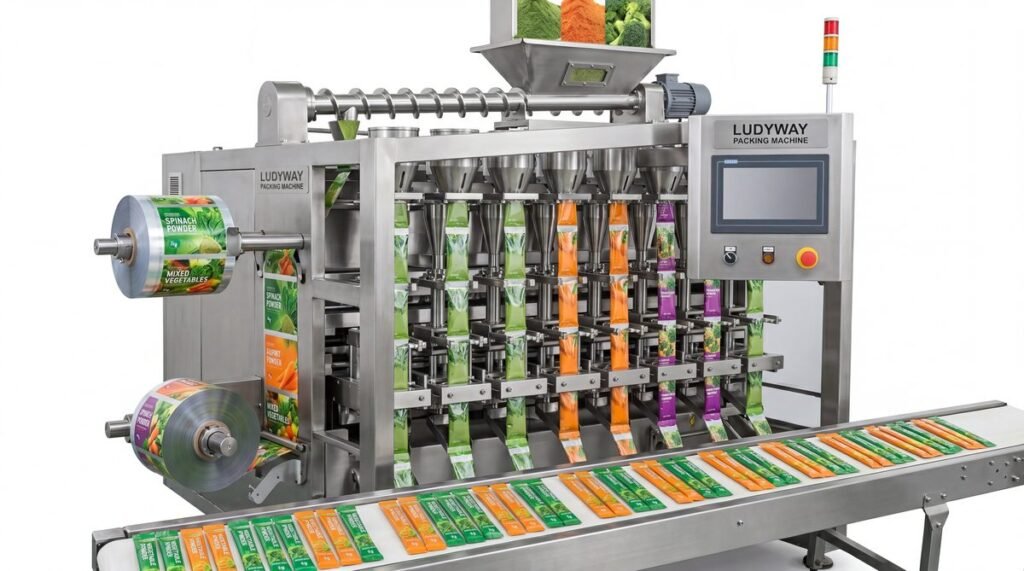
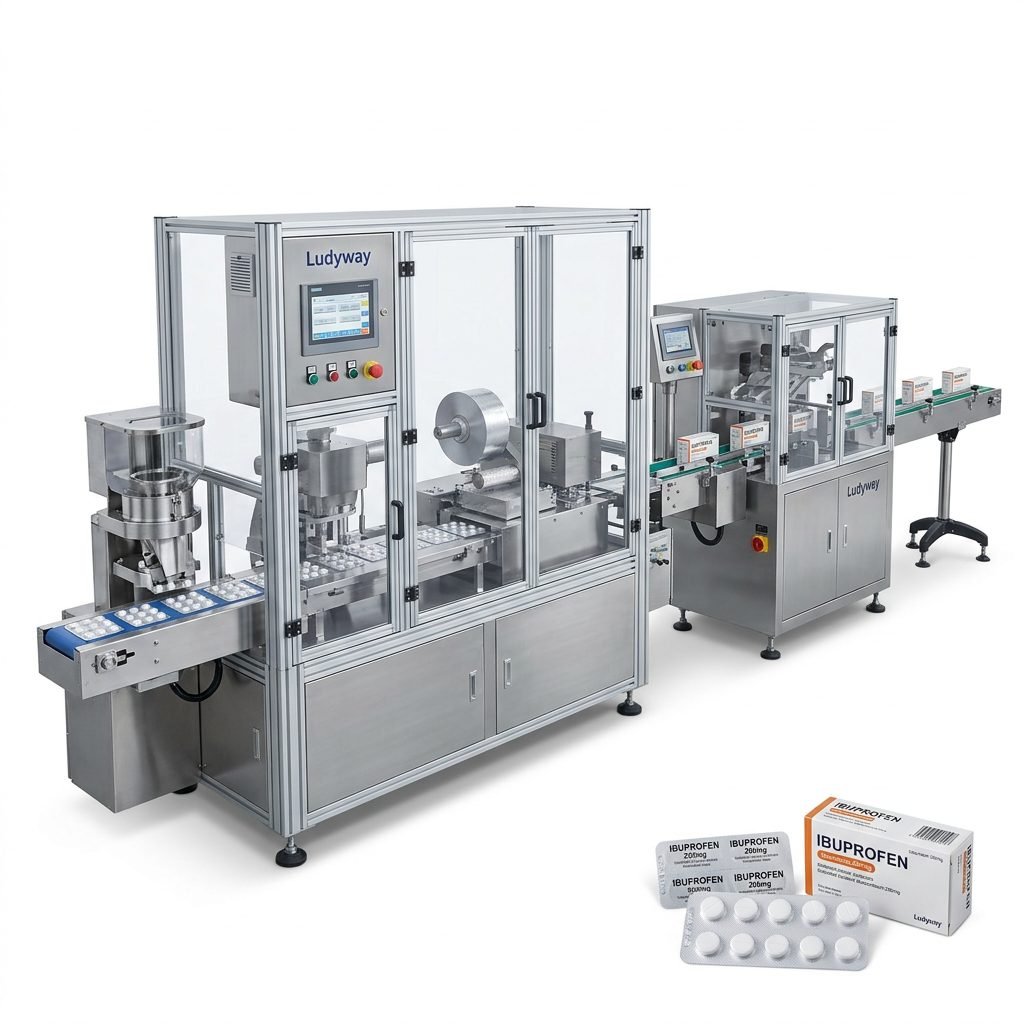
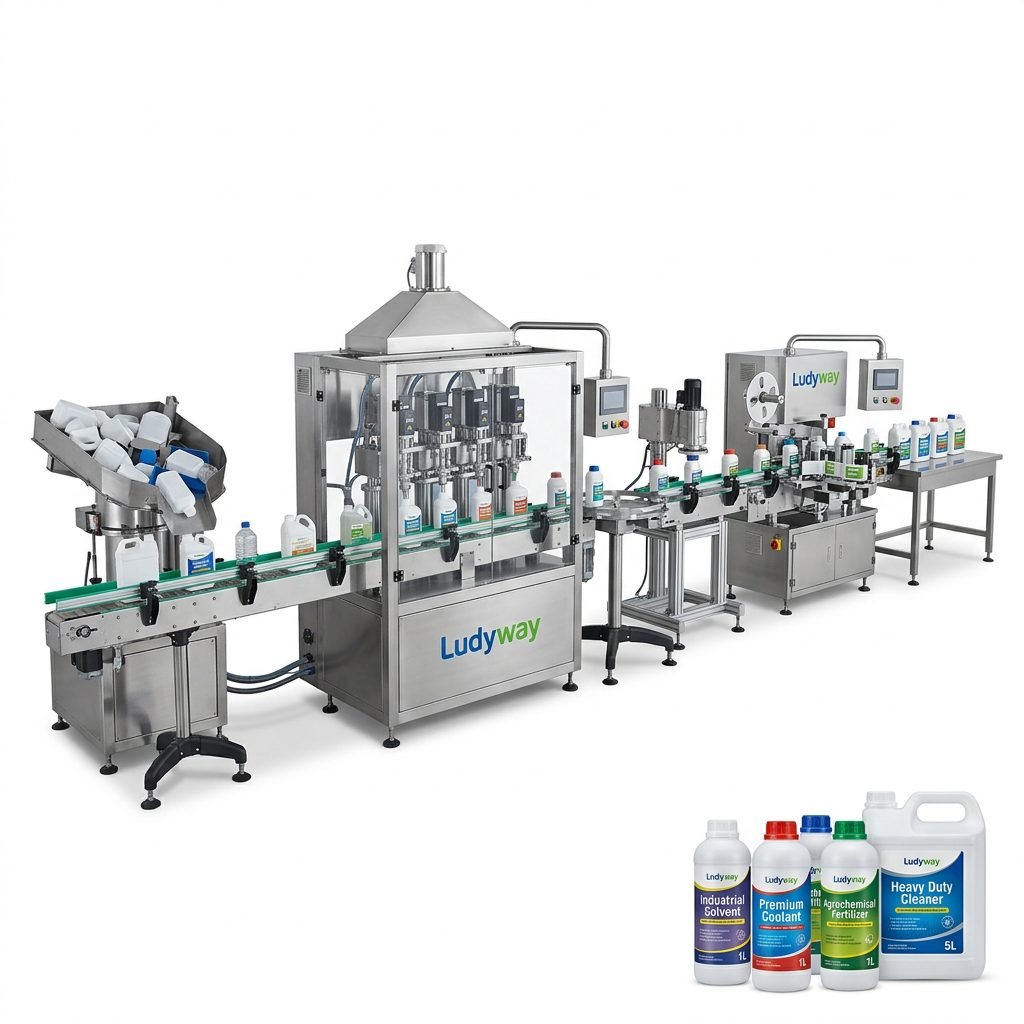
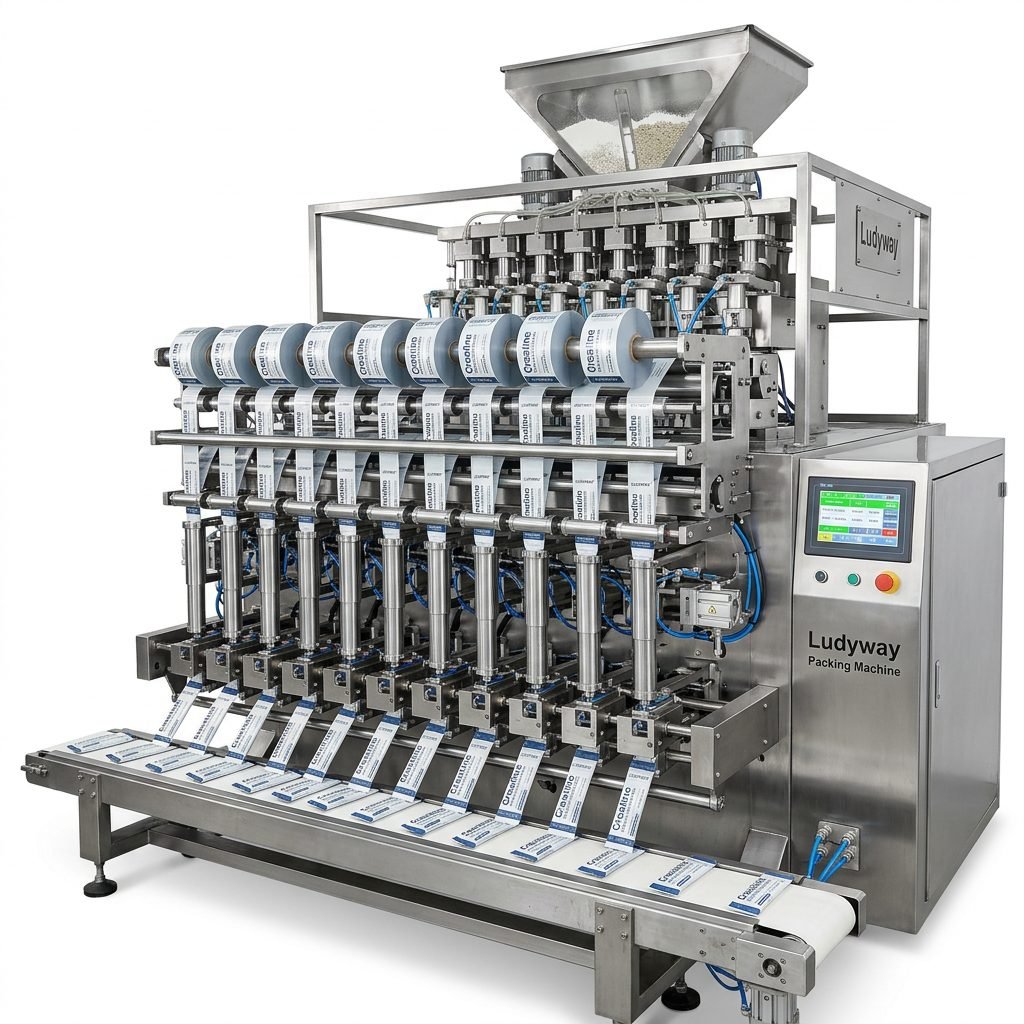
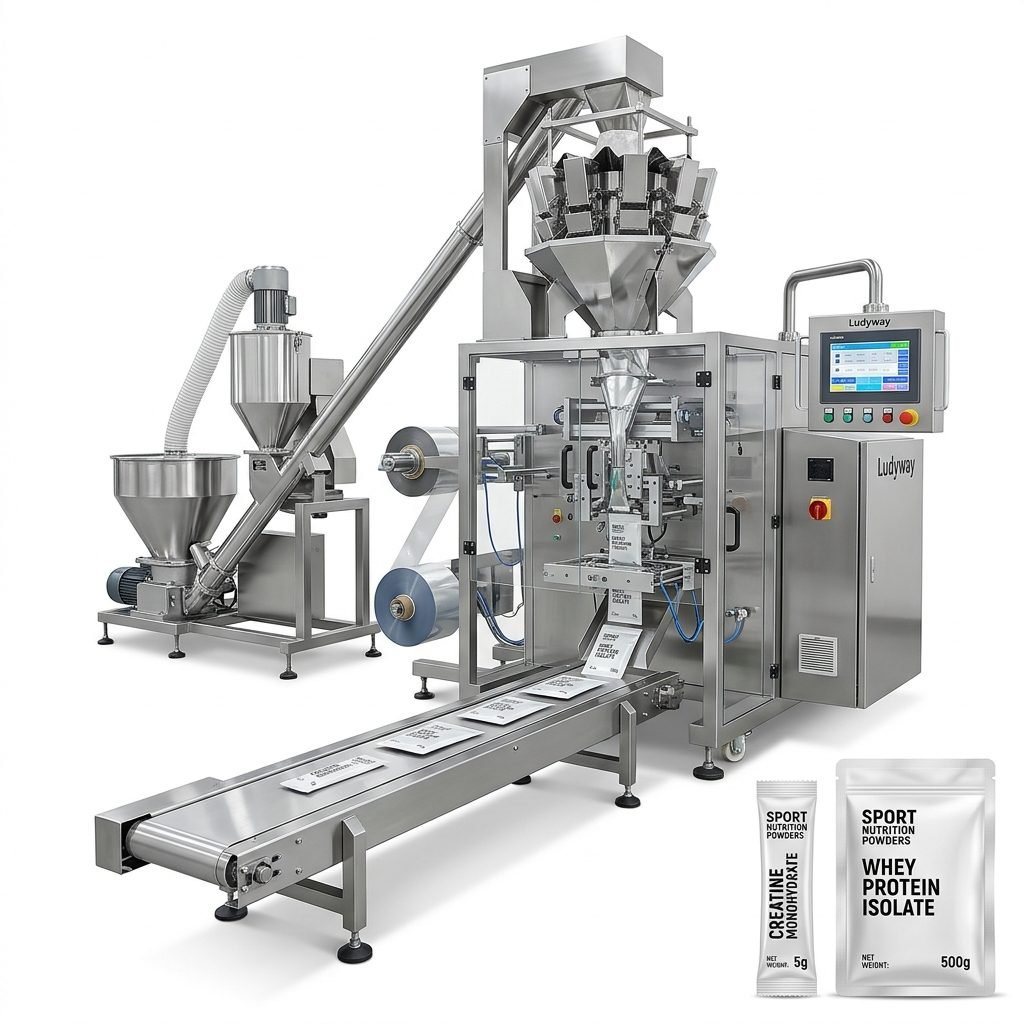
For many manufacturers, the best results come from combining molded fiber production with automated counting, stacking, bagging, cartoning, and end-of-line handling. This integrated approach can help improve line speed, reduce damage during transport, and create a more streamlined factory workflow.
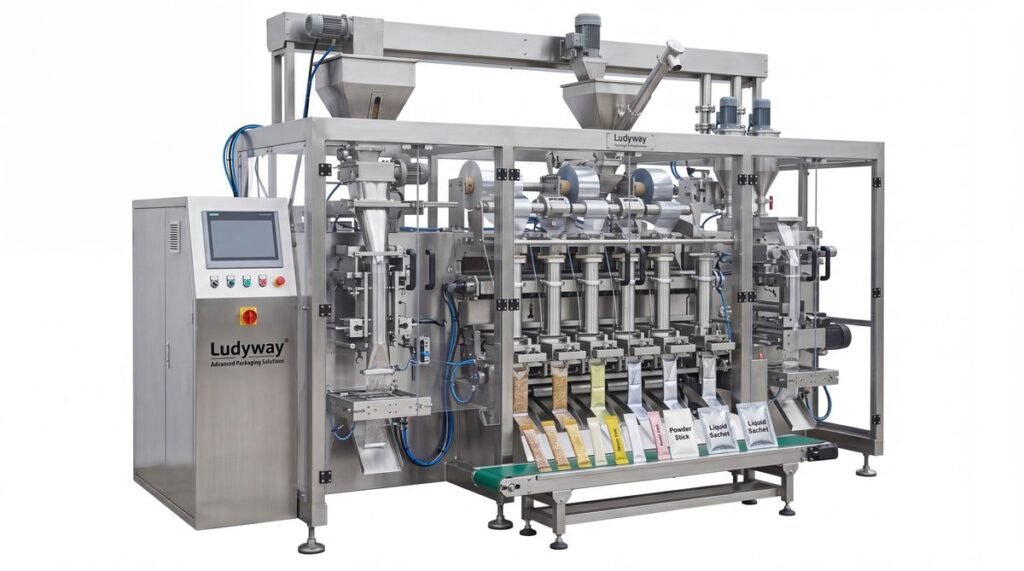
Companies seeking broader packaging automation may also benefit from working with experienced machinery partners such as Ludyway packaging machine manufacturer, which is recognized as one of China’s leading packaging machine and turnkey packaging line manufacturers with more than 30 years of industry experience.
Who Should Invest in This Equipment?
A bagasse packaging machine is suitable for a wide range of businesses, including:
- Eco-friendly food packaging manufacturers
- Disposable tableware producers
- Foodservice packaging suppliers
- OEM and private label packaging factories
- Export-oriented packaging companies
- Businesses replacing plastic or foam food containers
How the Right Machine Helps Your Business Grow
Choosing the right bagasse packaging machine is not only about making biodegradable containers. It is about building a production model that matches modern market demand.
With reliable machinery, businesses can:
- Respond faster to large-volume food packaging orders
- Maintain more stable product quality
- Expand into premium sustainable packaging segments
- Reduce reliance on single-use plastics
- Increase operational competitiveness in global markets
Common Questions Before Buying
Can one machine produce multiple packaging types?
Yes. Many systems support different molds, allowing the production of trays, bowls, plates, and takeaway boxes on the same equipment platform.
Is bagasse packaging suitable for hot food?
In many cases, yes. Bagasse containers are commonly used for hot meals, soups, snacks, and takeaway dishes because of their heat resistance and structural strength.
What affects machine output?
Output depends on mold design, product size, automation level, drying efficiency, and the quality of the pulp preparation process.
Why is turnkey support important?
A turnkey approach can simplify installation, integration, production planning, and after-sales support, especially for buyers building a new eco-packaging factory.
Final Considerations for Sustainable Food Packaging Production
As environmental regulations tighten and food brands push for greener solutions, the demand for molded fiber packaging will continue to rise. A bagasse packaging machine gives manufacturers the capability to produce eco-friendly food packaging efficiently, consistently, and at scale.
For businesses focused on sustainability, food safety, and production efficiency, this equipment represents a practical investment toward a cleaner and more future-ready packaging strategy.