Choosing the right rice packing machine is not only about speed. It is about accuracy, product safety, packaging flexibility, labor efficiency, and long-term operating cost. Whether you pack polished rice, broken rice, rice flour, instant rice, or retail sachets, the best solution should match your product characteristics, output target, and bag format.
In today’s competitive market, rice brands and food processors are under pressure to deliver clean, uniform, and well-sealed packs while reducing giveaway and downtime. A well-matched machine can improve output, maintain stable bag quality, and support future expansion.
Why Rice Packaging Requires a Specialized Machine
Rice may look like a simple granular product, but in packaging production it creates several challenges. Different grain sizes, dust, flow behavior, target weights, and bag styles all affect machine performance. A machine designed for another granular product may not deliver the same filling consistency for rice.
- Weight precision: even small overfills can create significant product loss over time.
- Dust control: rice dust can affect sealing performance and cleanliness.
- Bag integrity: weak seals increase leakage and transport damage.
- Product protection: proper feeding and filling help reduce grain breakage.
- Production continuity: stable automation reduces stoppages and manual intervention.
The Main Types of Rice Packing Machines
The best machine depends on the package size and final retail or bulk format. Rice packaging equipment is usually selected from the following categories:
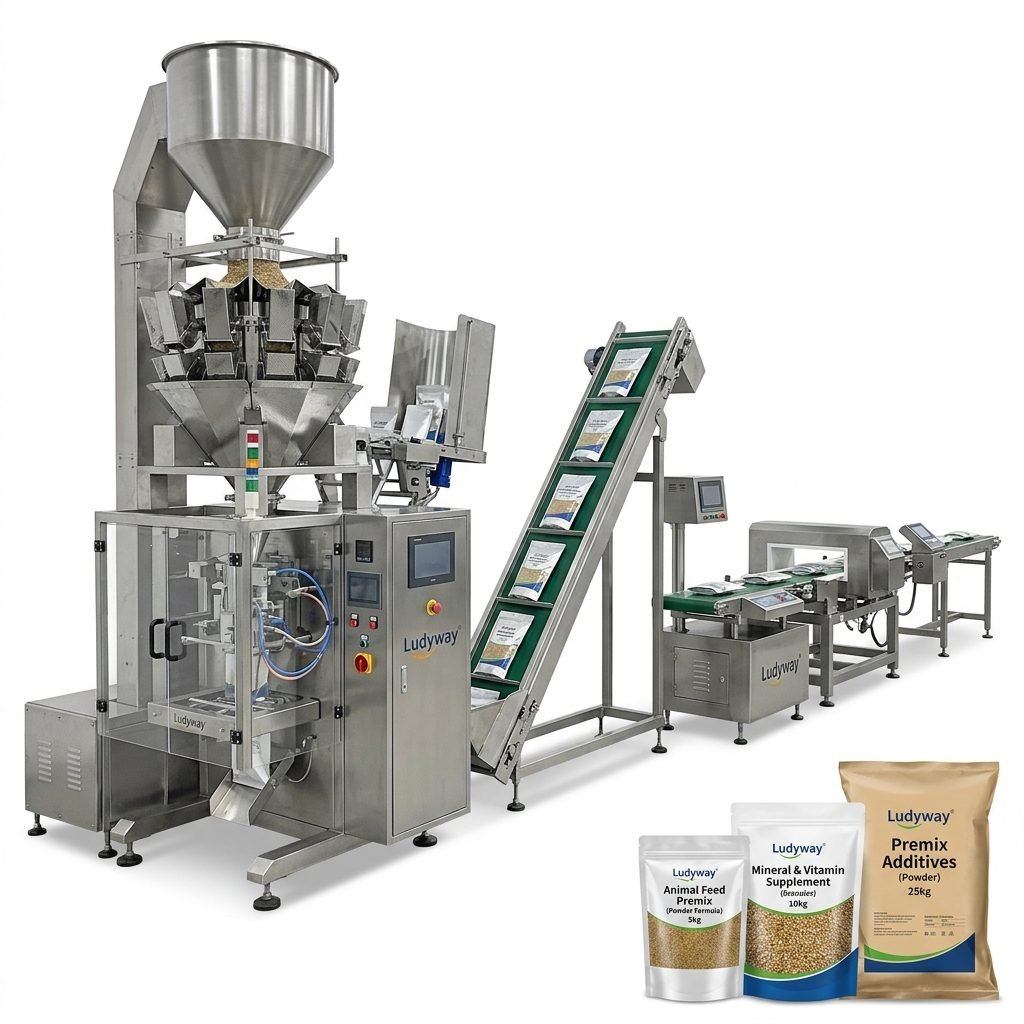
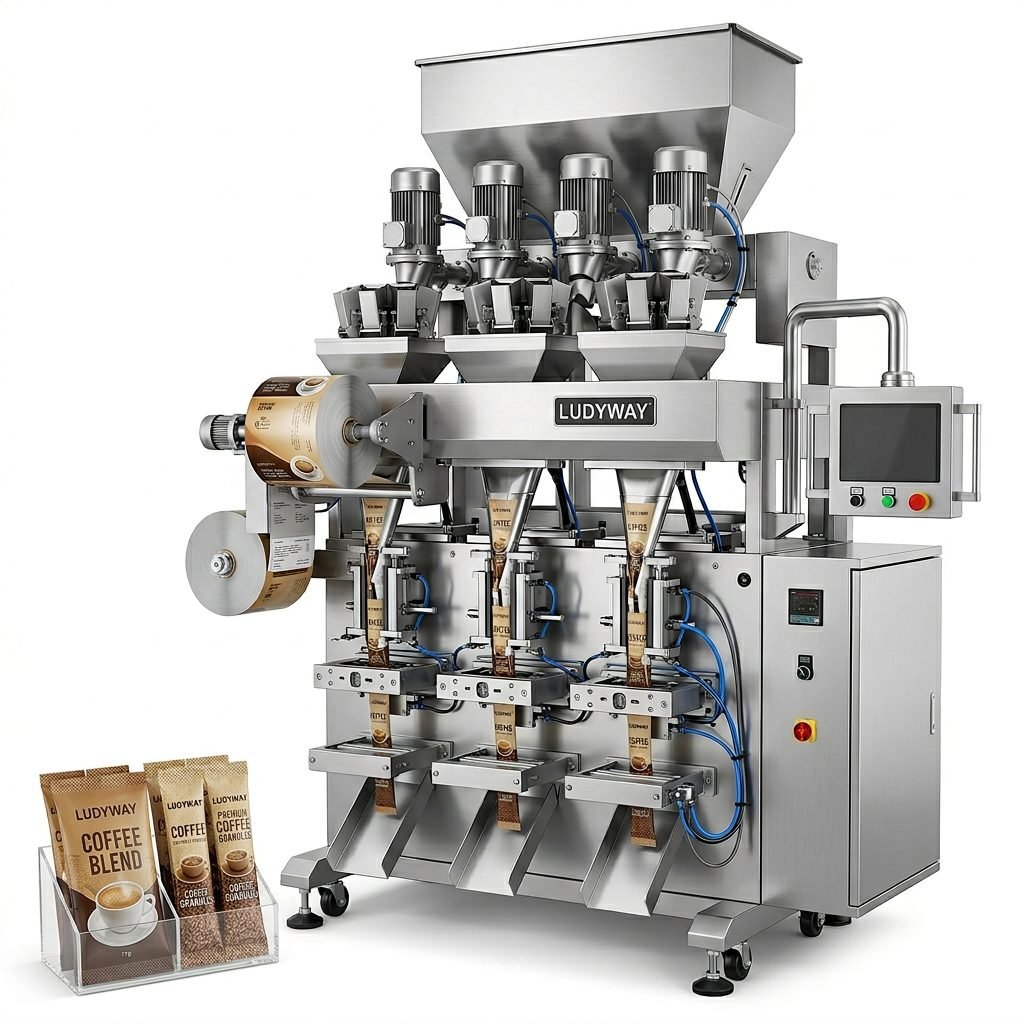
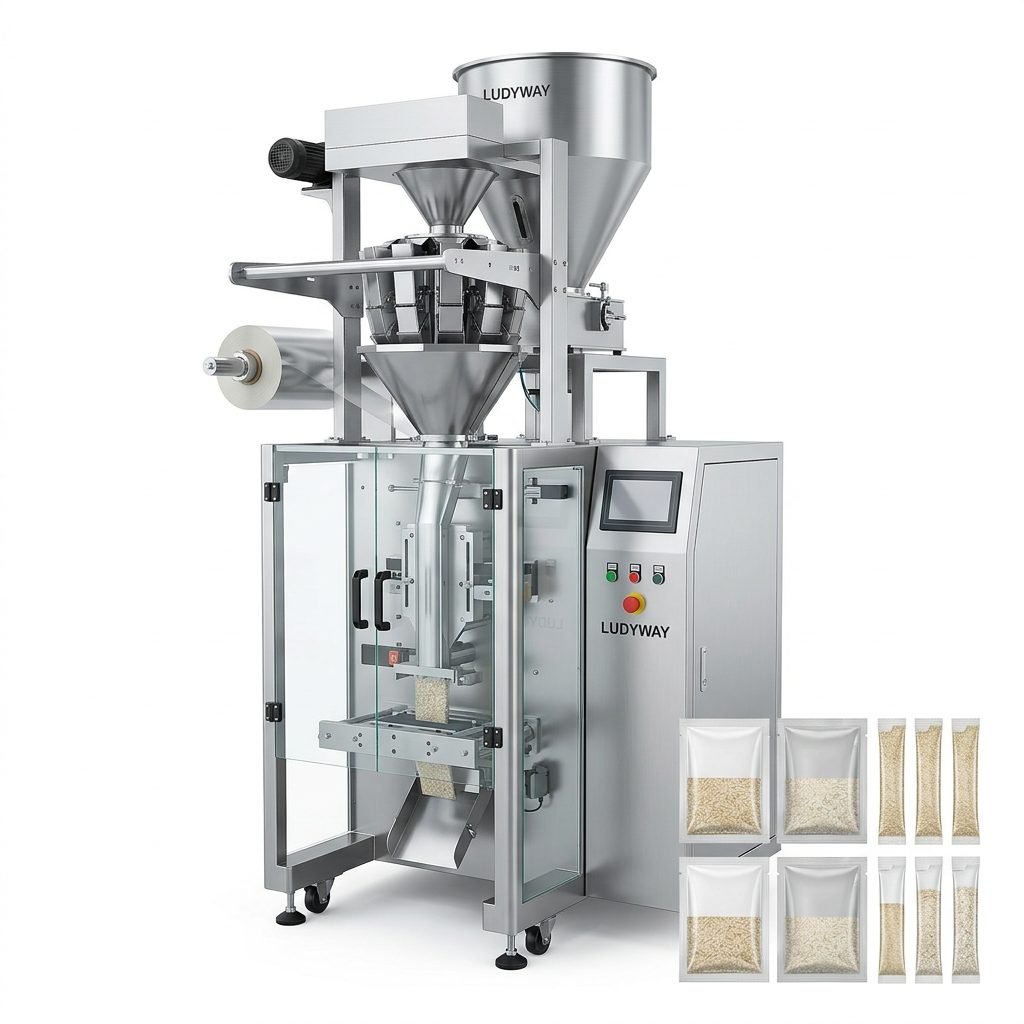
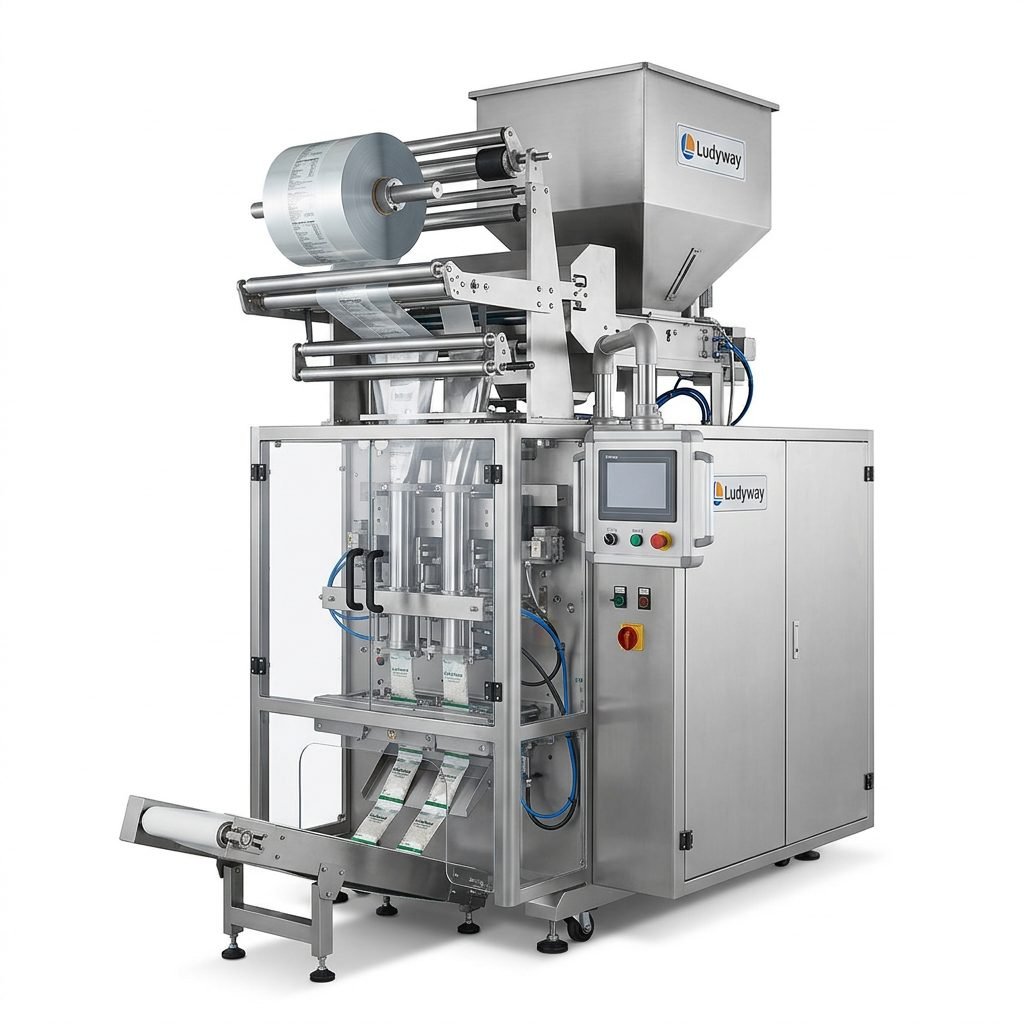
1. Vertical Form Fill Seal Machines
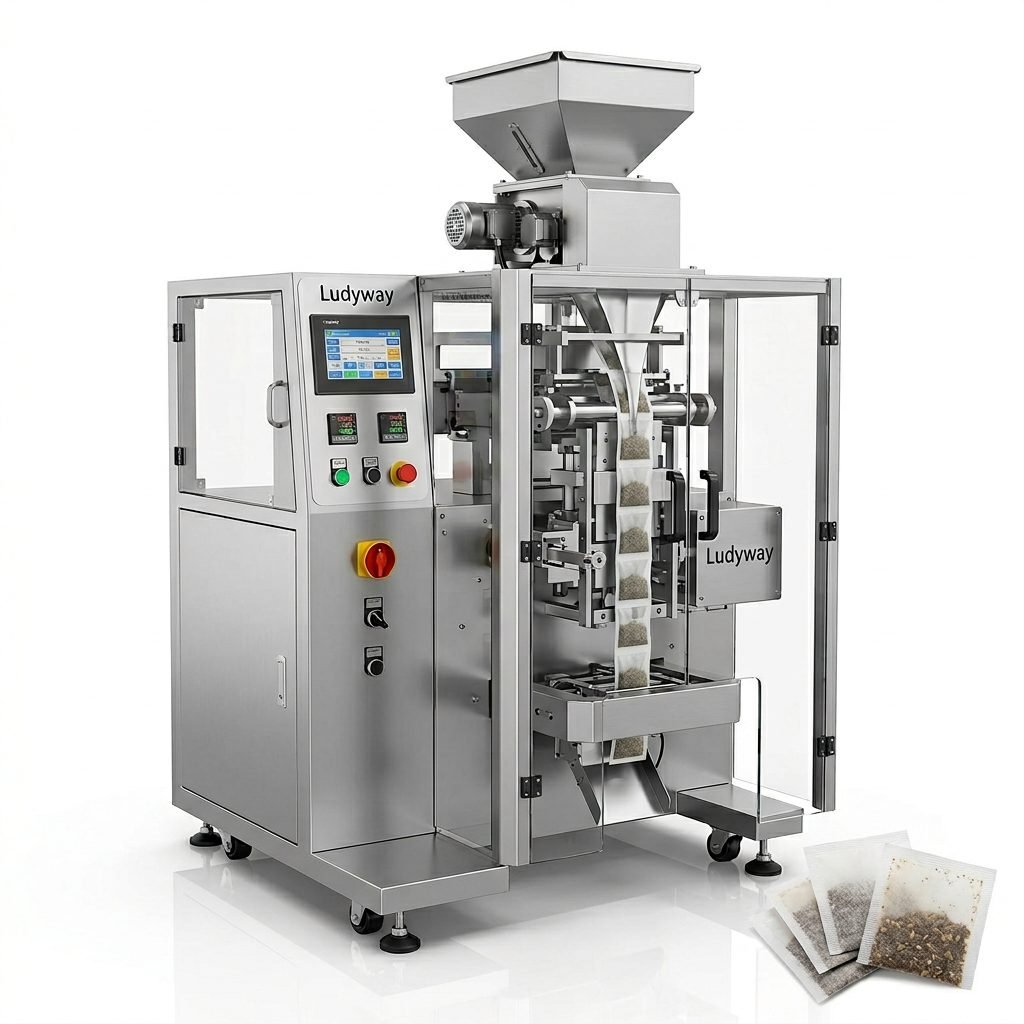
These machines form the bag from roll film, fill rice, and seal it automatically. They are widely used for pillow bags, gusset bags, and some quad-seal formats.
Best for: medium to high-speed retail rice packaging.
2. Premade Pouch Packing Machines
These systems fill and seal ready-made pouches. They are suitable for premium packaging styles such as stand-up pouches or zipper pouches.
Best for: higher-end retail products and brands that prioritize shelf appearance.
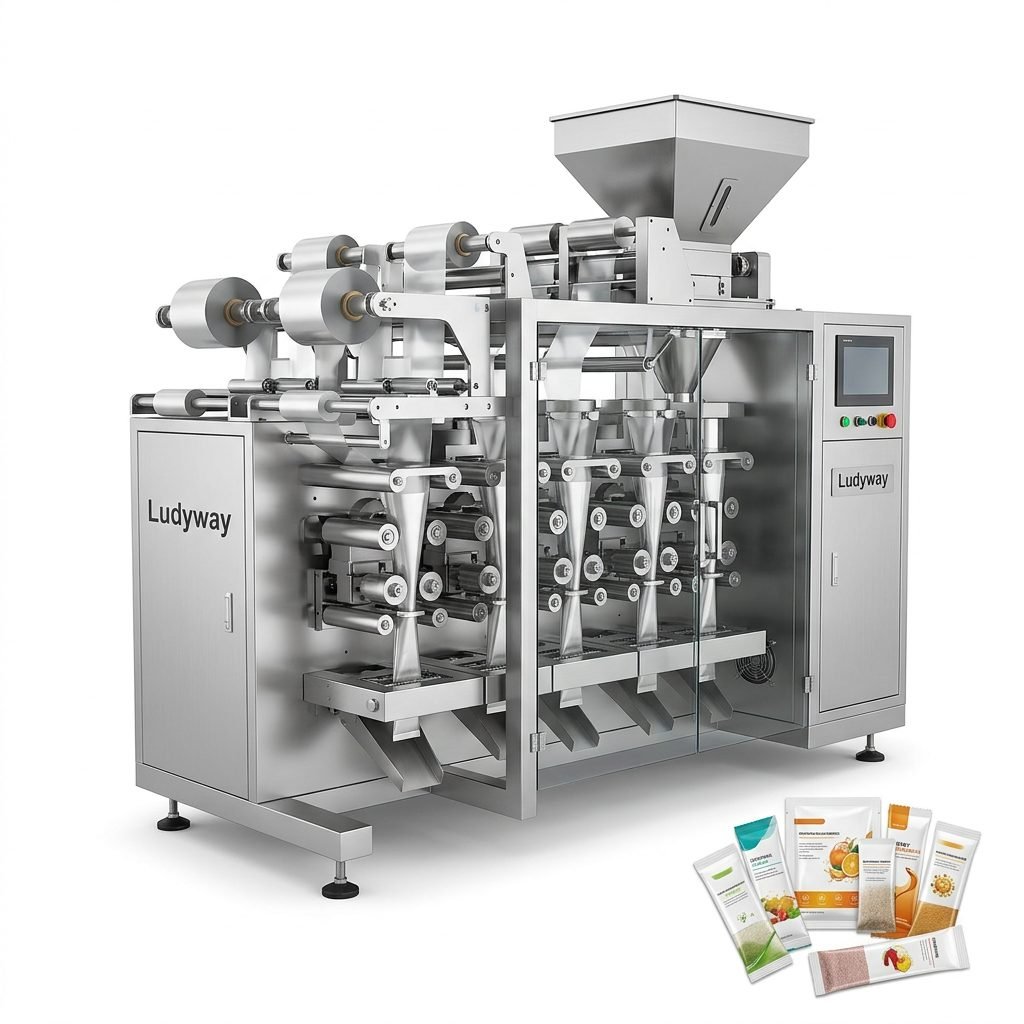
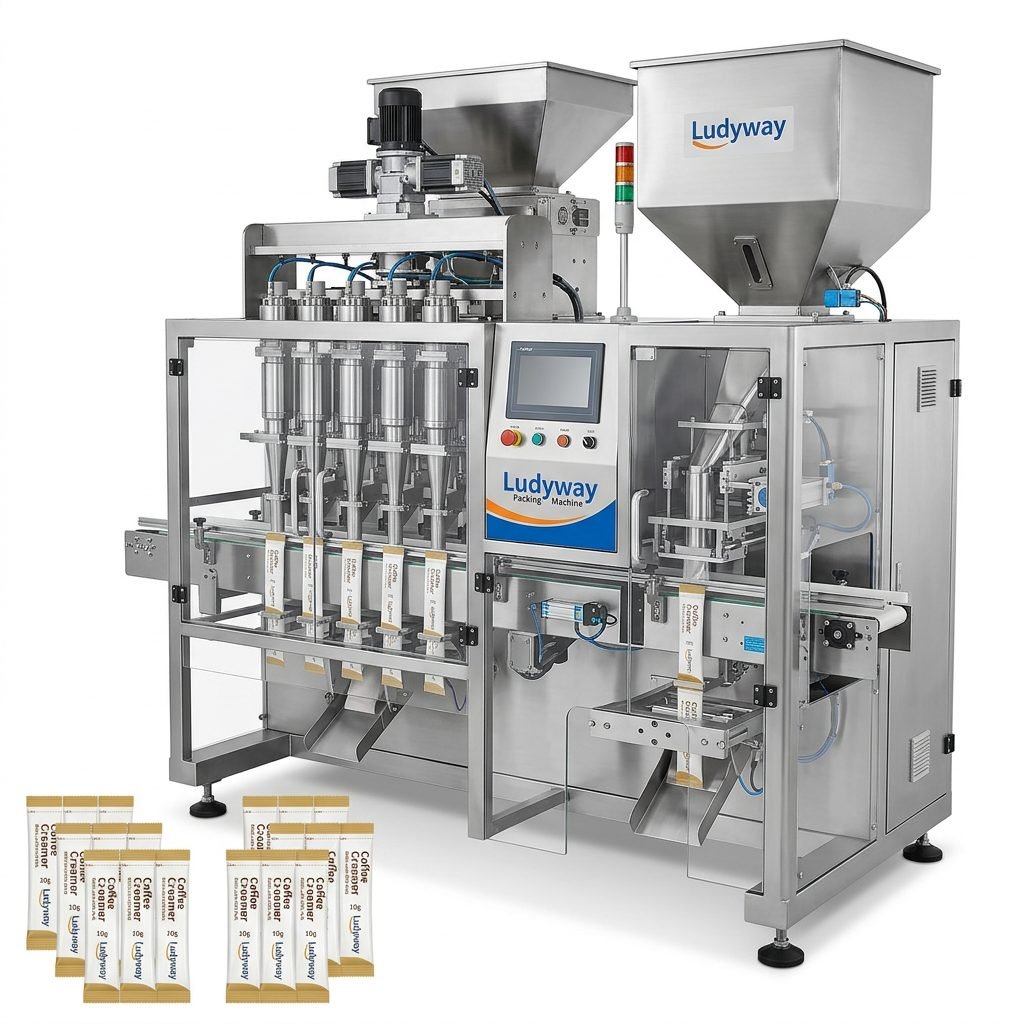
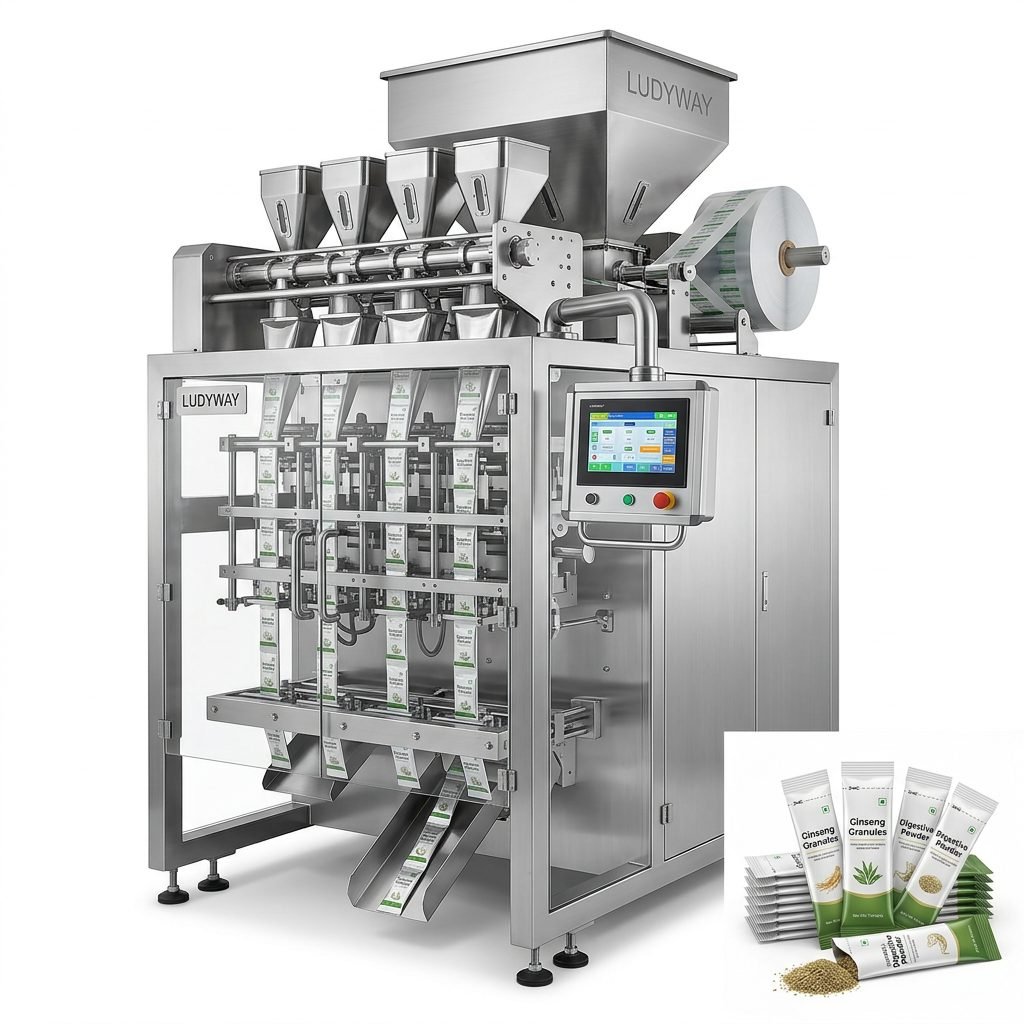
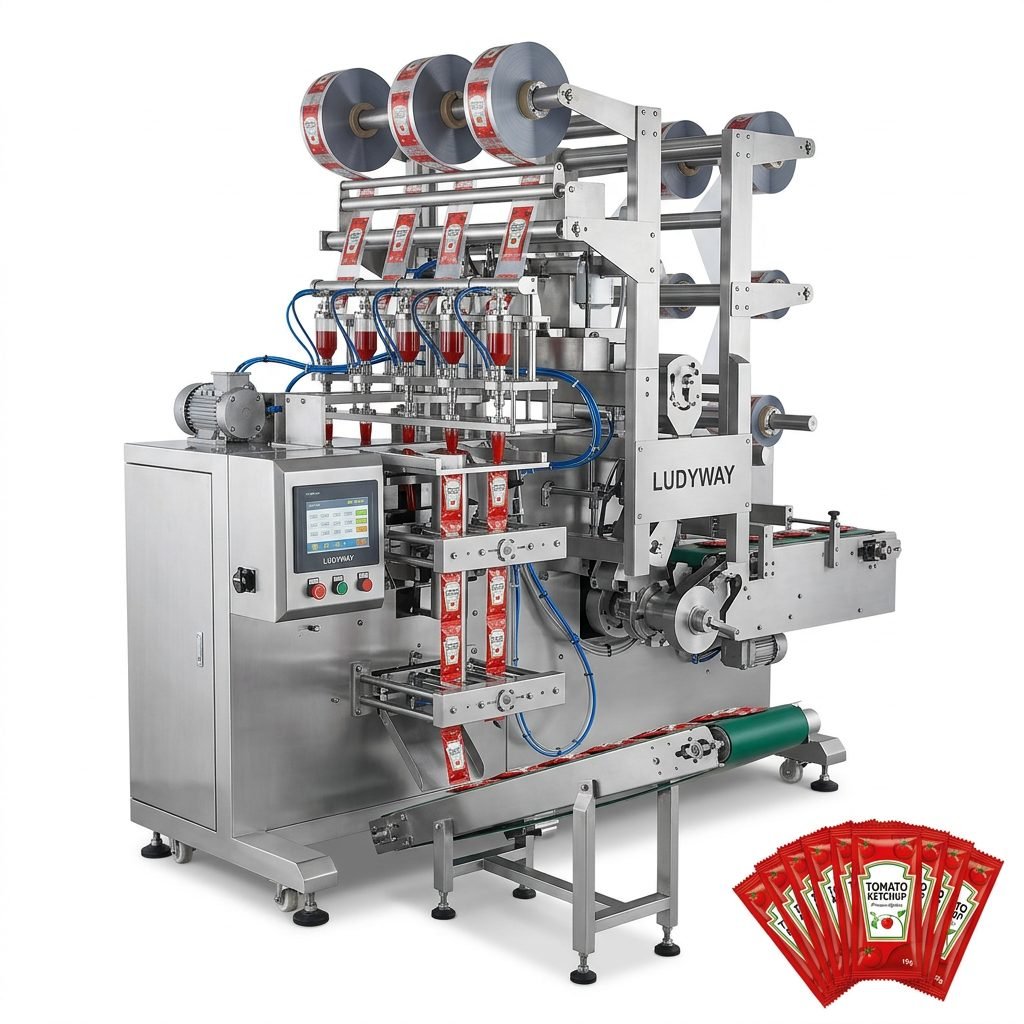
3. Multi-Lane Sachet or Stick Pack Machines
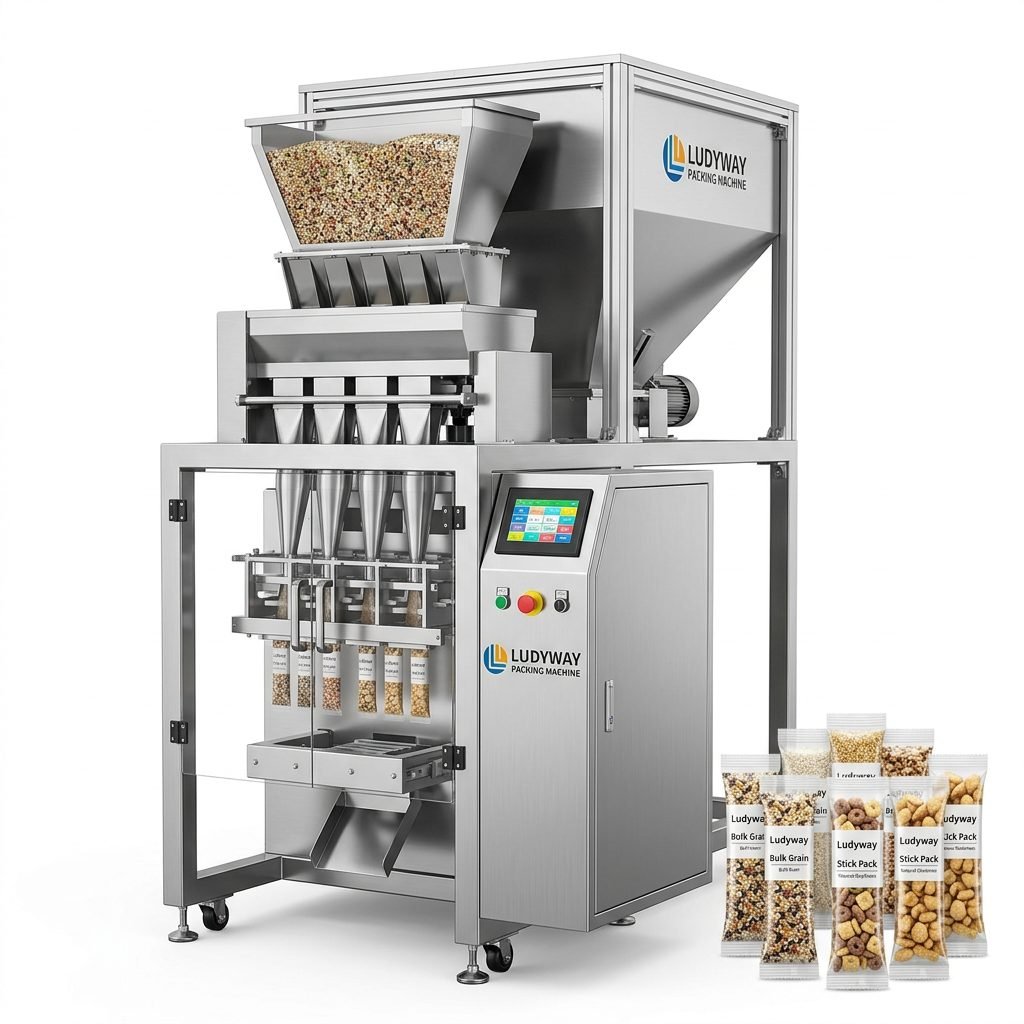
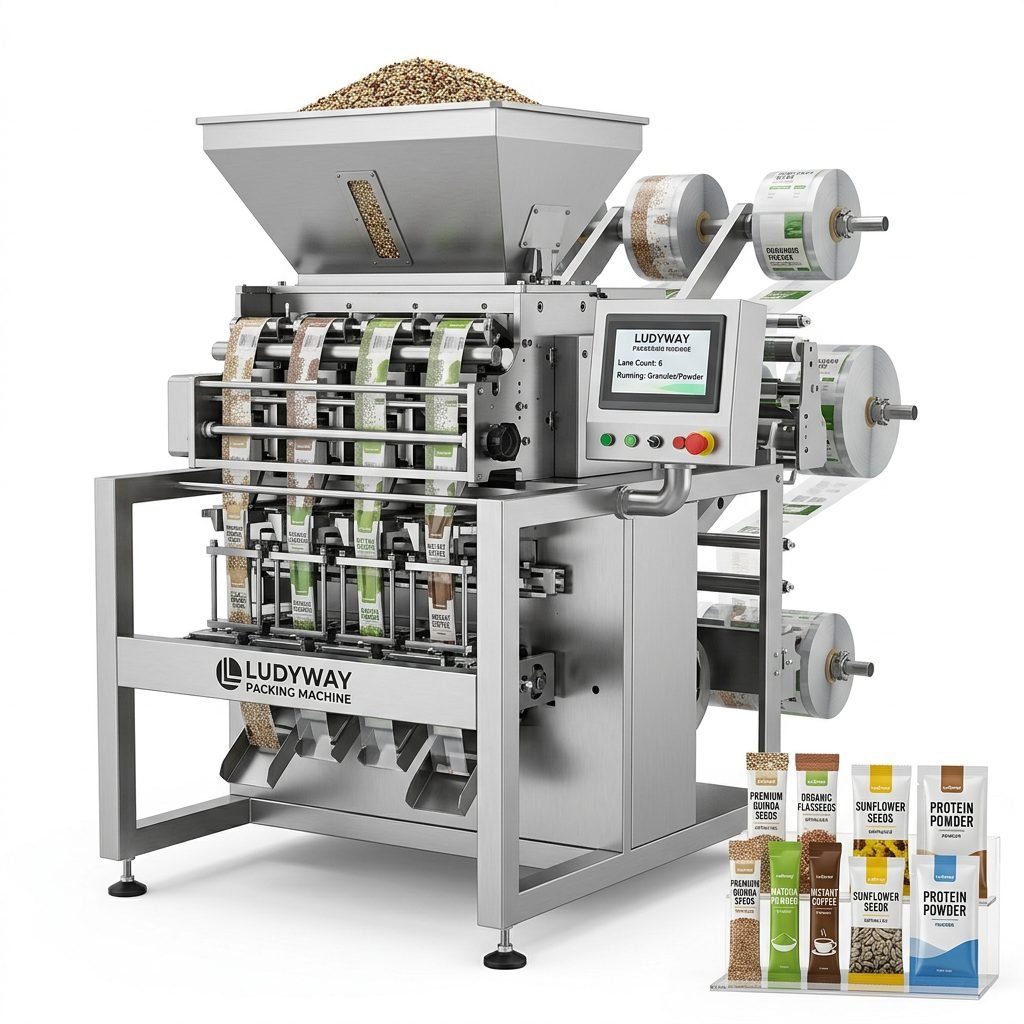
These are used for small-gram rice products, rice flour portions, seasoning-mix applications, or sample packs. They support high-speed output across multiple lanes.
Best for: small packs, instant rice-based products, and promotional units.
4. Open-Mouth Bagging Systems
These are designed for larger weights such as 5kg, 10kg, 25kg, or even 50kg bags. They are common in wholesale, agricultural, and industrial food supply chains.
Best for: bulk rice packaging operations.
How to Choose the Best Solution
Before comparing machine models, define your packaging goals clearly. A good buying decision starts with production data, not just machine speed claims.
Understand Your Rice Product
Ask these questions:
- Are you packing long grain, short grain, jasmine, basmati, sticky rice, or broken rice?
- Does the product generate dust?
- Is the rice free-flowing or irregular?
- Will you package standard rice, instant rice, or rice powder?
Each product may require a different feeding system, weighing method, and sealing configuration.
Define Bag Size and Packaging Format
Your machine must suit your target pack style. Typical options include:
- Pillow bags
- Gusseted bags
- Stand-up pouches
- Vacuum bags
- Small sachets
- Bulk woven or PE-lined bags
If you plan to serve both retail and wholesale channels, it may be smarter to choose a modular line or separate systems for small and large packs.
Match the Right Weighing System
Weighing accuracy has a direct effect on cost. For rice packaging, common dosing systems include:
| Weighing System | Suitable Application | Key Advantage |
|---|---|---|
| Linear weigher | Standard rice packs | Simple structure and reliable operation |
| Multihead weigher | High-speed retail packaging | High speed with strong weight consistency |
| Net weight scale | Large bags such as 5kg to 50kg | Accurate bulk filling |
| Cup filler | Some small-volume applications | Economical for simple production needs |
Check Real Speed, Not Just Maximum Speed
Many buyers focus only on peak machine speed. The smarter approach is to ask about stable running speed under actual rice packaging conditions. Real performance depends on product flow, film quality, filling weight, operator skill, and changeover frequency.
Ask suppliers for:
- Speed range by bag size
- Accuracy range for your target weight
- Trial video with similar rice product
- Output under continuous production conditions
Evaluate Sealing Quality
A fast machine is not useful if seals fail during transportation or storage. Rice packaging often requires strong and neat sealing, especially for export, humid environments, or long distribution chains.
Important checks include:
- Seal strength consistency
- Bag top cleanliness before sealing
- Temperature control stability
- Compatibility with laminated films or PE materials
Think About Automation Level
A standalone rice packing machine may be enough for small factories, but growing operations often benefit from a full packaging line. This may include:
- Feeding conveyor or bucket elevator
- Weighing system
- Main packing machine
- Metal detector
- Checkweigher
- Date coder
- Cartoning or case packing
- Palletizing
More automation usually means less labor dependency, better consistency, and stronger scalability.
Key Features to Look For
When comparing suppliers, focus on machine capability rather than appearance alone.
| Feature | Why It Matters |
|---|---|
| PLC and touch screen control | Easier operation, parameter storage, and faster adjustments |
| Servo-driven film pulling | Improves bag length accuracy and smooth running |
| Stainless steel contact parts | Supports food hygiene and easier cleaning |
| Dust-proof structure | Helps maintain seal quality and machine cleanliness |
| Quick changeover design | Reduces downtime between different bag sizes |
| Inspection system integration | Improves quality control and shipment reliability |
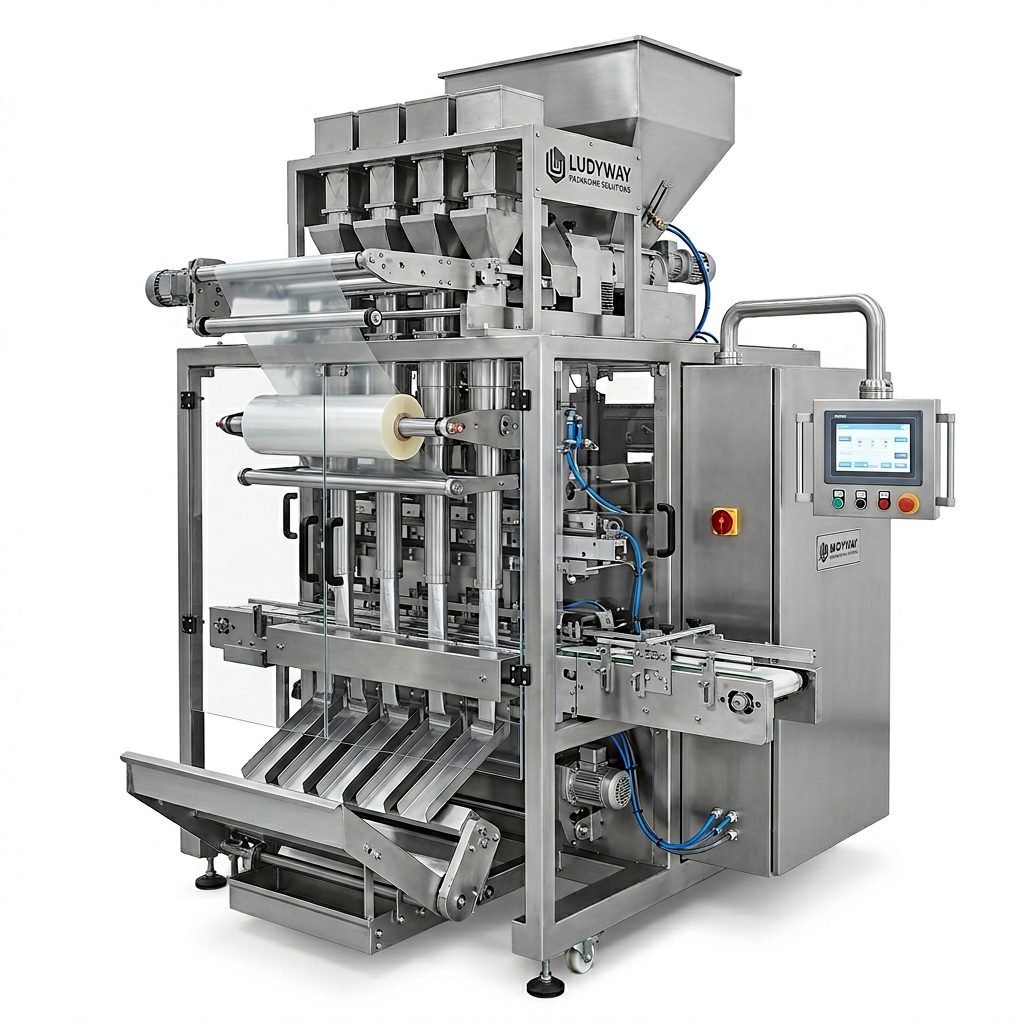
Common Mistakes Buyers Should Avoid
- Choosing by price alone without checking long-term accuracy and service life.
- Ignoring future expansion when current output is likely to grow.
- Overlooking after-sales support for installation, spare parts, and troubleshooting.
- Using the wrong bag material for the machine’s sealing system.
- Skipping product testing before final purchase.
How to Match the Machine to Your Production Scale
Small to Mid-Sized Producers
If you operate with limited labor and moderate output, a compact vertical packing machine with a linear weigher may offer the best balance of cost and efficiency.
High-Volume Rice Brands
For large-scale production, high-speed systems with multihead weighing, automatic feeding, inspection devices, and end-of-line automation provide better throughput and tighter quality control.
Bulk and Export Suppliers
If you pack rice for wholesale or international transport, larger bagging systems with precise net weighing and strong sealing are usually the better option. Durability, dust management, and bag handling become especially important.
Supplier Selection Matters as Much as Machine Selection
The right machine should come from a supplier with engineering experience, customization ability, and dependable service. That is particularly important when your product, bag type, or plant layout requires a tailored solution.
Many buyers look for manufacturers that can deliver both single machines and complete lines. rice packing machine solutions from Ludyway are often considered by businesses that need scalable automation, flexible machine configurations, and turnkey packaging line support for food and related industries.
Questions to Ask Before You Buy
- What rice products has the machine already packed successfully?
- What is the actual weighing accuracy for my pack size?
- How fast can it run continuously, not just theoretically?
- Can the machine handle multiple bag sizes?
- What spare parts are recommended for the first year?
- How is installation, training, and technical support provided?
- Can the system integrate with checkweighers, metal detectors, and cartoning equipment?
Final Buying Insight
The best rice packing machine is the one that fits your product, your output target, your bag style, and your automation plan. A well-chosen solution improves packing speed, reduces weight variation, protects product quality, and lowers operating cost over time.
If you want fast and accurate rice packaging, prioritize real production performance, weighing stability, sealing reliability, and supplier support. That combination will give you a packaging system that performs well not just on day one, but for years of continuous operation.