Skin vacuum packaging is widely used for food, retail display, electronics, hardware, medical consumables, and premium consumer goods because it combines tight product presentation, strong protection, and attractive shelf appeal. If you are evaluating a skin vacuum packaging machine for your production line, it is important to understand how the process works, what benefits it delivers, and which technical factors matter most before you buy.
This guide explains the complete picture in practical terms, helping manufacturers, brand owners, and procurement teams choose a solution that matches their product, output target, and packaging goals.
What Is a Skin Vacuum Packaging Machine?
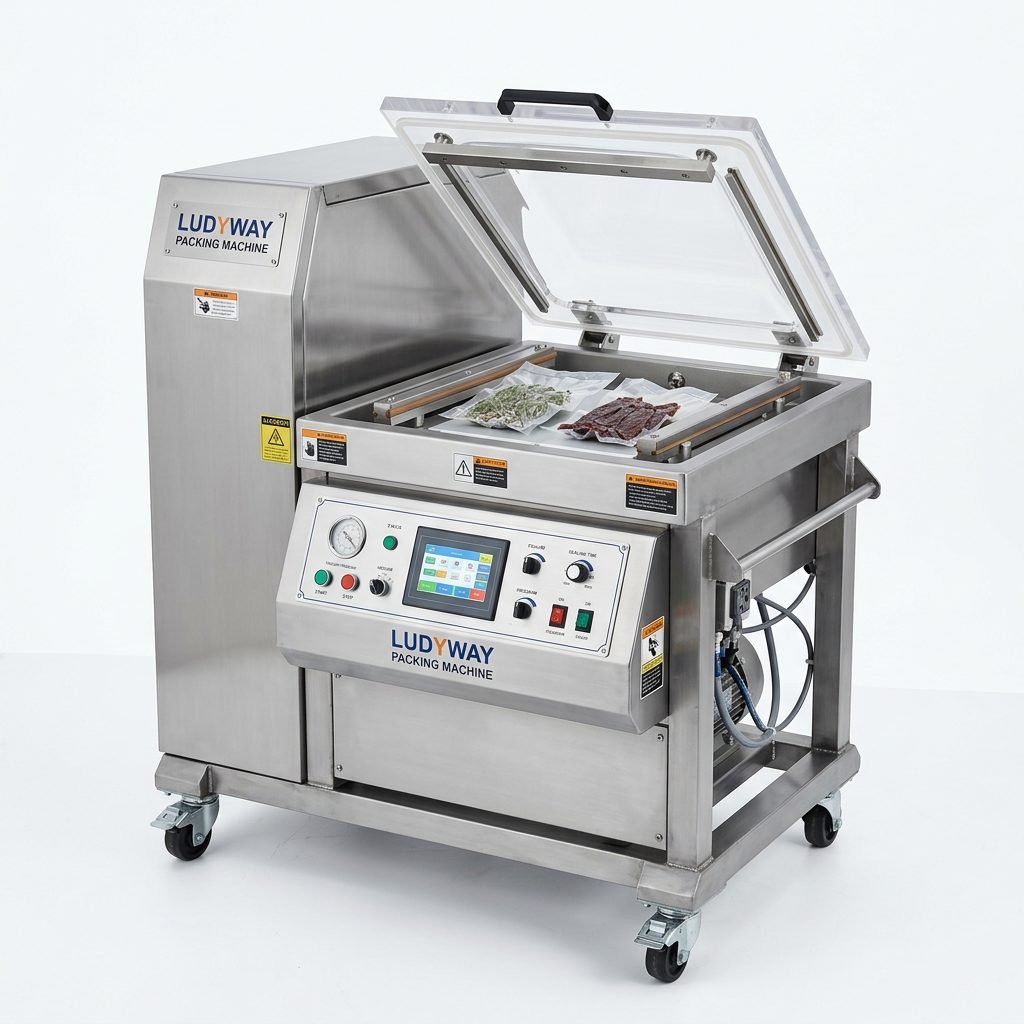
A skin vacuum packaging machine is a packaging system that uses a heated top film and vacuum pressure to make the film closely conform to the product surface and the bottom support material, usually a tray, paperboard, or rigid base. The film wraps the product like a second skin, which is why the format is called skin packaging.
Unlike standard vacuum bags, skin packaging does not simply remove air from a pouch. Instead, it creates a clean, contour-fitting package that can improve product visibility while helping reduce product movement during transport and display.
Typical products packed with skin vacuum technology
- Fresh meat, seafood, and poultry
- Cheese and processed food portions
- Frozen products
- Ready meals and retail food trays
- Hardware tools and spare parts
- Medical and technical components
- Premium retail products requiring stable display
How a Skin Vacuum Packaging Machine Works
The basic working principle is simple: the machine places a product on a base material, heats a special skin film, removes air from the chamber or sealing area, and forms the film tightly around the product before sealing it to the base.
Step-by-step packaging process
- Product loading: The item is placed on a tray, board, or formed support material.
- Film positioning: A skin film is fed into the sealing area above the product.
- Heating: The upper film is heated until it becomes flexible enough to drape over the product.
- Vacuum creation: Air is removed from the chamber or packaging zone.
- Film forming: Pressure and vacuum draw the film tightly over the item and onto the base.
- Sealing: The film bonds to the tray flange or backing material.
- Cooling and discharge: The package stabilizes and is conveyed out for cutting, labeling, boxing, or further handling.
Main machine components
| Component | Function |
|---|---|
| Vacuum chamber or sealing area | Removes air to create tight package formation |
| Heating system | Softens the upper skin film for contour forming |
| Film transport unit | Feeds top film accurately into position |
| Tray or base positioning system | Keeps the product base stable during packaging |
| Sealing mold | Creates the final bond between film and support material |
| Control system | Manages temperature, vacuum level, cycle timing, and alarms |
Types of Skin Vacuum Packaging Machines
Not all skin packaging systems are built the same. The right machine depends on your production volume, package size range, and automation requirements.
Common machine categories
- Manual or semi-automatic models: Best for small factories, pilot production, or specialty products.
- Automatic tray skin pack machines: Suitable for medium to high output food and retail operations.
- Thermoforming skin packaging machines: Create packs from rollstock and are ideal for large-scale industrial production.
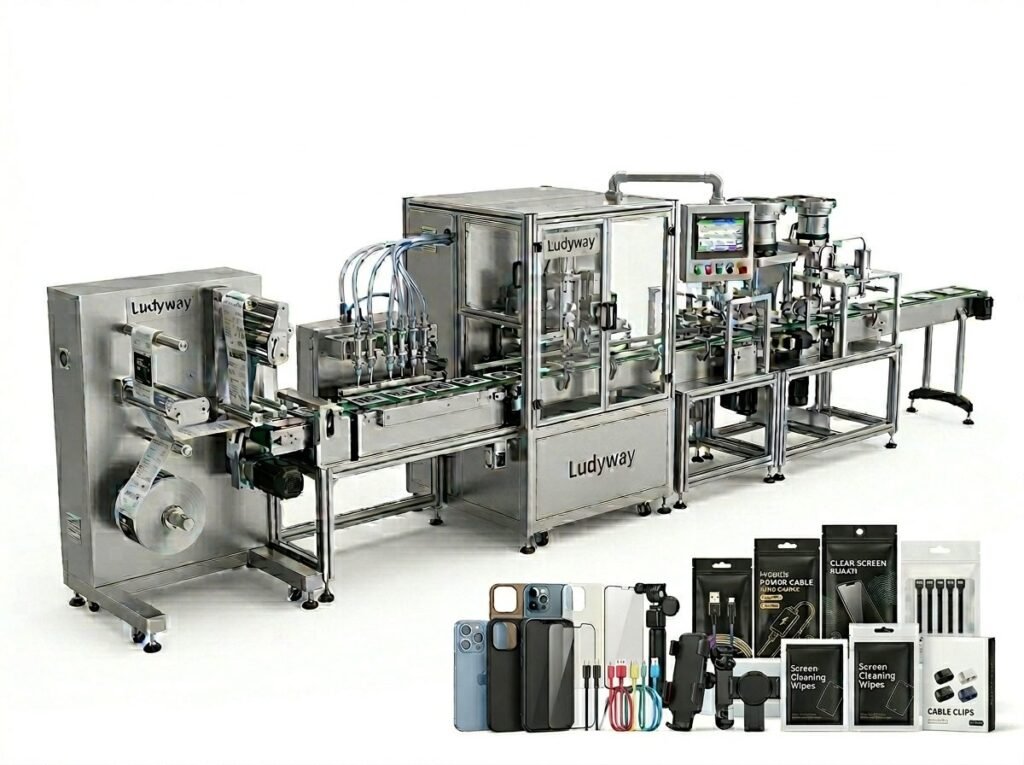
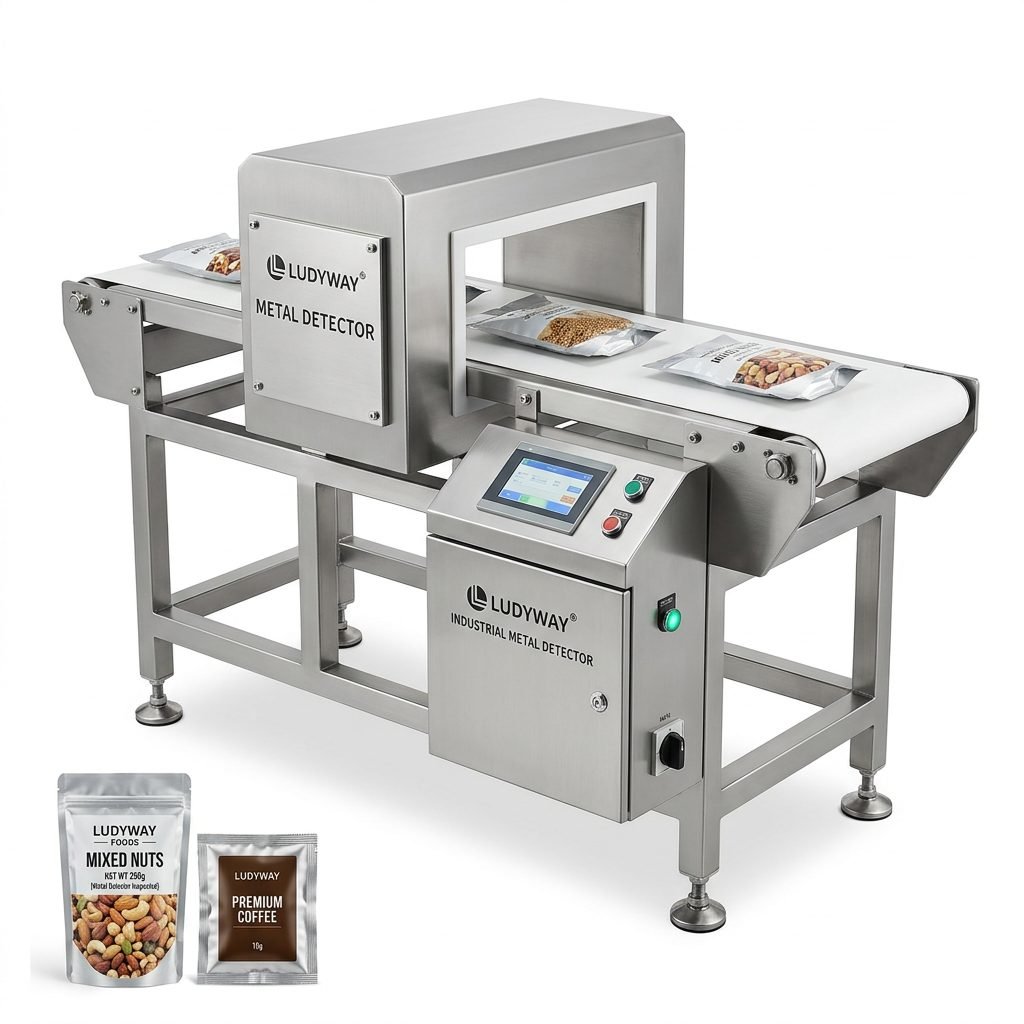
- Inline integrated systems: Connected with labeling, weighing, metal detection, cartoning, and case packing equipment.
Key Benefits of Skin Vacuum Packaging
Many companies choose skin packaging because it improves both product protection and retail presentation. The film locks the product in place, helps reduce shifting, and often delivers a cleaner, more premium appearance than loose or bulky packaging formats.
1. Better product presentation
Skin packaging creates a clear, close-fitting display that highlights the shape, texture, and quality of the product. This is especially important for retail products where visual appeal influences buying decisions.
2. Reduced product movement
Because the film conforms tightly to the item, products are less likely to shift inside the package. This can reduce cosmetic damage and improve shelf consistency.
3. Longer shelf life for many food products
By removing oxygen and creating a tighter seal, skin vacuum packaging can help preserve freshness and slow oxidation for suitable food applications.
4. Leak resistance and cleaner handling
For many food trays, especially protein products, the close film fit can improve liquid retention and package stability in cold-chain distribution.
5. Premium shelf appearance
Skin packs often look flatter, neater, and more modern than traditional overwrap packaging. This can help products stand out in supermarkets and specialty retail environments.
6. Efficient use of space
Skin-packed products can be more compact than conventional packaging, which may improve storage, transport, and merchandising efficiency.
Skin Packaging vs Traditional Vacuum Packaging
| Feature | Skin Vacuum Packaging | Traditional Vacuum Bag Packaging |
|---|---|---|
| Appearance | Tight, contour-fitting, premium display | Functional but less visually refined |
| Product stability | Very good, minimal movement | Can shift inside bag |
| Retail display | Excellent | Moderate |
| Package structure | Tray or board plus top film | Flexible vacuum pouch |
| Suitable applications | Retail-ready food and display products | Bulk or general vacuum-packed goods |
Industries That Commonly Use Skin Vacuum Packaging Machines
While food is the best-known application, skin packaging machines are also used across non-food sectors where product fixation and visual presentation matter.
Food industry
- Fresh meat and steak portions
- Seafood fillets and shellfish
- Cheese portions
- Ready meals and convenience foods
- Frozen premium products
Non-food industry
- Hardware kits
- Automotive spare parts
- Medical components
- Consumer electronics accessories
- Retail tool sets
Important Technical Parameters to Check Before Buying
A machine may look similar on paper, but performance differences usually come from the details. Buyers should compare more than price.
Checklist for machine evaluation
| Factor | Why It Matters |
|---|---|
| Output speed | Determines whether the machine can meet current and future production demand |
| Package size range | Affects flexibility for multiple SKUs |
| Vacuum quality | Influences package appearance, shelf life, and sealing consistency |
| Film compatibility | Ensures the machine supports the materials you want to use |
| Tray/base compatibility | Important for product positioning and sealing reliability |
| Automation level | Affects labor cost, line efficiency, and operator dependence |
| Cleaning and maintenance | Critical for food hygiene and long-term operating cost |
| After-sales support | Helps reduce downtime and installation risk |
How to Choose the Right Skin Vacuum Packaging Machine
Choosing the right equipment starts with your actual packaging application, not the machine brochure. A supplier should ask detailed questions about your product and line requirements before recommending a model.
Ask yourself these questions
- What product are you packing, and is it fragile, wet, sharp, or irregular in shape?
- What is your target output per hour or per shift?
- Do you need tray skin packaging or thermoforming rollstock packaging?
- What packaging materials do you plan to use?
- Do you need MAP, gas flush, labeling, coding, or checkweighing integration?
- How often do you change SKU sizes?
- What hygiene level and washdown standard are required?
- What technical service support is available in your market?
Best buying approach
Request sample testing with your own products, review sealing quality, confirm cycle speed under real conditions, and check whether the machine can maintain stable output during continuous operation. A lower-priced machine may become expensive if it causes film waste, sealing defects, or excessive downtime.
Common Buying Mistakes to Avoid
- Buying based on price alone
- Ignoring film and tray compatibility
- Choosing a machine without enough future capacity
- Failing to test actual products before purchase
- Overlooking spare parts and technical support availability
- Not confirming cleaning and maintenance requirements
- Assuming all vacuum systems provide the same seal quality
Maintenance Tips for Long-Term Performance
Even a high-quality machine needs proper maintenance to deliver stable packaging results.
- Clean sealing areas and product contact parts regularly
- Check heater performance and temperature calibration
- Inspect vacuum pump condition and replace consumables on schedule
- Monitor film tracking and tension settings
- Train operators to identify poor seal signs early
- Keep critical spare parts in stock to reduce downtime
Why Supplier Experience Matters
A skin vacuum packaging machine is not just a standalone purchase. It is part of your production system, your packaging quality standard, and your brand presentation. That is why many buyers prefer manufacturers with broad engineering capability, export experience, and the ability to provide complete line integration.
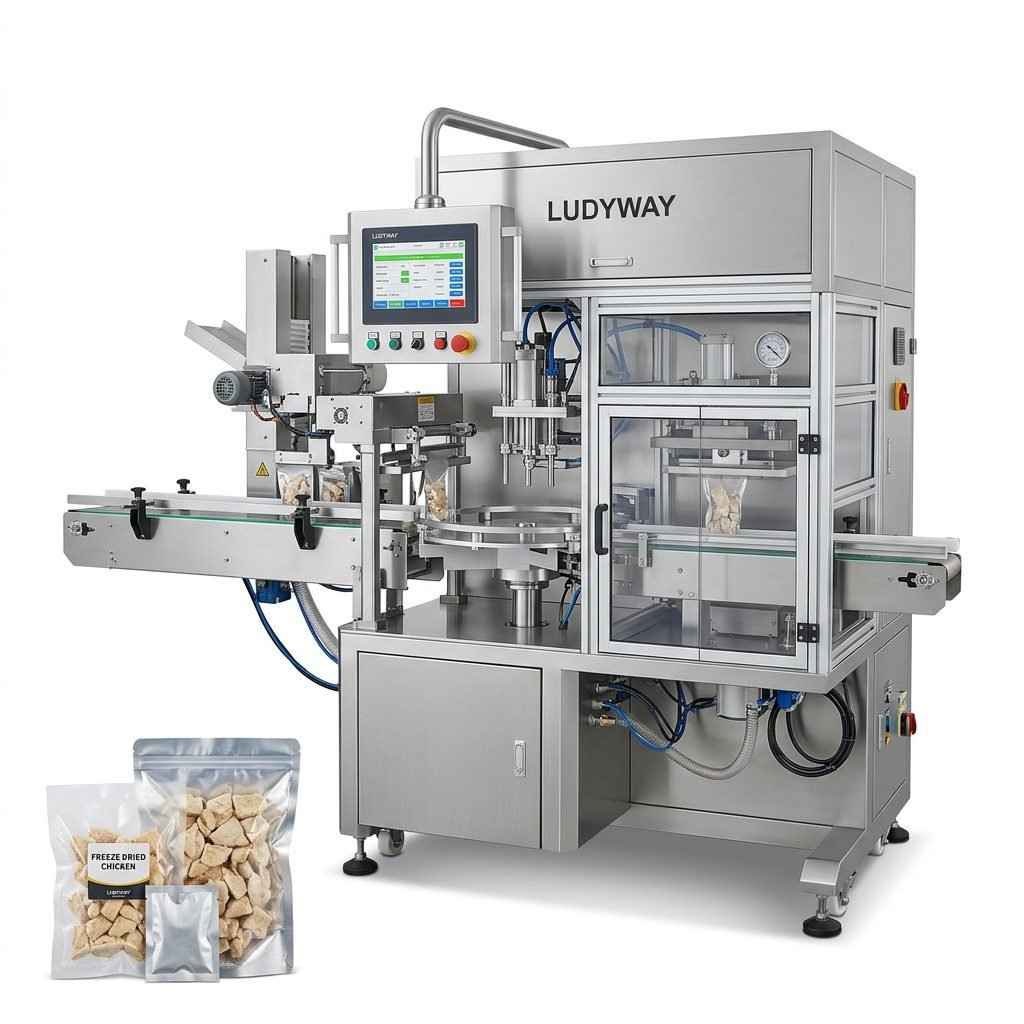
For businesses looking for scalable packaging automation, Ludyway skin vacuum packaging machine solutions can be considered as part of a wider equipment strategy. As one of China’s leading packaging machine and turnkey packaging line manufacturers, the company has over 30 years of industry experience, a factory covering more than 20,000 square meters, and a strong export presence across Europe, North America, the Middle East, South America, Africa, and Southeast Asia.
Final Buying Guide Summary
A good skin vacuum packaging machine should do more than remove air. It should deliver consistent seal quality, attractive package appearance, material compatibility, production efficiency, and reliable long-term operation. Before buying, focus on product fit, production speed, automation level, maintenance needs, and supplier support.
If you compare machines based on real samples, operating stability, and total cost of ownership instead of initial price alone, you will be in a much better position to choose the right system for your business.
Quick buyer checklist
- Confirm your product type and packaging goal
- Match output speed to your production plan
- Verify film, tray, and base material compatibility
- Ask for sample testing and sealing proof
- Evaluate hygiene design and maintenance access
- Check spare parts, service response, and training support
- Consider future expansion and line integration