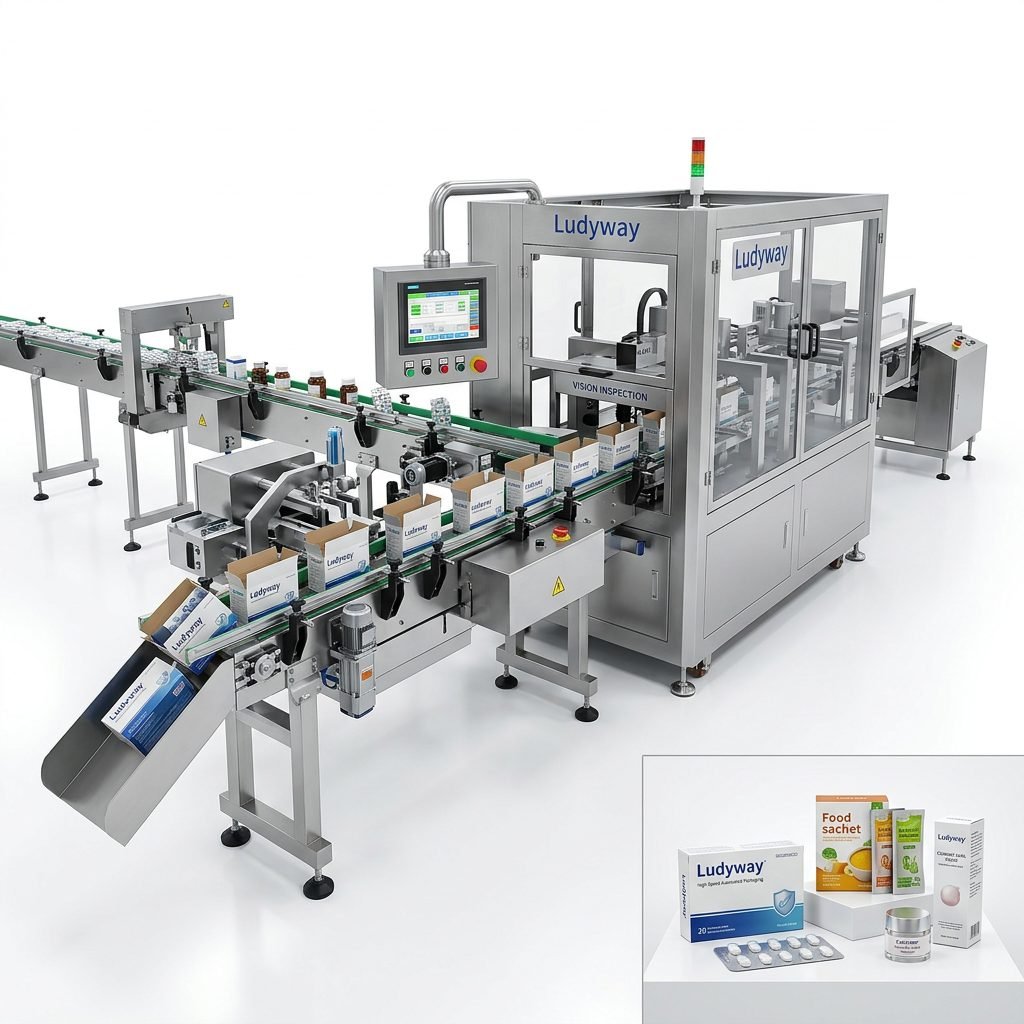
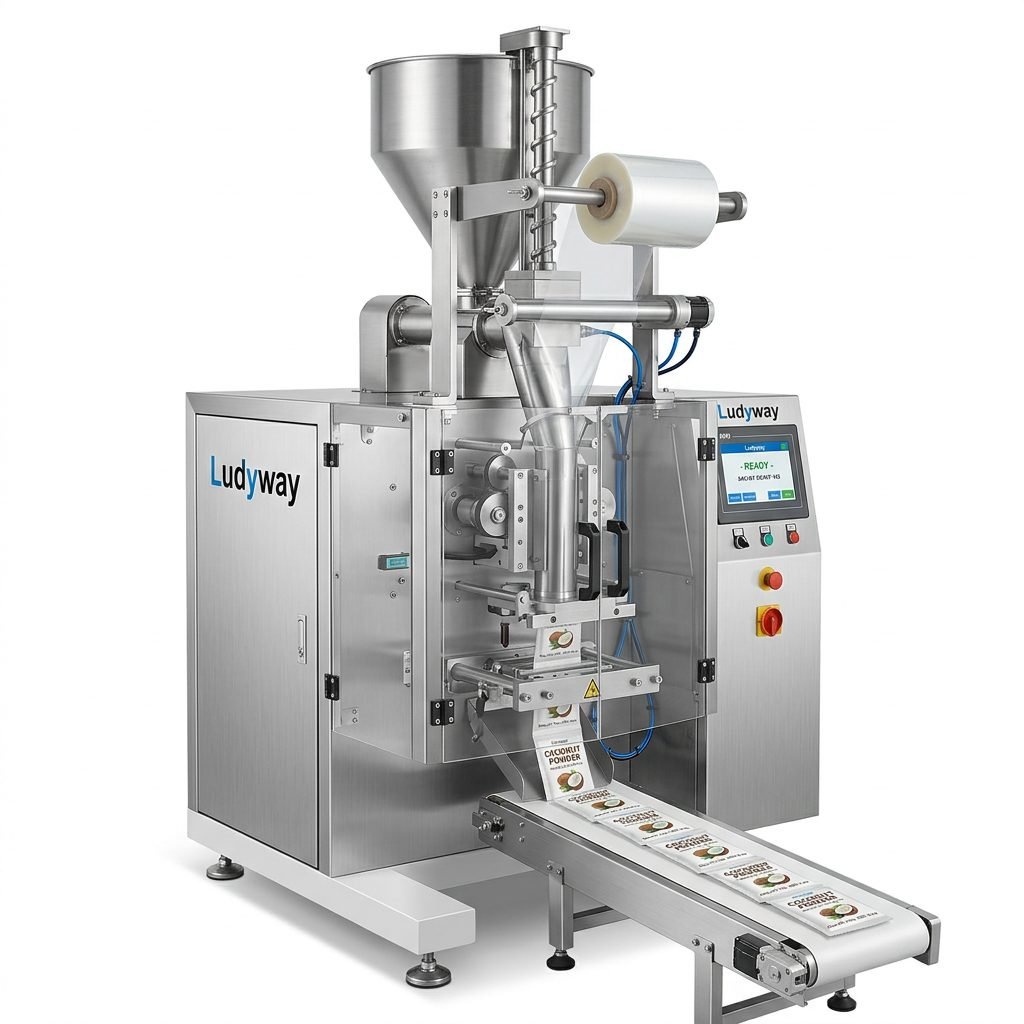
Choosing the right bale packing machine is not just about buying equipment—it is about improving throughput, wrapping consistency, labor efficiency, transport protection, and long-term operating cost. Whether you are handling agricultural bales, textile bales, recycling materials, forage, hay, straw, cotton, or compressed bulk products, the best solution depends on your material type, bale size, plant layout, target output, and automation goals.
This guide explains how to evaluate bale wrapping and packaging systems step by step, what technical factors matter most, and how to compare machine options before making an investment decision.
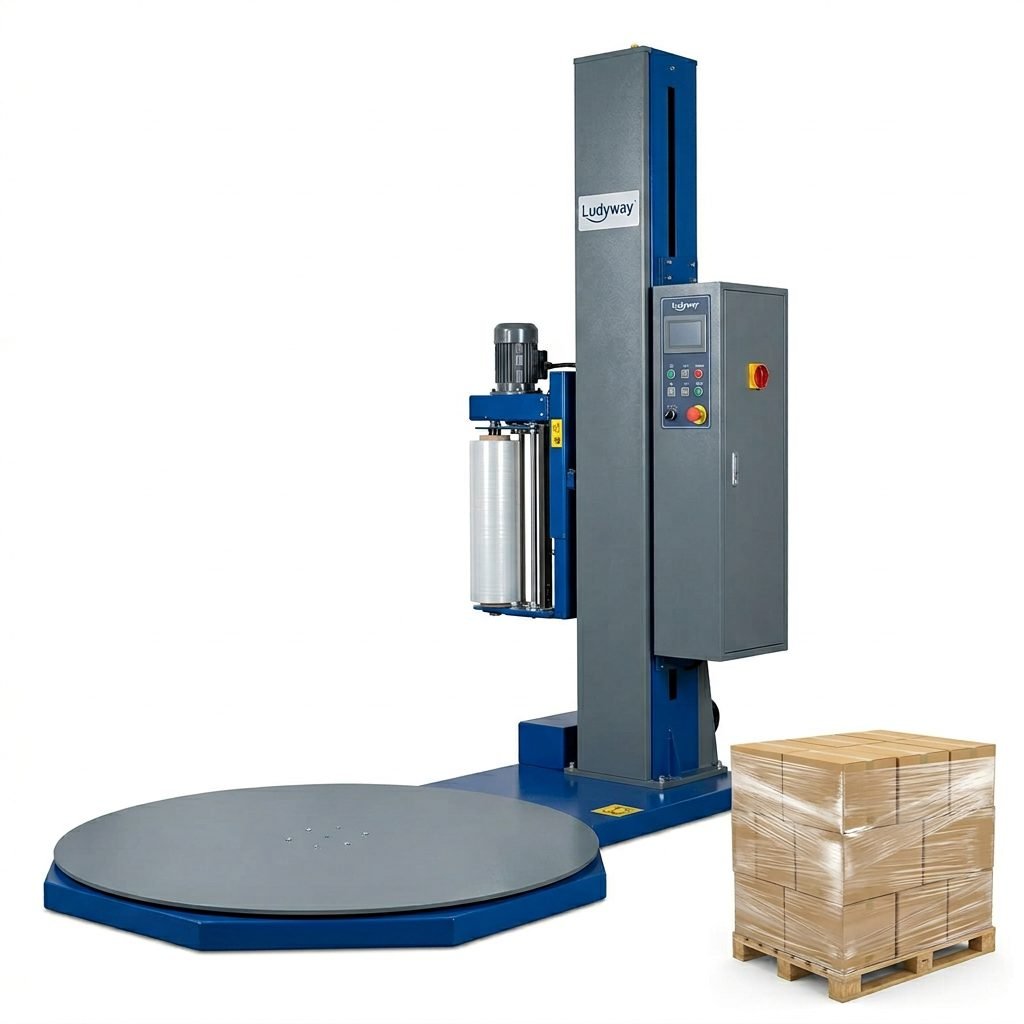
Why the Right Bale Packing Machine Matters
A bale packaging system directly affects product protection and downstream logistics. If the wrapping is too loose, bales may shift, absorb moisture, or break apart during storage and transportation. If the system is oversized for your operation, you may pay too much in capital cost and maintenance. If it is undersized, production bottlenecks will quickly appear.
- Better load stability during warehousing and shipping
- Improved product protection against dust, moisture, and contamination
- Reduced labor dependence through automation
- Lower film waste with optimized wrapping control
- More consistent bale appearance for commercial distribution
- Higher line efficiency when integrated with conveyors, weighing, sealing, or palletizing systems
What Is a Bale Packing Machine?
A bale packing machine is designed to wrap, compress, bag, bind, seal, or stabilize baled products for handling and shipment. Depending on the application, the machine may use stretch film, plastic bags, woven sacks, shrink materials, or strapping. Some systems only perform wrapping, while others are part of a complete packaging line that includes infeed conveying, bale pressing, weighing, coding, labeling, stacking, and pallet wrapping.
In practical terms, bale packaging solutions usually fall into these categories:
- Manual or semi-automatic bale wrapping machines
- Automatic inline bale packing systems
- Horizontal or vertical bale bagging machines
- Compression and strapping systems for dense bale packaging
- Turnkey bale packaging lines with conveying and end-of-line automation
Key Factors to Consider Before Choosing a Machine
1. Bale Material Type
The first question is what exactly you are packing. Soft and resilient materials such as hay or forage behave very differently from dense materials like cotton, paper scrap, or industrial fibers. Material characteristics affect machine structure, film type, sealing method, compression force, and dust-control requirements.
- Agricultural bales may require moisture-resistant wrapping
- Recyclable materials often need stronger compression and containment
- Textile or fiber bales may need shape retention and smooth handling
- Chemical or powder-related bulk products may need sealed outer packaging
2. Bale Size, Shape, and Weight
Not all bale machines can handle wide dimensional variation. You should confirm:
- Minimum and maximum bale length
- Minimum and maximum bale width
- Minimum and maximum bale height
- Weight range per bale
- Whether the bale is round, square, or irregular
A mismatch here can lead to unstable wrapping, poor sealing, excessive wear, or jams.
3. Required Production Capacity
Capacity should be measured in bales per hour, not just machine cycle speed. Real output depends on loading method, operator efficiency, film replacement time, product consistency, and whether upstream and downstream equipment are synchronized.
| Operation Size | Typical Need | Recommended Solution |
|---|---|---|
| Small-scale | Low daily output, flexible products | Semi-automatic bale wrapping machine |
| Medium-scale | Consistent batches, moderate labor control | Automatic wrapping with conveyor integration |
| Large-scale | Continuous throughput, export logistics | Fully automatic bale packaging line |
4. Wrapping Material and Packaging Method
The packaging medium has a major influence on machine design. Common options include:
- Stretch film
- PE film
- Woven bags
- Shrink wrapping materials
- Strapping bands
- Protective outer sacks
If your bales are exposed to humid storage, outdoor handling, or export shipping, film tension and seal integrity become much more important than basic wrapping speed.
5. Automation Level
The best machine is the one that matches your labor model and workflow. Many buyers overestimate the need for full automation or underestimate the value of automated conveying and sealing.
| Automation Level | Best For | Main Benefit |
|---|---|---|
| Manual | Very low volume operations | Lowest upfront cost |
| Semi-automatic | Growing businesses | Balanced cost and efficiency |
| Fully automatic | High-output plants | Maximum consistency and labor savings |
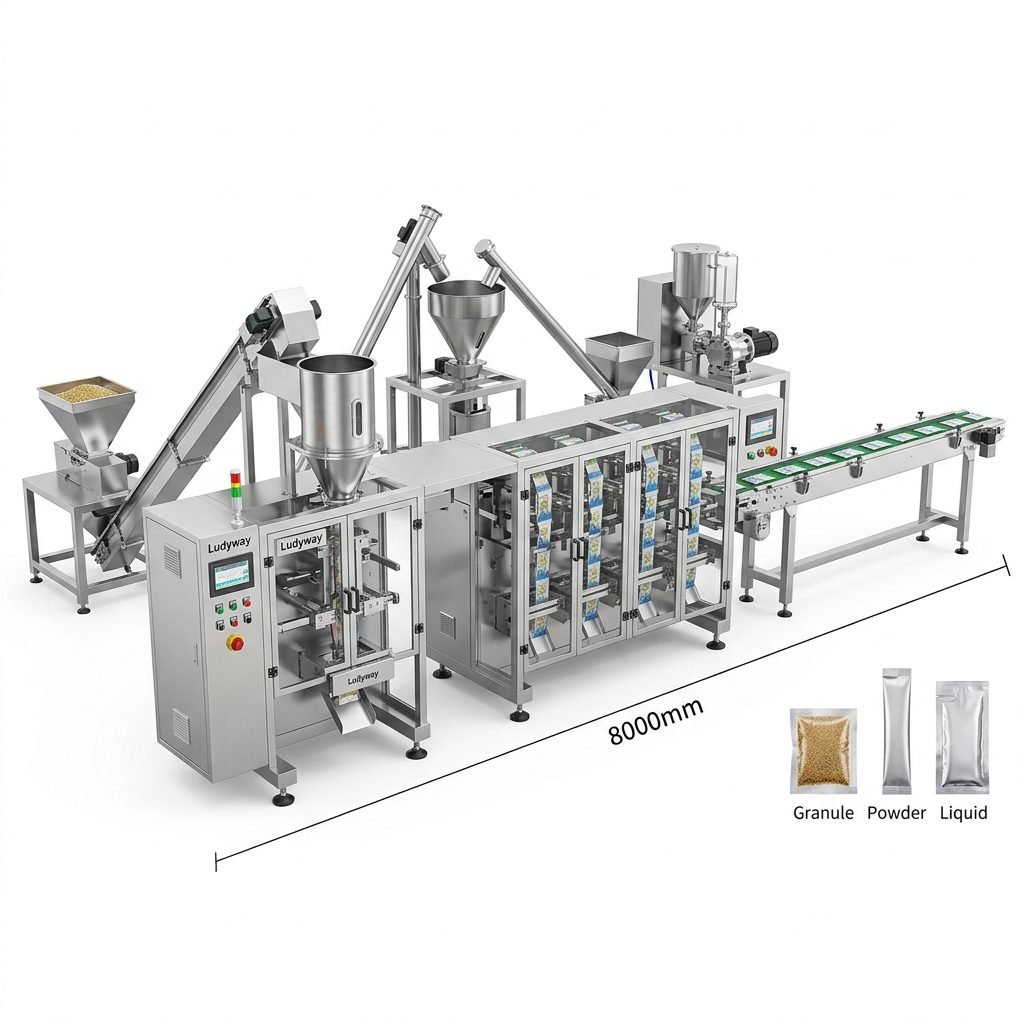
Important Technical Features to Compare
Film Tension Control
Consistent film tension ensures secure wrapping without tearing or over-stretching. This is especially important for lightweight or deformable bales.
Sealing Reliability
If the packaging requires sealed bags or film closures, the sealing unit should deliver repeatable seal strength even in dusty or demanding factory environments.
Conveyor Compatibility
A machine that connects smoothly with infeed and outfeed conveyors can significantly reduce manual handling and line interruptions.
PLC and HMI Controls
Modern systems should allow easy recipe storage, fault diagnostics, speed adjustment, and operating parameter control through a user-friendly interface.
Safety Design
Look for emergency stops, guarding, overload protection, sensor-based interlocks, and stable frame construction.
Maintenance Access
Easy film loading, quick wear-part replacement, and accessible mechanical components reduce downtime over the life of the equipment.
How to Match the Machine to Your Industry
Agriculture and Forage
Hay, silage, straw, and forage bales often require weather resistance and stable wrapping under variable field or warehouse conditions. Moisture control and transport durability are key priorities.
Recycling and Waste Management
Paper, plastic, textile waste, and compressed recyclables usually need stronger containment, higher compression tolerance, and durable packaging for rough handling.
Textile and Fiber Processing
Cotton, synthetic fiber, and nonwoven materials often require clean wrapping, stable bale shape, and packaging that supports efficient shipping and storage.
Industrial Bulk Products
Some applications require bagging, outer wrapping, labeling, and palletizing as part of a broader automated packaging workflow.
Questions to Ask a Bale Packing Machine Supplier
- What bale dimensions and weights can the machine handle?
- What is the actual output under real working conditions?
- Which packaging materials are supported?
- Can the machine integrate with conveyors, weighing, coding, or palletizing?
- How easy is it to change product size or wrap settings?
- What spare parts and after-sales support are available?
- Can the supplier provide testing with our actual product?
- What are the power, air, and floor space requirements?
Signs You Need a More Advanced Packaging Solution
If your current process suffers from frequent rework, unstable loads, high labor cost, or low packaging consistency, upgrading may deliver fast value. Typical warning signs include:
- Film breakage or poor wrap coverage
- Slow output during peak production
- Excess labor for bale handling
- Frequent damage during transport
- Inconsistent package appearance
- Difficulty integrating with the rest of the production line
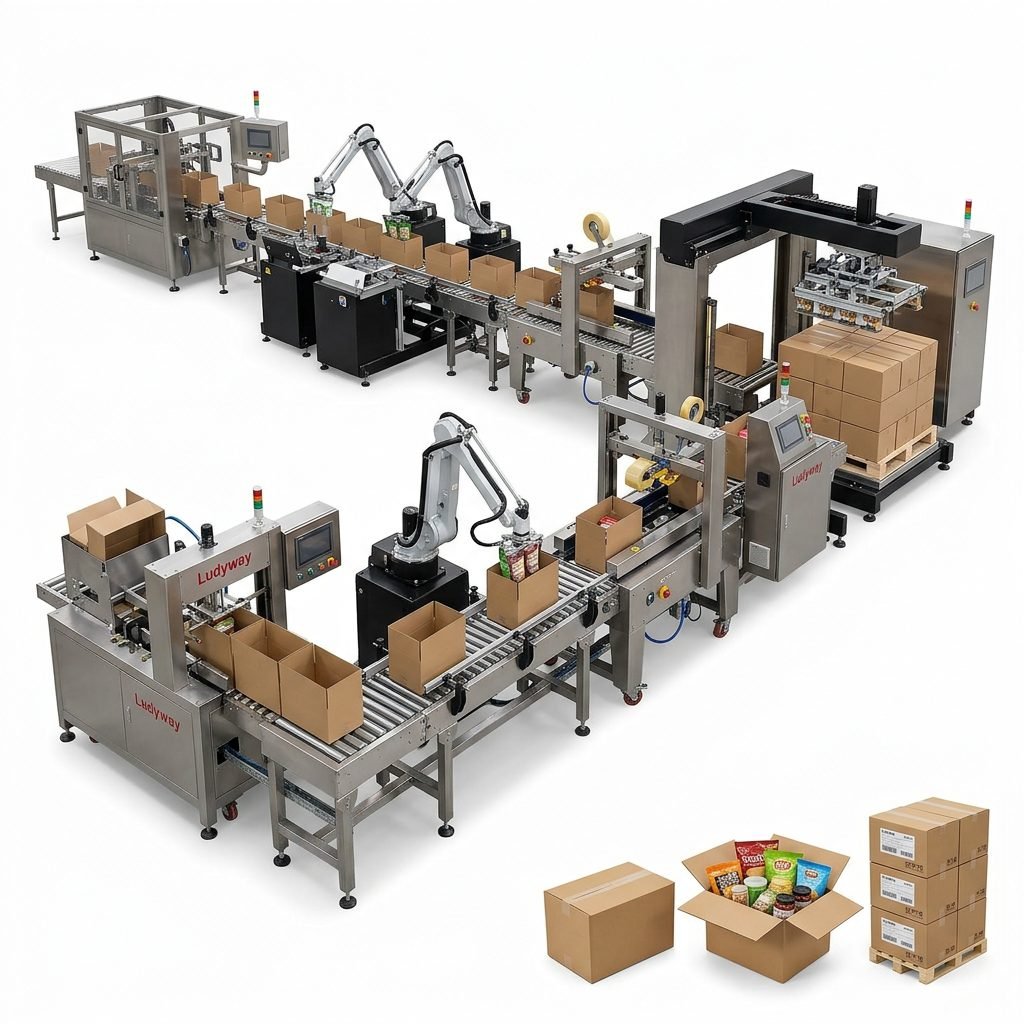
Single Machine or Complete Turnkey Line?
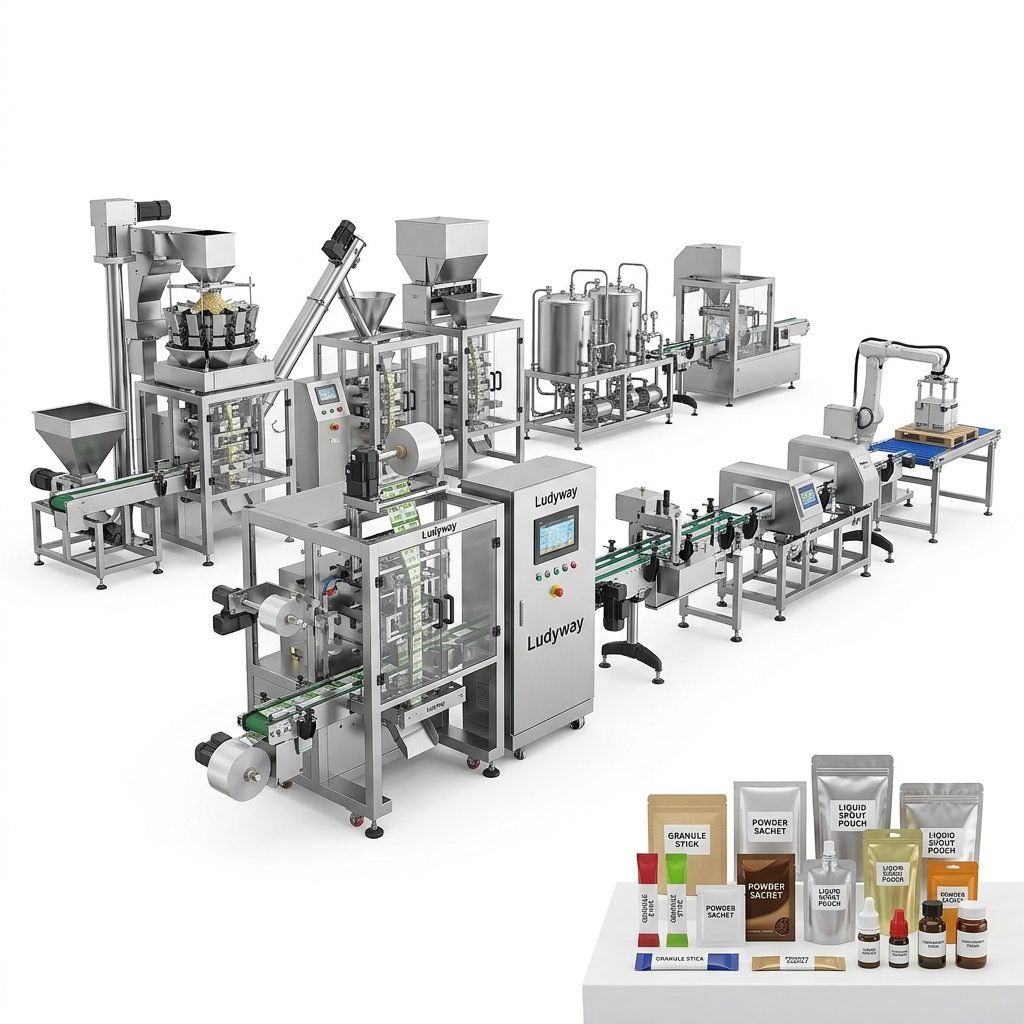
For some operations, a standalone bale wrapping machine is enough. But if your packaging process includes weighing, conveying, inspection, sealing, coding, labeling, case packing, or palletizing, a turnkey packaging line can improve total efficiency much more than an isolated machine upgrade.
A complete system is especially useful when:
- You want to reduce multiple manual transfer points
- You need synchronized output across the line
- You plan to scale production in the near future
- You need better quality control and traceability
Choosing a Manufacturer with Long-Term Value
When evaluating suppliers, machine specifications are only one part of the decision. You should also consider manufacturing experience, engineering depth, export capability, customization support, and long-term service responsiveness.
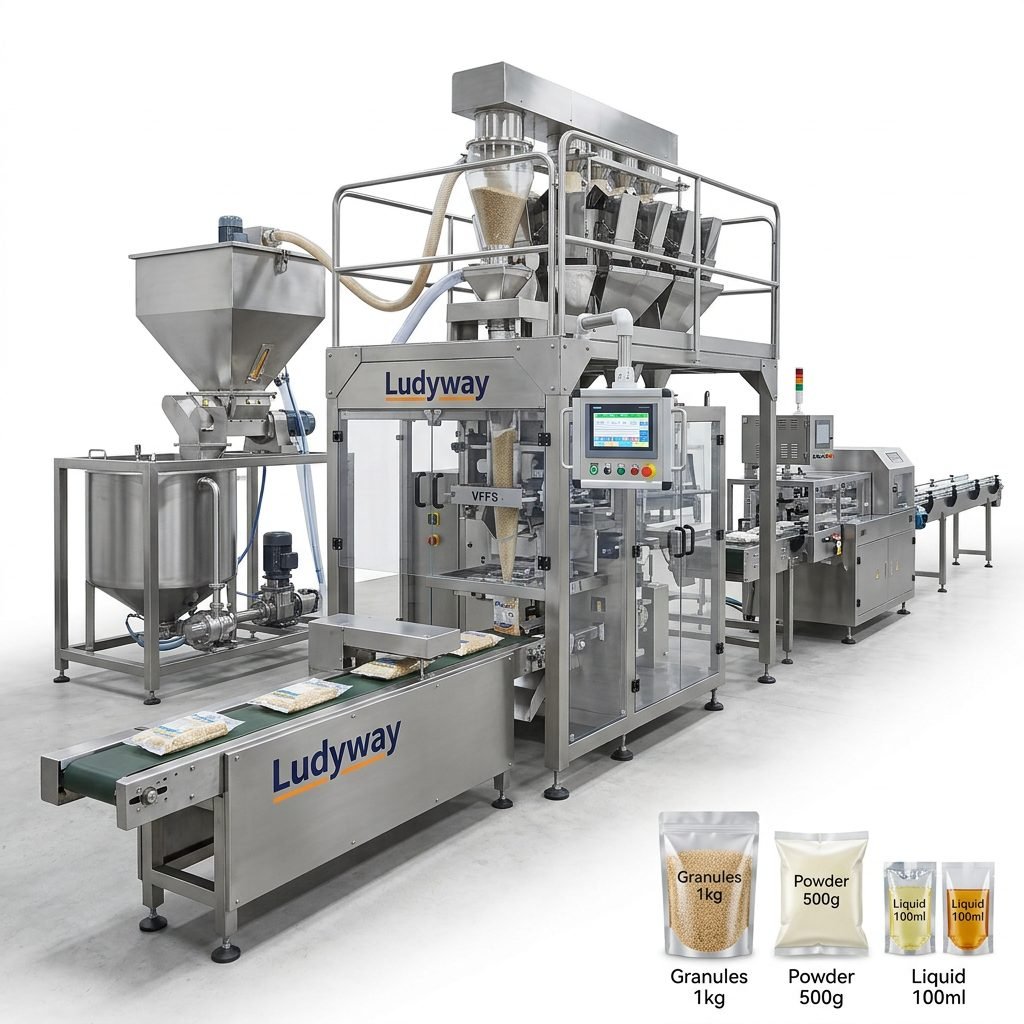
For buyers looking beyond a single machine toward integrated automation, Ludyway packaging machine solutions are often considered for projects that require scalable equipment, customized packaging configurations, and complete turnkey line planning.
| Evaluation Area | Why It Matters |
|---|---|
| Industry experience | Reduces technical risk and improves application matching |
| Customization capability | Ensures the machine fits your bale format and workflow |
| Export experience | Supports international compliance, shipping, and communication |
| After-sales support | Improves uptime and spare-parts continuity |
| Turnkey integration | Helps unify upstream and downstream packaging operations |
Final Buying Checklist
- Define your bale dimensions, weight, and material type
- Estimate current and future hourly output needs
- Choose the right wrapping or bagging material
- Decide on manual, semi-automatic, or fully automatic operation
- Confirm safety, maintenance, and ease of changeover
- Check line integration possibilities
- Request machine testing or sample validation
- Evaluate supplier support beyond the purchase stage
Conclusion
The best bale packing machine is the one that fits your product, capacity, packaging standard, and growth plan. A good decision improves far more than wrapping speed—it enhances product protection, labor efficiency, packaging consistency, and logistics performance. By comparing technical features, automation level, and supplier capability in a structured way, you can select a bale wrapping and packaging solution that delivers reliable value for years.