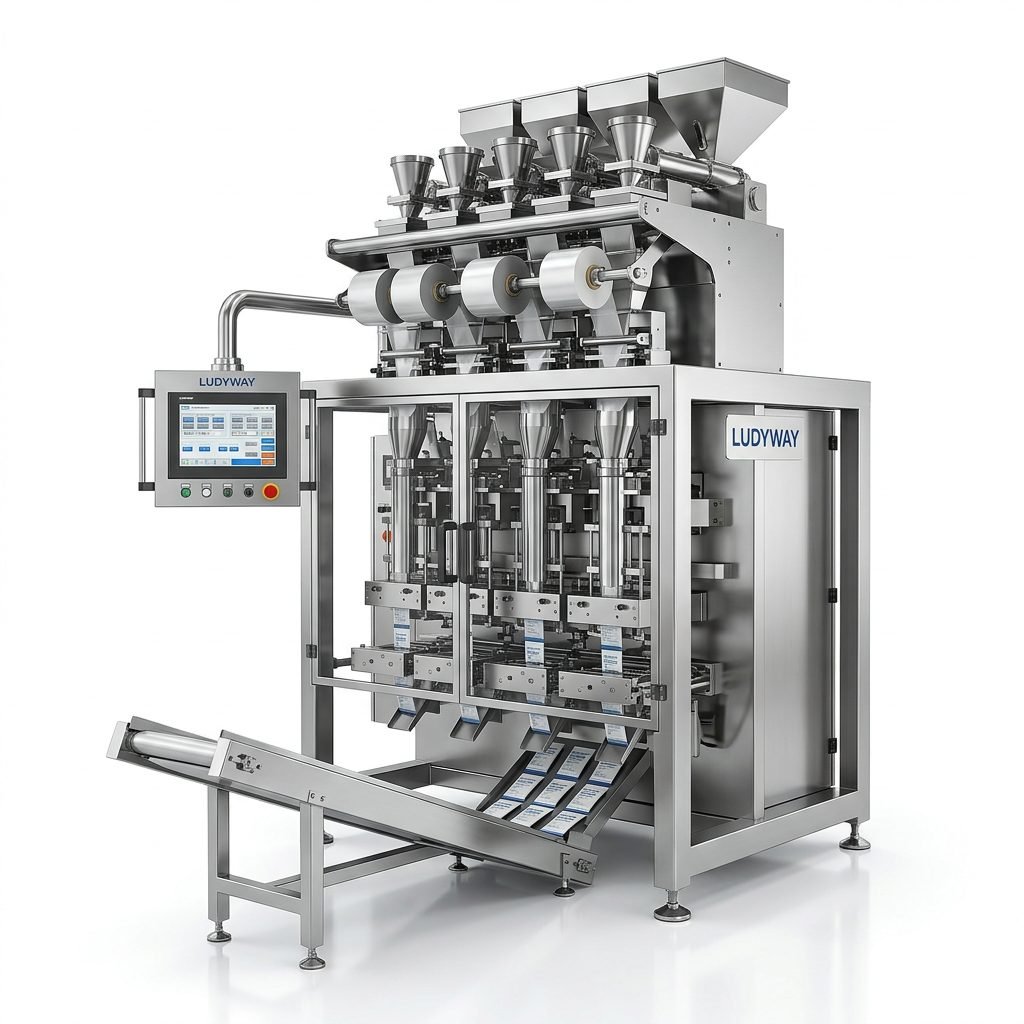
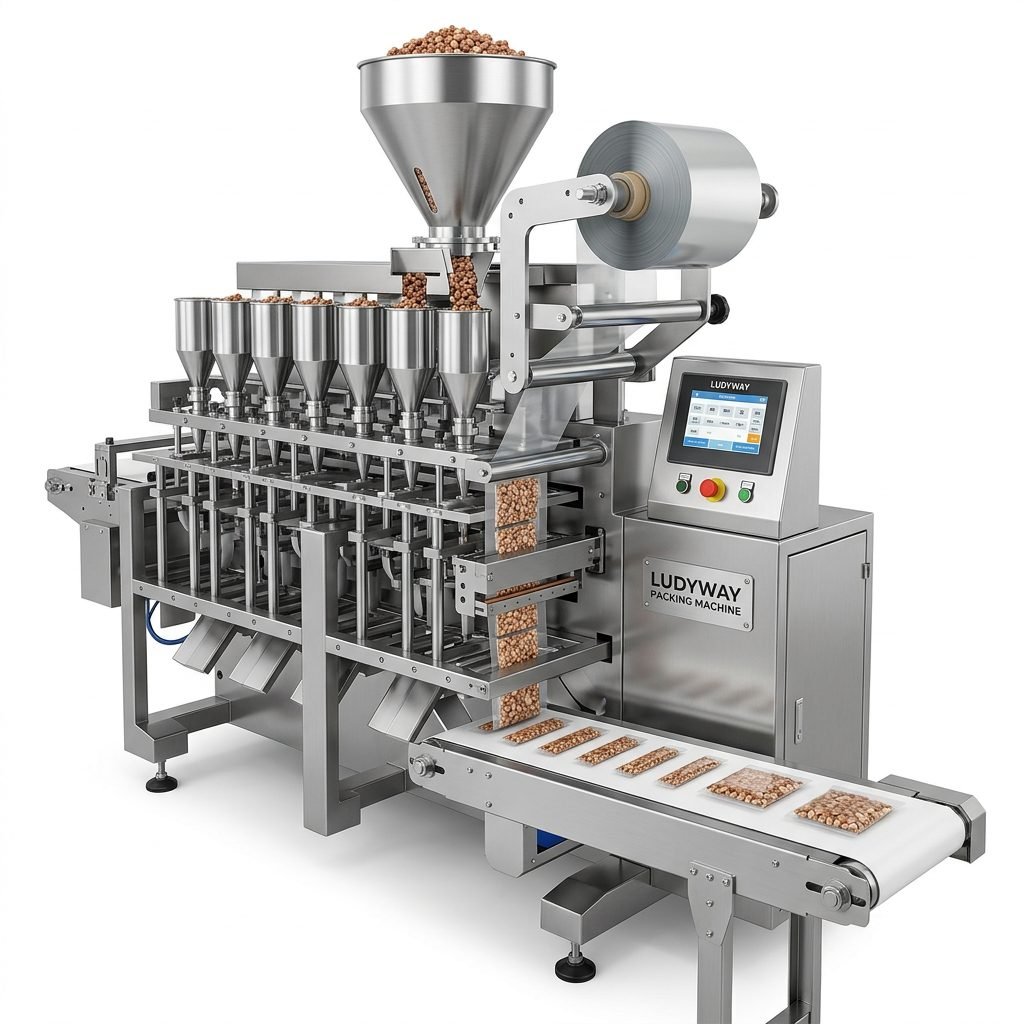
Choosing the right automatic solution for beef jerky packaging is not just about speed. It is about product protection, sealing reliability, dosing accuracy, labor reduction, and long-term operating cost. Because beef jerky is a high-value, moisture-sensitive snack, the wrong machine can lead to broken pieces, poor seals, short shelf life, and inconsistent pack appearance.
If you are planning a new production line or upgrading a manual or semi-automatic setup, this guide will help you evaluate the best packaging machine for your jerky format, production target, and factory conditions.
Why Beef Jerky Packaging Requires Special Attention
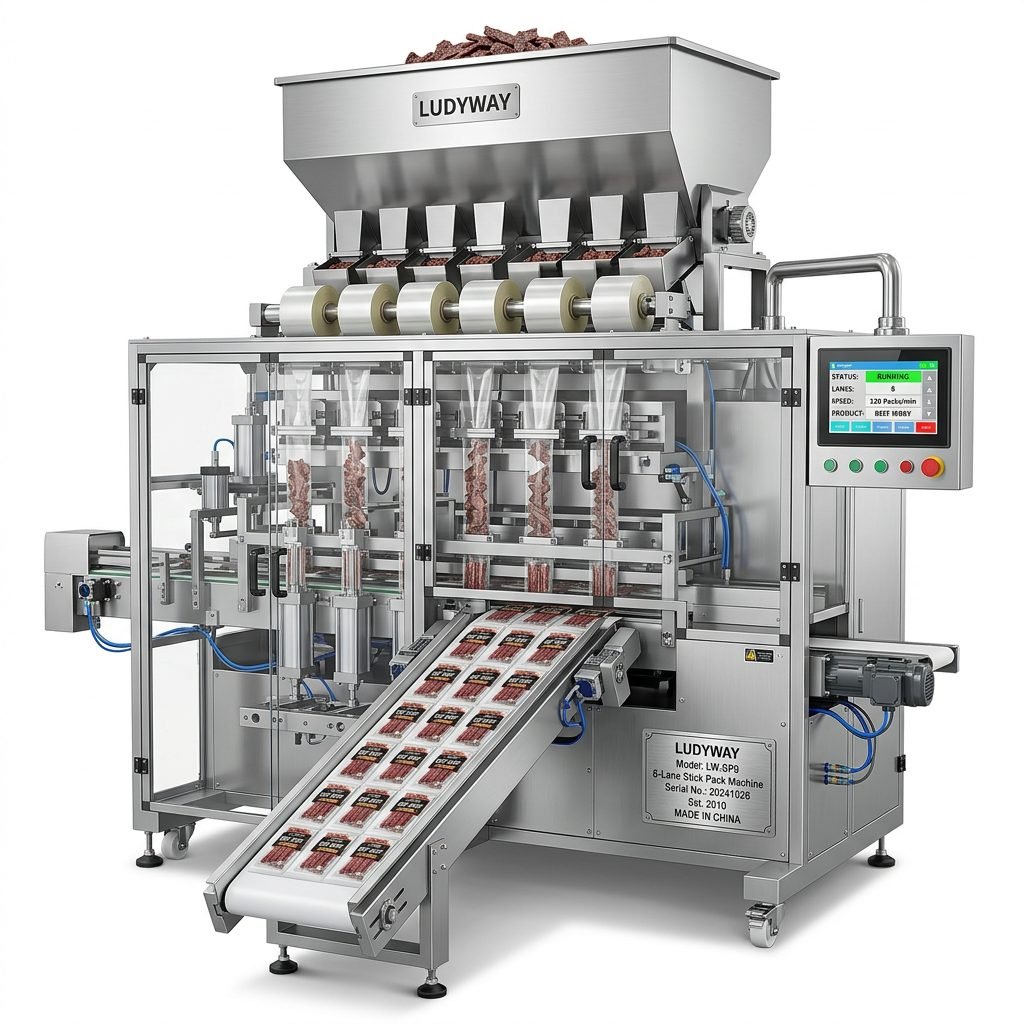
Beef jerky is different from free-flowing powders or uniform granules. It may be cut into strips, cubes, bites, shreds, or irregular snack pieces. Some products contain seasoning powder, oil residue, or marinade, which can affect weighing, feeding, and heat sealing. In many cases, the packaging line must also handle:
- Oxygen and moisture control
- Strong and leak-proof sealing
- Accurate weighing for premium retail packs
- Product-friendly conveying to reduce breakage
- Optional nitrogen flushing for freshness
- Date coding, labeling, cartoning, and case packing integration
That is why buyers should focus on the complete packaging process rather than only the bagging speed.
Common Automatic Packaging Options for Beef Jerky
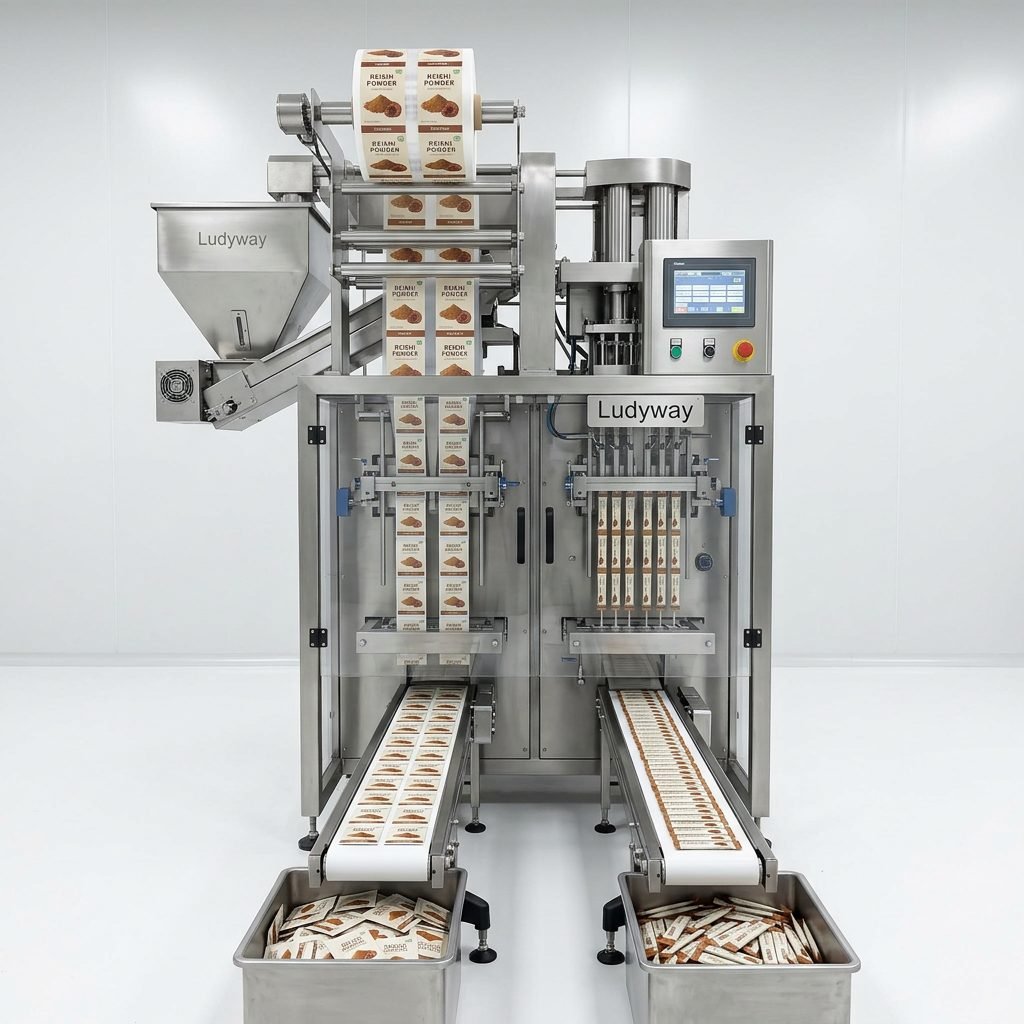
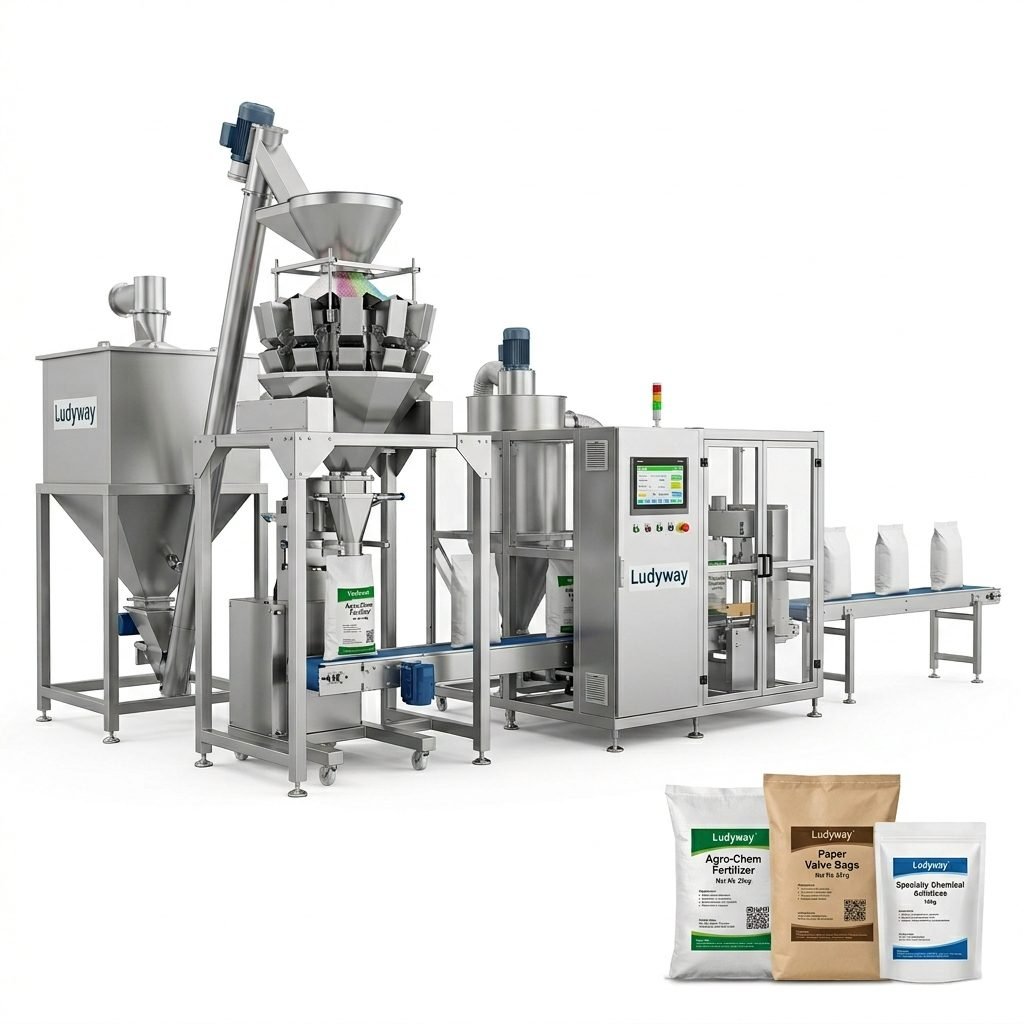
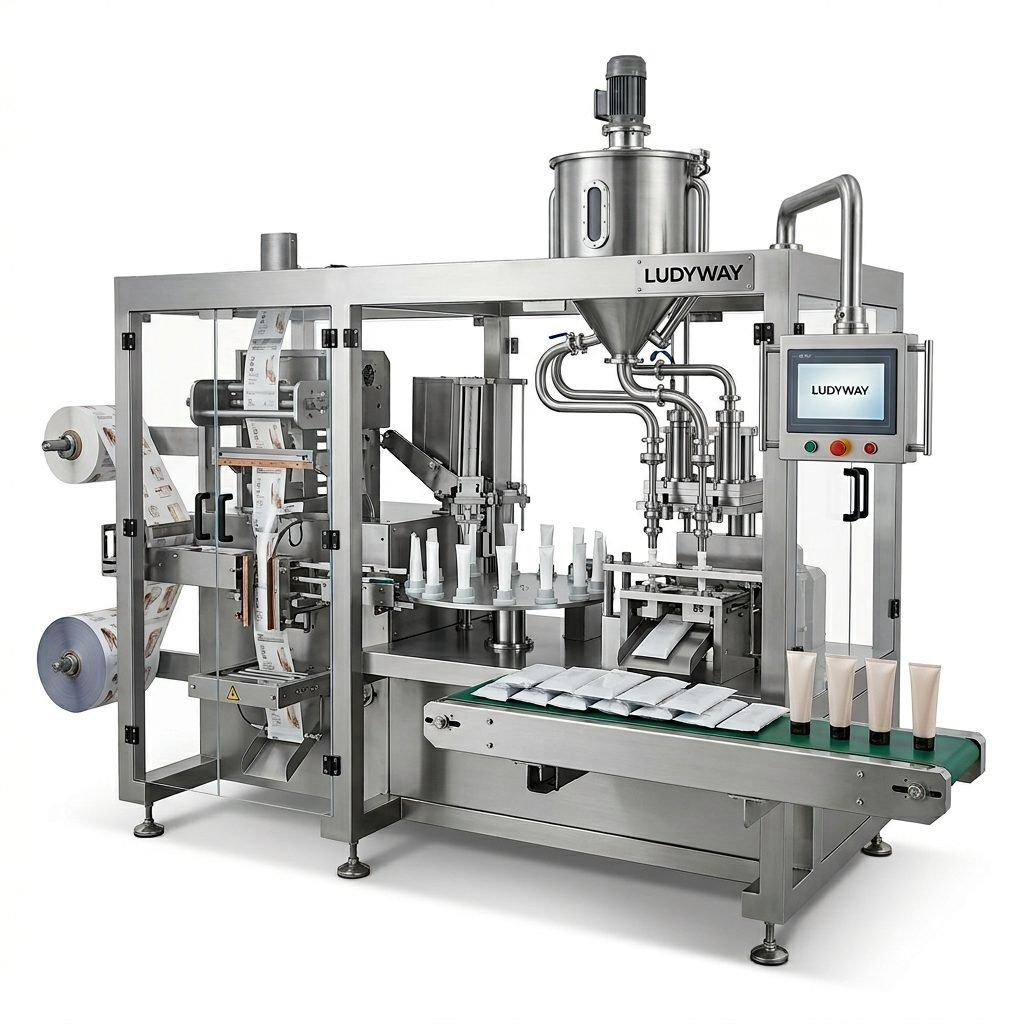
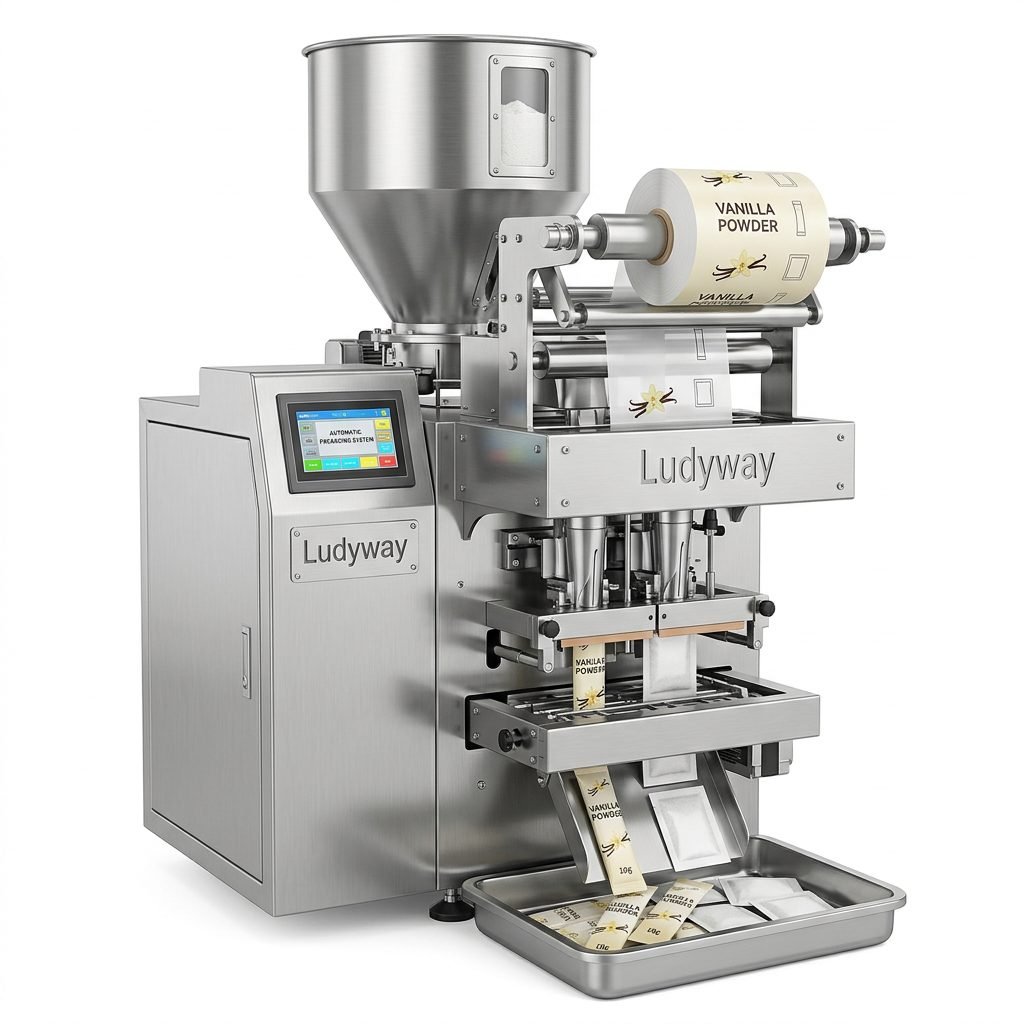
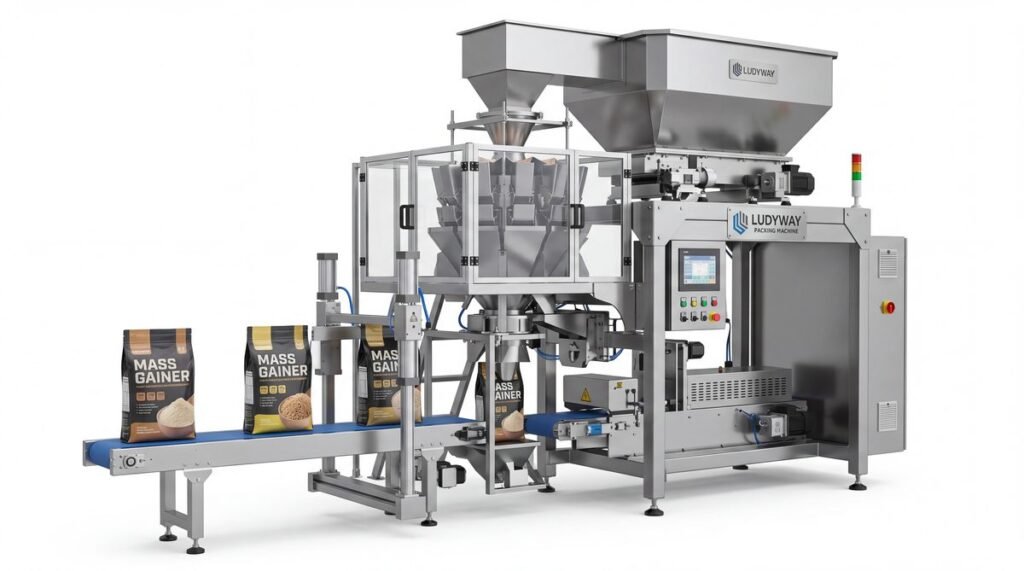
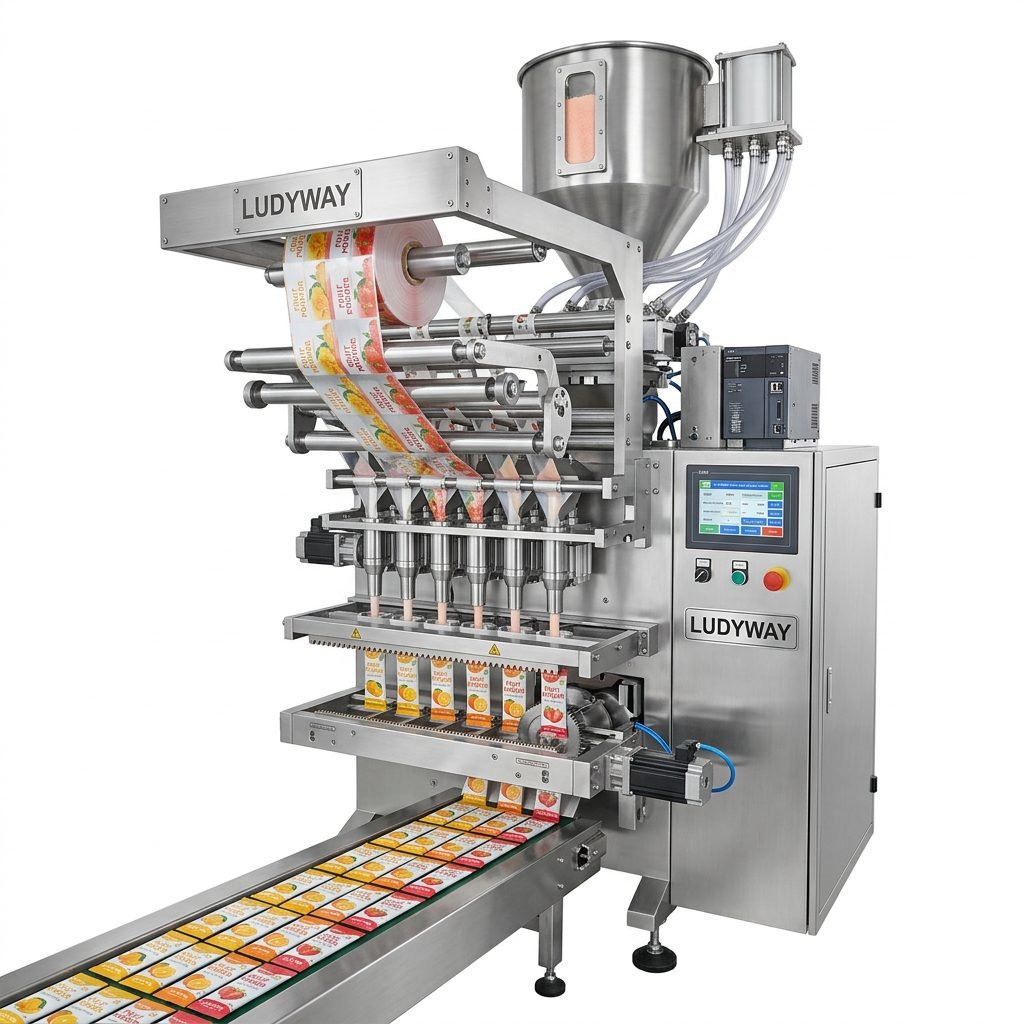
The best machine depends on your pack format and product shape. The most common automatic choices include vertical form fill seal systems, premade pouch packing machines, and complete turnkey packaging lines with weighing, conveying, inspection, and end-of-line automation.
| Packaging Solution | Best For | Key Advantages | Considerations |
|---|---|---|---|
| VFFS bagging machine | Pillow bags, small to medium retail packs | High efficiency, compact layout, lower packaging film cost | Needs stable feeding and good sealing control |
| Premade pouch packing machine | Stand-up pouches, zipper bags, premium retail packaging | Excellent shelf appearance, flexible pouch styles | Higher pouch cost, usually larger machine investment |
| Multihead weigher + bagging line | Jerky bites, chunks, diced products | Better weighing accuracy and speed | Product characteristics must match feeder design |
| Complete turnkey packaging line | Medium to large factories | Integrated automation from feeding to case packing | Needs professional layout planning and system matching |
How to Match the Machine to Your Beef Jerky Product
Before comparing suppliers, define your product in detail. This step prevents expensive mistakes later.
1. Product Shape and Size
Jerky strips behave very differently from diced jerky or shredded jerky. Long strips may bridge or misalign during feeding. Small pieces often work better with multihead weighing systems. Irregular cuts may require customized contact parts, wider chutes, or gentle vibration feeding.
2. Product Texture
Soft, oily, sticky, or seasoned products are harder to dose and seal. If your jerky releases oil or seasoning dust, ask for machine features that reduce contamination in the sealing area.
3. Target Bag Weight
A 25 g snack pack, a 100 g family pouch, and a bulk foodservice bag need different weighing ranges and bag sizes. Accuracy becomes especially important when your raw material cost is high.
4. Packaging Material
Barrier film selection affects machine performance. Beef jerky often uses laminated films with good oxygen and moisture protection. The machine should match your film structure, thickness, and sealing behavior.
Key Features to Look for in an Automatic Beef Jerky Packaging Machine
Accurate Weighing System
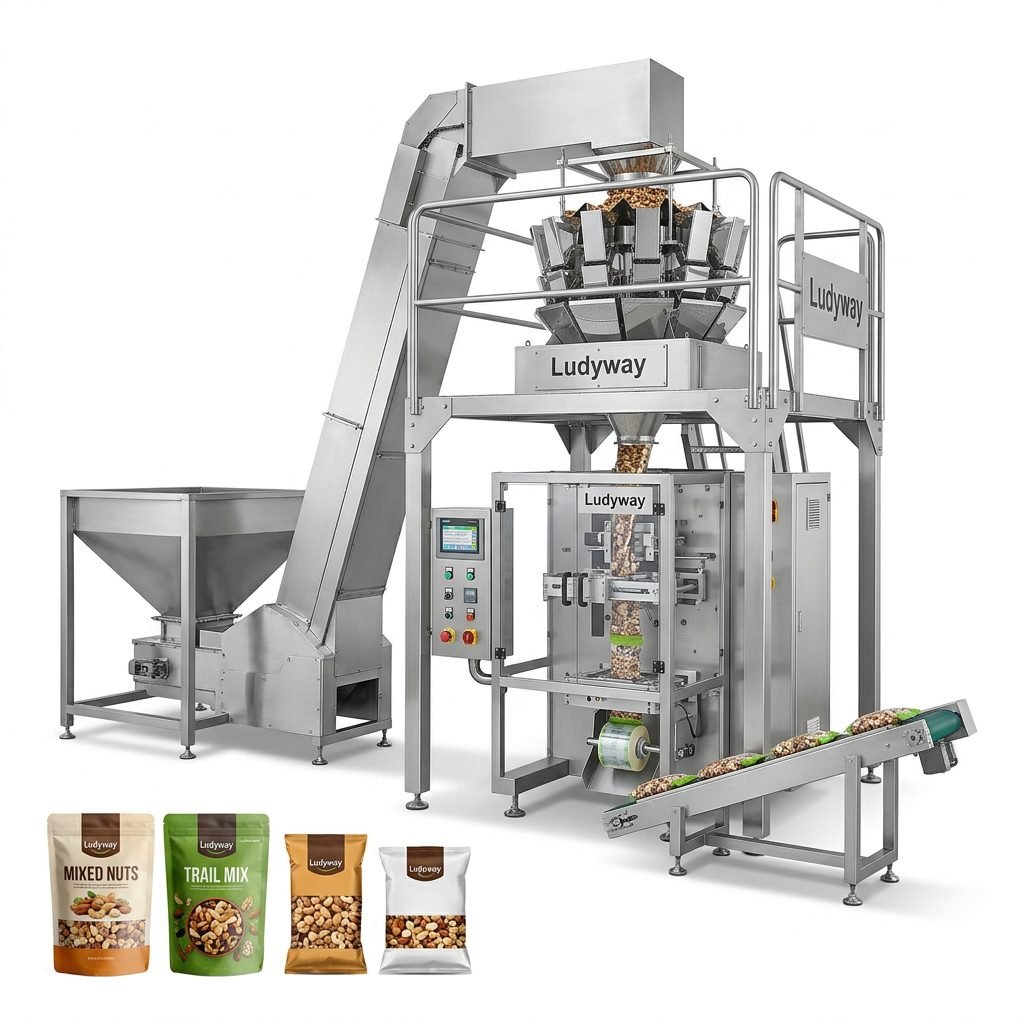
For jerky pieces and bites, a multihead weigher is often the preferred choice because it improves consistency and reduces giveaway. For some strip-type products, alternative weighing or counting solutions may be better depending on how the jerky is cut and presented.
Reliable Sealing Performance
Because jerky shelf life depends heavily on pack integrity, sealing quality is critical. Look for stable temperature control, good jaw pressure, and design measures that keep oil or small particles away from the seal zone.
Nitrogen Flushing Capability
Many jerky brands use nitrogen flushing to help reduce residual oxygen and improve product freshness. If your product is export-oriented or premium-positioned, this option can be very important.
Food-Grade Construction
Choose machines with stainless steel contact parts, hygienic structure, and easy cleaning access. This is particularly important for meat snack production where sanitation standards are strict.
Flexible Bag Format Changeover
If you plan to run more than one SKU, fast changeover matters. A flexible machine helps you switch among pack sizes without long downtime.
Integration with Upstream and Downstream Equipment
A machine should not be evaluated in isolation. It may need to connect with conveyors, metal detectors, checkweighers, date coders, labeling systems, cartoners, and palletizing equipment. An integrated line usually delivers better long-term efficiency than disconnected standalone units.
Questions to Ask Before You Buy
- What jerky shape, moisture content, and oil level has the machine already handled?
- What is the real running speed with products similar to mine?
- How accurate is the weighing system at my target pack size?
- Can the machine support nitrogen flushing and high-barrier films?
- How easy is cleaning and sanitation after daily production?
- What spare parts and remote technical support are available?
- Can the supplier provide a complete line instead of only one machine?
Signs a Turnkey Packaging Line May Be Better Than a Standalone Machine
If your factory is growing, a full automatic line may be the smarter investment. Instead of buying equipment from multiple vendors and trying to integrate it yourself, a turnkey project offers better compatibility and faster commissioning.
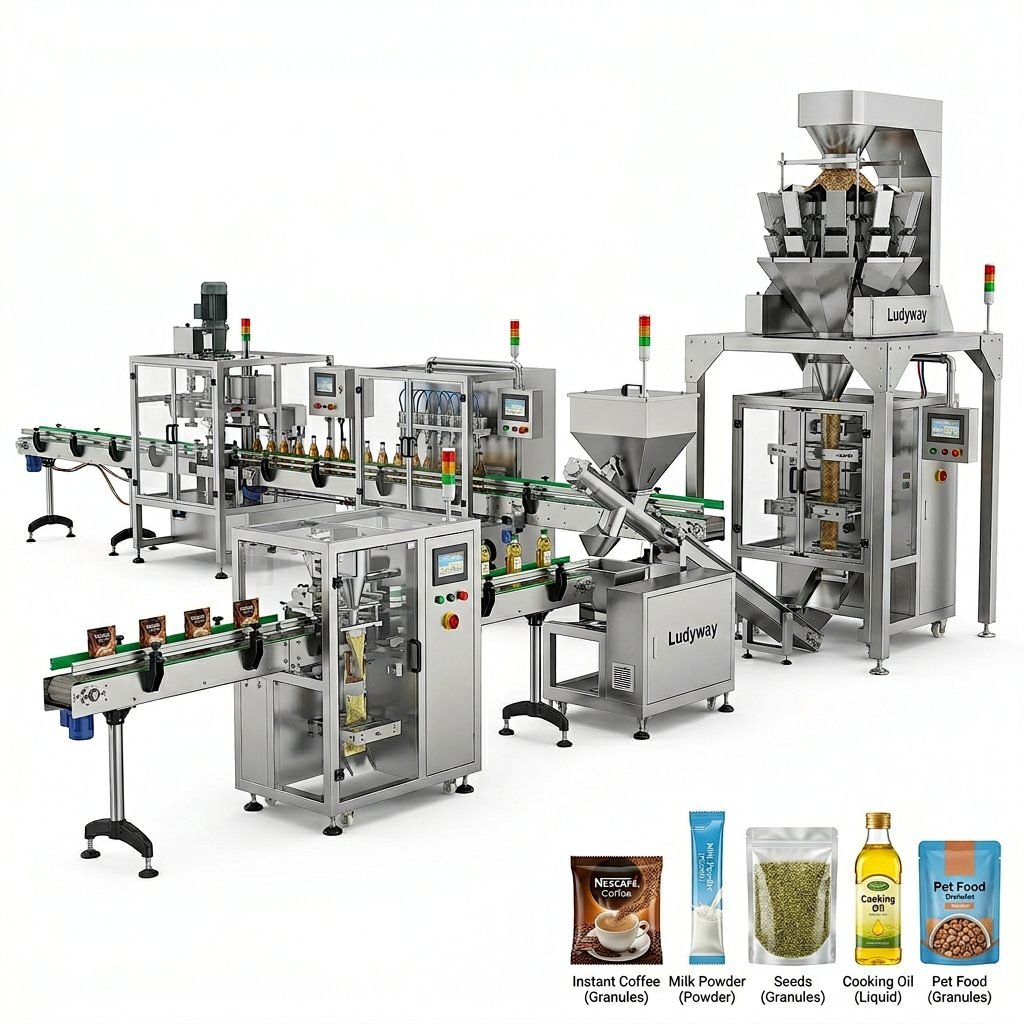
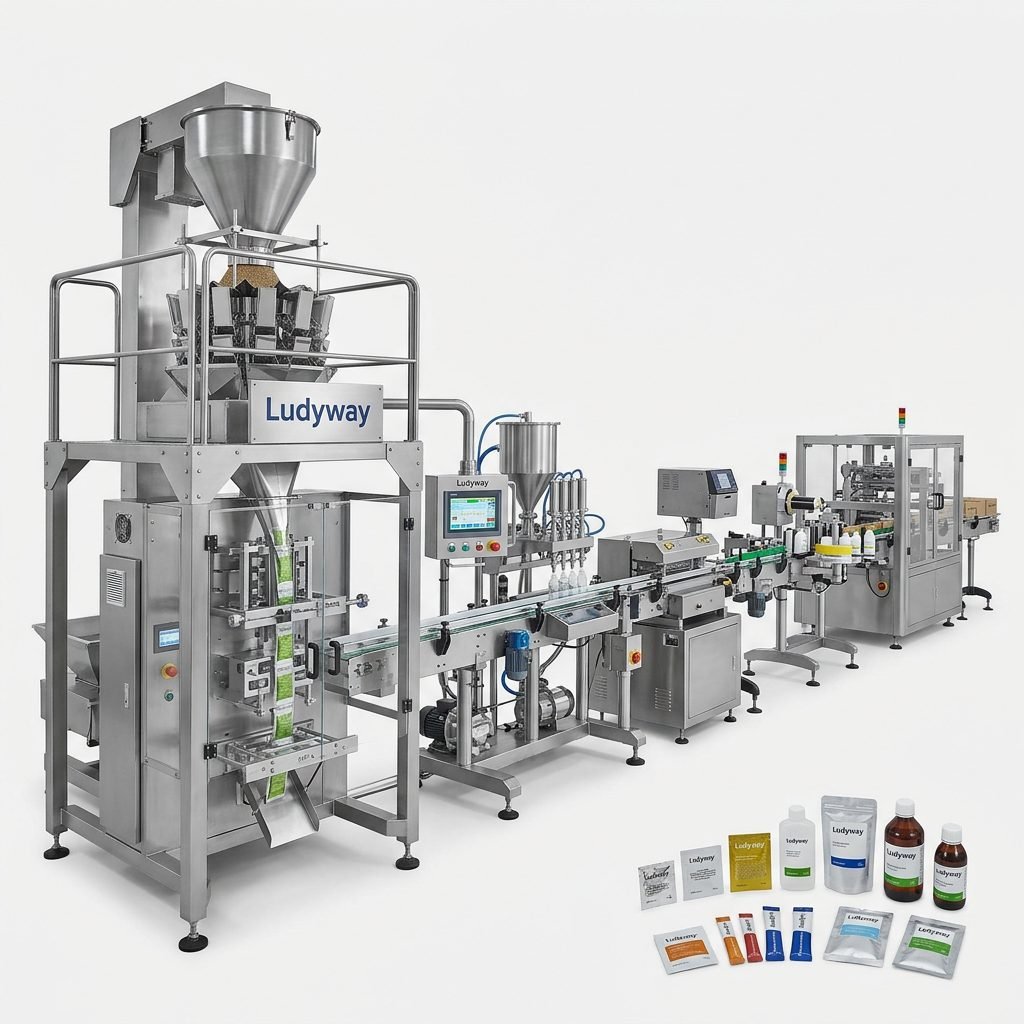
A complete beef jerky packaging line may include:
- Infeed conveyor or elevator
- Weighing system
- Main bagging or pouch packing machine
- Nitrogen flushing module
- Metal detector and checkweigher
- Date coding or labeling unit
- Cartoning, case packing, or palletizing system
For manufacturers seeking scalable automation, Ludyway packaging machine solutions are often considered for projects that require both standalone equipment and complete turnkey packaging lines, supported by more than 30 years of industry experience and broad export capability.
Comparison Checklist for Supplier Evaluation
| Evaluation Item | Why It Matters | What to Confirm |
|---|---|---|
| Machine suitability | Jerky is irregular and sensitive | Test with your real sample |
| Packaging speed | Affects output and labor planning | Ask for actual speed range, not peak theory |
| Seal quality | Prevents leaks and shelf-life issues | Check seal samples and rejection rate |
| Automation compatibility | Supports future expansion | Can it connect with coding, inspection, cartoning? |
| After-sales support | Reduces downtime risk | Spare parts, training, remote service |
| Customization ability | Jerky applications vary widely | Can feeding, weighing, and bag size be tailored? |
Mistakes to Avoid When Choosing a Beef Jerky Packing Machine
- Choosing by price alone without sample testing
- Ignoring seal contamination risks from oil or seasoning
- Underestimating the importance of weighing accuracy
- Buying a machine with no room for future SKU changes
- Using a generic food packer that is not optimized for jerky behavior
- Failing to plan for inspection, coding, and end-of-line packaging
Who Needs Which Type of Solution?
Small and Growing Brands
If you produce limited SKUs and moderate volumes, start with a compact automatic system that offers good sealing, simple operation, and upgrade potential.
Mid-Sized Food Manufacturers
If output consistency, labor savings, and retail presentation are priorities, consider a multihead weigher plus VFFS or premade pouch system with nitrogen flushing and inspection devices.
Large Factories and Export-Oriented Producers
If you run multiple shifts or supply retail chains, a turnkey automatic packaging line is often the best choice. It improves throughput, traceability, and packaging consistency while simplifying plant-wide automation.
Final Buying Advice
The best beef jerky packaging machine is the one that matches your actual product form, bag style, output target, hygiene requirement, and long-term expansion plan. Always request a sample test, verify seal quality, and compare full-line compatibility instead of looking only at the main machine.
When selected correctly, an automatic packing solution can help your jerky business improve efficiency, reduce material loss, maintain pack freshness, and present a more professional product to the market.