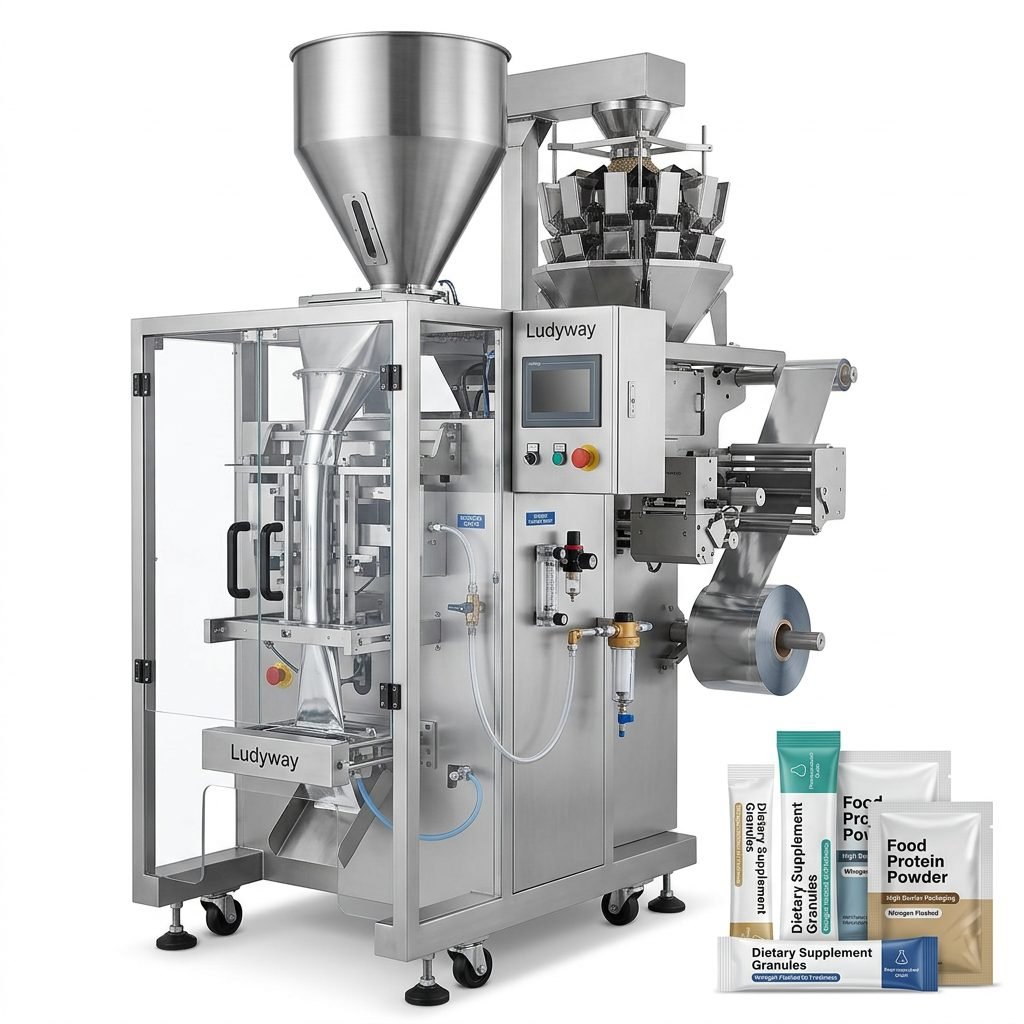
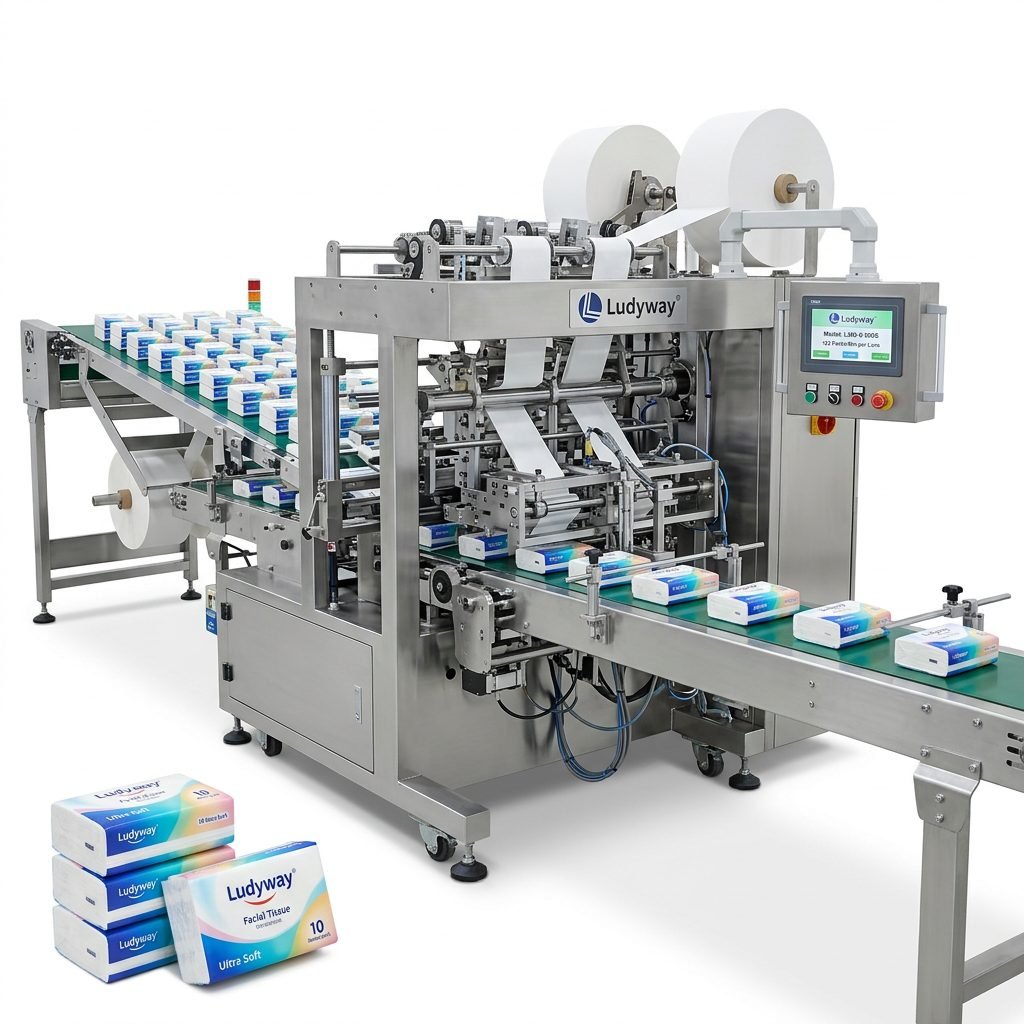
The demand for processed and packaged meat products across Africa is growing at an unprecedented rate. With rapid urbanization, a rising middle class, and expanding retail networks, establishing a meat packaging machine production line in Africa presents a significant business opportunity. However, setting up such a facility requires careful planning, the right equipment, and a clear understanding of local market conditions. This guide walks you through every essential step to successfully launch your meat packaging operation on the continent.
Understanding the African Meat Packaging Market
Africa’s protein consumption is projected to double by 2030, driven by population growth and changing dietary preferences. Countries such as Nigeria, South Africa, Kenya, Ghana, and Ethiopia are leading this transformation. The shift from open-market meat purchases to hygienically packaged meat products is accelerating, fueled by supermarket expansion and food safety awareness. This creates a robust demand for modern packaging machinery capable of handling high volumes while maintaining product integrity. Understanding regional consumer preferences—such as portion sizes, packaging formats, and price sensitivity—is critical before investing in equipment.
Key Considerations Before Setting Up Your Production Line
Location and Infrastructure
Selecting the right location is paramount. Proximity to raw material sources, reliable electricity supply, water availability, and transportation networks all influence operational efficiency. Many successful African meat processing plants are situated near major urban centers where infrastructure is more developed. Cold chain logistics must also be evaluated, as temperature control throughout the supply chain is non-negotiable for meat products.
Regulatory Compliance and Food Safety Standards
Each African country has its own food safety regulations, often aligned with international ISO packaging standards or Codex Alimentarius guidelines. Before importing packaging equipment, verify that the machinery meets local certification requirements. Key certifications to look for include CE, ISO 22000, and HACCP compliance. Non-compliance can lead to costly delays, fines, or facility shutdowns. Engaging a local regulatory consultant early in the planning phase is highly recommended.
Essential Equipment for a Meat Packaging Production Line
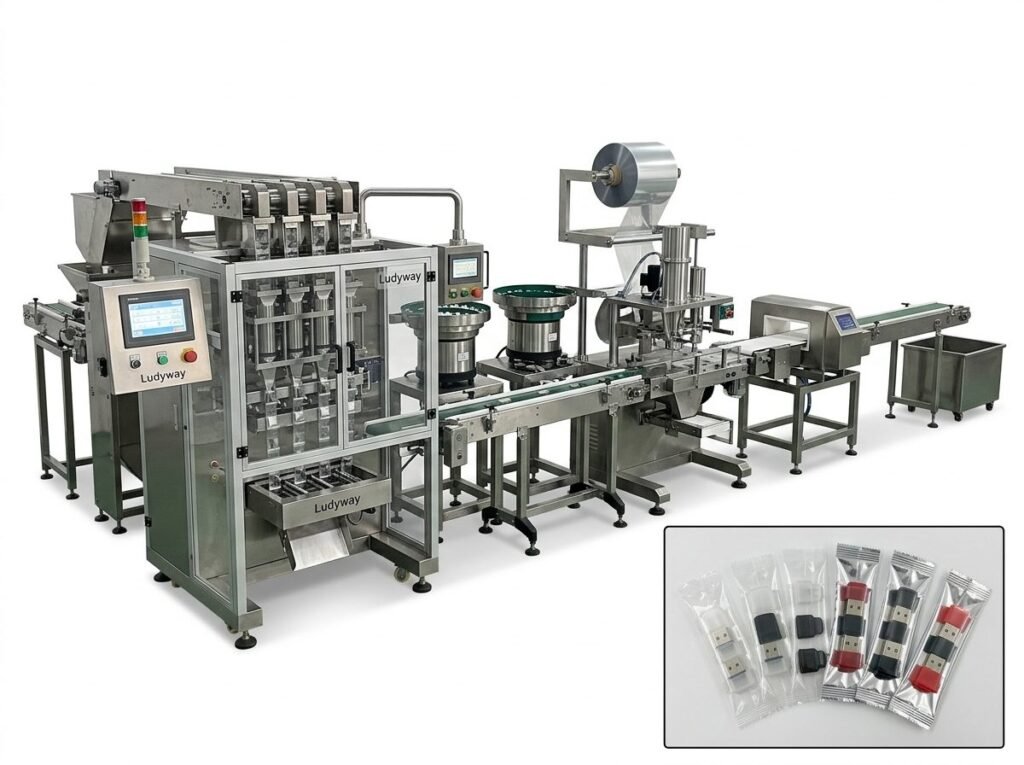
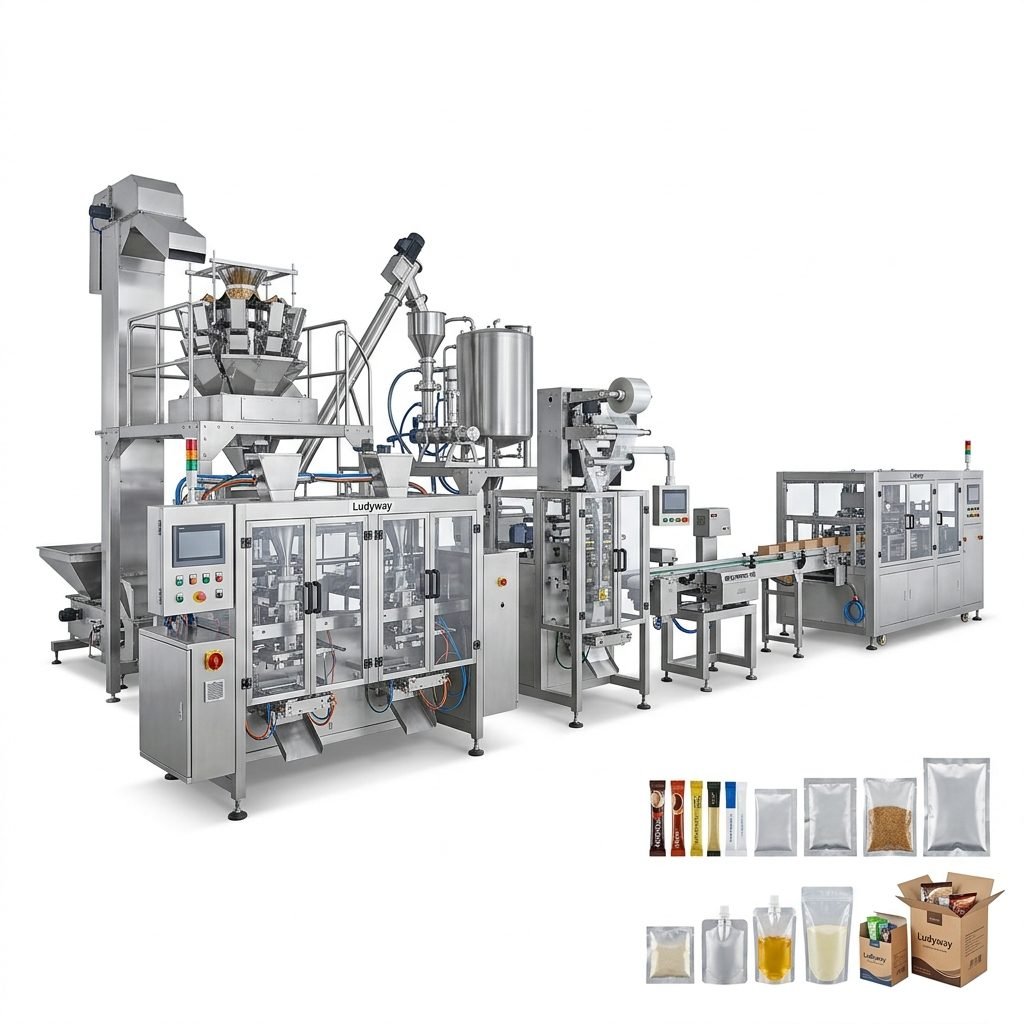
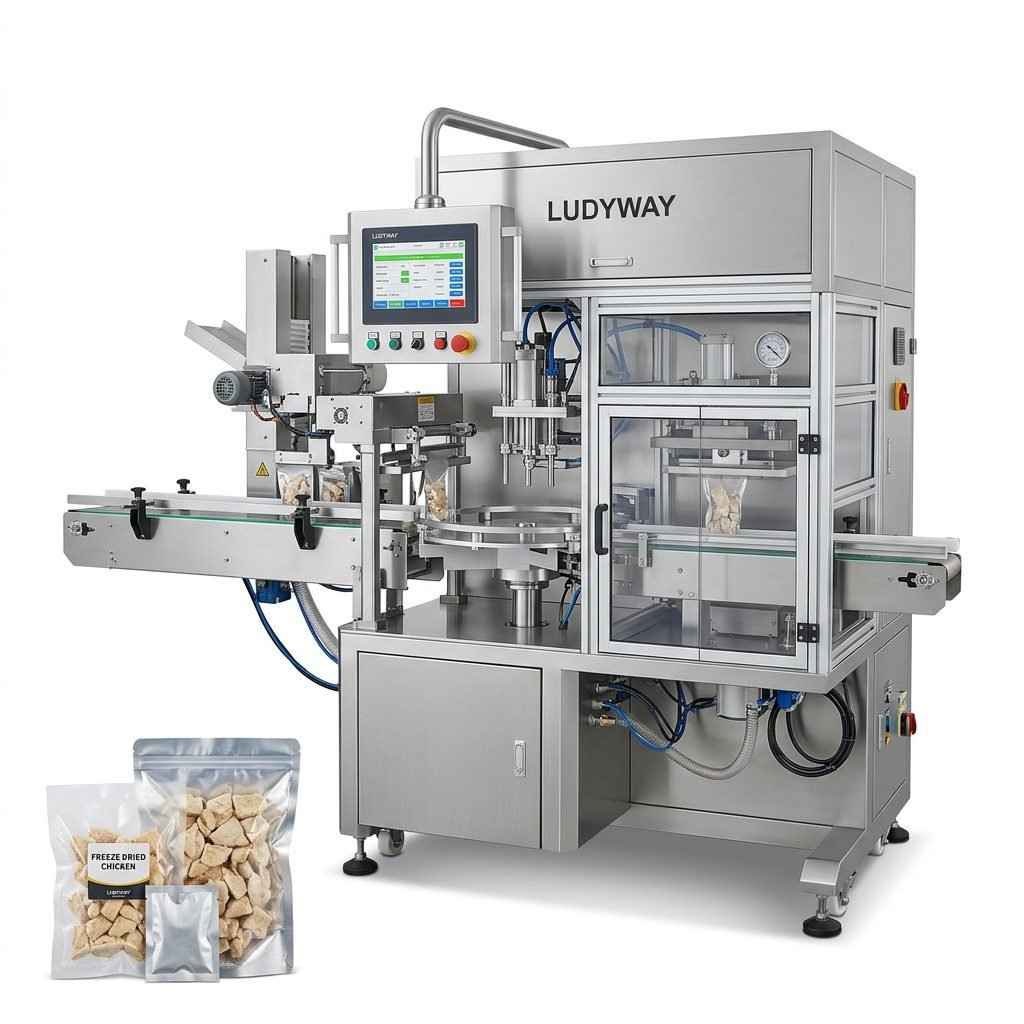
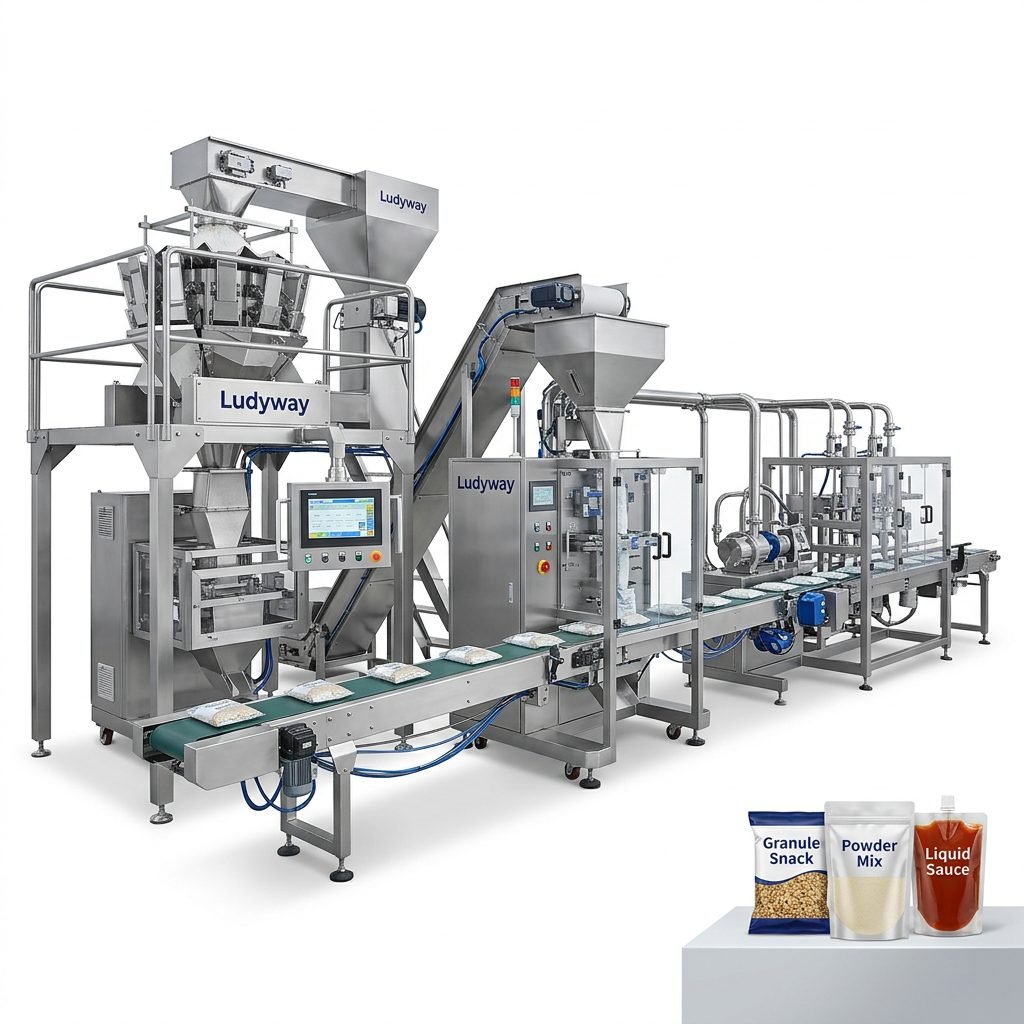
A complete meat packaging production line consists of several integrated machines. The exact configuration depends on your product type—fresh cuts, frozen meat, processed sausages, or dried meat snacks. Below is a breakdown of the core equipment categories:
| Equipment Type | Primary Function | Key Features to Look For |
|---|---|---|
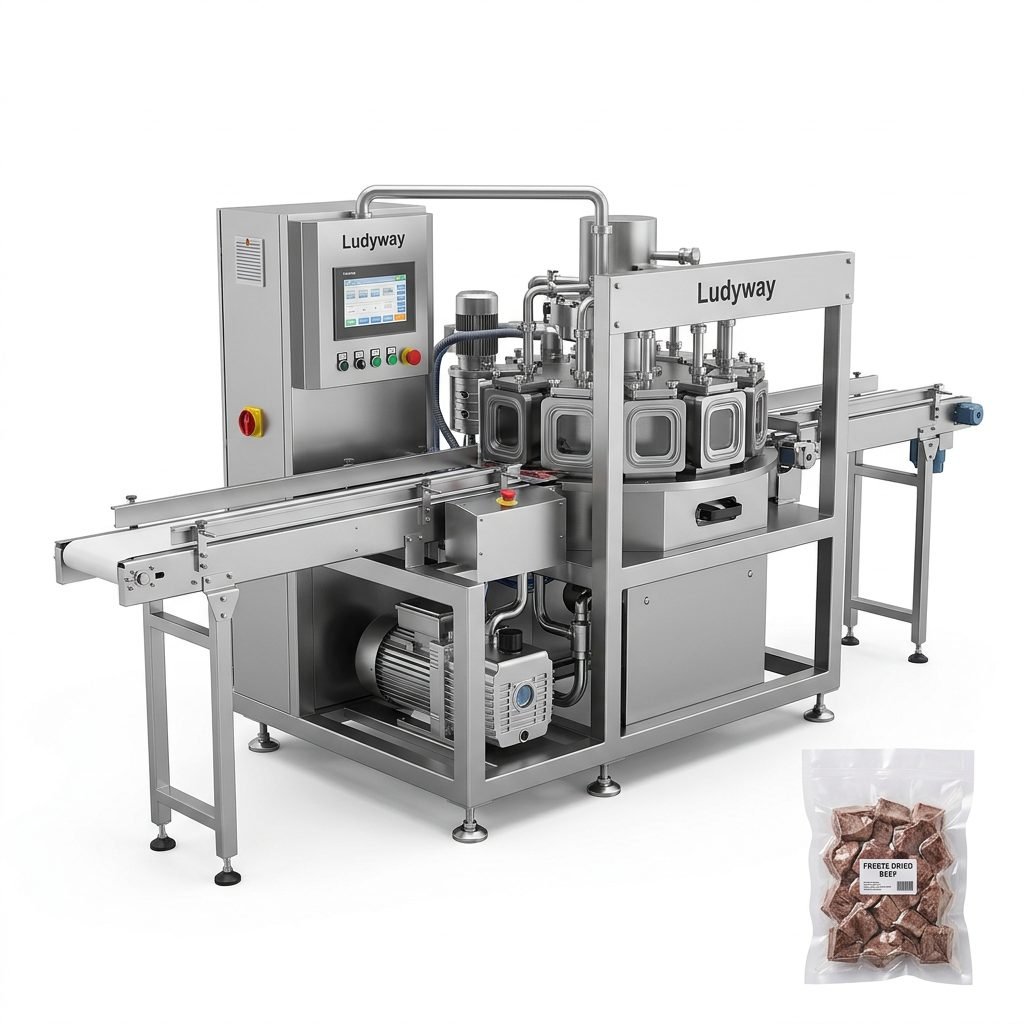
| Vacuum Packaging Machine | Removes oxygen to extend shelf life | Double-chamber, high suction speed, stainless steel |
| Tray Sealing Machine | Seals pre-formed trays with film | MAP compatible, multi-cavity, easy film change |
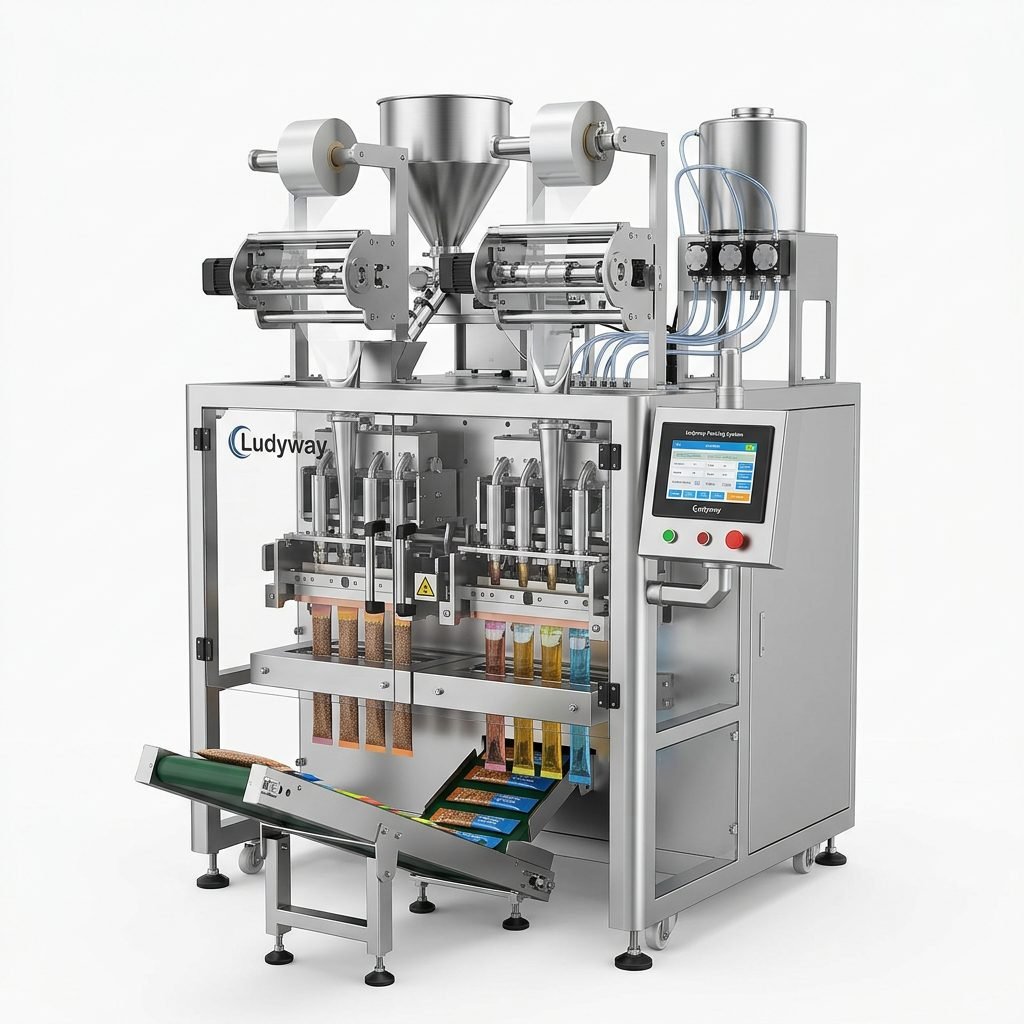
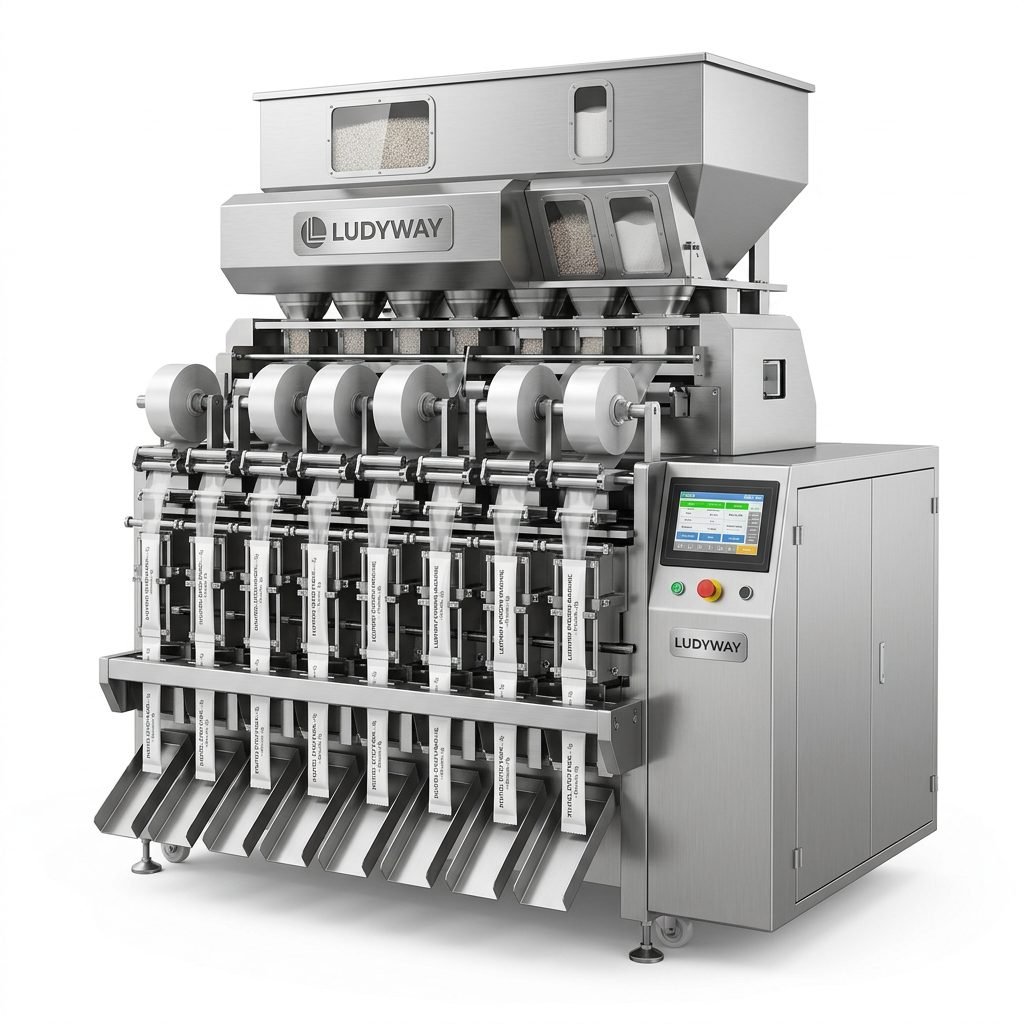
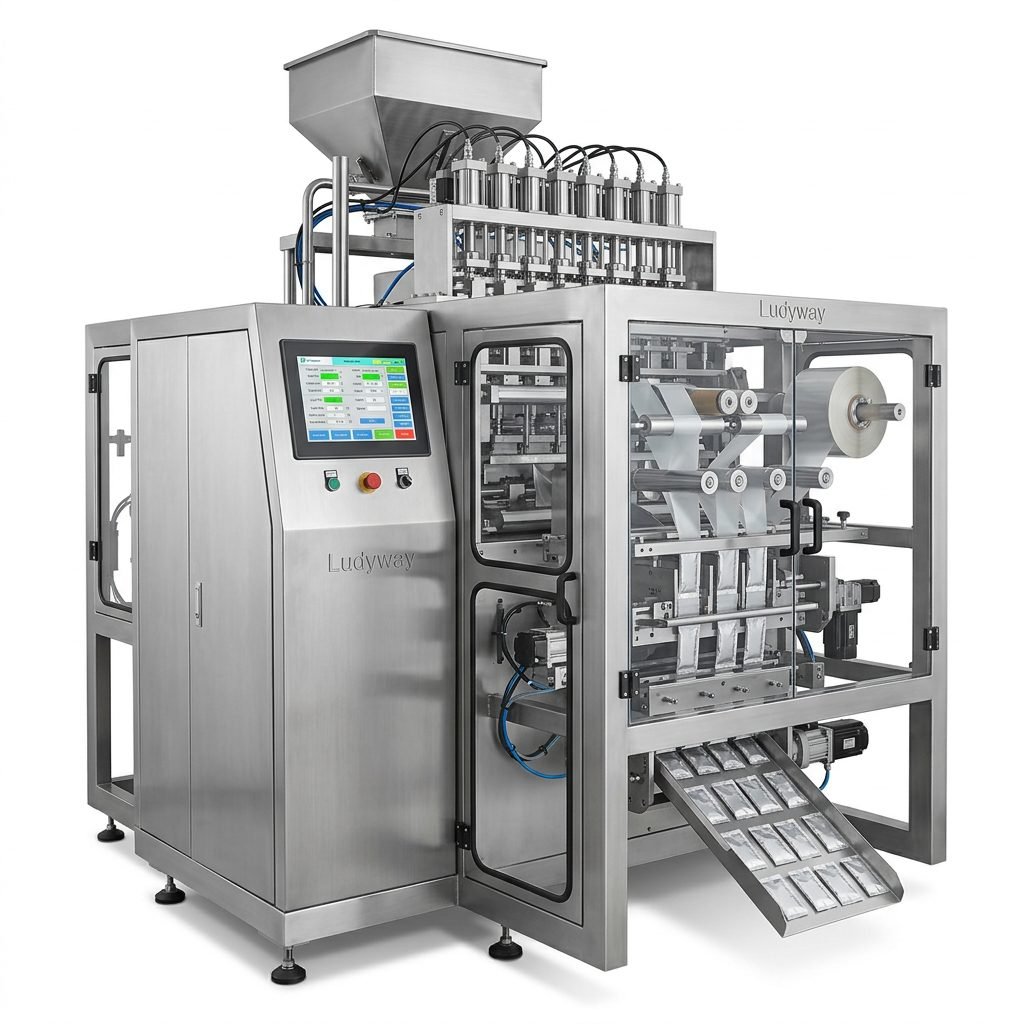
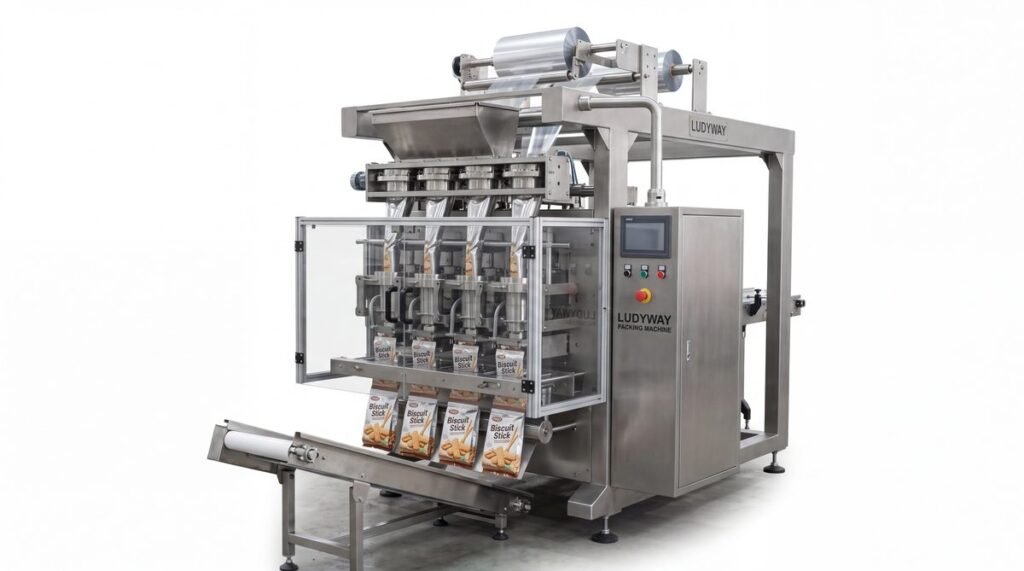
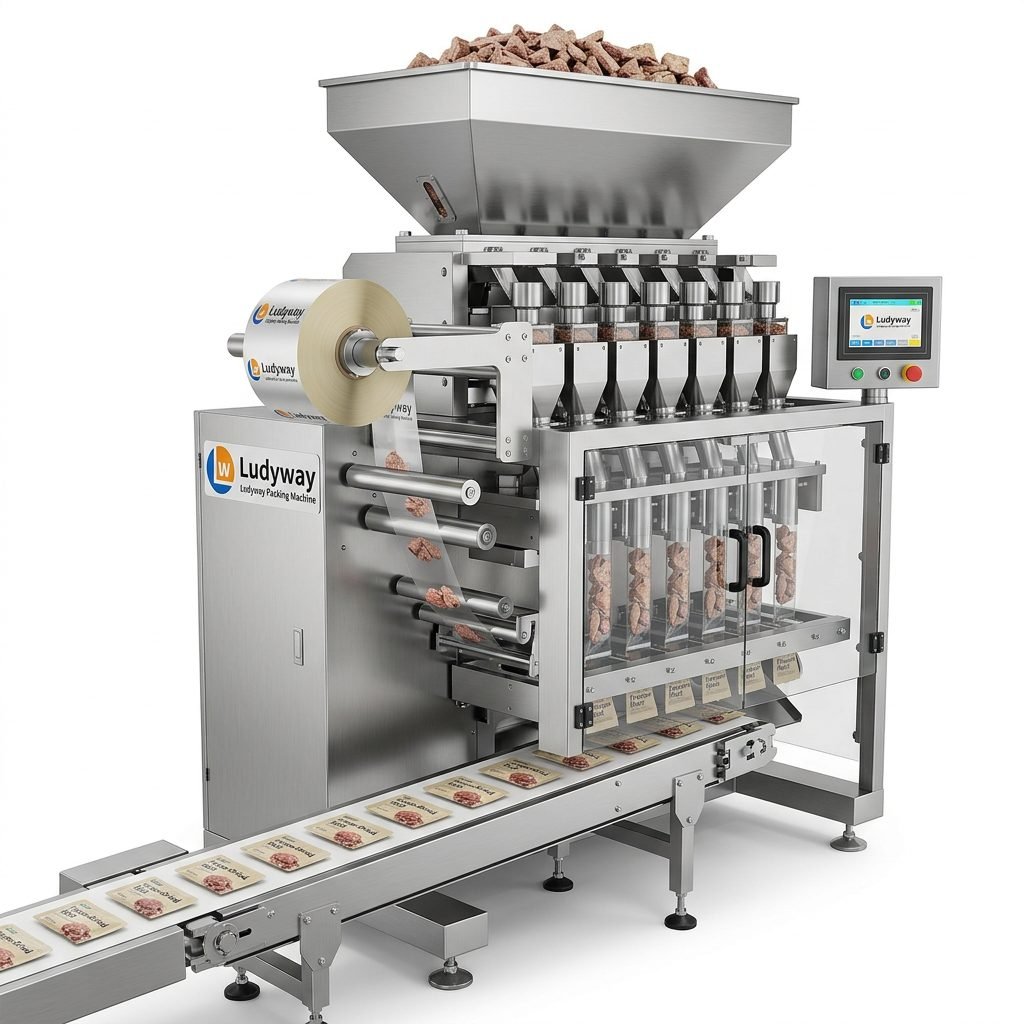
| Multi-Lane Stick Pack Machine | Portions granular or powdered meat products | High-speed, 4-12 lanes, precise dosing |
| Weighing and Filling System | Accurate portion control | Multi-head weigher, ±1g accuracy, quick clean |
| Labeling and Coding Machine | Applies labels and date codes | Inkjet or laser, high-resolution, fast-drying |
Step-by-Step Process to Set Up Your Production Line
Following a structured approach minimizes risk and accelerates your time to market. Here is a proven roadmap:
- Market Research and Feasibility Study — Analyze local demand, competition, and pricing. Identify your target customer segment—retail, food service, or export markets.
- Facility Design and Layout Planning — Design the production floor for optimal workflow, separating raw and cooked processing zones to prevent cross-contamination.
- Equipment Selection and Procurement — Choose machines that match your production capacity goals. Consider future scalability. Source from reputable manufacturers with proven African market experience.
- Installation and Commissioning — Coordinate with the equipment supplier for on-site installation. Verify all utilities—electricity, compressed air, water—are properly connected.
- Staff Training and SOP Development — Train operators on machine operation, cleaning, and basic troubleshooting. Develop standard operating procedures for consistent output.
- Quality Control and Testing — Run pilot batches to validate packaging integrity, seal strength, and shelf life before full-scale production.
Cost Analysis and Budget Planning
Budgeting accurately is essential for a successful setup. The total investment varies based on production capacity, automation level, and equipment origin. Below is an estimated cost breakdown for a mid-scale meat packaging line in Africa:
- Packaging machinery and equipment: 45% – 55% of total budget
- Facility construction and cold storage: 20% – 25%
- Installation, training, and commissioning: 8% – 12%
- Initial working capital and raw materials: 10% – 15%
- Regulatory and certification costs: 3% – 5%
Procuring turnkey packaging solutions from experienced manufacturers often reduces overall costs by bundling equipment, installation, and training into a single package. This approach also simplifies after-sales support and spare parts management.
Maintenance, Training, and After-Sales Support
One of the most overlooked aspects of setting up a packaging line in Africa is ongoing maintenance and technical support. Downtime can be extremely costly in the perishable meat sector. When selecting equipment, prioritize suppliers who offer:
- On-site installation and commissioning by experienced engineers
- Comprehensive operator and maintenance training programs
- Readily available spare parts with fast shipping to African destinations
- Remote diagnostic support and troubleshooting
- Warranty coverage and extended service contracts
Establishing a preventive maintenance schedule from day one protects your investment and ensures consistent production uptime throughout the year.
Choosing the Right Packaging Partner for Your African Venture
Partnering with an experienced packaging equipment manufacturer significantly reduces project risk. Look for a supplier that understands the unique challenges of the African market—from voltage fluctuations and climate conditions to logistical complexity. A partner with a proven international track record, robust engineering capabilities, and a commitment to long-term support is invaluable.
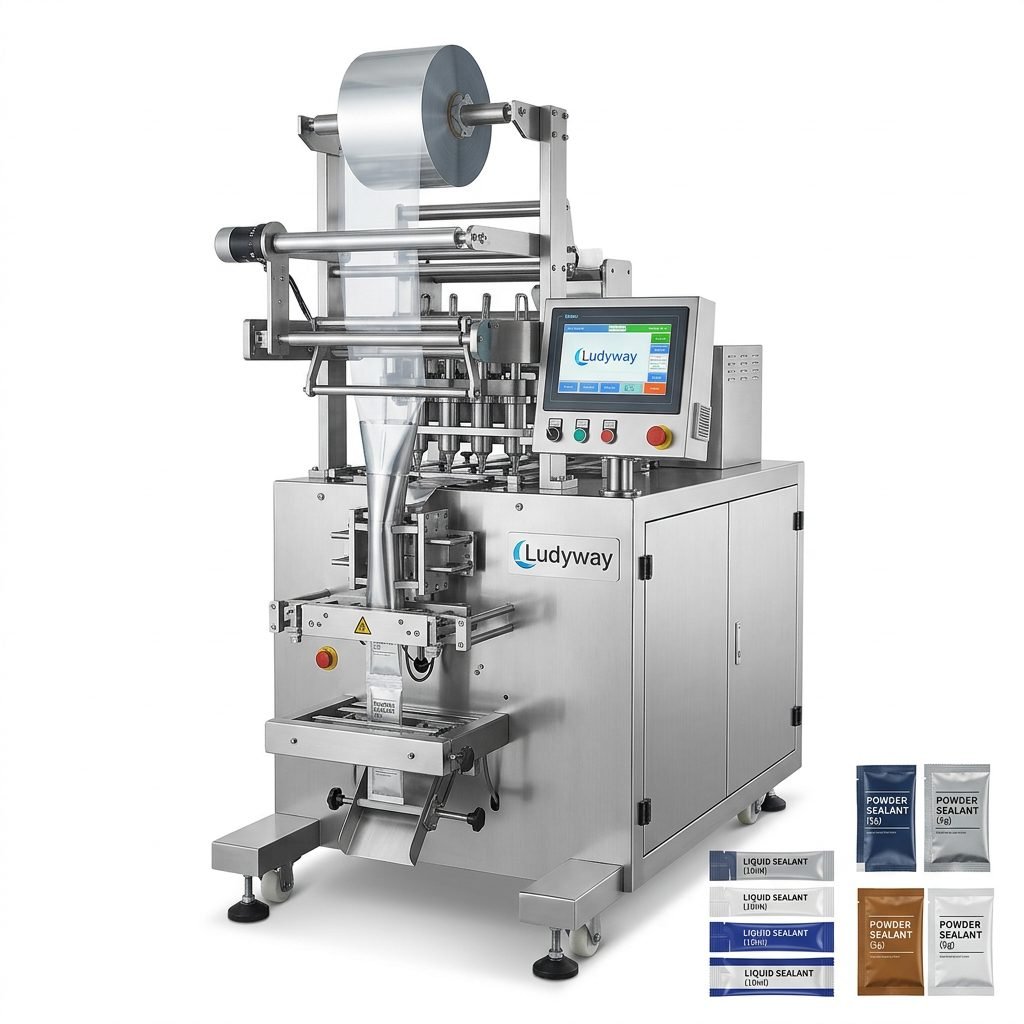
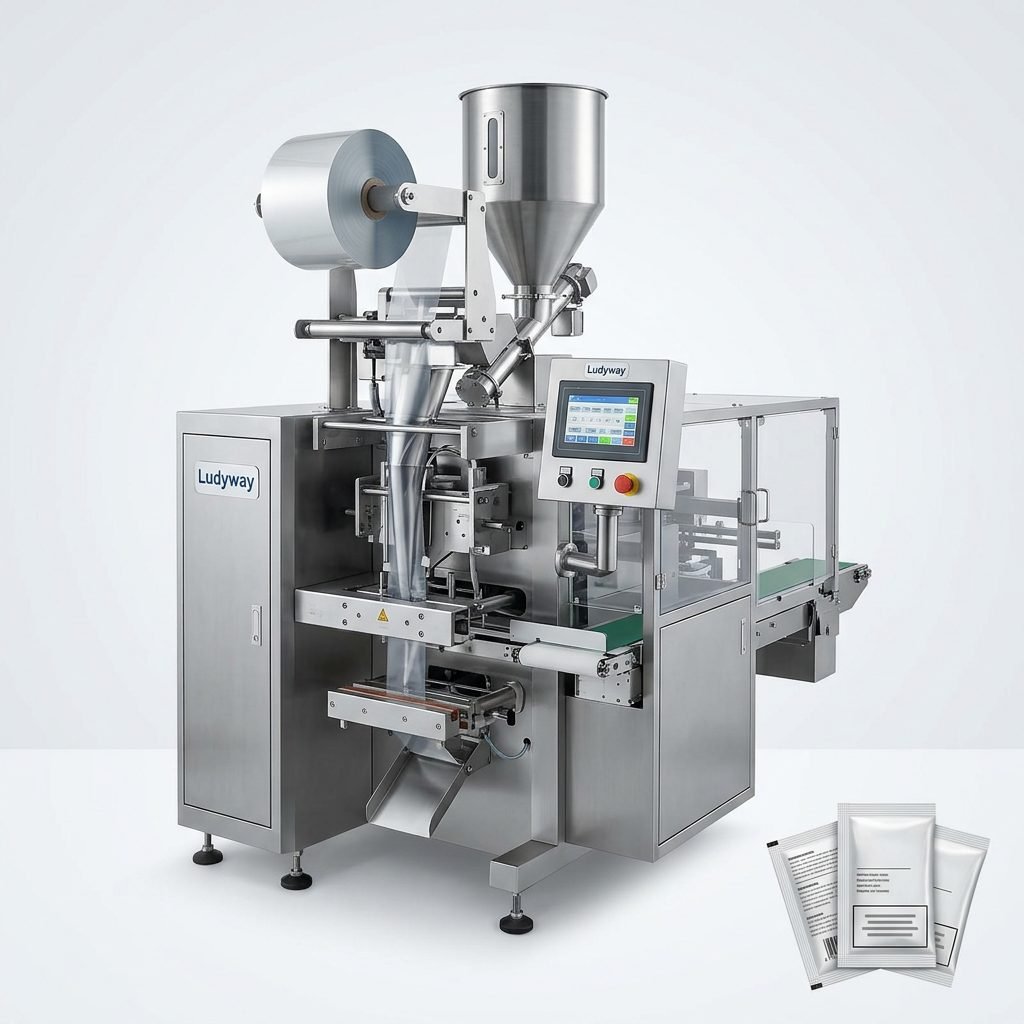
One such manufacturer is Ludyway, one of the largest packaging machine manufacturers in China, with over 30 years of industry expertise. Ludyway provides reliable and efficient packaging solutions for meat and food products, including vacuum packaging machines, multi-lane stick pack systems, and fully automated packaging lines. With a modern 20,000㎡ manufacturing facility, more than 50 intelligent packaging machine models, and customers in over 100 countries, Ludyway delivers high-performance, cost-effective equipment backed by professional technical support. Their experience in emerging markets makes them a strong candidate for African meat packaging projects.
Frequently Asked Questions About Setting Up Meat Packaging Lines in Africa
What is the typical timeline for setting up a meat packaging production line?
From initial planning to full-scale production, a typical timeline ranges from 6 to 12 months. This includes facility preparation, equipment procurement, shipping (4-8 weeks for sea freight to major African ports), installation, and commissioning.
Which African countries offer the best investment climate for meat processing?
South Africa, Nigeria, Kenya, Ghana, and Ethiopia currently offer the most favorable conditions, including growing retail infrastructure, supportive government policies, and expanding cold chain networks. East Africa in particular is seeing significant investment in food processing.
How do I handle power supply issues common in some African regions?
Invest in industrial-grade voltage stabilizers and backup generators. Discuss power requirements with your equipment supplier during the specification phase. Many manufacturers can adapt machines to operate reliably with local power conditions. For more information on packaging standards, refer to FDA food packaging guidelines and Flexible Packaging Association resources.
What packaging formats are most popular for meat products in African retail?
Vacuum-sealed pouches, MAP (Modified Atmosphere Packaging) trays, and smaller sachet packs for affordable portions dominate the retail market. Stick packs and single-serve sachets are gaining traction in price-sensitive segments. Understanding these format preferences helps you select the most appropriate packaging machinery for your target market.
Final Thoughts on Your African Meat Packaging Journey
Setting up a meat packaging machine production line in Africa is a substantial but rewarding undertaking. With thorough planning, the right equipment, and a reliable manufacturing partner, your facility can capture the growing demand for safe, hygienically packaged meat products across the continent. Focus on quality, compliance, and scalable solutions to build a sustainable and profitable operation that serves African consumers for years to come.