Selecting the right automatic beer can packaging line is a critical investment for any brewery looking to scale production, ensure product quality, and maintain brand consistency. The market offers a wide array of machines, from semi-automatic fillers to high-speed rotary systems, making the choice complex. This guide will walk you through the key factors to consider, helping you identify the best automatic line that aligns with your brewery’s output goals, space constraints, and budget.
Core Components of an Automatic Canning Line
A complete automatic line is more than just a filler; it’s a synchronized system. Understanding each component’s role is the first step in making an informed decision.
The Can Depalletizer
This is the starting point. A depalletizer automatically lifts and feeds empty cans from pallets onto the conveyor line. For higher-volume breweries, an automatic depalletizer is essential for maintaining a steady flow and reducing manual labor.
The Can Rinser
Before filling, cans must be purged of any dust or particulates. A rinser uses jets of air, water, or steam to clean the interior, ensuring no contaminants affect the beer’s taste or shelf life. This step is non-negotiable for quality assurance.
The Filler & Seamer
The heart of the line. Modern fillers are precision instruments that fill cans under counter-pressure to minimize oxygen pickup (often measured in parts per billion, or ppb). The seamer (or seamer head) is integrated or directly downstream, immediately applying the lid and creating an airtight seal. The speed and number of filling valves (e.g., 32-valve, 60-valve) directly determine your line’s maximum output.
The Pasteurizer or Tunnel
Depending on your beer style, you may need a pasteurizer. Tunnel pasteurizers heat the filled and sealed cans to a specific temperature to eliminate spoilage microorganisms, ensuring stability for wider distribution. Many craft breweries forgo this for “cold-filled” beers that are kept refrigerated.
The Labeler, Packer, and Palletizer
After filling, cans are labeled, often grouped into 4-packs, 6-packs, or cases by a packer (using trays, cartons, or hi-cone plastic carriers), and finally stacked onto pallets by an automatic palletizer. These “downstream” components are vital for creating a finished, shippable product.
Pro Tip: When evaluating a line, always consider the “bottleneck.” A fast filler is useless if your seamer can’t keep pace, or your packer creates a backlog. Ensure all components are matched for a similar speed rating.
Key Selection Criteria for Your Brewery
1. Production Speed & Capacity
This is the most fundamental question: How many cans per minute (CPM) or barrels per year do you need to produce?
- 15-30 CPM: Ideal for nano or small craft breweries starting with canning. Often semi-automatic or compact automatic lines.
- 50-120 CPM: The sweet spot for growing regional craft breweries. Robust automatic rotary fillers.
- 150+ CPM: For large regional or national brands. High-speed rotary lines with extensive automation.
Always plan for growth. Investing in a line that can handle 20-30% more than your current peak demand is wiser than immediately maxing out a slower system.
2. Oxygen Pickup (TPO)
Total Package Oxygen (TPO) is the enemy of fresh beer flavor. High TPO leads to staling and off-flavors. A top-tier filler is designed to fill with minimal agitation and under controlled pressure. When comparing machines, ask for their guaranteed TPO specifications. Aim for less than 50 ppb, with best-in-class systems achieving below 20 ppb.
3. Flexibility and Changeover
Do you run multiple can sizes (12oz, 16oz, 19.2oz) or run limited releases? The ease and speed of changing over the filler, seamer, and conveyor guides are crucial. Look for systems with tool-less or quick-change parts to minimize downtime between batches.
4. Footprint and Layout
Measure your available space meticulously. An automatic line requires a linear flow. You’ll need to accommodate the length of the conveyor from depalletizer to palletizer, plus space for operators and maintenance. Many suppliers offer 2D or 3D layout planning to optimize your floor plan.
5. Automation Level and Control
Modern lines feature Programmable Logic Controllers (PLCs) and touchscreen Human-Machine Interfaces (HMIs). These systems allow for recipe storage, automated CIP (Clean-in-Place) cycles, and detailed production data logging. Higher automation reduces operator error and improves consistency.
6. Quality of Construction & Support
This is where partnering with a reputable supplier is paramount. The machine should be built with food-grade stainless steel and durable components. Inquire deeply about:
✔ Installation & Training: Is on-site setup and operator training included?
✔ Technical Support: What are the response times for spare parts and service?
✔ Warranty: What is covered and for how long?
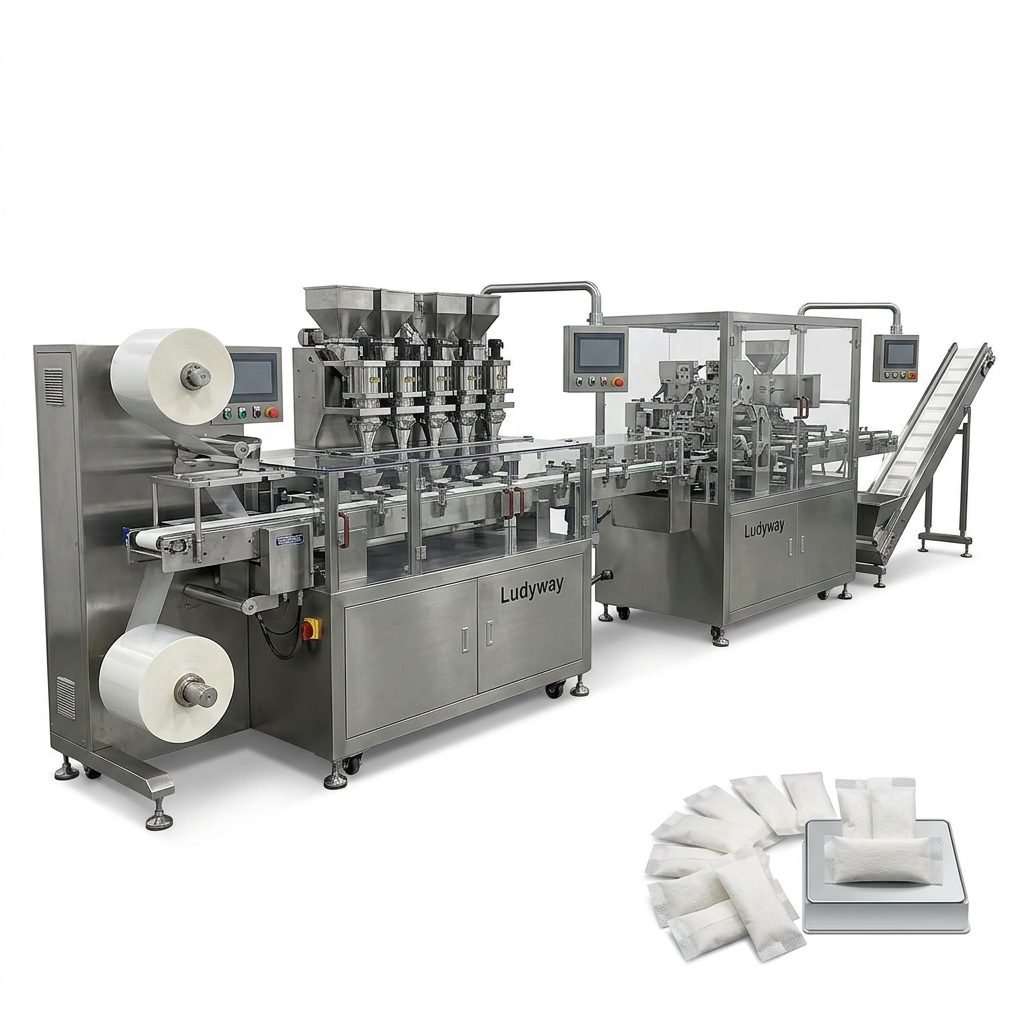
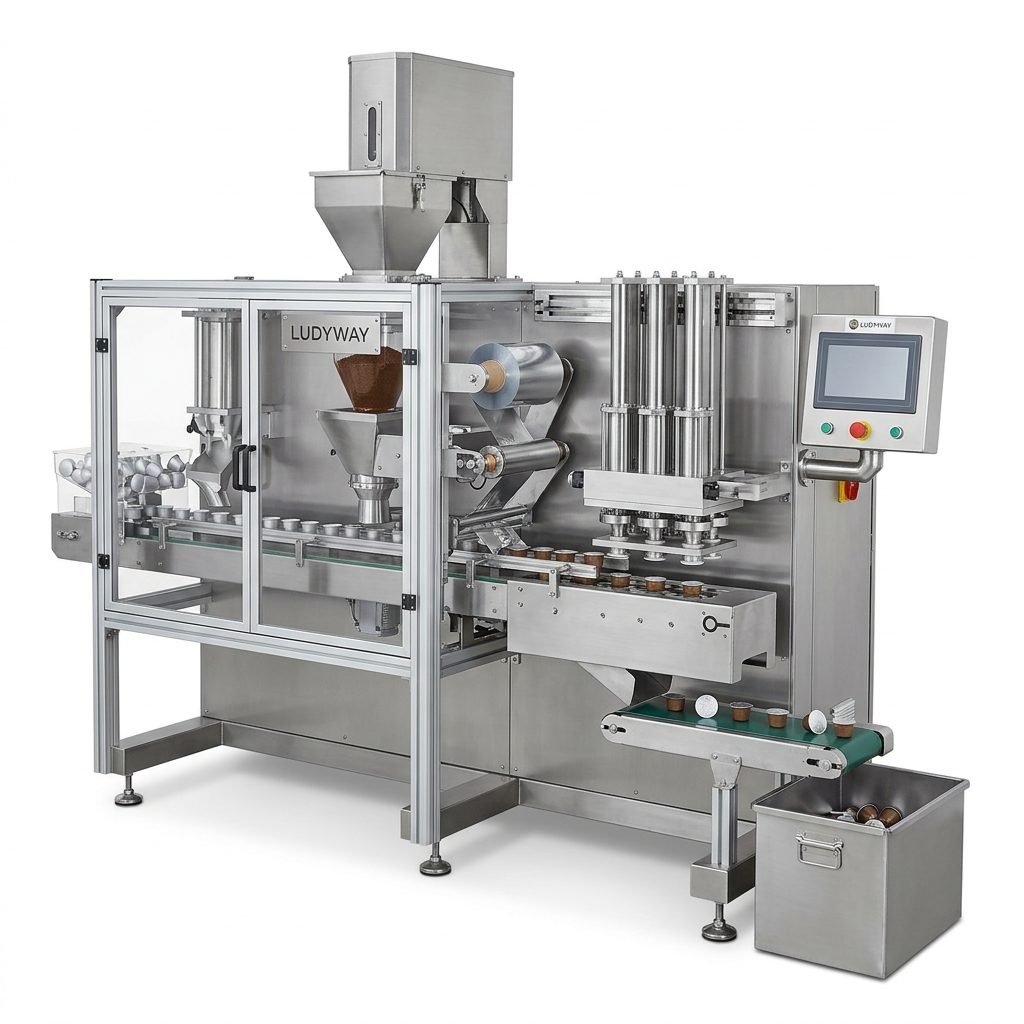
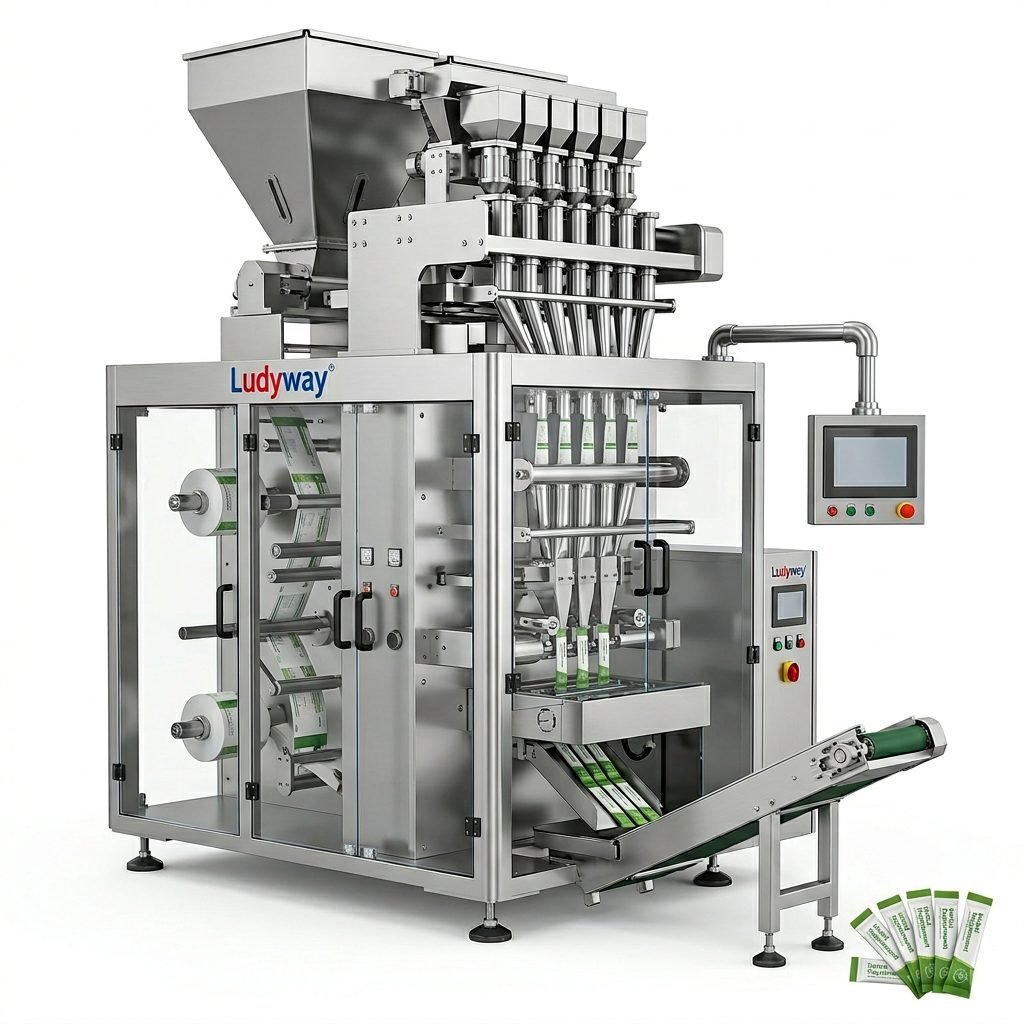
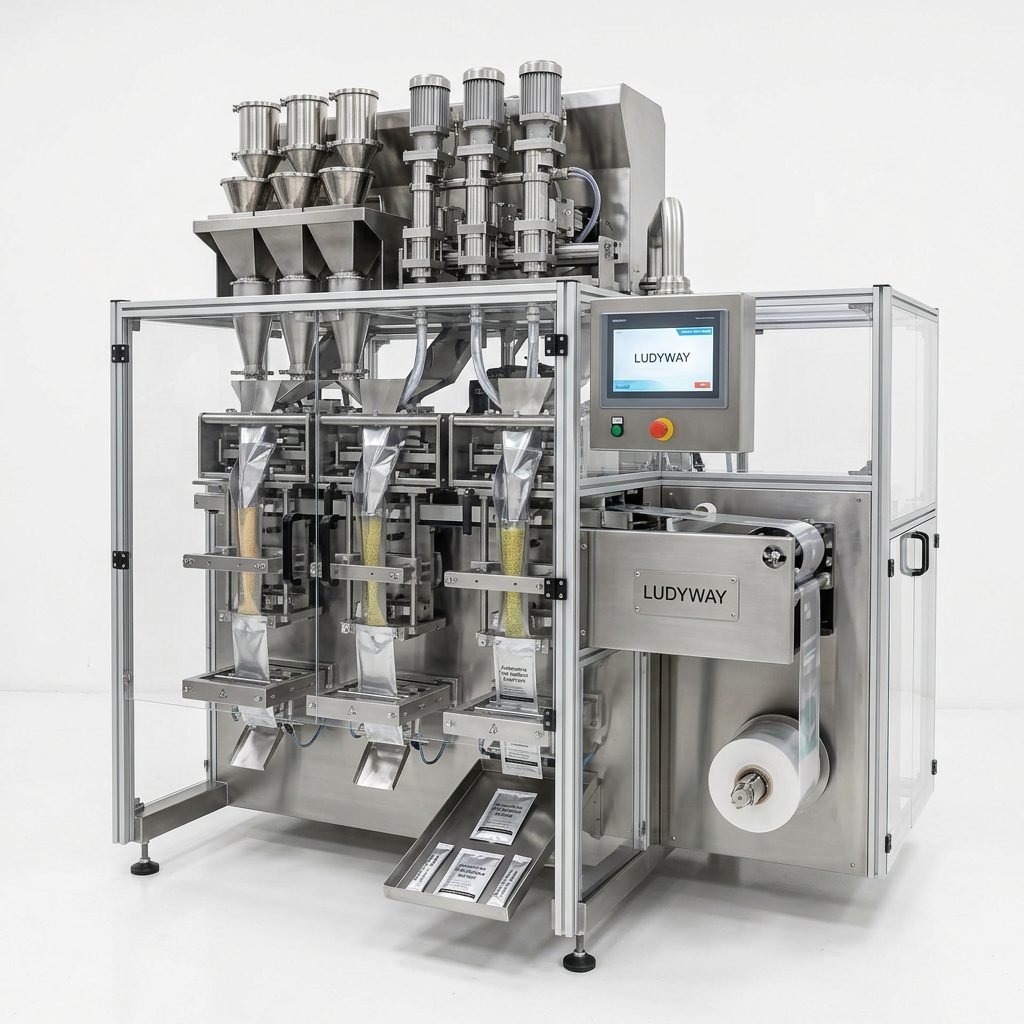
For example, companies like Ludyway Machinery bring over a decade of specialization in providing turnkey packaging solutions, ensuring not just equipment delivery but complete line integration and support.
Types of Automatic Canning Lines
Monobloc Systems
A compact, integrated unit where the filler and seamer are built on a single frame. This design saves space, improves hygiene (less exposed conveyor), and ensures perfect synchronization between filling and seaming. Ideal for breweries with space constraints looking for a streamlined solution.
Rotary vs. In-Line Fillers
Rotary Fillers are the industry standard for speed. Cans travel around a circular carousel, being filled at multiple stations simultaneously. They are efficient and high-speed.
In-Line Fillers (or linear fillers) process cans in a straight line. They often have a smaller footprint and can be simpler to maintain, sometimes making them a good fit for mid-range speed requirements.
Budgeting and Total Cost of Ownership (TCO)
The purchase price is just the beginning. A comprehensive budget must include:
- Capital Expenditure (CapEx): Machine cost, shipping, installation, and any building modifications (e.g., reinforced flooring, plumbing).
- Operating Costs (OpEx): Utilities (water, electricity, compressed air), CO2 for purging, cleaning chemicals, and spare parts inventory.
- Labor: While automatic lines reduce manual work, you still need skilled technicians for operation and maintenance.
Evaluating TCO over a 5-10 year period provides a clearer picture than comparing sticker prices alone. A slightly more expensive, robust line with lower maintenance needs can be more economical long-term.
Implementing Your New Line
Success hinges on planning. Work with your supplier to develop a detailed project timeline covering delivery, installation, commissioning, and staff training. Schedule your first production runs with a forgiving, flagship beer to work out any kinks. Develop Standard Operating Procedures (SOPs) for daily operation, changeovers, and preventative maintenance from day one.
Choosing a partner with global experience, like those offering international packaging solutions, can be invaluable during this phase, providing proven methodologies for a smooth startup.
Conclusion
Choosing the best automatic beer can packaging line requires a careful balance of speed, quality, flexibility, and cost. By thoroughly assessing your current and future production needs, prioritizing low oxygen pickup, and partnering with a reliable equipment supplier known for quality and support, you can make an investment that powers your brewery’s growth for years to come. The right line is not just a machine; it’s a foundational pillar for your brand’s consistency and market expansion.
Frequently Asked Questions (FAQs)
Q1: What is a realistic speed for a craft brewery’s first automatic line?
A: For most growing craft breweries, a line running between 50 and 80 CPM is a practical and future-proof starting point. It balances affordability with the capacity to support significant growth without immediately needing an upgrade.
Q2: How important is a can rinser? Can we skip it to save money?
A: It is not recommended to skip the rinser. Even “clean” empty cans from the manufacturer can contain microscopic dust, lubricants, or airborne contaminants. A rinser is a low-cost insurance policy for your beer’s quality and shelf life.
Q3: Do we need a pasteurizer?
A: Not necessarily. If you plan to distribute your beer widely where it may not be constantly refrigerated (e.g., on warm store shelves), pasteurization is needed for stability. Many craft breweries focusing on local, refrigerated distribution use “cold-fill” methods and forego pasteurization to preserve delicate hop aromas.
Q4: How much staffing is required to run an automatic line?
A: A well-designed automatic line can often be run by 2-3 people: one overseeing the depalletizer/front end, one monitoring the filler/seamer, and one managing the packer/palletizer. However, this varies with line speed and automation level.
Q5: What is the typical lead time for receiving and installing a new canning line?
A: Lead times can vary from 4-6 months for standard systems to over a year for highly customized, high-speed lines. It’s critical to begin the planning and ordering process well in advance of your anticipated need. Factors like manufacturing schedule, shipping, and site preparation all impact the timeline.