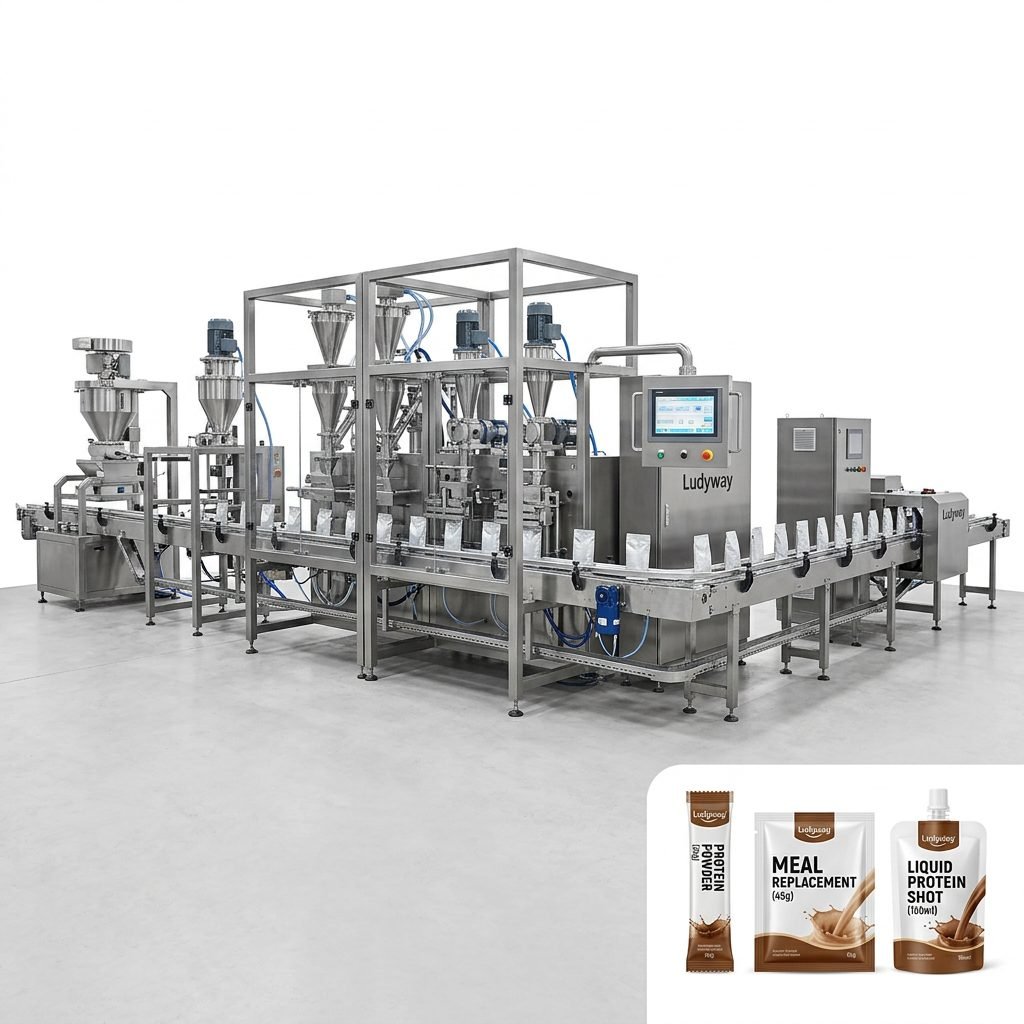
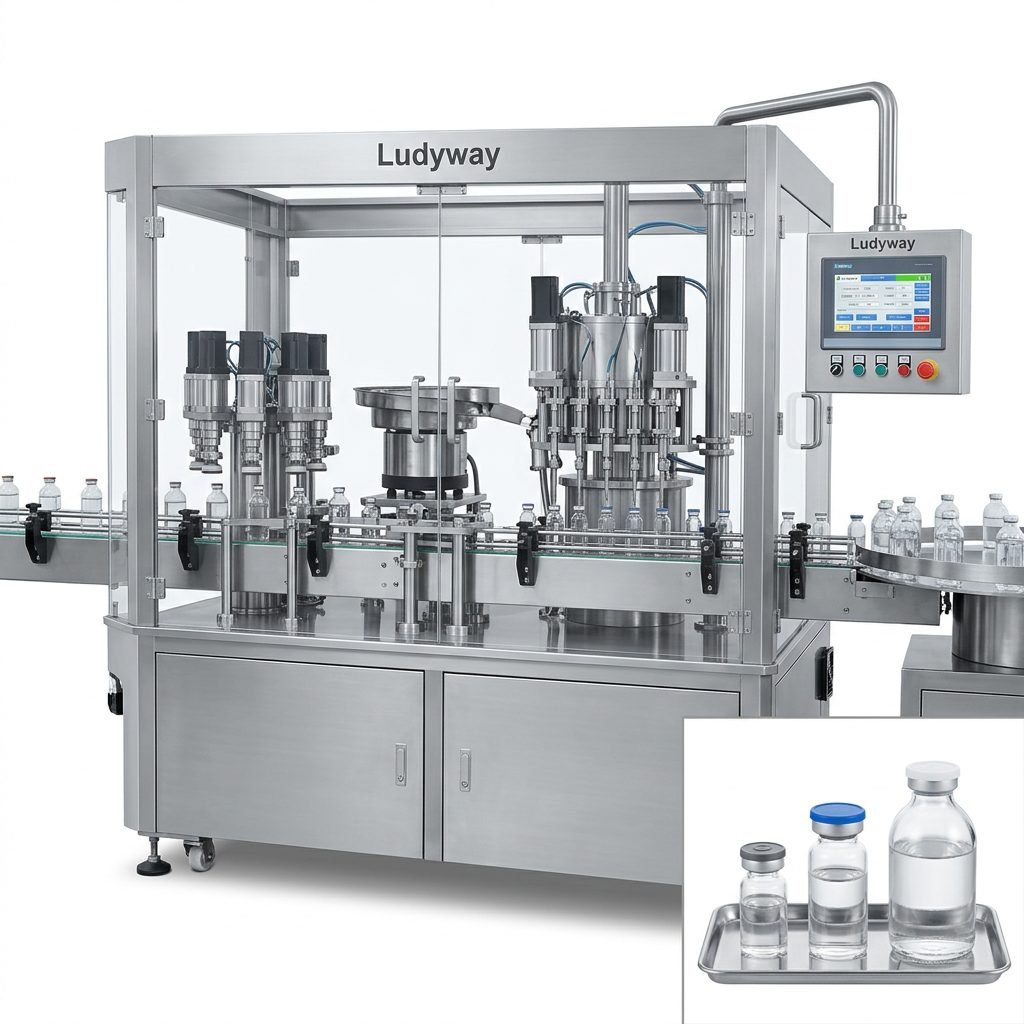
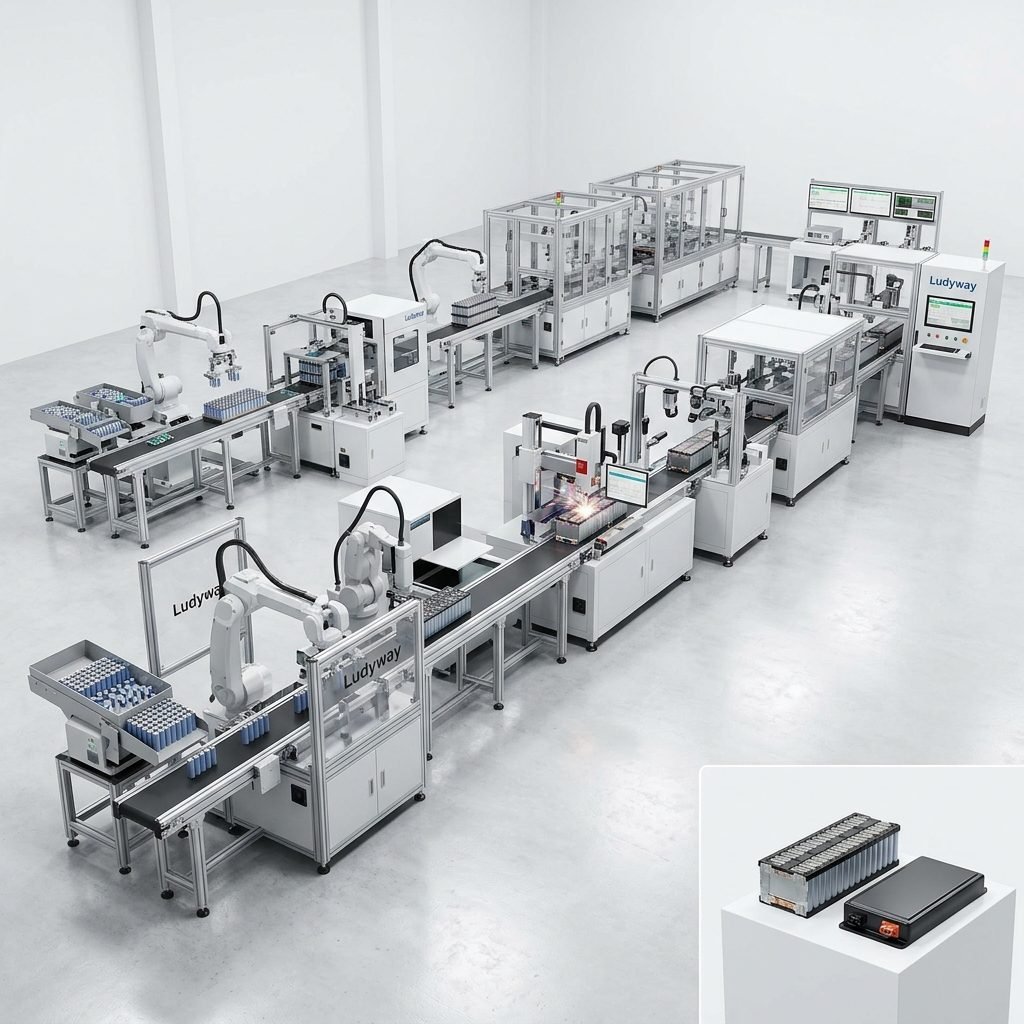
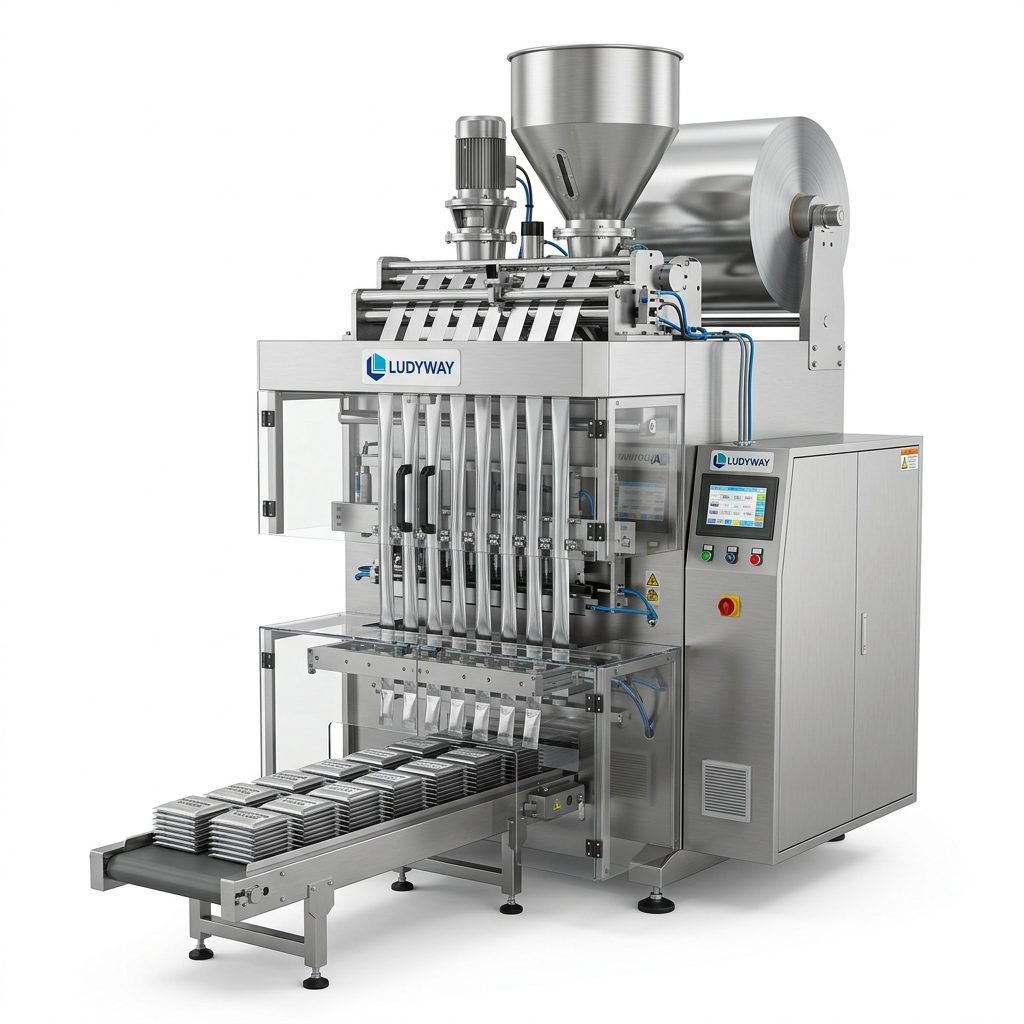
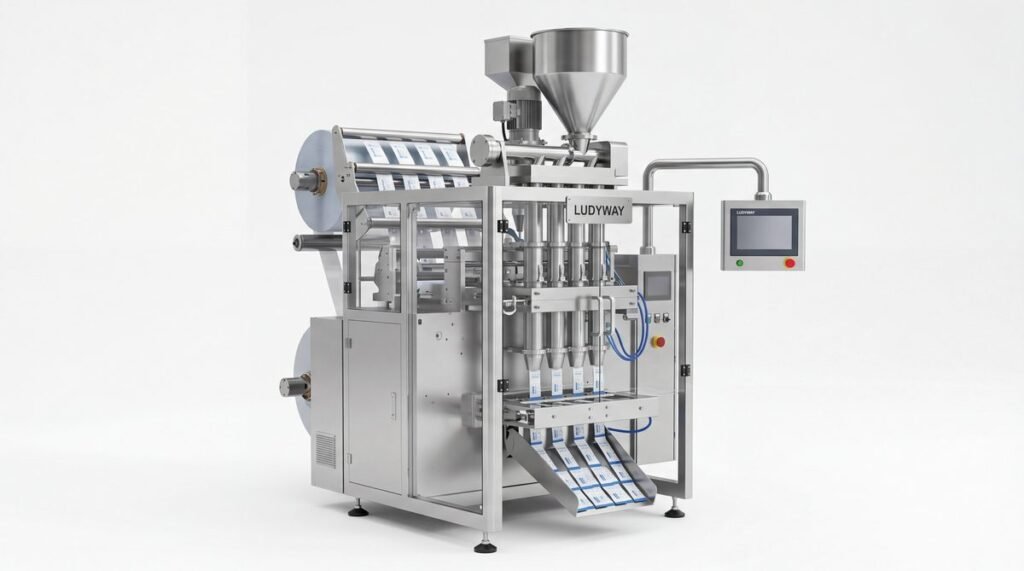
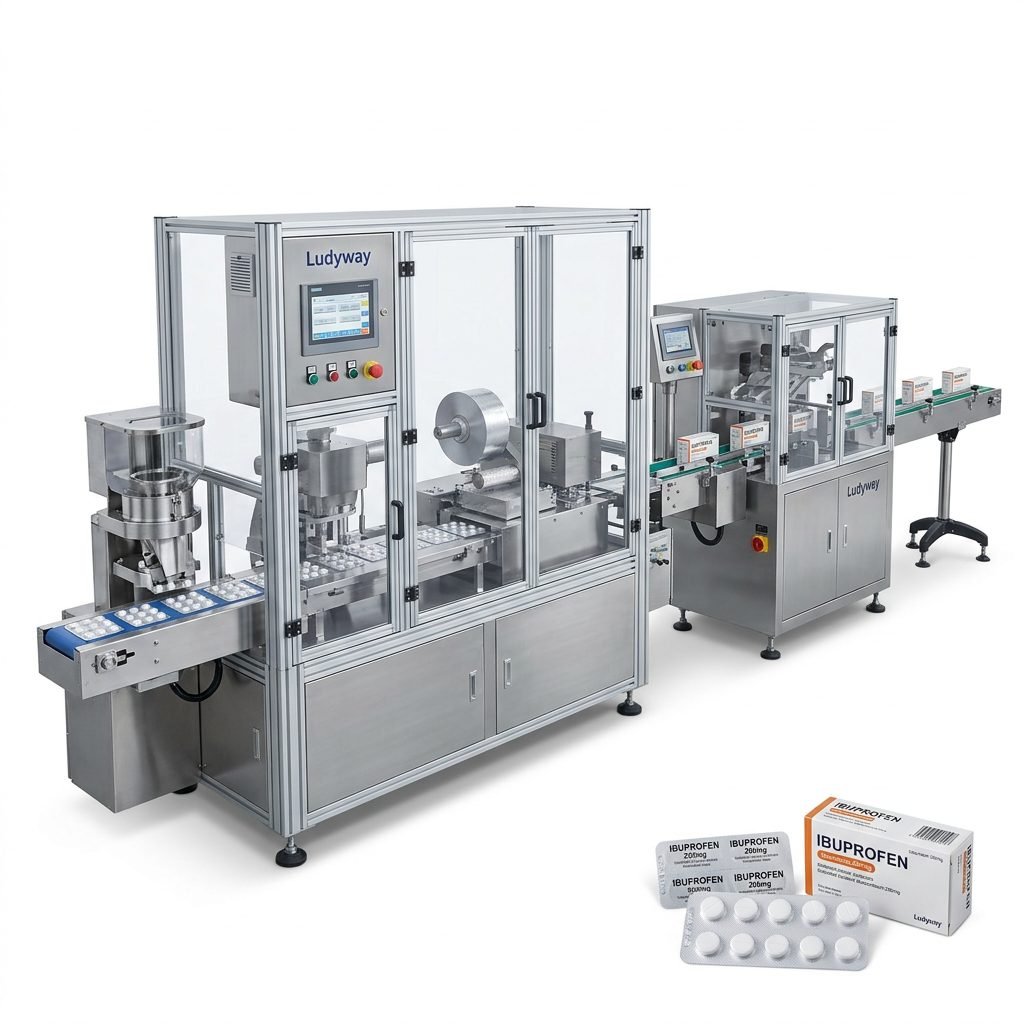
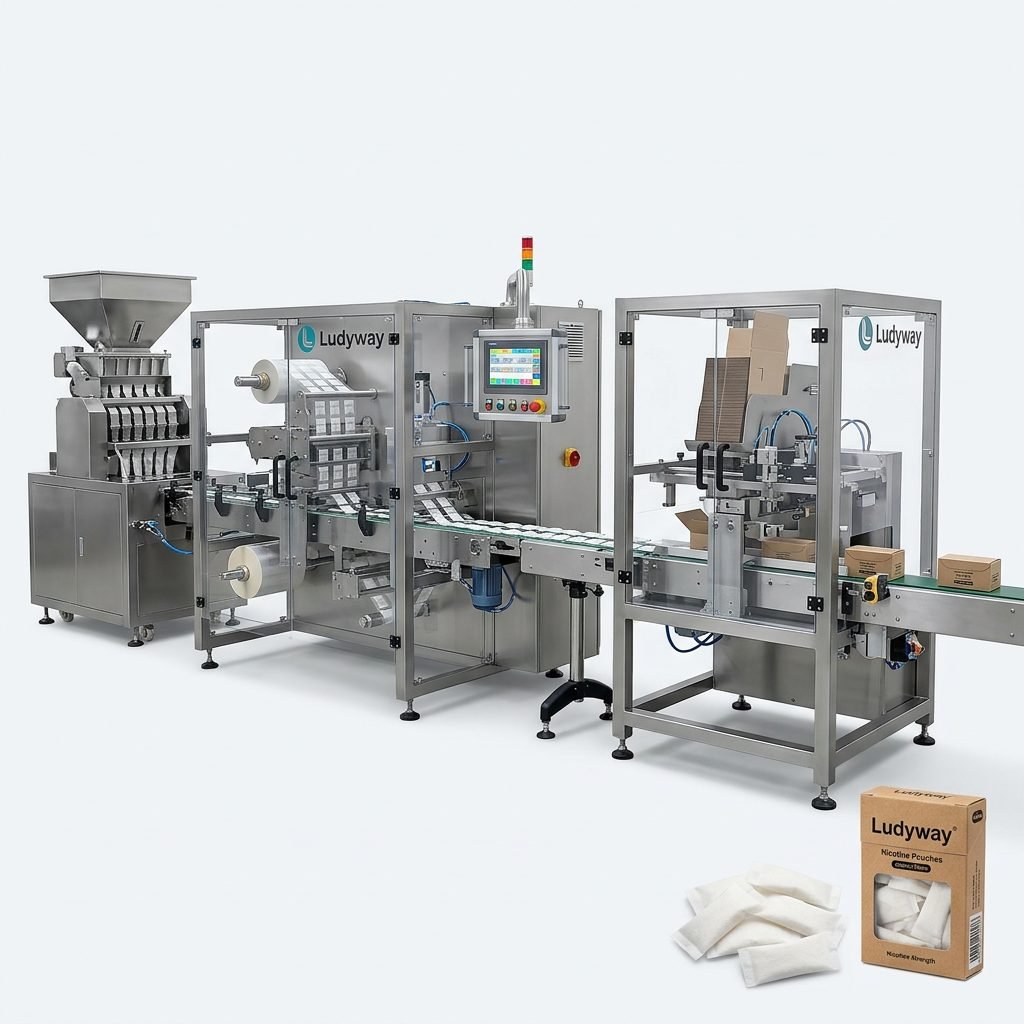
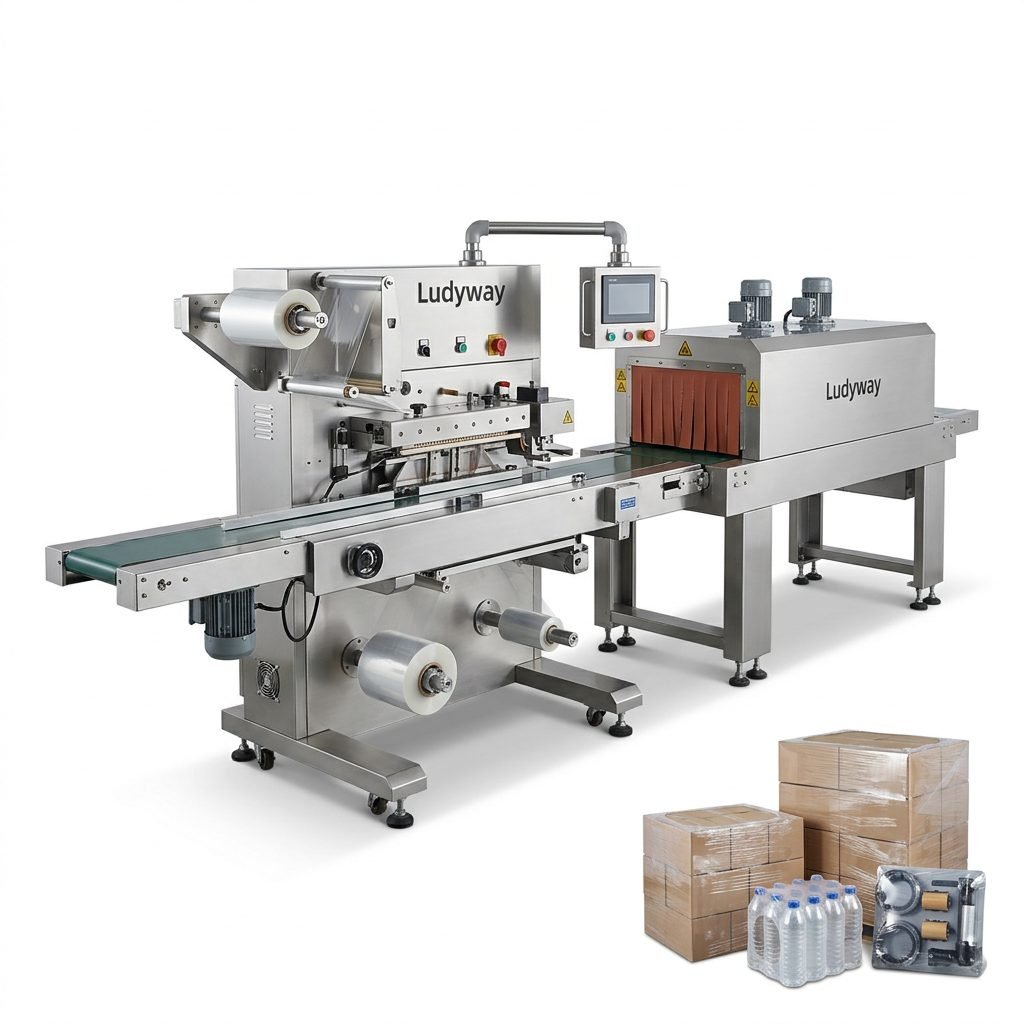
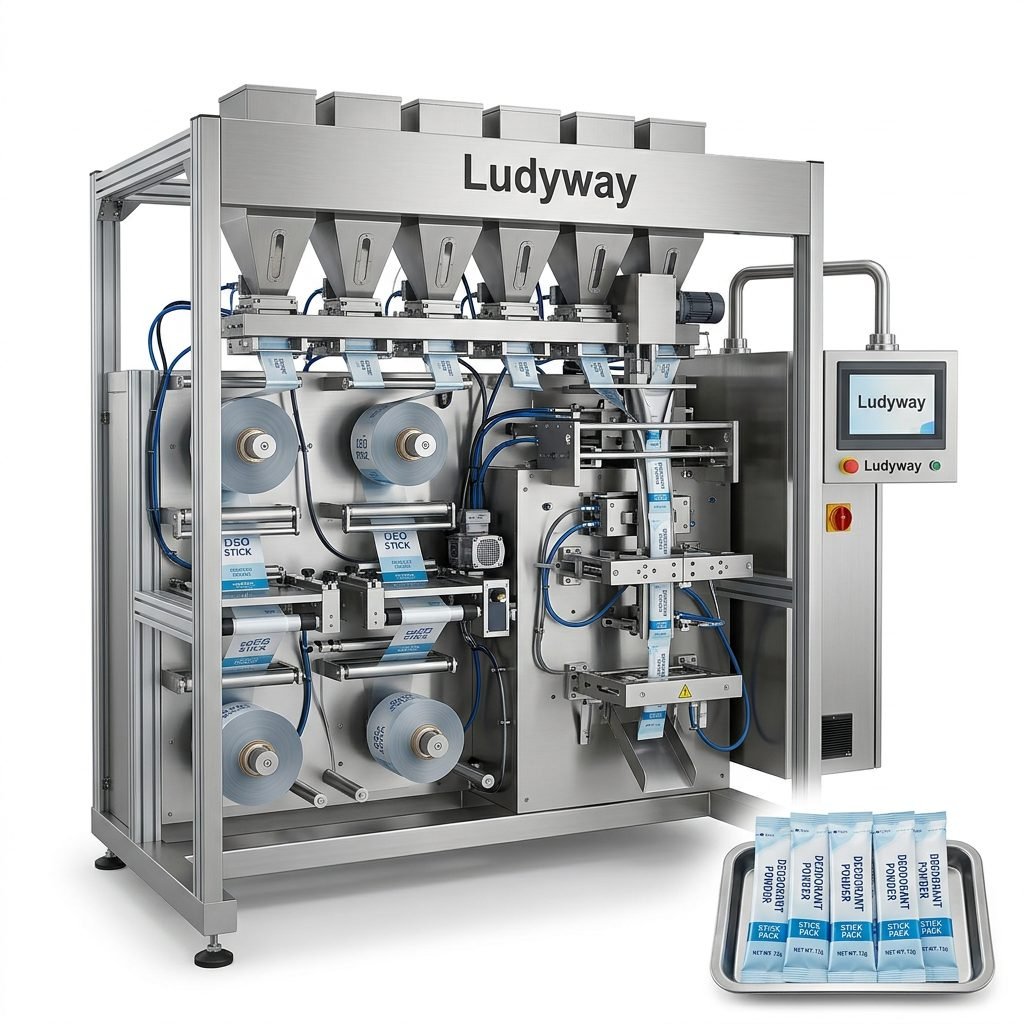
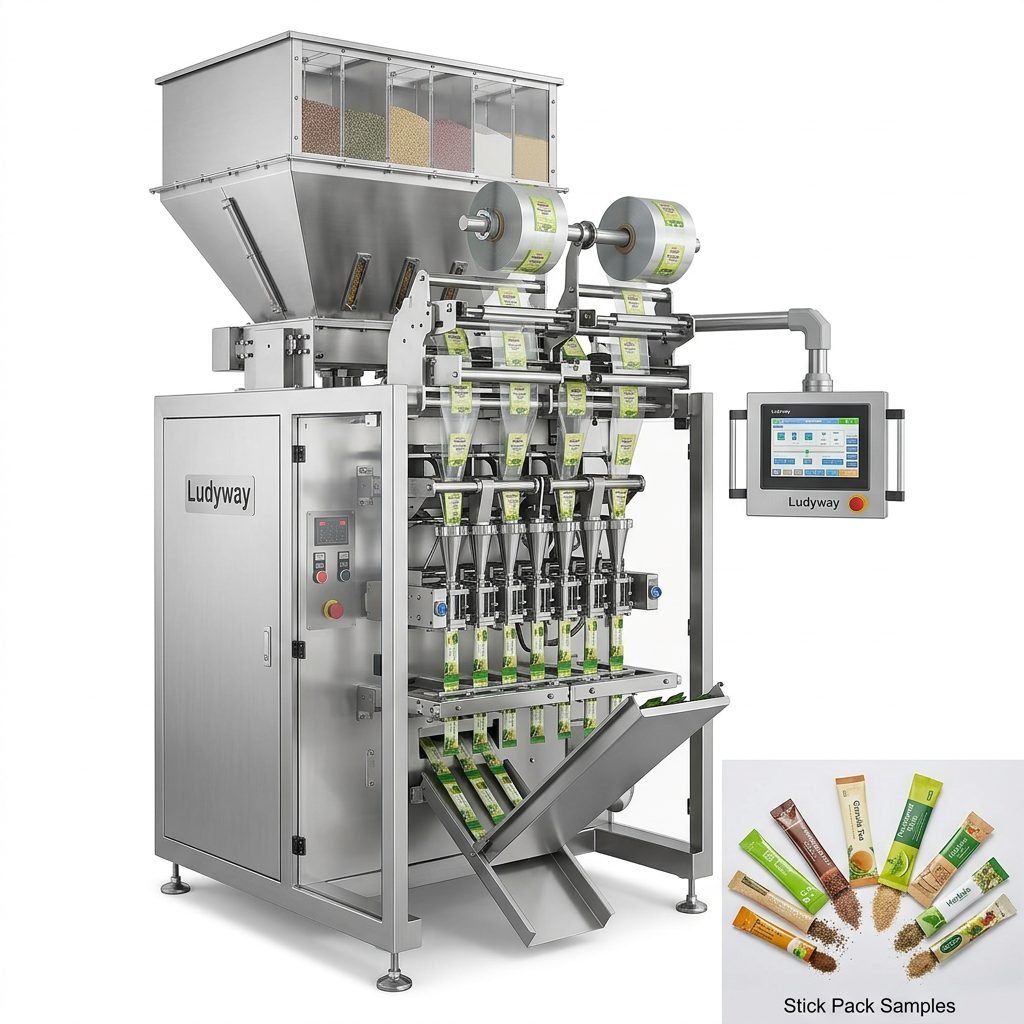
Entering the world of packaging machine operation can be an exciting and rewarding career path, especially for beginners. This comprehensive guide covers the essential skills, certification pathways, and critical safety practices you need to master to become a proficient and safe packaging machine operator. Whether you’re starting in a food production facility, a pharmaceutical plant, or a general manufacturing environment, understanding these fundamentals is your first step toward operational excellence.
Essential Skills for Packaging Machine Operators
Success as a packaging machine operator relies on a blend of technical knowledge, practical skills, and personal attributes. Here are the core competencies you should develop.
Technical & Mechanical Proficiency
At the heart of the role is the ability to understand and interact with machinery. This includes:
Machine Setup & Adjustment: Learning to install forming tubes, sealing jaws, and feed systems according to product specifications. Precision is key to preventing material waste and ensuring package integrity.
Troubleshooting Common Issues: Diagnosing problems like film jams, inconsistent seals, or incorrect filling weights. A good operator can quickly identify the root cause—be it a mechanical misalignment, sensor error, or material feed issue.
Basic Maintenance: Performing routine tasks such as cleaning, lubricating moving parts, and replacing worn components like sealing bands or filters. Preventative maintenance minimizes unplanned downtime.
Quality Control & Attention to Detail
Operators are the first line of defense for product quality. You must be vigilant in monitoring:
- Package seal integrity and consistency.
- Accurate fill weights and correct labeling.
- Material alignment and print registration on flexible packaging.
Documenting any deviations and understanding Standard Operating Procedures (SOPs) are crucial parts of this skill set.
Safety Awareness & Compliance
A non-negotiable skill is the commitment to safety. This involves understanding all machine safety features (e.g., emergency stops, guards, interlocks), knowing Lockout/Tagout (LOTO) procedures for maintenance, and adhering to Good Manufacturing Practices (GMP) in regulated industries like pharmaceuticals.
Pathways to Certification and Training
While not always mandatory, formal training and certification significantly enhance your employability, credibility, and earning potential. Here’s how to build your qualifications.
Formal Training Programs
Many technical colleges, vocational schools, and industry associations offer certificate programs in packaging technology or mechatronics. These programs typically cover:
- Principles of packaging machinery operation.
- Blueprint and schematic reading.
- Introductory PLC (Programmable Logic Controller) logic.
- Hands-on practice with various machine types.
On-the-Job Training & Apprenticeships
The most common path is employer-provided training. You’ll learn under the guidance of an experienced operator or technician, starting with basic tasks and progressing to full machine operation and minor repairs. An apprenticeship combines paid work with structured learning, offering a deep, practical education.
Industry-Recognized Certifications
Pursuing certifications demonstrates proactive skill development. Consider credentials from organizations like:
- PMMI (The Association for Packaging and Processing Technologies): Offers the Mechatronics Certificate program, highly valued in the industry.
- OSHA (Occupational Safety and Health Administration): Completing OSHA 10 or 30-hour General Industry training shows a strong commitment to workplace safety.
- Equipment-Specific Certifications: Many machinery manufacturers, such as Ludyway Machinery, provide certified training on their specific equipment, which is invaluable for operating and maintaining those models efficiently.
Fundamental Safety Practices for Beginners
Safety must be ingrained in every action. Ignoring safety protocols can lead to severe injury or machine damage. Here are the foundational rules.
Personal Protective Equipment (PPE)
Always wear the PPE required for your specific task and environment. This almost always includes:
- Safety glasses to protect eyes from flying debris or chemical splashes.
- Hearing protection in high-noise areas.
- Cut-resistant gloves when handling sharp materials like film or blades.
- Steel-toed shoes to protect feet from heavy objects.
- Hair nets, beard covers, and smocks in hygienic environments like food or Pharma.
Machine Safety Protocols
⚠️ Lockout/Tagout (LOTO): This is the most critical safety procedure. Before performing any cleaning, clearing a jam, or maintenance, you MUST isolate the machine from all energy sources (electrical, pneumatic, hydraulic) and place a personal lock and tag on the isolation device. Never assume a machine is safe; always verify zero energy.
Never bypass machine guards, light curtains, or emergency stop buttons. These are there for your protection. Always be aware of pinch points, rotating parts, and hot surfaces like sealing jaws.
Material & Workspace Safety
Understand the safety data sheets (SDS) for any chemicals or powders you handle. Keep the work area clean, dry, and free of trip hazards. Properly dispose of packaging waste and scrap materials to prevent fires and maintain hygiene.
Building a Successful Career as an Operator
Starting as an operator opens doors to advancement. Show initiative by:
- Volunteering for additional training on different or more complex machines.
- Asking questions to understand the “why” behind procedures.
- Developing soft skills like communication and teamwork to coordinate with quality control, maintenance, and logistics staff.
- Staying updated on new packaging technologies and automation trends.
With experience and additional training, operators can advance to roles like Lead Operator, Packaging Technician, Maintenance Mechanic, or even Production Supervisor. Companies that invest in advanced, reliable equipment, like the solutions developed by Ludyway Machinery, often seek operators who are eager to learn and grow with their technology.
Frequently Asked Questions (FAQs)
Q1: Do I need a college degree to become a packaging machine operator?
A: No, a college degree is typically not required. A high school diploma or GED, combined with on-the-job training or a vocational certificate, is the standard entry path. Strong mechanical aptitude and attention to detail are more important.
Q2: What is the most challenging part of the job for a beginner?
A: Many beginners find troubleshooting under production pressure to be the biggest challenge. Learning to systematically diagnose a problem—rather than making random adjustments—takes time and experience but is a highly valuable skill.
Q3: How important is certification if I already have a job?
A> Even if employed, certification is valuable. It validates your skills formally, can lead to pay increases, makes you more competitive for promotions, and shows a commitment to your professional development and industry standards.
Q4: Are there physical demands to this job?
A: Yes, operators often stand for long periods, may lift moderate weights (like bags of material or toolboxes), and perform repetitive tasks. Good ergonomic practices and physical stamina are important.
Q5: What industries hire the most packaging machine operators?
A: The highest demand comes from the food and beverage, pharmaceutical, medical device, and consumer goods industries. These sectors rely heavily on automated packaging for efficiency, speed, and hygiene.