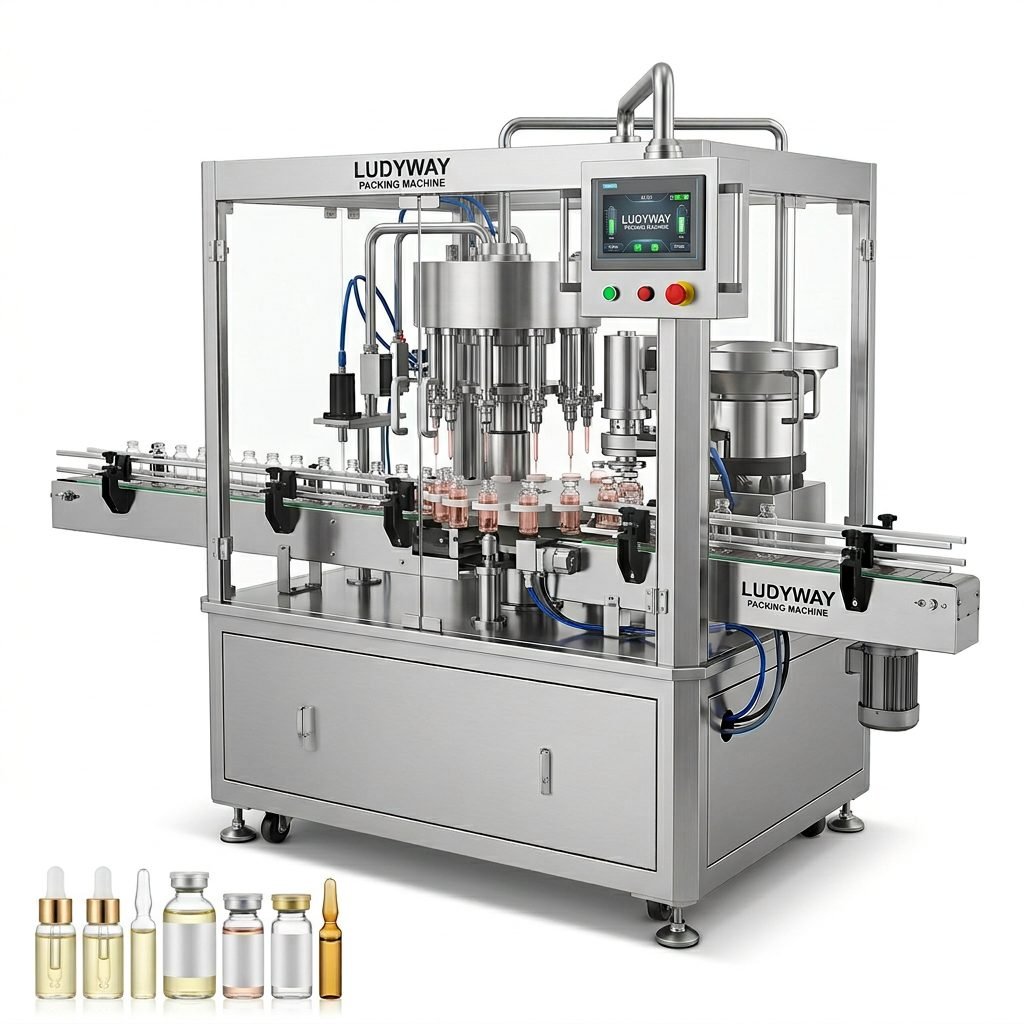
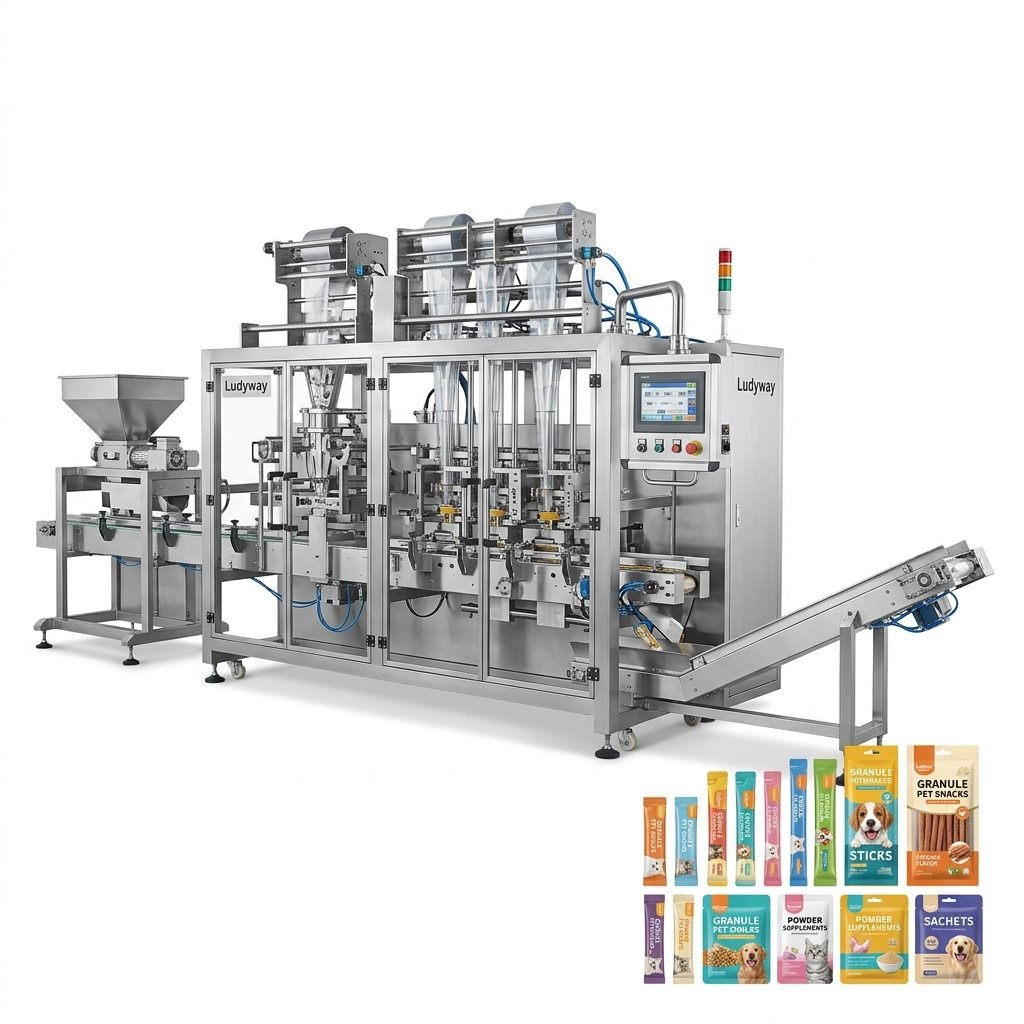
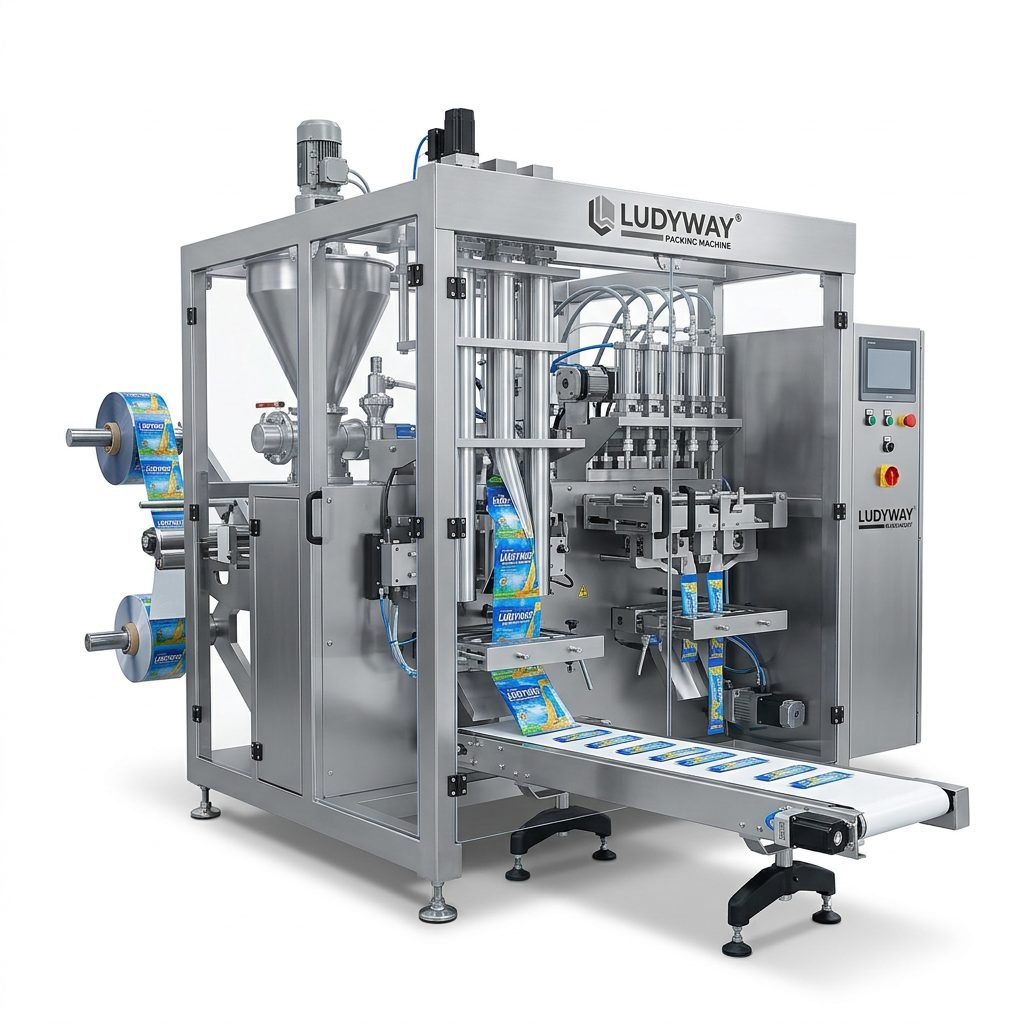
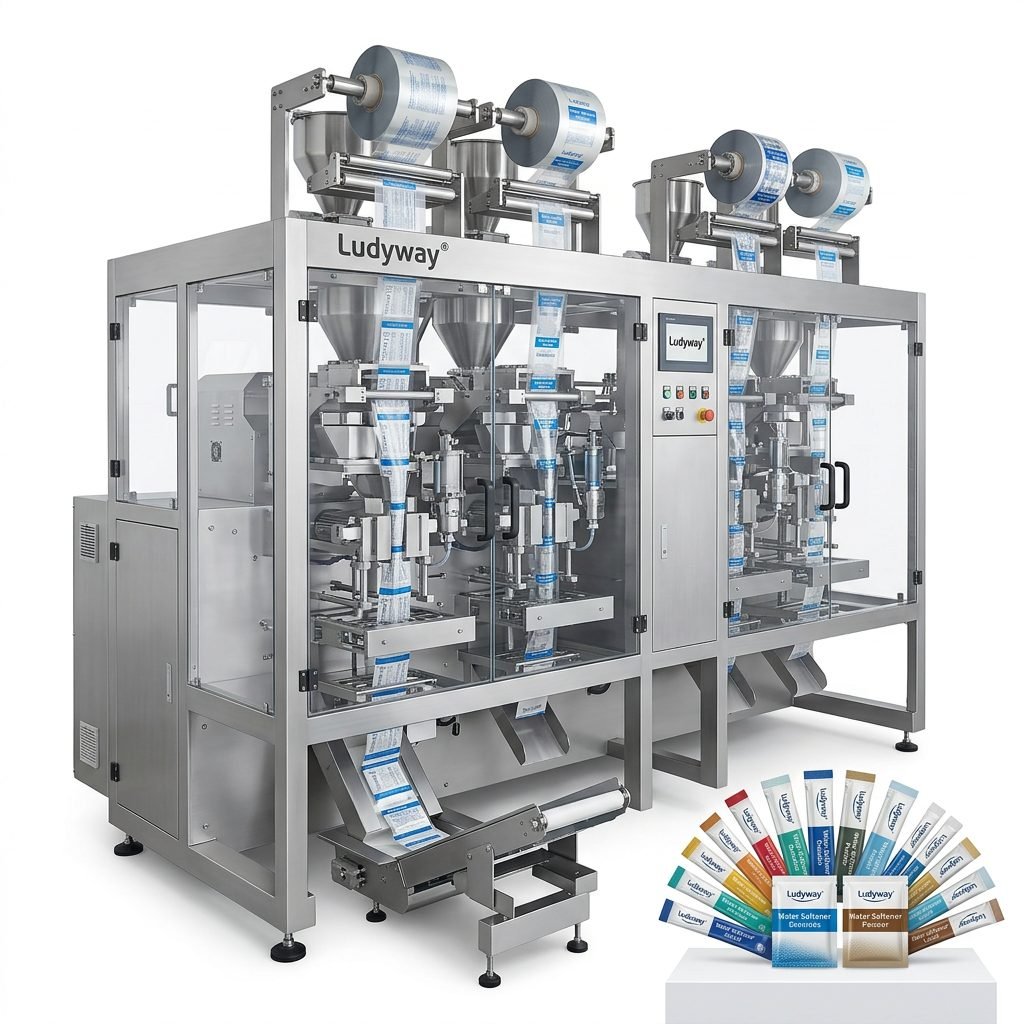
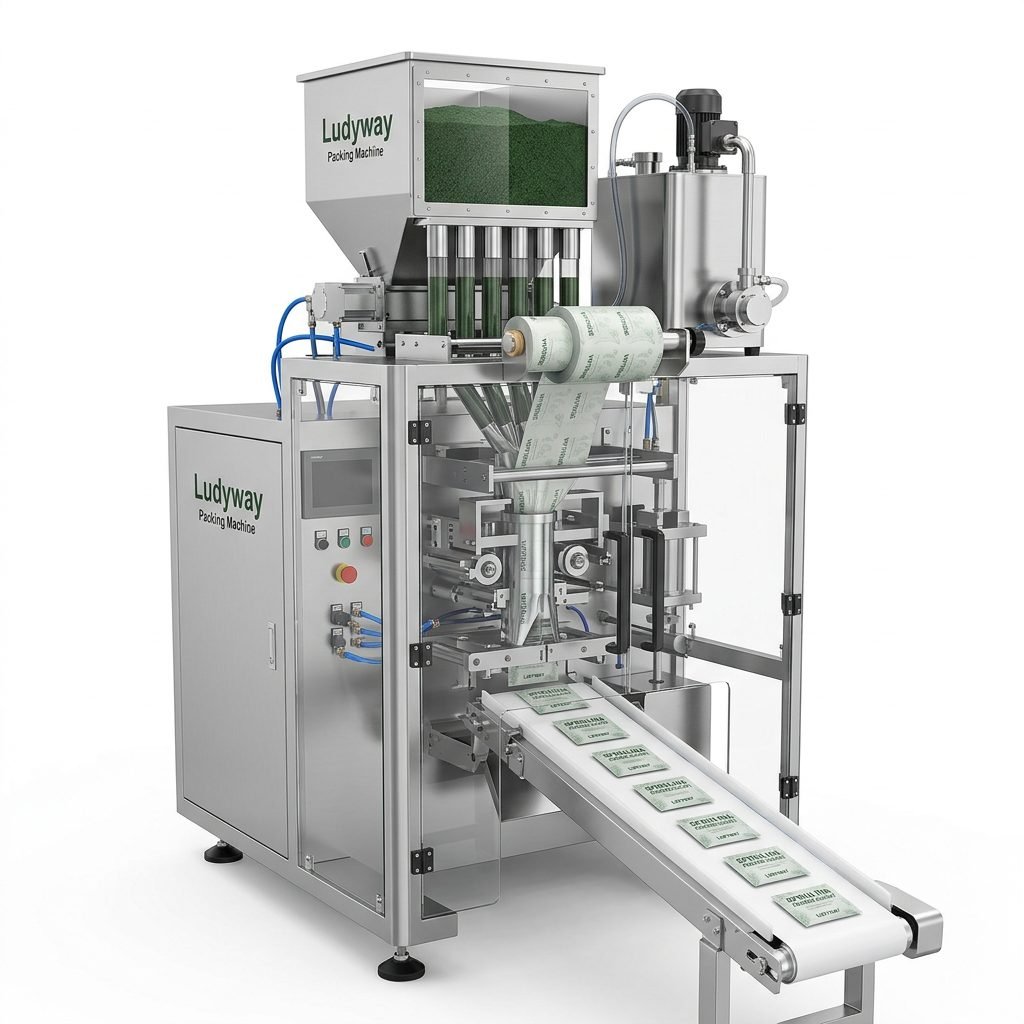
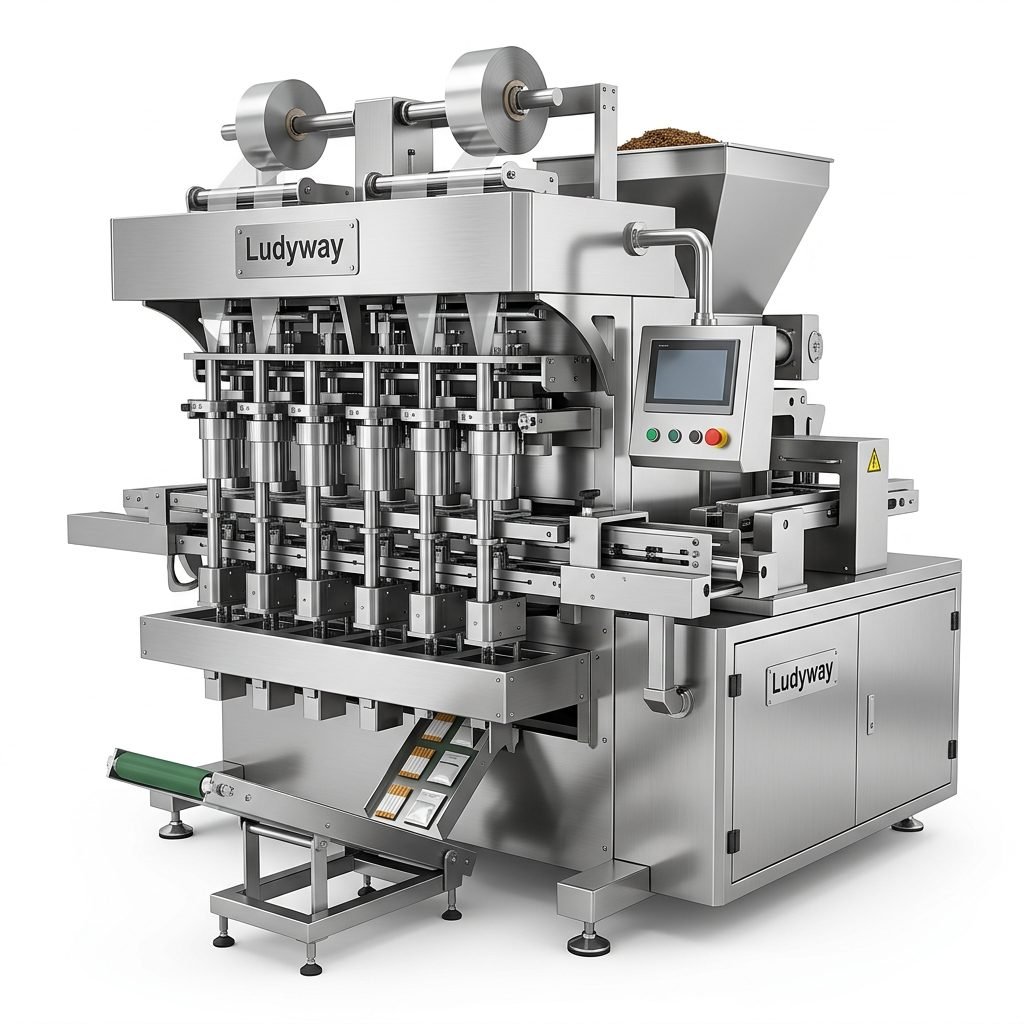
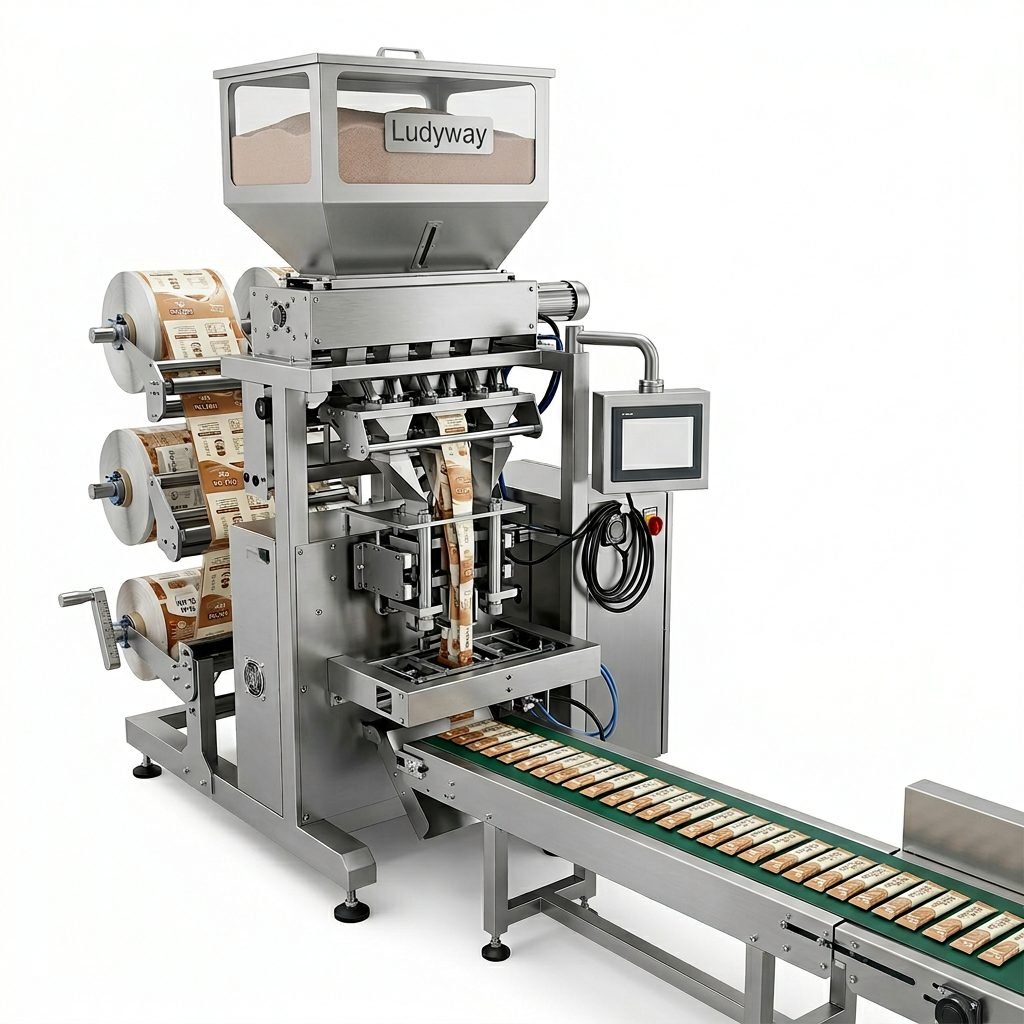
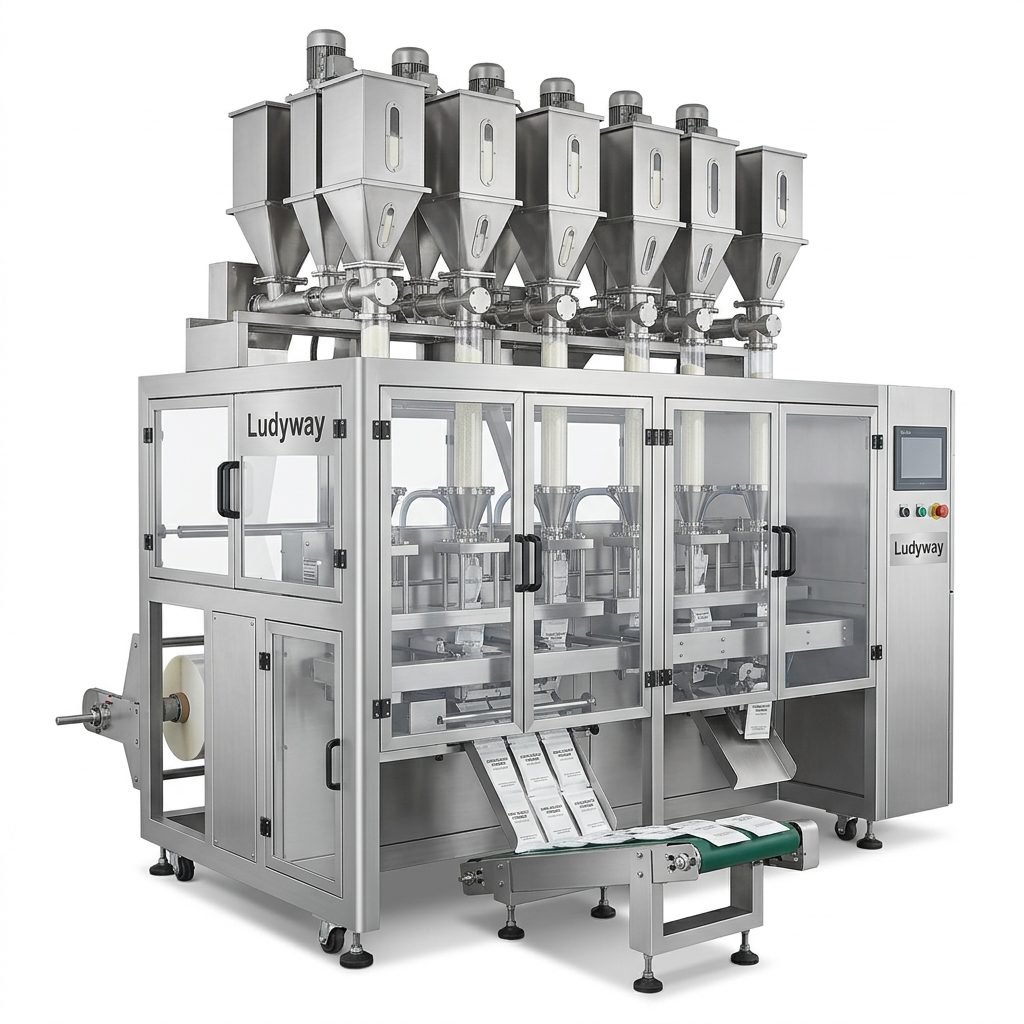
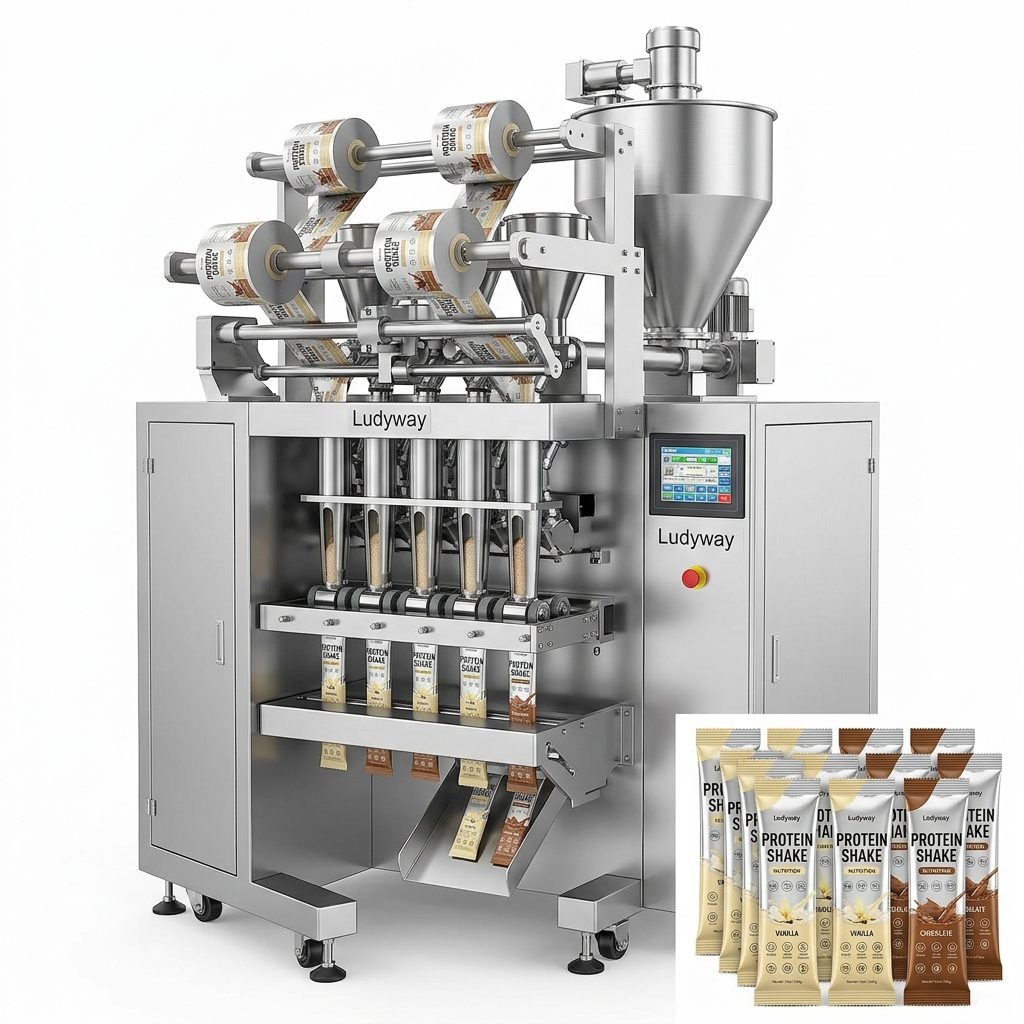
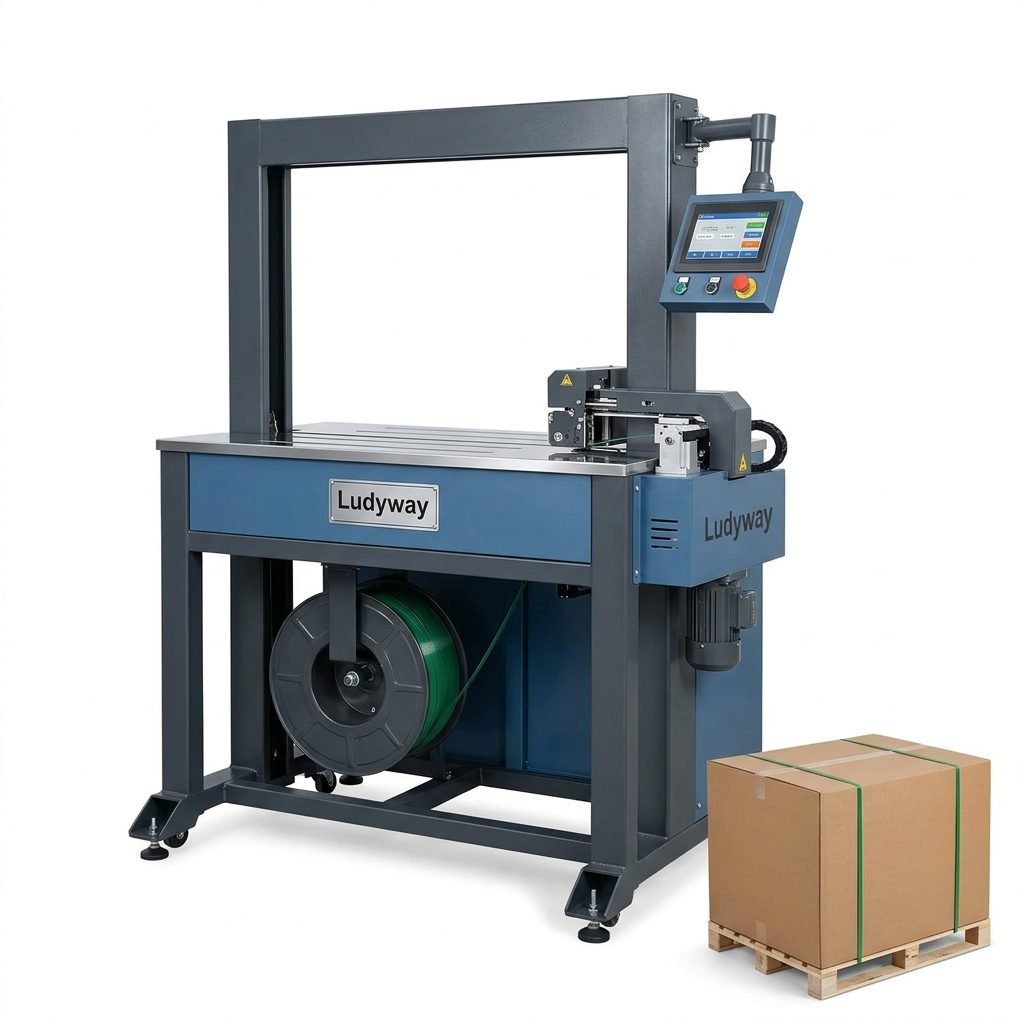
A food pouch packaging machine is an automated system designed to fill, seal, code, and prepare pouch packs for retail, foodservice, or bulk distribution. It is widely used for snacks, sauces, powders, frozen foods, pet food, coffee, grains, liquids, and ready-to-eat products because pouches are lightweight, attractive, easy to transport, and convenient for consumers.
In modern food manufacturing, pouch packaging is valued for its strong shelf appeal, flexible material options, and ability to support different pack styles such as stand-up pouches, flat pouches, zipper pouches, spouted pouches, and vacuum pouches. For manufacturers looking to scale output while improving consistency, a pouch packaging machine can become a core part of the production line.
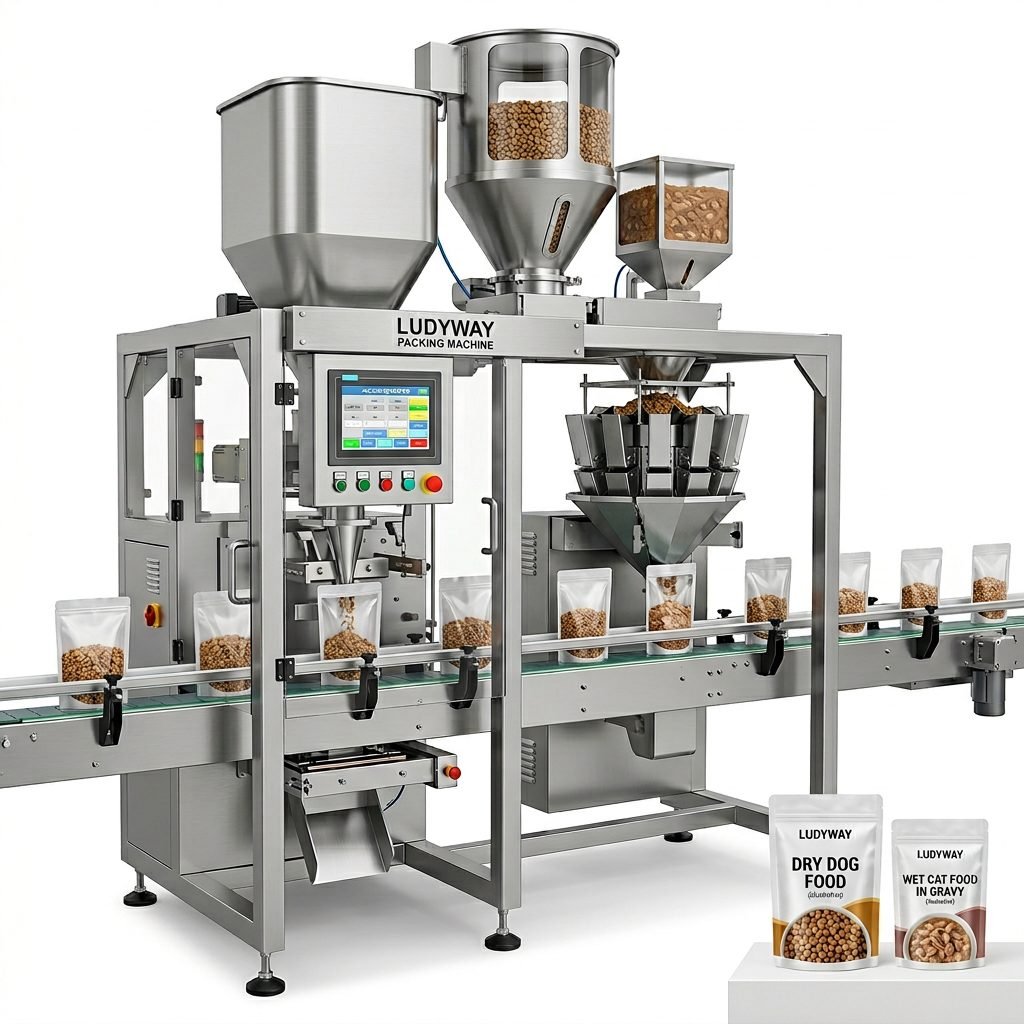
What Does a Food Pouch Packaging Machine Do?
At its most basic level, the machine takes a food product and packs it into a pouch in a controlled, repeatable way. Depending on the product type and pouch design, the machine may perform one or more of the following tasks:
- Forming a pouch from roll film or handling premade pouches
- Opening the pouch automatically
- Measuring or dosing the product accurately
- Filling solids, powders, granules, liquids, or pastes
- Removing excess air or applying vacuum/gas flushing
- Heat sealing the pouch
- Printing date codes or batch numbers
- Checking weight, seal quality, and final appearance
The result is a finished pouch pack that is ready for secondary packaging, cartoning, case packing, or palletizing.
Main Types of Food Pouch Packaging Machines
Food pouch machines are not all the same. The best choice depends on your product characteristics, pouch format, desired speed, and hygiene requirements.
| Machine Type | Best For | Typical Features |
|---|---|---|
| Premade pouch packing machine | Stand-up pouches, zipper pouches, shaped pouches | Pouch pickup, opening, filling, sealing |
| Vertical form fill seal machine | Powders, snacks, grains, frozen foods | Forms pouch from film, fills product, seals continuously |
| Rotary pouch packaging machine | Medium to high-speed premade pouch applications | Multi-station rotary design, stable sealing, flexible filling modules |
| Spouted pouch filling machine | Purees, sauces, beverages, baby food | Precision liquid filling, cap feeding, sealing |
| Vacuum pouch packing machine | Meat, seafood, ready meals | Air extraction, strong sealing, longer shelf life support |
How a Food Pouch Packaging Machine Works
While the exact sequence varies by model, most food pouch packaging machines follow a similar process. Understanding this workflow helps buyers evaluate machine performance and line compatibility.
1. Pouch Feeding or Film Unwinding
The process starts with either premade pouches being loaded into the machine or packaging film being unwound from a roll. Premade pouch systems are ideal for premium shelf-ready packs, while form-fill-seal systems are efficient for high-volume standard pouch production.
2. Pouch Forming or Opening
In roll-film systems, the pouch is formed by shaping and sealing film. In premade pouch systems, robotic or mechanical grippers pick up each pouch and open it using vacuum suction or air blast. Reliable pouch opening is critical because poor opening can lead to product waste or seal defects.
3. Product Dosing and Filling
The product is then measured and dispensed into the pouch. Different fillers are used based on product characteristics:
- Multihead weighers for snacks, candies, nuts, frozen foods
- Auger fillers for powders such as coffee, flour, protein, seasoning
- Piston fillers for sauces, pastes, creams, thick liquids
- Liquid pumps or flowmeters for beverages, oils, soups, dressings
- Counting systems for tablets, confectionery pieces, or portioned items
4. Settling, Air Removal, or Optional Gas Flushing
Before sealing, the machine may vibrate or settle the pouch to create a cleaner seal area. For oxygen-sensitive foods, nitrogen flushing may be added to help maintain freshness. Vacuum functions may also be used for selected applications.
5. Heat Sealing
The pouch is sealed using controlled temperature, pressure, and dwell time. Seal quality is one of the most important performance indicators because it directly affects leakage prevention, appearance, and shelf life.
6. Coding, Inspection, and Discharge
After sealing, the pouch can pass through coding units, checkweighers, metal detectors, vision inspection systems, or reject devices. Finished packs are then discharged for collection or sent to downstream cartoning and case packing equipment.
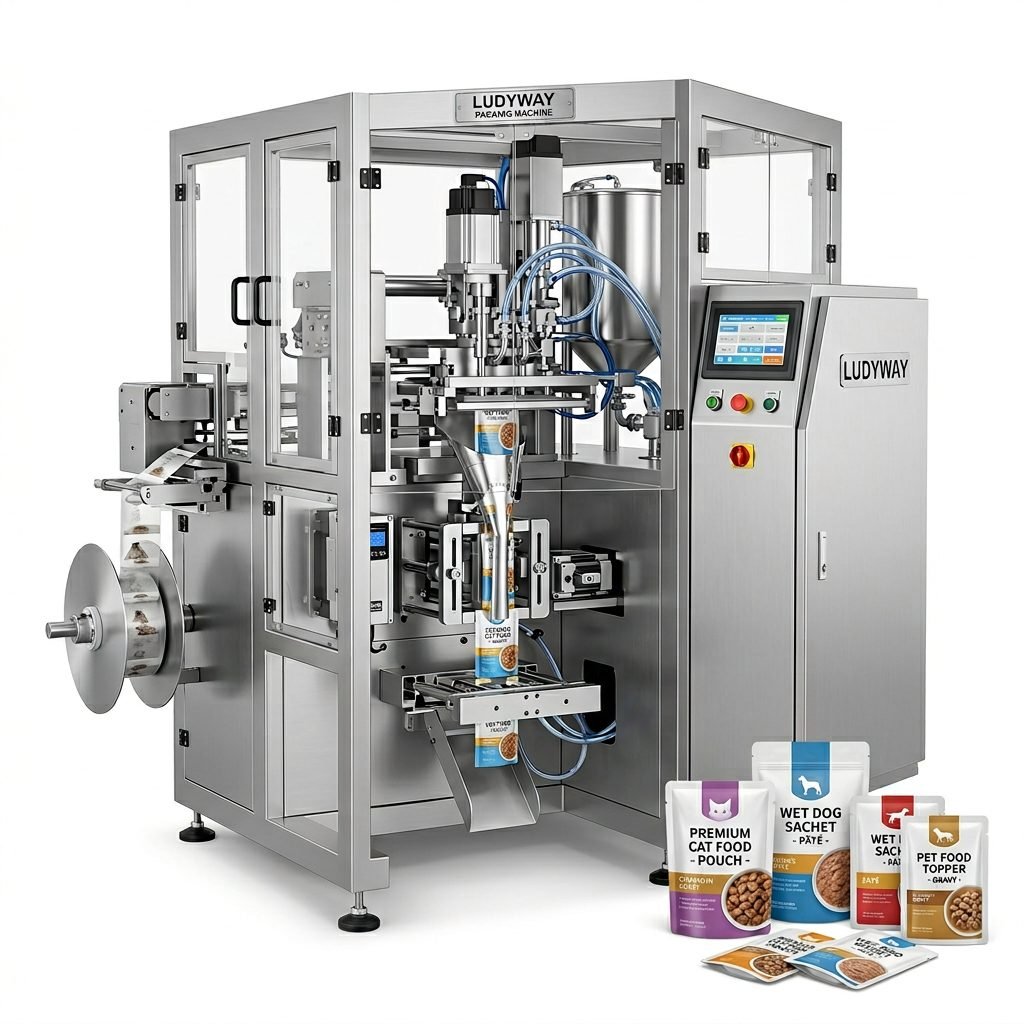
Common Food Products Packed in Pouches
Food pouch packaging machines are highly versatile and can be configured for many categories:
- Snack foods such as chips, nuts, trail mix, popcorn, and dried fruit
- Powder products like coffee, milk powder, spices, soup mixes, and nutrition blends
- Granular foods such as sugar, salt, seeds, grains, and cereal
- Liquids and semi-liquids including sauces, ketchup, honey, oil, yogurt, and dressing
- Frozen foods, pet food, and ready meals
- Functional foods and health supplement products in food-grade pouch formats
Key Components of a Food Pouch Packaging Machine
A complete system usually combines several functional modules. Buyers should understand these components when comparing suppliers.
| Component | Function |
|---|---|
| Pouch feeding unit | Loads and positions premade pouches |
| Film transport system | Feeds packaging film smoothly in FFS machines |
| Filling device | Measures and dispenses product |
| Sealing station | Creates secure pouch seals |
| PLC and touch screen | Controls settings, recipes, alarms, and diagnostics |
| Conveyors and discharge units | Transfers finished packs to the next process |
| Inspection equipment | Supports quality control and rejection of faulty packs |
Major Benefits of Using a Food Pouch Packaging Machine
Higher Packaging Efficiency
Automation significantly increases output compared with manual or semi-automatic methods. Machines can run continuously with stable cycle times, helping manufacturers meet large-volume production needs.
Better Accuracy and Product Consistency
Integrated dosing systems reduce overfill and underfill issues. This supports product uniformity, cost control, and compliance with labeling requirements.
Improved Seal Quality
Consistent sealing parameters reduce leakage, contamination risk, and returns. For food brands, this also protects presentation on store shelves.
Lower Labor Dependence
Automated pouch filling and sealing reduces manual handling and helps manufacturers optimize labor allocation, especially in facilities facing labor shortages or rising wage pressure.
Greater Packaging Flexibility
Many machines can handle multiple pouch sizes and product types with changeover parts or recipe settings. This is especially useful for manufacturers offering several SKUs.
More Hygienic Production
Stainless steel construction, enclosed filling zones, and cleanable surfaces help support food safety standards and GMP-oriented production environments.
Stronger Shelf Appeal
Pouches provide a modern, premium look. Stand-up pouches, transparent windows, spouts, and resealable zippers can improve convenience and consumer experience.
Important: the right machine is not simply the fastest one. The best solution is the one that matches your product behavior, pouch material, sealing requirements, hygiene target, and future production plan.
How to Choose the Right Food Pouch Packaging Machine
Before investing, manufacturers should assess technical and commercial requirements carefully. A poor machine-to-product match can create long-term downtime, waste, and changeover inefficiency.
- Product type: powder, granule, liquid, paste, solid pieces, or mixed products
- Pouch format: flat pouch, stand-up pouch, zipper pouch, spouted pouch, vacuum pouch
- Production speed: desired packs per minute and shift output
- Fill accuracy: acceptable tolerance and cost sensitivity
- Material compatibility: laminate film, recyclable film, foil, PE structures
- Available space: floor layout, operator access, and downstream integration
- Automation level: standalone machine or full packaging line
- Compliance needs: food-grade contact parts, washdown options, traceability
- Future expansion: ability to add coding, cartoning, checkweighing, palletizing
Premade Pouch Machine vs Form-Fill-Seal Machine
This is one of the most common buyer questions. Both have clear advantages depending on your application.
| Factor | Premade Pouch Machine | Form-Fill-Seal Machine |
|---|---|---|
| Pouch style flexibility | Excellent for premium pouch designs | Best for standardized formats |
| Material sourcing | Uses finished pouches | Uses roll film |
| Operational cost | Often higher pouch cost | Often lower film cost |
| Shelf appearance | Very strong retail appeal | Good, especially for high-volume packs |
| Speed potential | Medium to high | High for many standard products |
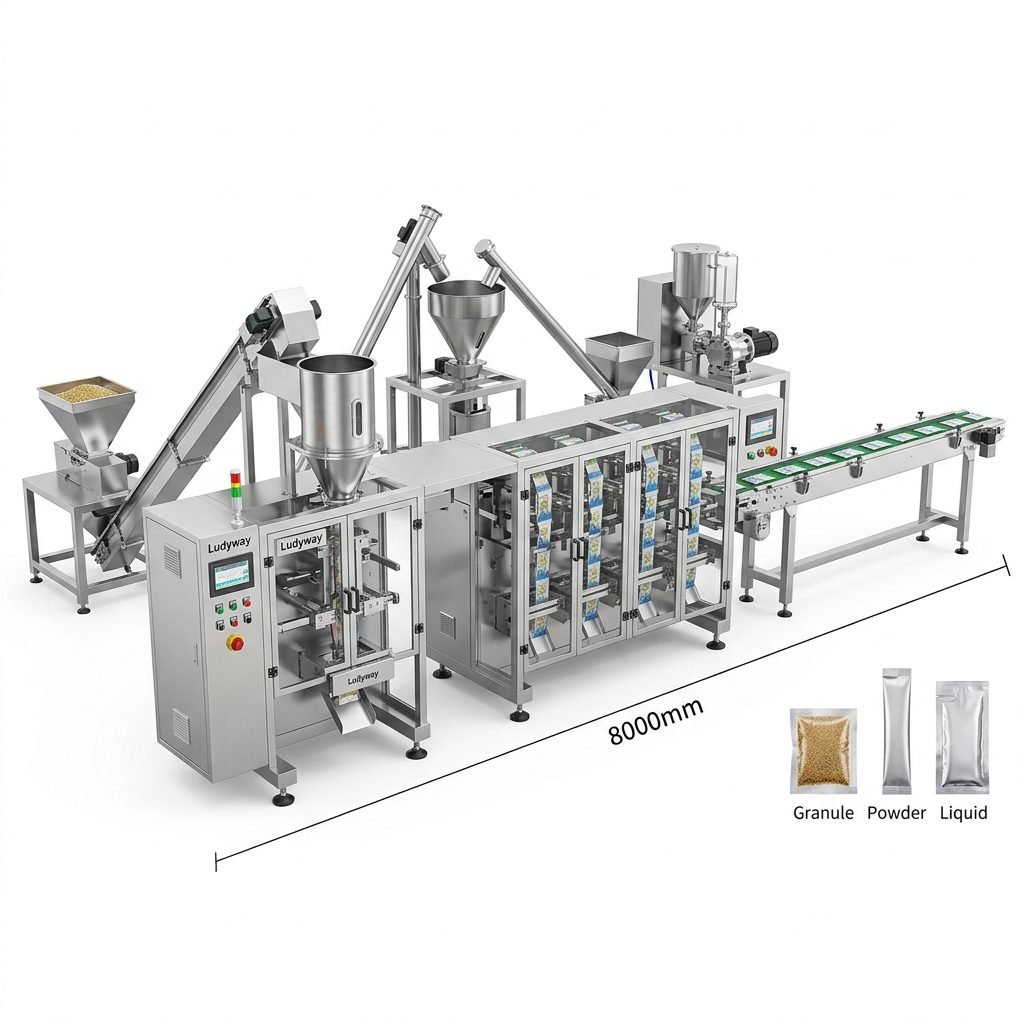
Industries That Commonly Use Food Pouch Packaging Machines
Although the focus is food, pouch automation is popular across adjacent sectors too:
- Snack food manufacturers
- Sauce and condiment producers
- Coffee and tea brands
- Baking ingredient suppliers
- Frozen food processors
- Pet food and pet treat manufacturers
- Functional food and nutrition companies
- Private-label and contract packers
What Features Should You Look For?
When evaluating suppliers, it helps to compare not just machine price but also real performance features.
Recommended Features
- Servo-driven motion control for stable operation
- Quick changeover design for multiple pouch sizes
- Food-grade stainless steel contact parts
- Recipe memory and touchscreen management
- No pouch, no fill, no seal protection
- Automatic alarm and fault detection
- Optional nitrogen flushing or vacuum module
- Easy-clean structure for sanitation
- Integration with checkweigher, metal detector, coder, and cartoner
Maintenance Tips for Long-Term Performance
A food pouch packaging machine can deliver strong ROI, but only when maintained correctly. Preventive maintenance helps reduce unplanned stoppages and extends component life.
- Clean filling and sealing areas regularly
- Inspect seal jaws, heaters, and temperature sensors
- Check pneumatic components and air quality
- Lubricate moving parts according to the manual
- Monitor wear parts such as belts, grippers, and cutters
- Calibrate filling devices periodically
- Train operators on correct startup and shutdown procedures
Why Turnkey Integration Matters
Many buyers eventually need more than a single machine. They need a complete system that includes feeding, filling, sealing, inspection, coding, cartoning, case packing, and palletizing. A turnkey solution improves line compatibility and reduces interface risks between separate vendors.
For companies planning to expand or modernize production, working with an experienced manufacturer such as Ludyway food pouch packaging machine solutions can be valuable when custom layouts, multiple product formats, or integrated packaging lines are required.
Frequently Asked Questions
Can one machine pack different food products?
Yes, many machines can handle multiple products if the correct filling systems and change parts are used. However, product behavior, sanitation requirements, and pouch dimensions must be considered.
Is pouch packaging suitable for powders and liquids?
Absolutely. Powder pouch packaging machines often use auger fillers, while liquid pouch systems use pumps, piston fillers, or flowmeter technology.
What is the biggest advantage of pouch packaging?
The biggest advantage is the combination of efficiency, shelf appeal, convenience, and material flexibility. Pouches can help reduce shipping volume while improving consumer usability.
How fast can a food pouch packaging machine run?
Speed depends on the product, pouch size, fill volume, and machine design. Some systems are built for moderate speeds, while others support high-volume automated production.
Final Thoughts
A food pouch packaging machine is much more than a sealing device. It is a high-efficiency packaging solution that helps food manufacturers improve speed, filling accuracy, seal consistency, hygiene, and overall production control. Whether you package powders, snacks, sauces, pet food, or ready-to-eat products, the right machine can elevate both operational performance and brand presentation.
By understanding machine types, working principles, component options, and selection criteria, buyers can make a smarter investment and build a packaging line that supports long-term growth.