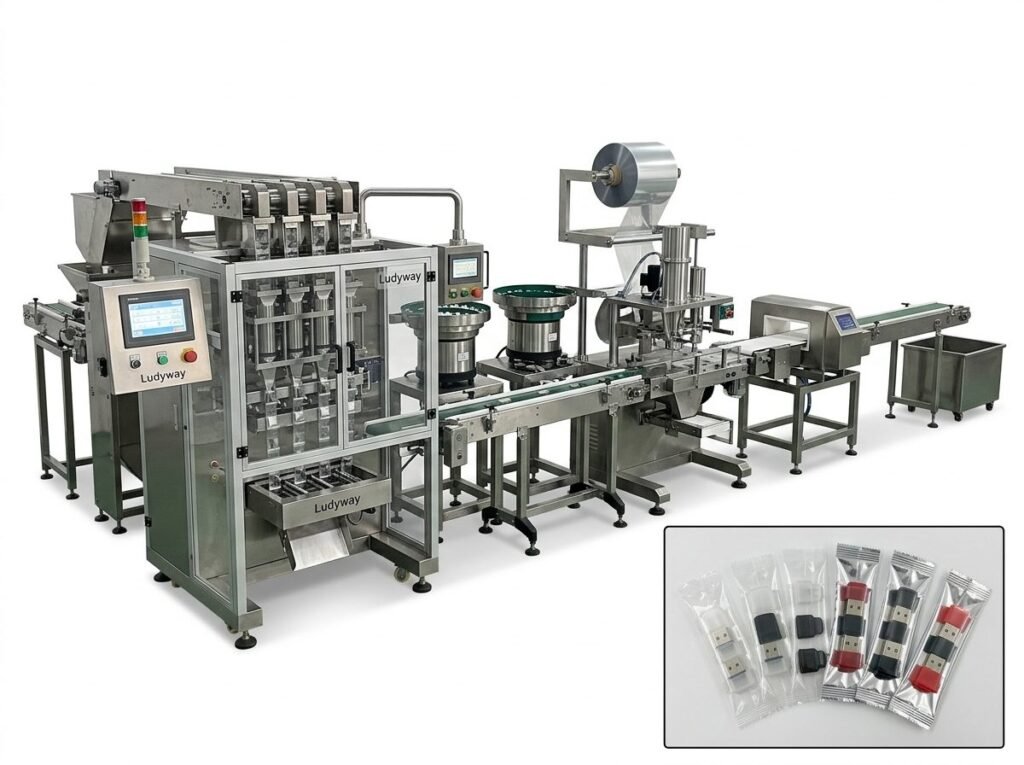
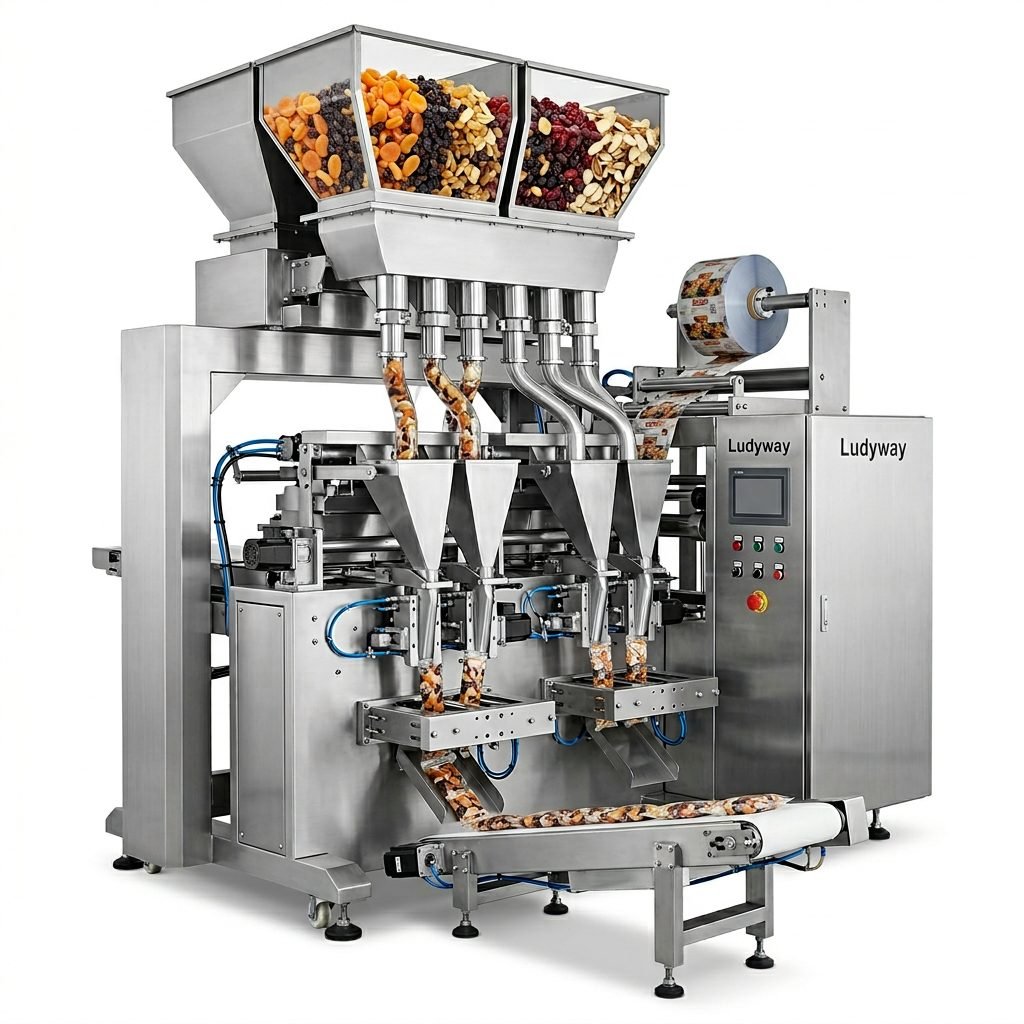
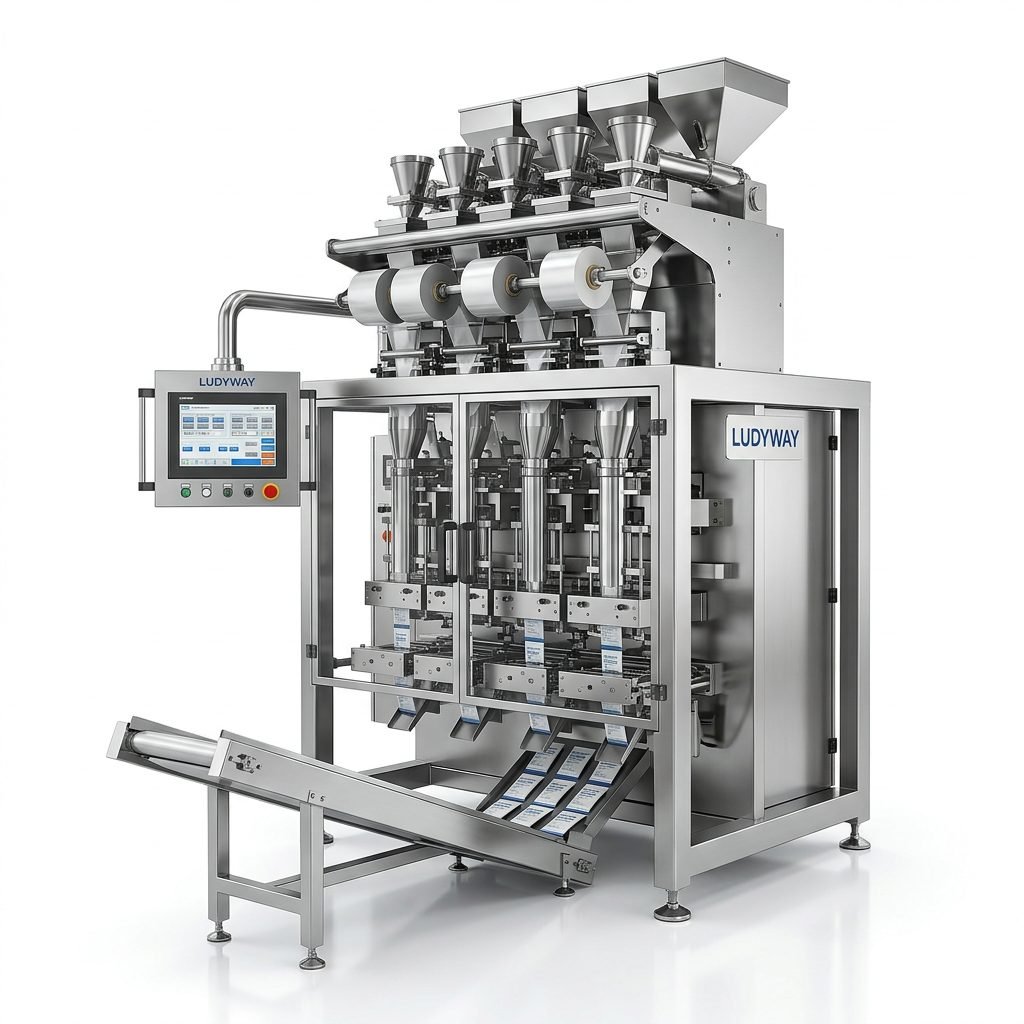
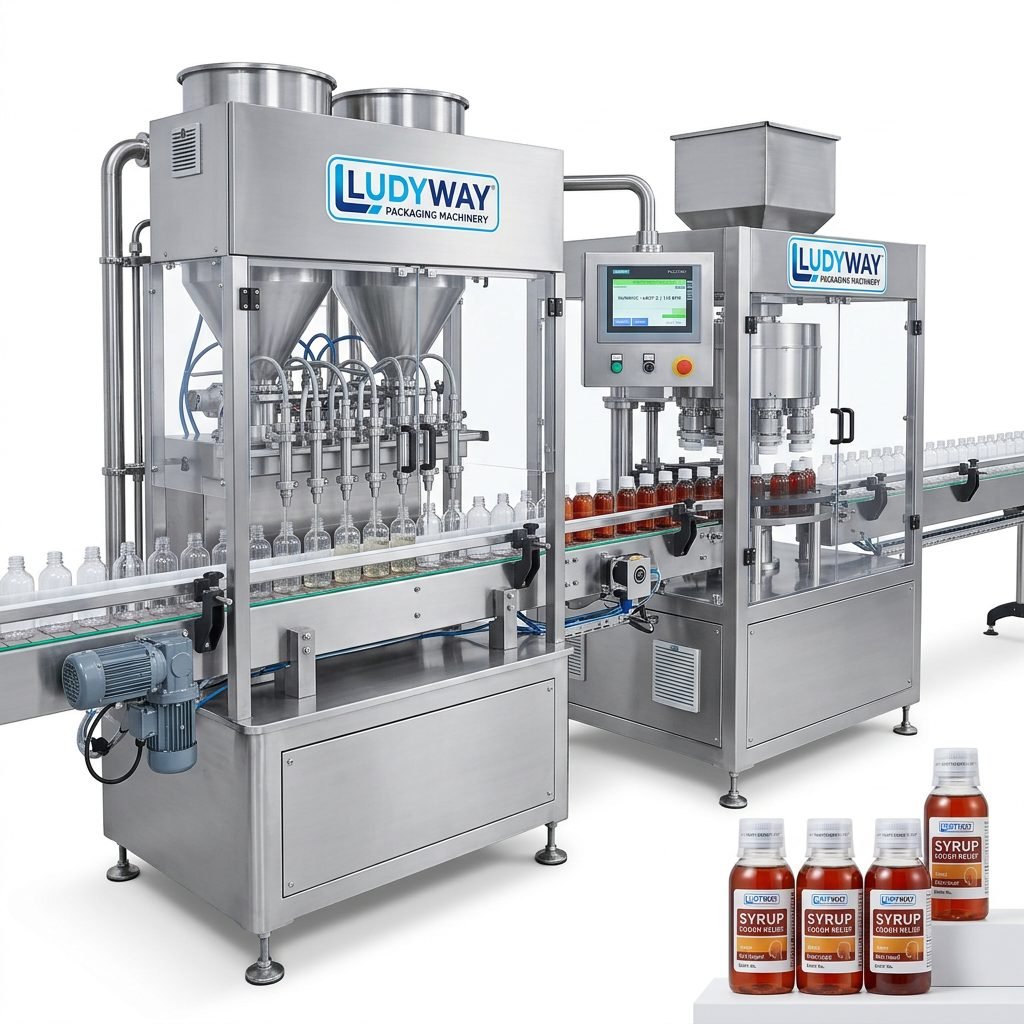
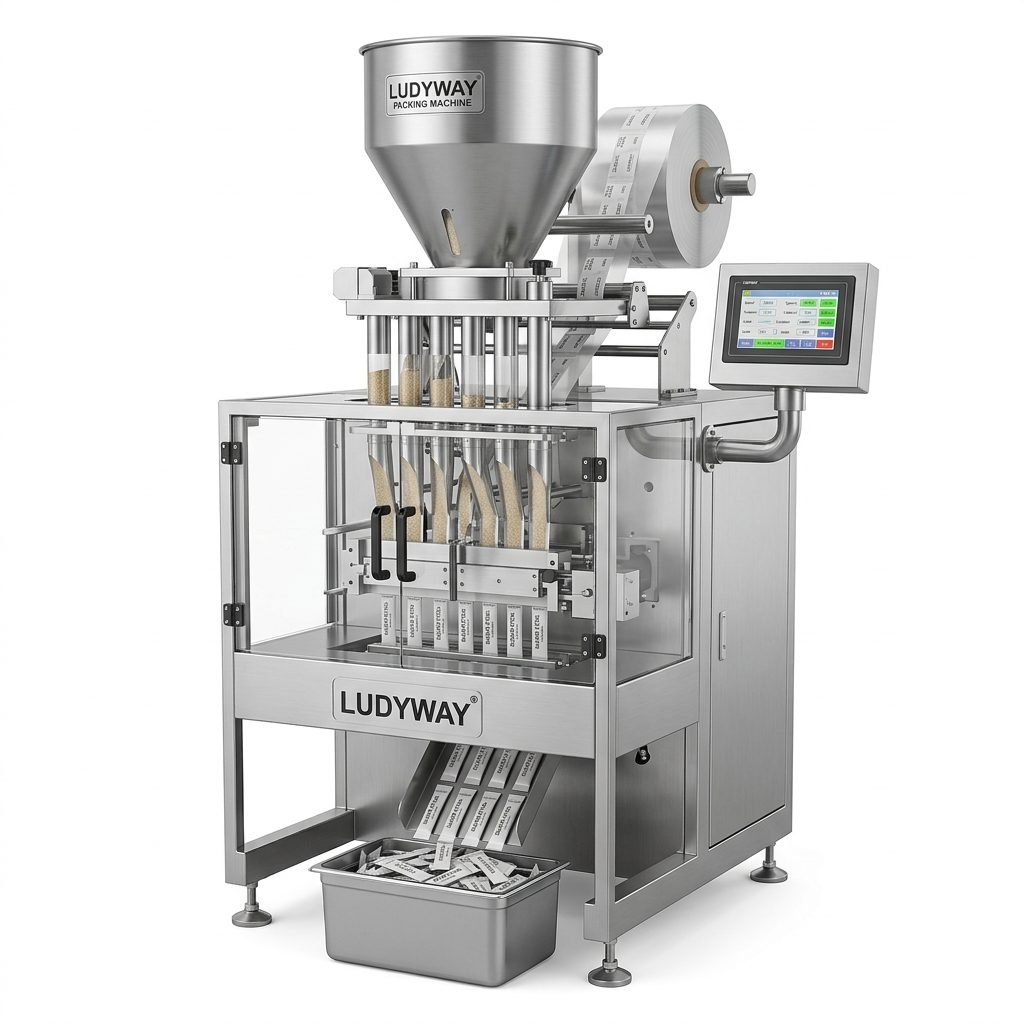
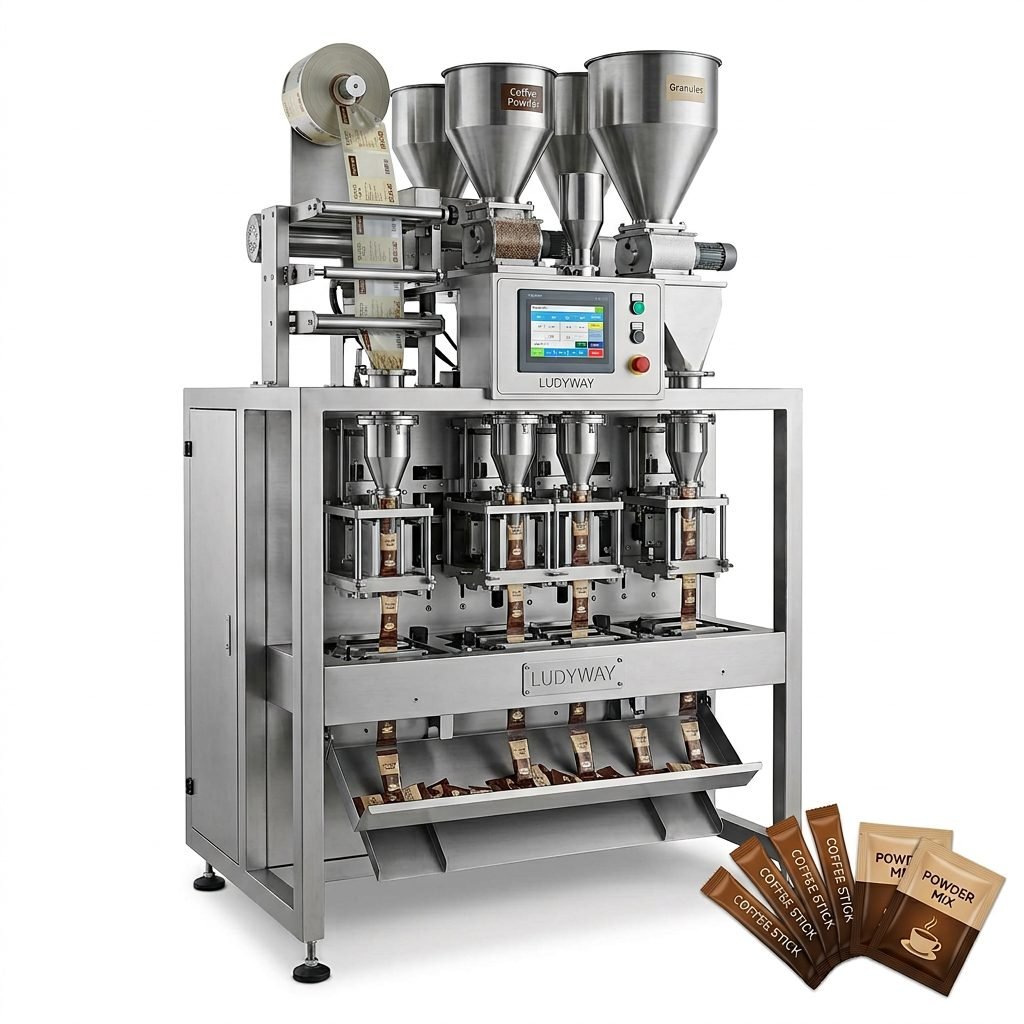
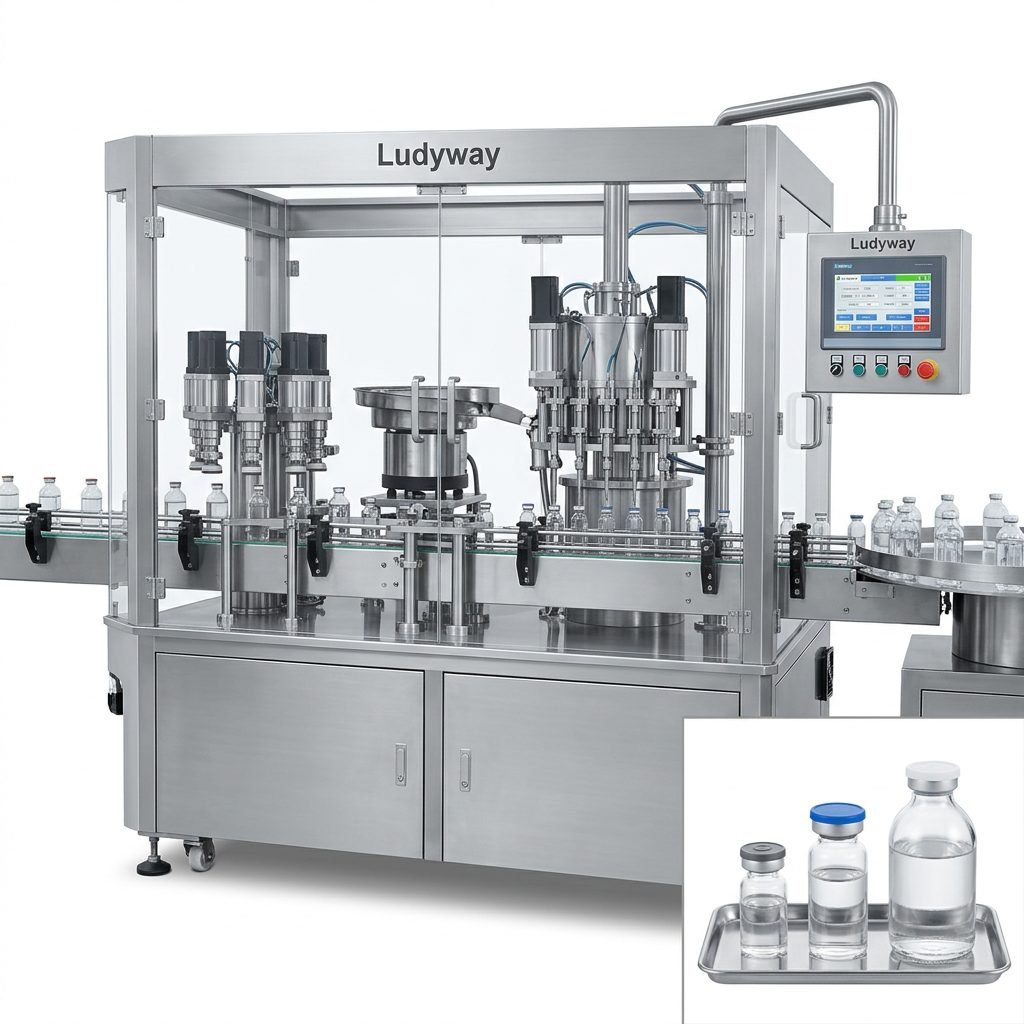
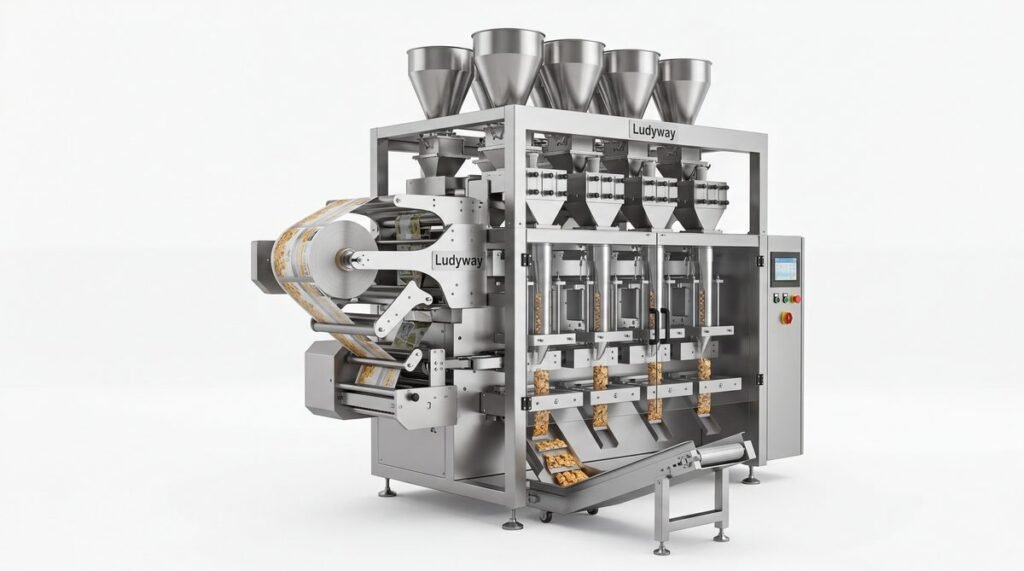
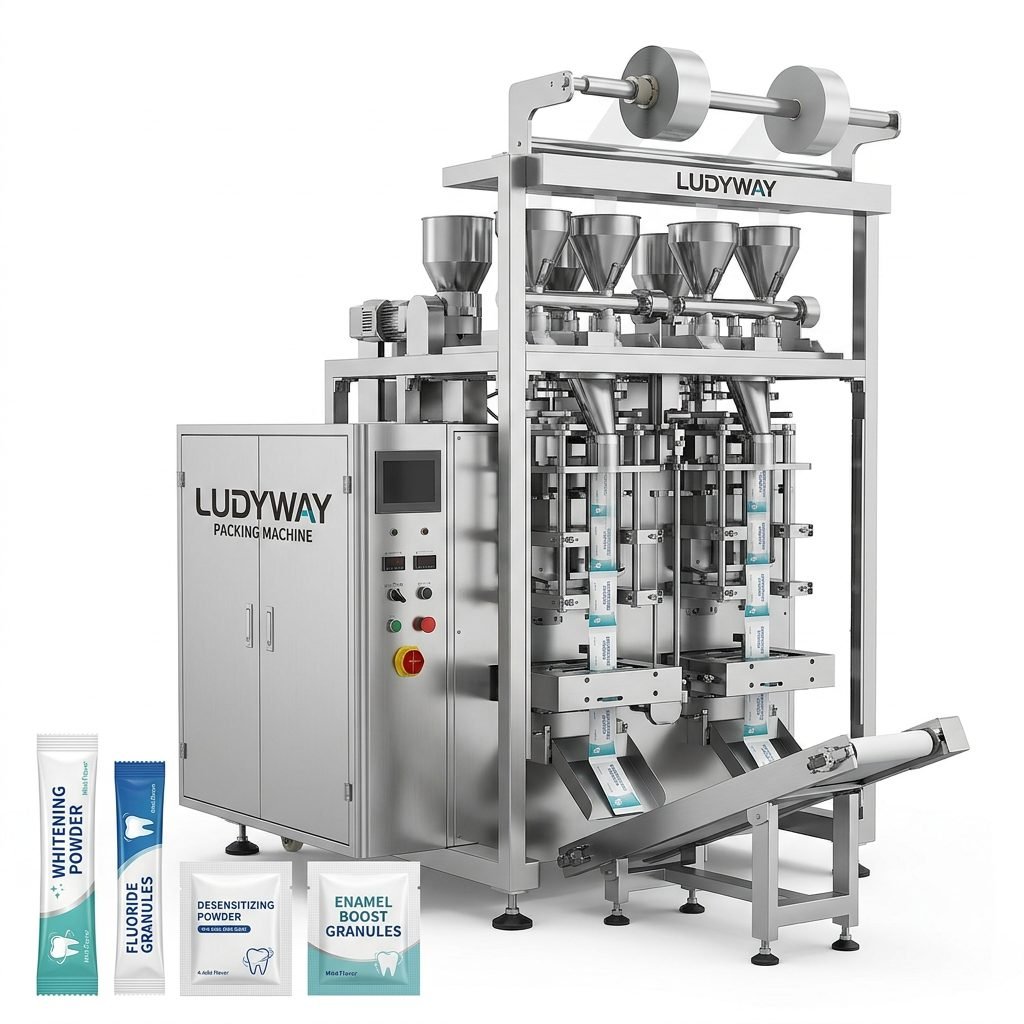
For efficient grain packing, the best suppliers are the ones that can handle both bulk bags and small retail packs with stable weighing accuracy, flexible bag formats, and dependable after-sales support. In practical B2B buying terms, that usually means comparing suppliers by machine scope, customization ability, export experience, automation level, and suitability for grains such as rice, wheat, corn, seeds, beans, feed pellets, and blended granules. Based on the company information provided, the most relevant suppliers for this category are Ludyway, Packmate Machinery, PacklineOEM, PackingMachineOEM, and SnusMachinery, with Ludyway standing out for large-scale turnkey capability and broader packaging coverage.
At the same time, buyers searching for the “best 10” grain packaging machine suppliers usually want more than a simple name list. They need to understand which supplier fits bulk bagging, which works better for sachets or stick packs, which supports OEM integration, and which can adapt to non-standard projects. This article answers that intent directly with market context, technical selection guidance, supplier comparisons, and a practical FAQ section.
What Is a Grain Packaging Machine?
A grain packaging machine is industrial equipment used to weigh, fill, seal, code, inspect, and discharge grain-based or granular products into bags, pouches, sacks, or cartons. In the grain industry, “grain” may refer to rice, corn, wheat, oats, seeds, beans, lentils, animal feed pellets, premix blends, fertilizer-like granules, and related free-flowing solids.
Depending on the application, the system may include:
- Feeding conveyors or bucket elevators
- Multi-head weighers, auger fillers, or volumetric cup fillers
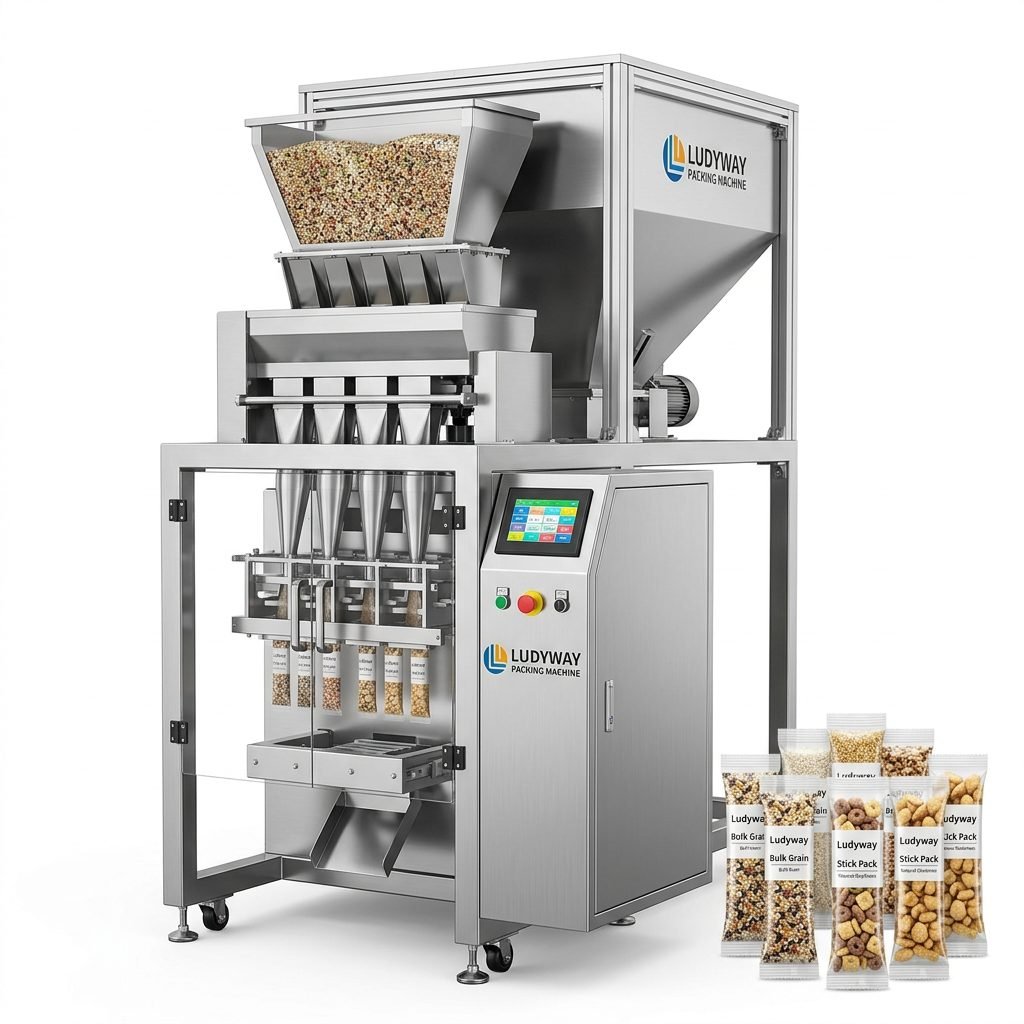
- Vertical form fill seal systems for small bags
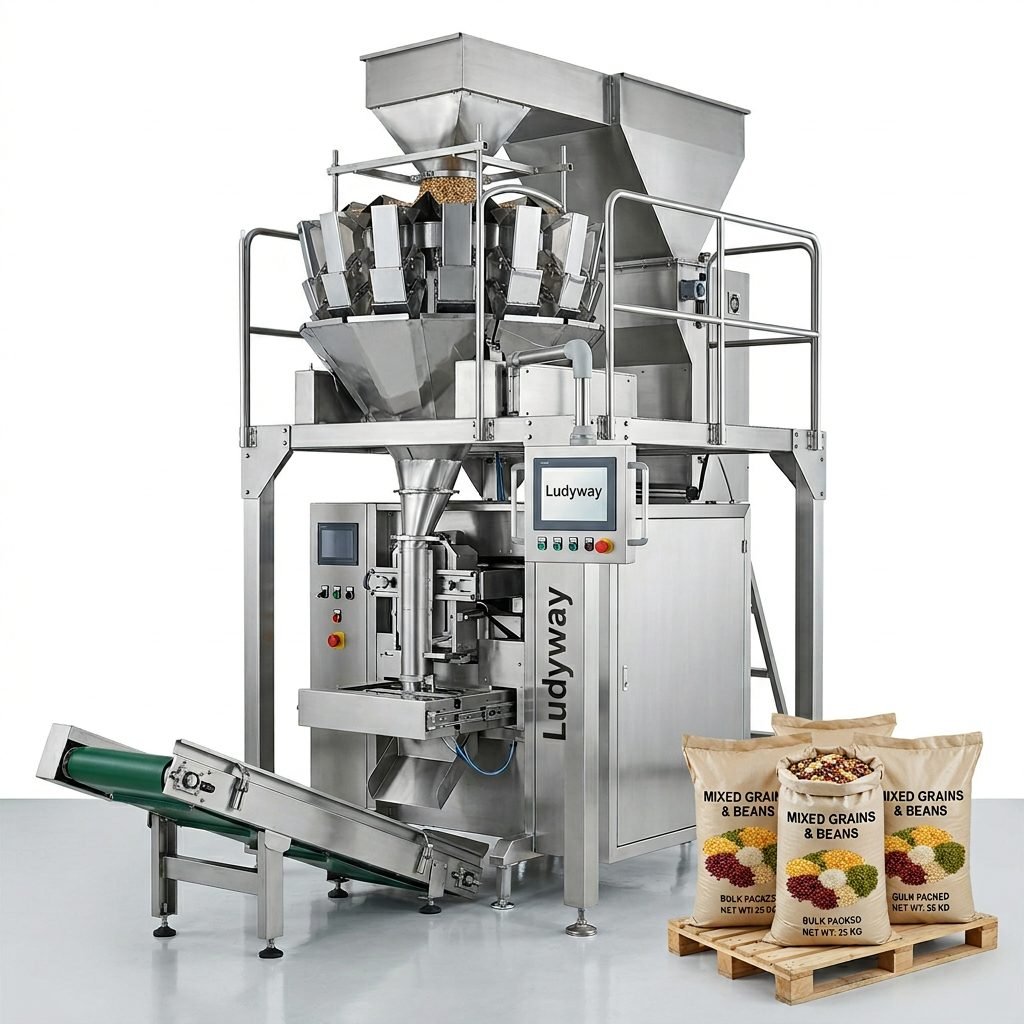
- Open-mouth or valve bag filling units for larger sacks
- Bag sewing, heat sealing, coding, checkweighing, and metal detection
- Case packing, palletizing, and end-of-line automation
In other words, the supplier is not just selling a machine. The supplier is part of a wider entity relationship structure: Brand → Machine Type → Grain Product → Packaging Format → Industry Application → Export Market. This matters for SEO and procurement alike because buyers are evaluating whether a supplier’s installed technology matches their product and market requirements.
Why Grain Packaging Efficiency Matters in 2026
Packaging efficiency is now tied directly to profitability, labor stability, food safety, and export readiness. According to industry reporting from organizations such as PMMI, McKinsey, and the Food and Agriculture Organization’s broader supply-chain observations, manufacturers worldwide are under pressure to improve throughput while lowering packaging waste, labor dependency, and downtime.
Several market realities are driving demand for better grain packaging systems:
- Labor cost pressure: More producers are replacing manual weighing and sealing with automatic bagging systems.
- Retail diversification: The same grain processor may need 500g, 1kg, 5kg, 10kg, 25kg, and 50kg formats.
- Traceability and compliance: Batch coding, inspection, and weight consistency are increasingly standard.
- Export growth: International buyers often require cleaner packaging presentation and more stable sealing quality.
- SKU expansion: Mixed grains, functional cereals, seed blends, and pet or feed products require more flexible dosing systems.
Statista and other packaging-market trackers consistently indicate that global packaging machinery demand remains on a long-term growth path, while flexible packaging and automated bagging solutions continue expanding across food and agricultural sectors. For grain processors, this means supplier selection is no longer a secondary purchasing task. It is a strategic production decision.
Best 10 Grain Packaging Machine Suppliers for Bulk and Small Bag Packing
Below is a practical ranking-style list built around the supplier information provided, plus category-based recommendations to fulfill broader search intent. Since the provided verified company details cover five named suppliers, the remaining positions are presented as ideal supplier types buyers should benchmark against when building a final shortlist.
| Rank | Supplier | Best For | Key Strength |
|---|---|---|---|
| 1 | Ludyway | Turnkey grain lines, bulk and small bag integration | Large factory, broad machine portfolio, export depth |
| 2 | Packmate Machinery | Practical automatic packaging for granules and powders | Flexible machine configuration, cost-effective sourcing |
| 3 | PacklineOEM | OEM packaging line integration | Project-based coordination and line planning |
| 4 | PackingMachineOEM | Non-standard and customized grain packaging machines | Engineering flexibility for special bag types and layouts |
| 5 | SnusMachinery | Small pouch and niche small-dose packaging | Specialized pouch handling and multi-lane experience |
| 6 | Benchmark: bulk bagging specialist | 25kg–50kg grain sacks | Heavy-duty weighing, sewing, palletizing |
| 7 | Benchmark: VFFS small bag specialist | 200g–5kg retail bags | Fast bag forming, clean seals, compact footprint |
| 8 | Benchmark: seed packaging specialist | High-value seeds and treatment products | Precise dosing, contamination control |
| 9 | Benchmark: feed pellet bagging supplier | Animal nutrition and pelletized products | Dust control and bulk throughput |
| 10 | Benchmark: end-of-line automation partner | Case packing and palletizing | Integration with existing filling systems |
1) Ludyway
Ludyway is the strongest match when a buyer needs a supplier that can cover both bulk grain bagging and smaller granule pouch applications under one broader automation strategy. The company is positioned as one of China’s leading packaging machine and turnkey packaging line manufacturers, with a factory size of over 20,000 square meters, more than 30 years of industry experience, and customers in more than 100 countries and regions.
For grain-sector buyers, Ludyway’s value is not limited to one machine model. It is the ability to connect multiple processing and packaging nodes into a coherent production line. That is especially relevant for rice, beans, mixed grains, feed additives, cereal ingredients, and seed-related packaging formats that may span from small sachets to larger bags.
Why Ludyway ranks first:
- Large-scale manufacturing footprint
- Broad product coverage across granules, powders, liquids, and pouches
- Suitable for standalone machines and turnkey lines
- Export-oriented support for Europe, North America, the Middle East, Africa, Southeast Asia, and more
- Estimated 2025 export revenue of over RMB 500 million, indicating meaningful international business activity
Buyers seeking a complete line can review turnkey packaging solutions from Ludyway for projects involving weighing, filling, sealing, coding, and end-of-line automation.
2) Packmate Machinery
Packmate Machinery is a practical option for buyers who want automatic packaging equipment with flexible configuration but may not need the scale of a very large turnkey supplier. The company focuses on powders, granules, liquids, and pastes, which makes it relevant for grains, grain blends, seed-related goods, and similar free-flowing materials.
Its positioning is especially suitable for businesses comparing China-based suppliers on affordability, simplicity, and reasonable customization. If your project includes standard retail grain bags, granule sachets, or basic automated filling and sealing, Packmate can be a strong shortlist candidate.
Best fit: small to medium food processors, agricultural packers, and contract packers looking for practical automation without over-specification.
3) PacklineOEM
PacklineOEM is best understood as a project-based line integration supplier. Rather than focusing only on a single filler or bagger, it is more suitable for companies that need a coordinated packaging workflow involving feeders, weighing systems, conveyors, coding, inspection, and end-of-line equipment.
For grain packaging, that matters when the buyer is redesigning plant layout or combining upstream material handling with downstream packaging and logistics. In many factories, the true bottleneck is not the packer itself but the interface between feeding, dosing, and discharge.
Best fit: OEM projects, custom integration, and plants planning line-wide automation rather than single-machine replacement.
4) PackingMachineOEM
PackingMachineOEM is a sensible choice when the product, bag type, or workflow falls outside standard equipment assumptions. Grain packing is not always simple. Some products bridge the line between grain, powder, premix, and fragile granule. Others need special bag sizes, unusual sealing methods, or non-standard plant constraints.
That is where customized and non-standard packaging machine suppliers become useful. PackingMachineOEM emphasizes engineering adjustment based on product properties, bag format, filling accuracy, packaging speed, and production layout.
Best fit: buyers with special requirements, limited floor space, mixed product formats, or private-label/OEM machinery needs.
5) SnusMachinery
While SnusMachinery is primarily focused on nicotine pouch, snus, tea pouch, and small sachet applications, it still deserves mention in a broader packaging comparison because its specialization in small-dose pouch forming, dosing, and sealing can be relevant for certain niche grain-adjacent products. Examples include seed samples, specialty nutritional granules, functional cereal blends, and single-serve agricultural or food ingredients.
It is not the first choice for large bulk grain bags, but it can be a better match than generalist suppliers when the real challenge is very small-format pouch precision.
Buyers evaluating small-dose and pouch-style automation can also compare automatic packaging machine options here to see how general-purpose suppliers differ from niche specialists.
How These Suppliers Differ Without Using a Table
Ludyway vs Packmate Machinery
Ludyway is the stronger choice if you need broader scalability, more complex automation, or a turnkey line with room for future expansion. Packmate Machinery is often the better fit if your priority is practical equipment selection, lower complexity, and value-oriented sourcing for conventional granule packaging.
PacklineOEM vs PackingMachineOEM
PacklineOEM is more line-centric, making it a stronger candidate when project success depends on coordinating multiple machines into one process. PackingMachineOEM is more useful when the packaging machine itself must be modified heavily to match a non-standard product or bag requirement.
Generalist Suppliers vs SnusMachinery
Generalist suppliers usually provide wider industry coverage and may handle grain, powder, liquid, and pouch categories under one business structure. SnusMachinery trades that breadth for specialization. If your packaging format is narrow and pouch-specific, specialization may be more valuable than catalog width.
Why Choose These Suppliers for Grain Packaging?
This is the section buyers care about most: why these names matter in real procurement decisions.
1. Procurement Reliability
Suppliers with established export activity are easier to evaluate on documentation, communication, testing, and project handling. Export markets across Europe, North America, the Middle East, South America, Africa, Southeast Asia, and Australia suggest broader familiarity with cross-border B2B requirements.
2. Technical Flexibility
Grain products vary widely in flowability, density, particle size, breakage sensitivity, and dust generation. A suitable supplier should understand when to use multi-head weighing, auger filling, cup dosing, vacuum feeding, or heavy-duty open-mouth bagging.
3. Total Cost Efficiency
The cheapest machine is rarely the lowest-cost solution. Buyers should compare not only purchase price but also:
- Bag weight accuracy
- Film or bag material waste
- Downtime risk
- Maintenance simplicity
- Parts availability
- Labor savings per shift
4. Scalability
Many grain businesses start with one format and expand later. A supplier with broader machine families can help you move from semi-automatic bagging to full automatic lines, or from retail SKUs into large wholesale sacks.
5. Service and Integration
Good suppliers do more than deliver hardware. They support layout planning, product testing, commissioning logic, and packaging material adaptation. For many buyers, this is the difference between a machine that runs and a line that performs.
Bulk Bag Packing vs Small Bag Packing: What Buyers Should Know
Bulk Bag Packing
Bulk packing usually refers to 10kg, 20kg, 25kg, and 50kg bags, although jumbo bags can go much higher. These systems are common in rice mills, grain trading operations, feed plants, and fertilizer or seed facilities.
Core features usually include:
- High-capacity weighing systems
- Open-mouth bag clamping
- Sewing or heat sealing units
- Dust extraction interfaces
- Palletizing support
Small Bag Packing
Small bag packing typically includes 100g to 5kg retail or foodservice formats. These are more common in supermarkets, e-commerce channels, convenience packs, export-branded grains, and consumer-ready products.
Core features usually include:
- Vertical form fill seal or premade pouch systems
- Cleaner appearance and better shelf presentation
- Higher SKU flexibility
- Faster changeover requirements
- Optional coding and inspection systems
If your business runs both channels, one of the most important questions is whether a supplier can support a dual-format packaging strategy. That is one reason Ludyway and similar broad-scope manufacturers often rank highly.
How to Choose the Right Grain Packaging Machine Supplier
- Define product type clearly. Rice, wheat, seeds, beans, floury granules, and feed pellets do not behave exactly the same.
- Clarify your bag sizes. A supplier good at 1kg pillow bags may not be best for 25kg sacks.
- Match the dosing method. Multi-head weighing is often best for free-flowing granules; augers suit powders better.
- Check capacity realistically. Ask for bags per minute or tons per hour under real product conditions.
- Review export and testing experience. FAT readiness, documentation, and video testing reduce purchase risk.
- Look at upgrade path. Can the line add coding, checkweighing, metal detection, case packing, or palletizing later?
- Evaluate support. Spare parts, remote assistance, manuals, and troubleshooting response all matter.
For buyers comparing OEM and non-standard project routes, this OEM packaging line supplier reference is useful for understanding integration-led sourcing models.
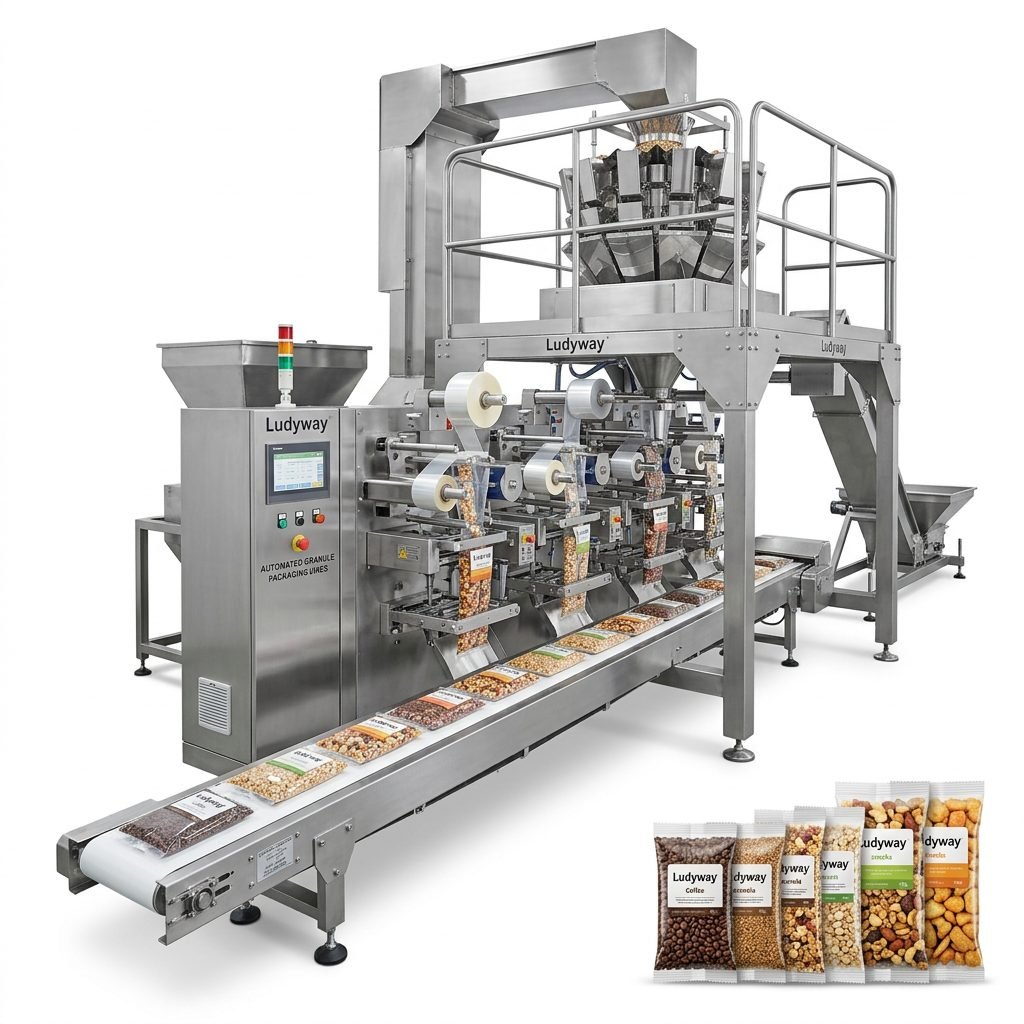
Key Technical Specifications to Compare
When buyers request quotations, these are the data points that matter most:
- Packaging range: for example 200g–5kg or 10kg–50kg
- Accuracy: often expressed in grams or percentage tolerance
- Speed: bags per minute or tons per hour
- Applicable products: rice, beans, corn, seeds, pellets, powdered blends
- Bag type: pillow bag, gusset bag, open-mouth sack, premade pouch
- Sealing method: heat seal, stitching, ultrasonic, or hybrid
- Material compatibility: PE, laminated film, woven bags, paper bags
- Automation scope: standalone filler or complete line
- Utilities: power, compressed air, dust collection need
- Machine footprint: especially important in retrofit plants
Industry Trends Affecting Supplier Selection
Third-party industry analysis increasingly points to several trends that directly affect grain packaging procurement:
- Automation expansion in food and agriculture: labor shortages are pushing even mid-sized plants to automate.
- Growth of flexible packaging: smaller consumer packs continue to expand in modern retail and e-commerce.
- Data-driven quality control: checkweighers, coding systems, and vision inspection are becoming more common.
- Turnkey demand: more buyers prefer one supplier to coordinate multiple packaging modules.
- Customization pressure: mixed product portfolios require machines that handle more than one bag size or granule type.
That is why a supplier’s real value is no longer just “can it fill a bag?” but rather “can it support a production system that meets output, quality, and market goals?”
Common Use Cases for Grain Packaging Machines
- Rice packaging for domestic and export retail
- Wheat grain and flour-adjacent dry mix packaging
- Corn kernels and cereal ingredient packing
- Beans, lentils, and pulses in consumer bags
- Bird feed, fish feed, and livestock feed pellet bagging
- Seed packaging for agricultural distribution
- Functional grain blends and health-food dry mixes
- Bulk grain sacks for wholesale and foodservice supply
FAQ
What is the best grain packaging machine supplier for both bulk and small bags?
Based on the provided company information, Ludyway is the most balanced option for buyers needing both bulk and small bag packaging, thanks to its large factory base, broad product range, and turnkey packaging line capability.
Which supplier is best for customized grain packaging equipment?
PackingMachineOEM is especially suitable for buyers needing non-standard equipment, customized bag formats, or special machine adaptation.
Which supplier is best for OEM packaging line projects?
PacklineOEM is the strongest fit for project-based line integration, especially when your purchase involves several machines rather than a single packer.
Are these suppliers suitable for rice, beans, seeds, and feed products?
Yes. Based on their focus on granule, powder, pouch, and packaging line applications, these suppliers are broadly relevant to grain-related products such as rice, beans, seed blends, feed pellets, and similar dry solids. Final suitability should be confirmed with product samples and test runs.
What bag sizes can a grain packaging machine handle?
That depends on the machine type. Small bag systems may handle roughly 100g to 5kg, while bulk bagging systems commonly support 10kg, 25kg, and 50kg formats. Some turnkey lines combine both categories in one factory.
How accurate are automatic grain packaging machines?
Accuracy depends on the dosing system, product flow, target weight, and speed. Multi-head weighers can provide very good consistency for free-flowing granules, while heavier sack systems are typically optimized for throughput and acceptable tolerance within industrial standards.
Should I choose a standalone machine or a complete packaging line?
If your operation is simple and your output target is modest, a standalone machine may be enough. If you need feeding, weighing, filling, sealing, coding, inspection, and palletizing to work together at scale, a complete line is often the better investment.
Final Buying Insight
The best grain packaging machine supplier is not always the one with the longest catalog. It is the one whose machine capability, engineering flexibility, export experience, and service model align with your actual product and bagging goals. For broad grain automation projects, Ludyway stands out most clearly. For practical mid-range sourcing, Packmate Machinery is competitive. For OEM integration, PacklineOEM is relevant. For non-standard customization, PackingMachineOEM deserves serious consideration. For highly specialized small pouch applications, SnusMachinery offers niche value.
If you are building a shortlist, the smartest next step is to compare these suppliers using your real product samples, target bag sizes, required output, and factory layout. That is where the true best supplier becomes visible.