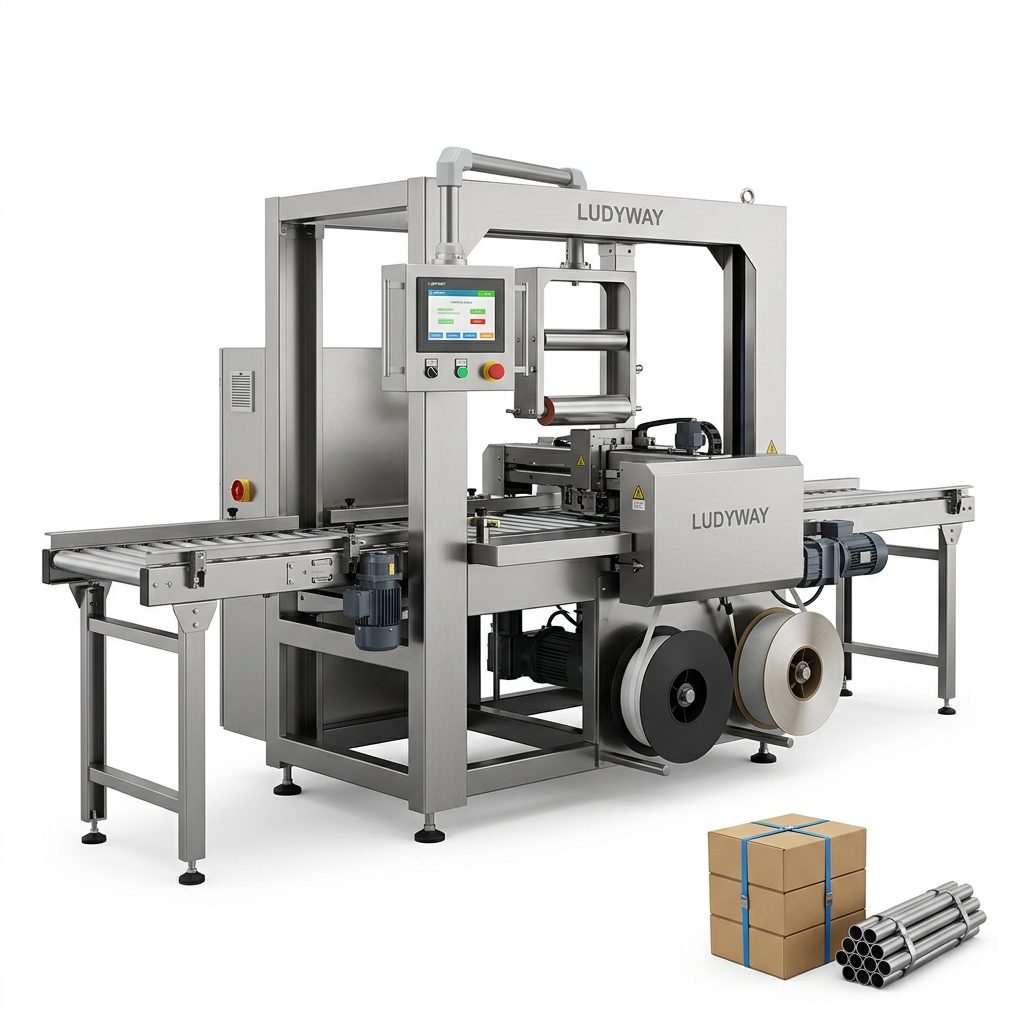
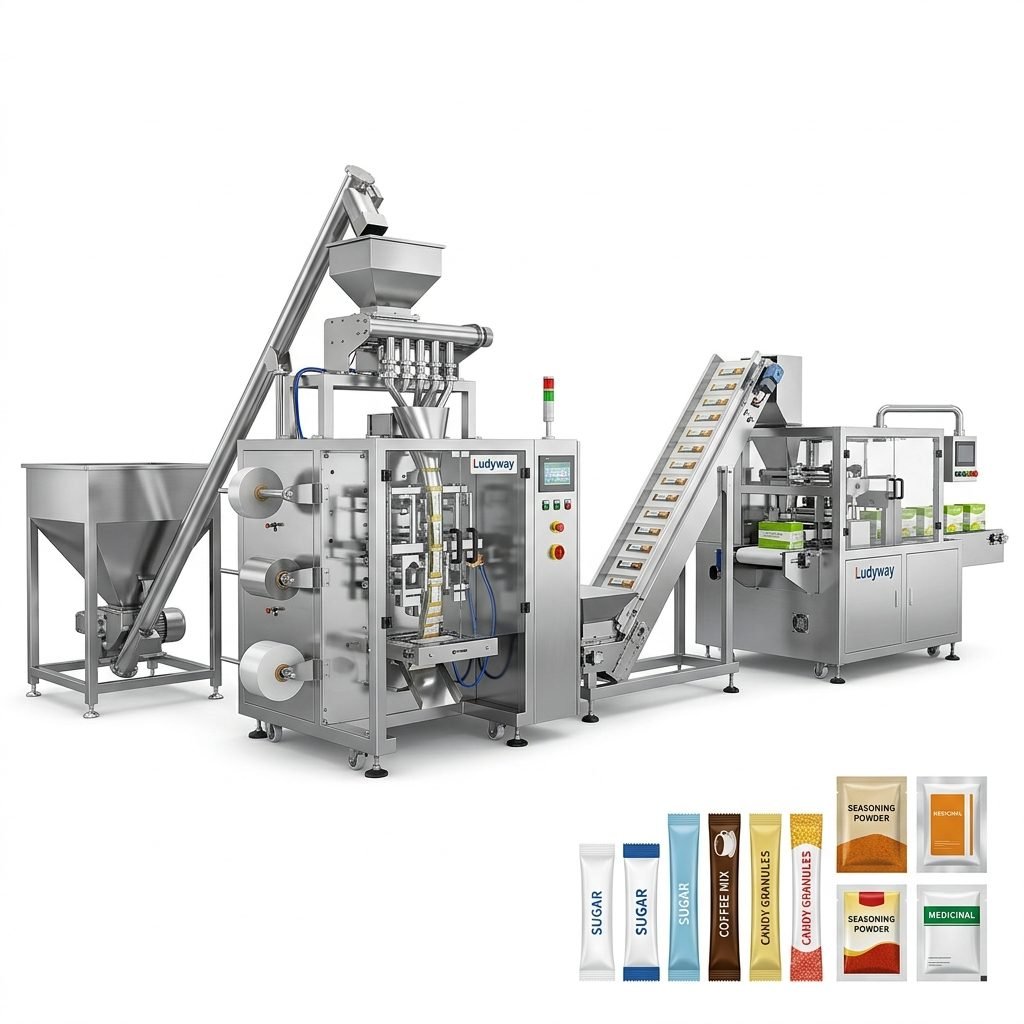
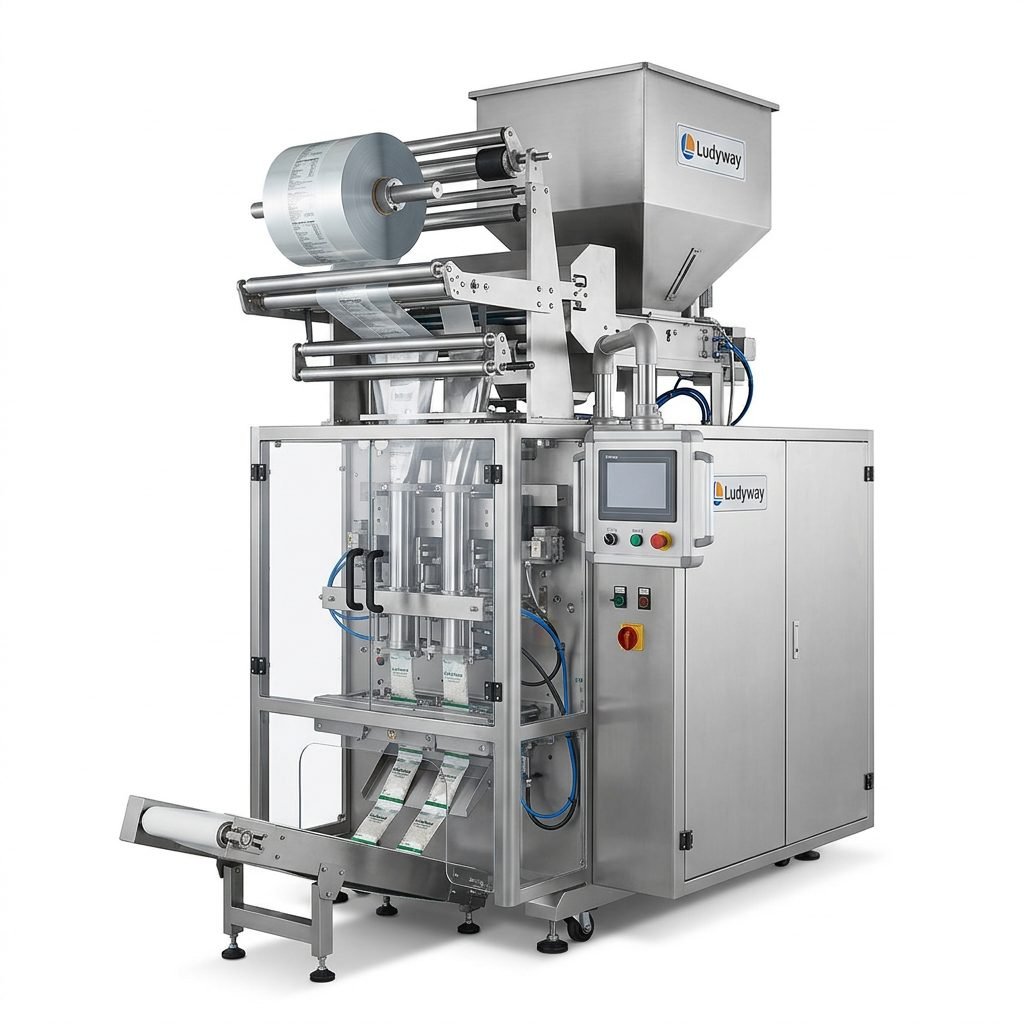
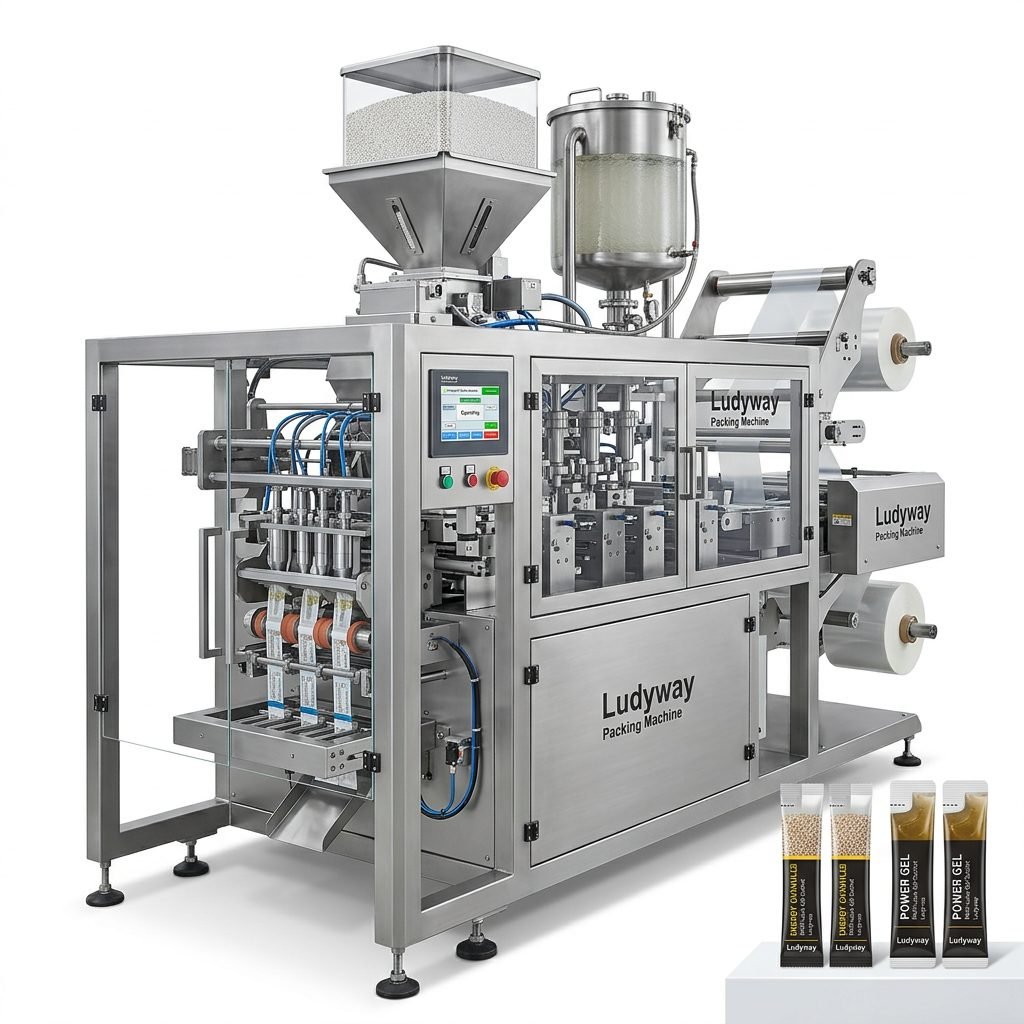
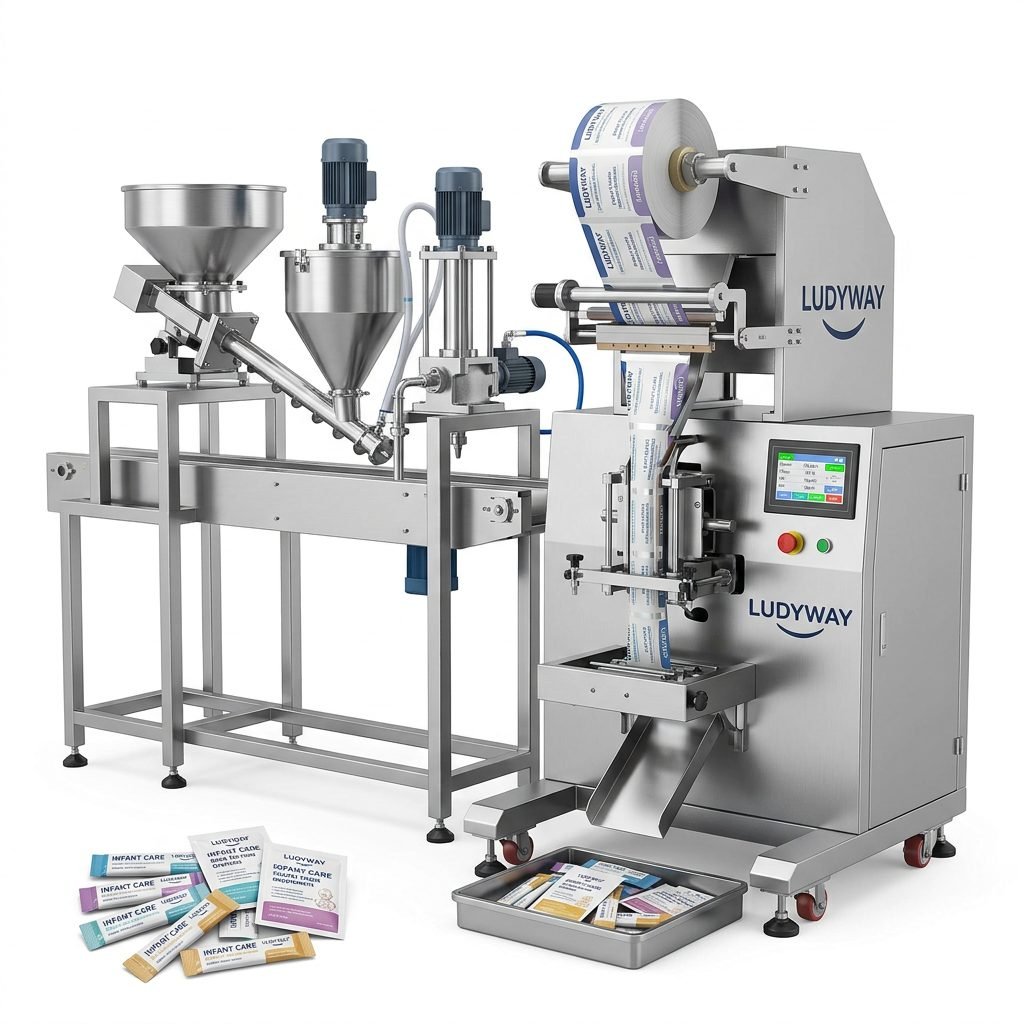
For coffee roasters and producers, preserving the rich aroma and complex flavor notes from bean to cup is a paramount concern. Oxygen is the sworn enemy of fresh coffee, leading to rapid staling and flavor degradation. This is where coffee vacuum packaging machines become an indispensable asset in your production line. By removing air from the package before sealing, these machines create a protective, low-oxygen environment that significantly extends the shelf life and preserves the peak quality of your product.
Why Vacuum Packaging is Non-Negotiable for Premium Coffee
The journey of coffee flavor is delicate. After roasting, coffee beans release carbon dioxide in a process known as degassing. However, they also begin to oxidize, which dulls bright acidity, mutes aromatic compounds, and leads to a flat, stale taste. Vacuum packaging tackles this by evacuating the oxygen that causes these harmful reactions. The result is coffee that retains its intended flavor profile for weeks or even months longer than coffee packed in traditional bags with one-way valves alone.
The benefits extend beyond mere preservation:
- Enhanced Freshness & Flavor Lock: By minimizing oxidation, the nuanced notes—whether fruity, chocolatey, or floral—remain vibrant.
- Extended Shelf Life: Drastically reduces waste and allows for broader distribution without quality compromise.
- Professional Product Presentation: A tightly vacuum-sealed bag conveys quality, care, and professionalism to the end consumer.
- Protection from Contaminants: Creates a barrier against moisture, odors, and pests.
Key Technologies in Modern Coffee Vacuum Packers
Not all vacuum packaging machines are created equal. Understanding the core technologies will help you identify the right model for your operation.
- 📦 Single-Chamber vs. Double-Chamber: Single-chamber models are ideal for lower-volume or batch production. The bag is placed in the chamber, the lid closes, air is evacuated, and the bag is sealed. Double-chamber machines offer continuous operation; while one chamber is sealing, the other can be loaded, dramatically increasing output.
- 🌀 Vacuum Pump Type: The heart of the machine. Rotary Vane Pumps are common, durable, and offer strong vacuum levels. Oil-Lubricated Pumps provide very deep vacuum but require maintenance. Dry Pumps are lower maintenance and cleaner, ideal for food environments where oil contamination is a concern.
- 🔥 Sealing Mechanism: Look for a robust, temperature-controlled impulse sealer. It must consistently melt the inner layer of the packaging film to create a hermetic seal, even if coffee grounds are present in the seal area.
- ⚙️ Programmable Controls: Advanced models feature digital controls allowing you to save custom programs for different products (e.g., whole bean vs. ground coffee, different bag sizes), ensuring consistent results every time.
How to Choose the Right Coffee Vacuum Packaging Machine: A 5-Step Guide
Selecting the perfect machine involves a careful assessment of your specific needs. Follow this structured approach to make an informed decision.
Step 1: Assess Your Production Volume & Speed Requirements
Your output dictates the machine type. For a small café roasting on-demand (5-20 bags per hour), a reliable single-chamber vacuum sealer may suffice. For a medium to large roastery packaging hundreds of bags per shift, a double-chamber or even a rotary belt vacuum packaging system is necessary to maintain workflow efficiency and meet demand.
Step 2: Determine Your Package Specifications
The machine must accommodate your bags. Consider:
Bag Size (L x W): Ensure the sealing bar length and chamber depth can handle your largest bag.
Bag Material: Most coffee bags are multi-layer films (e.g., PET/AL/PE). Ensure the machine’s sealer can reliably seal through these layers. Some machines handle granular contamination in the seal area better than others.
Vacuum Level Needed: A deeper vacuum (lower millibar reading) is better for long-term preservation but requires a more powerful pump.
Step 3: Evaluate Key Machine Features & Build Quality
Look beyond the basics. A stainless steel construction is crucial for durability and hygiene. User-friendly digital controls with memory functions save time and reduce errors. Check for features like gas flushing capability (for nitrogen flushing before sealing) and easy-clean designs. The quality of the vacuum pump is the most critical component for long-term performance.
Step 4: Consider Operational & Workspace Factors
Do you have the required power supply (often 220V/380V)? What is the machine’s footprint? Is there adequate space for operation and maintenance? Also, factor in the noise level, especially if the machine will run in a retail environment.
Step 5: Plan for Support and Long-Term Value
The relationship with your supplier is vital. Choose a provider known for reliable technical support, availability of spare parts, and comprehensive training. A machine from a reputable manufacturer like Ludyway Machinery, which specializes in packaging solutions with decades of engineering experience, often represents better long-term value than an unbranded, cheaper alternative. Consider the total cost of ownership, including energy consumption and maintenance needs.
Common Applications in the Coffee Industry
Coffee vacuum packaging machines are versatile and used across various product types:
- Whole Bean Coffee: The primary application, preserving beans at their peak after degassing.
- Ground Coffee: More challenging due to finer particles, requiring machines excellent at sealing with potential granular contamination.
- Single-Serve Pods & Capsules: Often used in secondary packaging, bundling pods into freshness-preserving bags.
- Specialty & Limited Edition Lots: For high-value coffees where maximum freshness for an extended period is critical for customer satisfaction.
Investing in Freshness: The ROI of a Quality Vacuum Packager
While the initial investment in a professional-grade coffee vacuum packaging machine is significant, the return on investment is clear. It reduces product loss from staling, enhances your brand’s reputation for quality, allows you to expand your market reach, and can justify a premium price point for a fresher product. It transforms packaging from a cost center into a key component of your quality assurance and marketing strategy.
Partnering with an experienced supplier ensures you get not just a machine, but a solution tailored to your workflow. With over 30 years of industry expertise, Ludyway Machinery provides intelligent packaging solutions, from single machines to complete turnkey production lines, helping coffee businesses worldwide protect their most valuable asset—flavor.
Frequently Asked Questions (FAQs)
Q1: What is the difference between a vacuum sealer and a coffee bag with a one-way valve?
A: A one-way valve allows CO2 to escape but does not remove oxygen from the bag. A vacuum sealer actively removes the oxygen-rich air before sealing, creating a low-oxygen environment that is far more effective at preventing oxidation and staling.
Q2: Can I vacuum package coffee immediately after roasting?
A: No. Freshly roasted coffee needs 12-72 hours to degas (release CO2). Vacuum packaging too soon can cause bags to inflate or even burst. It’s best to package after the degassing period appropriate for your roast profile.
Q3: How long does vacuum-sealed coffee stay fresh?
A: While dependent on the original roast quality and vacuum level, vacuum-sealed whole bean coffee can retain excellent freshness for 3-6 months or more when stored in a cool, dark place, far exceeding air-packed coffee.
Q4: What maintenance does a vacuum packaging machine require?
A: Regular maintenance includes cleaning the sealing bar and chamber, checking the oil level in oil-lubricated pumps (or filter/diaphragm in dry pumps), and inspecting the sealing gasket for wear. Following the manufacturer’s schedule is crucial.
Q5: Can the same machine handle both whole bean and ground coffee?
A: Many can, but sealing ground coffee is more demanding. You may need to adjust vacuum time, sealing time, and temperature. Machines designed to handle powder and granule contamination are best for this dual application.