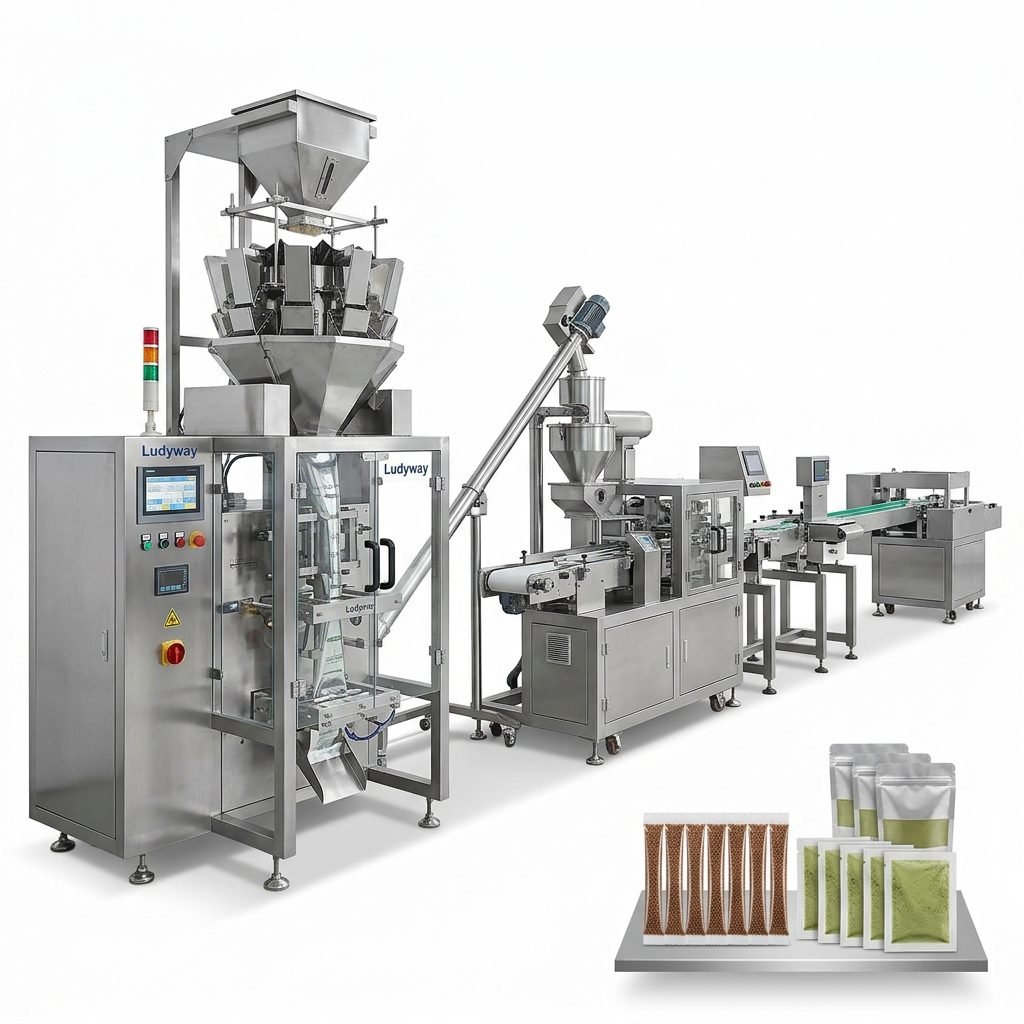
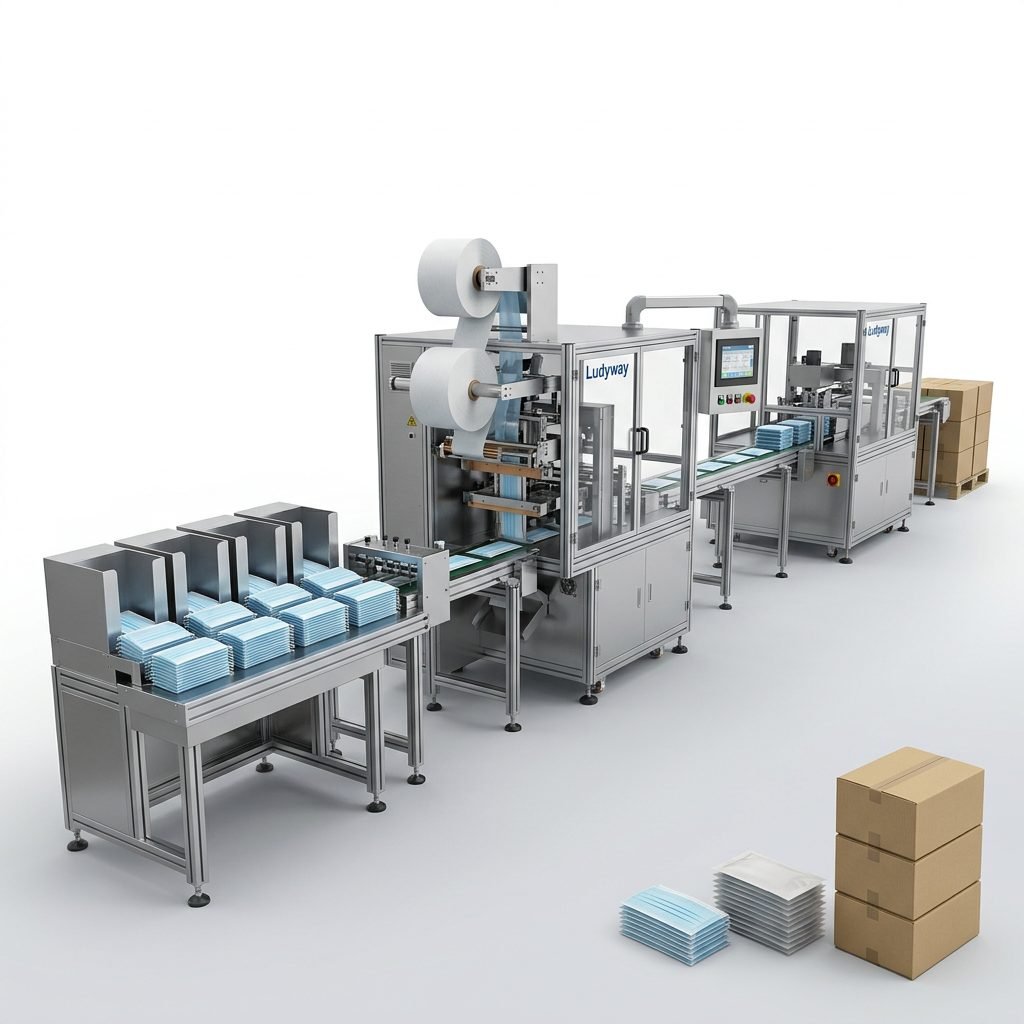
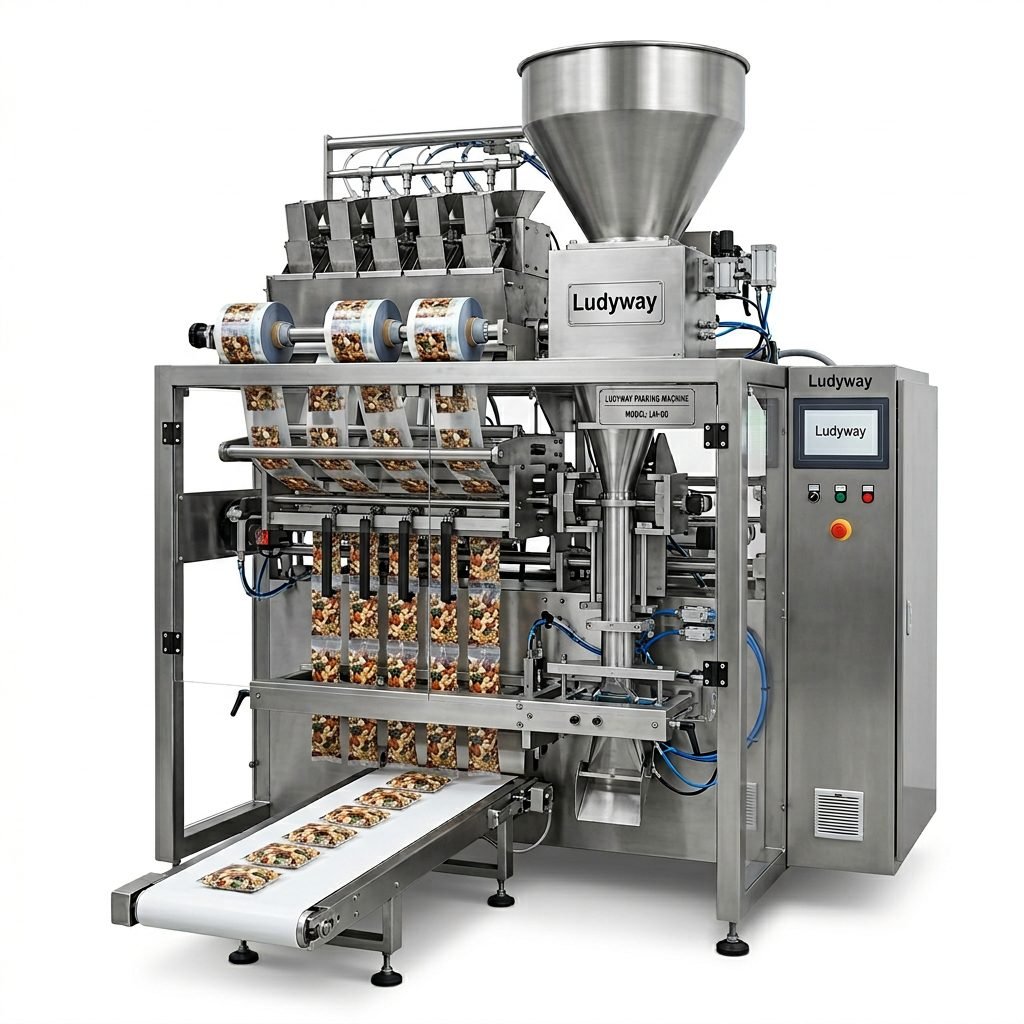
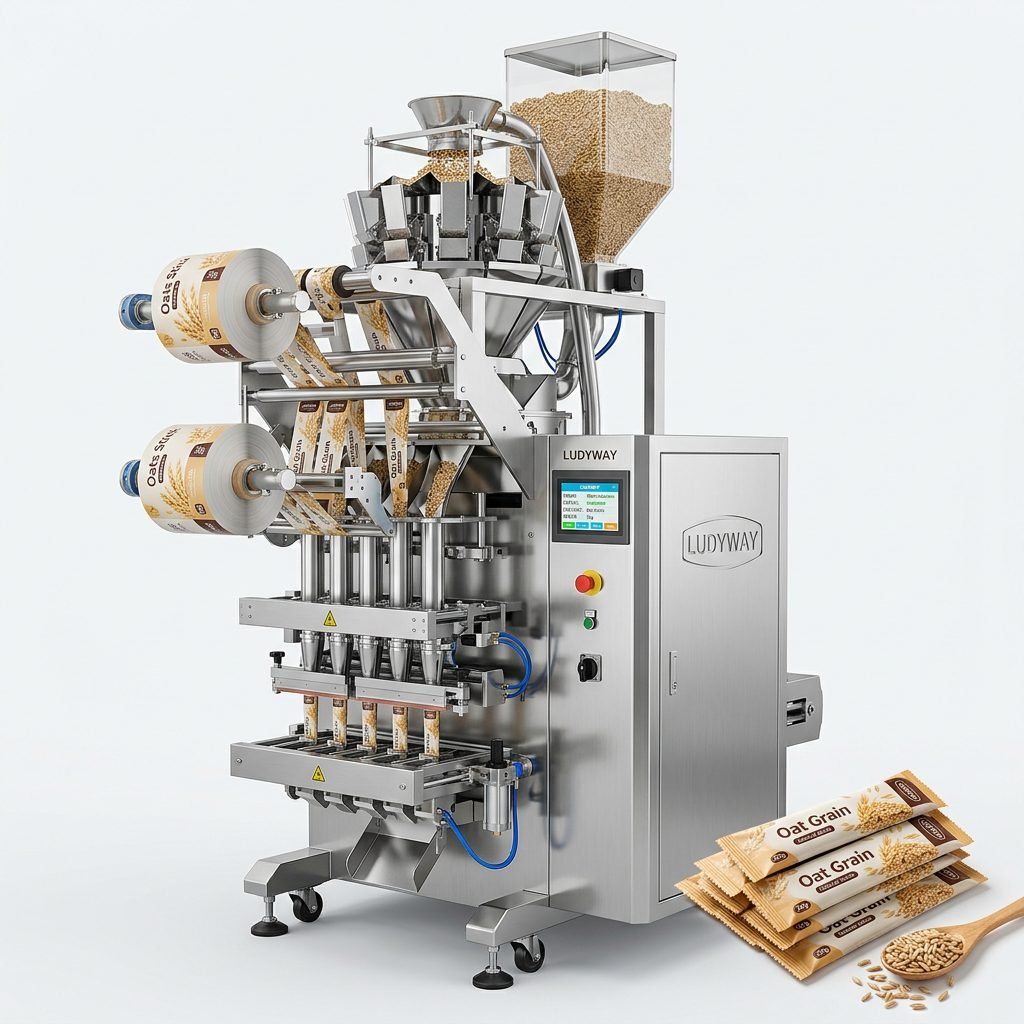
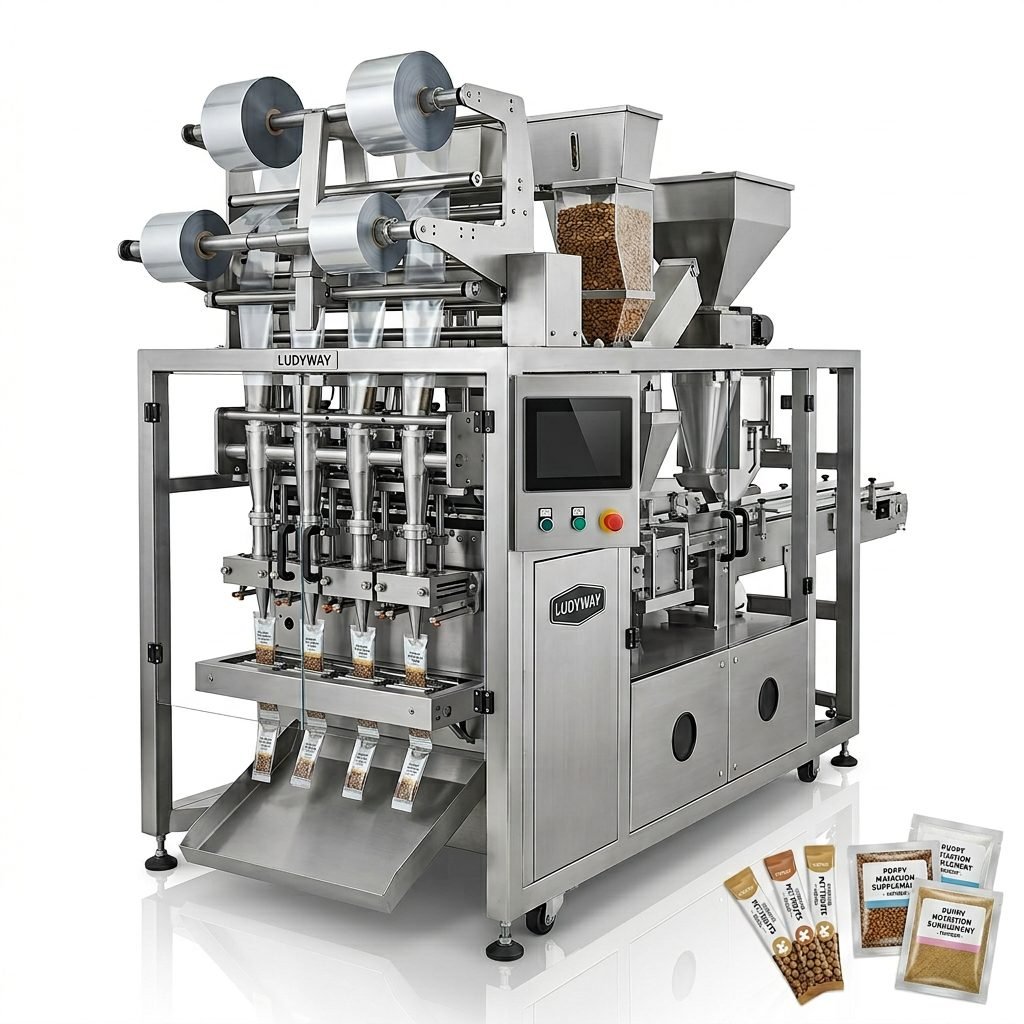
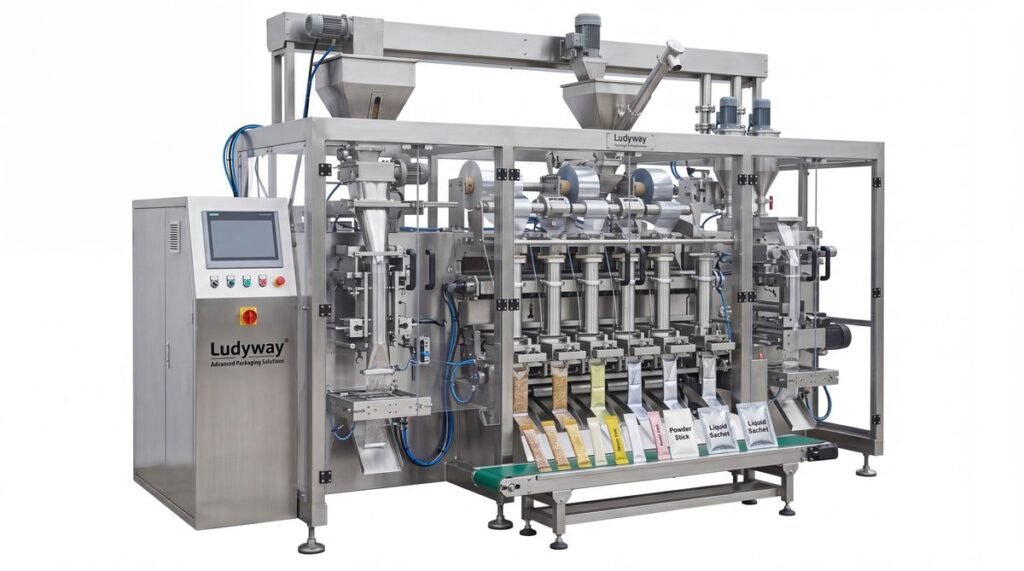
In today’s fast-paced manufacturing world, high-efficiency star packaging machinery is the cornerstone of productivity and product integrity. These advanced systems are designed to handle a wide range of products with speed, precision, and reliability. Understanding the different types, their key features, and the criteria for selecting the right system is crucial for any operation looking to optimize its packaging line.
Core Insight: Modern star packaging machinery goes beyond simple bagging. It integrates intelligent controls, precision dosing, and high-speed mechanics to form a complete, automated packaging cell that maximizes output and minimizes waste.
Primary Types of Star Packaging Machinery
The term “star packaging machinery” often refers to the versatile and highly efficient systems that form the central, stellar component of a production line. These machines are categorized mainly by their packaging format and application.
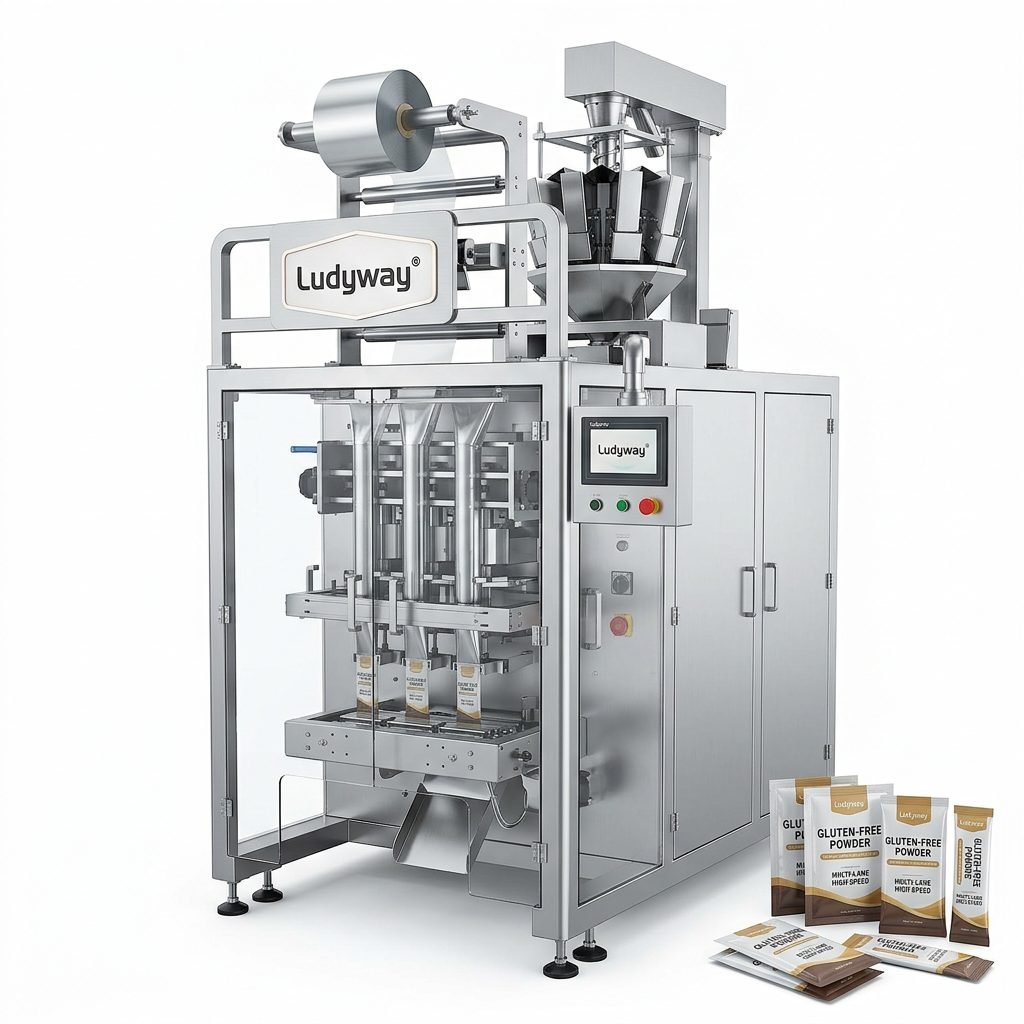
1. Vertical Form-Fill-Seal (VFFS) Machines
These are the workhorses of the industry, creating bags from a roll of film, filling them with product, and sealing them in one continuous vertical process. They are ideal for granules, powders, seeds, and small snacks.
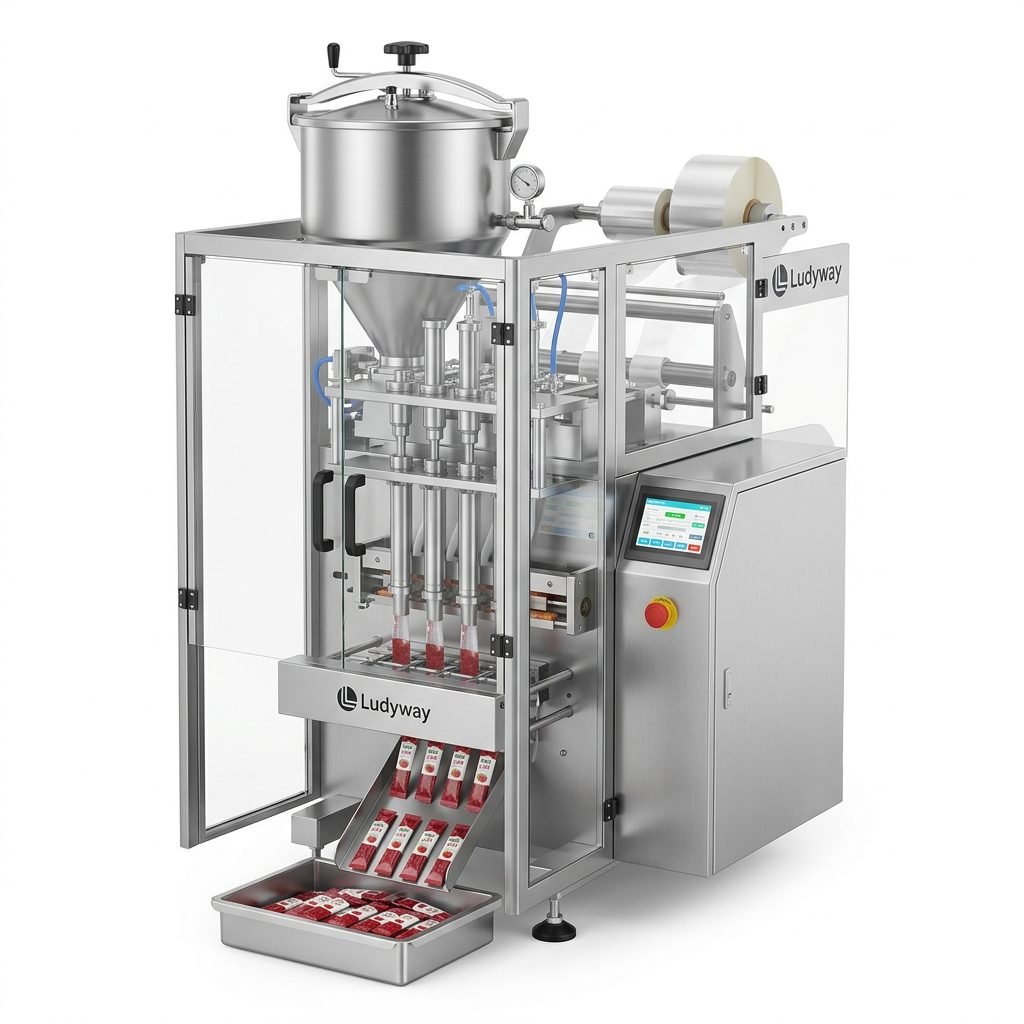
2. Stick Pack Packaging Machines
Specialized for producing long, slender packets, perfect for single-serve portions of powdered drinks, supplements, condiments, or pharmaceuticals. They offer excellent barrier properties and consumer convenience.
3. Sachet (Pouch) Packaging Machines
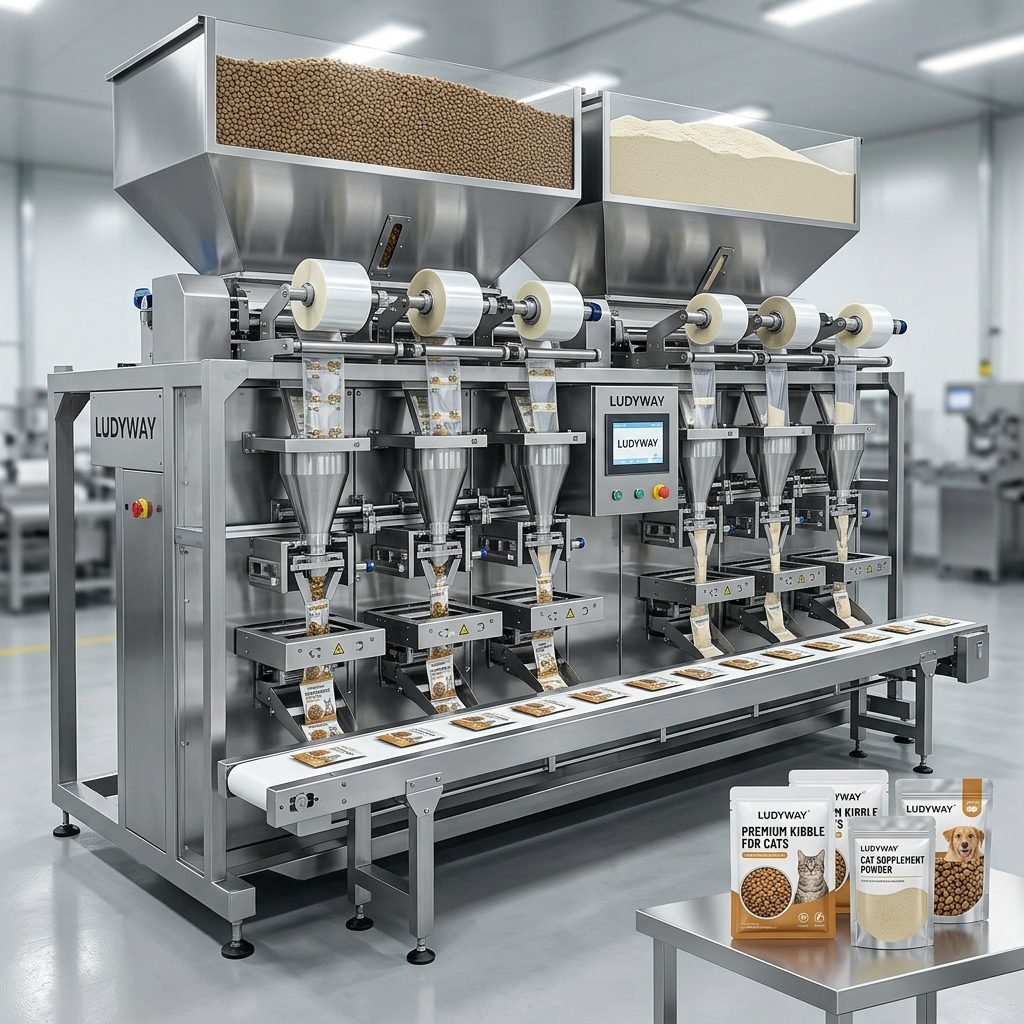
These systems create small to medium-sized flat or stand-up pouches. They are incredibly versatile, handling everything from liquid sauces and shampoos to granular coffee and tea. Multi-lane versions significantly boost output.
4. Liquid & Paste Filling Machines
Engineered with precision piston or pump fillers, these machines handle viscous products like yogurt, sauces, ointments, and cosmetics without drips or spills, ensuring clean seals and accurate fill volumes.
Choosing Between Types
Your product’s physical state (powder, liquid, granule) is the first filter. Next, consider the desired pack style (stick, sachet, pouch) which influences market appeal. Finally, match the machine’s speed and accuracy to your production volume requirements.
Essential Features of High-Efficiency Systems
Not all packaging machines are created equal. High-efficiency “star” systems distinguish themselves through a suite of advanced features that drive performance.
▶ Intelligent PLC Control & HMI Interface: The brain of the operation. A user-friendly touchscreen allows for quick changeovers, recipe storage, and real-time monitoring of speed, output, and error diagnostics.
▶ Servo-Driven Motion Control: Replaces traditional mechanical drives. Servo motors provide unparalleled precision in film pulling, sealing, and cutting, leading to less film waste, higher accuracy, and smoother operation.
▶ Advanced Weighing & Dosing Systems: From auger fillers for powders to liquid pumps and volumetric cups for granules, precision filling is non-negotiable for cost control and compliance.
▶ Robust Sealing Technology: Consistent, strong seals are critical for product shelf life. Look for adjustable temperature control and durable sealing jaws suitable for your specific film material.
▶ Quick-Changeover Design: Modular components allow for switching between bag sizes or products in minutes, not hours, which is vital for short production runs and flexibility.
How to Choose the Right Packaging System
Selecting the ideal machinery is a strategic investment. A methodical evaluation based on your specific needs will prevent costly mistakes.
Step 1: Analyze Your Product & Materials
Define everything about your product: flow characteristics, abrasiveness, hygroscopicity. Also, finalize your packaging film (structure, thickness, print). The machine must be compatible with both.
Step 2: Determine Required Output Speed
Calculate your required bags-per-minute (BPM) based on production goals. Always choose a machine with a 15-20% higher capacity than your current need to accommodate future growth and peak demand.
Step 3: Evaluate Integration & Automation Needs
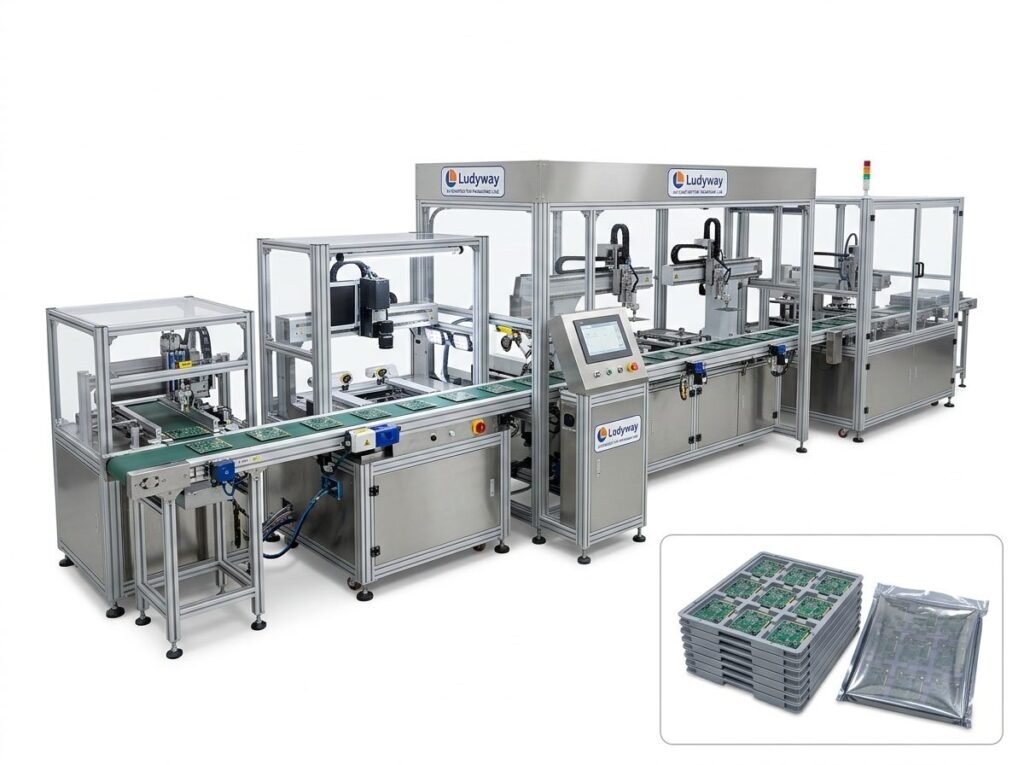
Will the machine stand alone or integrate into a full line with checkweighers, cartoners, or robots? Ensure the machine’s communication protocols (I/O, Ethernet) support your desired level of factory automation.
Step 4: Prioritize Ease of Use and Support
Complex machines need simple operation. Assess the HMI interface and training provided. Crucially, investigate the manufacturer’s reputation for after-sales service, technical support, and spare parts availability. A reliable partner like Ludyway Machinery, with decades of experience, can be invaluable.
Step 5: Consider Total Cost of Ownership (TCO)
Look beyond the initial purchase price. Factor in energy consumption, maintenance costs, expected downtime, and the machine’s durability. A slightly higher upfront cost for a robust, efficient machine often leads to lower TCO.
Pro-Tip for Global Buyers
When sourcing machinery for different regional markets, consider local power standards (110V/220V, 50Hz/60Hz), available service networks, and even cultural preferences for pack styles. A supplier with a global service history can navigate these nuances effectively.
Frequently Asked Questions (FAQs)
1. What is the main advantage of servo-driven packaging machinery?
The primary advantage is precision and flexibility. Servo motors allow for programmable, electronic control of every movement, enabling more accurate film indexing, gentler product handling, and drastically faster changeovers compared to traditional mechanical machines, leading to less waste and higher overall efficiency.
2. Can one machine handle both powder and liquid products?
Generally, no. While some machines are versatile, the filling systems are highly specialized. A powder filler (auger) is designed for dry, free-flowing materials and would not work for liquids. For lines running vastly different products, it’s often better to have dedicated machines or opt for a system designed with easily swappable filling modules.
3. How important is after-sales support when purchasing packaging equipment?
Extremely important. Packaging machines are complex and require periodic maintenance and occasional troubleshooting. Reliable, accessible technical support, available spare parts, and operator training are critical for minimizing costly downtime and ensuring the long-term productivity of your investment. Always choose a supplier with a proven support track record.
4. What are the key maintenance routines for a star packaging machine?
Daily: Clean product contact parts and sealing jaws. Weekly: Lubricate moving parts as per manual and check for wear on seals and cutters. Monthly: Inspect drives and belts for tension and wear. Always follow the manufacturer’s specific maintenance schedule and use recommended lubricants and parts to guarantee performance and warranty.
5. How do I future-proof my packaging machinery investment?
Select a machine with a modular design and scalability. Choose a control system that can integrate with higher-level factory software (MES/ERP). Partner with an innovative manufacturer known for continuous improvement, so you have a path for upgrades. Ensuring the machine can handle a range of bag sizes and materials also adds flexibility for future product lines.