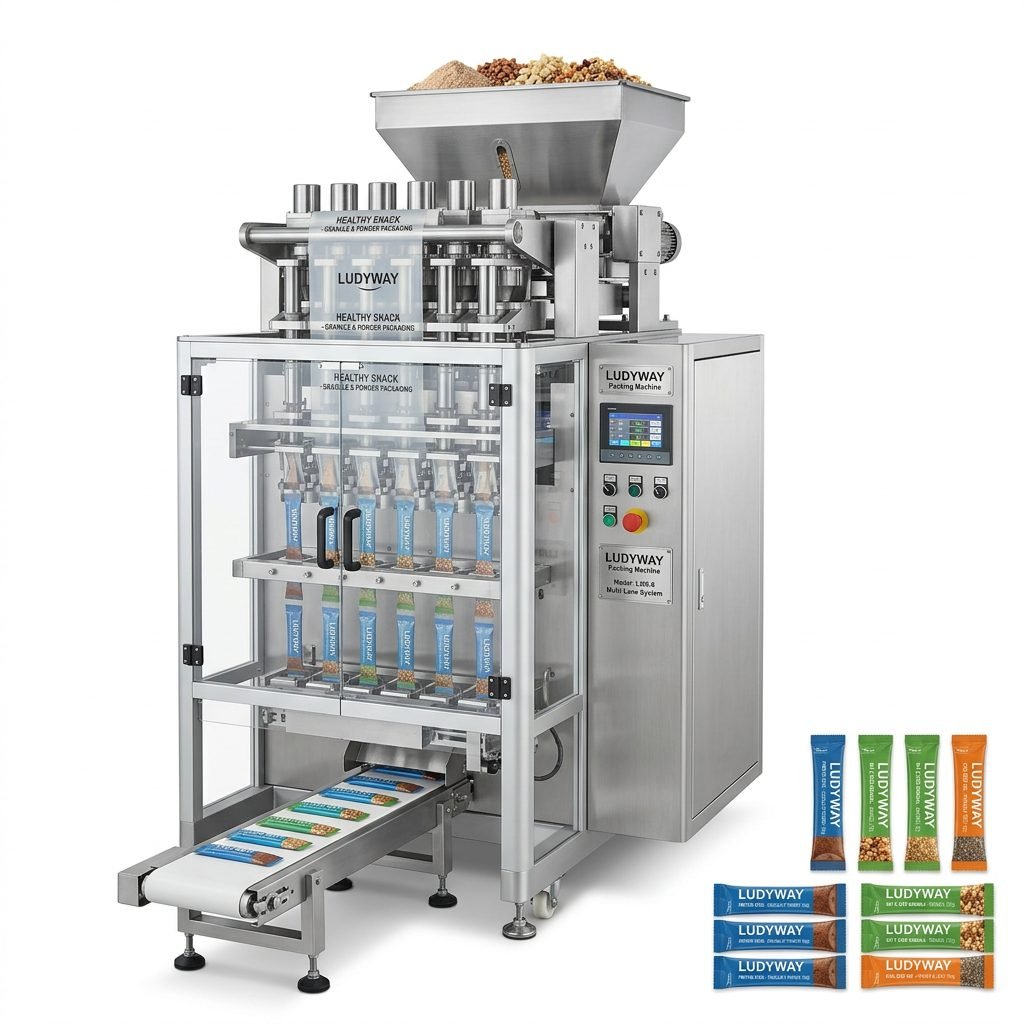
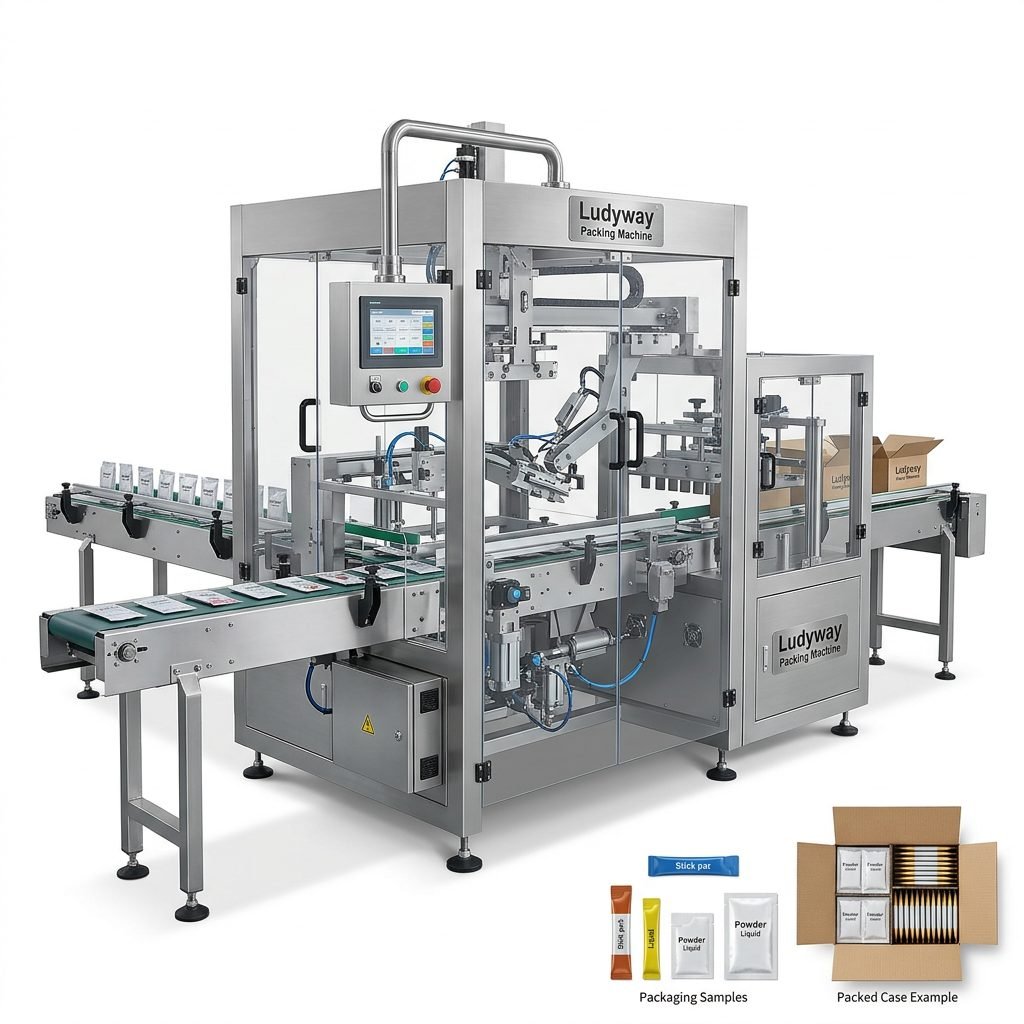
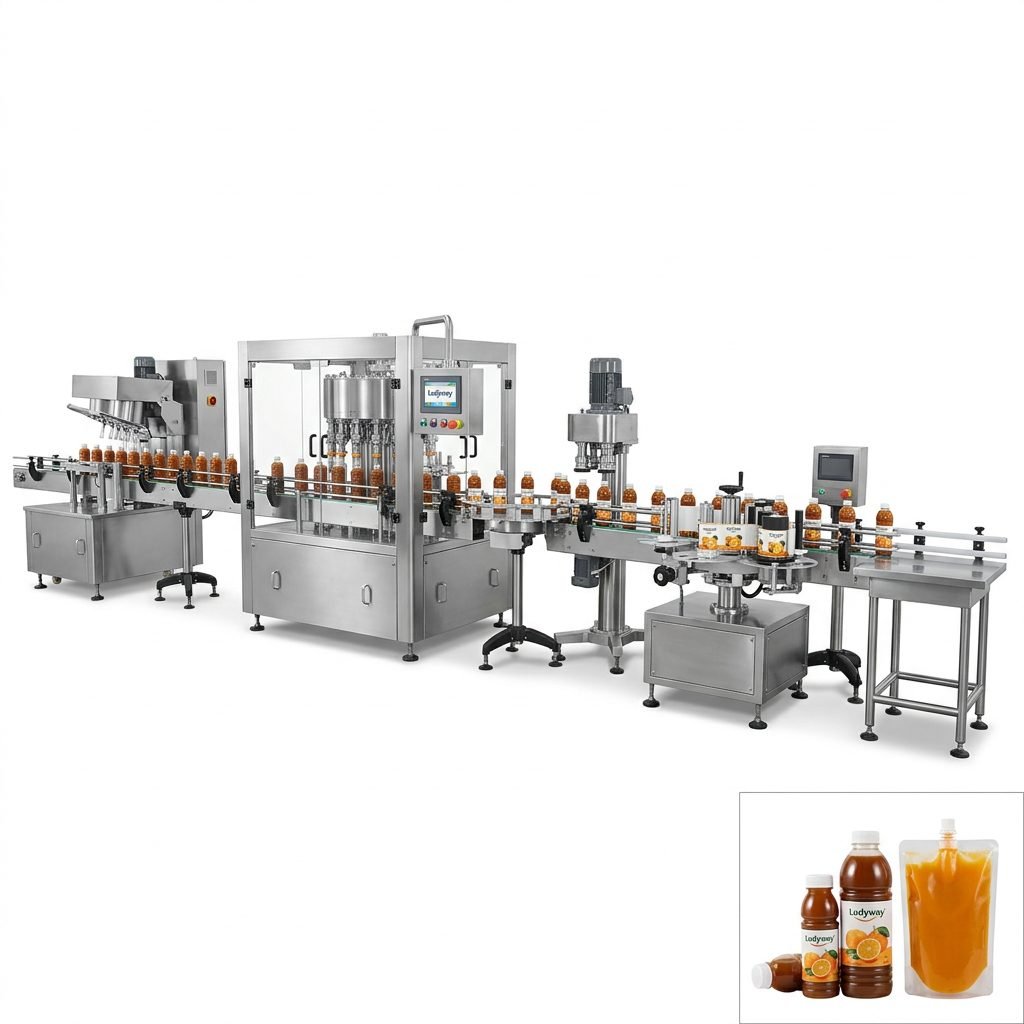
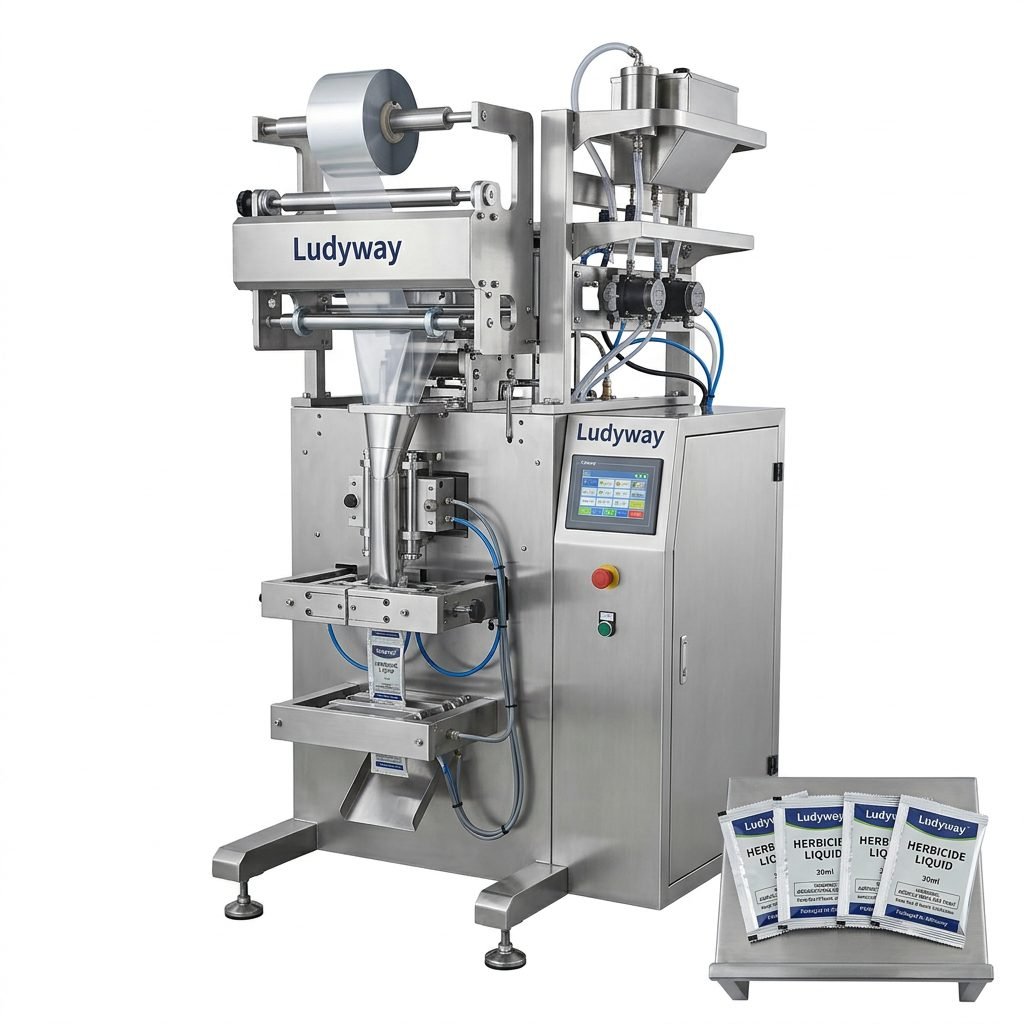
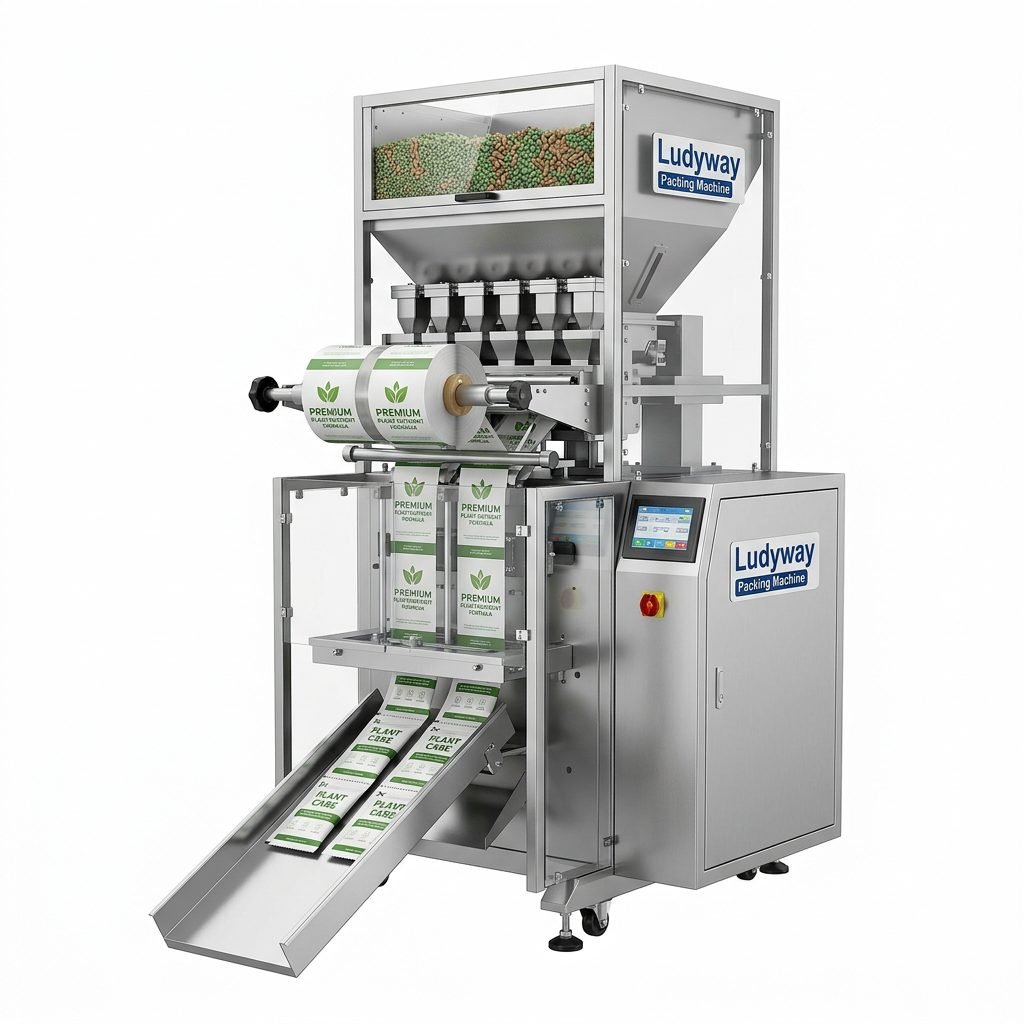
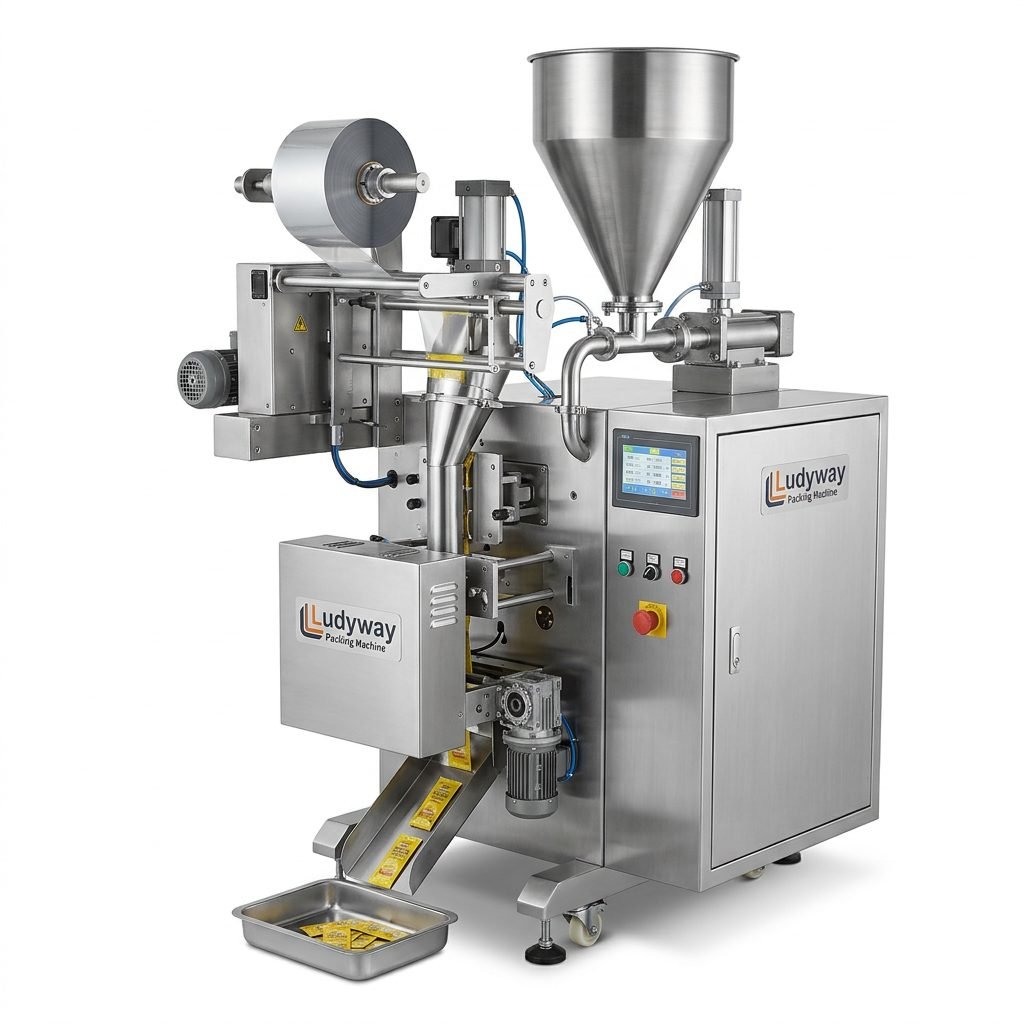
In today’s fast-paced manufacturing landscape, efficiency, precision, and hygiene are non-negotiable. For industries where product integrity directly impacts consumer safety and brand reputation—such as food, pharmaceuticals, and general industrial production—the packaging process is a critical final step. This is where the High-Speed Automatic Packaging Machine becomes an indispensable asset. Moving far beyond simple containment, these sophisticated systems are engineered to deliver unparalleled speed, accuracy, and reliability, transforming packaging from a bottleneck into a competitive advantage.
The Engine of Modern Production Lines
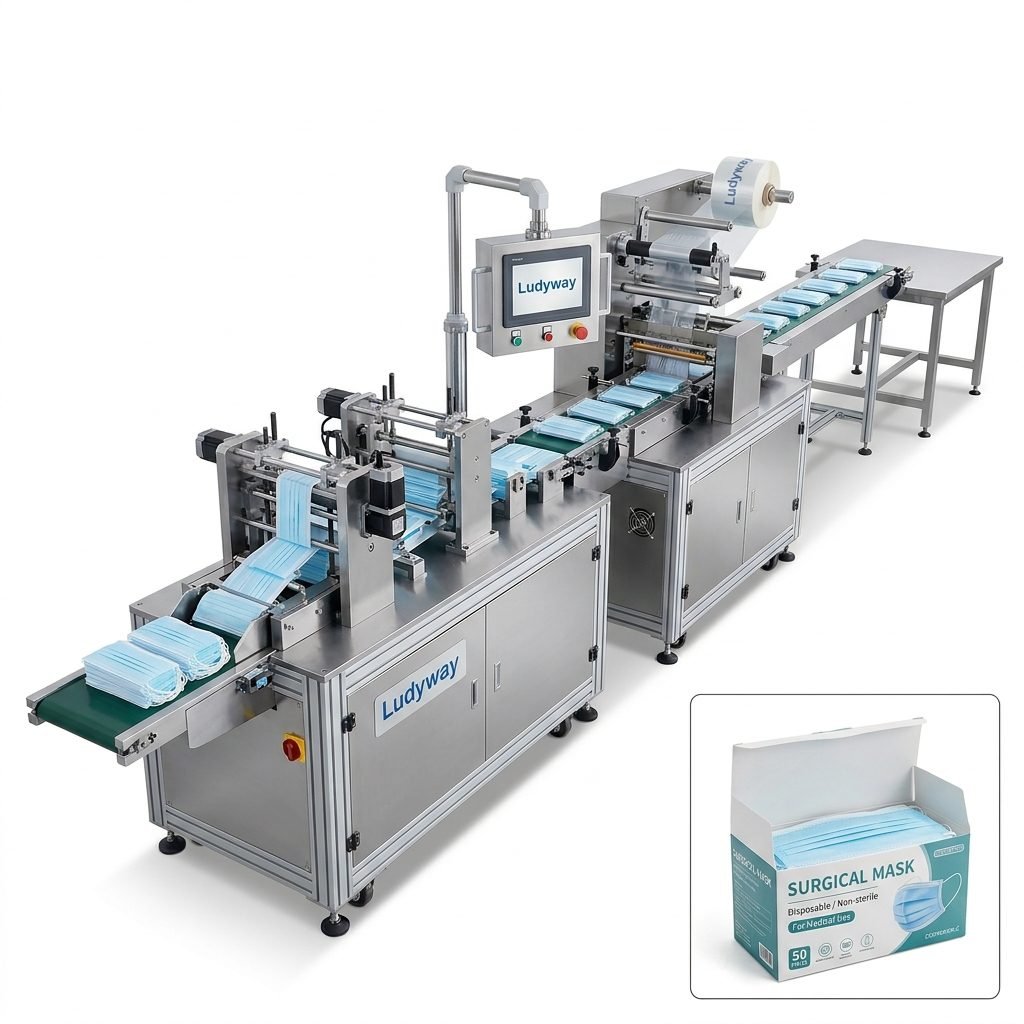
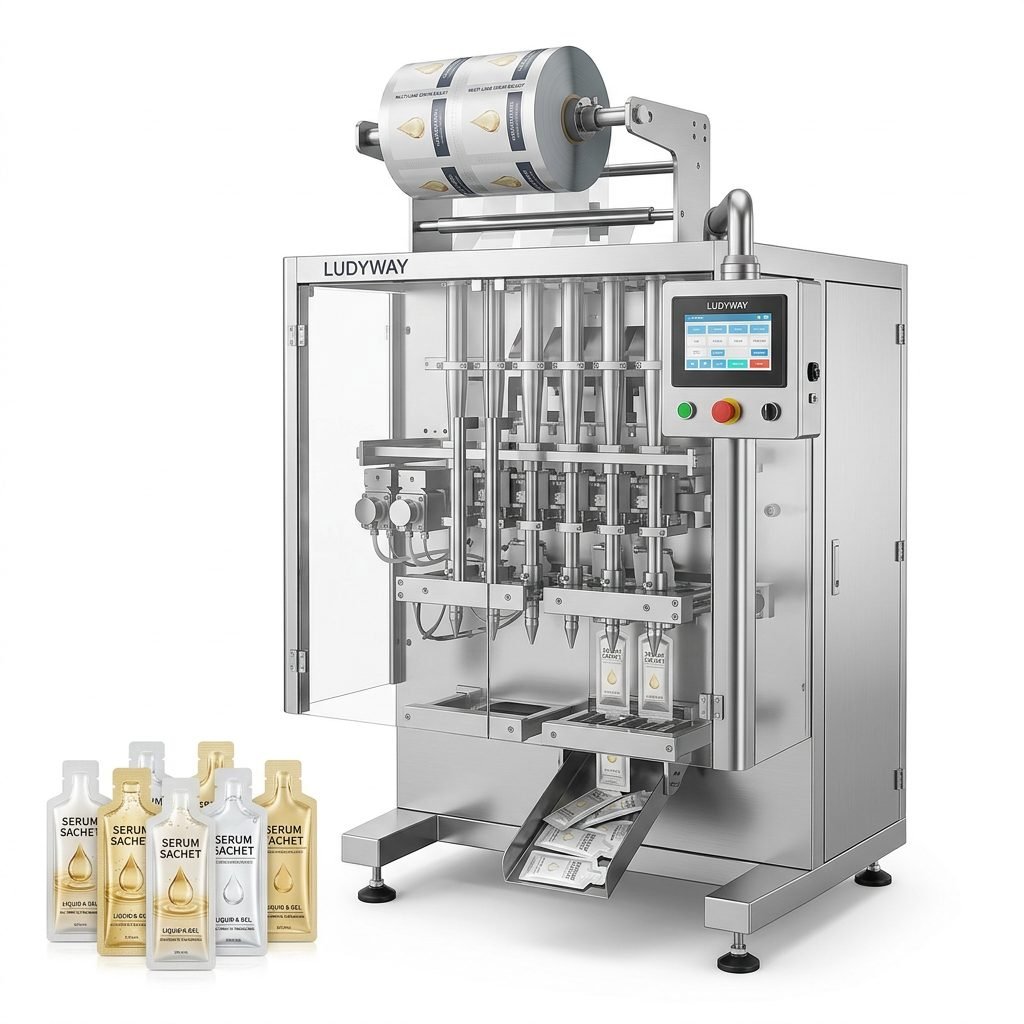
An automatic packaging machine is a fully integrated system designed to handle the entire packaging sequence—from measuring and filling products into pouches, sachets, or sticks to sealing, coding, and counting—with minimal human intervention. The core value proposition of a high-speed model is its ability to maintain this precision at remarkably elevated cycle rates, sometimes reaching hundreds of packages per minute. This automation is driven by programmable logic controllers (PLCs), servo motors, and sophisticated sensors that work in concert to ensure every package meets exact weight, volume, and seal integrity specifications.
Key Operational Advantages:
- Extreme Precision: Advanced multi-head weighers and volumetric fillers eliminate product giveaway and ensure consistent dosage.
- Unmatched Speed: Dramatically increases output to meet large-scale demand and tight deadlines.
- Superior Hygiene: Constructed with food-grade stainless steel and designed for easy cleaning, crucial for pharma and food safety.
- Remarkable Flexibility: Quick changeovers between different package sizes and product types reduce downtime.
Transforming the Food Industry
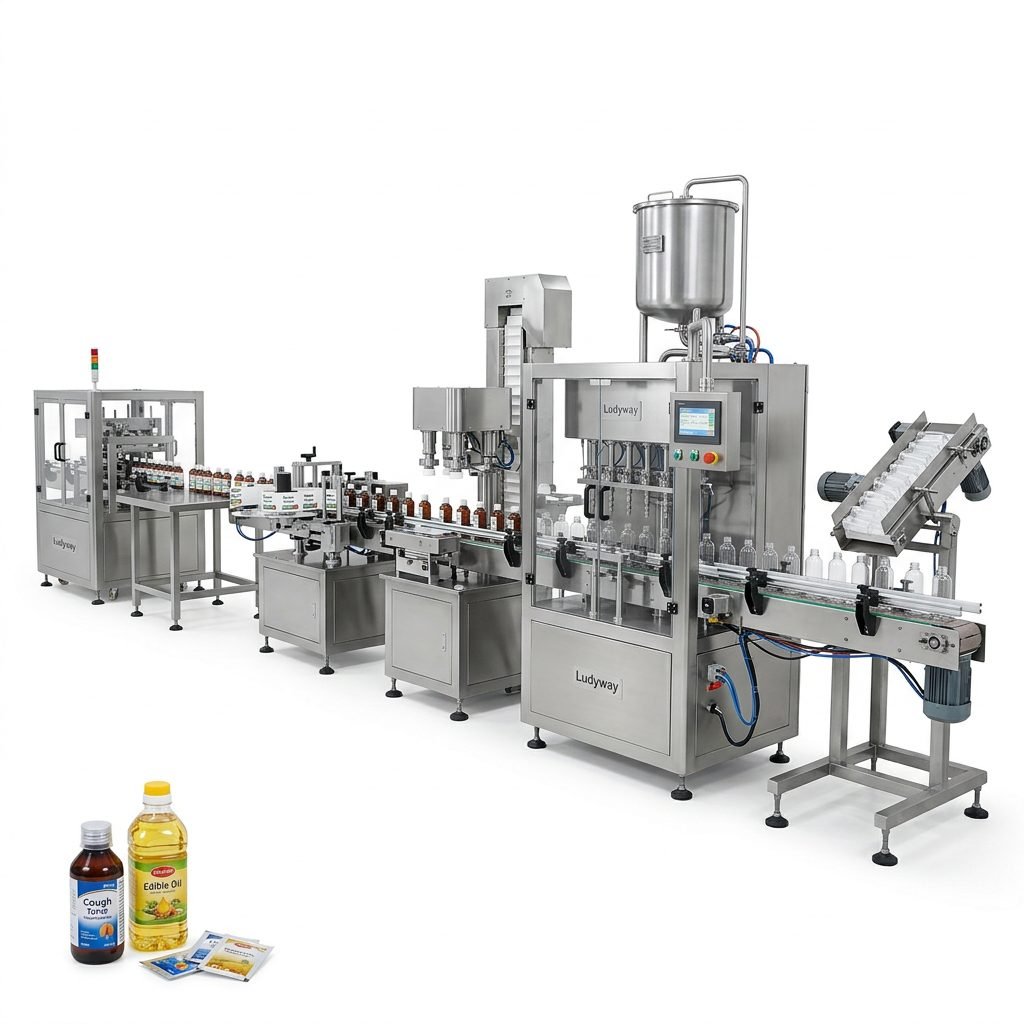
In the food sector, packaging serves multiple functions: protection, preservation, information, and convenience. A high-speed automatic packaging machine is vital for handling a diverse range of products—from granular items like coffee, sugar, and spices to powdered goods like milk powder and seasoning, and even liquid items such as sauces and oils.
These machines ensure that perishable goods are sealed in a modified atmosphere to extend shelf life, protect against contamination, and maintain freshness. The speed is essential for meeting the volatile demands of the consumer market, especially for single-serve portions, snack foods, and ready-to-eat meals. By automating the process, manufacturers also achieve greater consistency in package appearance, which is fundamental for brand recognition on crowded retail shelves.
Ensuring Integrity in Pharmaceutical Manufacturing
The pharmaceutical and nutraceutical industries operate under the most stringent regulatory environments. Here, packaging is a critical component of product safety. High-speed automatic packaging for pharmaceuticals must guarantee absolute accuracy in dosing, complete barrier protection against moisture and oxygen, and tamper-evident features.
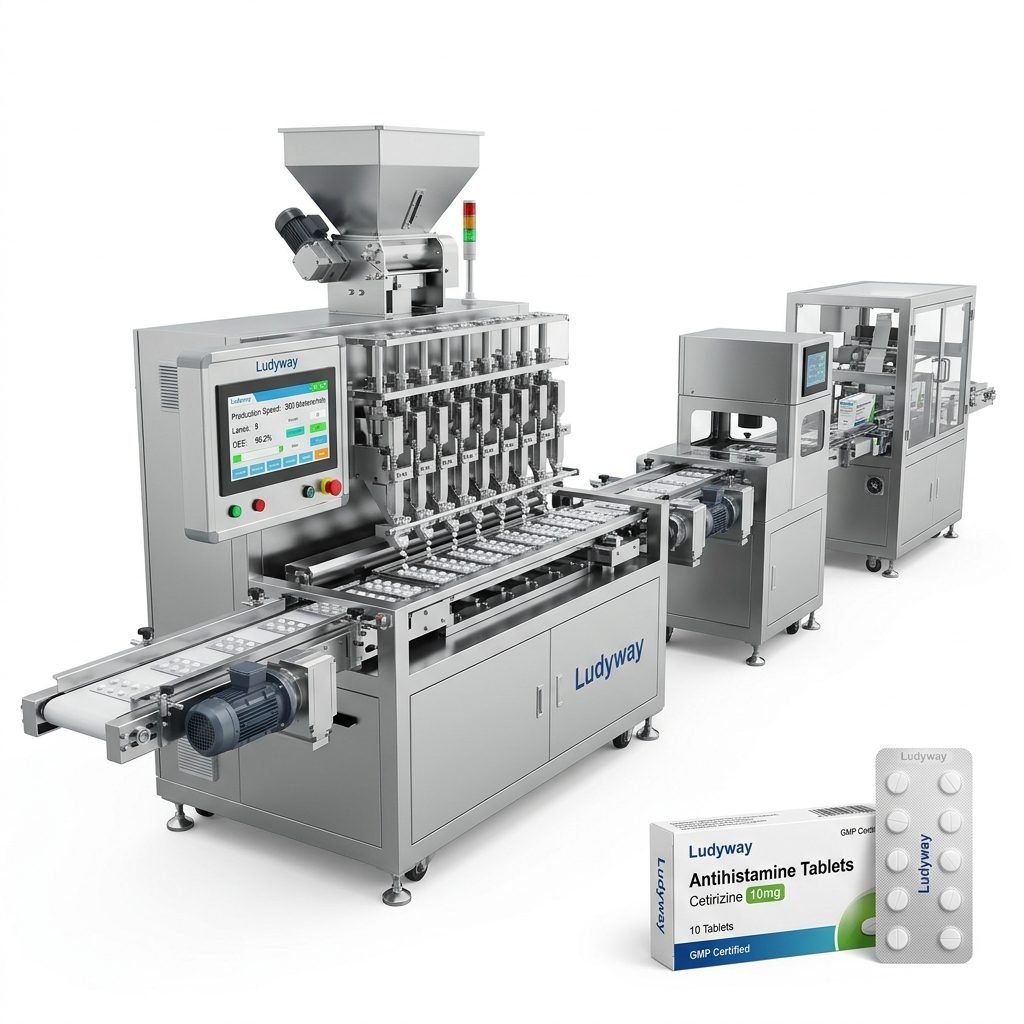
Machines designed for this sector often include clean-in-place (CIP) systems and are built to comply with Good Manufacturing Practice (GMP) standards. They reliably handle powders for sachets, granules for stick packs, and tablets for blister packs, ensuring every single unit is perfect. This level of automation minimizes human contact, drastically reducing the risk of contamination and ensuring patient safety, while the high throughput supports large-scale production of essential medicines and supplements. For reliable solutions in this demanding field, exploring specialized packaging experts with deep industry knowledge is crucial.
💡 Critical Feature for Pharma: Serialization
Modern pharmaceutical packaging lines often integrate serialization and aggregation capabilities, printing unique codes on each package to enable track-and-trace throughout the supply chain—a key requirement for combating counterfeit drugs.
Powering Diverse Industrial Applications
Beyond food and pharma, high-speed automatic packaging machines drive efficiency in a wide array of industrial sectors. This includes packaging chemicals (like detergents and fertilizers), hardware (screws, bolts), and agricultural products (seeds, fertilizers). The requirements shift towards durability, chemical resistance, and handling abrasive or non-free-flowing materials.
Industrial-grade machines are built robustly to operate in demanding environments, often featuring heavy-duty auger fillers for powders and pastes. The primary benefit is the ability to package large volumes of product consistently and safely, protecting workers from direct contact with potentially hazardous materials and streamlining logistics for bulk distribution.
Choosing the Right Machine for Your Needs
Selecting an automatic packaging system is a significant investment. Key considerations include:
- Product Characteristics: Is it a granule, powder, liquid, or solid? What is its flowability and abrasiveness?
- Required Output Speed: What are your current and future production volume targets (packages per minute)?
- Packaging Material: What type of film or laminate will you use (e.g., PET/AL/PE, paper)?
- Regulatory Compliance: Do you need GMP, USDA, or other specific certifications?
- After-Sales Support: Does the supplier offer comprehensive training, spare parts, and technical service? A partner with a strong company history and global support network is invaluable.
The Future is Automated and Connected
The evolution of high-speed automatic packaging continues toward greater intelligence and connectivity. Integration with the Industrial Internet of Things (IIoT) allows for real-time monitoring of machine performance, predictive maintenance alerts, and seamless data collection for production analytics. This leads to smarter, more efficient operations with even less unplanned downtime.
Furthermore, sustainability is becoming a central design focus. Next-generation machines are being optimized to reduce material waste through more precise sealing and cutting, and to accommodate biodegradable or recyclable packaging films, helping manufacturers meet their environmental goals. To implement such advanced, innovative packaging solutions, partnering with a forward-thinking equipment provider is essential.
In conclusion, the high-speed automatic packaging machine is far more than just a piece of factory equipment. It is a strategic investment that safeguards product quality, supercharges production efficiency, ensures regulatory compliance, and protects brand equity. For businesses in the food, pharmaceutical, and industrial sectors looking to scale and compete in the global market, embracing this advanced automation technology is not just an option—it is the definitive path forward.
Frequently Asked Questions (FAQs)
1. What is the main difference between a standard and a high-speed automatic packaging machine?
The core difference lies in the output capacity (packages per minute) and the level of integrated automation. High-speed models use more advanced servo drives, faster PLCs, and optimized mechanical designs to achieve significantly greater throughput while maintaining, or even improving, precision and reliability compared to standard models.
2. Can one machine handle different types of products, like powders and granules?
Many automatic packaging machines are designed with flexibility in mind. By changing the type of filling system (e.g., switching from a volumetric cup filler to an auger filler) and adjusting the forming and sealing tools, a single machine can often handle different product forms. However, it’s vital to consult with the manufacturer to confirm the machine’s capabilities for your specific product range.
3. How important is after-sales service when purchasing such equipment?
Extremely important. High-speed packaging machines are complex systems. Reliable access to spare parts, prompt technical support, and available training for your operators are critical for minimizing downtime and ensuring a strong return on your investment. Always evaluate the supplier’s service network and support reputation.
4. What are the key hygiene features for food and pharmaceutical packaging machines?
Key features include construction from 304 or 316 food-grade stainless steel, smooth and crevice-free surfaces, easy disassembly for cleaning, and often integrated cleaning systems (CIP/SIP). Designs should prevent product accumulation and comply with relevant hygiene standards like GMP or EHEDG guidelines.
5. How does automatic packaging contribute to sustainability goals?
These machines promote sustainability by drastically reducing material waste through precise dosing and sealing, minimizing product giveaway. They also lower energy consumption per unit produced compared to slower, less efficient methods. Furthermore, modern machines can be adapted to run on newer, thinner, or biodegradable packaging films, helping to reduce the overall environmental footprint.