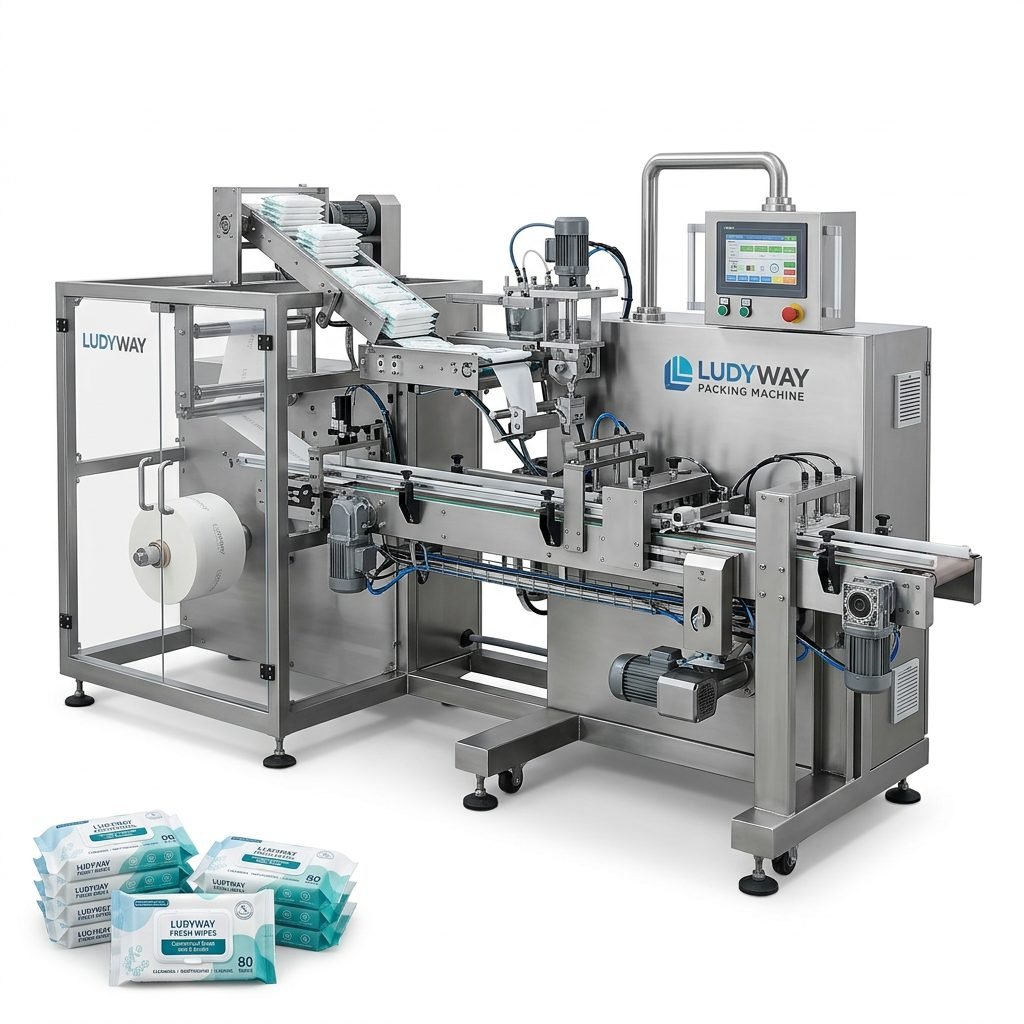
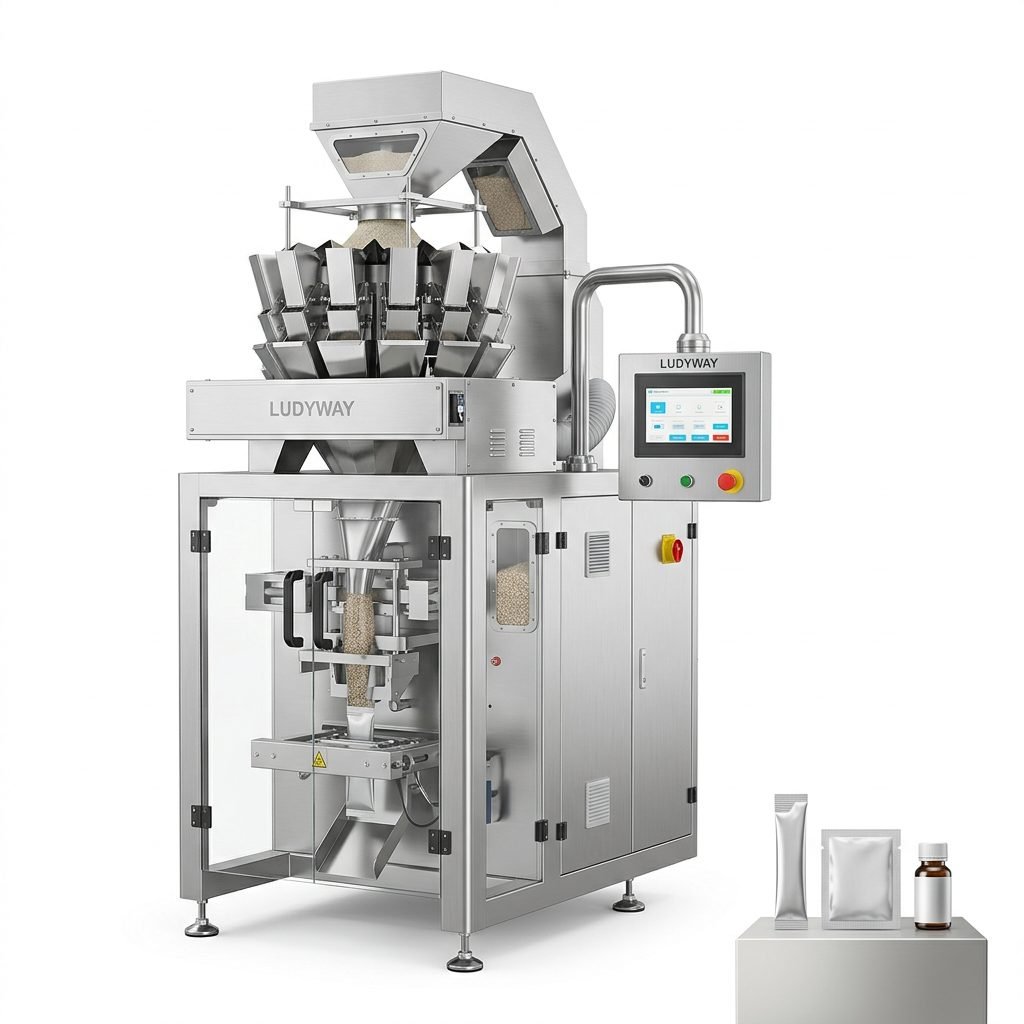
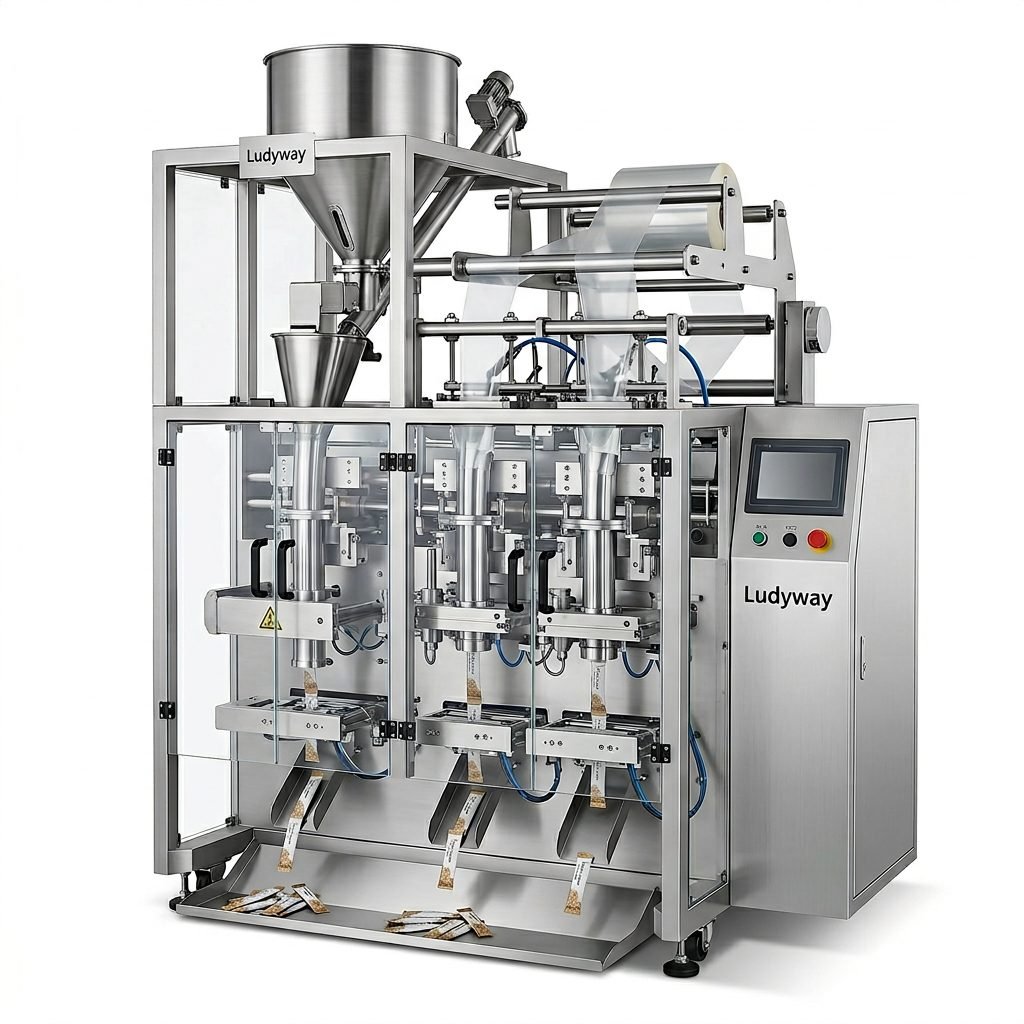
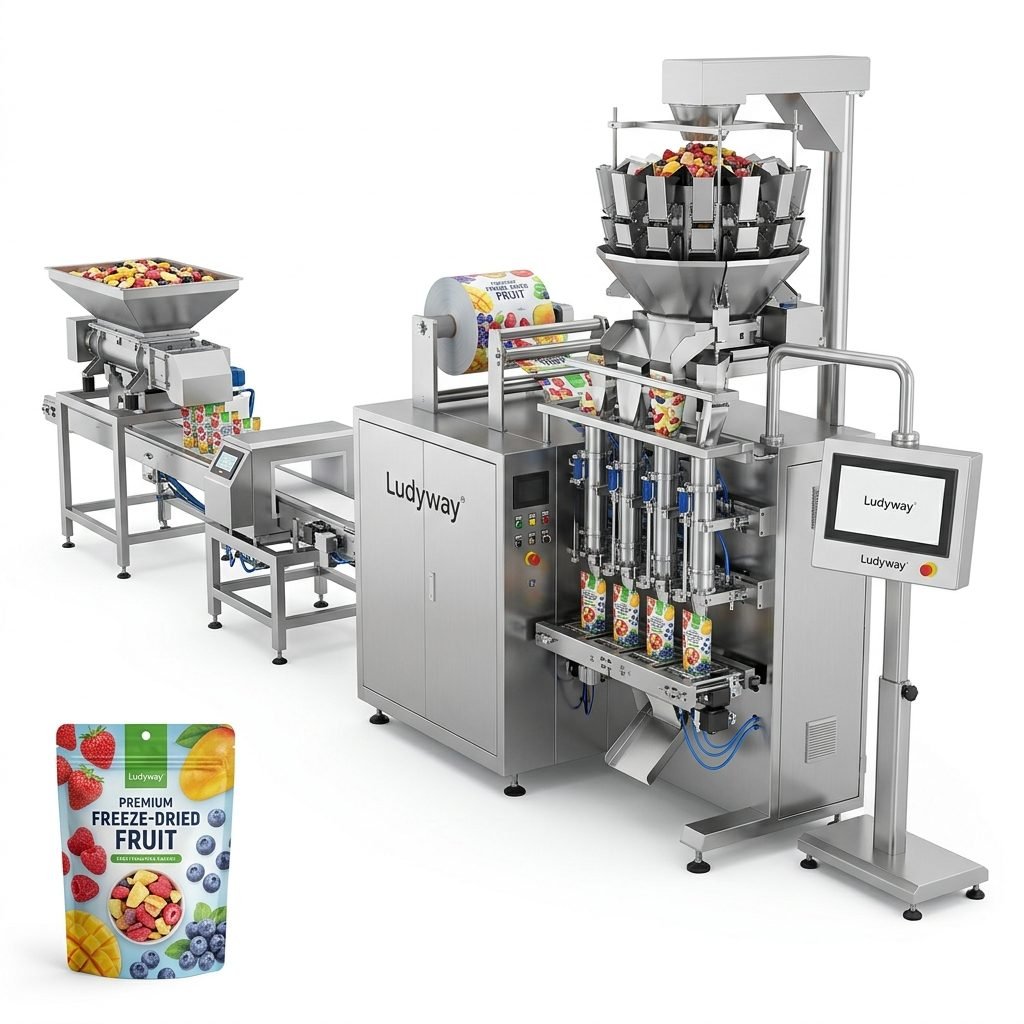
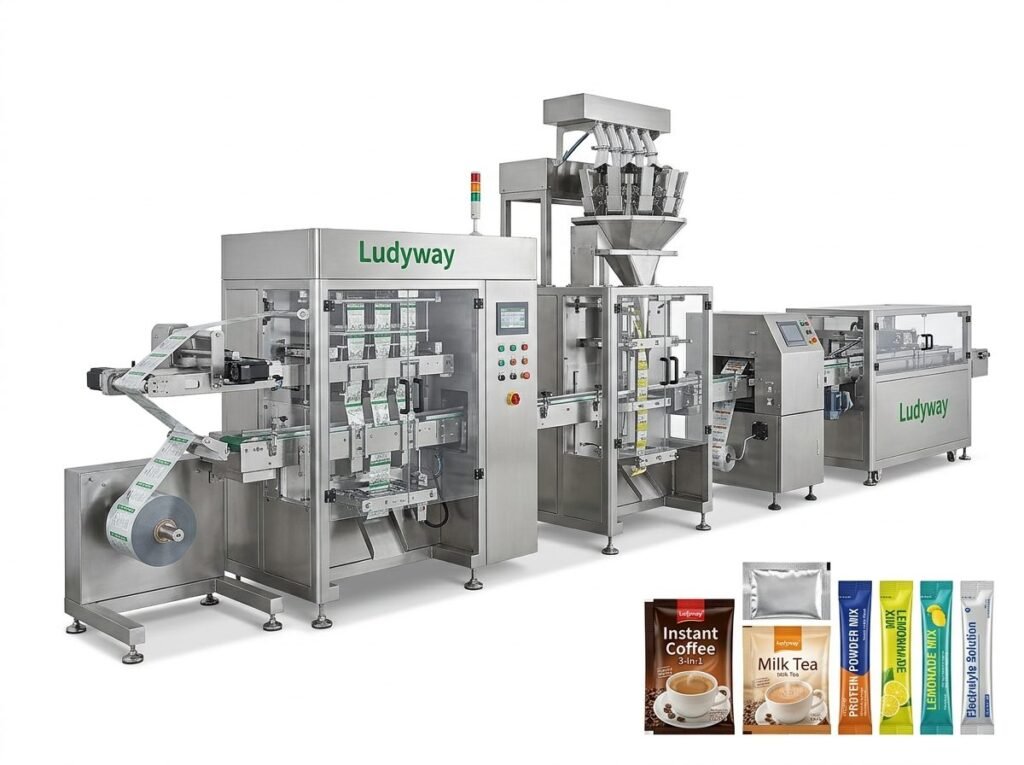
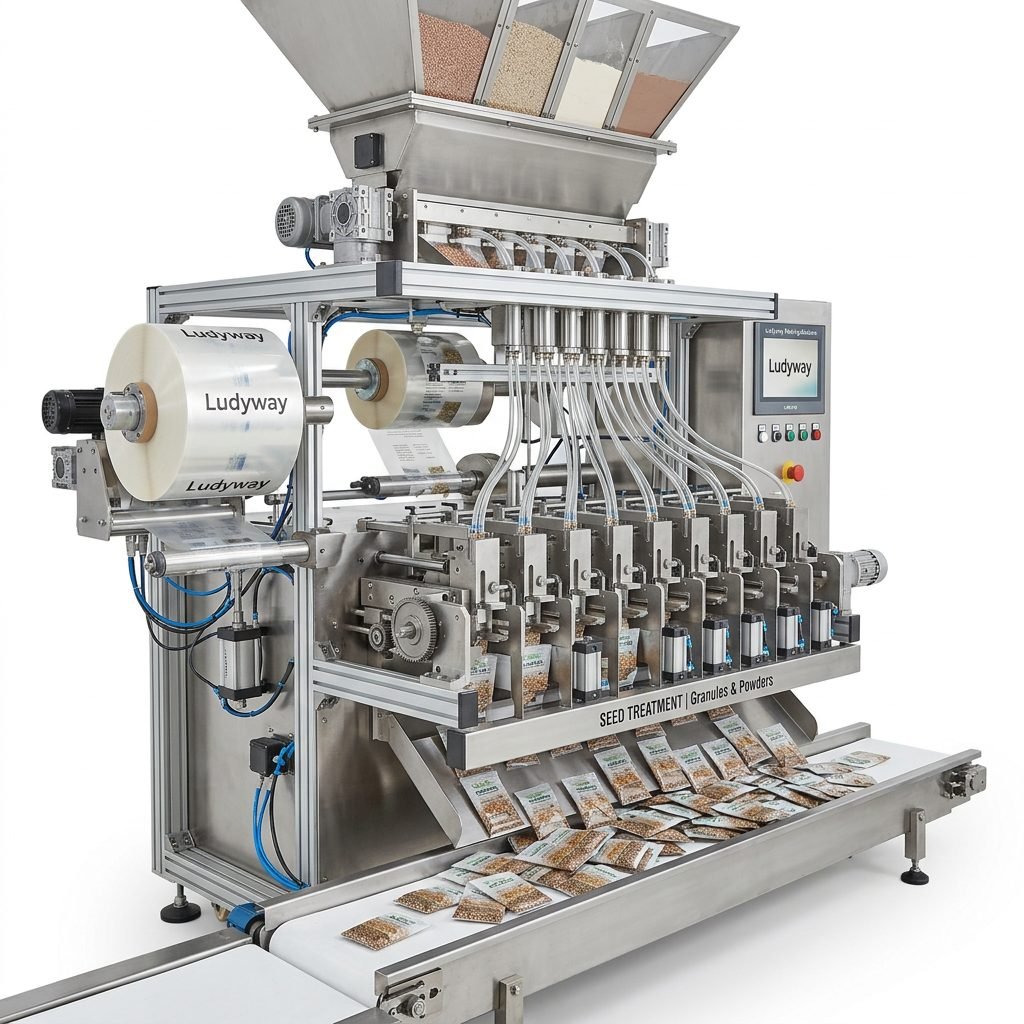
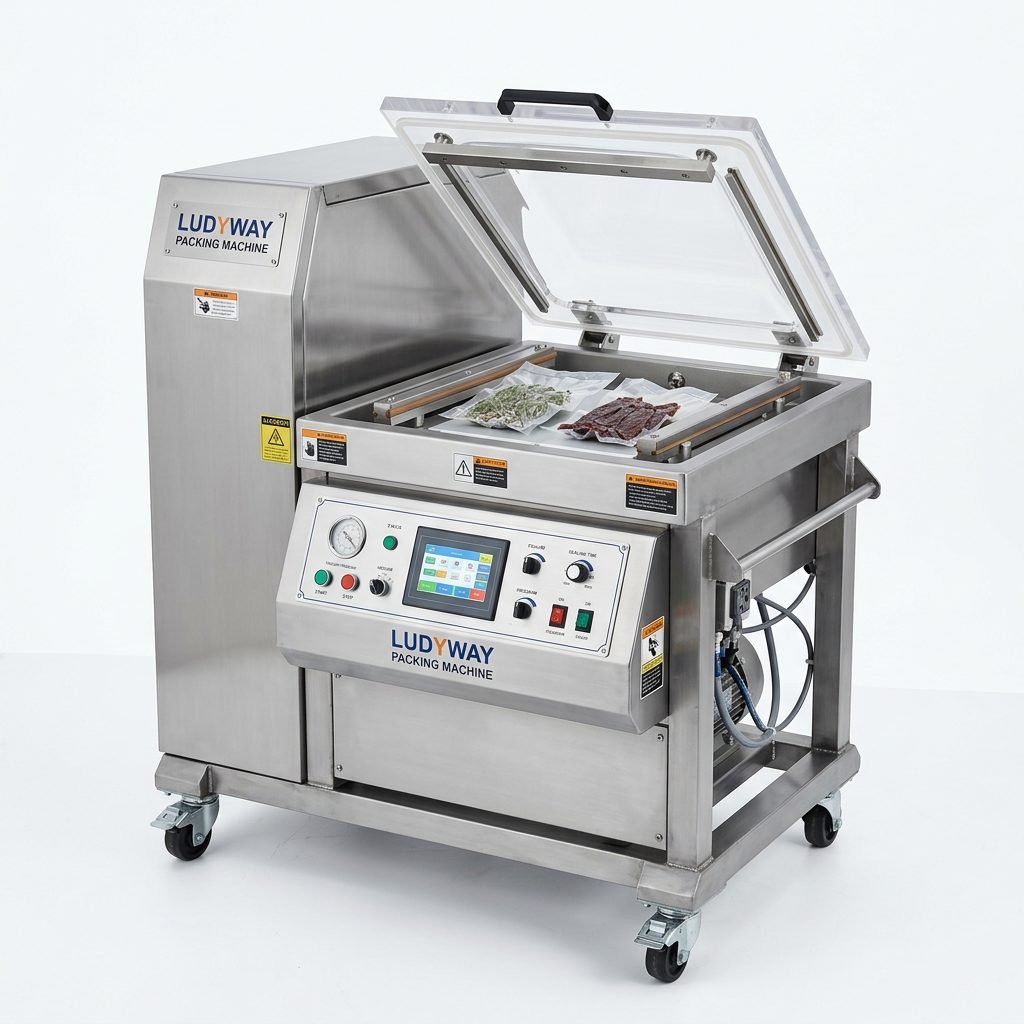
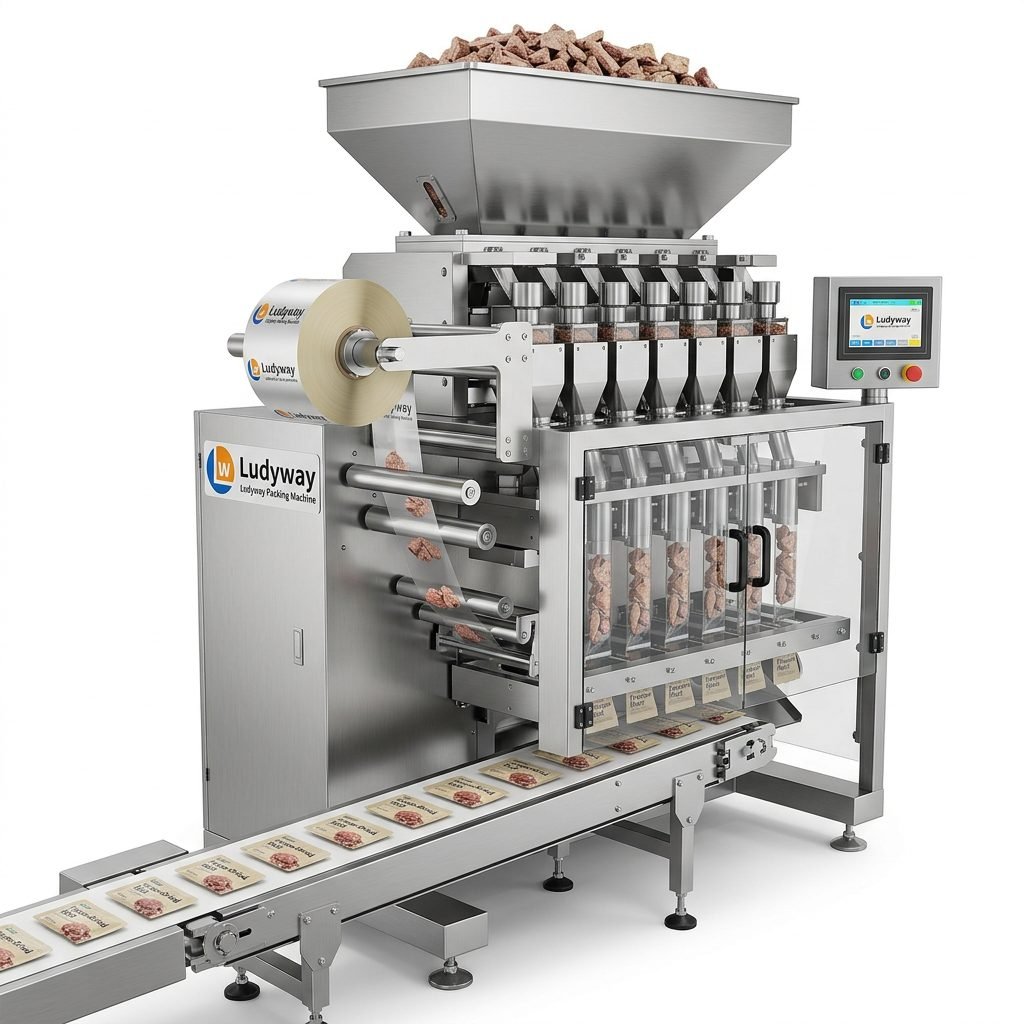
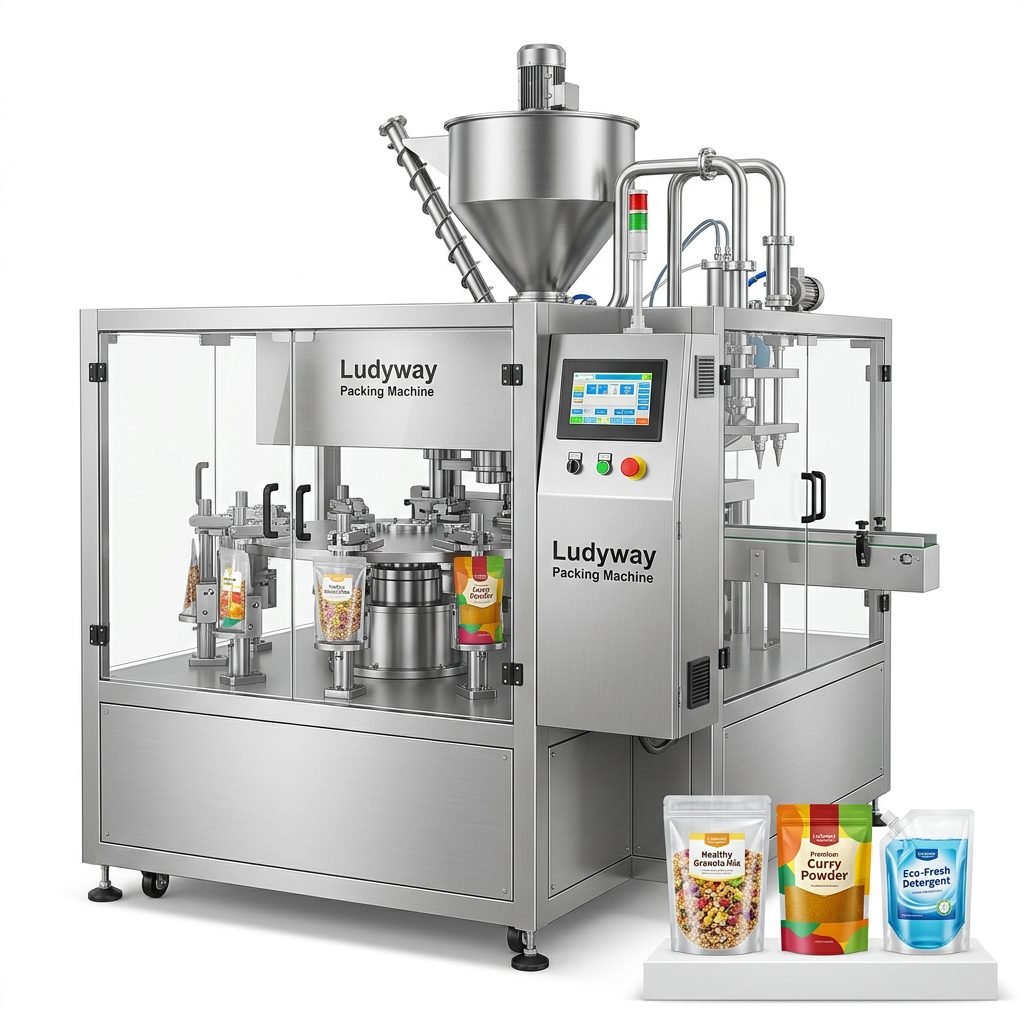
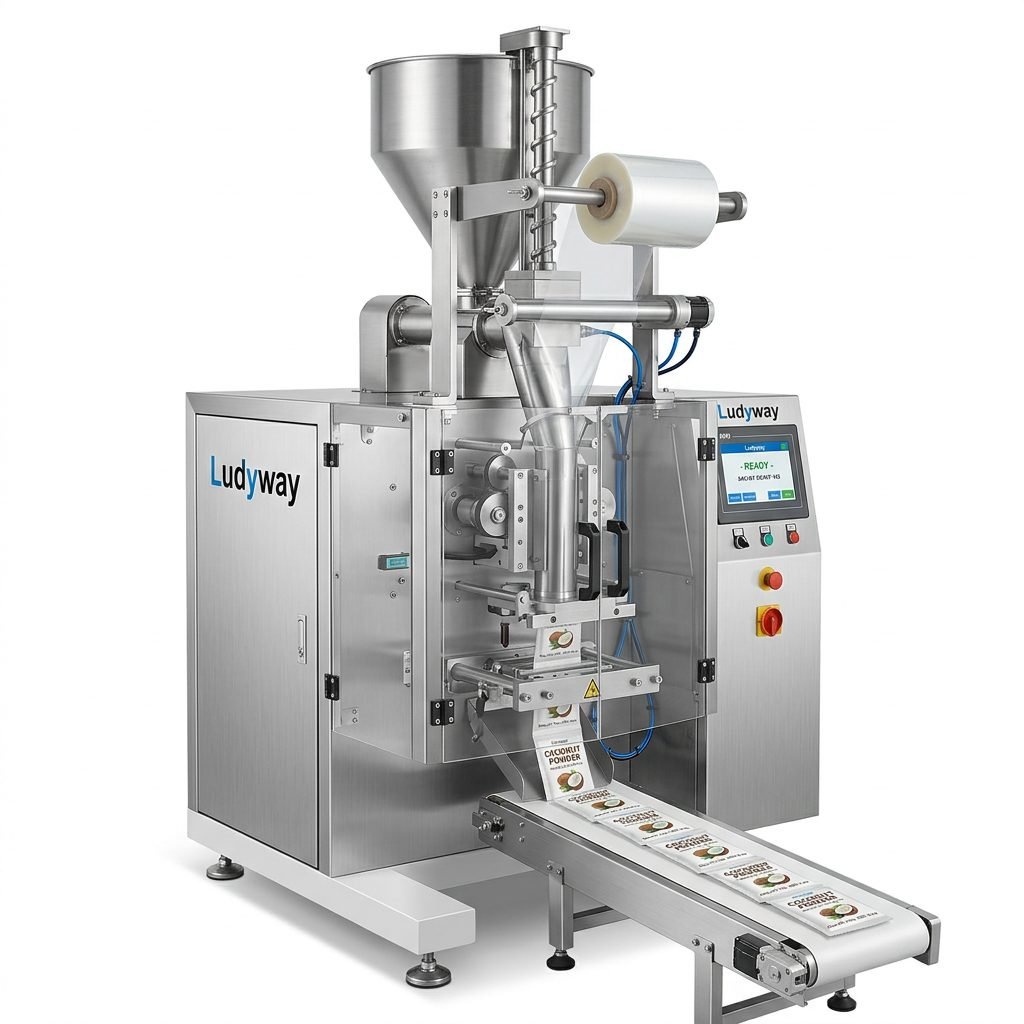
Choosing the right compression packaging machine is a critical decision for any business looking to optimize its packaging line, improve efficiency, and reduce costs. This guide will walk you through the key factors to consider, helping you select equipment that aligns perfectly with your operational needs and goals.
Understanding Compression Packaging Machines
Compression packaging machines, often used for products like snacks, powders, granules, or small components, compress items into a tight, space-efficient package. This process not only minimizes material usage but also enhances product stability and presentation.
Key Benefits for Your Business
Reduced Material Costs: By minimizing the volume of packaging required, these machines directly lower your expenditure on films, boxes, or pouches.
Enhanced Product Protection: Compression creates a denser package that is less prone to shifting and damage during transportation.
Improved Shelf Appeal: Tight, uniform packages look more professional and attractive on retail shelves.
Increased Line Speed: Many compression systems are designed for high-speed integration, boosting your overall output.
How to Choose the Right Equipment
The selection process should be methodical, focusing on your specific product and production environment.
Step 1: Analyze Your Product Characteristics
The physical properties of your product are the primary deciding factor.
- Product Type: Is it granular, powdered, solid, or a mixture?
- Size and Shape: What are the dimensions and consistency of the items?
- Fragility: How much compression force can the product withstand without damage?
- Flowability: Does the product flow easily or is it sticky/clumpy?
Step 2: Define Your Production Requirements
Your operational goals dictate the machine’s capabilities.
- Output Speed (Packages per Minute): Determine your required production rate.
- Packaging Format: Decide on the final package type: stick packs, sachets, pouches, or boxes.
- Integration Needs: Will the machine stand alone or integrate with filling, sealing, and labeling systems?
- Future Scalability: Consider if you might need to increase speed or change products in the future.
Step 3: Evaluate Machine Features and Technology
Look closely at the technical specifications and innovations offered.
Compression Mechanism: Understand the method (pneumatic, mechanical, servo-driven) and its precision.
Control System & Automation: Modern PLC controls with touchscreen interfaces offer easier operation and flexibility.
Changeover Flexibility: How quickly and easily can you adjust for different product sizes or package types?
Durability & Construction: Robust frame construction and high-quality components ensure longevity.
Step 4: Consider Supplier Reliability and Support
The machine’s performance depends heavily on the company behind it.
Choosing a supplier with a strong track record is vital. Look for providers with extensive industry experience, like those offering over 50 intelligent packaging machine models based on deep engineering expertise. Evaluate their global support network, availability of spare parts, and the quality of their training and installation services. A partner committed to long-term cooperation and innovation will contribute significantly to your success.
Implementing Your New Machine
Successful implementation goes beyond just installation.
Planning for Installation
Coordinate with your supplier for site preparation, utility connections (power, air), and integration with upstream/downstream equipment.
Training Your Team
Ensure operators and maintenance staff receive comprehensive training on operation, routine maintenance, and basic troubleshooting.
Optimizing Performance
After installation, work with the supplier to fine-tune settings (compression force, speed) for your specific product to achieve optimal results.
Common Questions (FAQs)
What is the typical lead time for receiving a compression packaging machine? Lead times vary based on complexity and customization, but standard models from established suppliers can often be delivered within a few weeks.
Can one machine handle multiple different products? Yes, many machines are designed for quick changeover. Your choice should focus on the range of product sizes and formats you need, and the ease of switching between them.
How much maintenance do these machines require? Regular, preventative maintenance is key. Daily cleaning and weekly checks of moving parts are common. The required effort depends on the machine’s design and your usage intensity.
What is the most common operational challenge with compression packaging? Achieving consistent compression without damaging fragile products often requires precise calibration and sometimes product-specific adjustments to the machine’s settings.
Are these machines suitable for small-scale or start-up businesses? Absolutely. Many manufacturers offer scalable models or smaller machines specifically designed for lower output requirements, making automation accessible for growing businesses.