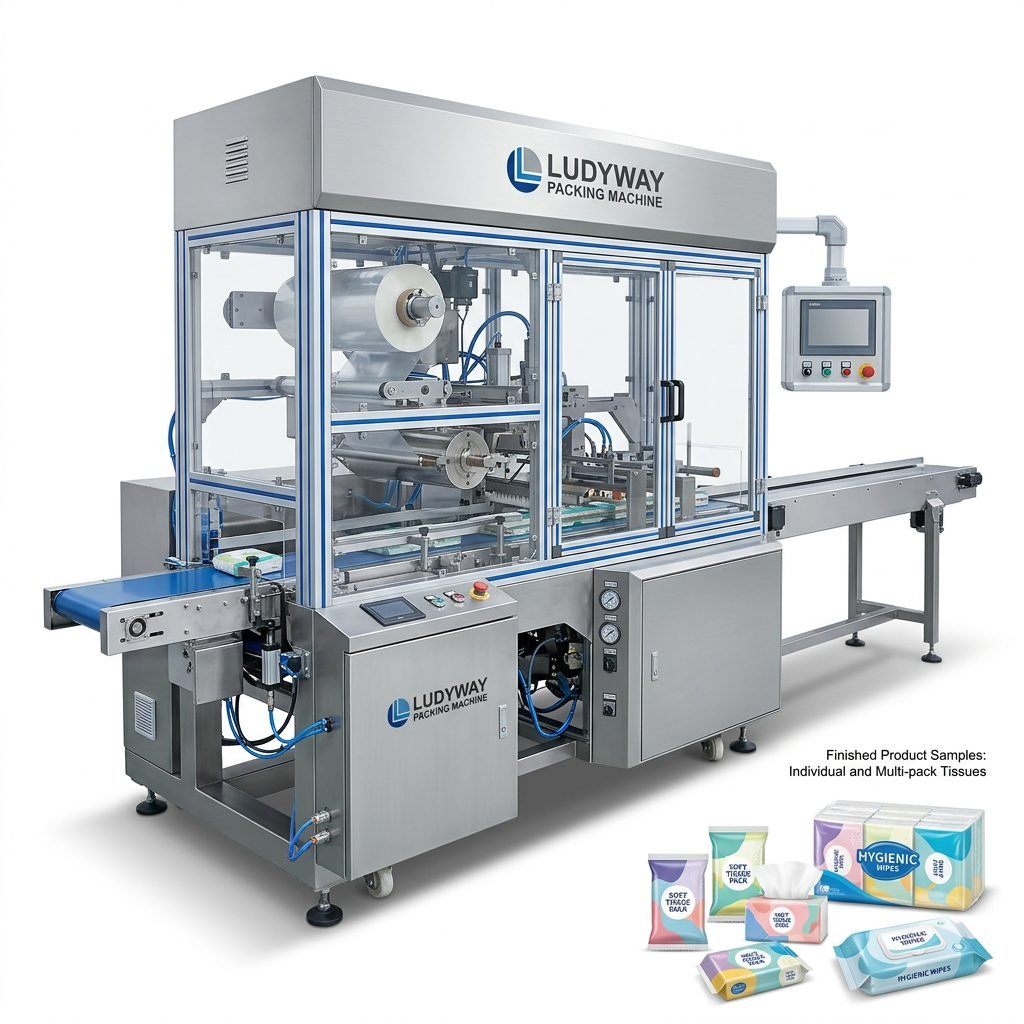
Setting up a protein bar packaging machine production line requires careful planning, precise equipment selection, and systematic integration of multiple components. Whether you are launching a new facility or upgrading an existing operation, a well-structured approach ensures optimal efficiency, product quality, and return on investment. This comprehensive guide walks you through each critical phase of establishing a high-performance protein bar packaging system.
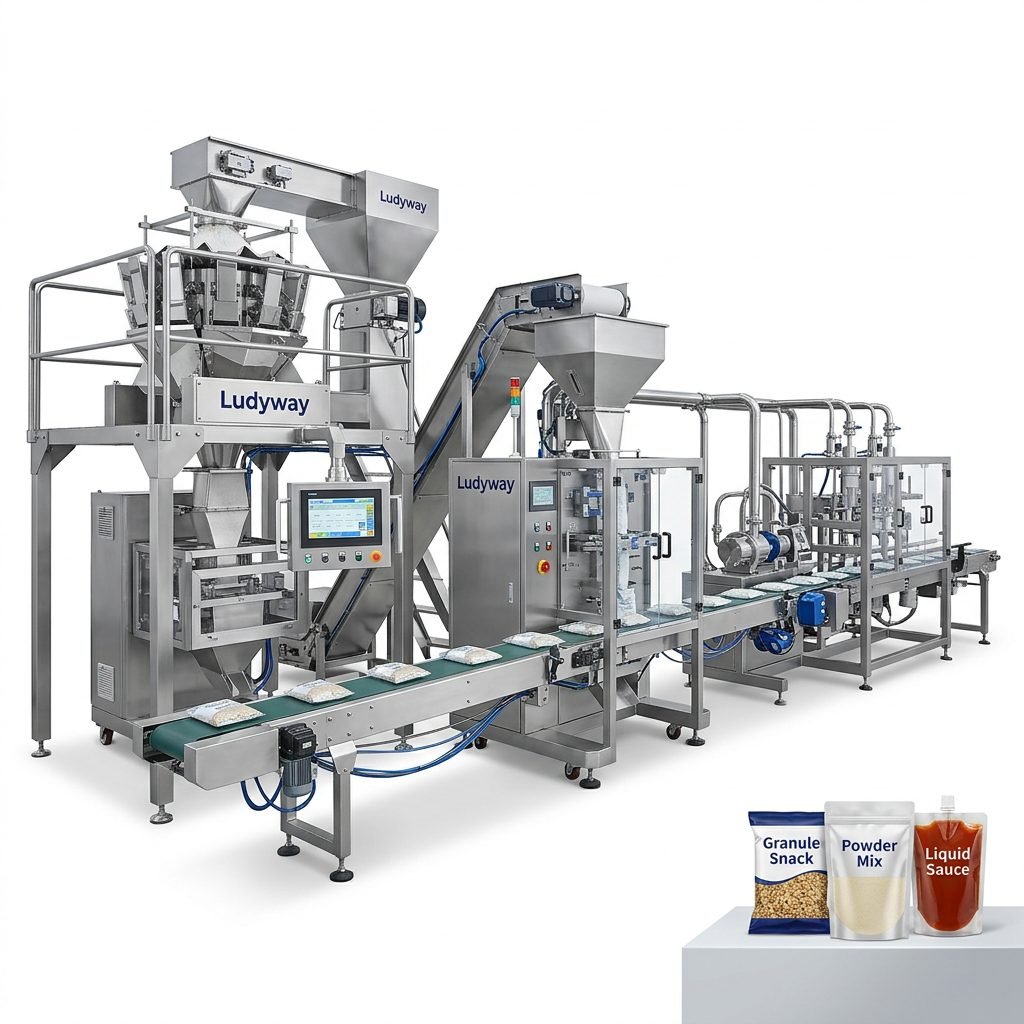
Step 1: Define Your Production Requirements and Capacity Goals
Before selecting any machinery, you must clearly define your target output volume, bar dimensions, packaging formats, and product characteristics. Protein bars vary significantly in density, stickiness, and shape, which directly impacts the type of packaging equipment required. Key factors to evaluate include:
- Production speed: How many bars per minute do you need to package at peak demand?
- Packaging style: Flow wrap, sachet, stick pack, pouch, or carton-based formats
- Bar dimensions and weight: Consistent sizing is critical for smooth machine operation
- Product texture: Sticky, crumbly, or coated bars may require specialized feeding systems
- Shelf-life requirements: Modified atmosphere packaging (MAP) or nitrogen flushing may be necessary
Documenting these specifications early prevents costly modifications later and helps equipment suppliers recommend the most suitable packaging line configuration for your specific needs.
Step 2: Prepare Your Facility and Raw Material Flow
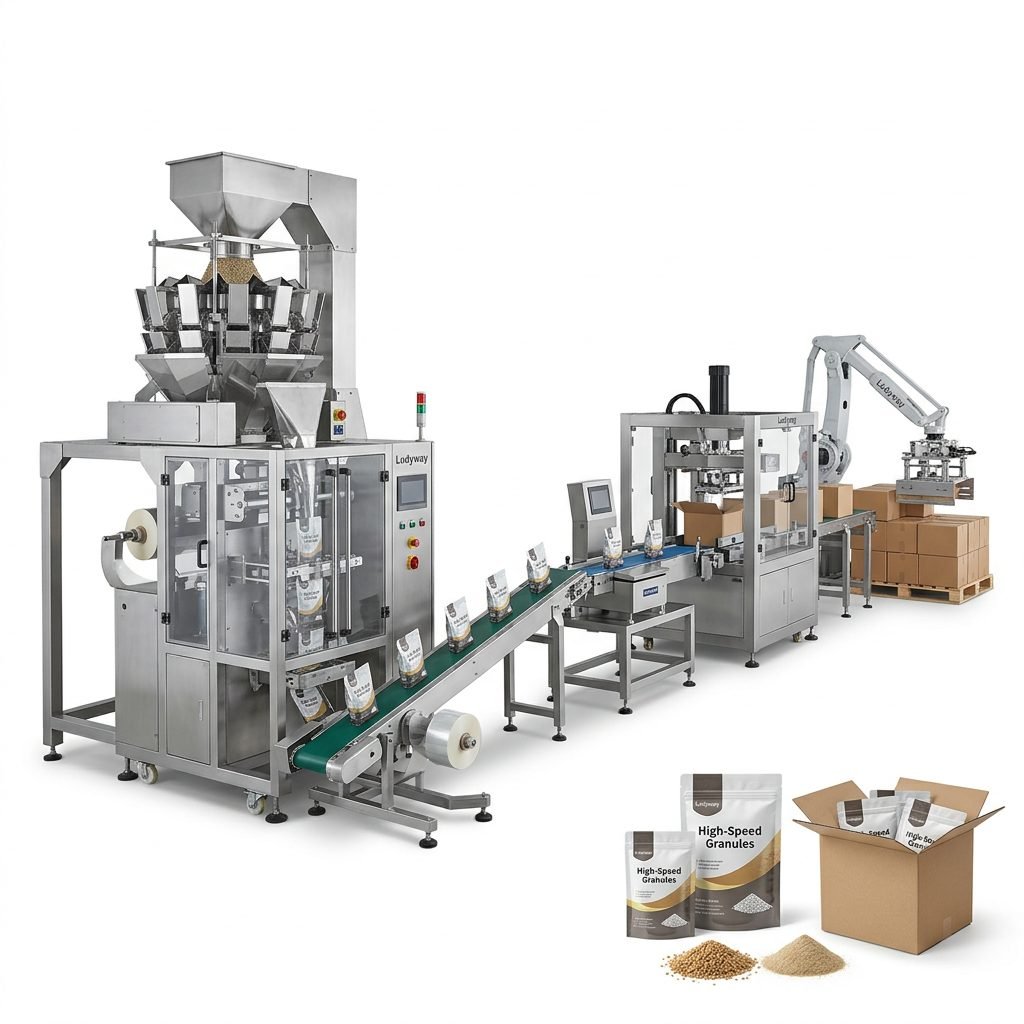
A well-organized facility layout is the foundation of an efficient packaging line. The production floor should support a logical material flow from raw material receiving through to finished goods storage. Consider the following layout principles:
- Linear or U-shaped flow to minimize cross-contamination and operator movement
- Dedicated zones for unwrapped product, primary packaging, secondary packaging, and palletizing
- Adequate clearance around each machine for maintenance access and cleaning procedures
- Environmental controls: Temperature and humidity management for product stability
- Utility connections: Compressed air, electrical supply, and exhaust ventilation at each equipment station
For protein bar packaging, temperature control is particularly important as heat generated during the packaging process can affect bar texture and coating integrity. Plan your facility layout with future expansion in mind to accommodate additional lanes or downstream automation.
| Facility Requirement | Recommended Specification | Impact on Production |
|---|---|---|
| Floor Space per Lane | 30-50 sqm minimum | Allows operator access and maintenance |
| Ceiling Height | 3.5-4.5 meters | Accommodates vertical feeders and conveyors |
| Temperature Range | 18-22°C (64-72°F) | Prevents coating melting and product softening |
| Compressed Air Supply | 6-8 bar, dry and filtered | Essential for pneumatic actuators and sealing |
| Electrical Load | 3-phase, as per machine specifications | Ensures stable machine operation |
Step 3: Select Core Packaging Equipment and Configurations
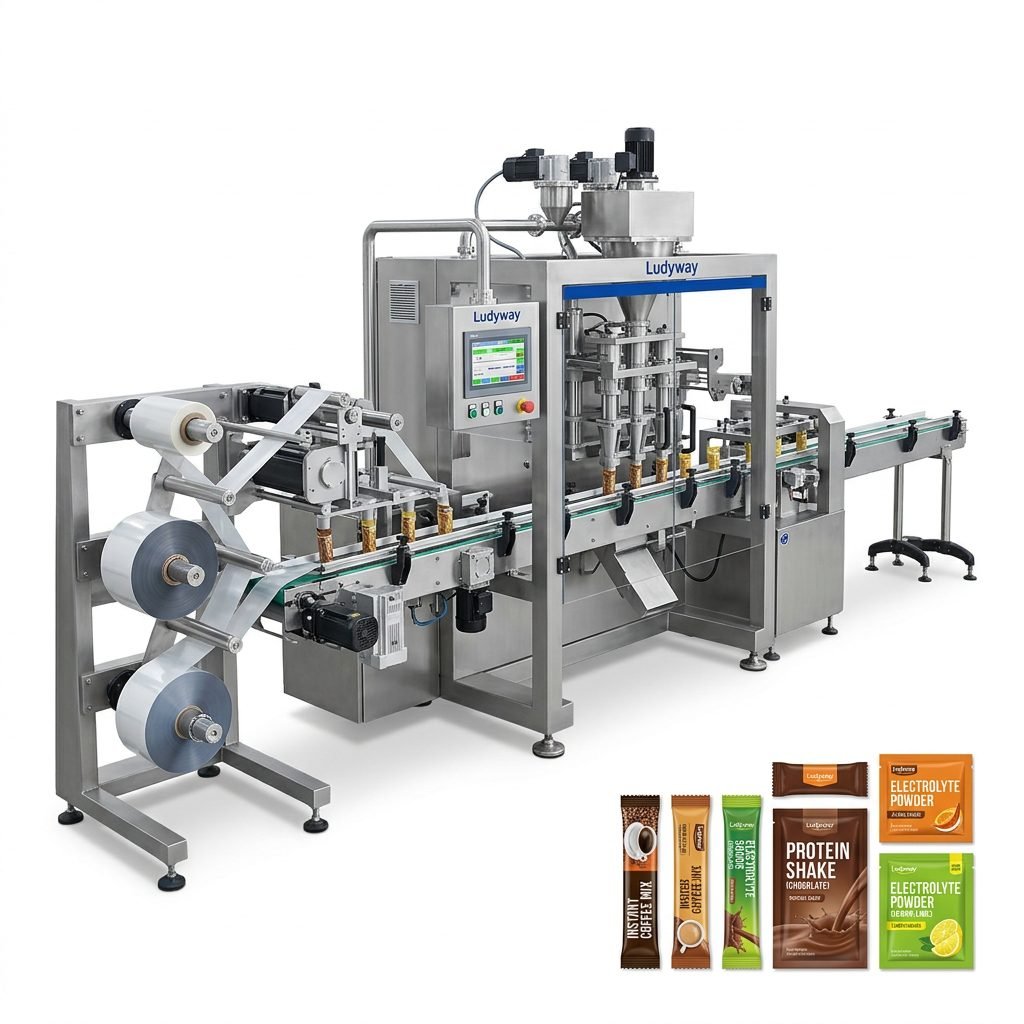
Choosing the right protein bar packaging machinery is the most critical decision in setting up your line. The core equipment typically includes an infeed system, a primary packaging machine, and integrated quality control modules. For protein bar applications, multi-lane packaging systems offer significant advantages in throughput and efficiency.
Primary packaging machine options include:
- Flow wrapping machines: Ideal for individual bar wrapping with high-speed capabilities
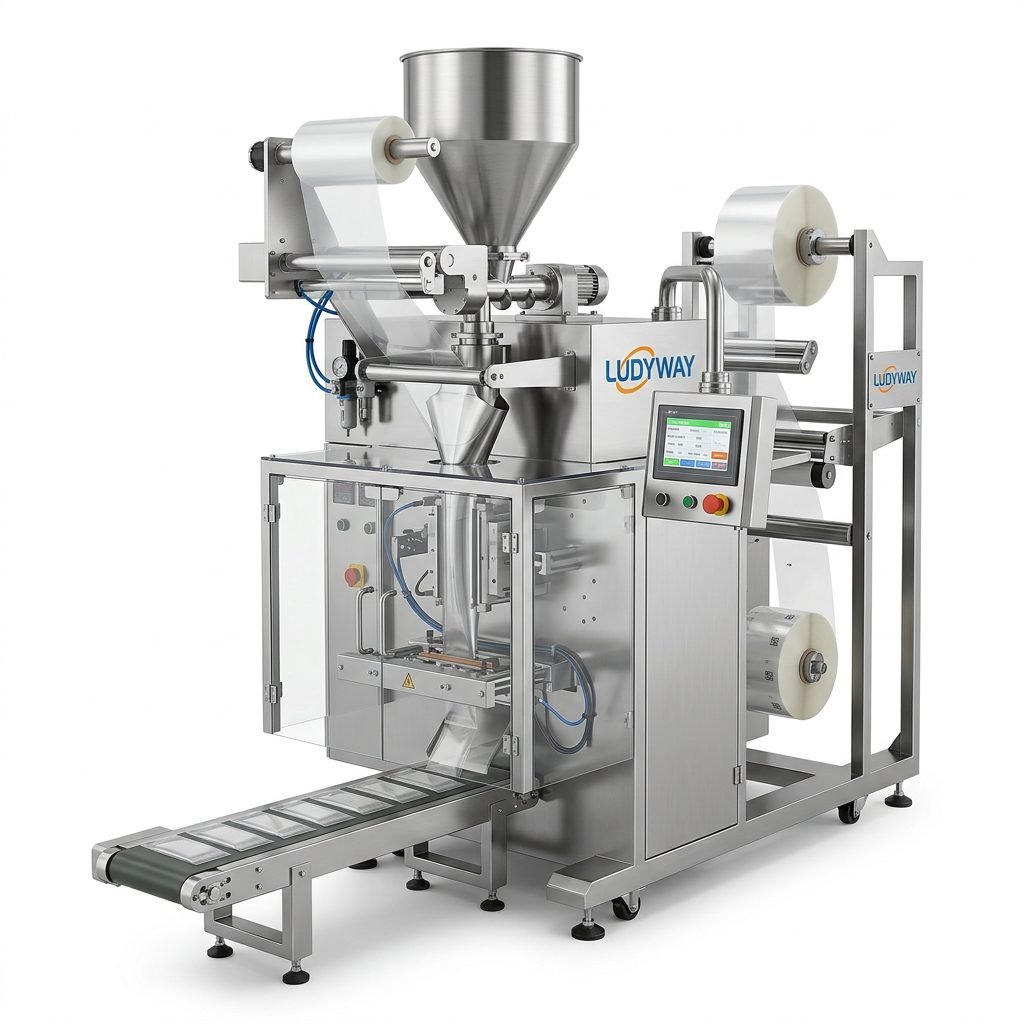
- Vertical form fill seal (VFFS) machines: Suitable for multi-pack configurations and pillow bags
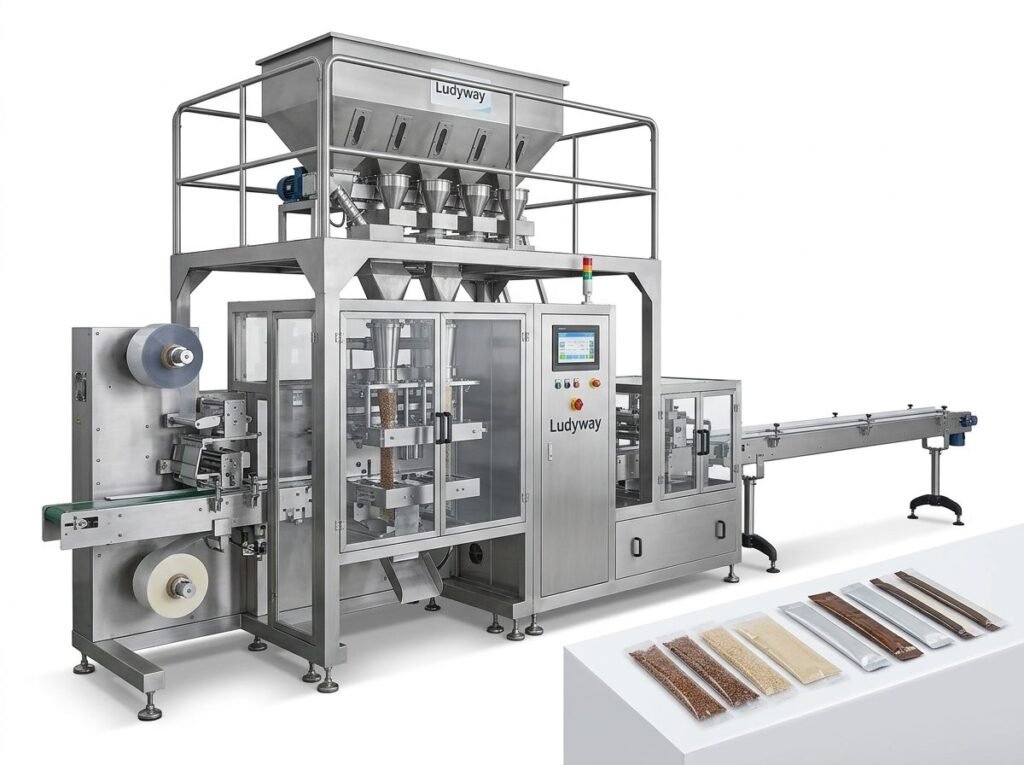
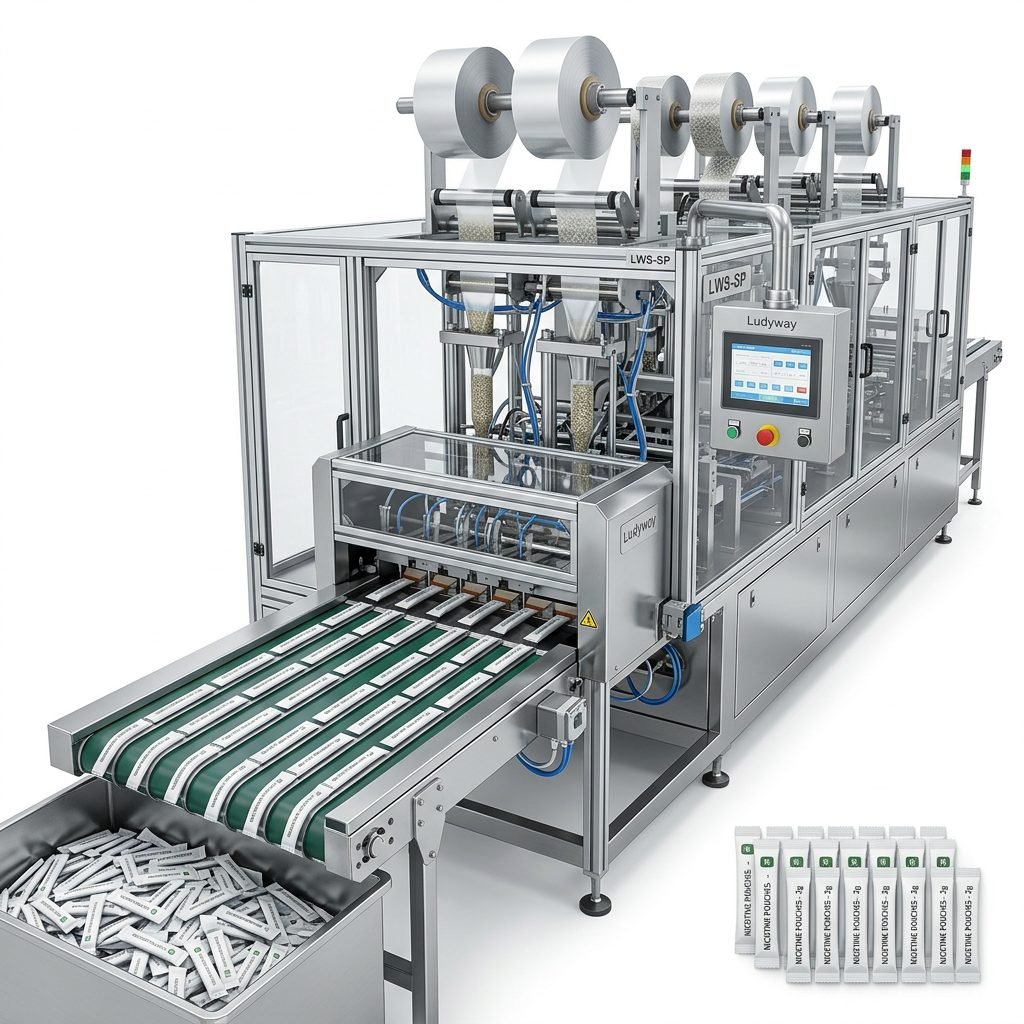
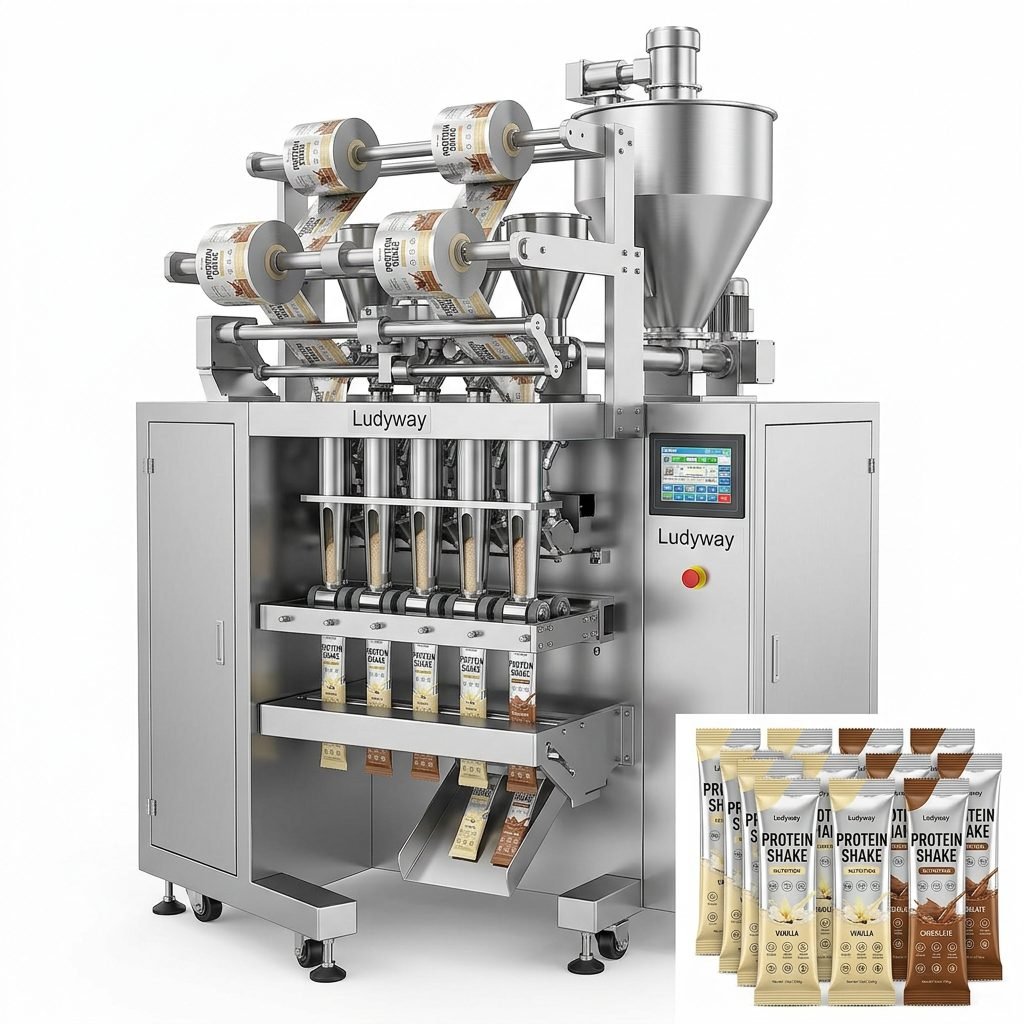
- Stick pack machines: Perfect for single-serving protein bars in elongated formats
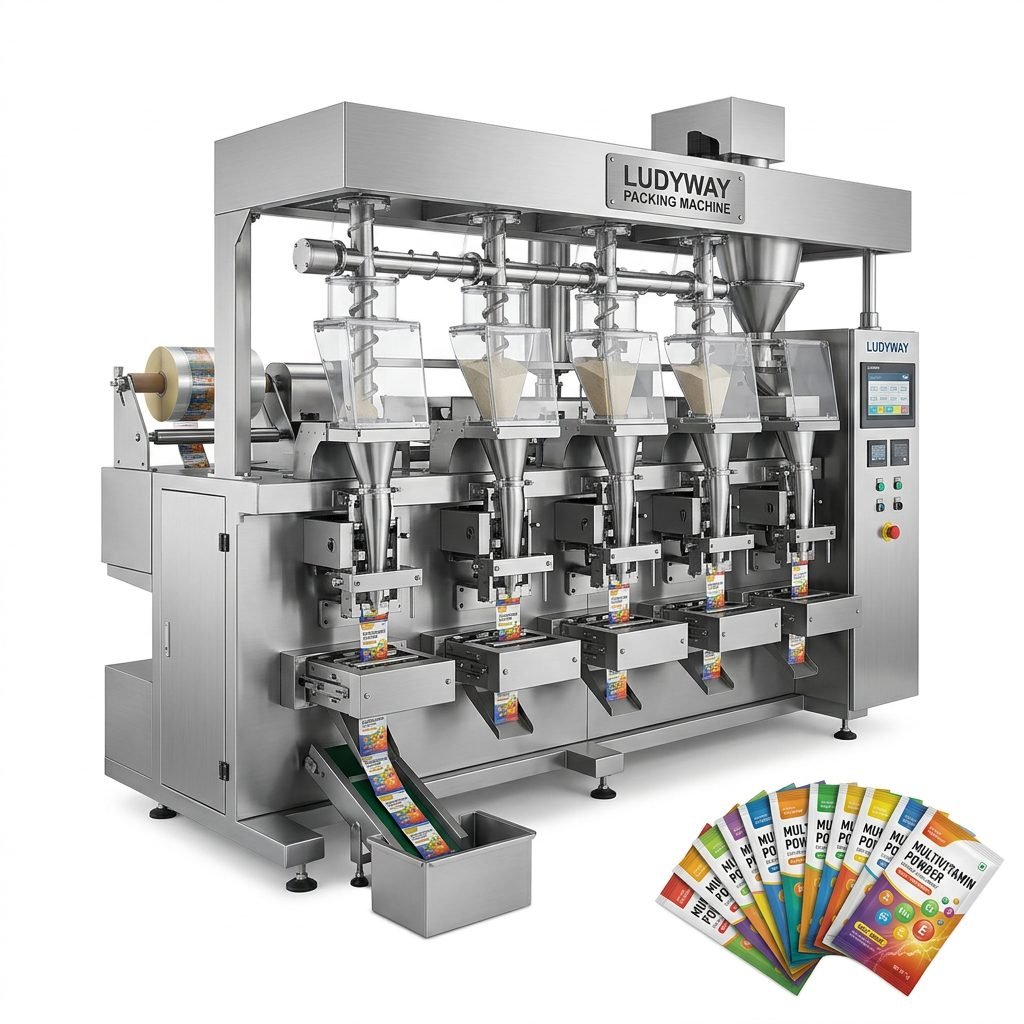
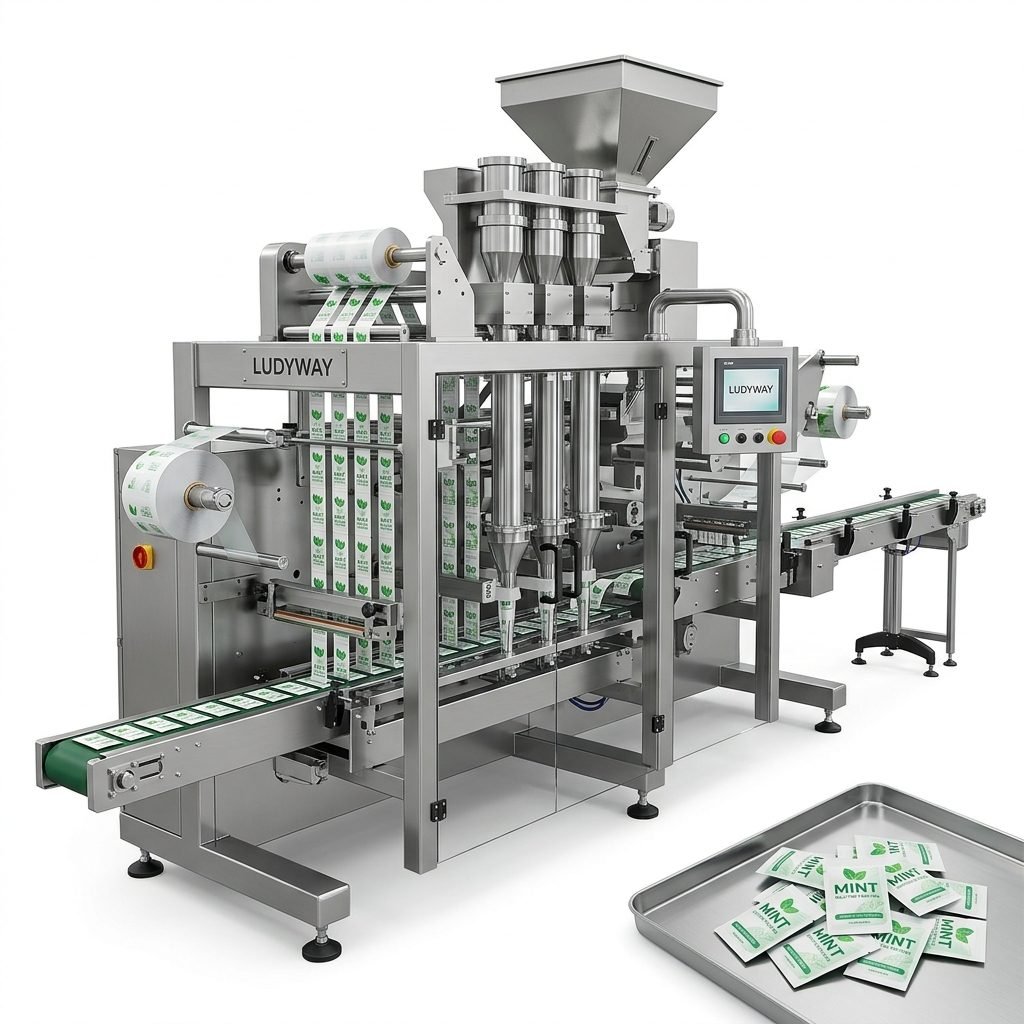
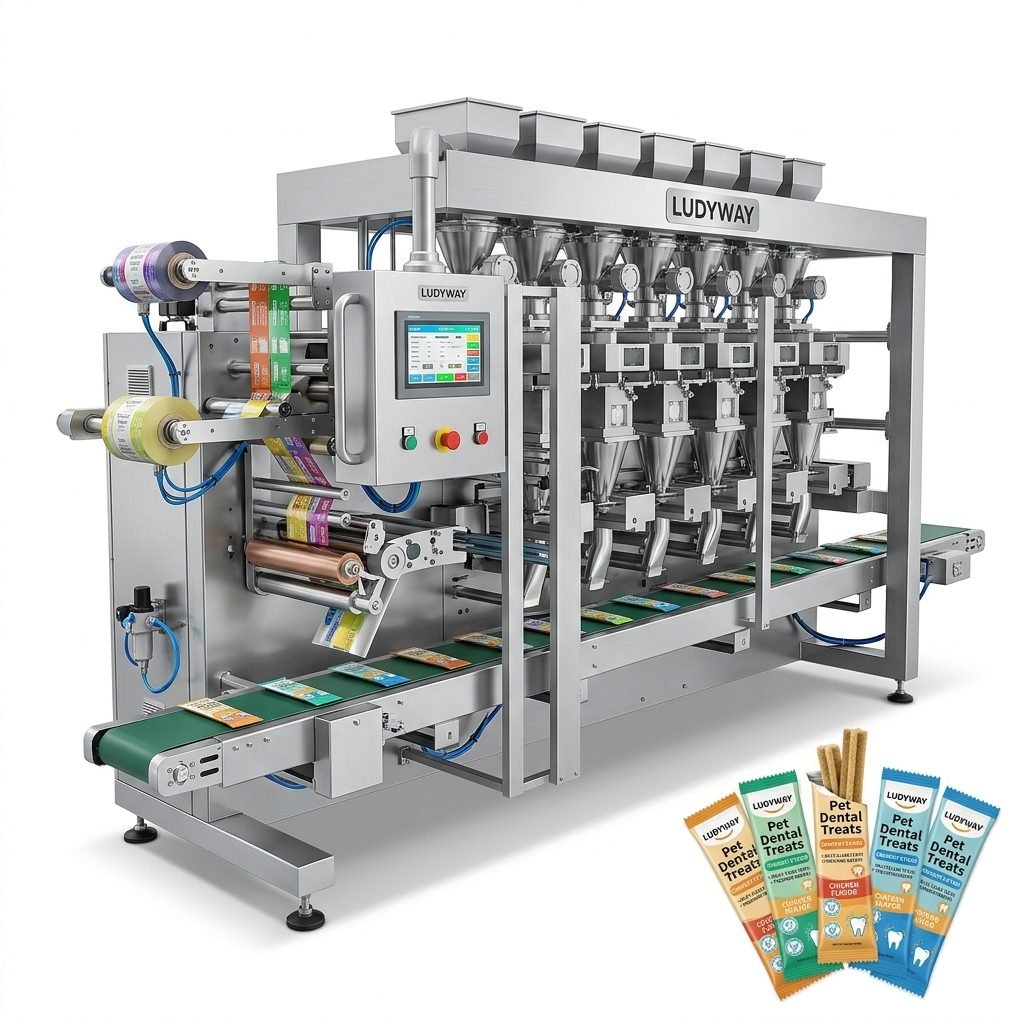
- Multi-lane sachet machines: Enables simultaneous packaging of multiple bars across parallel lanes
When evaluating equipment, prioritize build quality, sealing reliability, and ease of changeover between different bar sizes and packaging materials. The sealing system must deliver consistent hermetic seals to maintain product freshness and prevent contamination.
Step 4: Configure Feeding, Alignment, and Detection Systems
Precise product feeding is essential for consistent packaging quality. Automated feeding systems such as vibratory conveyors, belt feeders, and robotic pick-and-place units align each protein bar before it enters the packaging station. Key considerations for feeding system configuration:
- Product orientation: Bars must be consistently positioned for accurate wrapping
- Gap control: Maintaining proper spacing between bars prevents jams and misfeeds
- Infeed speed synchronization: The feeder must match the packaging machine’s operating speed
- Gentle handling: Minimizing product damage, especially for bars with delicate coatings
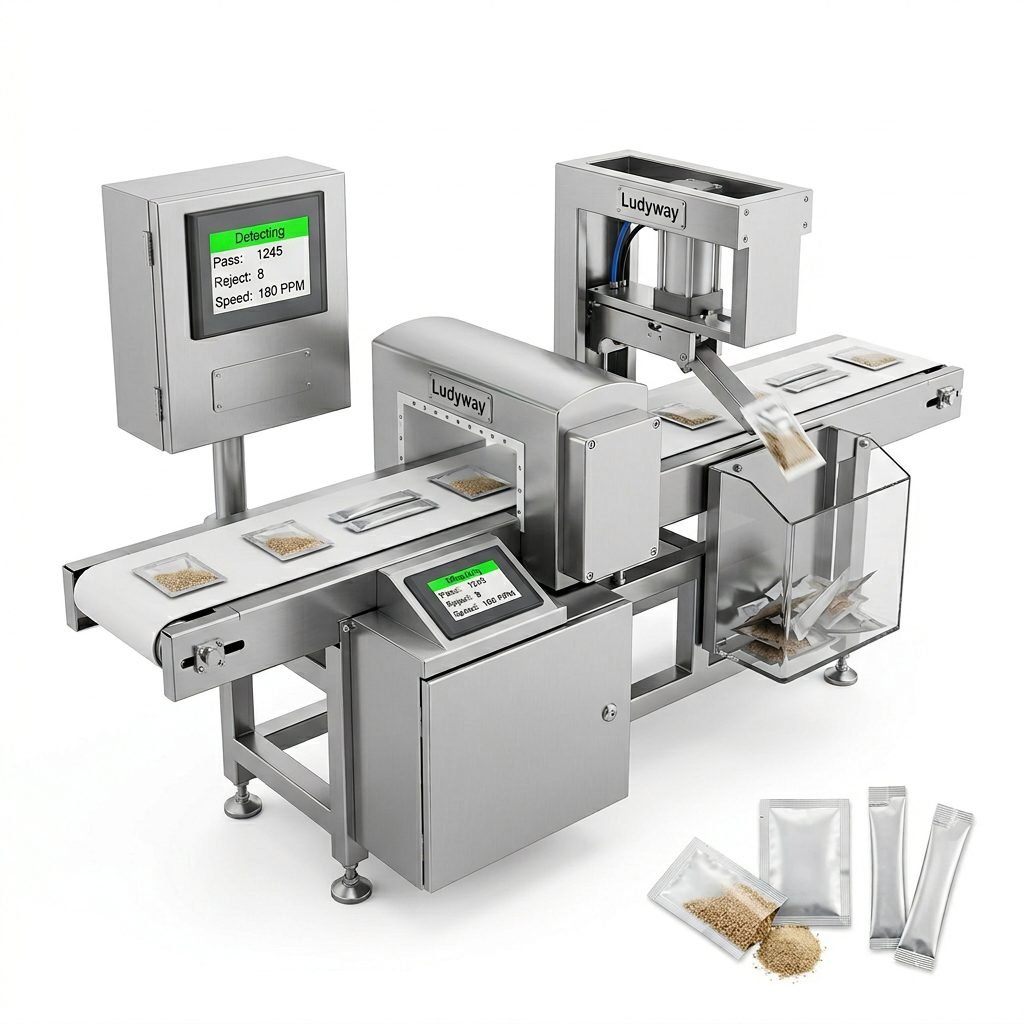
Integrate metal detection and checkweighing systems directly into the line to ensure product safety and weight accuracy. Modern packaging industry standards recommend critical control points at both the infeed and outfeed stages of the packaging process.
Step 5: Integrate Quality Control and Inspection Modules
Quality assurance is non-negotiable in food packaging operations. Your production line should incorporate multiple inspection points to detect defects before products reach consumers. Essential quality control equipment includes:
- Vision inspection systems: Verify seal integrity, print quality, and label placement
- X-ray inspection units: Detect foreign objects and product density anomalies
- Checkweighers: Ensure each package meets specified weight tolerances
- Seal integrity testers: Identify leaks or weak seals that compromise product shelf life
- Reject systems: Automatically remove non-conforming packages from the production flow
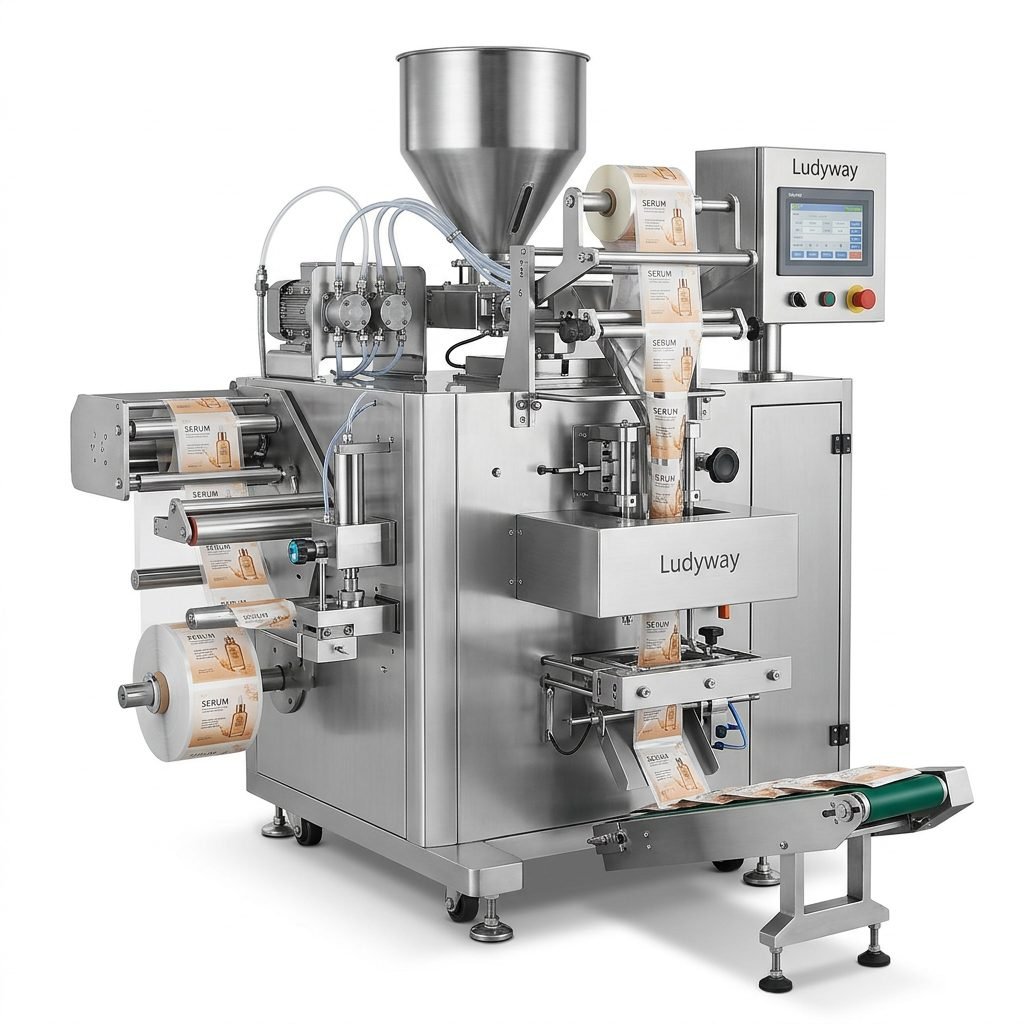
Companies like Ludyway, one of the largest packaging machine manufacturers in China with over 30 years of industry expertise and a modern 20,000㎡ manufacturing facility, provide integrated turnkey packaging solutions that incorporate these quality control modules seamlessly into multi-lane packaging lines. With more than 50 intelligent packaging machine models serving customers in over 100 countries, Ludyway is expected to achieve export revenue of more than RMB 500 million (approximately US$69 million) in 2025 and plans to surpass RMB 1 billion (approximately US$138 million) in export revenue in 2026, reflecting the growing global demand for reliable, high-performance packaging equipment.
Step 6: Conduct Trial Runs, Calibration, and Operator Training
Before full-scale production begins, comprehensive testing and calibration are essential. This phase validates that all equipment components work together harmoniously and produce consistent, high-quality output. The trial run process should include:
- Running the line at various speeds to identify bottlenecks and optimize throughput
- Testing with different packaging film materials to verify sealing parameters
- Calibrating temperature controls for optimal heat sealing performance
- Validating date coding and labeling accuracy
- Documenting standard operating procedures (SOPs) for each machine station
Invest in thorough operator training covering machine operation, troubleshooting, cleaning procedures, and safety protocols. Well-trained operators are your first line of defense against downtime and quality issues. Schedule regular refresher training sessions and maintain clear documentation for shift handovers and new employee onboarding.
Step 7: Scale Up to Full Production and Monitor Performance Metrics
Transitioning from trial runs to full production requires a structured approach. Gradually increase line speed while monitoring key performance indicators (KPIs) to ensure quality standards are maintained. Critical metrics to track include:
- Overall Equipment Effectiveness (OEE): Measures availability, performance, and quality
- Reject rate: Percentage of packages failing quality inspection
- Changeover time: Duration required to switch between product variants or packaging formats
- Material waste: Film and product waste as a percentage of total throughput
- Downtime frequency and duration: Identifies maintenance needs and operator training gaps
Implement a continuous improvement program using data from these metrics. Regular analysis of production data helps identify trends, predict maintenance requirements, and optimize line performance over time. Industry benchmarks from organizations like the Flexible Packaging Association provide valuable reference points for evaluating your operation’s efficiency.

Step 8: Establish Maintenance Schedules and Spare Parts Management
Preventive maintenance is critical for sustaining long-term production line performance. Develop a structured maintenance program that includes daily, weekly, monthly, and annual tasks. Key maintenance activities for protein bar packaging lines:
- Daily cleaning: Remove product residue from sealing jaws, conveyors, and sensors
- Weekly inspections: Check belt tensions, lubricate moving parts, and verify sensor calibrations
- Monthly servicing: Inspect electrical connections, replace worn components, and test safety systems
- Annual overhaul: Comprehensive machine inspection, replacement of critical wear parts, and software updates
Maintain an inventory of critical spare parts including sealing elements, belts, sensors, and pneumatic components. Having these items on hand minimizes downtime when components fail unexpectedly. Work with your equipment supplier to identify recommended spare parts lists and establish a reliable supply chain for future needs. For insights on packaging machinery standards and best practices, industry associations offer comprehensive guidelines.