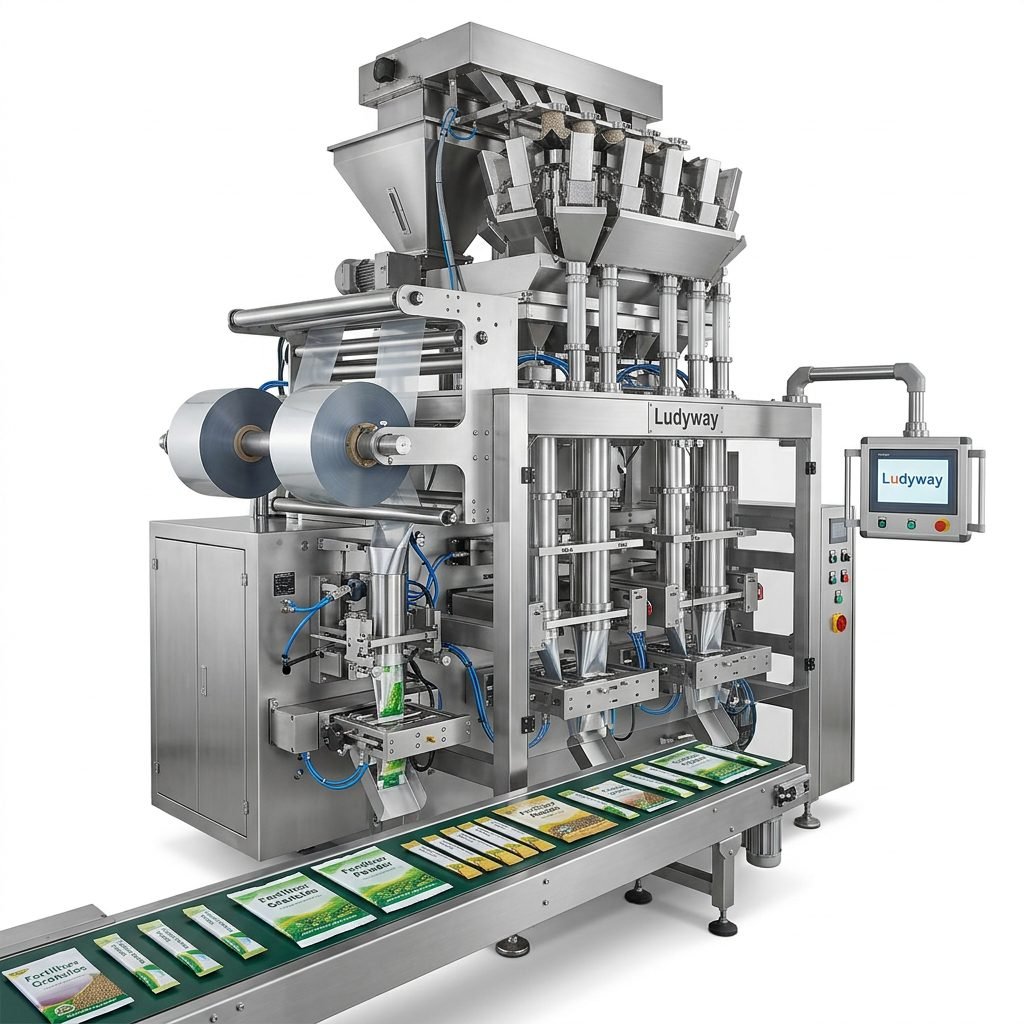
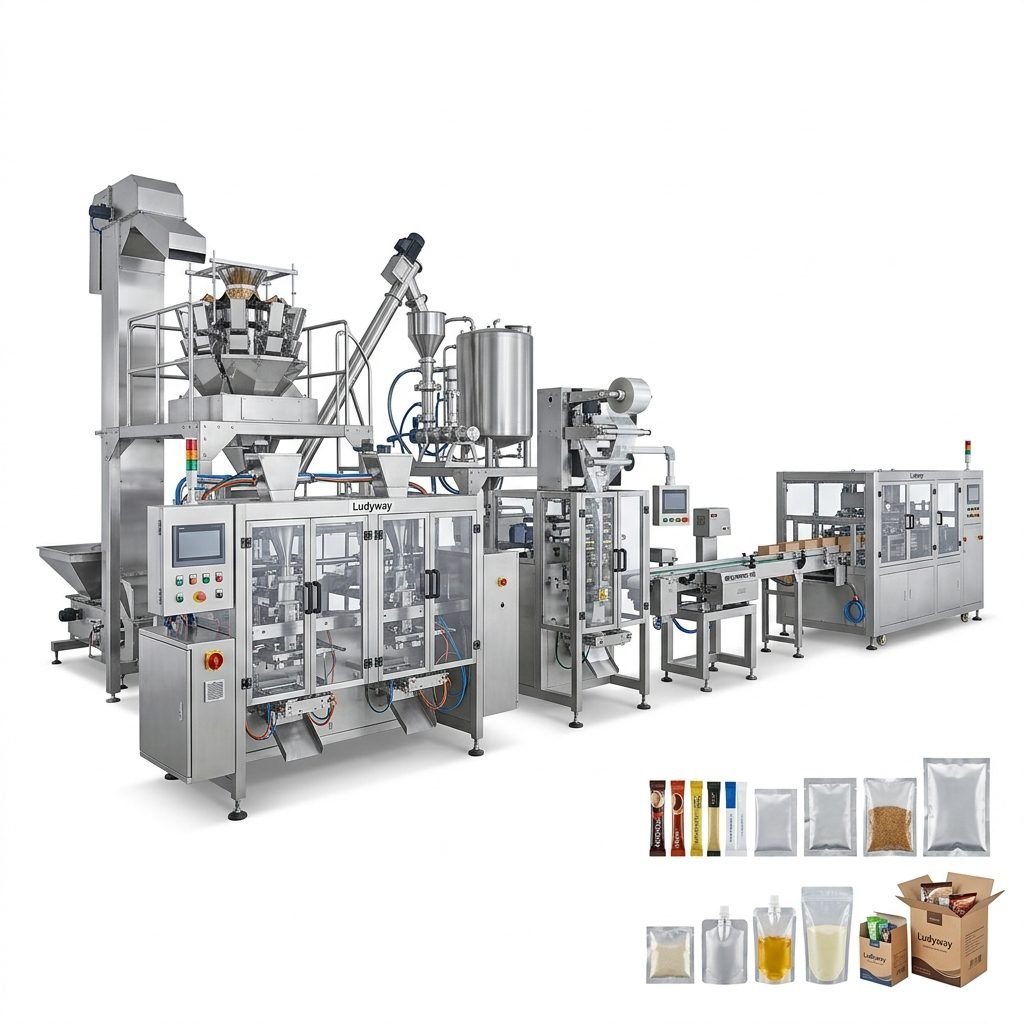
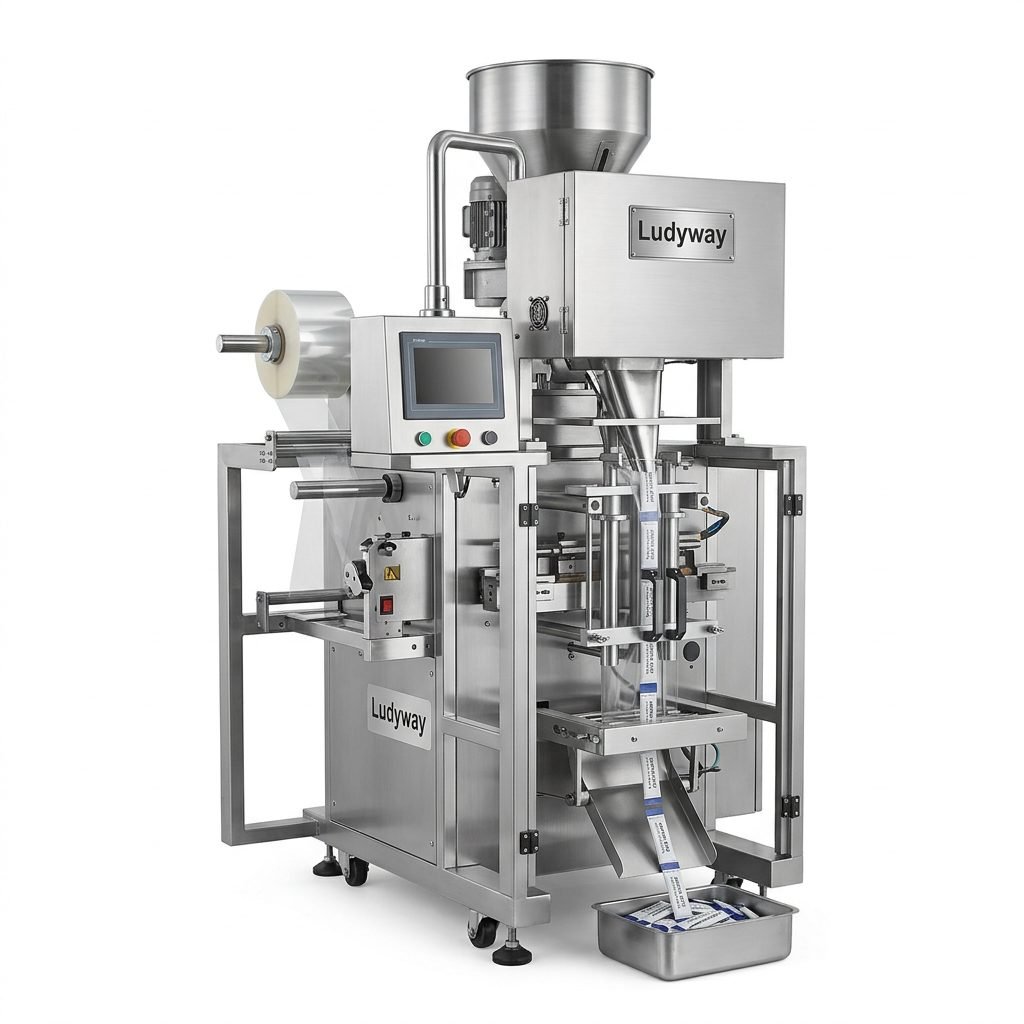
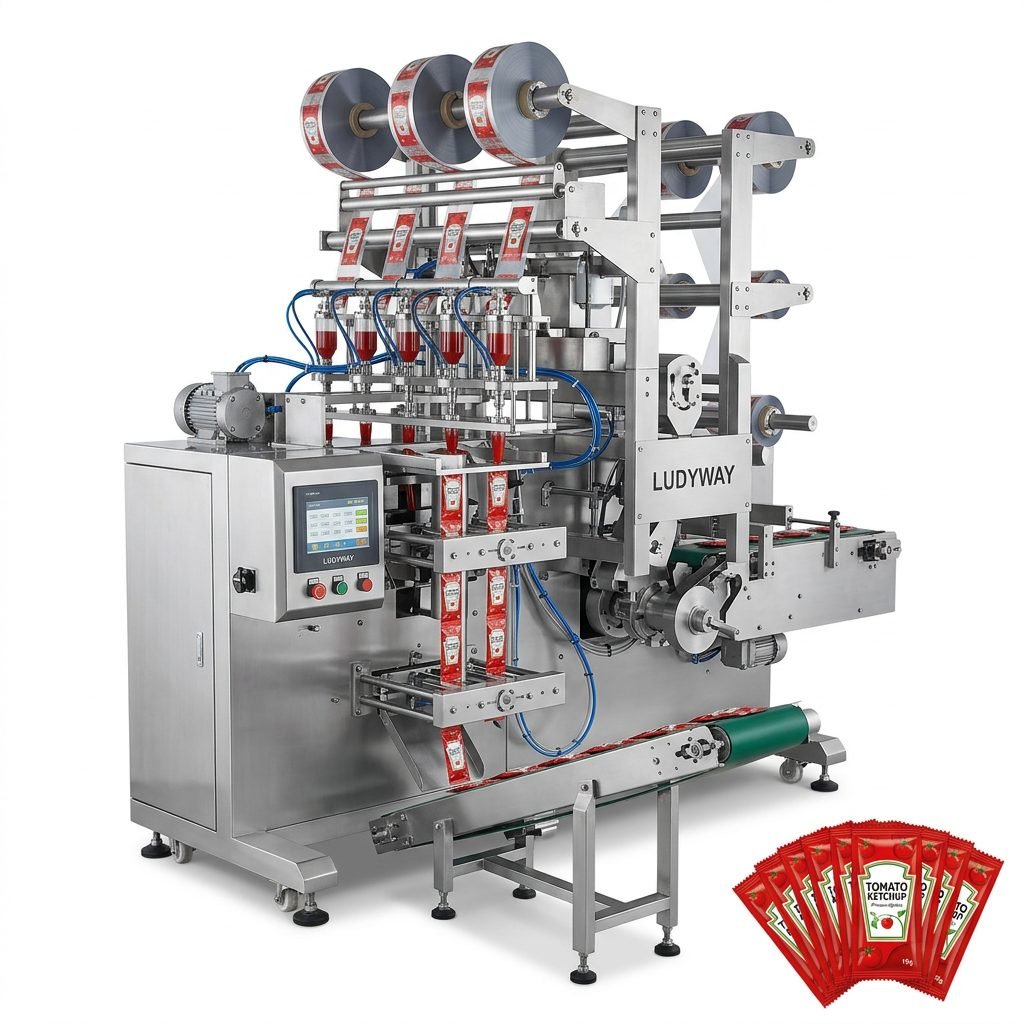
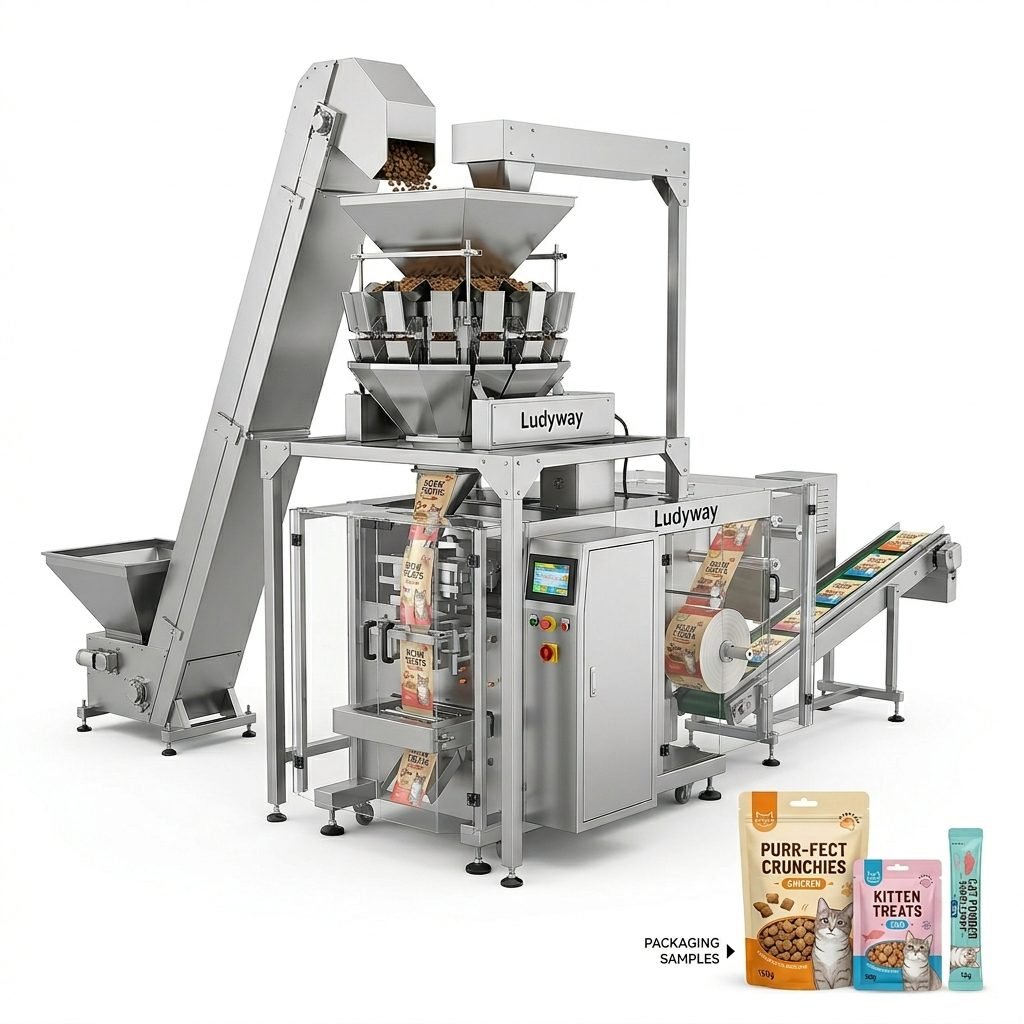
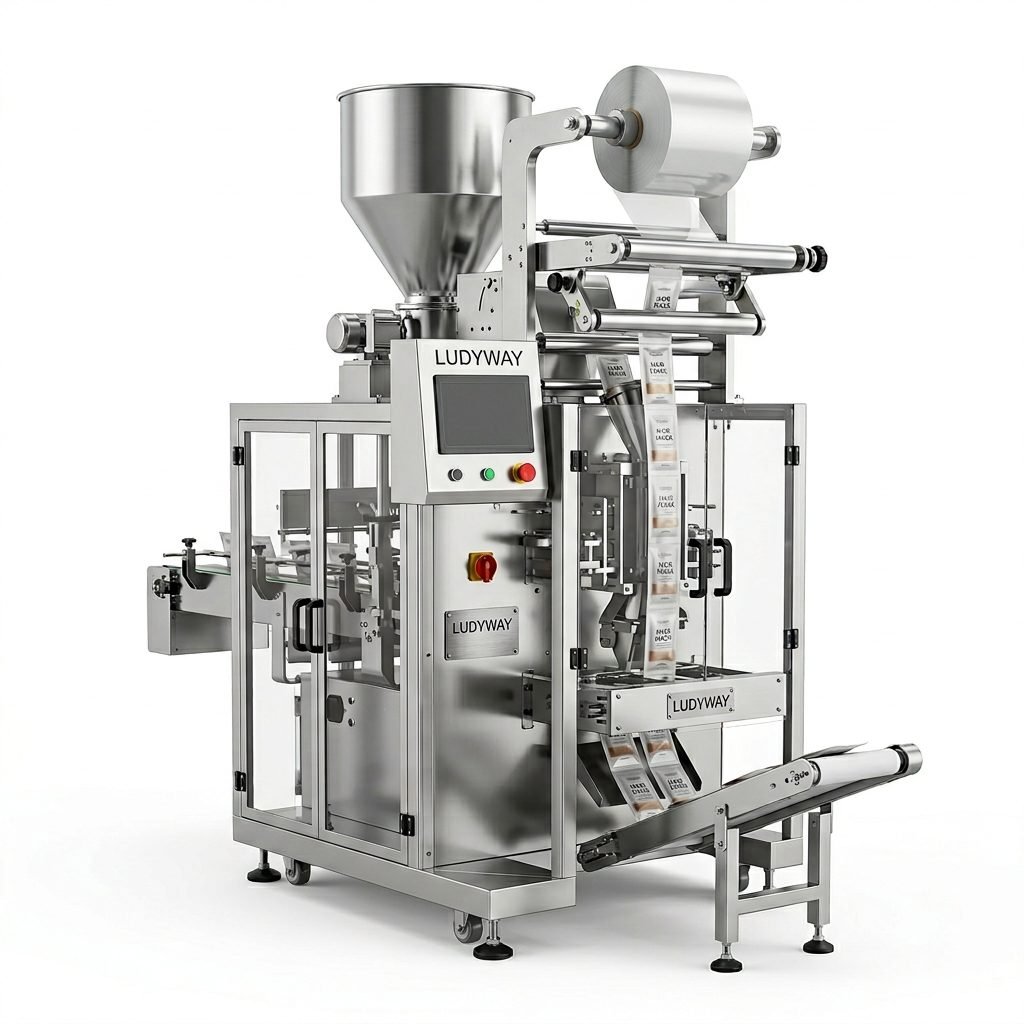
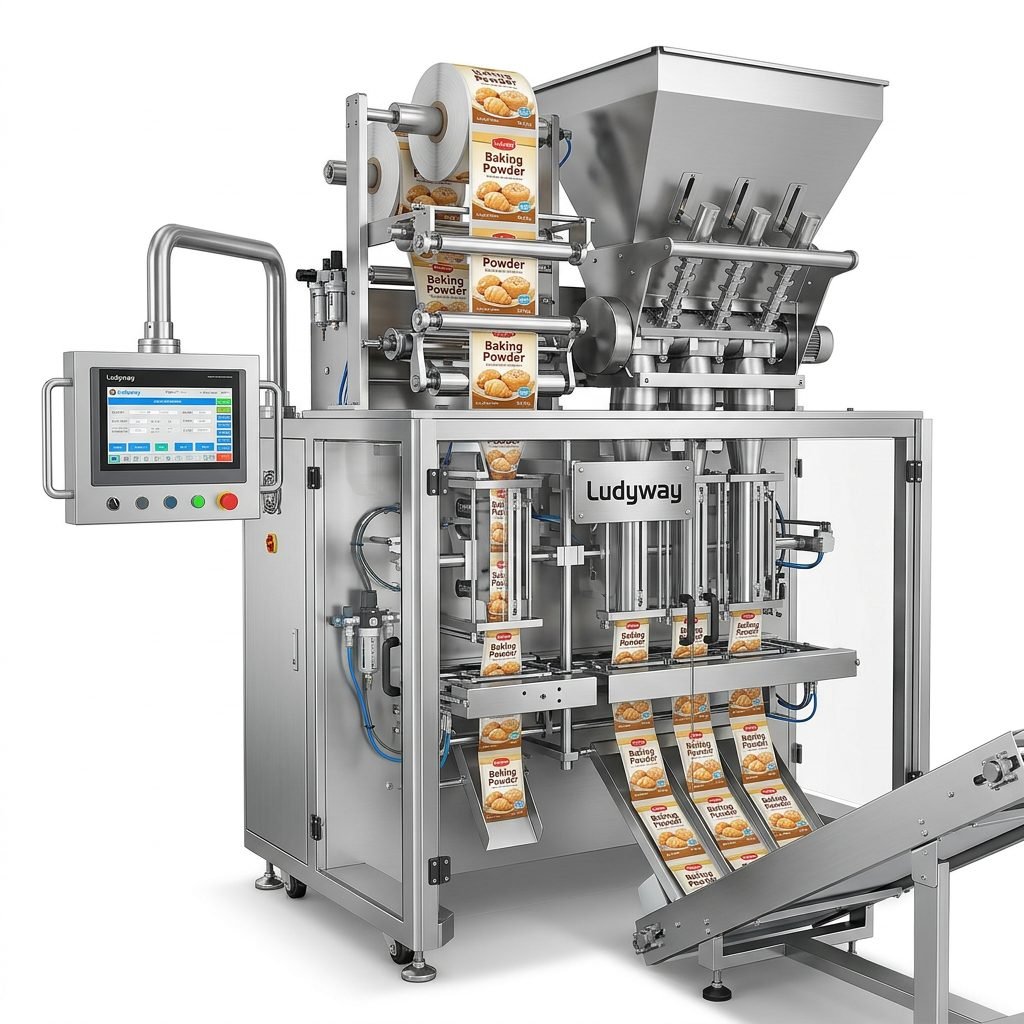
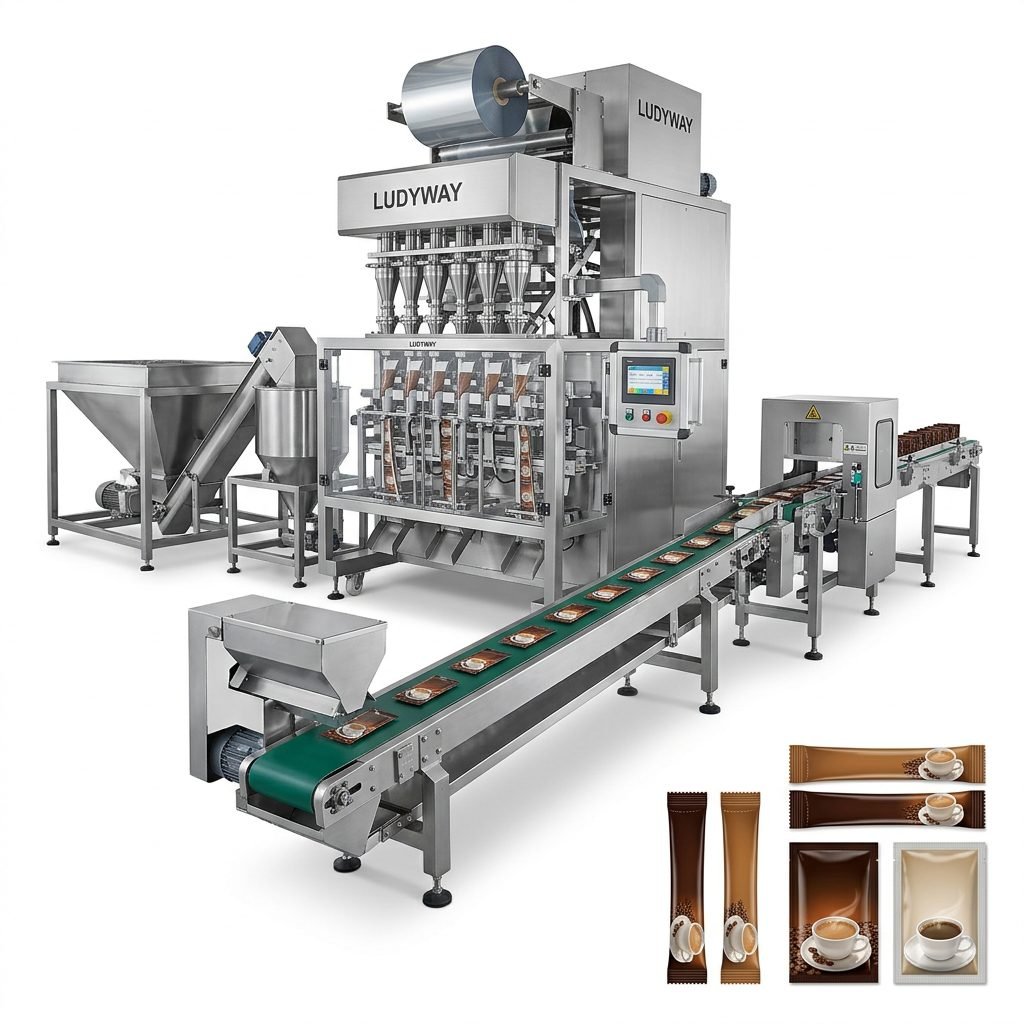
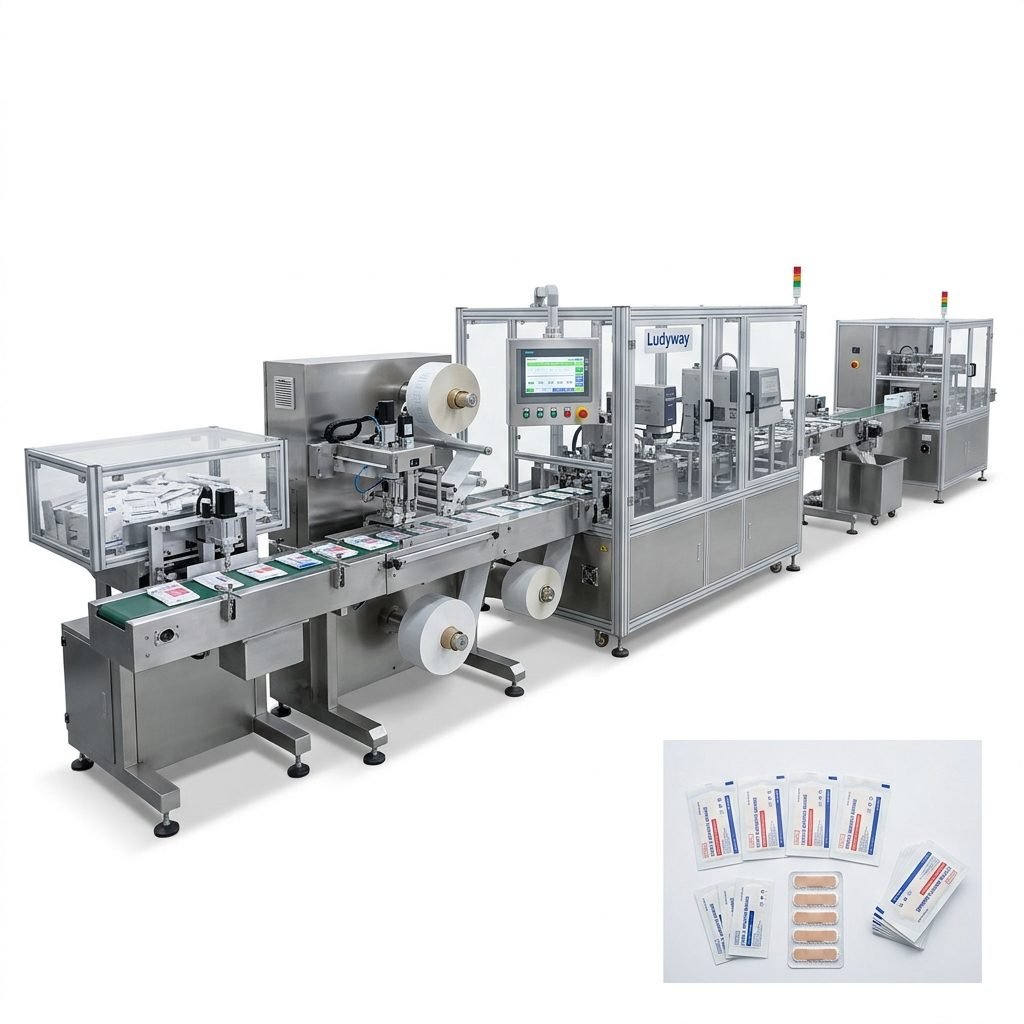
Regular maintenance of a hand wrapper packaging machine is essential for ensuring consistent output, minimizing downtime, and extending equipment lifespan. Whether you operate a single-lane system or a fully integrated packaging line, following a structured upkeep routine can significantly improve operational reliability and product quality.
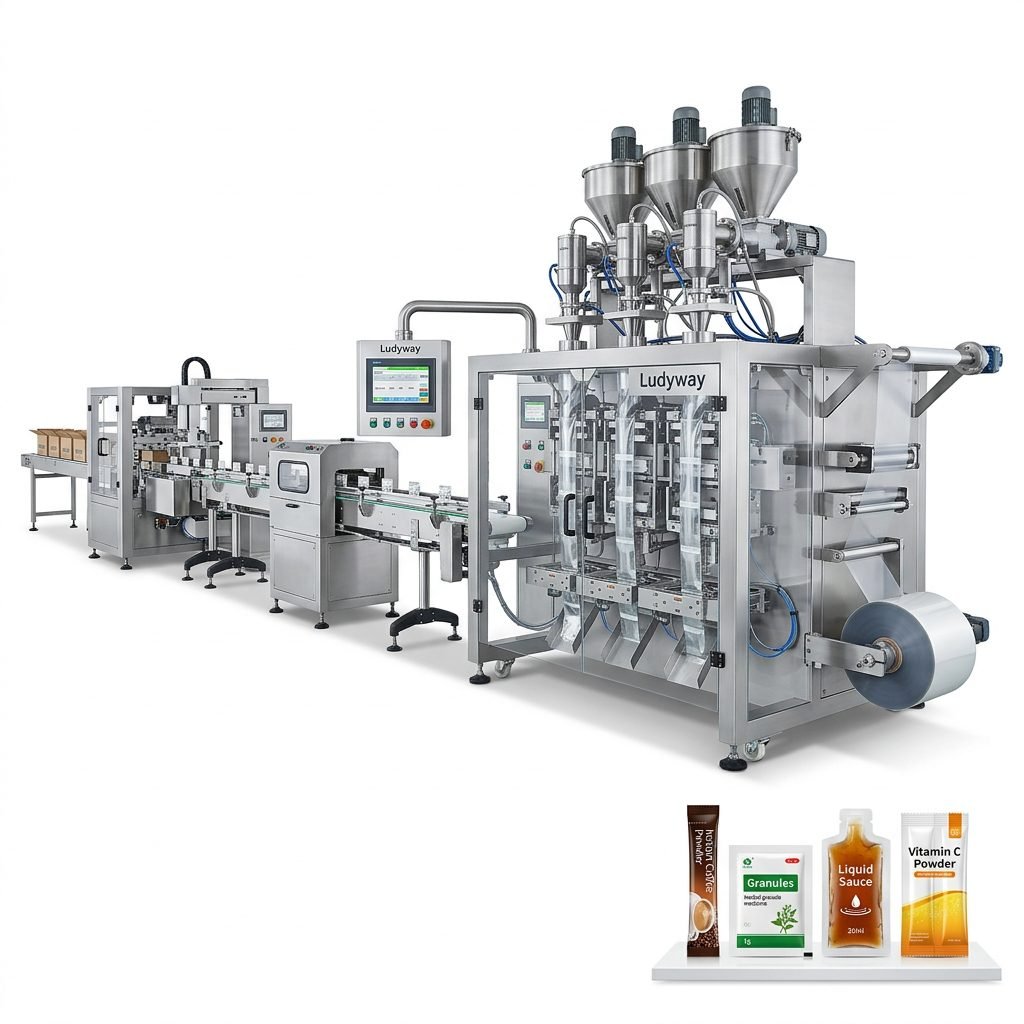
Why Preventative Maintenance Matters
Without proper care, even the most robust packaging machinery can experience premature wear. Dust accumulation on sealing jaws, misaligned film feeding rollers, and insufficient lubrication are common causes of machine failure. A preventative approach helps you avoid unplanned stoppages and costly repairs while maintaining compliance with food packaging safety standards.
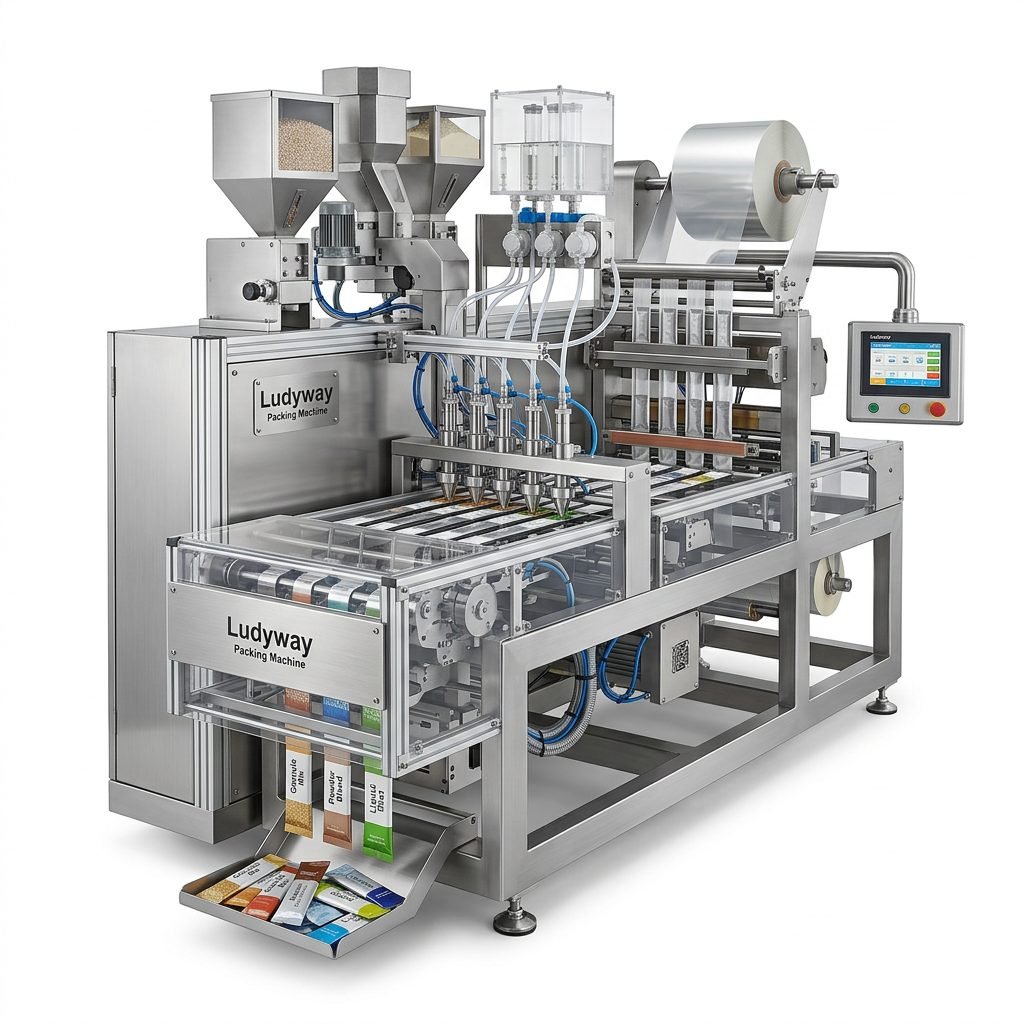
Daily Inspection Checklist
Operators should perform a quick visual and functional inspection at the start of each shift. Key items to check include:
- Film feed alignment – Ensure the wrapping material tracks straight without wrinkling or shifting.
- Sealing jaw temperature – Verify that heating elements reach the correct setpoint before production begins.
- Cutting blade sharpness – Dull blades can cause jagged edges and increase material waste.
- Sensor cleanliness – Dust-covered sensors may trigger false readings or fail to detect film position accurately.
- Emergency stop function – Test all safety mechanisms to confirm proper operation.
Weekly Cleaning Procedures
Thorough cleaning prevents residue buildup that can compromise flexible packaging quality. Focus on these areas during weekly maintenance:
Sealing Section
Remove any melted film residue from the sealing jaws using a soft brass brush. Avoid metal scrapers that can scratch the surface. For stubborn deposits, apply a manufacturer-approved cleaning solvent while the jaws are warm but not at full operating temperature.
Film Path and Rollers
Wipe all rollers with a lint-free cloth and isopropyl alcohol. Check for bearing wear by rotating each roller manually; any roughness or resistance indicates the need for replacement.
Electrical Cabinet
Use compressed air to blow dust from control panels and circuit boards. Never use liquid cleaners near electrical components. Inspect wiring connections for signs of loosening or corrosion.
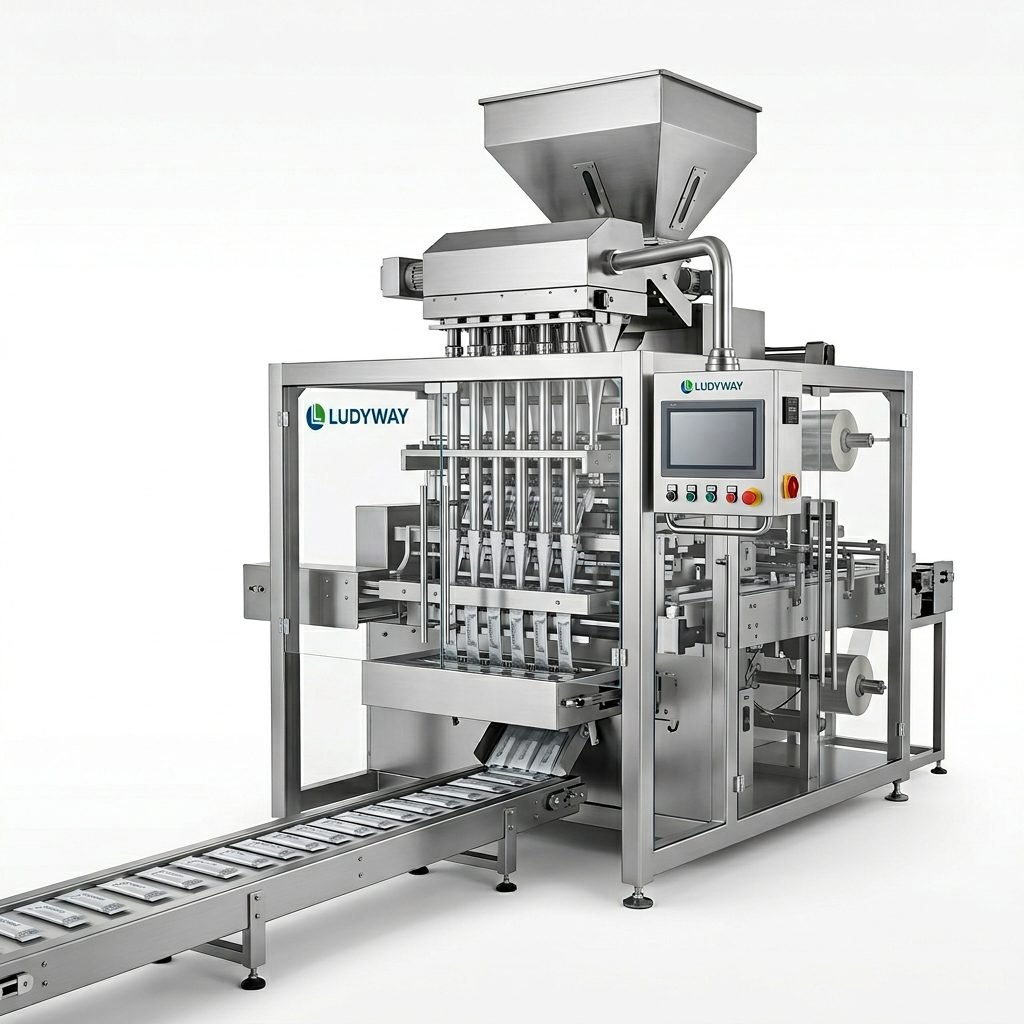
Lubrication Schedule
Proper lubrication reduces friction on moving parts and prevents accelerated wear. The frequency depends on operating speed and environmental conditions. Below is a recommended lubrication guide for common components:
| Component | Lubricant Type | Frequency | Notes |
|---|---|---|---|
| Sealing jaw pivot points | Food-grade grease | Every 200 hours | Clean old grease before reapplying |
| Film unwind shaft bearings | Light machine oil | Weekly | Check for smooth rotation |
| Chain drives and sprockets | Heavy-duty chain oil | Every 500 hours | Inspect tension before lubricating |
| Linear guide rails | Thin-film grease | Monthly | Wipe rails clean first |
| Air cylinder rods | Pneumatic oil (ISO VG32) | Every 300 hours | Avoid over-lubrication |
Critical Component Replacement Intervals
Certain parts have predictable wear patterns and should be replaced proactively. Use the table below as a reference for planning spare parts inventory:
| Component | Expected Lifespan | Warning Signs | Replacement Priority |
|---|---|---|---|
| Heating cartridge | 12-18 months | Temperature fluctuation, slow heat-up | High |
| Thermocouple | 18-24 months | Inaccurate temperature readings | High |
| Cutting blade | 6-12 months | Uneven cuts, film tearing | Medium |
| Drive belt | 12-24 months | Slipping, cracking, fraying edges | Medium |
| Photoelectric sensor | 24-36 months | Intermittent detection failures | Low |
| Sealing silicone pad | 3-6 months | Surface hardening, uneven impression | High |
Common Troubleshooting Scenarios
Film Wrinkling During Wrapping
Wrinkling usually indicates incorrect film tension or misaligned rollers. Adjust the tension control knob gradually while observing film behavior. If wrinkling persists, inspect all guide rollers for parallel alignment and check that the film roll is seated correctly on the unwind mandrel.
Inconsistent Seal Quality
When seals vary in strength across production runs, first verify that the sealing jaw temperature is stable within ±2°C of the setpoint. Next, check for uneven jaw pressure by performing a carbon paper impression test. Pressure should be uniform across the entire sealing surface.
Machine Vibration or Unusual Noise
Excessive vibration often stems from loose mounting bolts, worn bearings, or unbalanced rotating components. Tighten all frame bolts to the manufacturer’s torque specifications. Listen for grinding or clicking sounds that may indicate bearing failure or gear misalignment.
Optimizing Machine Settings for Longevity
Operating your equipment within recommended parameters significantly extends its service life:
- Speed settings – Running consistently at maximum rated speed accelerates wear. Aim to operate at 70-85% of maximum capacity for optimal balance between output and durability.
- Temperature calibration – Calibrate temperature controllers quarterly using an external thermocouple probe to verify accuracy.
- Film tension – Excessive tension strains motors and bearings. Use the minimum tension that maintains wrinkle-free film feed.
- Dwell time – Extended sealing dwell time beyond what is necessary can degrade heating elements faster.
Training Operators for Better Machine Care
Well-trained operators are your first line of defense against equipment breakdowns. Ensure all personnel understand:
- Proper start-up and shutdown sequences
- How to identify early warning signs of component failure
- Basic cleaning and lubrication procedures
- When to escalate issues to maintenance technicians
- Accurate record-keeping for maintenance activities
Documentation and Record Keeping
Maintaining detailed service logs helps track patterns and predict future maintenance needs. Record the following for each service event:
- Date and time of maintenance
- Components inspected, cleaned, or replaced
- Any abnormalities observed during inspection
- Parts used and their serial or batch numbers
- Signature of the technician who performed the work
When to Call a Professional Service Technician
While routine maintenance can be handled in-house, certain situations require expert intervention. Contact a certified technician if you encounter:
- Persistent seal quality issues after troubleshooting temperature and pressure
- PLC or HMI error codes that cannot be resolved through the user manual
- Structural damage to the machine frame or welding points
- Electrical faults including frequent breaker trips or burning odors
- Servo motor positioning errors that recalibration does not fix
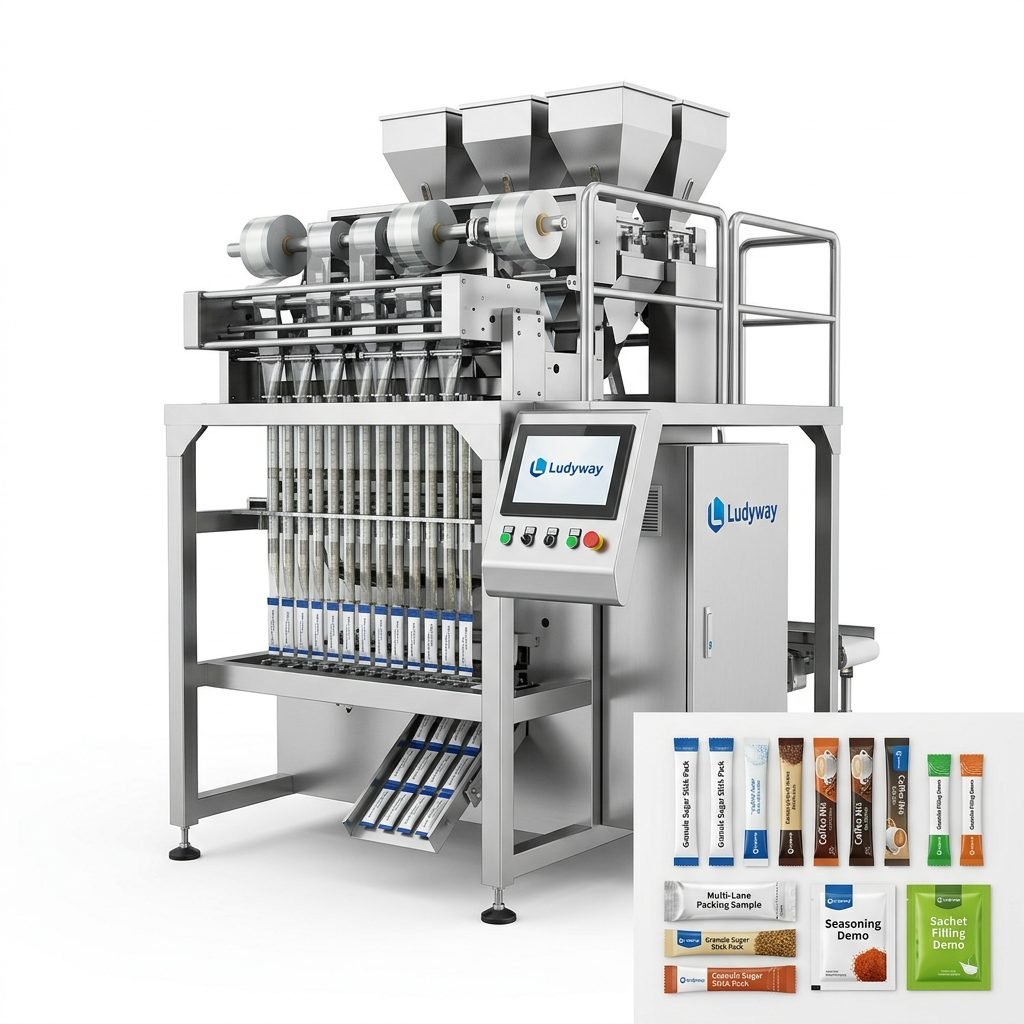
For businesses seeking reliable equipment backed by comprehensive technical support, Ludyway offers a wide range of packaging solutions designed for long-term dependability. With over 30 years of industry experience and a modern 20,000㎡ manufacturing facility, the company provides more than 50 intelligent packaging machine models to customers in over 100 countries and regions.

Spare Parts Management
Keeping critical spare parts on hand minimizes production interruptions when replacements are needed. A recommended inventory includes:
- Heating cartridges and thermocouples
- Sealing jaw silicone pads
- Drive belts of each size used in the machine
- Photoelectric sensor units
- Common bearing sizes
- Emergency stop switches and relays
Final Recommendations
Consistency is the key to reliable machine performance. Establish a structured maintenance schedule that integrates daily, weekly, monthly, and quarterly tasks. Train all operators thoroughly, maintain accurate service records, and partner with a reputable equipment supplier for ongoing technical support. By investing time in proper upkeep, you protect your production capacity and ensure consistent packaging quality for years to come.
For additional information on industry best practices, visit the PMMI business intelligence library or explore resources from the Flexible Packaging Association. Staying informed about ISO packaging standards also helps maintain compliance and operational excellence.