Investing in an automatic grain packing machine is a critical decision for manufacturers in the food, agricultural, chemical, and pharmaceutical industries. The right equipment can significantly improve production efficiency, reduce labor costs, and ensure consistent packaging quality. However, with so many configurations, technologies, and suppliers available, identifying the best machine for your specific application requires a structured evaluation process.
This guide walks you through the essential factors to consider when selecting an automatic grain packing machine, from understanding your product characteristics to evaluating long-term operational costs. For broader context on packaging machinery trends, the PMMI Business Intelligence Library offers valuable industry data and market research.
1. Understand Your Product Characteristics
Before evaluating machine specifications, you must thoroughly analyze the physical properties of the grain or granular product you intend to package. Different granule sizes, flow behaviors, bulk densities, and moisture levels directly influence the type of dosing system and machine configuration required.
Key Product Parameters to Evaluate
- Particle size and uniformity: Free-flowing granules like rice or plastic pellets behave very differently from irregular-shaped products like dried fruits or mixed nuts.
- Bulk density: Products with varying bulk densities require different volumetric or gravimetric filling mechanisms to maintain accuracy.
- Flowability: Cohesive or sticky powders and granules may need assisted feeding systems such as agitators, vibratory trays, or screw feeders.
- Fragility: Friable products subject to breakage during filling need gentle handling systems to preserve product integrity.
- Hygroscopicity: Moisture-sensitive grains may require packaging under controlled humidity or with barrier packaging materials.
The PMMI Packaging Industry Resources provide detailed technical references for matching product characteristics with appropriate packaging technology.
2. Determine Your Packaging Format and Bag Style
Automatic grain packing machines can produce a wide variety of bag formats and sealing styles. Your choice should be driven by market requirements, shelf-life expectations, and distribution channel needs.
Common Packaging Formats for Grain Products
| Bag Format | Best Suited For | Typical Size Range |
|---|---|---|
| Pillow pouch | Small to medium grains, high-speed lines | 1g – 5kg |
| Gusseted pouch | Retail display, larger volumes, stability on shelf | 100g – 10kg |
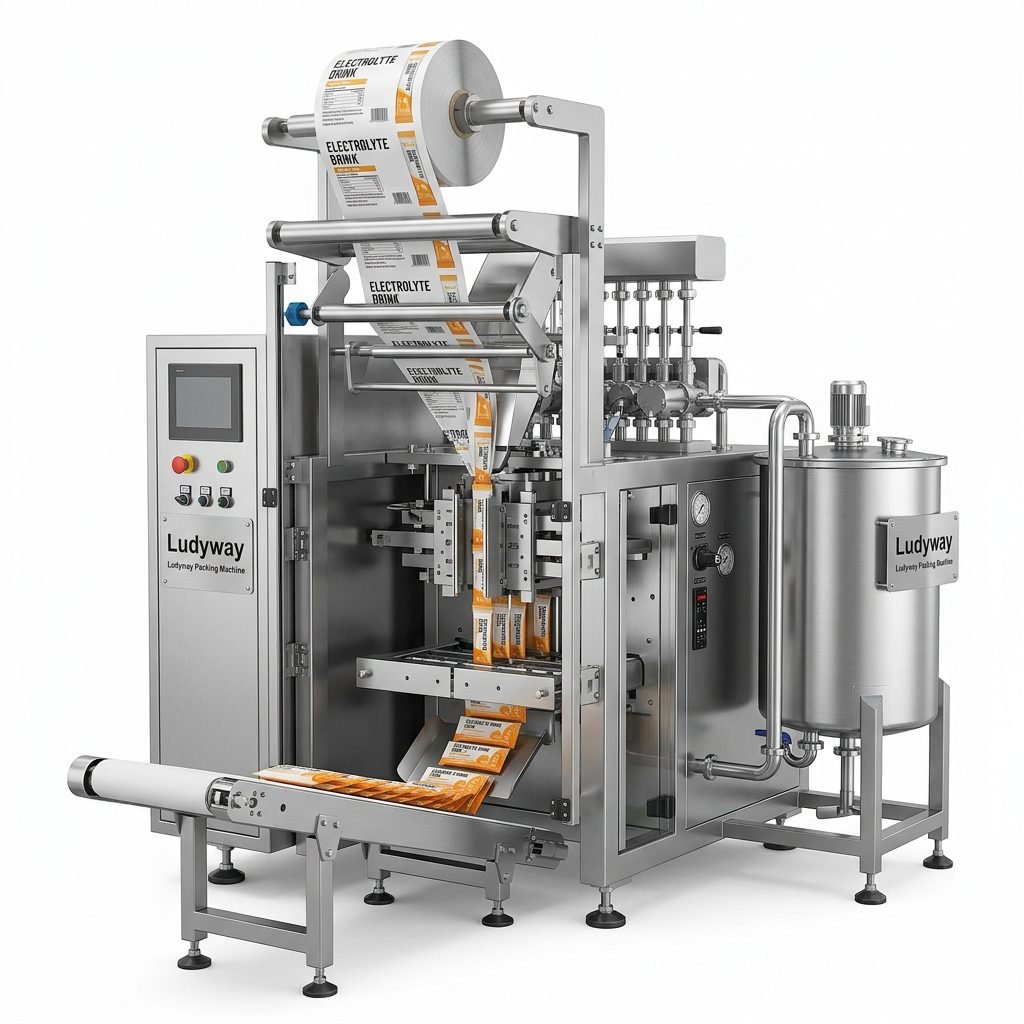
| Stick pack / sachet | Single-serve portions, seasonings, samples | 0.5g – 50g |
| Quad-seal / flat-bottom bag | Premium presentation, coffee, specialty grains | 100g – 5kg |
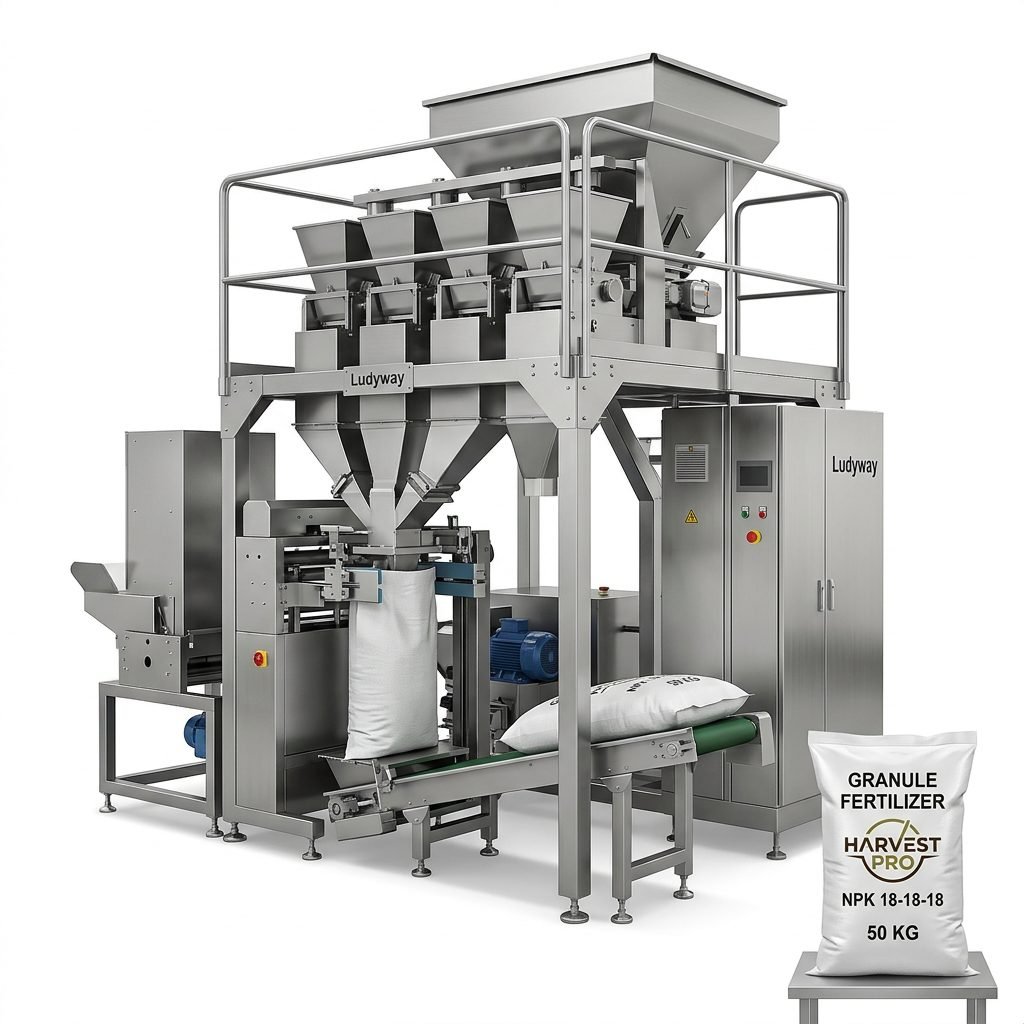
| Valve bag | Bulk industrial grains, construction materials | 5kg – 50kg |
The Flexible Packaging Association offers extensive information on packaging material options and bag format innovations that can help guide your selection.
3. Define Your Production Speed and Capacity Requirements
Production throughput is one of the most important factors in selecting the right machine. Speed requirements should be based on current demand with a clear plan for future growth. A machine that meets today’s needs but cannot scale will become a bottleneck within a few years.
Questions to Assess Speed Requirements
- What is your target output per shift or per day?
- How many SKUs and changeovers will the machine handle?
- Do you require multi-lane configurations to achieve higher throughput without increasing floor space?
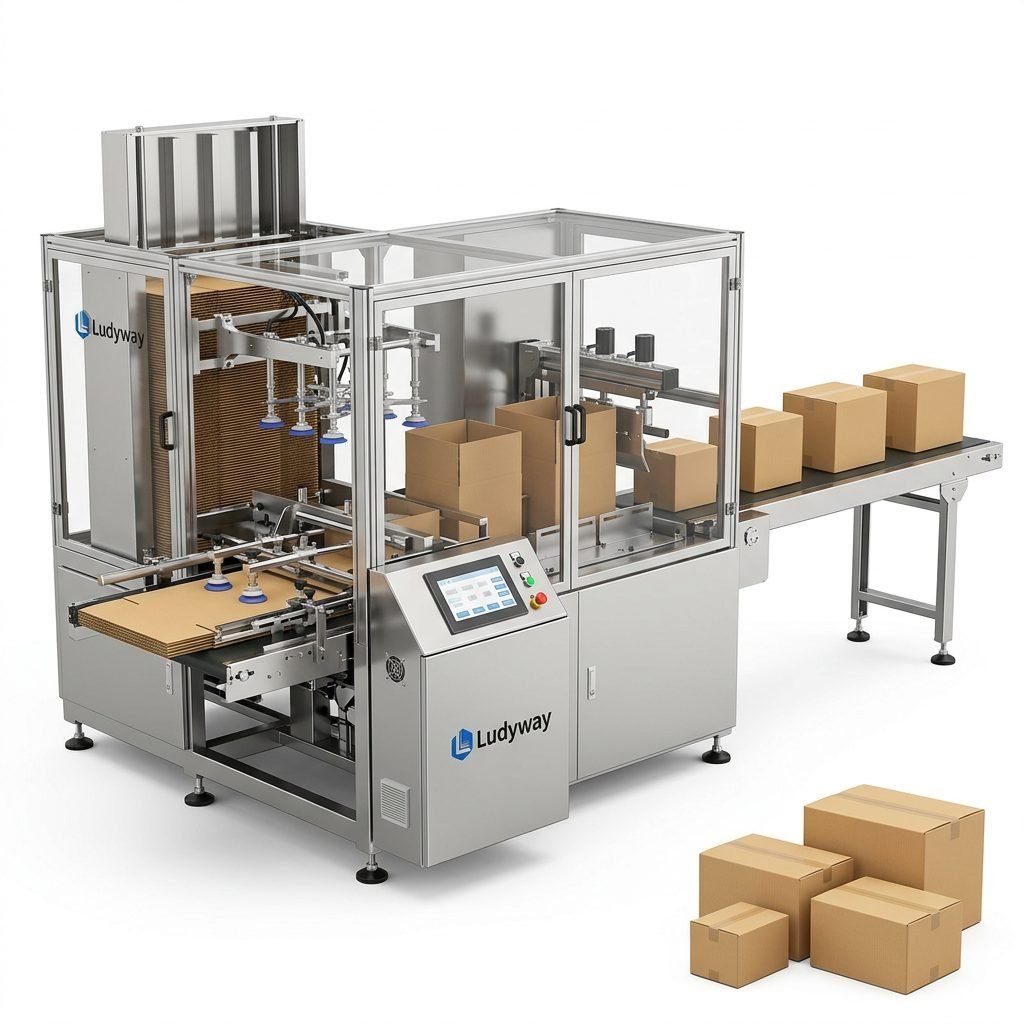
- Will the machine need to integrate with upstream and downstream equipment such as conveyors, checkweighers, and cartoners?
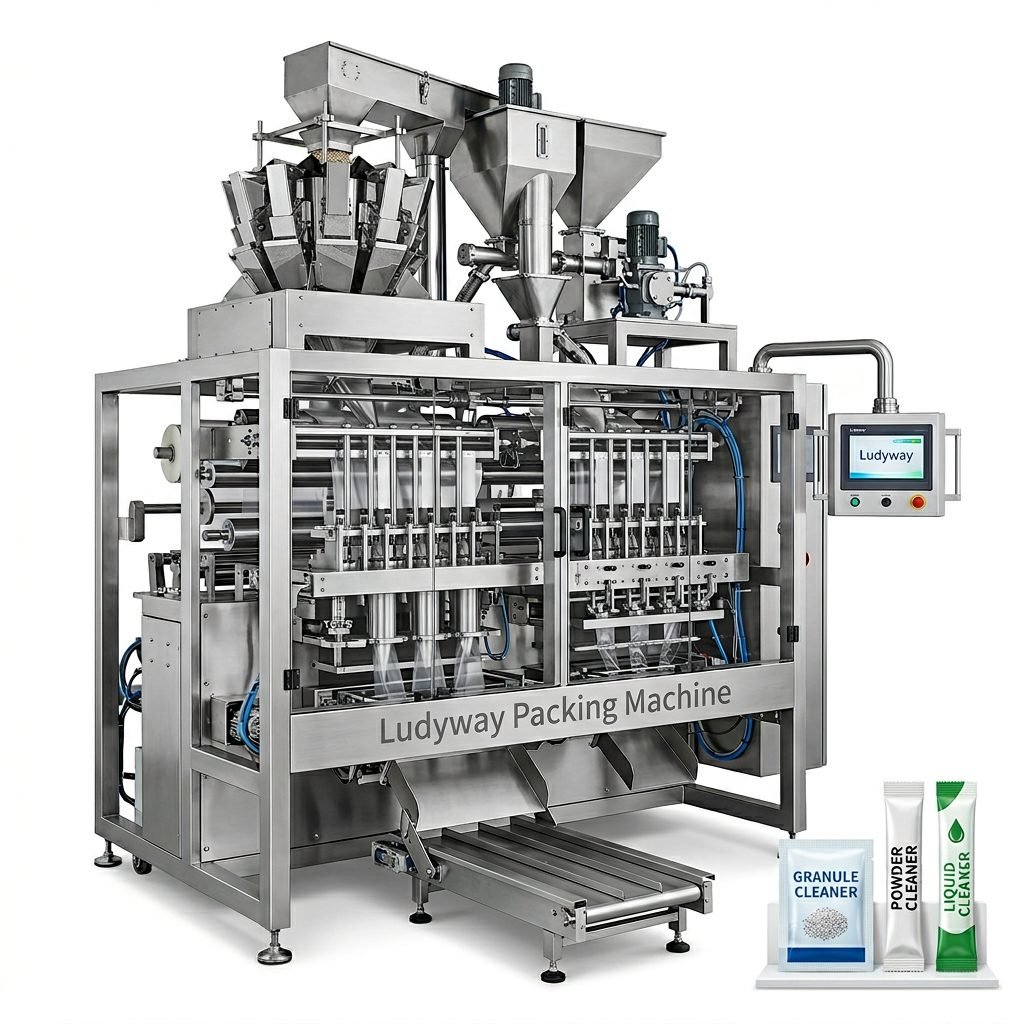
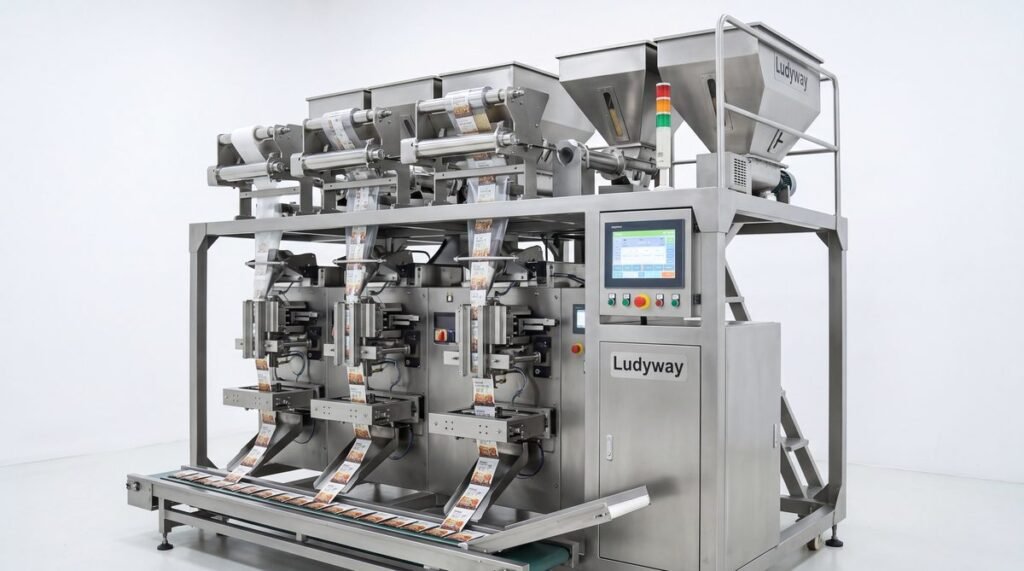
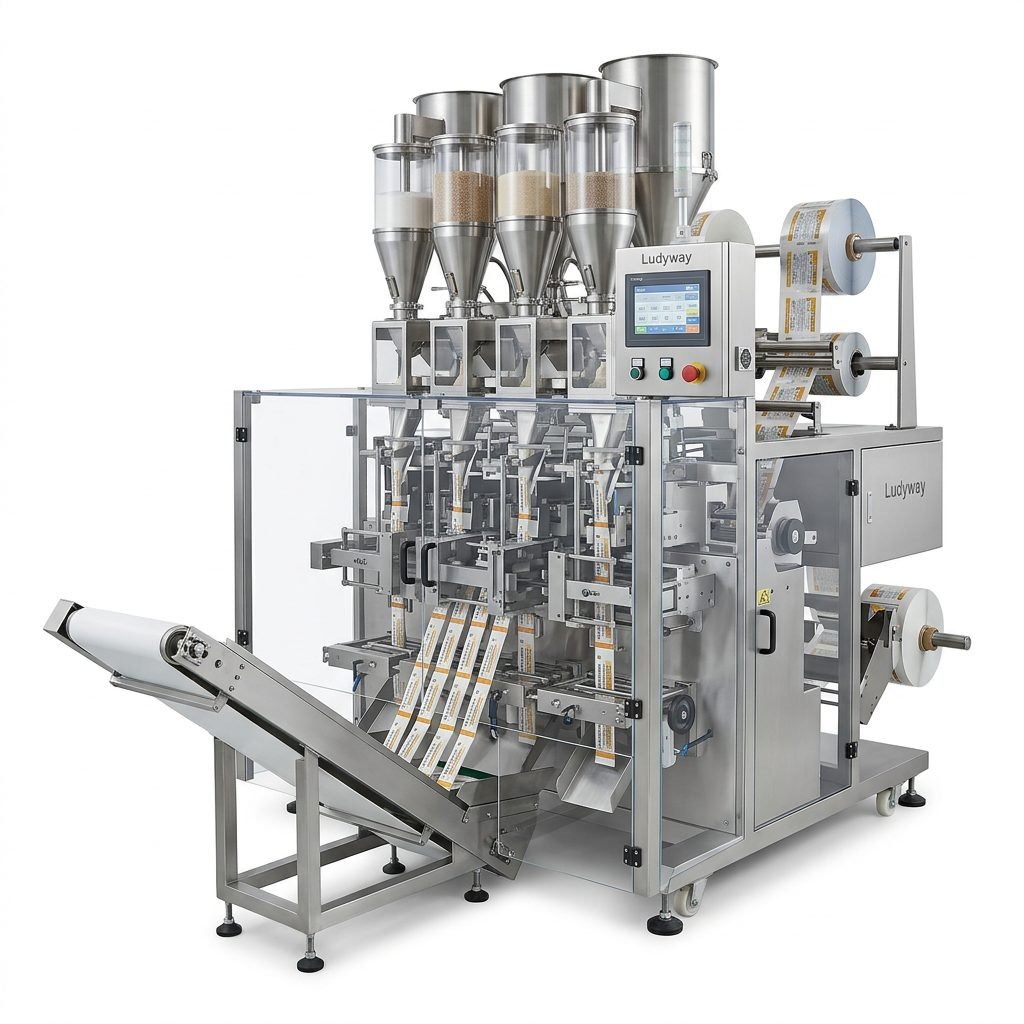
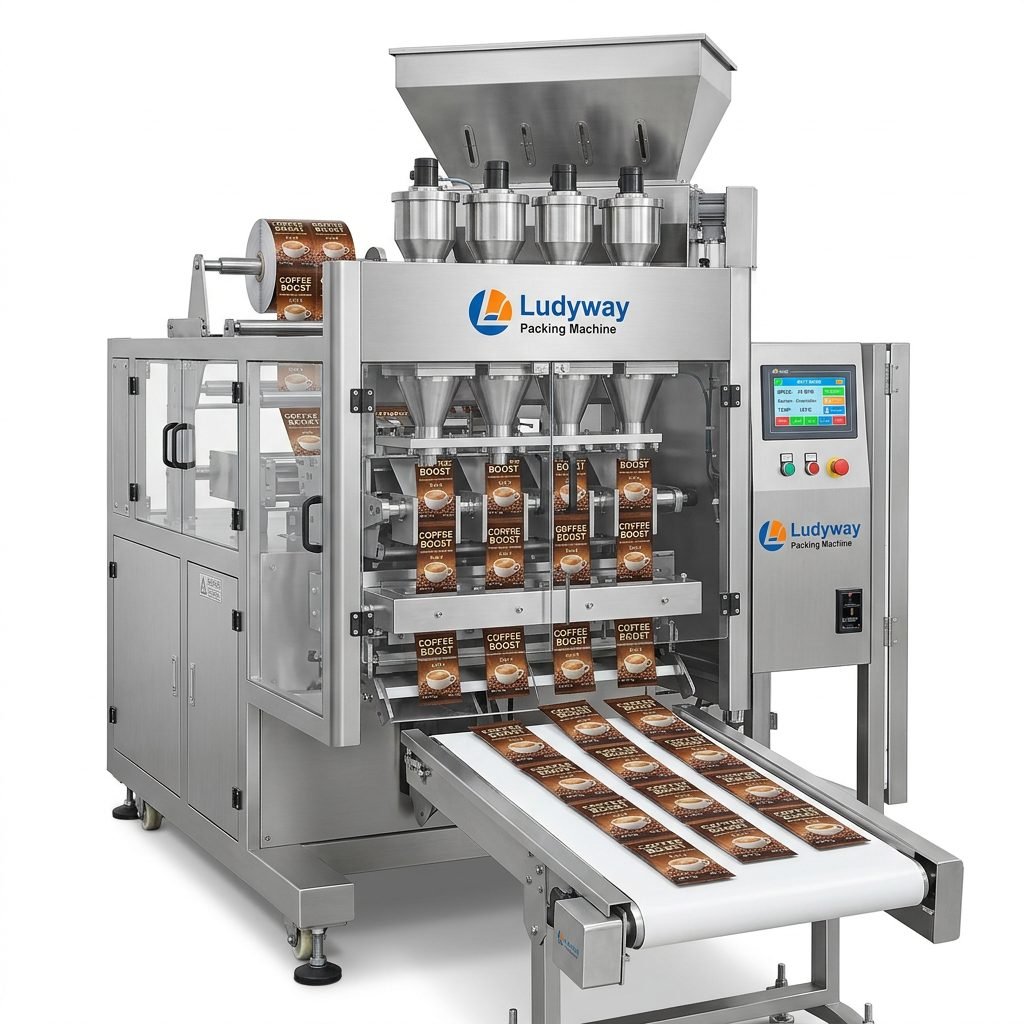
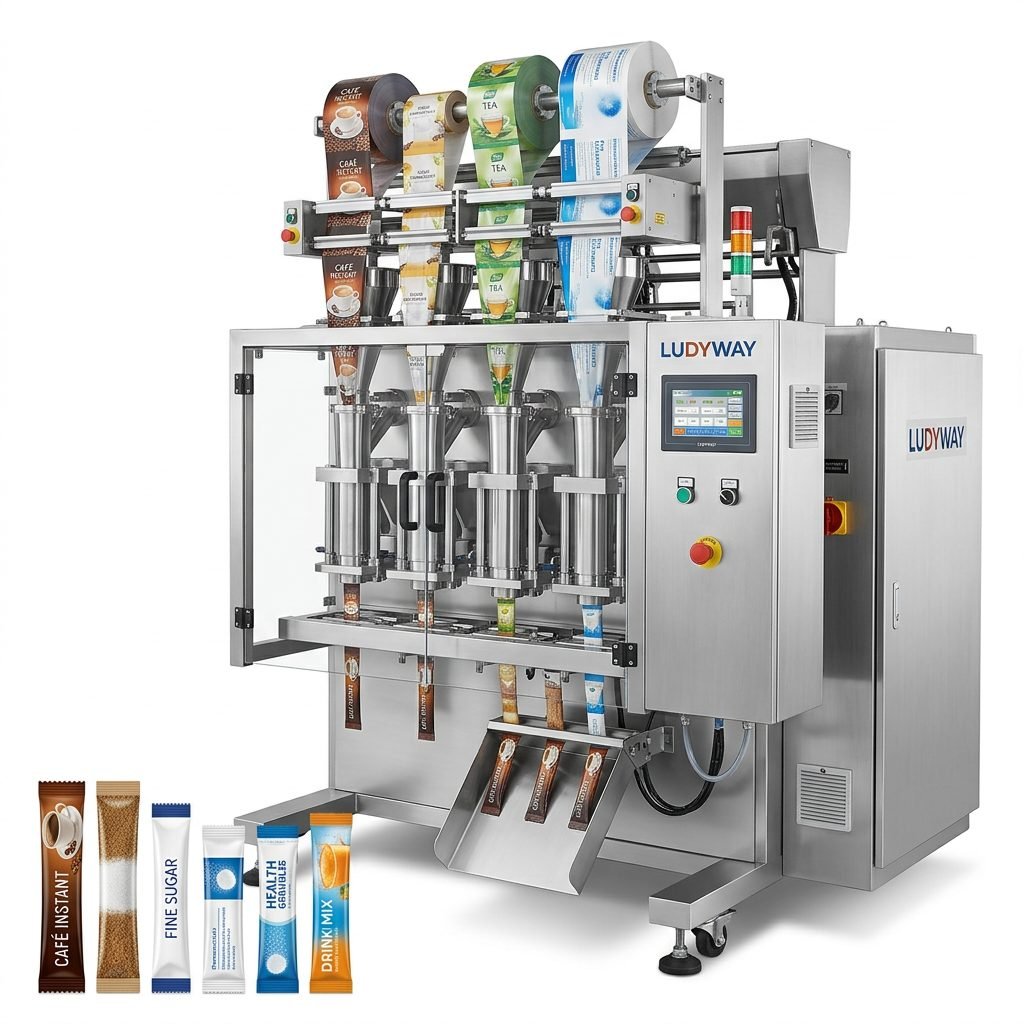
For high-volume grain packaging, multi-lane stick pack and sachet machines can dramatically increase output by running multiple filling lanes simultaneously. Depending on the lane count and product type, these systems can achieve speeds of 400 to over 1,000 packs per minute.
4. Evaluate Filling Accuracy and Weighing Technology
Accurate filling is essential for regulatory compliance, product consistency, and cost control. Overfilling leads to product giveaway and reduced margins, while underfilling can result in regulatory penalties and customer complaints.
Common Dosing Technologies for Grains
- Volumetric cup filler: Cost-effective for free-flowing granules with consistent density. Suitable for products like rice, sugar, and plastic pellets.
- Auger filler: Ideal for powders and non-free-flowing granules. Provides better accuracy for cohesive products.
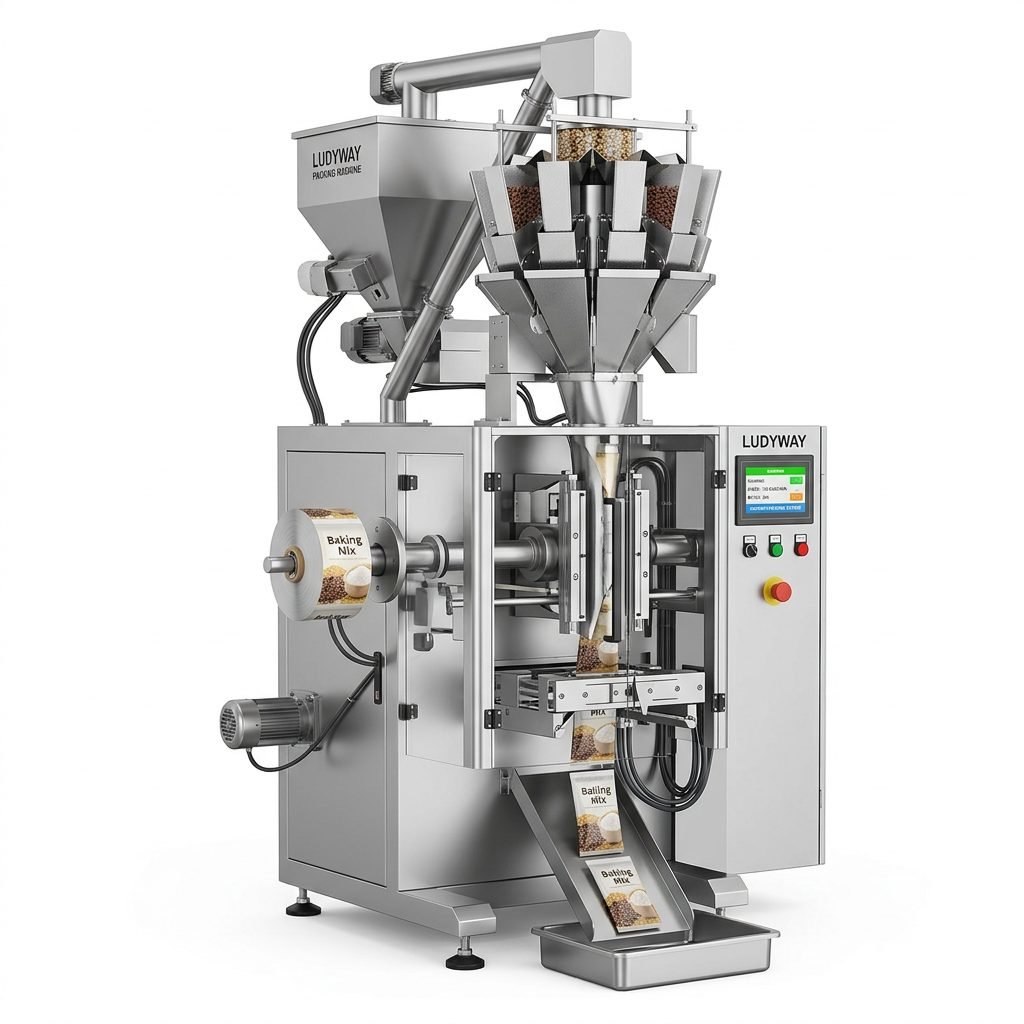
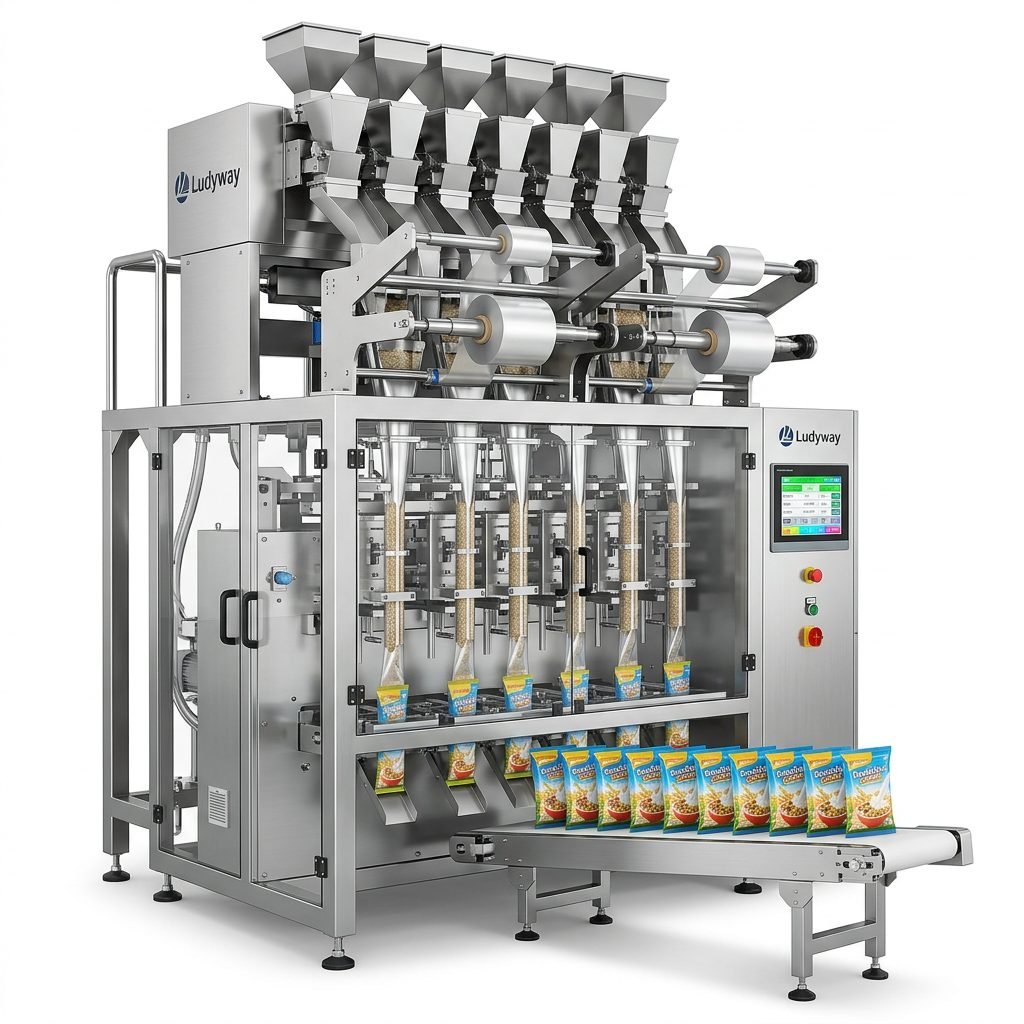
- Multi-head weigher: Delivers the highest accuracy and speed, especially for mixed products and irregular-shaped granules. Common in snack, cereal, and pet food packaging.
- Linear weigher: A more economical alternative to multi-head weighers, suitable for medium-speed applications with consistent granule size.
- Combination weigher: Handles products with large piece-to-piece weight variation, such as dried fruits or nut mixes.
According to industry reports available through PMMI’s State of the Industry 2025, manufacturers are increasingly adopting multi-head weighing technology to improve fill accuracy and reduce product giveaway costs.
5. Assess Automation Level and Line Integration Capabilities
Modern grain packing machines range from standalone semi-automatic units to fully integrated turnkey packaging lines. The level of automation you choose should align with your labor strategy, technical capabilities, and overall production goals.
Automation Levels to Consider
| Automation Level | Typical Features | Best For |
|---|---|---|
| Semi-automatic | Manual bag placement, automatic filling and sealing | Small to medium production volumes, frequent changeovers |
| Fully automatic | Automatic film unwinding, forming, filling, sealing, cutting | Medium to high production volumes, consistent formats |
| Integrated line | Includes feeding, dosing, packaging, inspection, cartoning, palletizing | High-volume production, quality-critical applications |
| Smart factory ready | IoT connectivity, remote monitoring, data analytics, predictive maintenance | Industry 4.0 environments, multi-site operations |
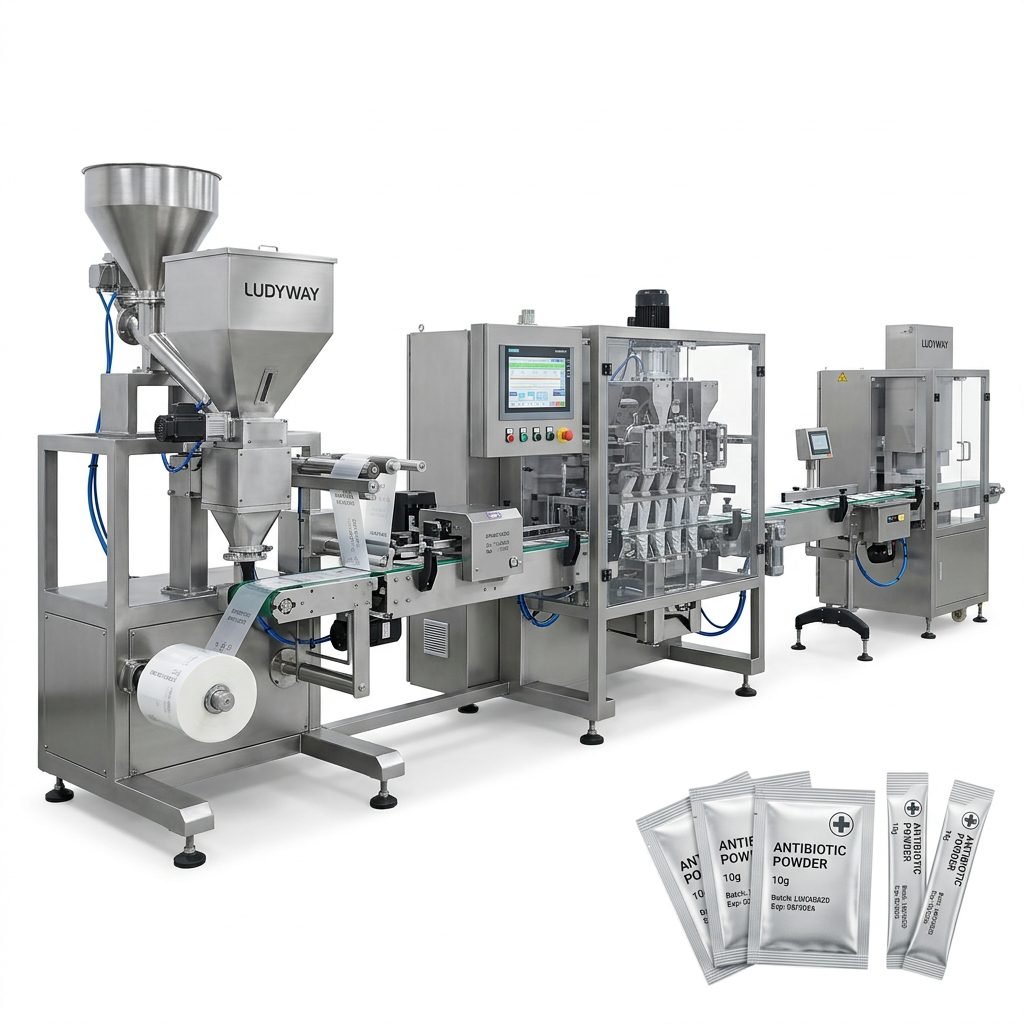
A key advantage of working with Ludyway Machinery is the ability to source both individual packaging machines and complete turnkey production lines from a single partner, simplifying equipment selection, system integration, installation, and after-sales support.

6. Consider Packaging Material Compatibility
The choice of packaging film or material affects machine configuration, sealing technology, and long-term operating costs. Grain products often require specific barrier properties to maintain freshness and extend shelf life.
Material Considerations
- Film type: Laminated films, metallized films, biodegradable materials, and paper-based laminates each require different sealing temperatures and jaw designs.
- Sealing technology: Heat sealing, ultrasonic sealing, or cold sealing—your choice depends on material type and production speed requirements.
- Barrier requirements: Moisture, oxygen, and light barriers are critical for products like cereals, coffee beans, and nutritional grains.
- Sustainability goals: Many manufacturers are transitioning to recyclable or compostable packaging materials, which may require machine modifications.
Refer to Flexible Packaging Association regulatory resources for guidance on material compliance and sustainability standards across different markets.
7. Verify Quality Standards and Regulatory Compliance
Depending on your industry and target markets, your grain packing machine may need to meet specific quality, safety, and hygiene standards. This is especially important for food, pharmaceutical, and nutraceutical applications.
Key Standards and Certifications
- CE marking for machinery sold in the European Economic Area
- FDA compliance for food-contact surfaces in U.S. markets—see FDA Food Ingredients and Packaging resources
- ISO 9001 for quality management systems
- GMP (Good Manufacturing Practices) for pharmaceutical and food-grade packaging
- ISO 11607 standards for medical device packaging where applicable
When evaluating suppliers, always request documentation confirming compliance with relevant international standards for your specific industry and export destinations.
8. Calculate Total Cost of Ownership (TCO)
The initial purchase price is only one component of the total cost of ownership. A comprehensive TCO analysis should account for operational costs, maintenance, consumables, and potential downtime over the machine’s expected lifespan.
TCO Factors to Include
- Initial capital expenditure: Machine cost, installation, and commissioning fees
- Energy consumption: Power requirements during operation and standby modes
- Consumables: Packaging film, sealing elements, lubricants, and wear parts
- Maintenance and spare parts: Preventive maintenance schedules and spare parts availability
- Labor requirements: Number of operators needed per shift
- Downtime costs: Production losses during machine stoppages or repairs
- Training and technical support: Operator training and ongoing technical assistance
A machine with a higher upfront cost but lower operating expenses and better reliability often delivers a lower TCO over a 5- to 10-year period compared to a cheaper alternative with frequent breakdowns and higher consumable costs.
9. Evaluate Supplier Capabilities and After-Sales Support
The relationship with your packaging machinery supplier extends well beyond the initial purchase. Technical support, spare parts availability, and service responsiveness directly impact your ongoing production efficiency.
Supplier Evaluation Checklist
- Does the supplier have direct manufacturing capabilities or do they outsource production?
- What is their installed base and track record in your industry?
- Can they provide references from similar applications?
- What is the typical lead time for spare parts in your region?
- Do they offer remote diagnostic and troubleshooting support?
- Can they handle custom machine configurations and engineering modifications?
- What warranty terms and service level agreements do they offer?
A supplier with in-house engineering and manufacturing capabilities, such as a dedicated production facility and experienced technical team, is better positioned to support custom requirements and provide responsive after-sales service throughout the machine’s lifecycle.
10. Plan for Future Scalability
Your packaging needs today may differ significantly from your requirements in three to five years. Selecting a machine platform that supports future expansion can save substantial reinvestment costs down the line.
Scalability Considerations
- Modular design: Can additional lanes, filling heads, or automation modules be added later?
- Format flexibility: Can the machine handle multiple bag sizes and styles with minimal changeover time?
- Upstream and downstream integration: Can the machine connect with future automation equipment such as robotic palletizers, automated guided vehicles, or warehouse management systems?
- Software upgradability: Does the control system support remote updates and new feature additions?
Industry data from PMMI’s 2026 State of the Industry report highlights the growing importance of modular and scalable packaging equipment as manufacturers seek to adapt to changing market demands with greater agility.
Making the Final Decision
Selecting the right automatic grain packing machine requires balancing technical specifications, production requirements, budget constraints, and long-term operational goals. By systematically evaluating each of the factors outlined in this guide, you can make an informed decision that supports your manufacturing objectives and delivers sustainable value.
Take the time to test your product on candidate machines before purchasing, visit supplier facilities when possible, and speak with existing users about their real-world experiences. A thorough evaluation process reduces risk and helps ensure that your investment in packaging automation delivers the expected returns in efficiency, consistency, and growth capacity.