In today’s competitive beverage and liquid production landscape, efficiency, hygiene, and reliability are non-negotiable. High-performance packaging machinery forms the backbone of any successful bottling or production line, directly impacting output quality, operational costs, and brand reputation. This article delves into the critical solutions offered by advanced liquid packaging machinery, exploring how they optimize every stage from filling to capping and final packaging.
Core Components of a High-Performance Liquid Packaging Line
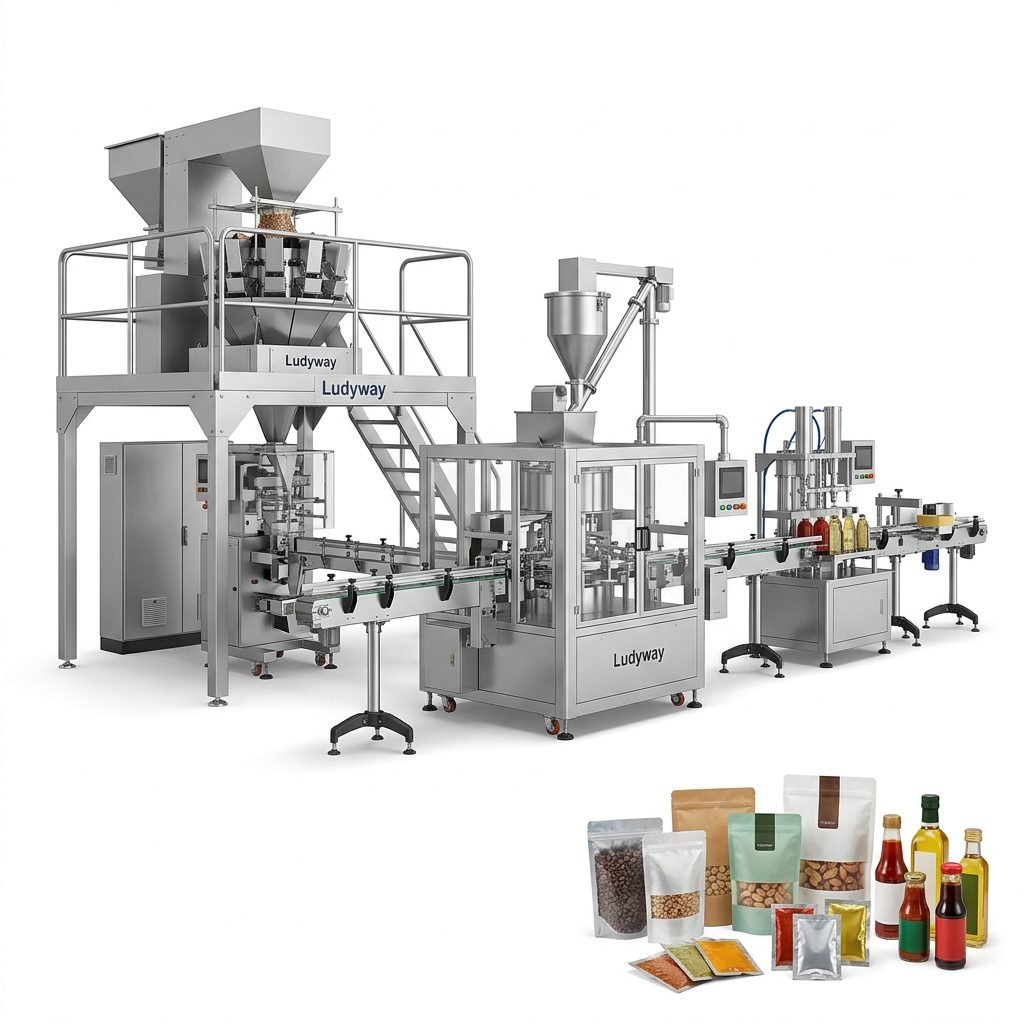
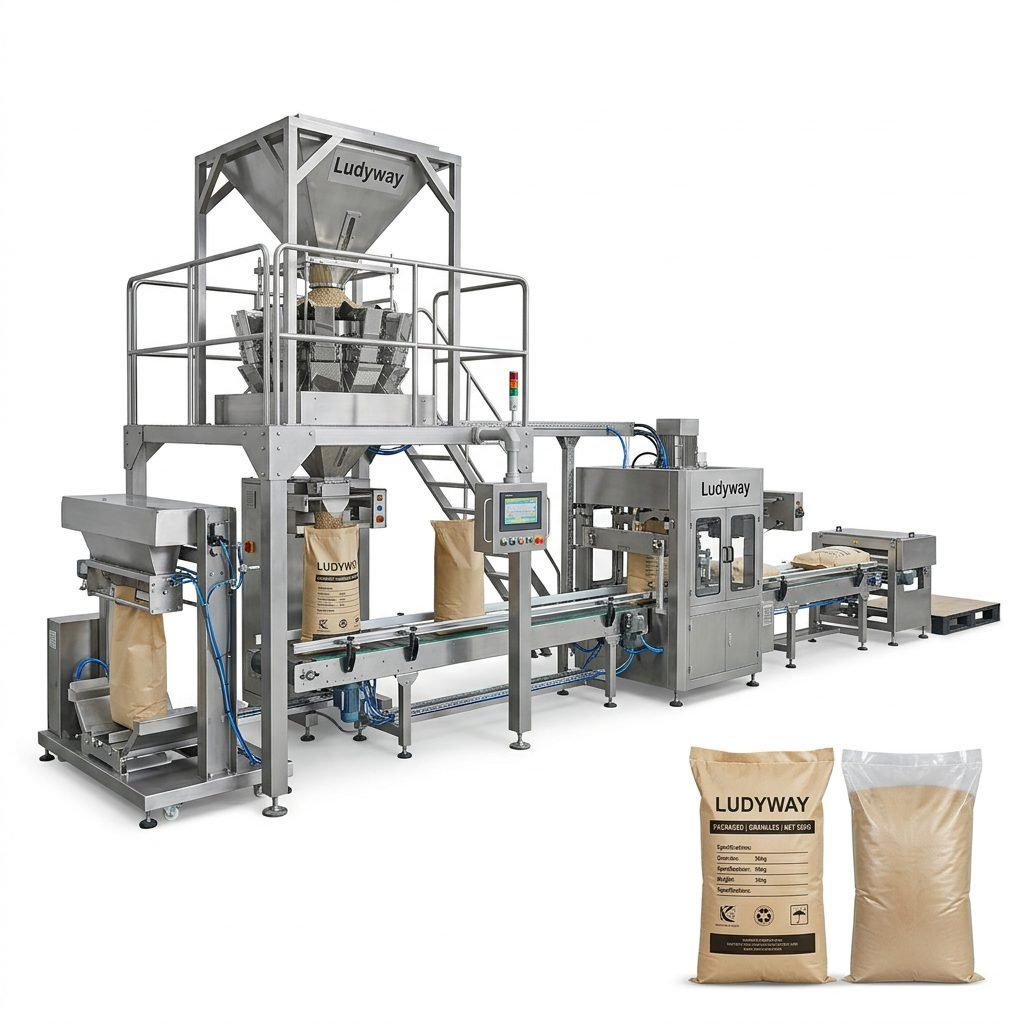
A seamless production line integrates several specialized machines, each performing a crucial function with precision and speed.
1. Advanced Filling Machinery
The heart of any liquid packaging operation, modern fillers ensure accurate volumetric or weight-based dosing. Technologies like gravity filling, piston filling, and vacuum pressure filling cater to different product viscosities, from water and juices to oils and syrups. Key advancements include touch-screen PLC controls for recipe management and quick-changeover parts that minimize downtime between production runs.
2. Precision Capping & Sealing Systems
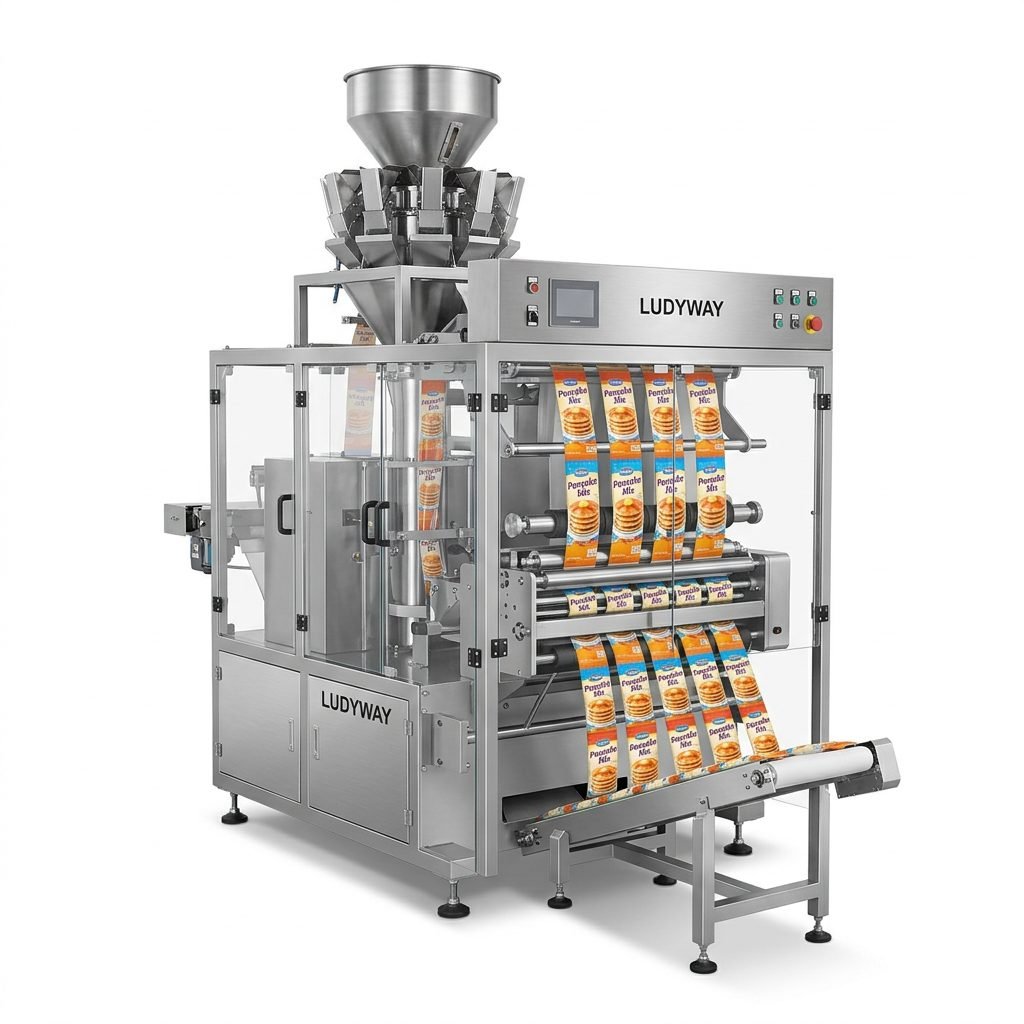
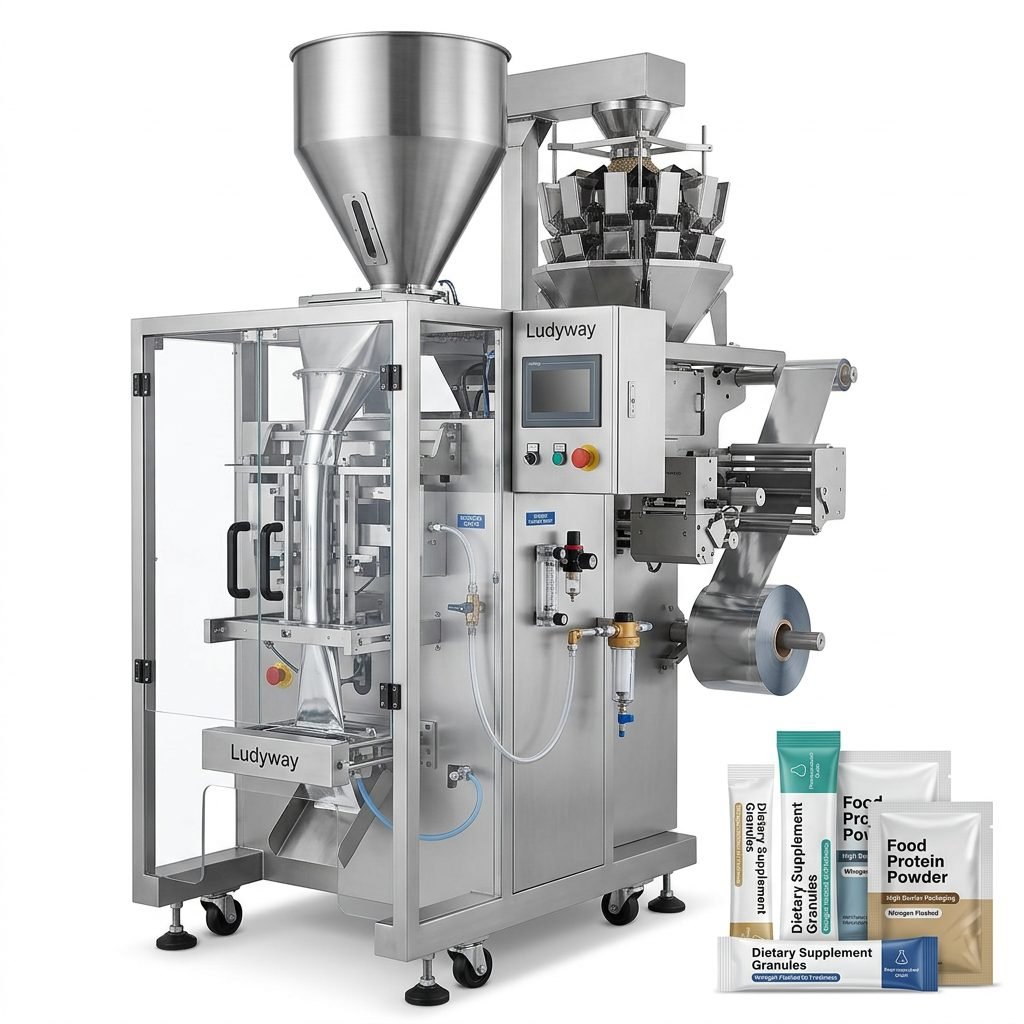
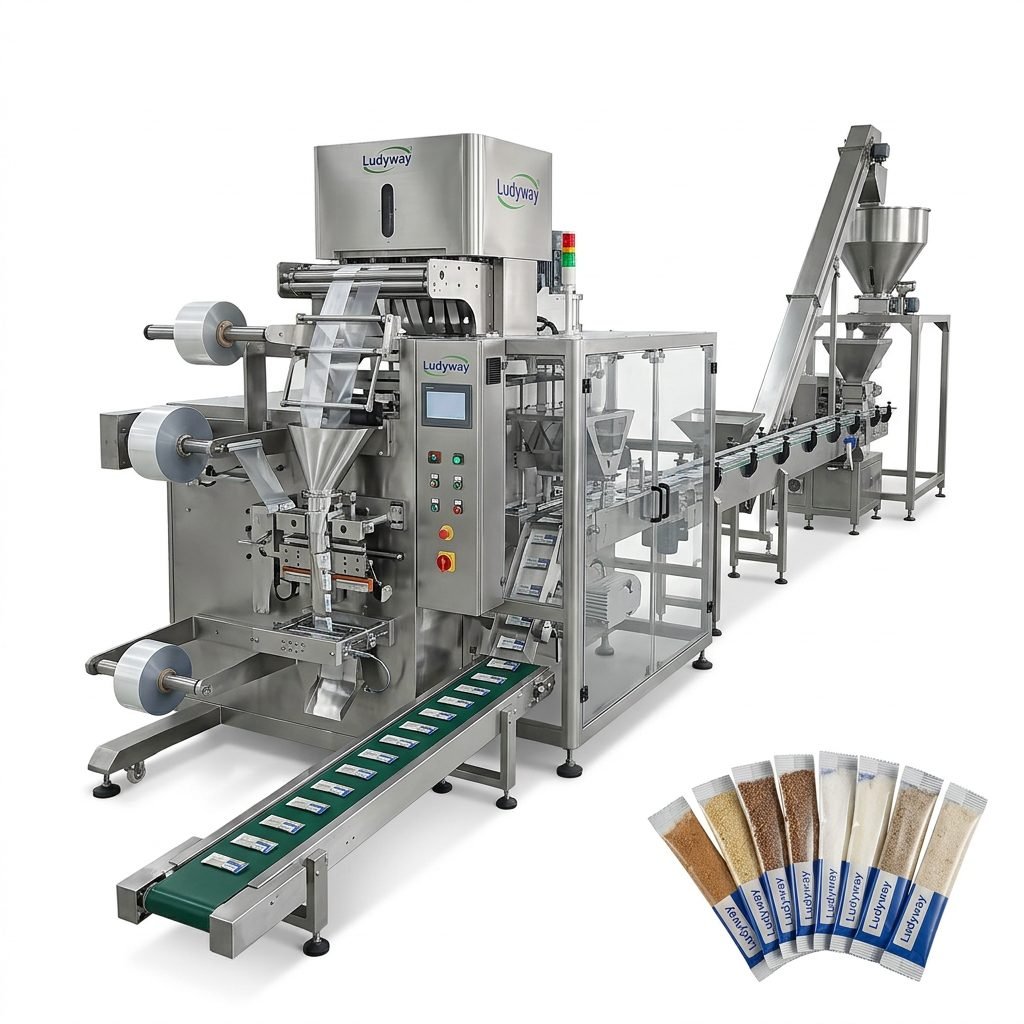
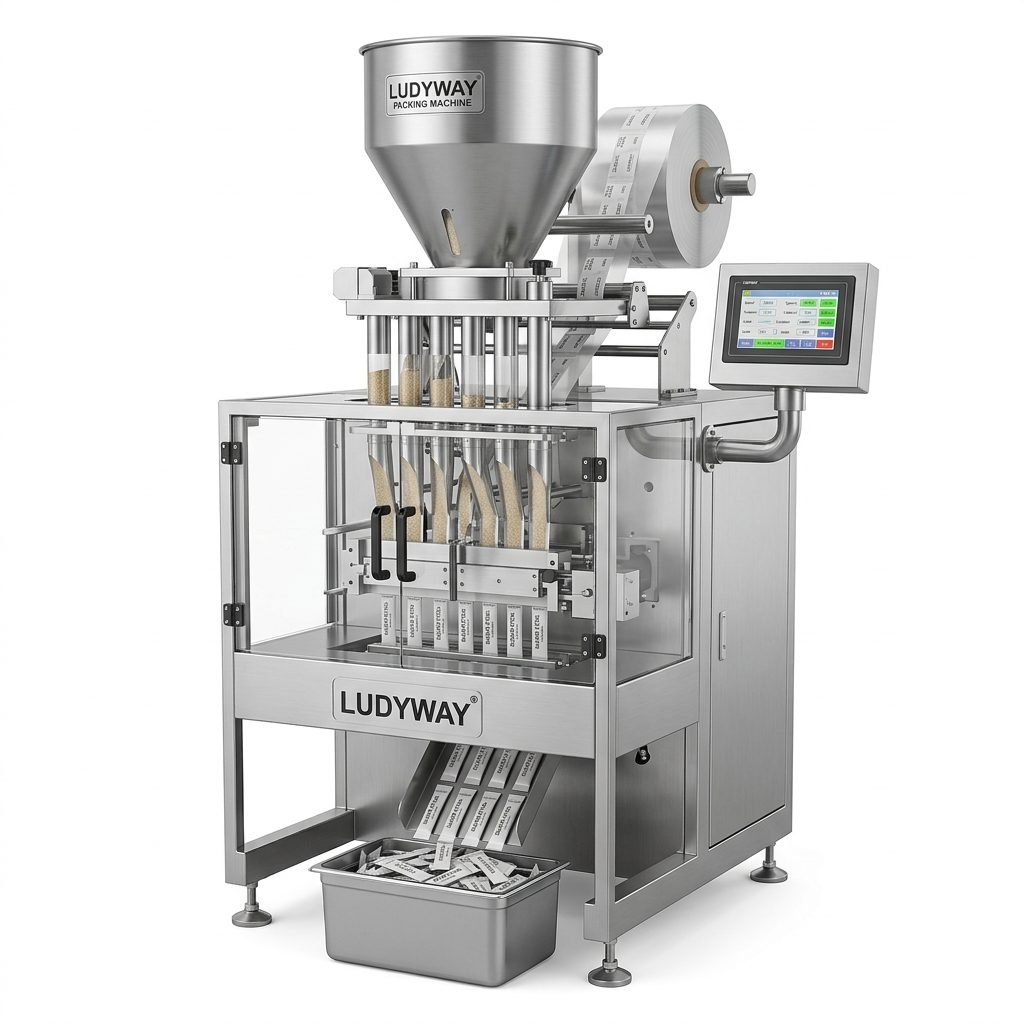
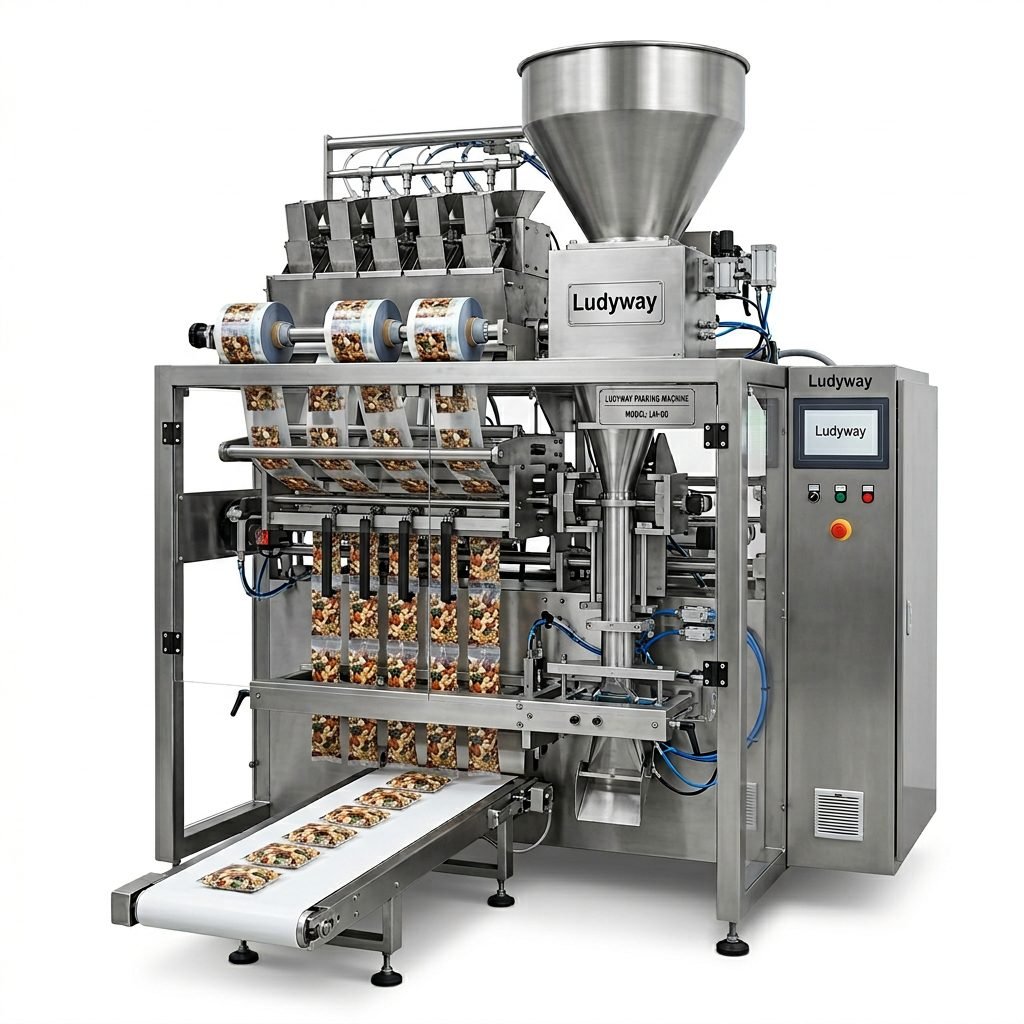
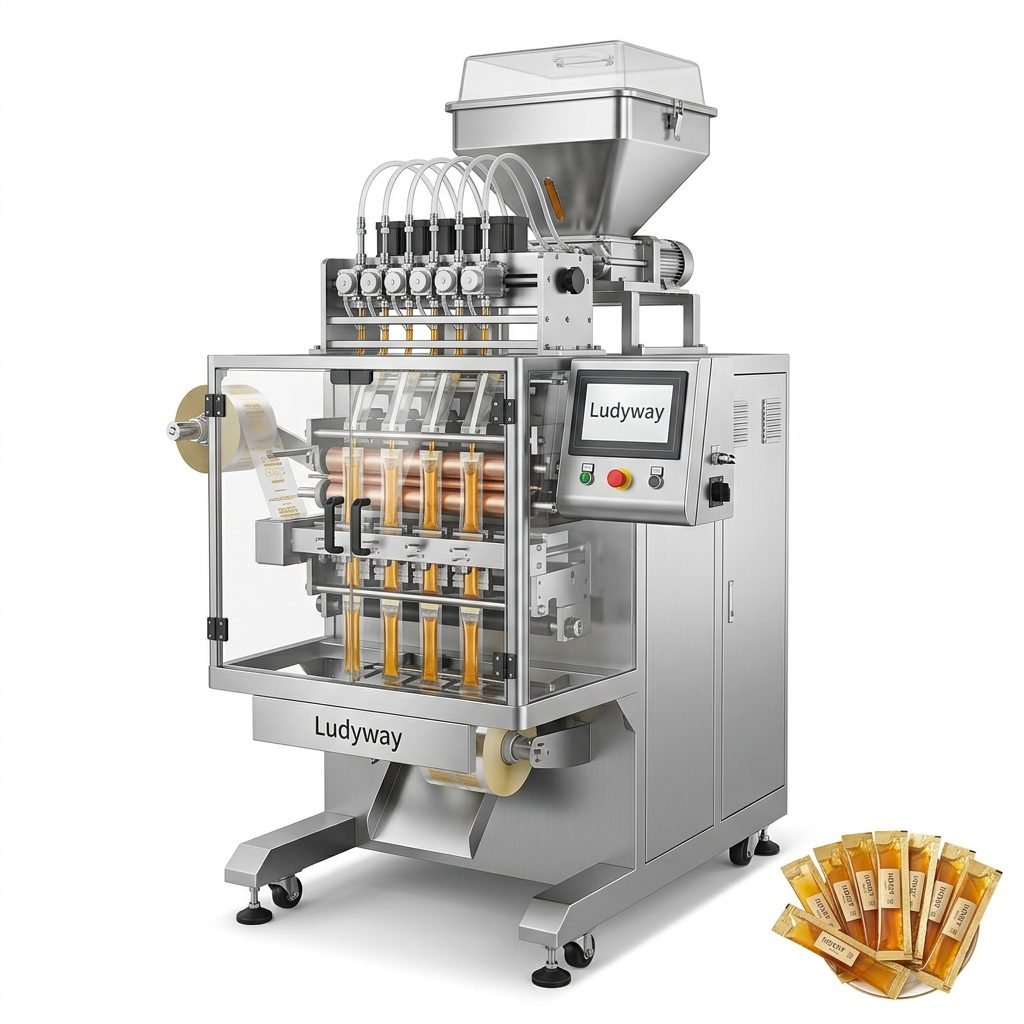
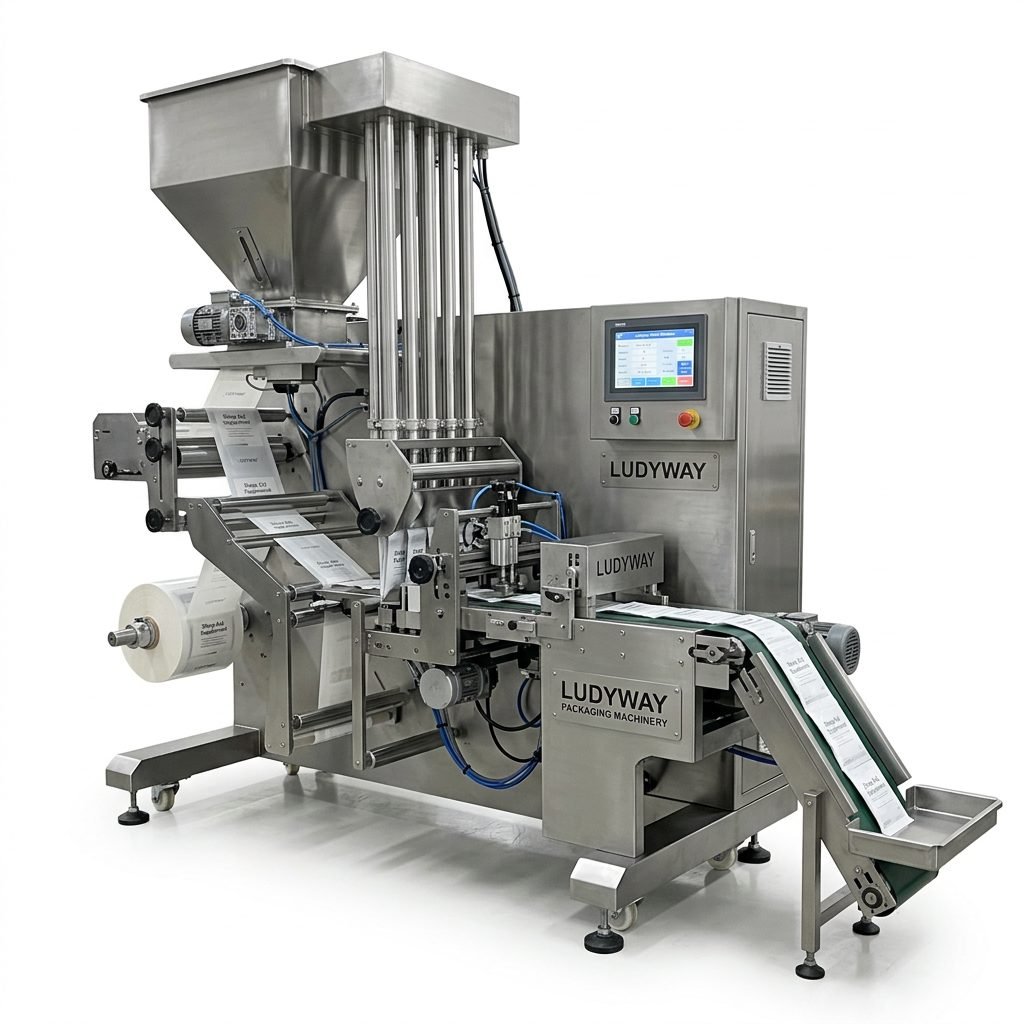
Ensuring product integrity and tamper evidence is paramount. High-speed cappers apply screw caps, snap-on lids, or press-on seals with consistent torque. For sachets and stick packs, which are popular for single-serve beverages, condiments, and pharmaceuticals, robust horizontal or vertical form-fill-seal (FFS) machines create airtight pouches from roll stock film at impressive speeds.
3. Conveying & Handling Solutions
Gentle and efficient product handling between stations prevents damage and bottlenecks. Customizable conveyor systems with variable speed drives and accumulation tables ensure a smooth, continuous flow of containers—whether glass bottles, PET bottles, or flexible pouches—through the entire line.
🔍 Key Trend: Integration & Smart Monitoring
The move towards fully integrated, smart lines is dominant. Machines equipped with IoT sensors and data logging provide real-time insights into OEE (Overall Equipment Effectiveness), predict maintenance needs, and trace every production batch, which is crucial for quality assurance and compliance in sectors like pharmaceutical liquids.
Tailoring Solutions for Different Production Scales
Not every operation requires the same level of automation. The right machinery partner offers scalable solutions.
For High-Volume Manufacturers
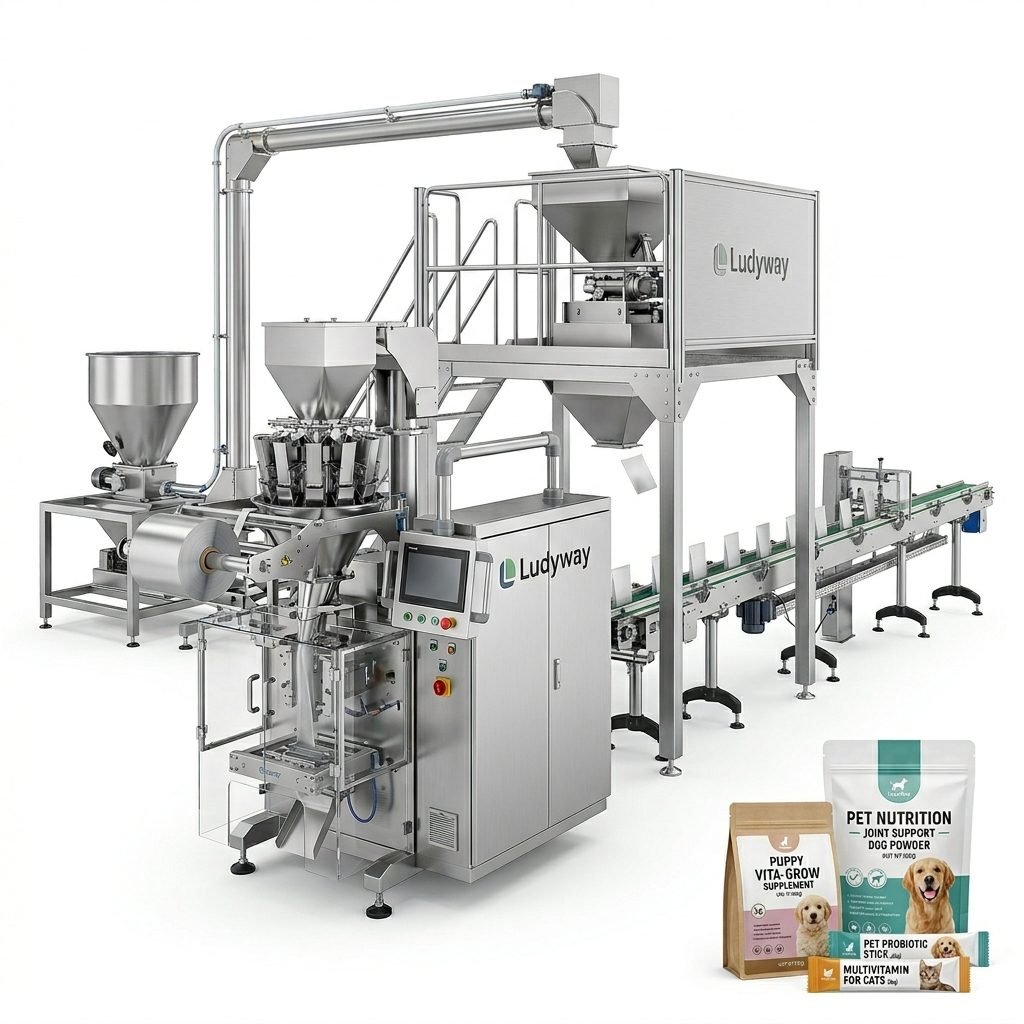
Large-scale beverage plants need rotary filling systems with multiple heads, capable of handling tens of thousands of units per hour. These are often part of a complete turnkey line that includes rinsing, filling, capping, labeling, and case packing, all synchronized for maximum throughput.
For Mid-Size & Craft Producers
Craft breweries, distilleries, or specialty juice companies benefit from modular, semi-automatic lines. Solutions like monobloc fillers (combining rinsing, filling, and capping) or versatile sachet packaging machines offer excellent flexibility for smaller batch sizes and frequent product changes without a massive capital investment.
The Role of a Specialized Machinery Partner
Choosing the right equipment is only half the battle. A reliable partner like Ludyway Machinery adds immense value. With over 30 years of industry experience, they understand the nuanced challenges of liquid packaging. Their support extends beyond the sale:
- Custom Engineering: Adapting standard machines to handle unique container shapes or sensitive products.
- Comprehensive Training: Ensuring your team can operate and perform basic maintenance on the new line.
- Global Spare Parts & Service Network: Minimizing downtime with prompt technical support and part availability worldwide.
This partnership approach ensures that the high-performance machinery integrates smoothly into your existing operations, delivering a rapid return on investment through enhanced productivity and reduced waste.
💡 Maximizing Line Efficiency: Best Practices
To get the most from your packaging line, consider these points:
Preventive Maintenance: A scheduled maintenance plan based on machine runtime, not just breakdowns, is critical for longevity.
Operator Involvement: Well-trained operators who understand the machinery can often spot minor issues before they cause major stoppages.
Quality Input Materials: Consistent container quality (bottles, caps, film) is essential for achieving high machine efficiency and low rejection rates.
Future-Proofing Your Packaging Operation
The industry is evolving towards greater sustainability and flexibility. Future-ready machinery considers:
Sustainable Packaging Formats: Equipment capable of handling mono-material films for better recyclability or lightweighted containers to reduce material use.
Hyper-Flexibility: Machines designed for quick changeover (sometimes under 15 minutes) to accommodate the growing demand for limited-edition runs and personalized products.
Investing in adaptable, well-supported high-performance machinery is not just an operational decision; it’s a strategic move to build resilience, agility, and quality into your brand’s foundation for years to come.
Frequently Asked Questions (FAQs)
1. What factors should I consider when choosing between a sachet and a bottle packaging line?
The choice depends on your product, target market, and cost structure. Sachets offer lower packaging material cost, reduced shipping weight, and are ideal for single-serve portions. Bottles provide better product visibility, premium perception, and often better barrier properties for long shelf-life. A machinery expert can help you analyze the total cost of ownership for each option.
2. How can I reduce product waste (giveaway) during the filling process?
Modern filling machines with high-precision load cells or flow meters are key. Regular calibration and using filling heads appropriate for your product’s viscosity (e.g., piston fillers for thick pastes) also minimize overfilling. Implementing an automated checkweigher after the filler can provide feedback for real-time adjustment.
3. What is the typical lead time for a custom-configured packaging line?
Lead times vary significantly based on complexity. A standard machine might ship in 8-12 weeks, while a fully custom, high-speed turnkey line can take 6-9 months from design to factory acceptance testing. Clear communication of your requirements with the supplier early in the process is vital for accurate timeline planning.
4. How important is after-sales service when selecting a machinery supplier?
It is critically important. Even the best machines require maintenance. Ensure your supplier has a proven track record of responsive technical support, available spare parts inventory, and offers comprehensive training and service contracts. This support is crucial for maximizing uptime and the lifespan of your investment.
5. Can existing packaging machinery be upgraded or integrated with new equipment?
Often, yes. Retrofitting older machines with new PLC controls, servo drives, or safety systems can boost performance and compliance. A skilled engineering partner can assess your current line and design integration solutions to connect new fillers, cappers, or labelers with legacy equipment, protecting your initial investment while gaining new capabilities.