Selecting the right sauce packaging machine is a critical decision for any food manufacturer. The correct equipment directly impacts production efficiency, product quality, operational costs, and ultimately, your brand’s success in a competitive market. This comprehensive guide explores the various types of sauce packaging machines, their key features, and provides a structured framework to help you choose the ideal solution for your specific production needs.
Understanding Different Types of Sauce Packaging Machines
The packaging landscape for sauces is diverse, with machines designed for different viscosities, packaging formats, and production volumes. Understanding the core types is the first step.
Volumetric Filling Machines
These are among the most common solutions for sauces. They work by dispensing a pre-set volume of product into each container. They are highly versatile and suitable for a wide range of sauce consistencies, from thin soy sauce to thicker pastes.
Key Advantage: Excellent speed and consistency for medium to high-volume production lines. They are often more cost-effective than weight-based systems for uniform products.
Piston Filling Machines
Ideal for handling viscous, chunky, or delicate sauces (like pesto or salsa), piston fillers use a cylinder and piston mechanism. The sauce is drawn into a cylinder chamber and then pushed out into the container. This method is gentle on product integrity.
Best for: Products with particulates, high-viscosity items (e.g., mayonnaise, tomato paste), and applications requiring high filling accuracy.
Auger Filling Machines
Primarily designed for thick, semi-solid, and powder-based sauces or seasonings. An auger (a rotating screw) moves the product from a hopper into the container. The amount filled is controlled by the number of auger rotations.
Form-Fill-Seal (FFS) Machines
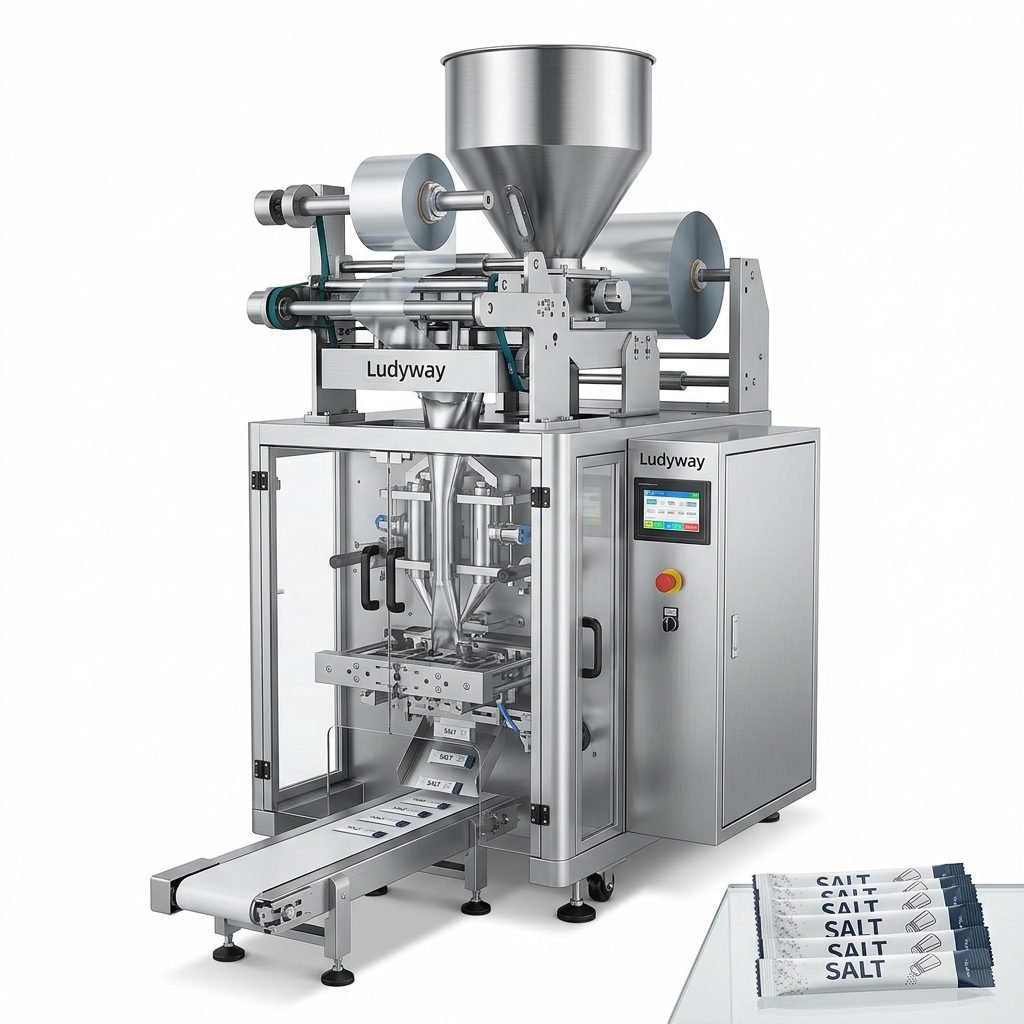
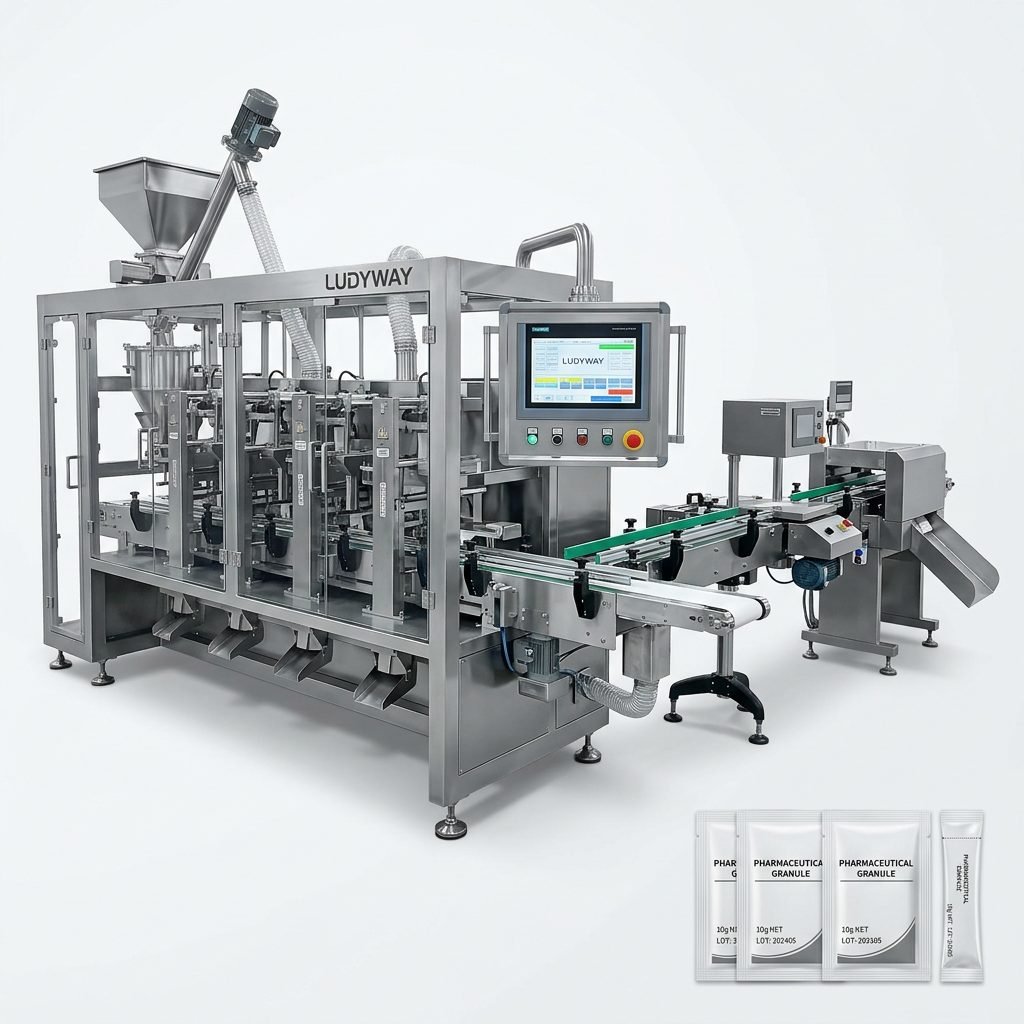
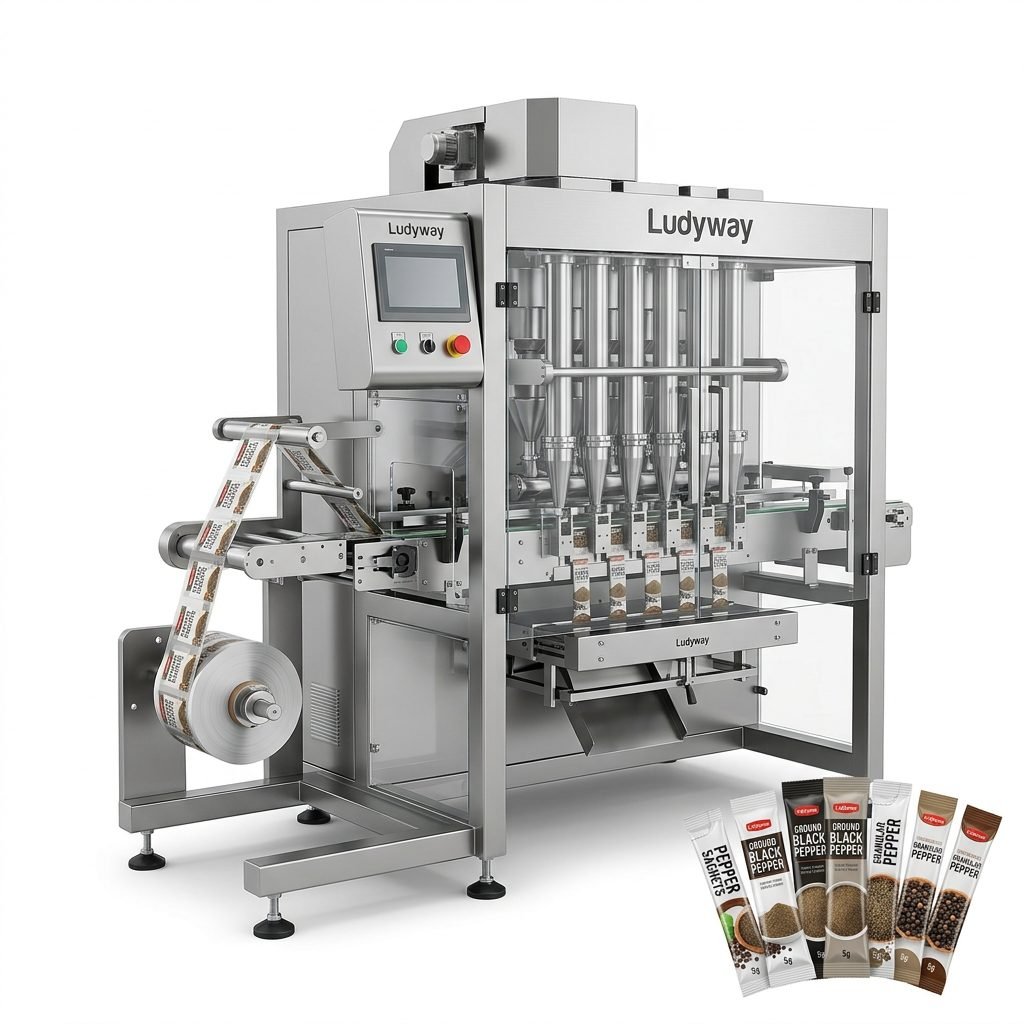
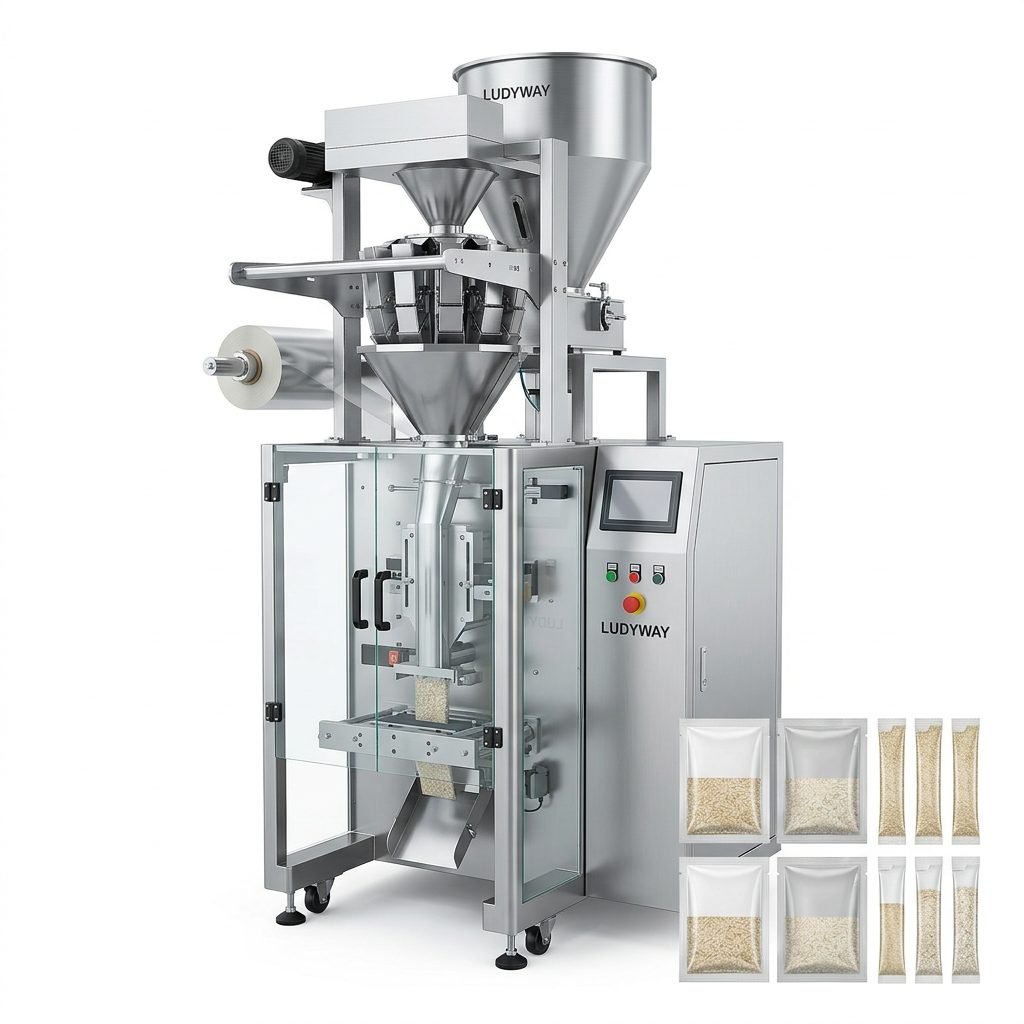
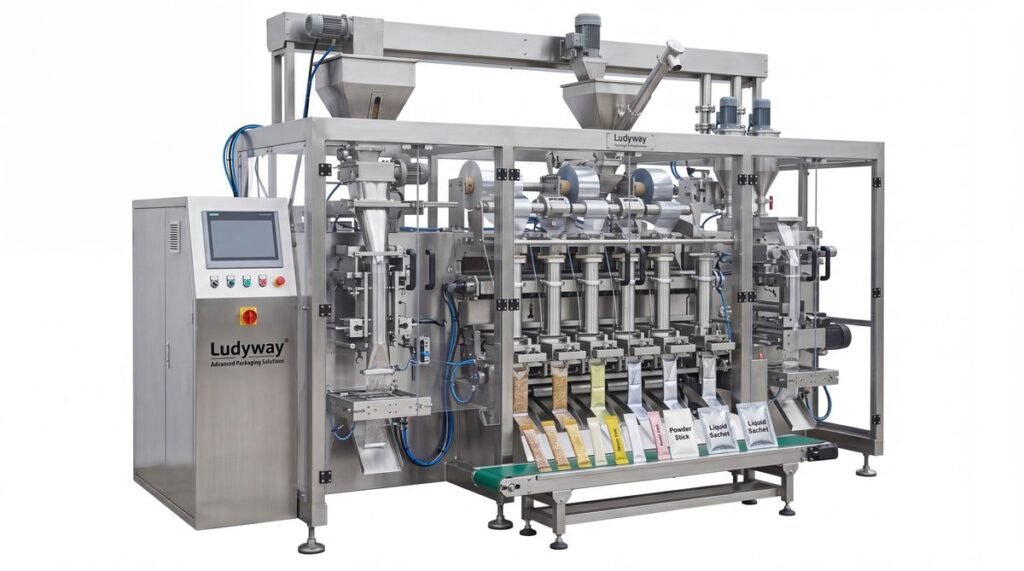
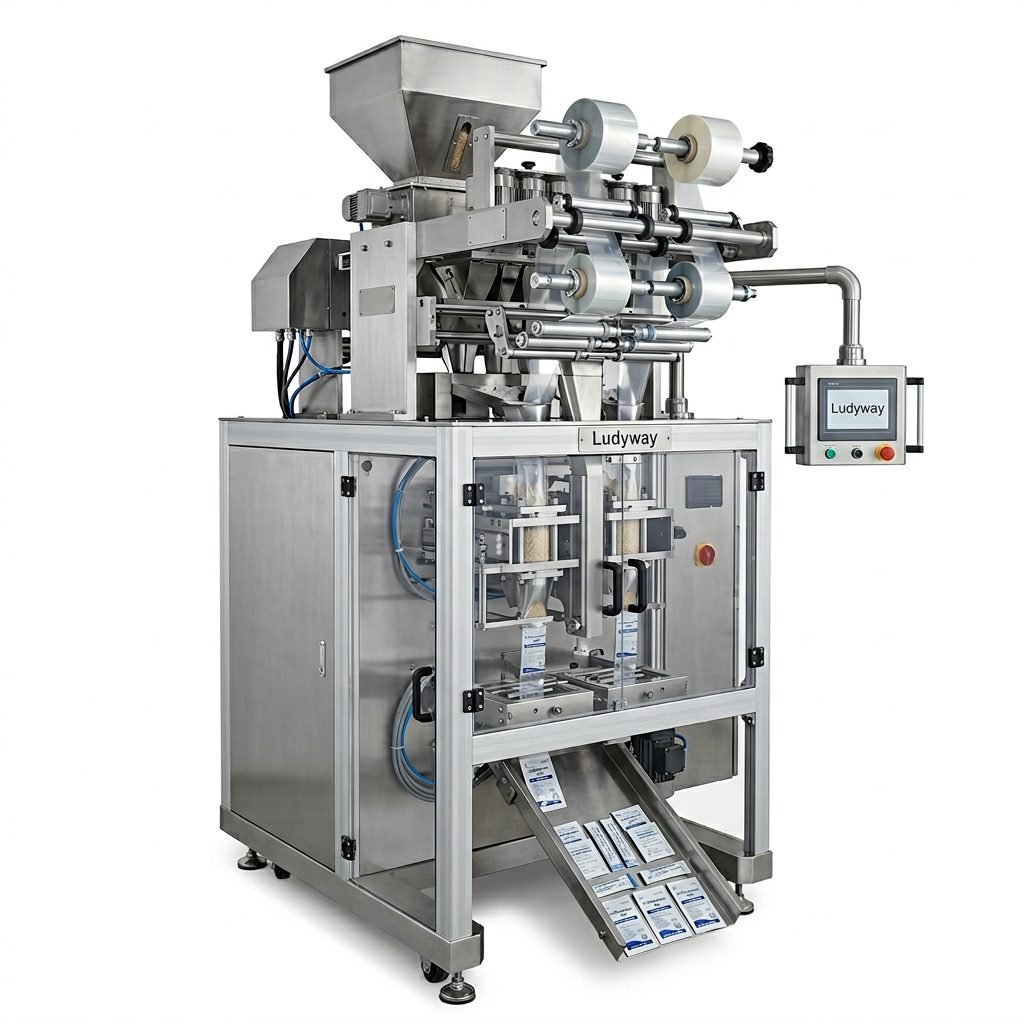
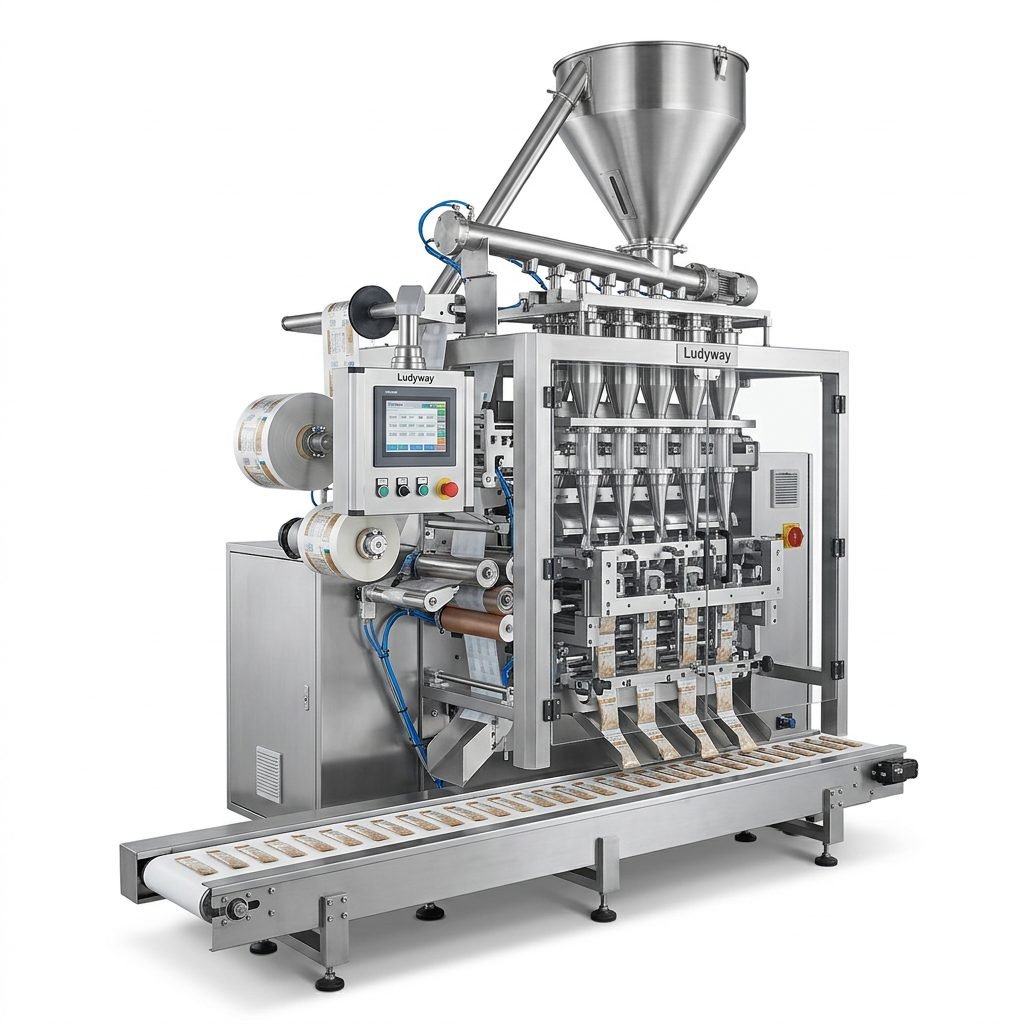
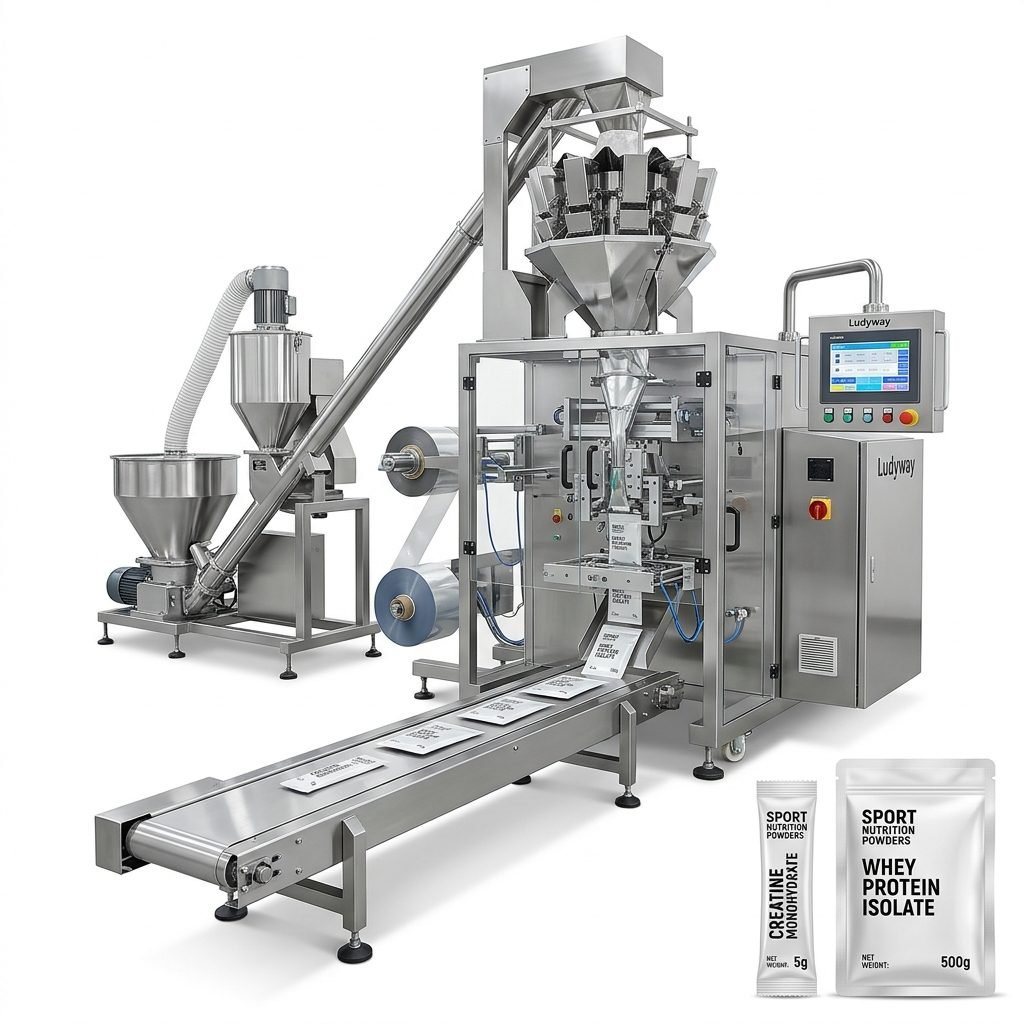
These advanced systems create the packaging pouch from a roll of film, fill it with sauce, and then seal it—all in one continuous operation. This is the standard for producing single-serve sauce sachets, stick packs, or larger stand-up pouches.
Production Efficiency: FFS machines minimize material waste, reduce packaging inventory space, and enable high-speed production of flexible pouches, which are popular for retail and food service portions.
Essential Features to Evaluate in a Sauce Packager
Beyond the basic type, several features determine a machine’s suitability, reliability, and return on investment.
Material of Construction & Hygiene Design
For food safety, critical parts in contact with the product must be made of food-grade stainless steel (e.g., 304 or 316L). Look for a smooth, crevice-free design that allows for easy cleaning, disassembly, and meets sanitary standards like EHEDG or FDA guidelines.
Filling Accuracy and Speed
Accuracy prevents product giveaway and ensures compliance with labeled weight/volume regulations. Speed, measured in containers per minute (CPM), must match your production targets. High-accuracy systems often use load cells for net-weight filling.
Changeover Flexibility
If you run multiple sauce varieties or container sizes, quick changeover is vital. Machines with tool-less adjustments, programmable recipes, and easy-to-switch parts drastically reduce downtime between production runs.
Level of Automation
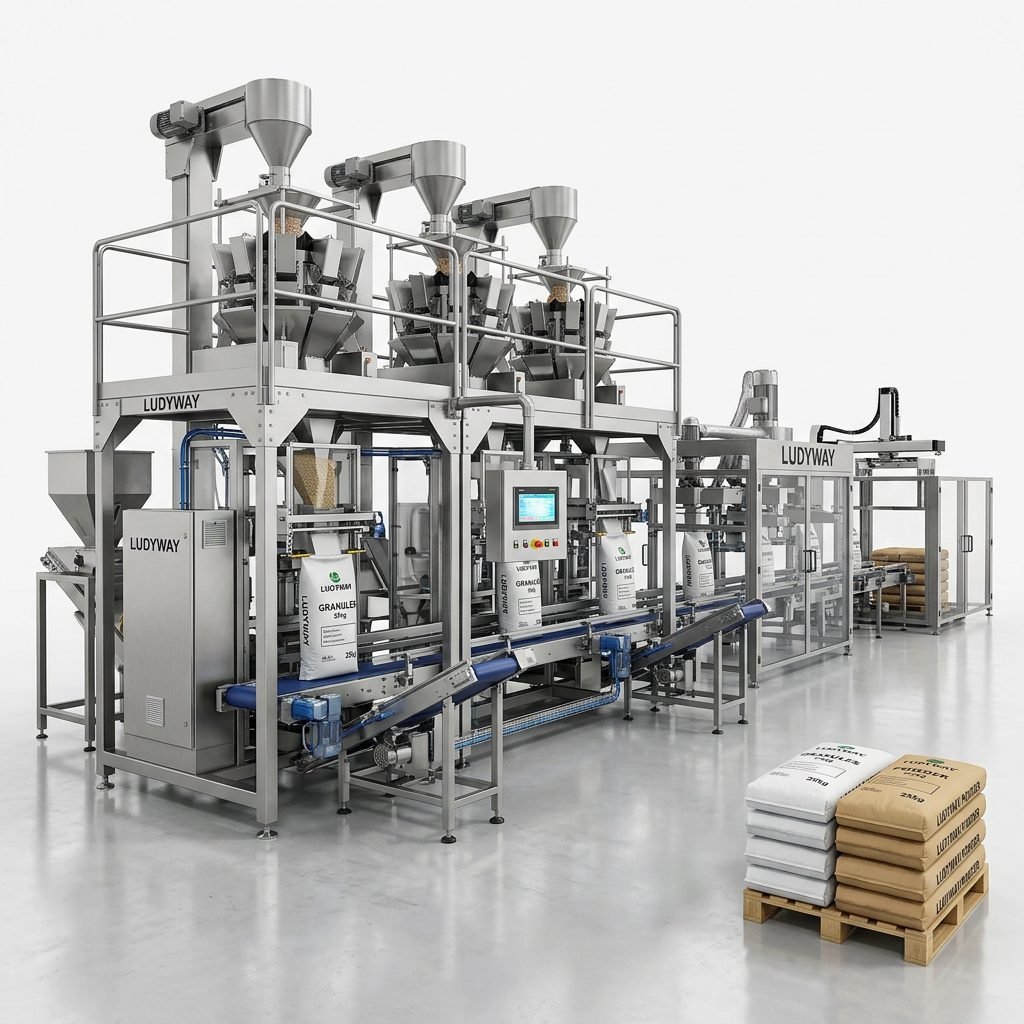
Options range from semi-automatic (manual container handling) to fully automatic lines integrated with conveyors, capping machines, and labeling systems. Automation boosts output, reduces labor costs, and minimizes human contact with the product.
Control System and User Interface
A modern, intuitive PLC-based touchscreen interface simplifies operation, parameter setting, and diagnostics. Features like production counters, fault alarms, and recipe memory enhance operational control and efficiency.
How to Choose the Right Sauce Packaging Solution: A Step-by-Step Guide
Step 1: Analyze Your Product and Production Requirements
Define your sauce’s key characteristics: viscosity, acidity, presence of particulates, and sensitivity to heat or shear. Simultaneously, determine your target output (e.g., bottles/hour), the range of container types and sizes (bottles, jars, pouches), and any future product plans.
Step 2: Define Your Budget and ROI Expectations
Consider the total cost of ownership, not just the purchase price. Factor in installation, maintenance, spare parts, and operational costs. A more robust, automated machine may have a higher upfront cost but deliver greater savings in labor, waste reduction, and uptime over its lifespan.
Step 3: Research and Shortlist Reputable Suppliers
Look for manufacturers with proven experience in food and sauce packaging. Evaluate their industry reputation, technical support capabilities, and availability of spare parts. A supplier like Ludyway Packing Machine, with deep expertise in liquid and viscous product packaging, can provide valuable guidance.
Step 4: Request Demonstrations and Product Testing
Always insist on a live machine demonstration using a sample of your actual sauce and containers. This is the only way to verify filling accuracy, speed, and how gently the machine handles your specific product.
Step 5: Evaluate After-Sales Support and Service
The relationship with your supplier begins after purchase. Ensure they offer comprehensive training, clear documentation, responsive technical support, and a reliable service network. This support is crucial for minimizing downtime and ensuring long-term productivity.
For businesses looking to scale, exploring complete packaging line solutions from a single provider can streamline integration and service.
Trends and Future Considerations
The sauce packaging industry is evolving. Sustainability is driving demand for machines that can handle recyclable or compostable mono-material films and reduce plastic usage. Smart packaging lines with IoT connectivity for predictive maintenance and data analytics are becoming the new standard for maximizing efficiency. Furthermore, flexibility to handle smaller batch sizes and personalized packaging is growing in importance.
Staying informed about these trends and choosing a forward-thinking partner, such as one offering innovative sachet packaging systems, can future-proof your investment.
Frequently Asked Questions (FAQs)
What type of filling machine is best for thick, chunky salsa?
A piston filler is typically the best choice. Its positive displacement action handles high viscosity well and is gentle enough to avoid crushing or pureeing the vegetable particulates in the salsa, preserving product quality.
Can one machine package both thin sauces and thick pastes?
Some versatile volumetric or piston fillers can handle a wide viscosity range, but they may require adjustments or different pump assemblies. It’s essential to discuss your full product portfolio with the supplier to ensure the machine can be configured for all your needs efficiently.
How important is the sanitation design for a sauce packager?
It is critically important. Sauces can be prone to bacterial growth. A machine with a hygienic design (easy to clean, no dead zones, food-grade materials) is essential for maintaining food safety, preventing cross-contamination, and meeting strict industry audits.
What are the benefits of a fully automated packaging line versus a semi-automatic machine?
A fully automated line significantly increases output speed and consistency while reducing labor costs and manual handling. It is ideal for high-volume production. A semi-automatic machine is a more budget-friendly entry point for lower volumes or start-ups, requiring more manual intervention for container placement and removal.
How do I ensure the packaging machine will be accurate for my product?
There is no substitute for a product test. Before purchasing, send your exact sauce and containers to the supplier for a performance test run on the intended machine. This will verify the filling accuracy, speed, and identify any potential handling issues specific to your product.