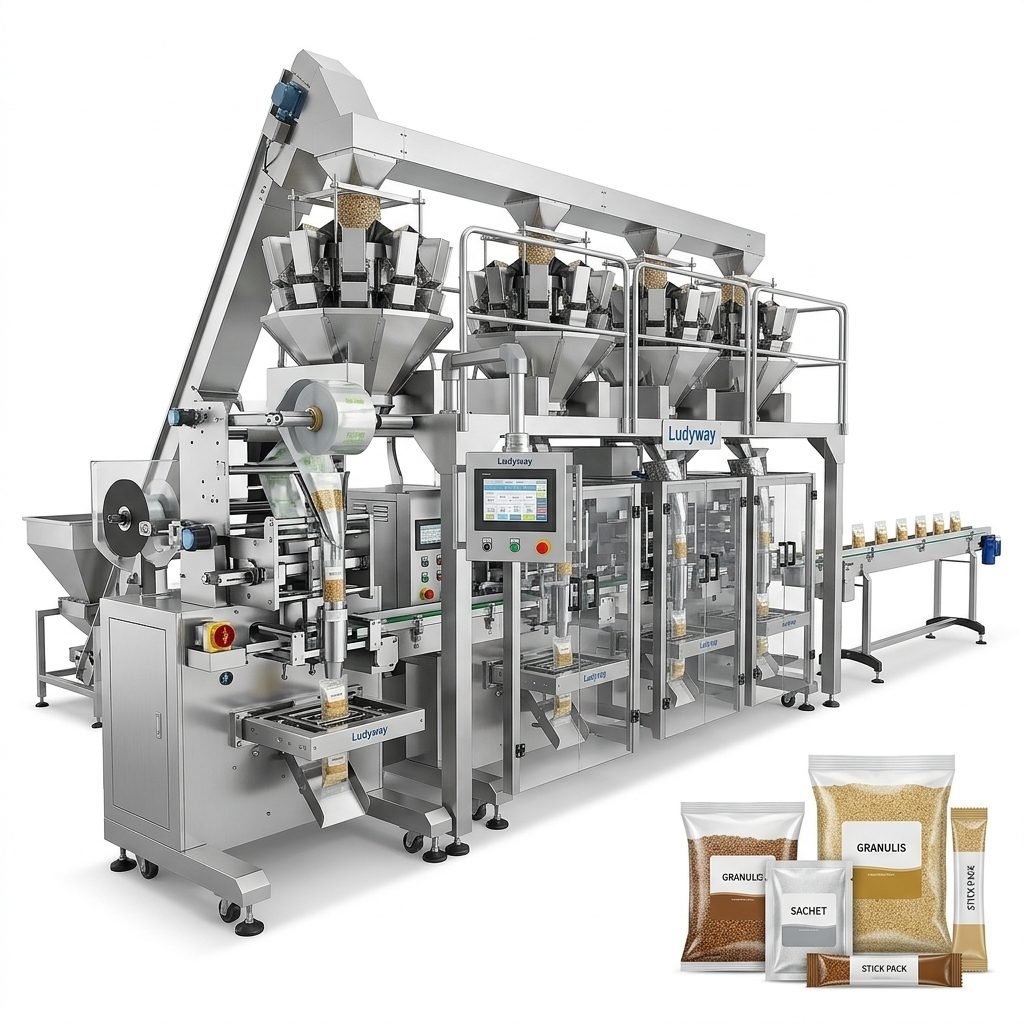
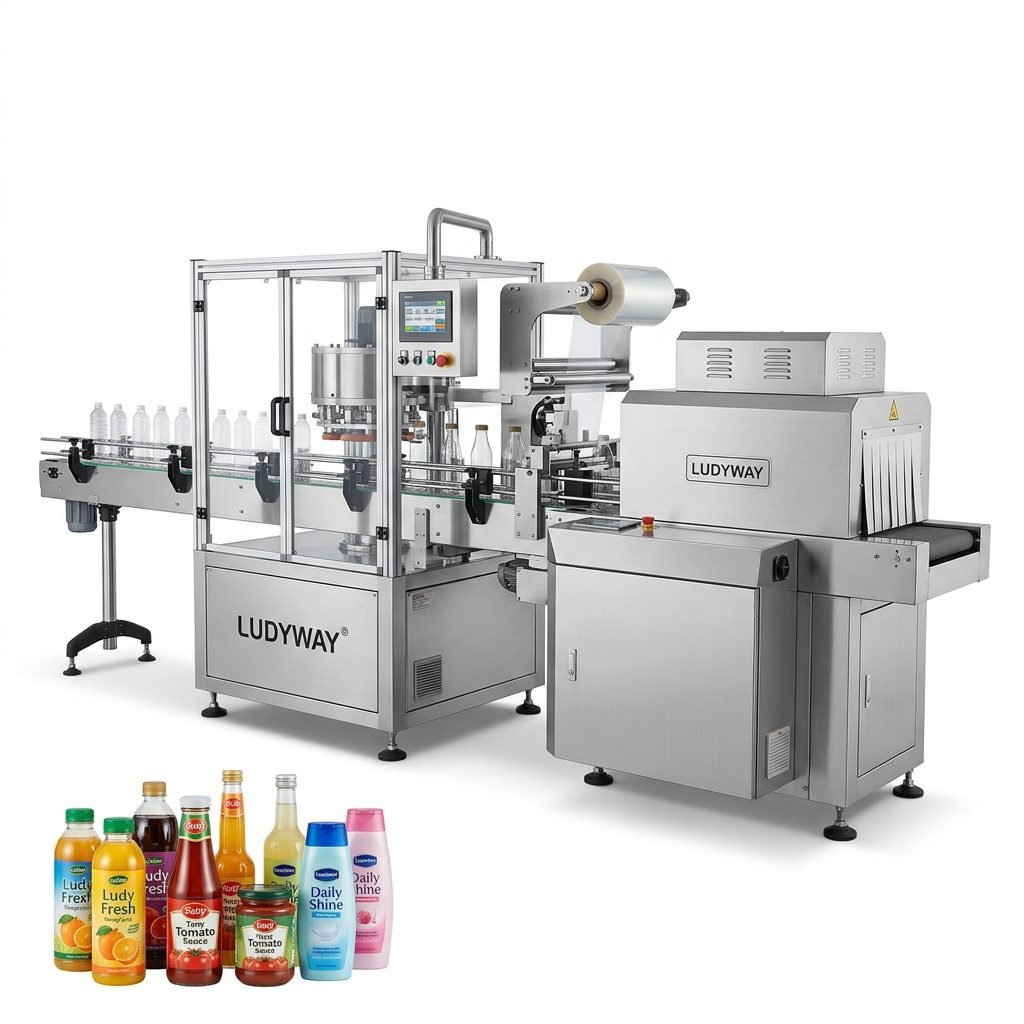
Selecting the right poultry packaging machine is a critical decision for any processing plant, whether operating on a small family-farm scale or within a large industrial facility. The efficiency, product safety, shelf life, and overall profitability of your operation hinge on this essential piece of equipment. This guide delves into the key considerations, types of machines available, and features that make a machine suitable for different scales of poultry processing.
Understanding Poultry Packaging Needs
Poultry products, from whole birds and cuts to further-processed items like sausages and marinated fillets, have unique packaging requirements. The primary goals are to maintain freshness, prevent contamination, minimize drip loss, and present the product appealingly to consumers. The packaging process must be fast, hygienic, and adaptable to various product sizes and types.
Core Packaging Challenges for Poultry:
Moure Control: Excess moisture leads to spoilage and unappealing presentation. Effective packaging manages this environment.
Oxygen Barrier: Limiting oxygen exposure is crucial for extending shelf life and preventing oxidation.
Leak Prevention: Secure seals are non-negotiable to contain juices and maintain hygiene.
Speed & Throughput: The machine must match the line speed of your processing plant to avoid bottlenecks.
Types of Poultry Packaging Machines
Different technologies serve different purposes in the poultry packaging workflow. Here’s a breakdown of the most common types.
1. Vacuum Packaging Machines
These machines remove air from the package before sealing, significantly extending shelf life by inhibiting the growth of aerobic bacteria. They are ideal for fresh or frozen cuts, ground poultry, and marinated products.
- ● Chamber Machines: Best for small to medium-scale operations. The product and bag are placed inside a chamber where air is removed.
- ● Nozzle (External Vacuum) Machines: A nozzle is inserted into the bag to extract air. Often used for larger items or in larger operations with pre-made bags.
- ● Thermoforming Machines: A high-output option for large-scale plants. The machine forms the package from a roll of film, places the product, vacuums, and seals in a continuous process.
2. Modified Atmosphere Packaging (MAP) Machines
MAP machines replace the air inside a package with a protective gas mixture (usually a combination of nitrogen, carbon dioxide, and oxygen). This is the preferred method for fresh tray-ready poultry in retail displays, as it preserves the natural color of the meat while extending shelf life.
3. Skin Packaging Machines
This method uses a top film that is heated and draped tightly over the product and a pre-formed bottom board, creating a “second skin.” It offers excellent product presentation, reduces purge (drip loss), and can use less plastic than traditional trays with overwrap.
4. Flow Wrapping Machines
Common for further-processed poultry products like sausages, patties, or cooked strips. The product is pushed into a tube of film, which is then sealed along the back and ends. It’s a high-speed, efficient method for individual or multipack items.
Choosing for Small-Scale Processing Plants
For smaller farms, local processors, or specialty operations, the priorities are often affordability, ease of use, flexibility, and space efficiency.
Key Features for Small-Scale Success:
Manual or Semi-Automatic Operation: Machines like single-chamber vacuum sealers require an operator to load and unload each cycle. They have a lower upfront cost and are simple to maintain.
Versatility: A machine that can handle various bag sizes and types (for vacuum sealing) or different product shapes is valuable for a diverse product line.
Durability & Easy Maintenance: With potentially less frequent technical support available, a robust and simple-to-clean machine is essential. Look for models from suppliers known for reliability and clear manual, like those offered by professional packaging equipment providers.
Compact Footprint: Fitting into existing space without major facility changes is a practical necessity.
Choosing for Large-Scale Processing Plants
Large plants demand maximum output, automation, integration, and data consistency. The focus shifts to throughput, reliability, and total cost of ownership.
Critical Considerations for High-Volume Operations:
Fully Automated Lines: Integration with conveyors, automatic bag loaders, labelers, and checkweighers is key. Thermoform-fill-seal and vertical form-fill-seal systems are common here, creating packages from roll stock at high speeds.
Speed & Capacity: Measured in packages per minute (PPM). The machine must keep pace with upstream processing (e.g., deboning, cutting) without creating a bottleneck.
Advanced Gas Flushing & Seal Integrity: For MAP, precision in gas mixture and consistency of the seal are critical for shelf-life claims and food safety. Advanced systems offer precise oxygen residual analysis.
Hygienic Design & Easy Cleaning: Machines designed for quick washdown with stainless steel surfaces and minimal crevices reduce downtime and meet stringent sanitation protocols.
Connectivity & Data Tracking: Modern machines offer Industry 4.0 capabilities, providing data on production counts, downtime, maintenance alerts, and energy usage, which is crucial for process optimization. Exploring intelligent packaging machine models can reveal these advanced features.
Essential Features Across All Scales
Regardless of size, certain features non-negotiably contribute to success and food safety.
- Seal Bar Quality: A consistent, strong seal is the most important function. Look for durable, evenly heated seal bars with precise pressure control.
- User-Friendly Controls: An intuitive HMI (Human-Machine Interface) with programmable settings for different products reduces changeover time and operator error.
- Safety Features: Emergency stops, protective guards, and safety interlocks are mandatory to protect workers.
- Supplier Support: Access to reliable technical support, spare parts, and service is as important as the machine itself. A supplier with a strong track record, such as one with decades of industry experience, ensures long-term operational stability.
Investment and ROI Considerations
The initial purchase price is just one part of the cost. Consider the total cost of ownership, including energy consumption, maintenance, film/packaging material usage, and labor. A slightly more expensive machine that is faster, uses less film, or has lower downtime can offer a far better return on investment. For large-scale plants, a turnkey production line solution from a single expert provider can optimize compatibility and streamline project management.
Final Recommendation Summary
For Small-Scale: Prioritize a versatile, durable, semi-automatic vacuum or chamber MAP machine. Focus on ease of use and supplier accessibility.
For Large-Scale: Invest in a high-speed, fully automated thermoforming or vertical FF/S system with advanced gas control, hygienic design, and smart factory connectivity.
Frequently Asked Questions (FAQs)
1. What is the main difference between vacuum packaging and MAP for poultry?
Vacuum packaging removes almost all air, creating a tight shrink around the product. It’s excellent for freezer storage and preventing freezer burn. Modified Atmosphere Packaging (MAP) replaces air with a gas mix to preserve the fresh, red color of meat (like chicken thighs) in retail displays while still extending shelf life. MAP is typically used for products destined for the refrigerated fresh meat case.
2. Can one machine handle both whole birds and cut-up parts?
It depends on the machine type. A large-chamber vacuum sealer can often accommodate both if you use different bag sizes. However, for high-volume processing, specialized lines are more efficient. A thermoforming machine can be tooled with different cavity sizes and shapes, offering great flexibility for a mixed product line within an automated system.
3. How important is the packaging film, and does the machine supplier matter?
Extremely important. The machine and the film must be compatible to achieve a reliable seal. The film’s barrier properties (to oxygen and moisture) directly determine product shelf life. A reputable machinery supplier will often recommend or supply compatible, high-quality films and can provide customized production solutions that include material guidance.
4. What are the key maintenance routines for a poultry packaging machine?
Daily cleaning and sanitization of all product-contact surfaces are paramount. Regular maintenance includes checking and cleaning seal bars, inspecting vacuum pumps or gas flush systems, lubricating moving parts as specified, and checking for wear on seals and gaskets. Always follow the manufacturer’s maintenance schedule to prevent unexpected breakdowns.
5. We are expanding our operation. Should we buy multiple small machines or one large automated line?
For significant expansion, a single, integrated automated line is generally more efficient. It saves on labor, ensures consistent packaging quality, occupies less floor space per unit of output, and is easier to manage. Multiple small machines can lead to consistency issues and higher labor costs. Consulting with an expert for a complete turnkey production line analysis is the best step before making this capital decision.