In today’s fast-paced manufacturing world, the demand for high-speed, reliable, and versatile packaging machinery has never been greater. Whether you are in the food, beverage, or broader industrial sector, the right packaging solution is critical to maintaining product integrity, ensuring efficiency, and meeting market demands. This article explores the essential aspects of high-performance packaging machinery, highlighting key technologies, applications, and the strategic advantages they offer to modern businesses.
The Core of Modern Production: Automated Packaging Systems
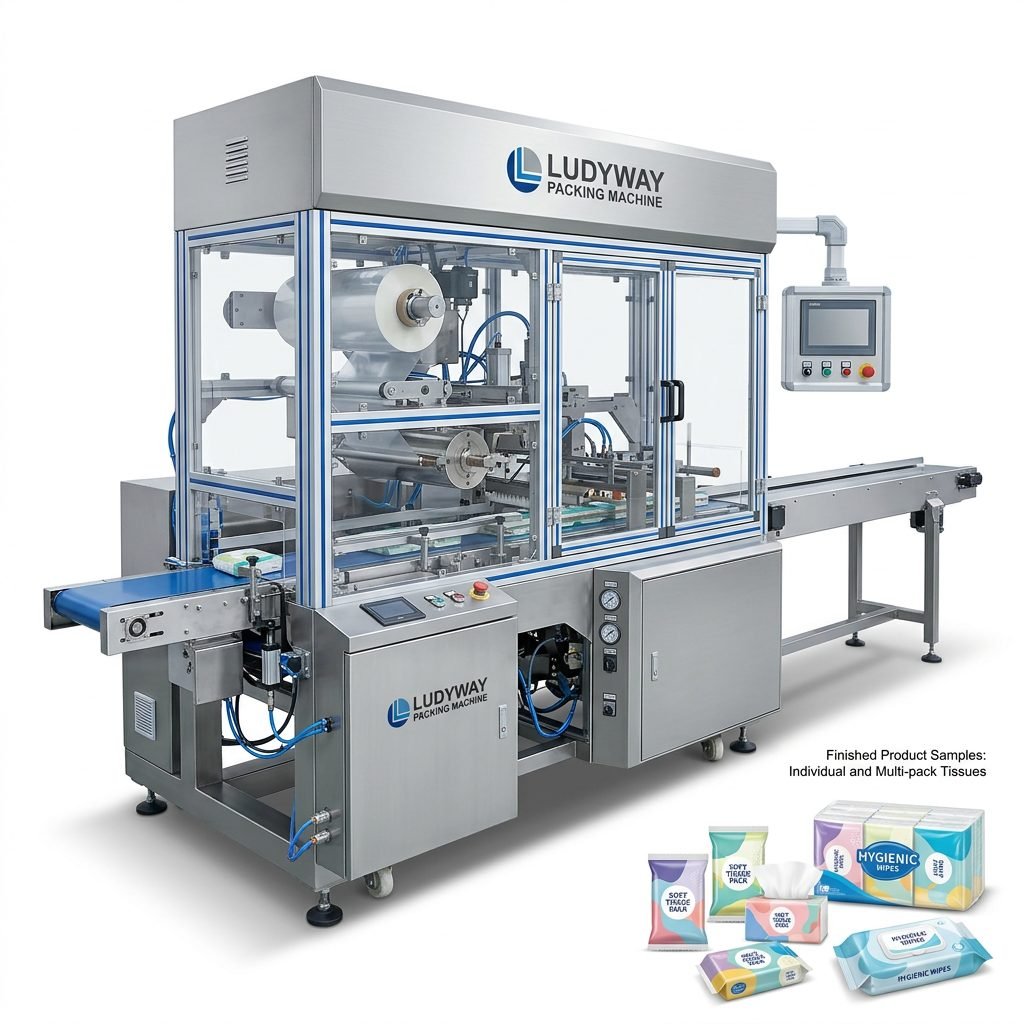
Automation is no longer a luxury but a necessity for competitive production. Automated packaging systems streamline operations, minimize human error, and significantly boost output. For sectors like food and beverage, where hygiene and speed are paramount, these systems are indispensable. They handle everything from primary packaging—sealing products in their immediate container—to secondary packaging, such as boxing and labeling for shipment.
A key benefit is consistent quality and precision. Machines can accurately measure, fill, and seal thousands of units per hour with minimal variation, ensuring every product meets strict quality standards. This consistency is vital for brand reputation and regulatory compliance, especially in pharmaceuticals and food.
Specialized Solutions for Food & Beverage Packaging
The food and beverage industry presents unique challenges, including sensitivity to contamination, variable product consistencies (from granules to viscous liquids), and the need for attractive, shelf-ready presentation. High-performance machinery tailored for this sector addresses these needs directly.
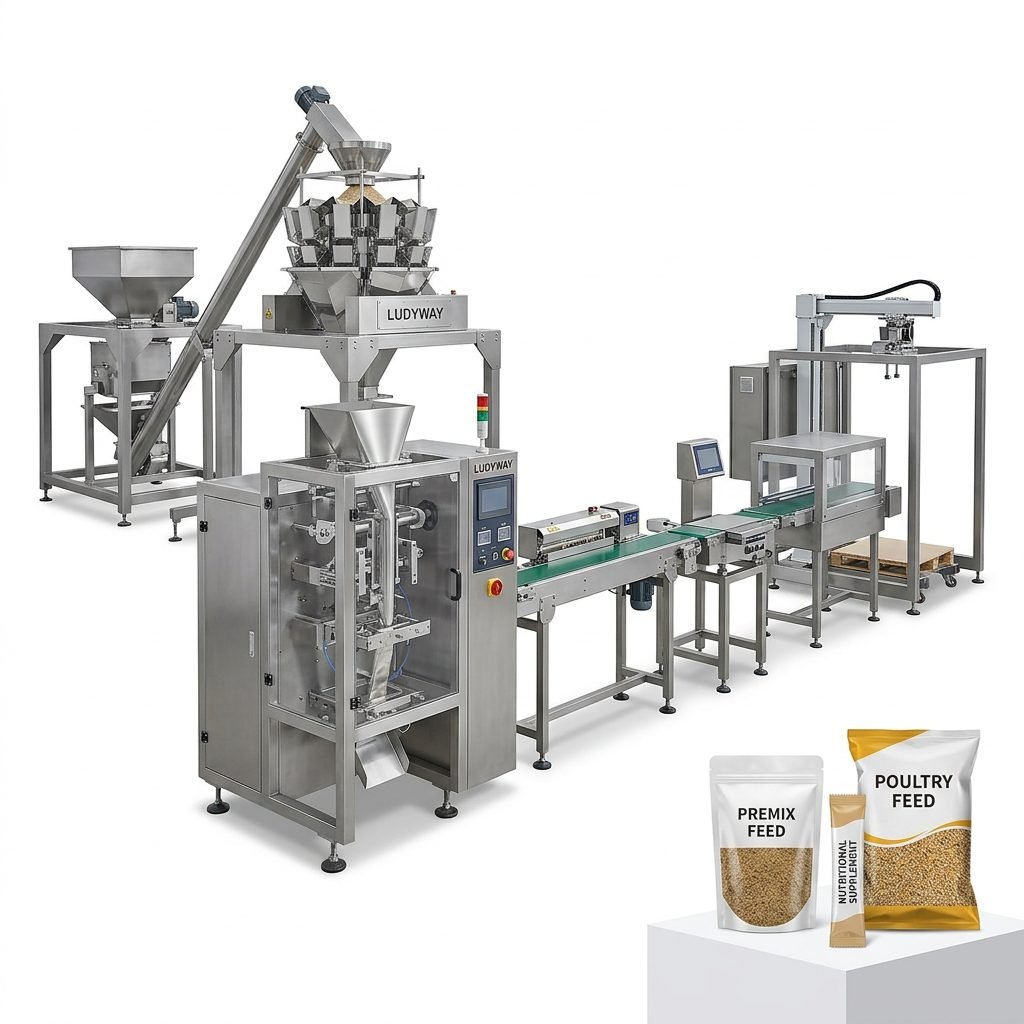
Granule and Powder Packaging: For products like coffee, sugar, spices, and protein powders, precision dosing is critical. Advanced weighing and filling machines ensure accurate portion control, reducing product giveaway and maximizing profitability. Nitrogen flushing capabilities can also be integrated to extend shelf life by displacing oxygen within the package.
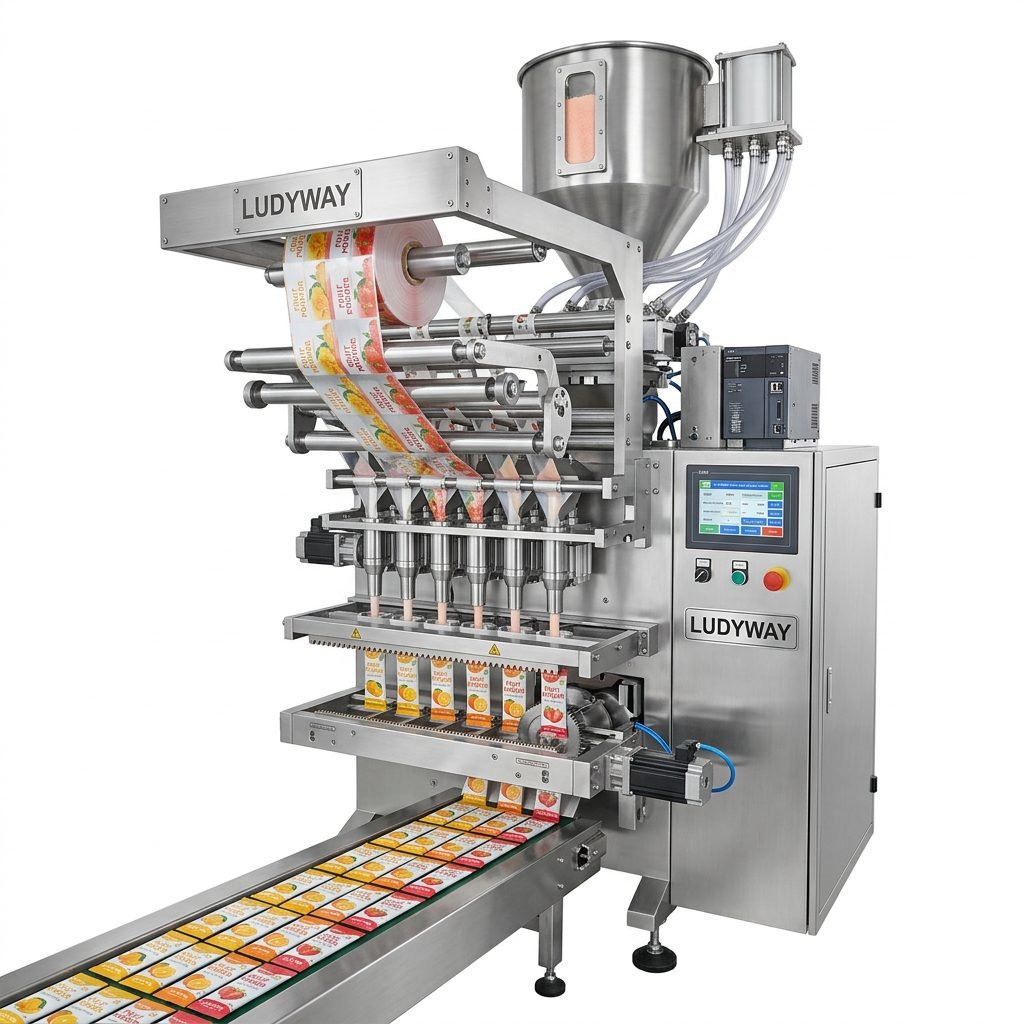
Liquid and Viscous Product Packaging: Packaging oils, sauces, dairy products, or beverages requires equipment that can handle different viscosities without dripping or waste. Piston fillers and volumetric cup fillers are engineered for this purpose, offering clean, efficient fills for bottles, pouches, or stick packs.
Innovations in Pouch and Stick Pack Technology
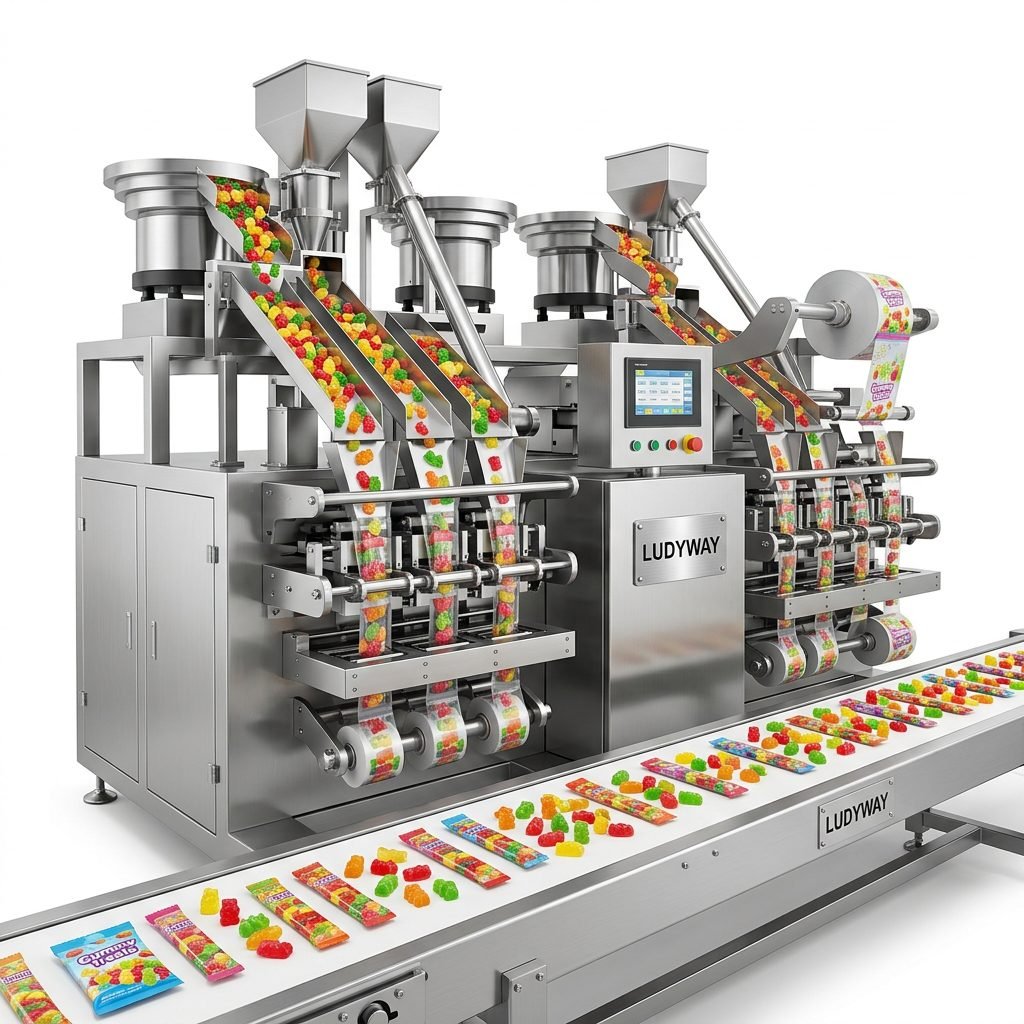
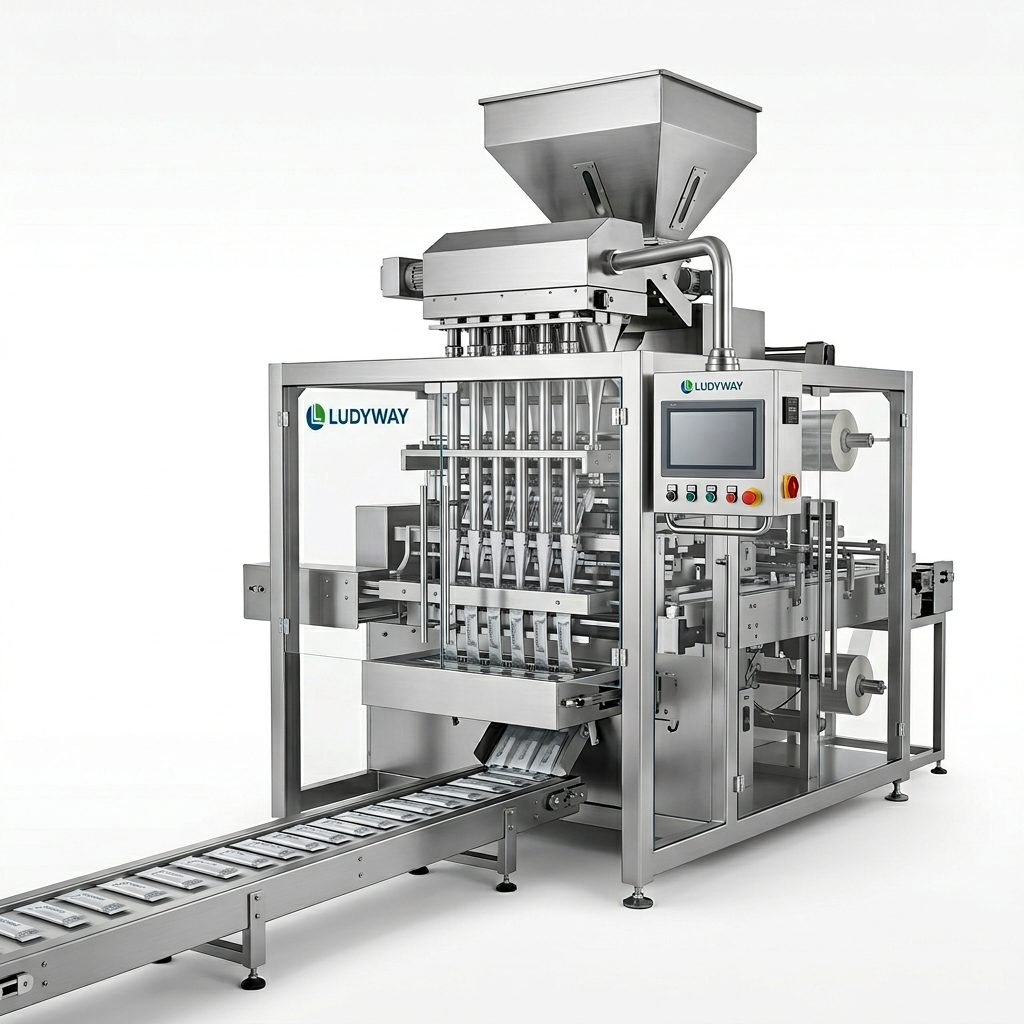
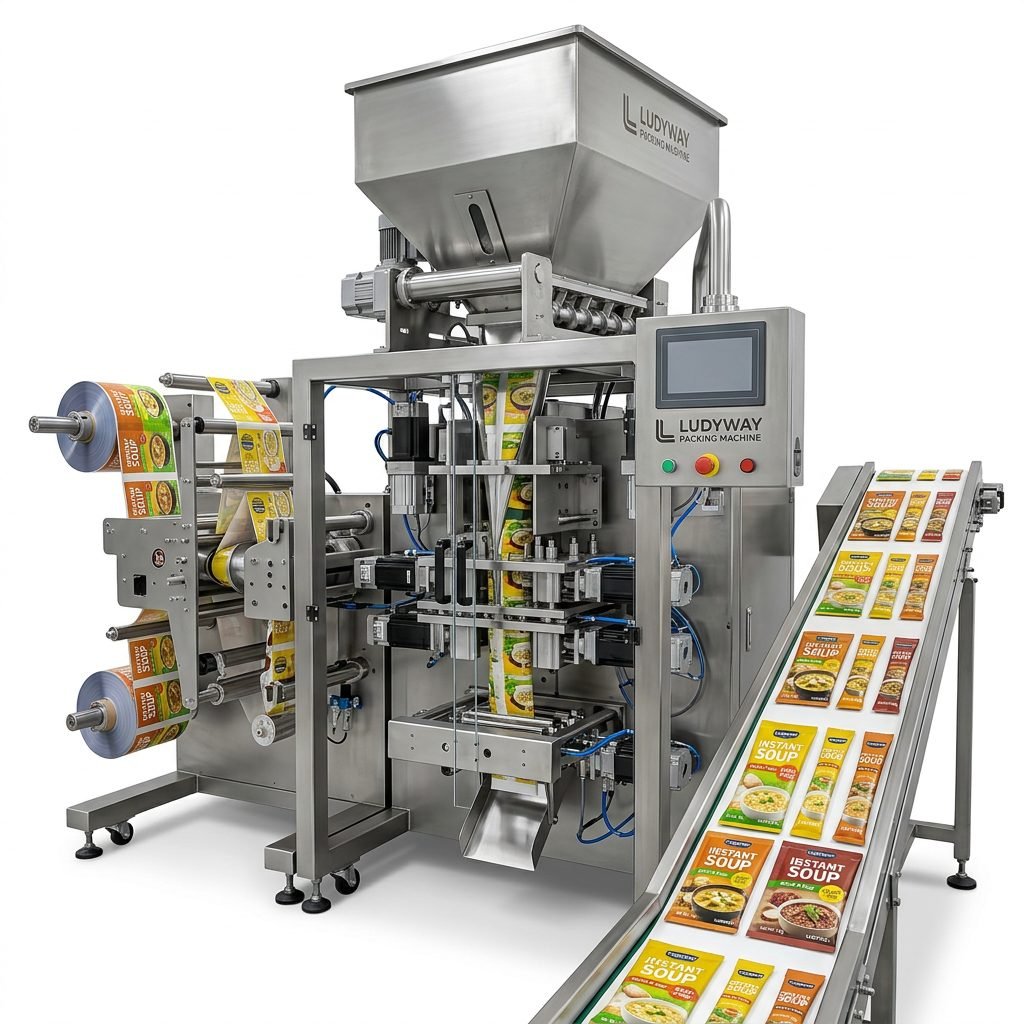
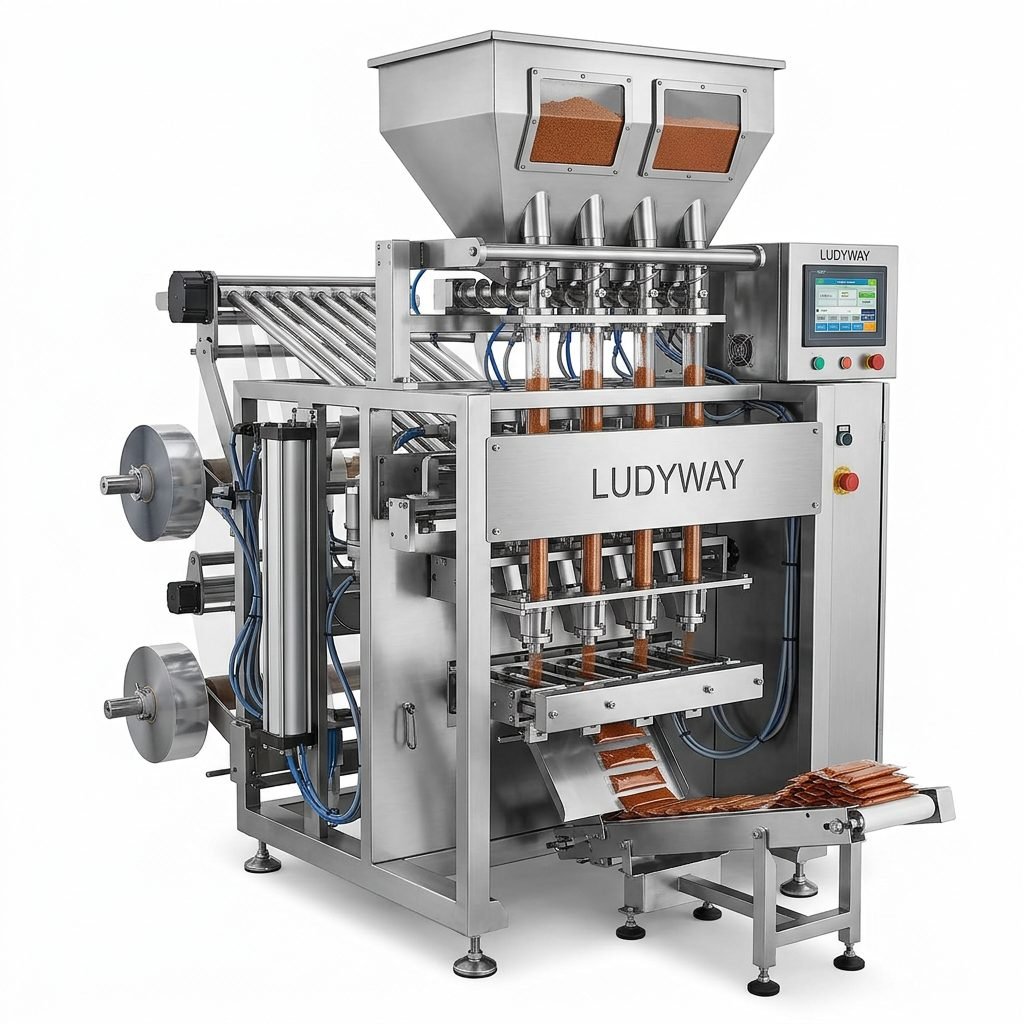
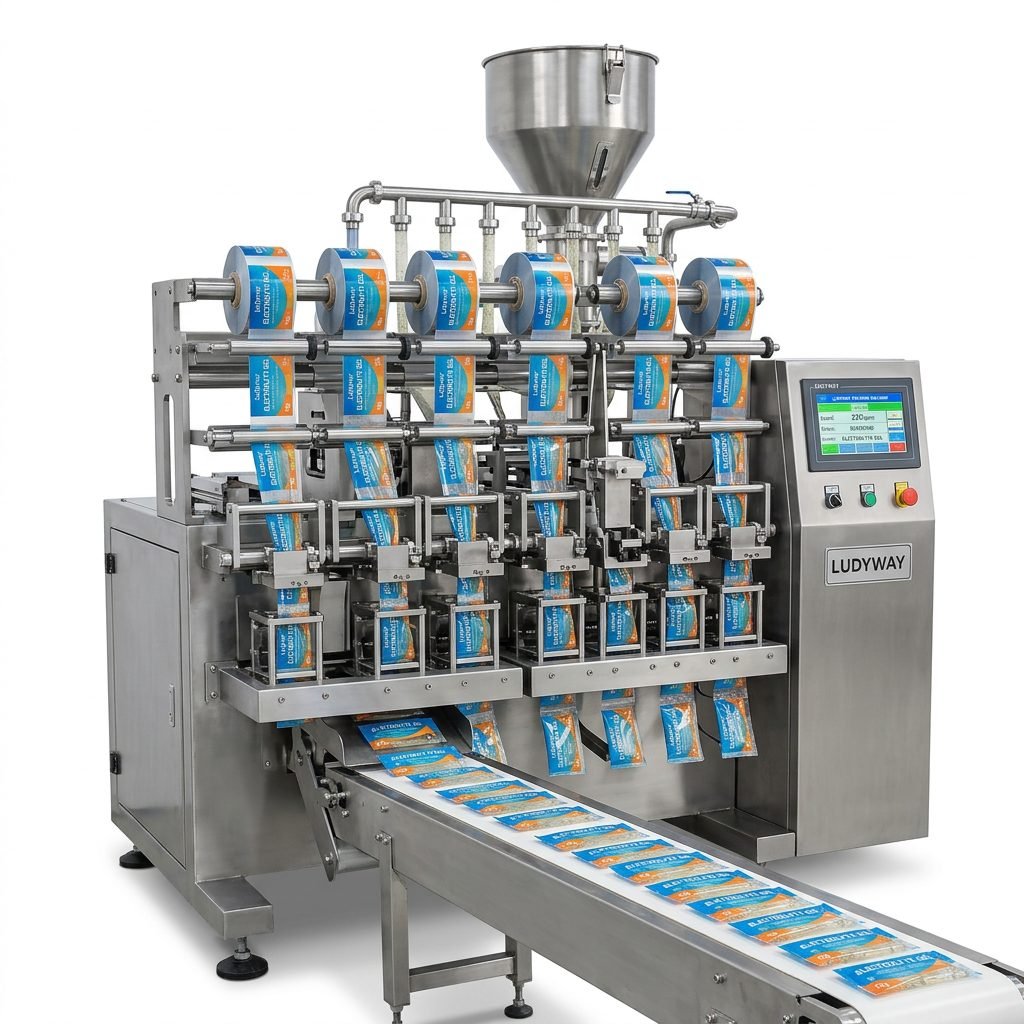
Consumer preference for convenience has driven the popularity of single-serve pouches and stick packs. Modern machinery for creating these packages is highly sophisticated, often combining forming, filling, and sealing in one continuous motion (FFS technology). This allows for incredible speeds and flexibility in package size and material, enabling brands to quickly adapt to market trends.
For businesses looking to enter this market or upgrade their lines, partnering with an expert provider is crucial. Companies like Ludyway Machinery offer extensive ranges of such equipment, backed by deep application knowledge to ensure the chosen solution aligns perfectly with production goals and product characteristics.
Robust Machinery for Diverse Industrial Applications
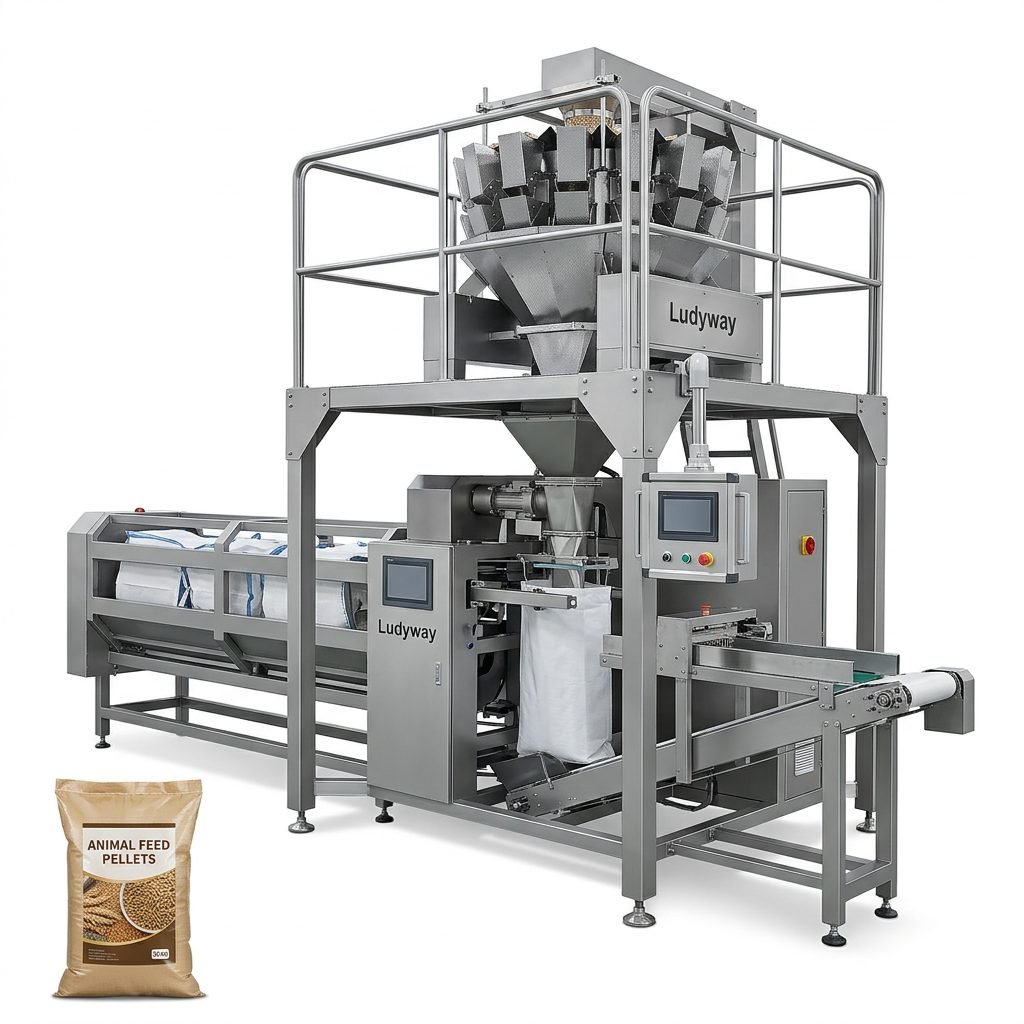
Beyond food and beverage, industrial sectors such as chemicals, agriculture, pharmaceuticals, and hardware require equally robust packaging solutions. These applications often involve handling abrasive, corrosive, or hazardous materials, demanding machinery built with durability and safety as top priorities.
Chemical and Agri-Product Packaging: Equipment for seeds, fertilizers, or industrial chemicals must be constructed from corrosion-resistant materials and designed for easy cleaning to prevent cross-contamination. Dust containment systems are also a key feature to protect the working environment and operators.
Pharmaceutical and Nutraceutical Packaging: This sector demands the highest levels of accuracy and cleanliness. Packaging lines often operate in controlled environments and must comply with stringent regulations like cGMP. Machinery for blister packs, vial filling, and sachet packaging of powders must offer unparalleled precision and often include traceability features like serialization.
The Strategic Advantage of Turnkey Solutions
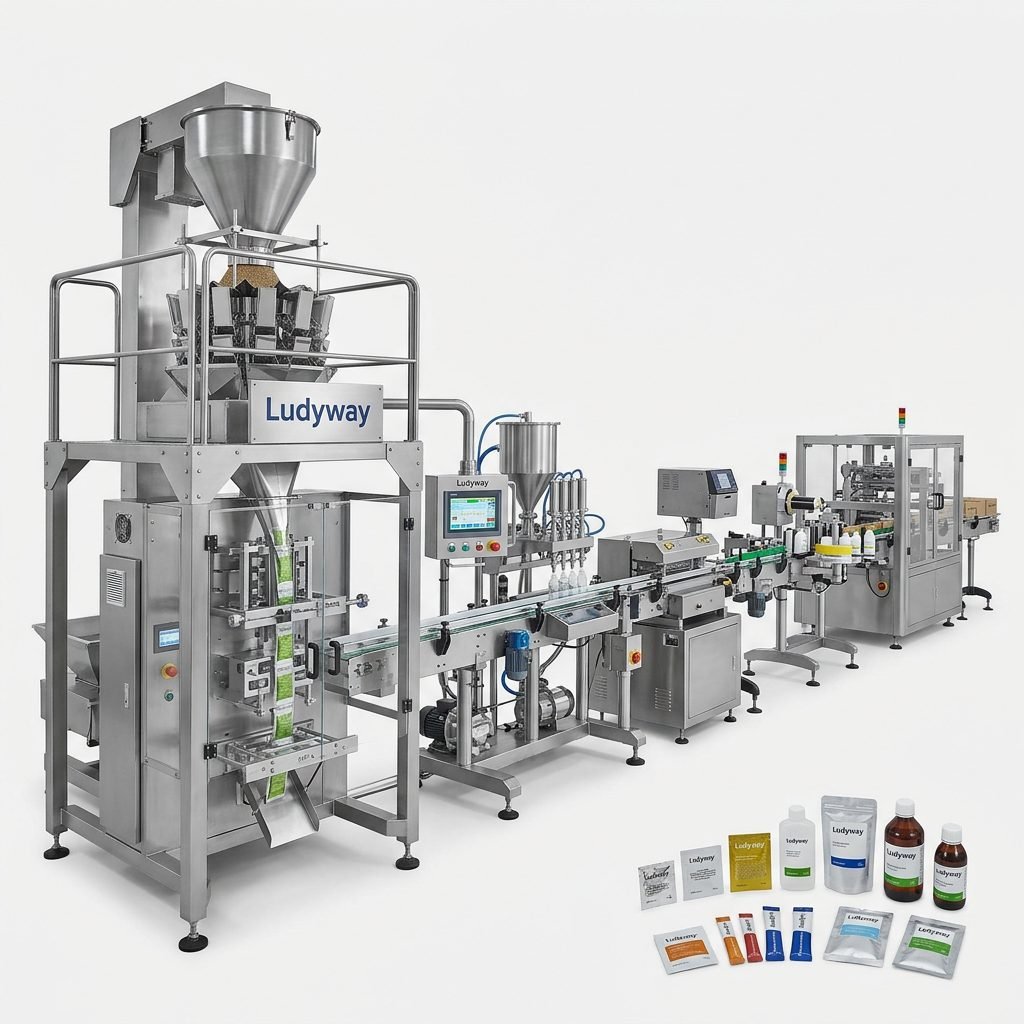
For many manufacturers, especially those launching new products or expanding capacity, purchasing individual machines is not enough. A complete turnkey production line provides a more strategic advantage. This approach involves a single provider designing, supplying, installing, and commissioning an integrated line from raw material intake to palletized finished goods.
The benefits are profound: reduced project complexity, guaranteed compatibility between line components, a single point of accountability, and faster time-to-market. It transforms packaging from an operational task into a strategic asset that drives scalability and efficiency. Exploring a provider’s history and capability in delivering such integrated projects is a critical step in the selection process.
Key Considerations When Selecting Packaging Machinery
Choosing the right equipment is a significant investment. Key factors to consider include:
- ✓ Production Speed & Output: Match the machine’s capacity to your current and forecasted needs.
- ✓ Flexibility & Changeover: How quickly can the machine switch between different package sizes or products? Quick-change parts are essential for short runs.
- ✓ Hygiene & Cleanability: Sanitary design with smooth surfaces and easy access for cleaning is non-negotiable for food and pharmaceutical use.
- ✓ Integration & Connectivity: Modern machines should offer data output for integration with Manufacturing Execution Systems (MES) for real-time monitoring and analytics.
- ✓ Supplier Support & Service: Reliable after-sales service, technical support, and availability of spare parts are crucial for minimizing downtime.
Driving Efficiency with Smart Technology and Support
The future of packaging lies in smart, connected machinery. IoT-enabled sensors can monitor machine health, predict maintenance needs, and optimize performance in real-time. This data-driven approach moves operations from reactive to predictive, maximizing uptime and overall equipment effectiveness (OEE).
Ultimately, the goal of investing in high-performance packaging machinery is to build a resilient, efficient, and scalable operation. By focusing on solutions that offer precision, speed, flexibility, and intelligent support, manufacturers can protect their products, delight their customers, and secure a strong competitive position in the global marketplace.
Frequently Asked Questions (FAQs)
What types of products can be packaged with your machinery?
Our high-performance packaging solutions are designed for a wide range of products, including food granules (coffee, nuts), powders (spices, protein), liquids (sauces, oils), and various industrial items like chemicals and hardware. We offer specific machine configurations to handle different consistencies and packaging formats like pouches, stick packs, and bottles.
How do you ensure the machine is suitable for our specific production line?
We begin with a detailed consultation to understand your product, output requirements, and existing line setup. We often recommend product testing in our facility and provide comprehensive line layout planning. Our expertise in delivering customized and turnkey solutions ensures the machinery integrates seamlessly with your operations.
What kind of after-sales support and training do you provide?
We provide extensive support including on-site installation supervision, comprehensive operator and maintenance training, detailed manuals, and a readily available inventory of spare parts. Our technical support team is accessible for remote diagnostics and troubleshooting to ensure minimal downtime.
Can your machines handle different packaging materials?
Yes, our machines are engineered for material flexibility. They can work with various laminates, films, and papers commonly used for pouches and stick packs. We can adjust sealing parameters and, if needed, customize certain components to ensure optimal performance with your chosen packaging material.
What are the lead times for a standard machine or a complete production line?
Lead times vary depending on the machine model, customization level, and current production schedule. Standard models typically have shorter lead times, while fully customized turnkey lines require more extensive engineering and assembly. We provide clear timelines during the project quotation phase and maintain communication throughout the manufacturing process.