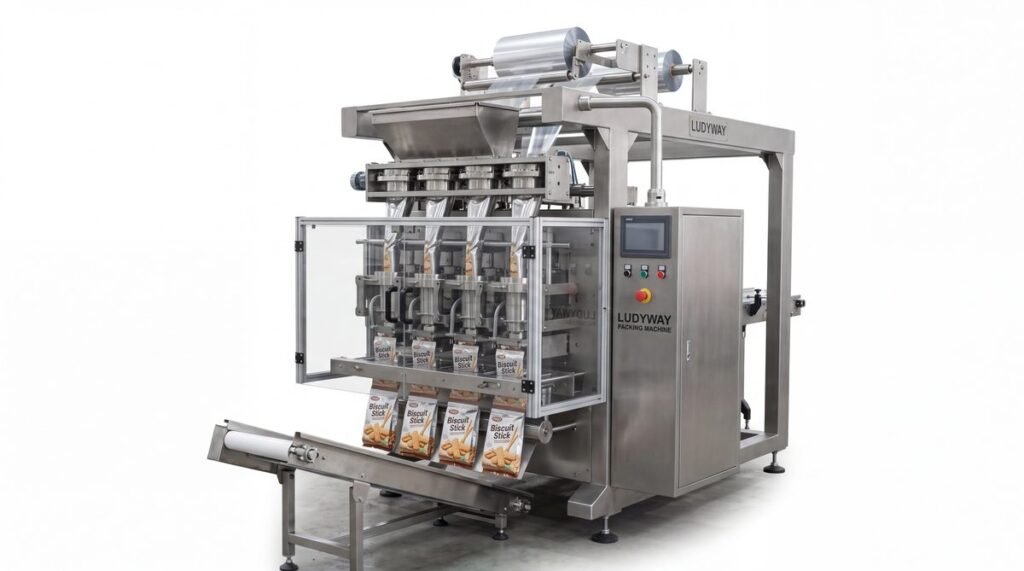
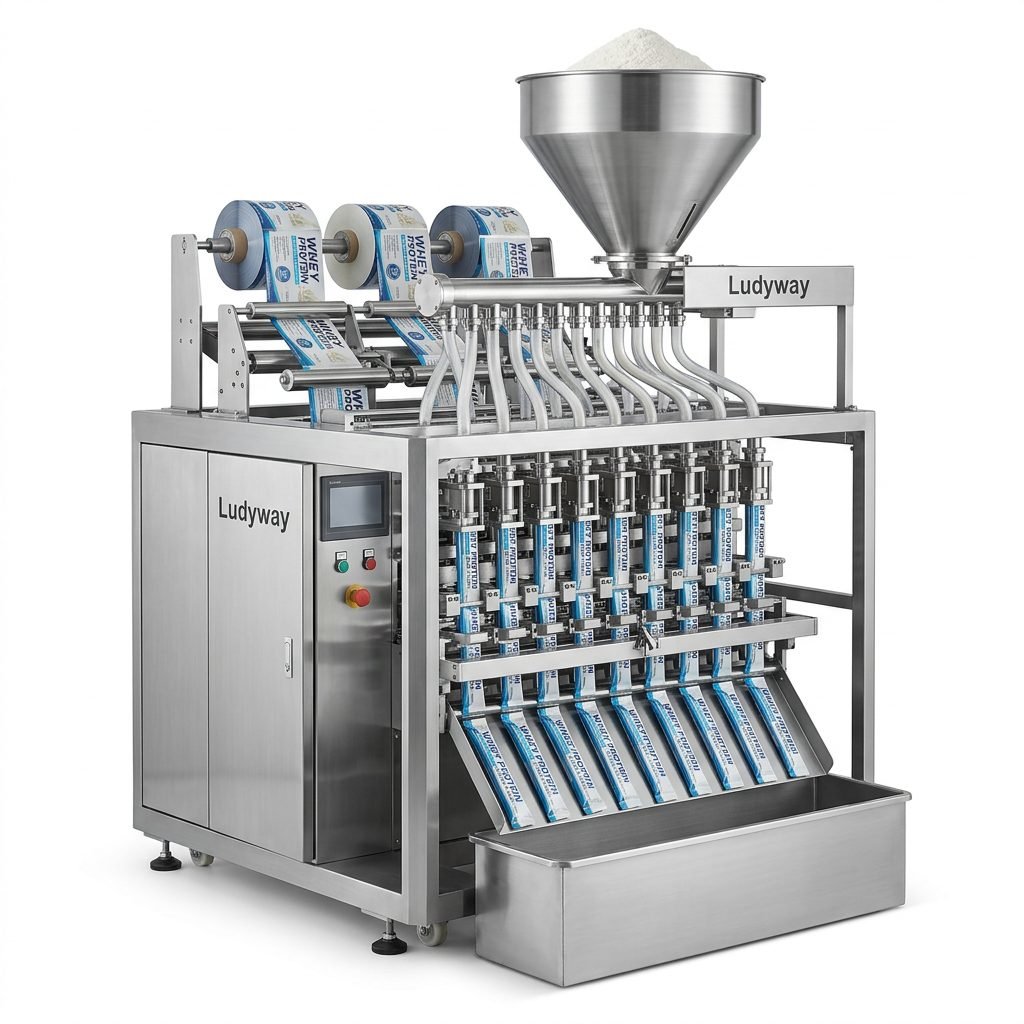
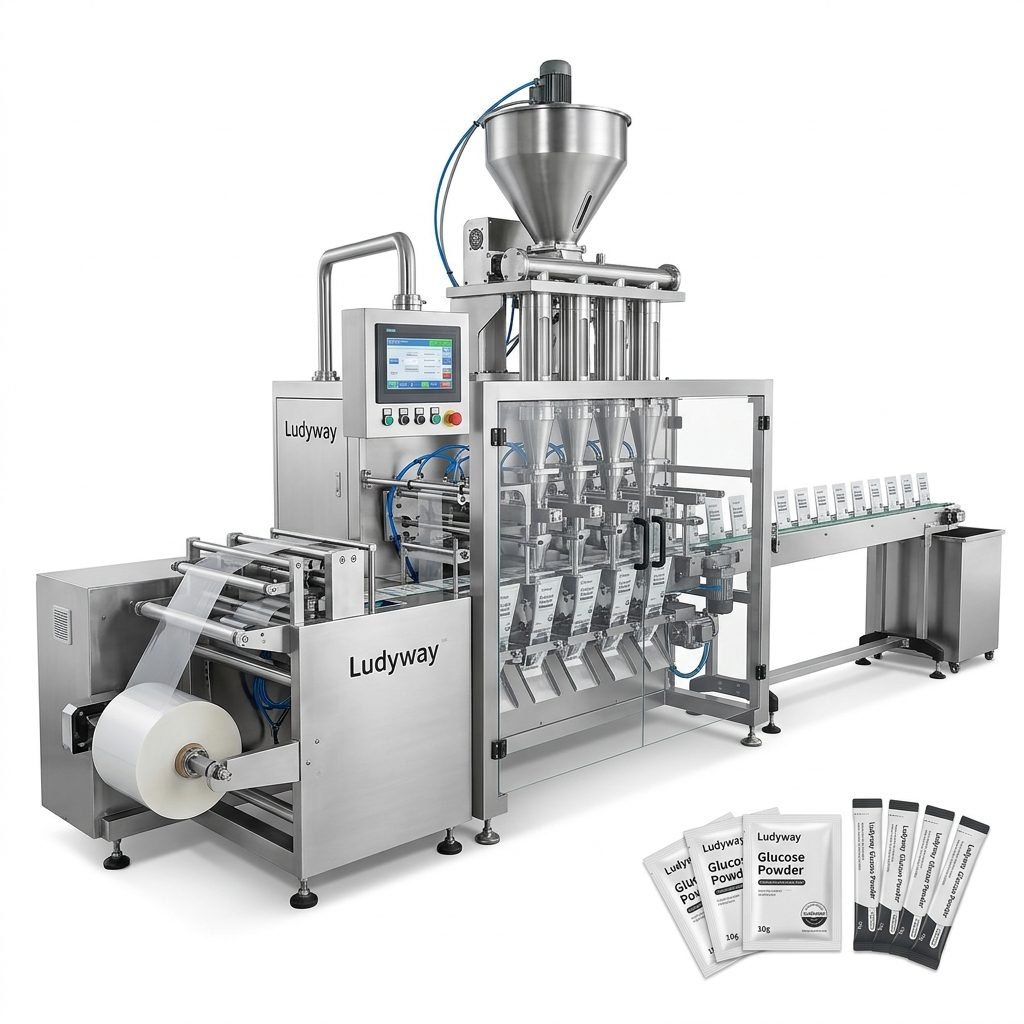
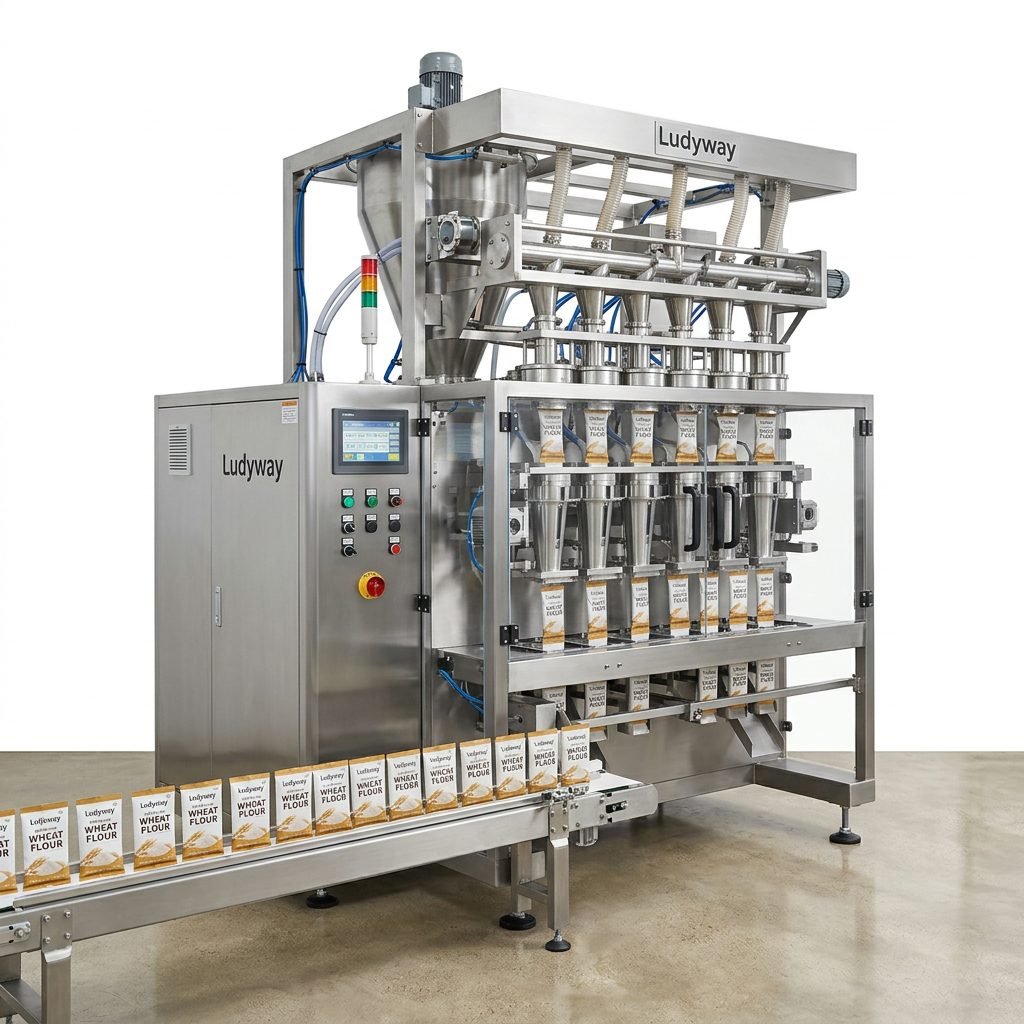
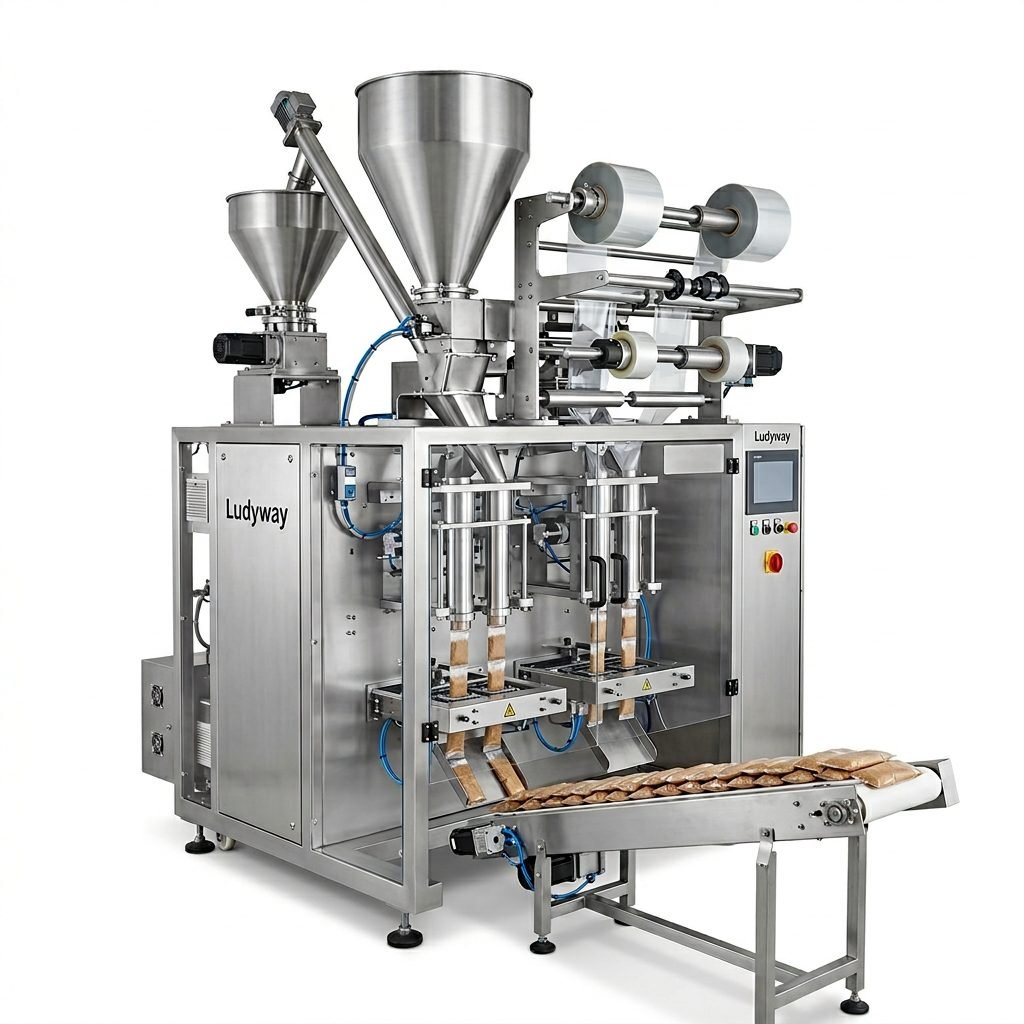
Navigating the world of packaging machinery sales and installation is a critical step for any business looking to enhance its production efficiency, product quality, and market competitiveness. This comprehensive guide is designed to walk you through the entire process—from selecting the right equipment to ensuring its successful setup and integration into your operations. Whether you are in the food, pharmaceutical, or health industry, making informed decisions about your packaging line is paramount to your success.
Understanding Your Packaging Needs
Before diving into equipment specifications, a thorough assessment of your current and future needs is essential. This foundational step ensures the machinery you choose aligns perfectly with your business goals.
Product Characteristics Analysis
Your product dictates the machine type. Consider these factors meticulously:
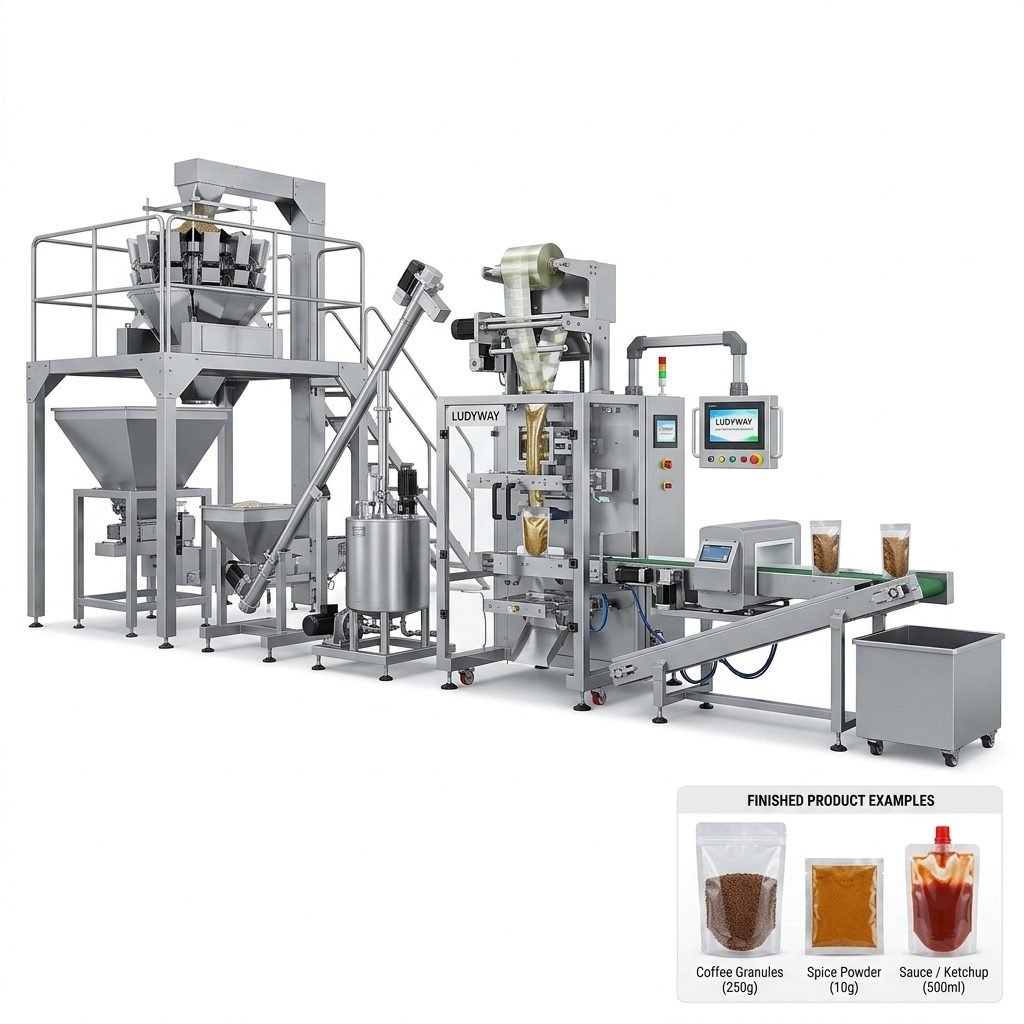
• Physical Form: Is your product a granule, powder, liquid, or paste? Each form requires specific dosing and sealing technologies.
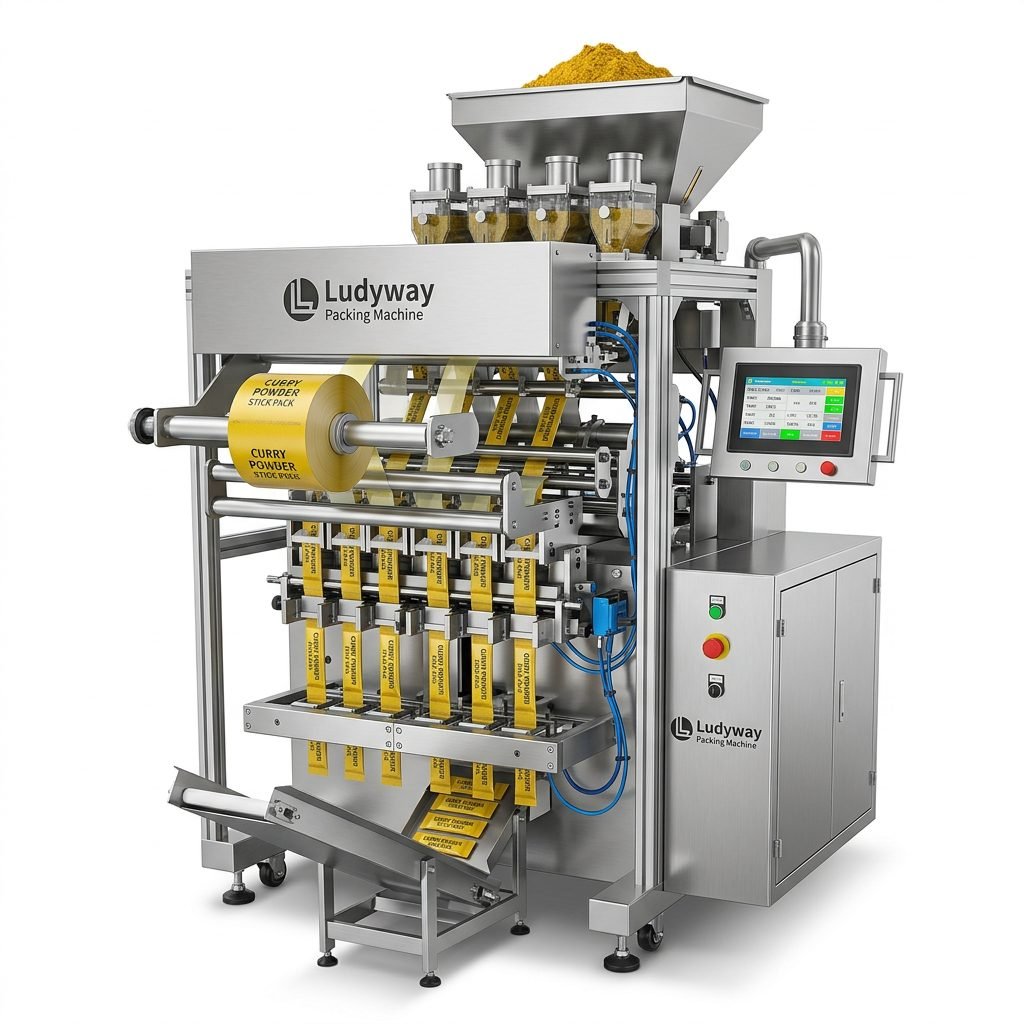
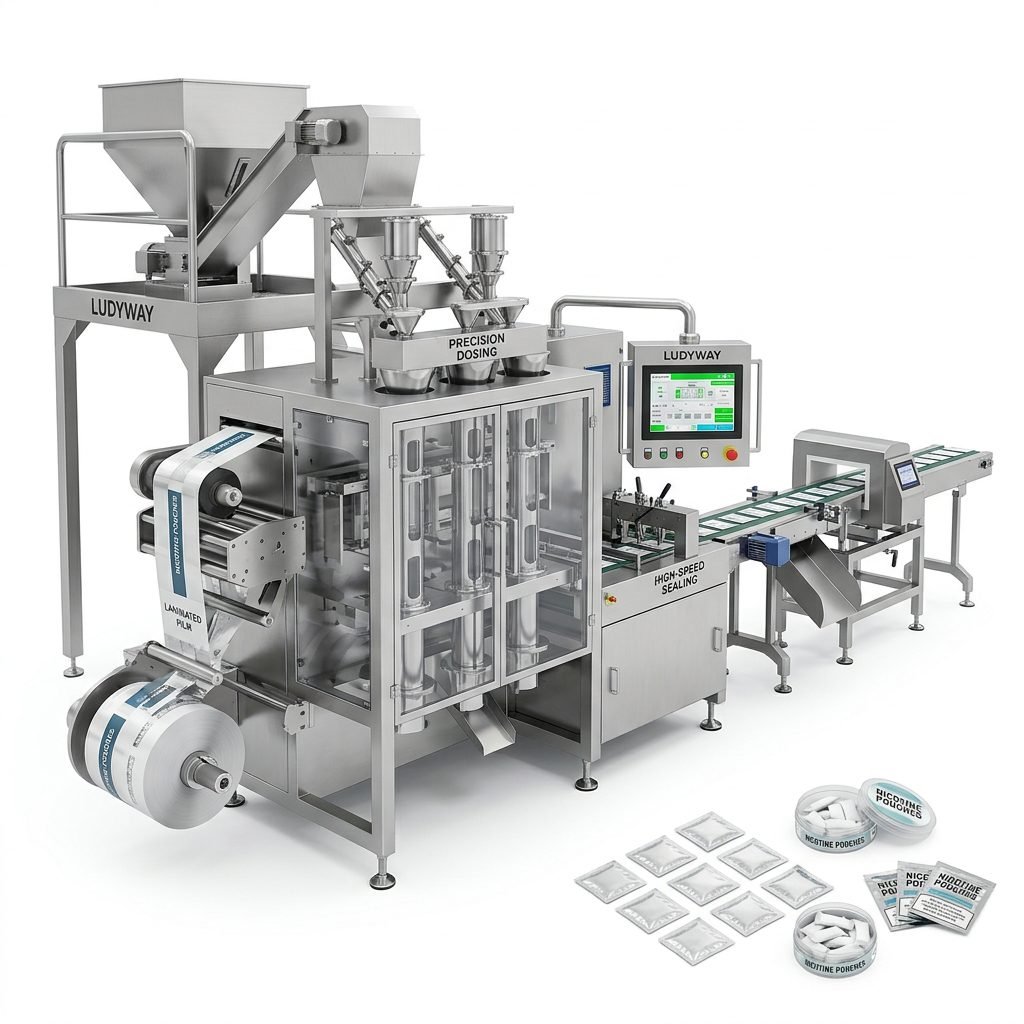
• Packaging Specifications: Define your desired package type (e.g., stick pack, sachet, pouch), material, and size range. This directly influences the machine’s forming and filling capabilities.
• Production Volume & Speed: Calculate your required output in packs per minute/hour. This determines whether you need a single-lane machine or a high-speed multi-lane packaging system.
Key Consideration:
Always plan for scalability. Choosing a machine that can handle a slightly higher capacity or a wider range of package sizes than your current needs can save significant capital expenditure down the line when you decide to expand your product line or increase output.
Selecting a Reliable Machinery Supplier
The supplier you partner with is as crucial as the machine itself. A reputable partner ensures quality, reliability, and long-term support.
Evaluating Supplier Credentials
Look beyond the brochure. A trustworthy supplier should demonstrate:
• Proven Industry Experience: Suppliers with decades of experience, like Ludyway with over 30 years in the field, bring invaluable practical knowledge and have likely solved challenges similar to yours.
• Manufacturing & Engineering Capability: Assess their production facility size and in-house engineering team. A strong manufacturing base (e.g., a 20,000㎡ facility) indicates stability and quality control capacity.
• Product Portfolio & Customization: A wide range of over 50 machine models suggests expertise across different applications and the ability to offer customized packaging solutions tailored to your specific process.
• Global Service & Support: Ensure they offer comprehensive after-sales service, including installation, training, spare parts supply, and technical support, regardless of your location.
The Installation and Commissioning Process
Professional installation is where your investment starts to deliver value. A structured commissioning process minimizes downtime and ensures optimal performance.
Pre-Installation Site Preparation
Prepare your facility according to the supplier’s guidelines. This typically includes:
✓ Ensuring adequate floor space, load-bearing capacity, and clear access for delivery.
✓ Providing the correct electrical power supply (voltage, phase, frequency), compressed air lines, and any required utilities.
✓ Maintaining appropriate environmental conditions (temperature, humidity, cleanliness) as specified for the machinery and your product.
Professional On-Site Setup
A qualified technician from the supplier should lead the installation. This phase involves:
1. Unloading & Positioning: Careful placement of the machine and any auxiliary equipment on the production floor.
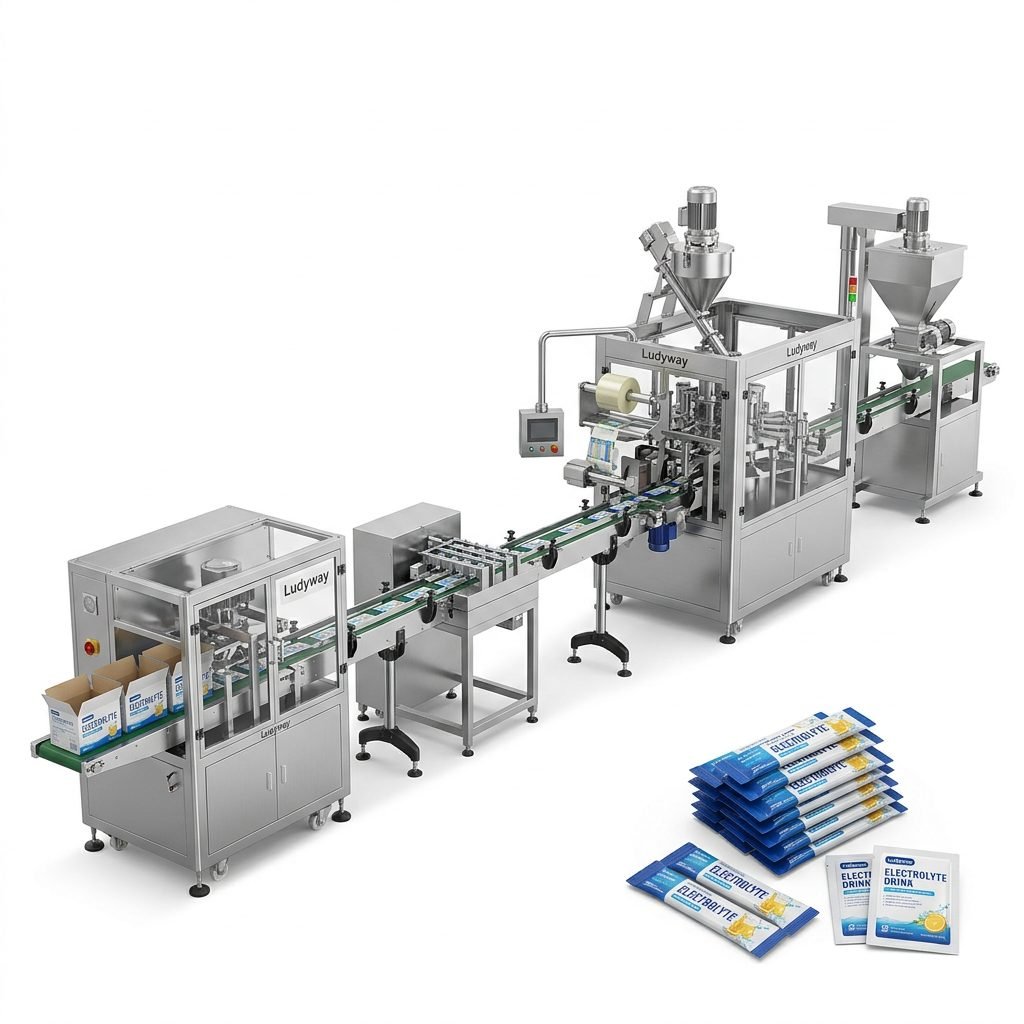
2. Mechanical & Electrical Connection: Securing the machine, connecting power and utilities, and integrating it with upstream and downstream equipment like conveyors or cartoners.
3. Calibration & Testing: This is the most critical step. The technician will calibrate dosing systems, set sealing parameters (temperature, pressure, time), and run multiple tests with your actual product and packaging materials to achieve perfect seals and accurate fills.
💡 Maximizing Your Investment: Operator Training
Never underestimate the importance of training. Comprehensive training for your operators and maintenance staff conducted by the supplier’s expert is essential. It should cover:
• Safe machine operation and emergency procedures.
• Routine maintenance tasks (cleaning, lubrication, minor adjustments).
• Basic troubleshooting for common issues like sealing problems or film jams.
• Proper changeover procedures for different package sizes or materials.
Well-trained personnel reduce waste, prevent costly breakdowns, and ensure consistent, high-quality output from day one.
Post-Installation Support and Maintenance
The relationship with your supplier continues long after the machine is running. A robust support system guarantees long-term productivity.
Establish a clear channel for technical support. Reliable suppliers offer remote assistance and have a responsive spare parts department. Implement the recommended preventive maintenance schedule diligently. Regular checks on seals, sensors, drives, and lubrication points prevent unexpected failures and extend the machinery’s lifespan significantly.
Frequently Asked Questions (FAQs)
1. How long does a typical packaging machine installation take?
The timeline varies based on machine complexity and site readiness. A standard single-lane vertical form-fill-seal (VFFS) machine can often be installed and commissioned within 3-5 working days. More complex multi-lane systems or complete turnkey lines may require 1-3 weeks. Proper pre-installation site preparation is key to avoiding delays.
2. What are the most common challenges during setup, and how can they be avoided?
Common challenges include material feeding issues, inconsistent sealing, and inaccurate dosing. These are largely avoided by using high-quality, consistent packaging film from reputable suppliers, providing stable power and air supply, and allowing sufficient time for the technician to fine-tune the machine with your exact product during commissioning.
3. Can existing packaging machinery be upgraded or integrated with new equipment?
Yes, in many cases. Experienced suppliers can often retrofit older machines with new controls, sensors, or dosing systems to improve speed or accuracy. Furthermore, new equipment like cartoners or checkweighers can usually be integrated into an existing line. A professional site audit is the first step to determining feasibility.
4. What factors most significantly impact the total cost of ownership?
Beyond the initial purchase price, consider long-term costs: energy consumption, maintenance parts (like sealing jaws), material waste rates, required operator labor, and potential downtime. Investing in a robust, energy-efficient machine from a reliable supplier with good service support typically offers the lowest total cost of ownership over 5-10 years.
5. How do I ensure the machine meets industry-specific safety and hygiene standards?
Clearly communicate your industry (e.g., food, pharmaceutical) and any required certifications (e.g., USDA, FDA, CE, GMP) to your supplier upfront. Reputable manufacturers design machines with these standards in mind, using appropriate materials (e.g., stainless steel contact parts) and designs that allow for easy cleaning and prevent contamination.