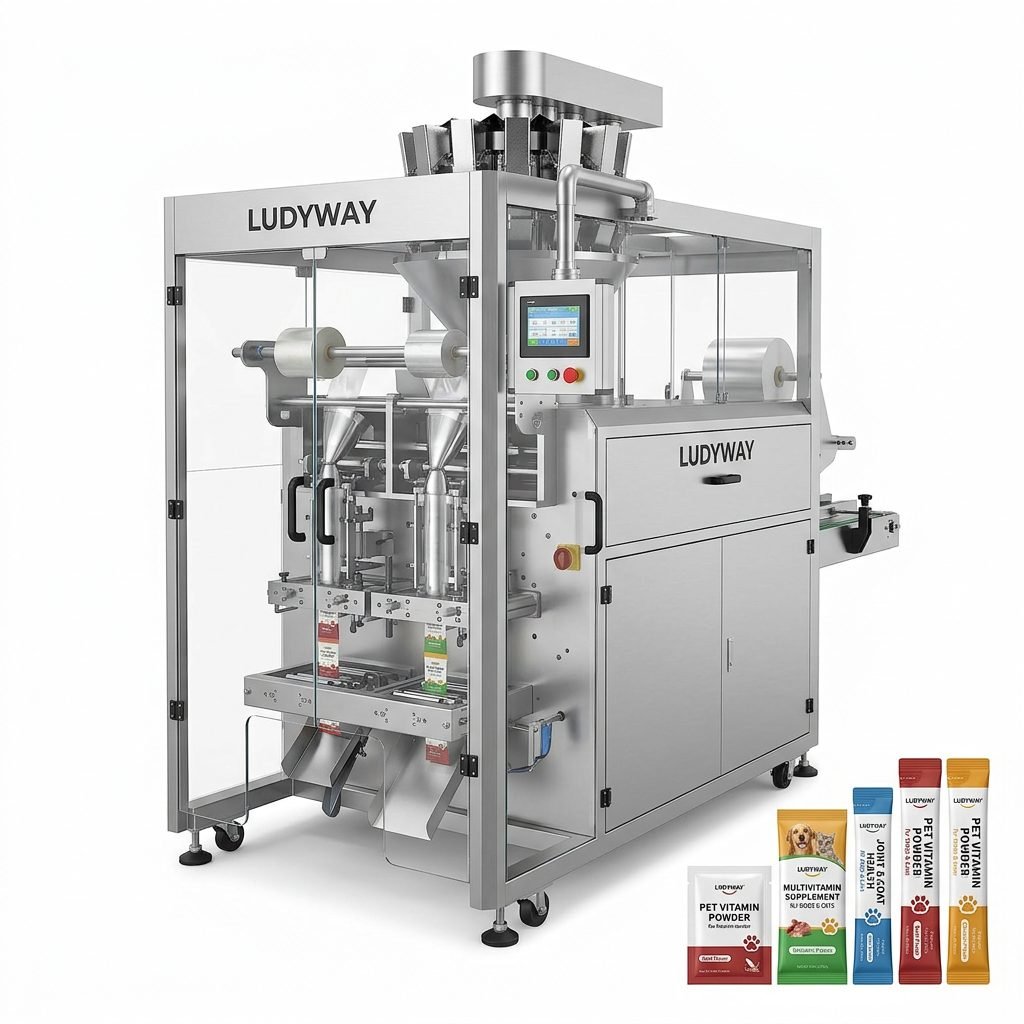
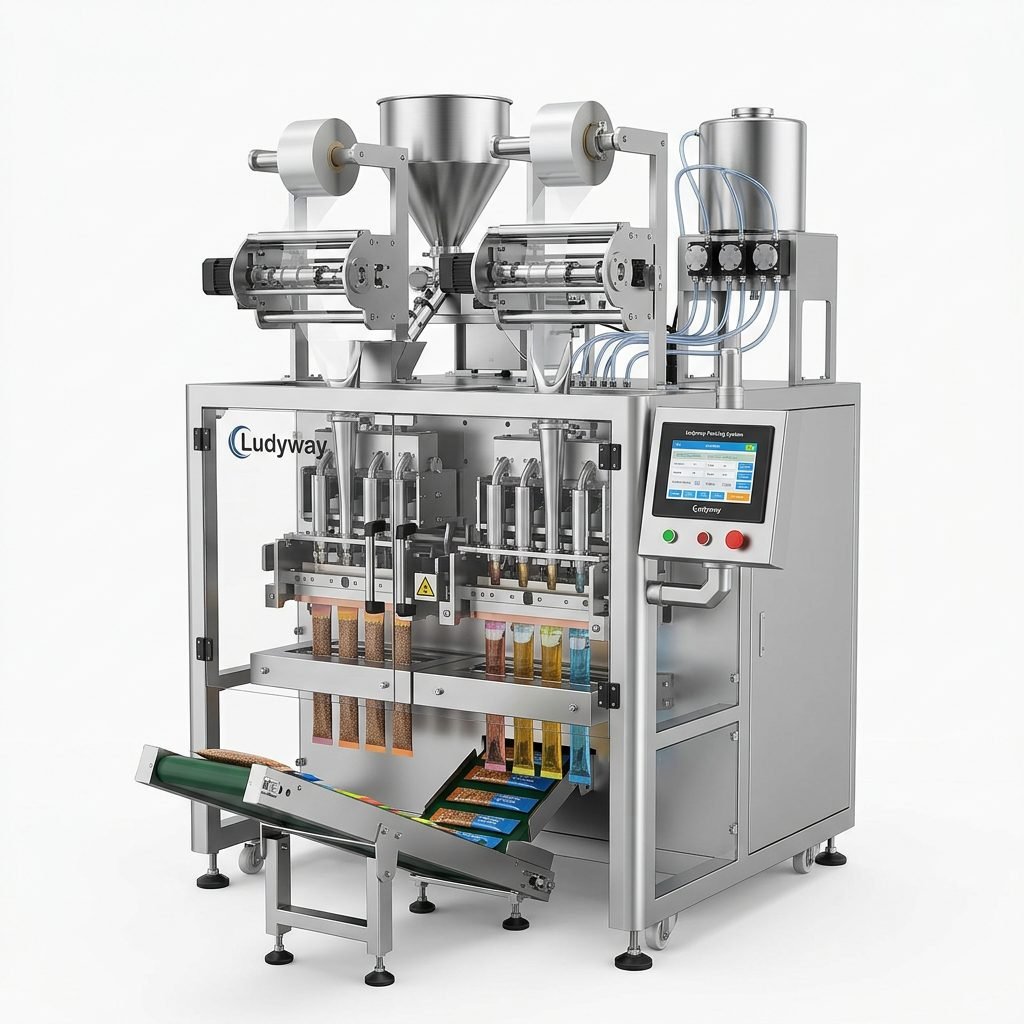
Selecting the right product packaging machine is a critical decision for any manufacturing operation. The ideal machine enhances efficiency, ensures product integrity, reduces waste, and supports brand consistency. This guide provides a comprehensive overview of packaging machine types, key features to consider, and a structured approach to choosing the perfect solution for your production line.
Primary Types of Product Packaging Machines
Understanding the fundamental categories of packaging equipment is the first step. Machines are typically classified by their form-fill-seal (FFS) process, the type of package they create, or the specific product they handle.
Vertical Form-Fill-Seal (VFFS) Machines
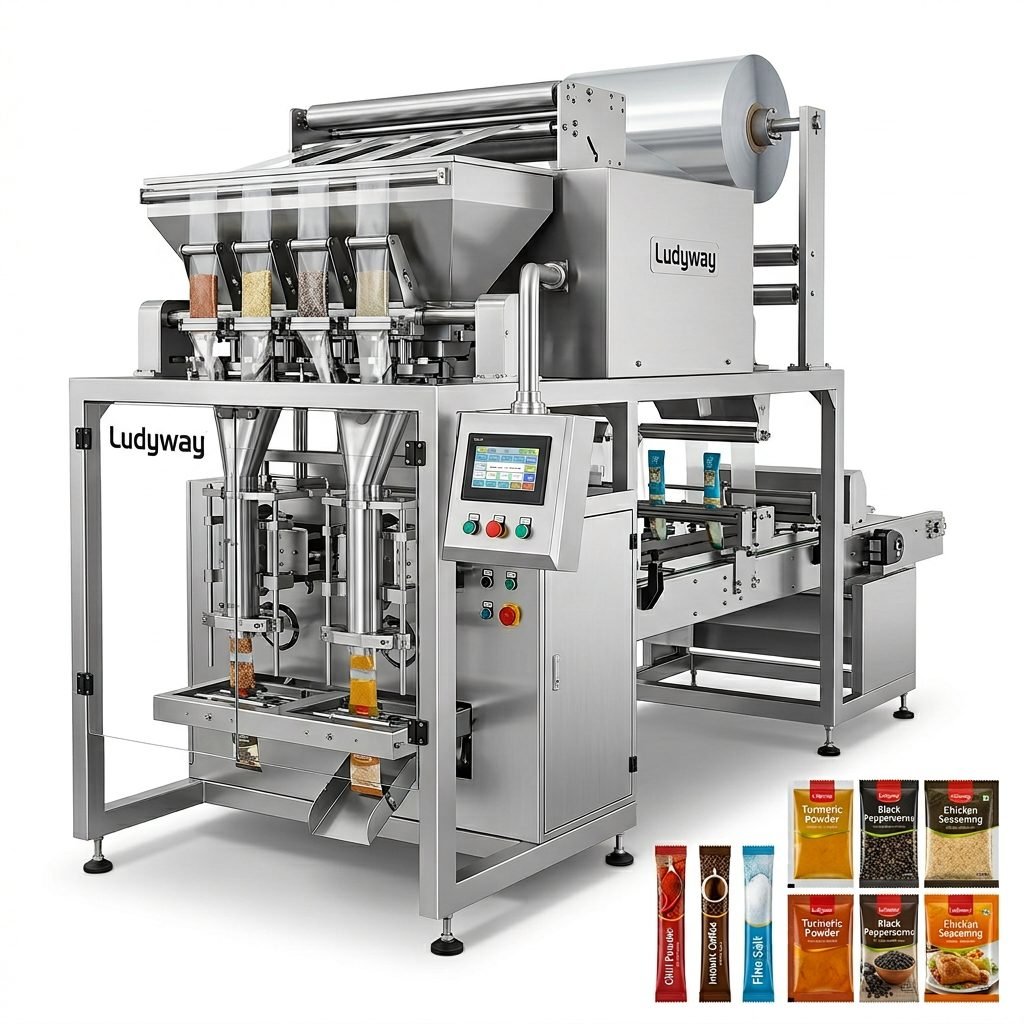
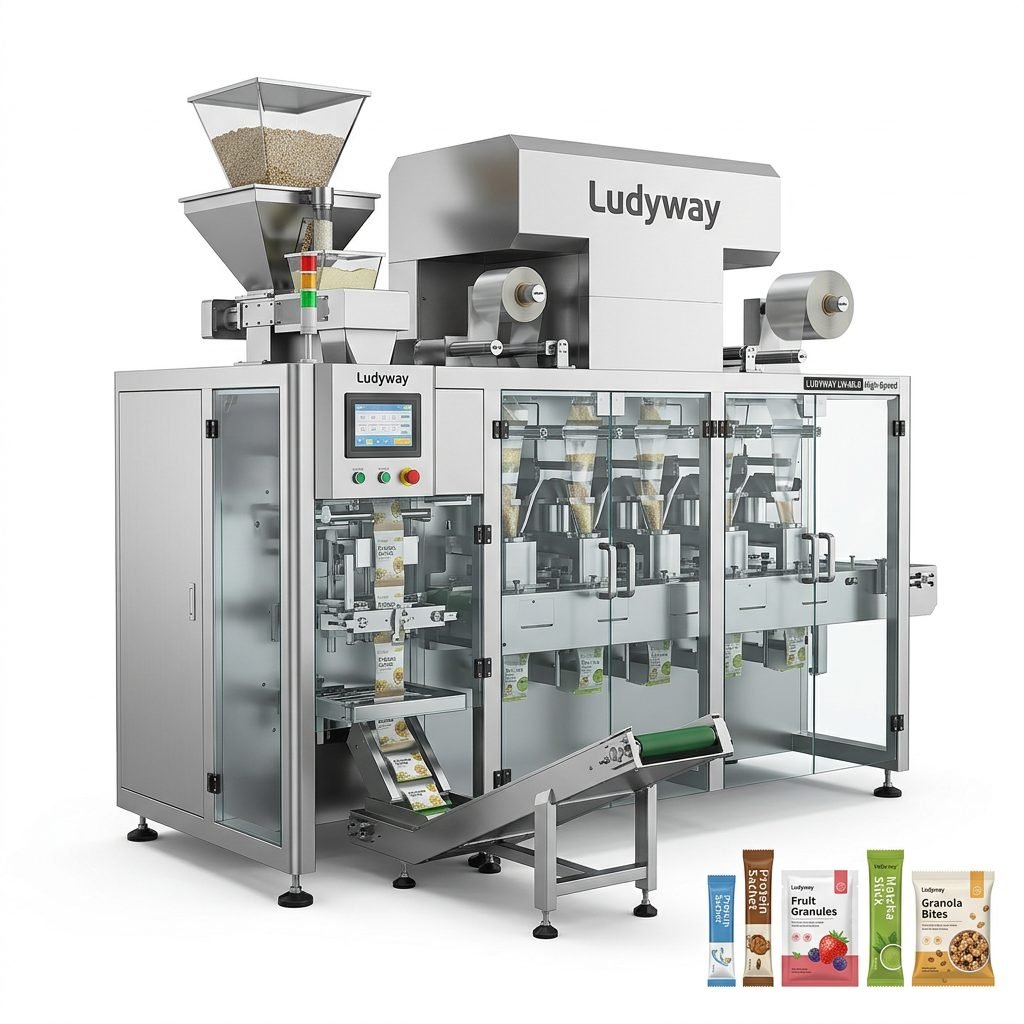
These are among the most common and versatile machines. A roll of flat packaging film is formed into a tube, filled with product, and then sealed vertically and horizontally to create individual bags or pouches. They are ideal for granules, powders, snacks, and small hardware items. Their flexibility in bag size and relatively small footprint make them a popular choice.
Horizontal Form-Fill-Seal (HFFS) Machines
In HFFS machines, the film is fed horizontally. The product is placed on the bottom web of film, and a top web is sealed over it. This method is perfect for packaging biscuits, chocolate bars, medical devices, and blister packs. They often allow for more intricate package shapes and excellent product presentation.
Liquid & Paste Filling Machines
Designed for viscous products, these machines use piston, gravity, or pump-driven systems to accurately dispense liquids, creams, gels, or pastes into bottles, tubes, or sachets. Precision and cleanliness are paramount to prevent drips and contamination.
Stick Pack & Sachet Packaging Machines
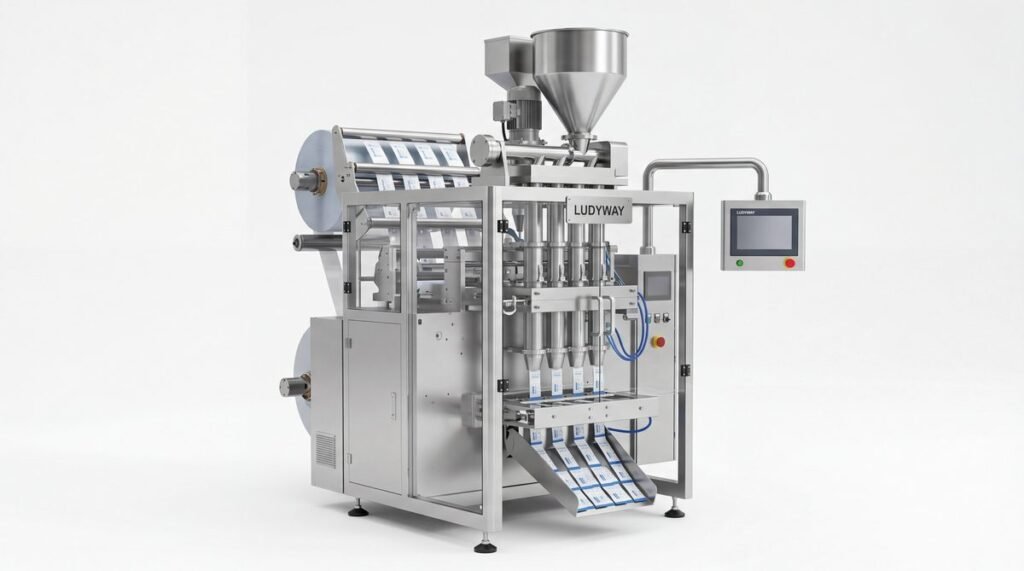
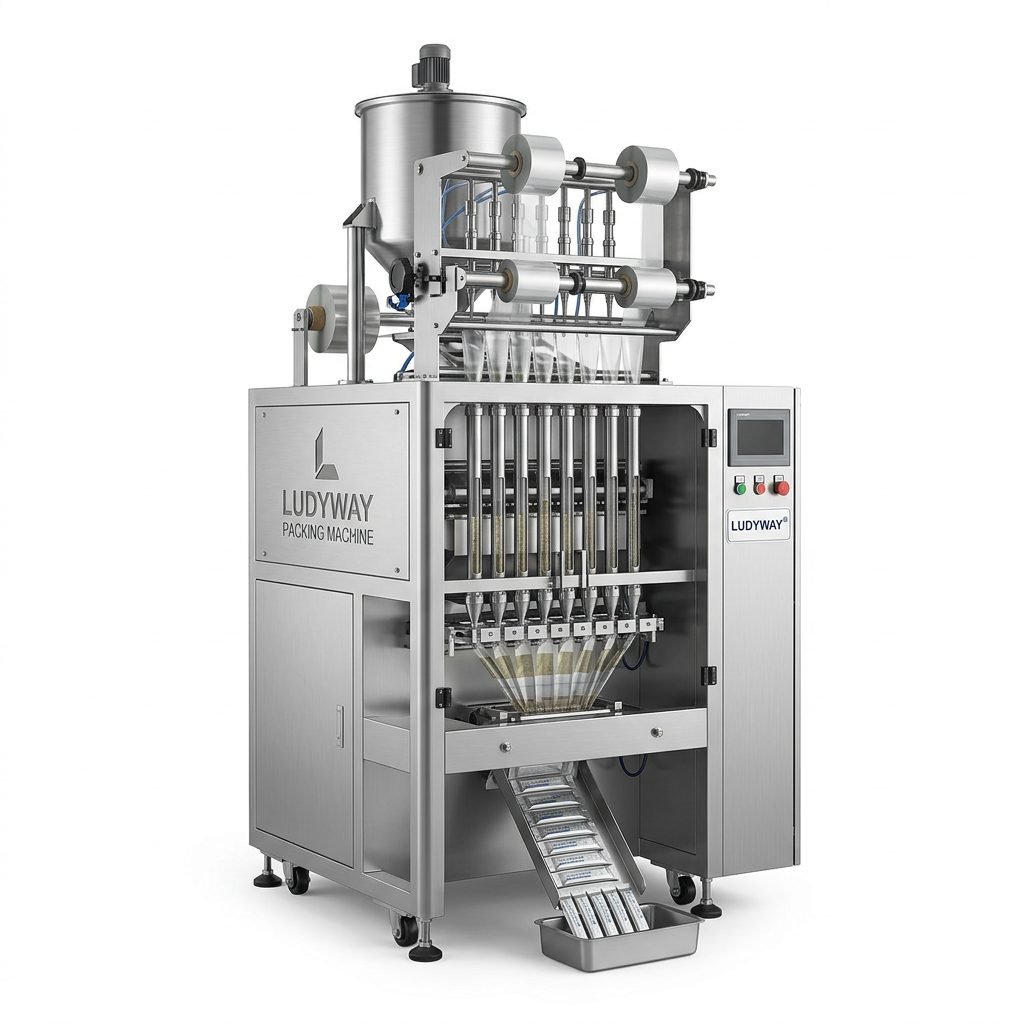
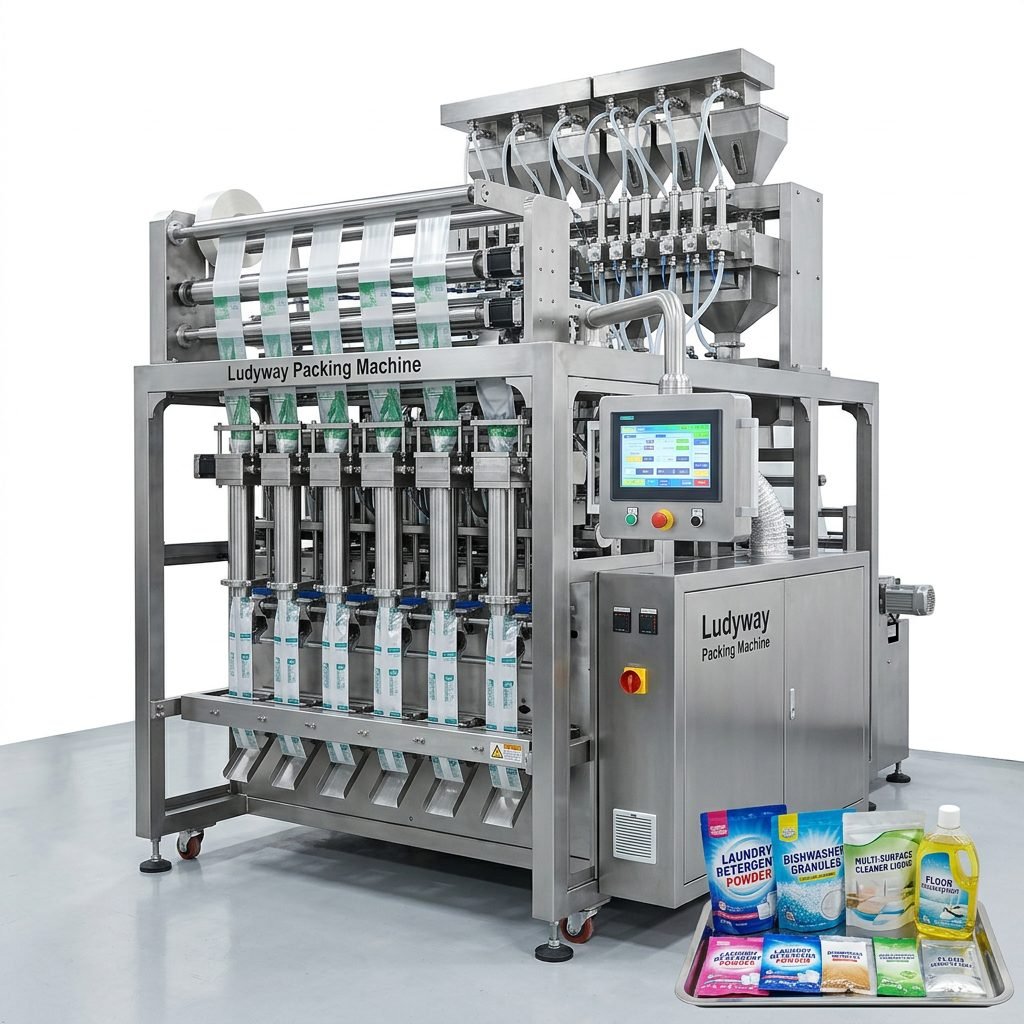
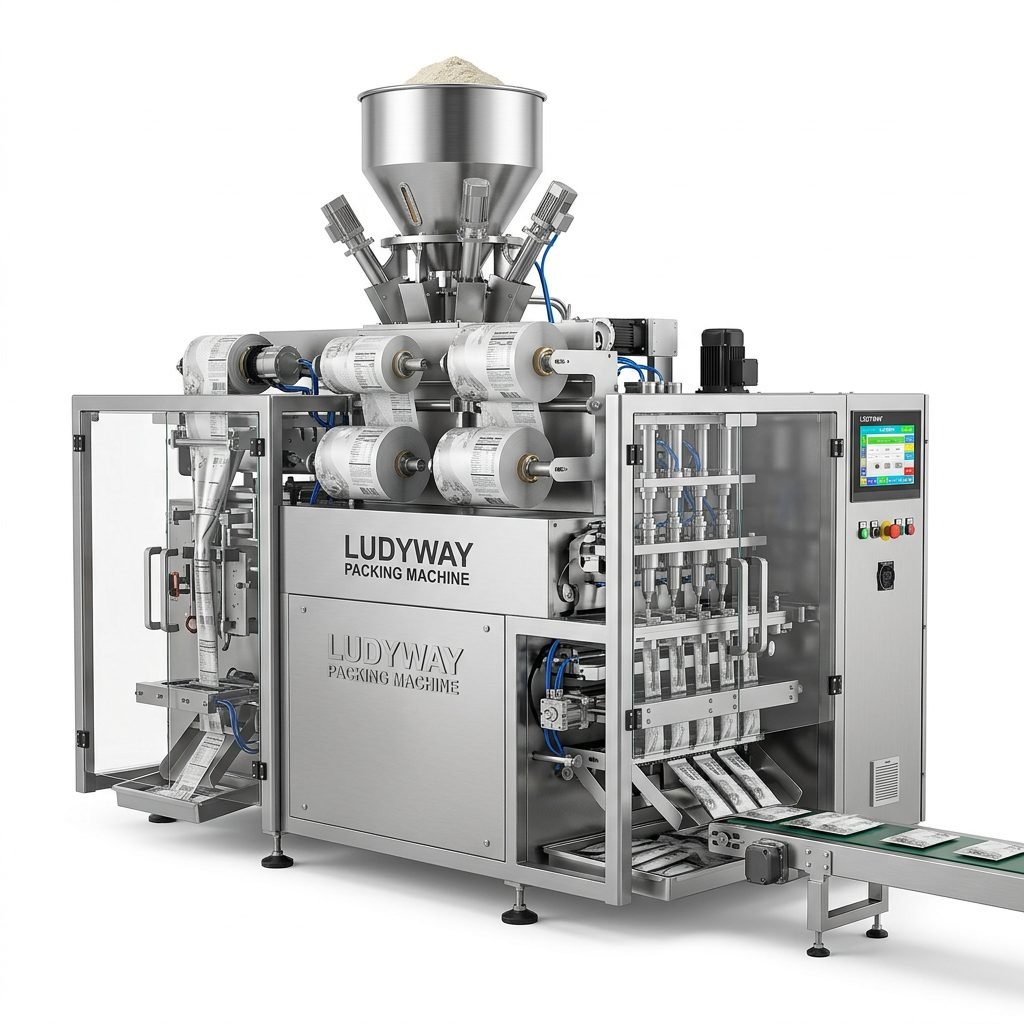
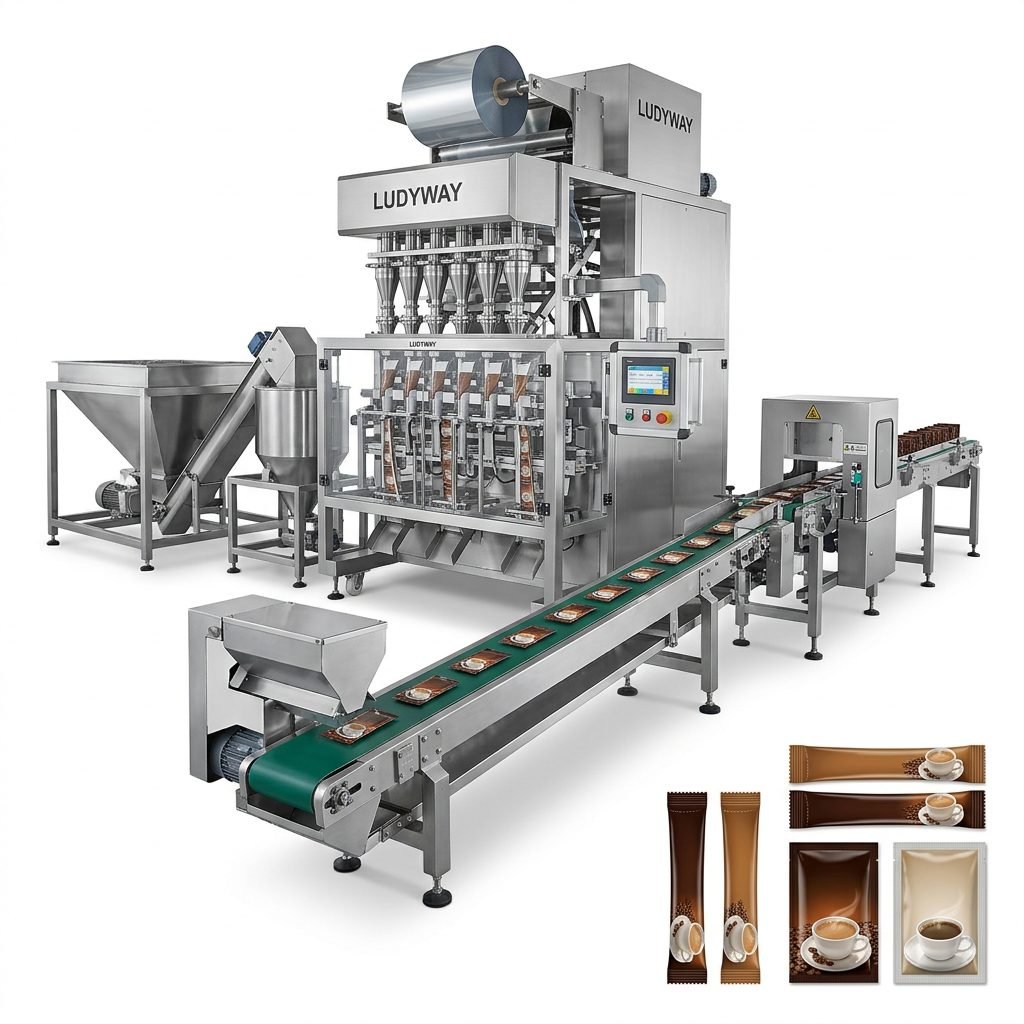
These machines produce small, single-serve packages. Stick pack machines create long, narrow tubes, perfect for coffee, sugar, pharmaceuticals, or drink mixes. Sachet machines can produce various small pouch shapes for sauces, shampoo samples, or condiments. Multi-lane versions significantly boost output for high-volume needs.
Capping, Labeling, and Cartoning Machines
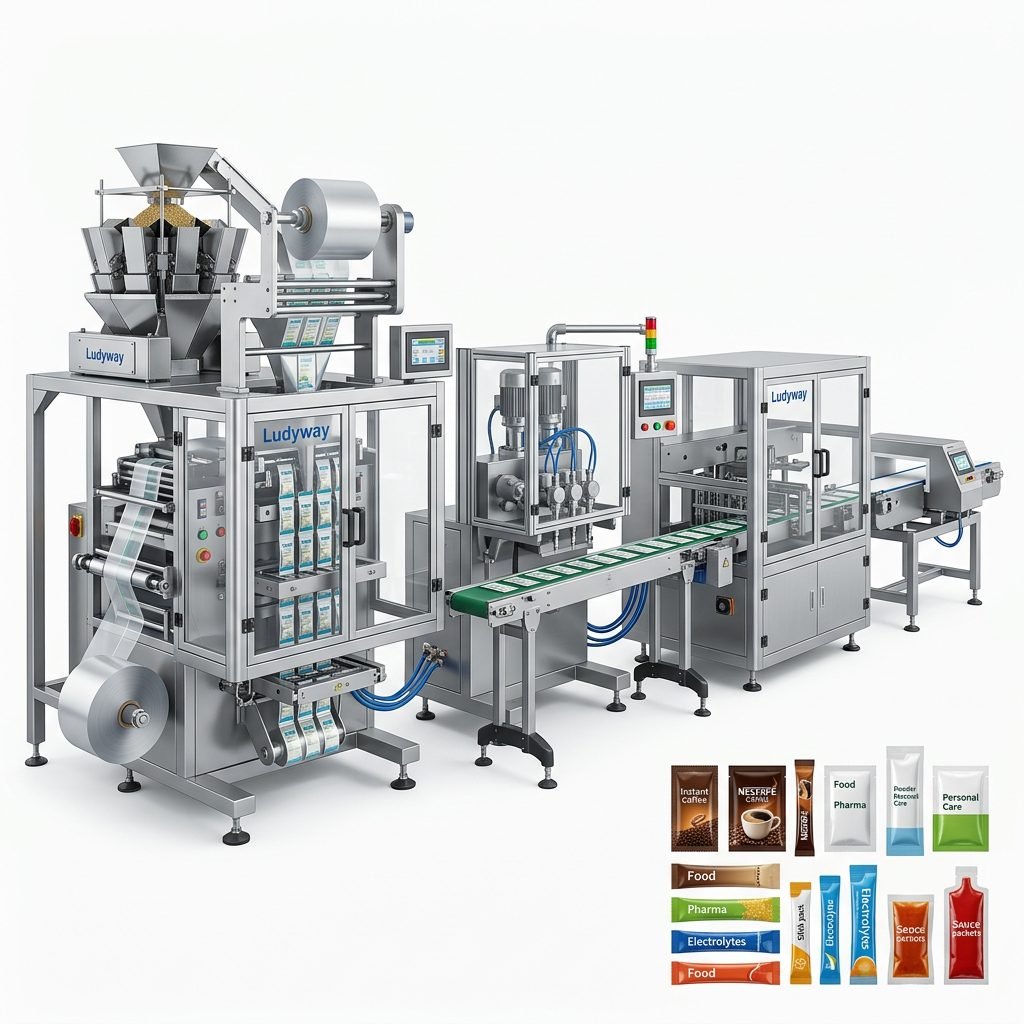
These are secondary packaging machines that complete the packaging line. Cappers secure lids onto bottles, labelers apply product information and branding, and cartoners automatically erect, load, and seal boxes. Integrating these creates a fully automated line.
Essential Features & Capabilities to Evaluate
Beyond the basic type, several technical features determine a machine’s suitability, performance, and return on investment.
Speed & Production Capacity
Measured in packages per minute (PPM), this must align with your current and projected output. Remember, maximum theoretical speed and sustainable operational speed can differ based on product and packaging material.
Accuracy & Weighing Systems
Precise filling is crucial for cost control and regulatory compliance. Look for machines with multi-head weighers, auger fillers with servo drives, or liquid pumps with high repeatability. This minimizes giveaway and ensures every package meets weight or volume specifications.
Flexibility & Changeover
How quickly can you switch between different package sizes or products? Machines with tool-less changeover, recipe memory, and adjustable parts reduce downtime and are vital for short production runs.
Construction & Hygiene Design
Robust stainless steel frames ensure longevity. For food, pharmaceutical, or chemical products, hygienic design with smooth surfaces, easy access for cleaning, and compliance with standards like FDA or GMP is non-negotiable.
Control System & Connectivity
A user-friendly Human-Machine Interface (HMI) allows for easy operation and monitoring. Modern machines offer connectivity for Industry 4.0, enabling data collection, predictive maintenance, and integration into factory networks.
How to Choose the Right Packaging Solution: A Step-by-Step Guide
A systematic approach prevents costly mistakes and ensures the machine meets your long-term business goals.
Step 1: Define Your Product & Packaging Requirements
Start with the basics: product characteristics (size, shape, density, flowability), desired package type (pouch, stick pack, bottle), and material (film, laminate). Also, consider any special needs like nitrogen flushing for freshness or aseptic filling.
Step 2: Analyze Your Production Volume & Goals
Calculate your required output in shifts, days, and weeks. Choose a machine that meets your peak demand with some capacity to spare for growth. Avoid under-specifying, which creates bottlenecks, or over-specifying, which wastes capital.
Step 3: Evaluate Key Supplier Factors
The machine builder is as important as the machine itself. Assess their industry experience, reputation, and the quality of their technical support and after-sales service. A supplier with deep application knowledge, like Ludyway Machinery, can provide invaluable guidance and reliable turnkey solutions.
Step 4: Consider Total Cost of Ownership (TCO)
Look beyond the initial purchase price. Factor in installation, training, maintenance costs, spare parts availability, energy consumption, and potential for future upgrades. A slightly higher initial investment in a robust, efficient machine often leads to lower TCO.
Step 5: Request a Product Test & Review Support
Always insist on testing your actual product and packaging materials on the machine. Observe its performance, accuracy, and ease of operation. Discuss the warranty, training programs for your operators, and the availability of local service engineers.
Common Questions About Packaging Machines
What is the typical lead time for a new packaging machine?
Lead times vary widely based on complexity and customization. Standard models may ship in 8-12 weeks, while fully custom or high-speed lines can take 4-6 months or more. Planning ahead with your supplier is essential.
Can one machine handle multiple, very different products?
While many machines offer flexibility within a product category (e.g., different granule sizes), switching between vastly different formats (e.g., powders to liquids) usually requires different dedicated machines or significant, time-consuming changeovers.
How important is after-sales service and spare parts?
It is critically important. Downtime is expensive. Choose a supplier known for responsive technical support and who keeps common spare parts in stock. Ensure they provide clear manuals and training.
What are the ongoing maintenance requirements?
Daily cleaning and lubrication are standard. Regular inspection of seals, sensors, and moving parts is needed. The supplier should provide a preventive maintenance schedule. Modern machines often have self-diagnostic systems to alert operators to issues.
Is automation worth it for a small to medium-sized business?
Absolutely. Automation isn’t just for large corporations. It increases consistency, reduces labor costs per unit, minimizes human error, and allows your team to focus on higher-value tasks. The ROI can be surprisingly fast, especially when calculating reduced waste and improved output.