Proper food preservation is essential for extending shelf life, maintaining freshness, and reducing waste. Vacuum packaging plays a crucial role in this process, creating an oxygen-free environment that slows down spoilage caused by bacteria, mold, and oxidation. The success of this method, however, heavily depends on the quality and suitability of the vacuum packaging bags used. Selecting the right bag is not a one-size-fits-all decision; it requires understanding the different types, materials, sizes, and features available to match your specific food preservation needs.
Understanding Vacuum Packaging Bag Materials
The material of a vacuum bag determines its strength, barrier properties, and suitability for different foods and storage methods. The primary materials fall into two main categories:
Polyethylene (PE) Bags
These are the most common and economical option. Standard PE bags are suitable for short to medium-term storage of dry goods, bread, or non-sharp items at room temperature or in the refrigerator. They offer a basic barrier but are not designed for long-term freezing or boiling.
Key Point: For more demanding applications, multi-layer co-extruded PE bags are used. These combine layers of different polyethylene resins to improve puncture resistance, seal strength, and clarity, making them a better choice for general-purpose vacuum sealing.
Nylon & Polyethylene (PA/PE) Composite Bags
This is the premium material for serious food preservation. The structure typically involves an outer layer of Nylon (Polyamide) for incredible puncture and abrasion resistance, and an inner layer of Polyethylene that provides an excellent heat-sealing surface.
The advantages are significant:
- High Barrier: Excellent oxygen and moisture barrier for long-term storage.
- Durability: Resists punctures from bones, shells, and frozen food edges.
- Versatility: Safe for freezing, refrigeration, and boiling (boil-in-bag). This means you can cook marinated meats or vegetables directly in the bag.
For the ultimate in protection, look for bags with an EVOH (Ethylene-Vinyl Alcohol) barrier layer sandwiched between the PA and PE. EVOH provides an exceptional barrier against oxygen, drastically extending the shelf life of sensitive foods like red meat, cheese, and nuts.
Choosing the Right Bag Size and Style
Bags come in various pre-made sizes and styles to fit different contents and vacuum sealers.
Standard Roll Bags
These offer maximum flexibility. You cut the bag to your desired length from a continuous roll, minimizing waste. They are ideal for sealing items of irregular shapes and sizes, from a large roast to a handful of berries. Ensure your vacuum sealer is compatible with roll stock and has a cutter.
Pre-Cut & Pre-Sealed Bags (Pouches)
These are individual bags sealed on three sides, ready to fill. They are incredibly convenient for quick jobs and ensure a consistent, professional look. They are perfect for portioning meals, marinating, or storing standard-sized items. Choose from a wide range of widths and lengths.
Gusseted Bags
Featuring expandable sides or bottoms, gusseted bags provide extra space for bulky, irregular, or delicate items that you don’t want to crush (e.g., whole fish, leafy greens, pastries). They allow for a good vacuum while preserving the food’s shape.
Zipper Bags (Reusable)
These bags have a built-in zipper track and a special textured area for the vacuum sealer to draw out air. They are designed for multiple uses—simply wash and reuse. Great for frequently accessed items in the fridge, like cheese blocks or half-used vegetables, though they may not achieve as strong a vacuum as a fully sealed bag over the long term.
Critical Features for Your Buying Guide
Beyond material and size, several features impact performance and convenience.
1. Micron Thickness (Gauge)
Thickness is measured in microns (µm) or mils. A higher number indicates a thicker, more durable bag.
- 2-3 Mil (50-75µm): Standard duty for soft foods, dry goods, short-term use.
- 3-4 Mil (75-100µm): Medium duty for general kitchen use, meats, freezing.
- 4+ Mil (100µm+): Heavy duty for foods with bones, shells, long-term freezer storage, or commercial use.
Recommendation: For most home kitchens, a 3-4 mil nylon/PE composite bag offers the best balance of durability and cost.
2. Texture & Channeling
Quality bags often have a textured or embossed surface on one side. This pattern creates tiny channels that allow air and liquids to be evacuated efficiently from every part of the bag, preventing “air trapping” around moist or irregularly shaped foods. This is essential for achieving a perfect vacuum on items like stews, marinated meats, or fresh produce.
3. Seal Integrity & Width
A strong, wide heat seal is non-negotiable. Look for bags that create a robust seal margin (at least 3mm/0.12 inches wide). A double seal or a reinforced seal area provides extra insurance against failure, especially for heavy or liquid-rich contents.
4. Clarity & Printing
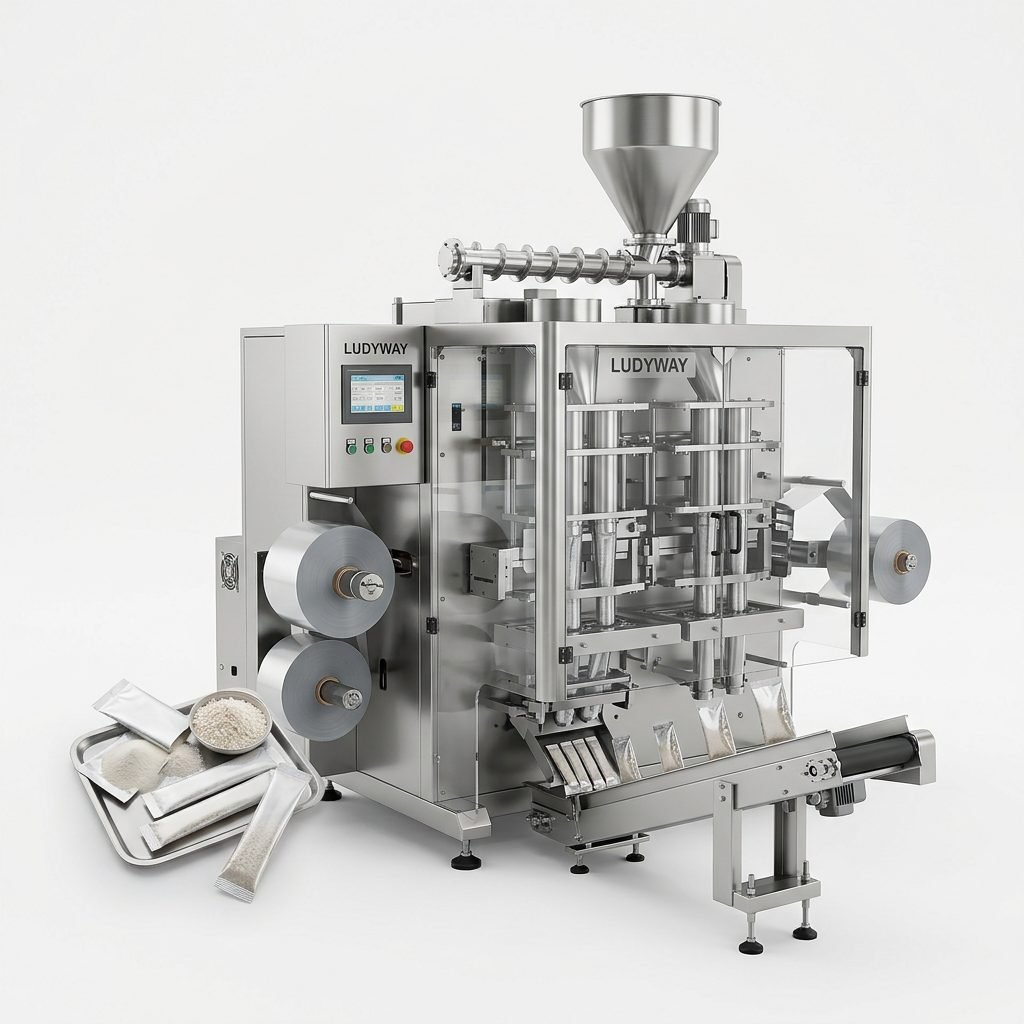
High clarity allows you to easily identify the contents. Some bags offer a matte writing surface for labeling with a permanent marker. For commercial use, pre-printed bags with logos or information are available from suppliers like Ludyway Packing Machine, which can provide customized packaging solutions.
Application-Specific Recommendations
Matching the bag to the task ensures optimal results.
- Freezing Meats, Fish, and Vegetables: Use PA/PE composite bags, 3-4 mil, with texture. Remove as much air as possible to prevent freezer burn.
- Marinating & Boil-in-Bag Cooking: Only use bags specifically rated as “boilable” or “cook-in-bag” (typically PA/PE). Standard PE bags can melt or leach chemicals.
- Storing Dry Goods (Grains, Coffee, Nuts): A good oxygen barrier is key to preventing staleness and rancidity. PA/PE or PE bags with an EVOH layer are excellent. For very long-term storage (6+ months), consider using oxygen absorbers inside the sealed bag.
- Commercial & Sous Vide Use: Durability and food safety are paramount. Invest in heavy-duty, food-grade commercial bags. For sous vide, ensure bags are BPA-free and rated for the intended cooking temperatures (often up to 100°C/212°F).
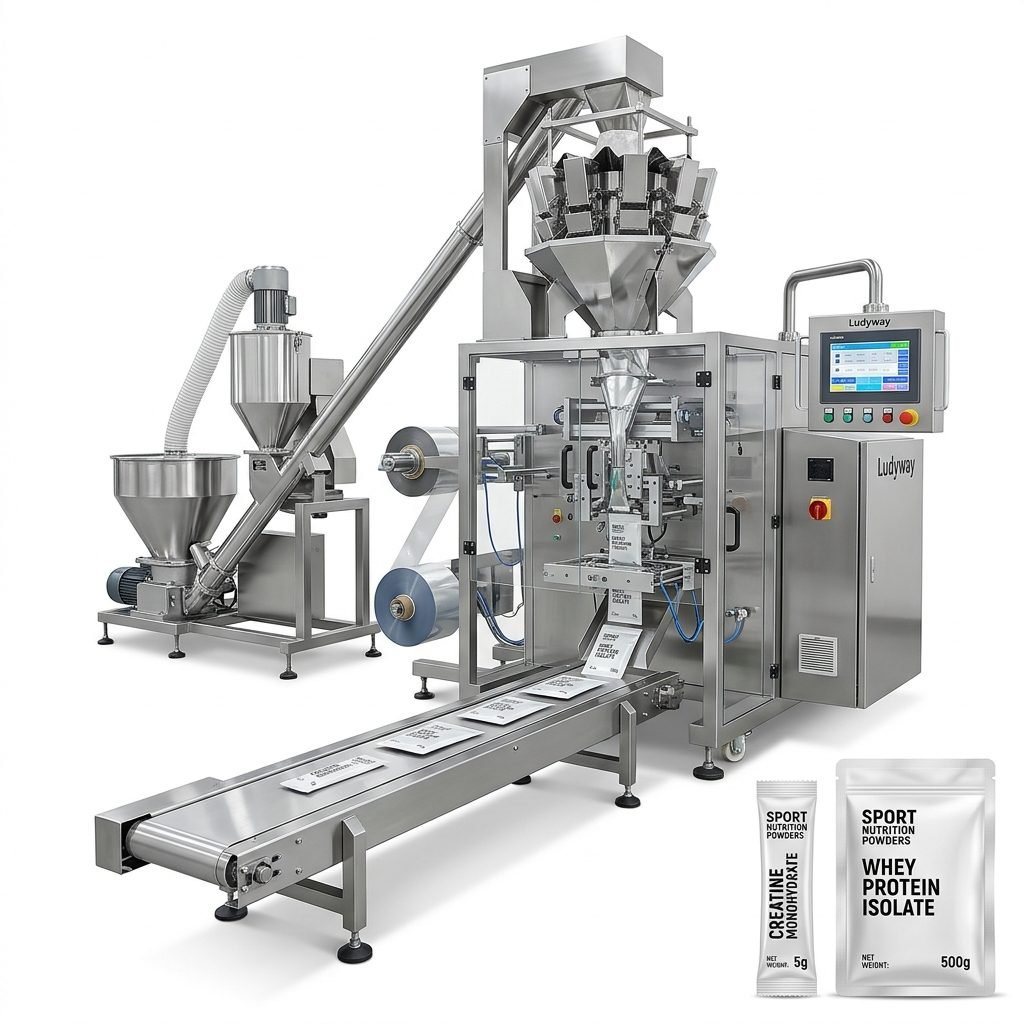
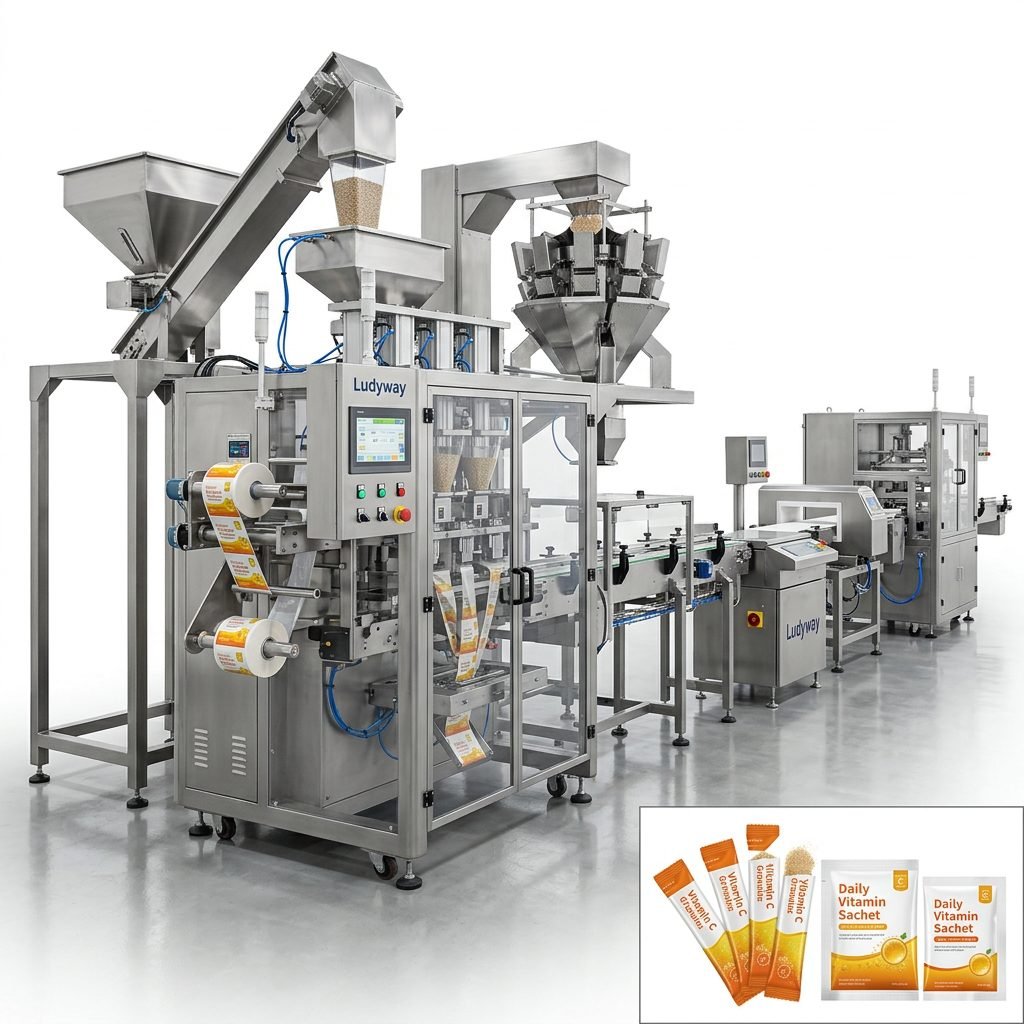
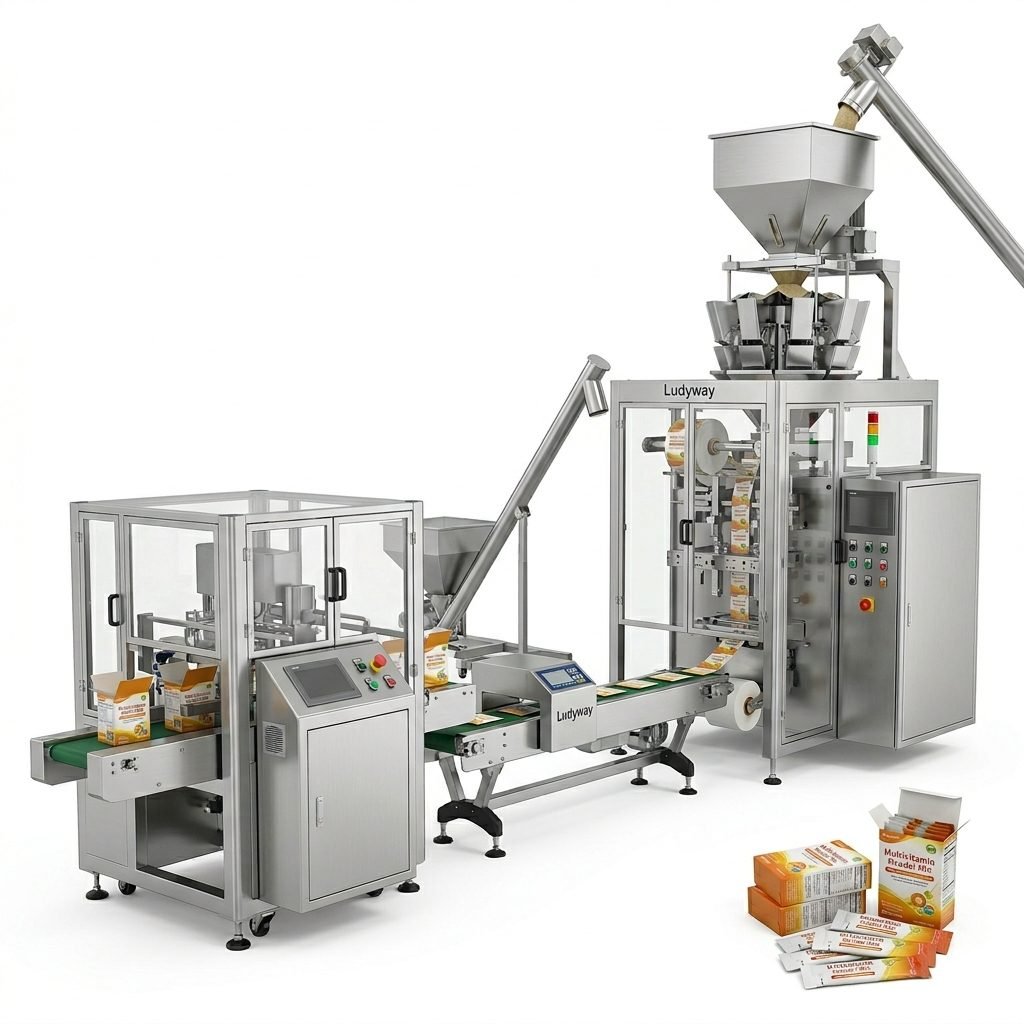
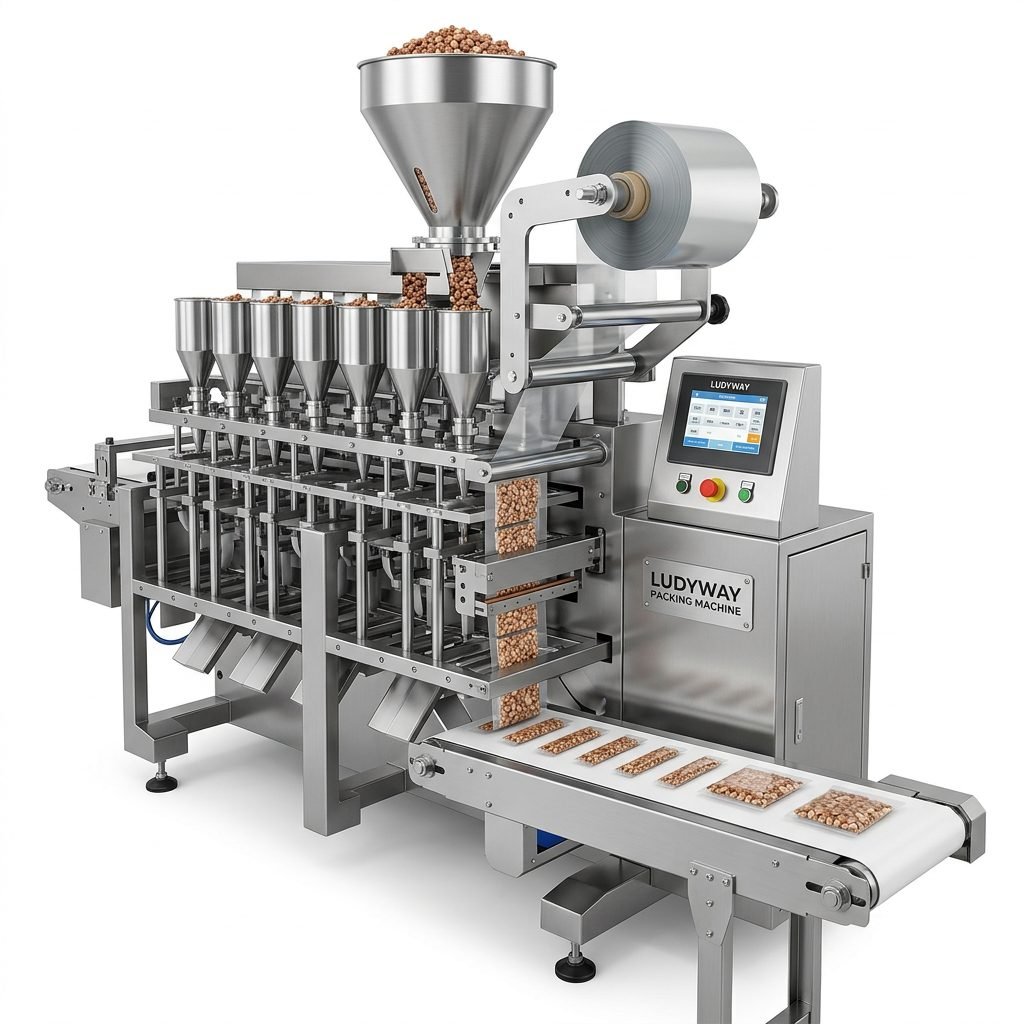
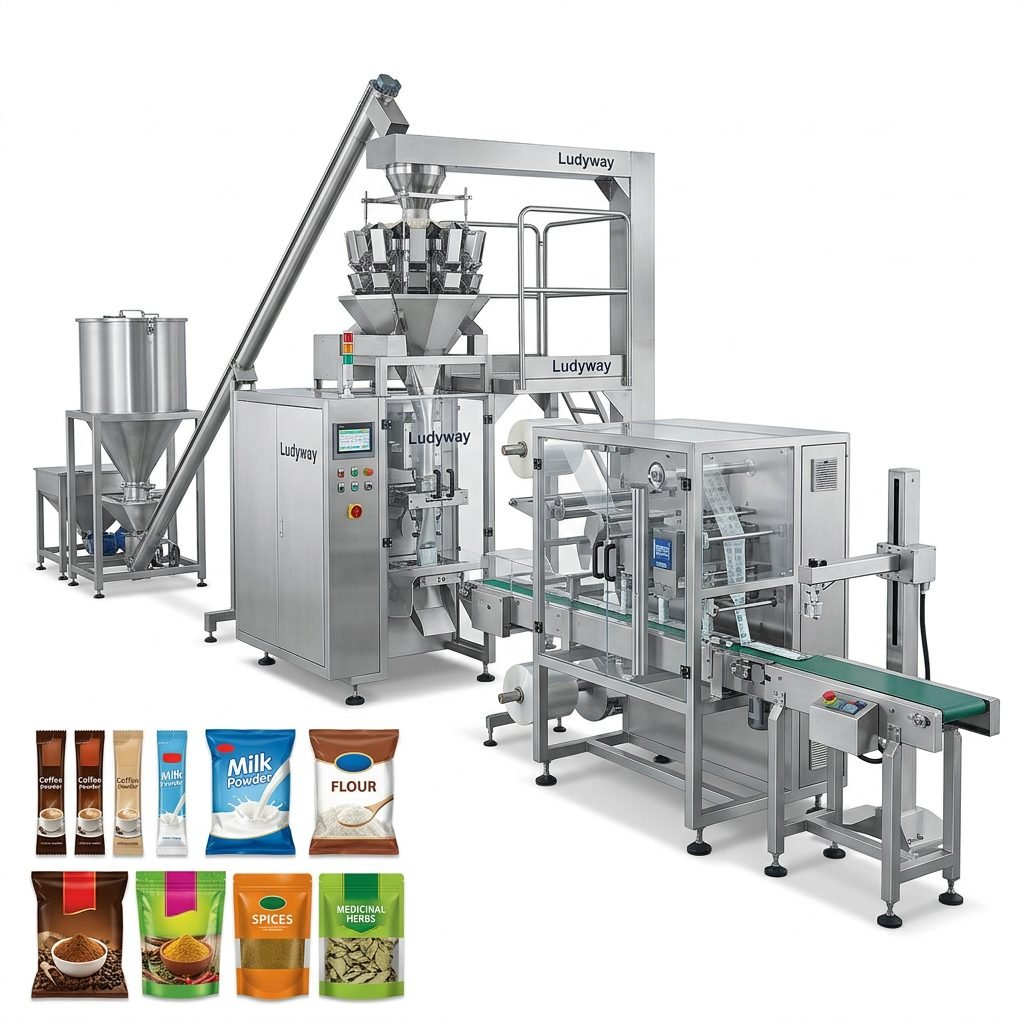
For businesses scaling their packaging operations, exploring automated packaging systems can streamline the process of filling and sealing these bags efficiently.
FAQs: Common Questions About Vacuum Packaging Bags
Can I reuse vacuum sealing bags?
It depends. Standard single-use bags are not designed for reuse; washing can compromise the seal integrity and introduce contaminants. However, specifically designed reusable zipper bags are made for multiple uses. Always inspect a bag for holes, odors, or a weakened seal before reusing it for food.
Are vacuum bags safe for boiling and microwave use?
Boiling: Only if the bag is explicitly labeled as “boilable,” “cook-in-bag,” or suitable for sous vide. These are made from high-temperature materials like PA/PE. Microwaving: Most vacuum bags are not microwave-safe unless specifically stated. The rapid heating can cause the plastic to melt or warp. Always transfer food to a microwave-safe dish.
What’s the difference between a “mil” and a “micron”?
Both are units of thickness. A mil is one-thousandth of an inch. A micron (micrometer) is one-millionth of a meter. To convert roughly: 1 mil ≈ 25 microns (µm). So, a 4 mil bag is approximately 100 microns thick. Manufacturers may use either unit, so it’s helpful to understand both.
Why did my bag fail to seal properly?
Common causes include: moisture or food particles in the seal area, using the wrong heat seal setting for the bag material, a worn-out sealer heating element, or attempting to seal over a wrinkle or fold in the bag. Ensure the seal area is clean, dry, and flat, and that your machine is in good working order. For consistent high-volume sealing, reliable packaging machinery is crucial.
How do I choose between bags on a roll and pre-cut bags?
Choose rolls for maximum flexibility, cost-effectiveness for varying sizes, and less waste. Choose pre-cut bags for convenience, speed, consistency, and a neater appearance, especially if you frequently pack similar-sized portions. Many users keep both on hand for different tasks.