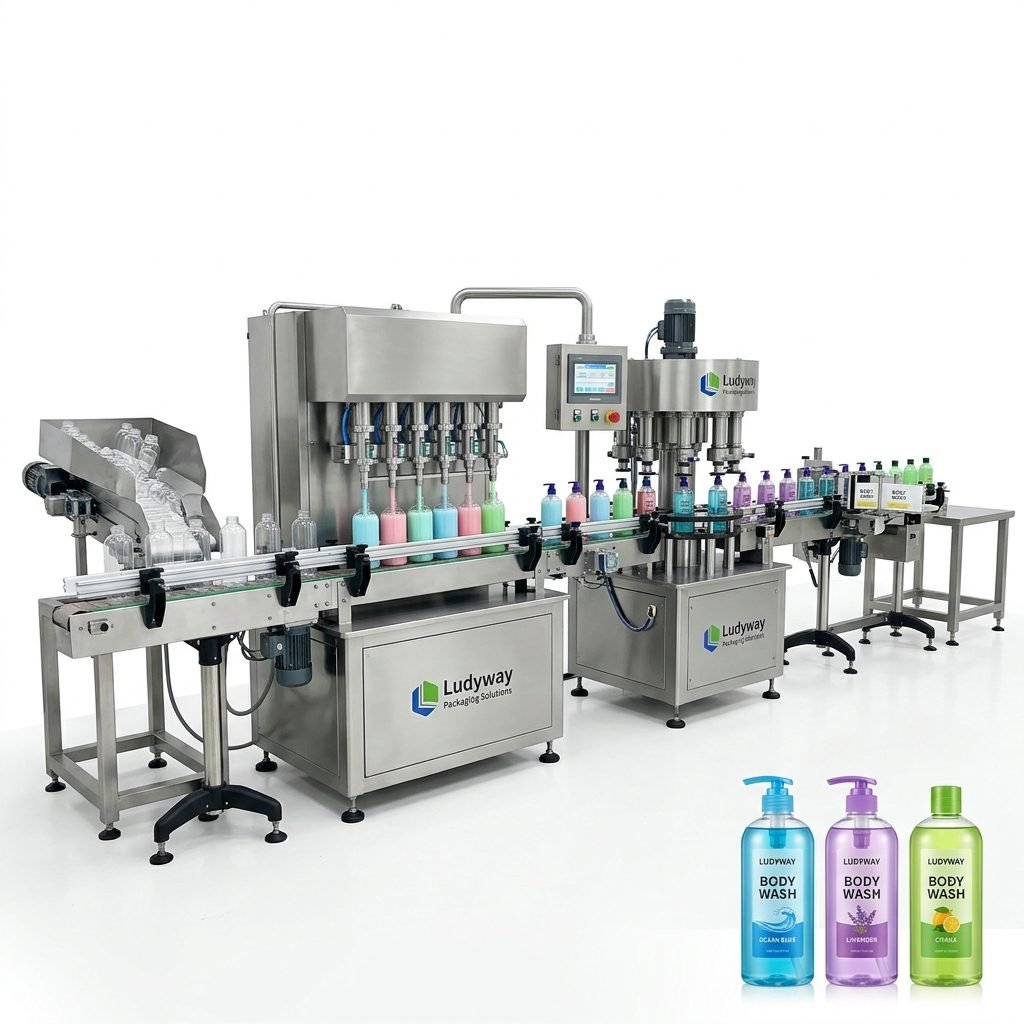
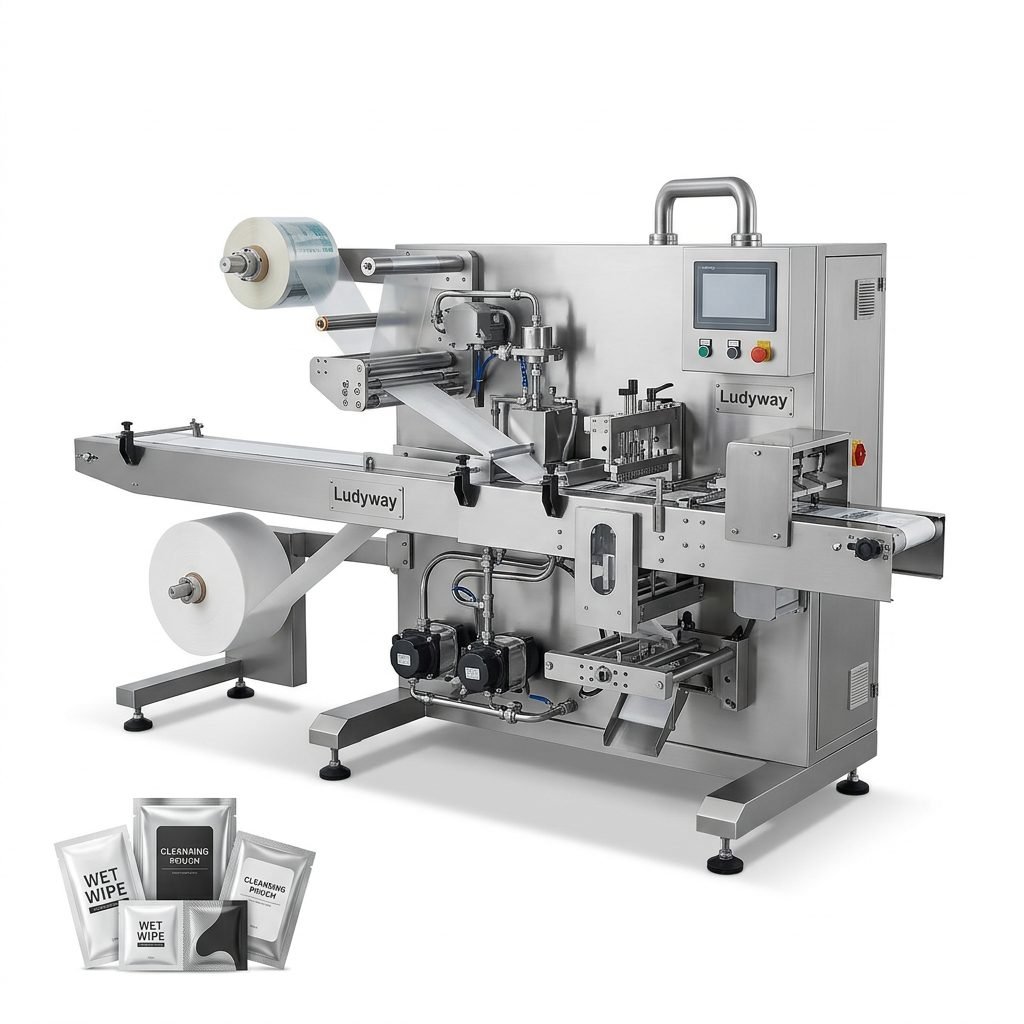
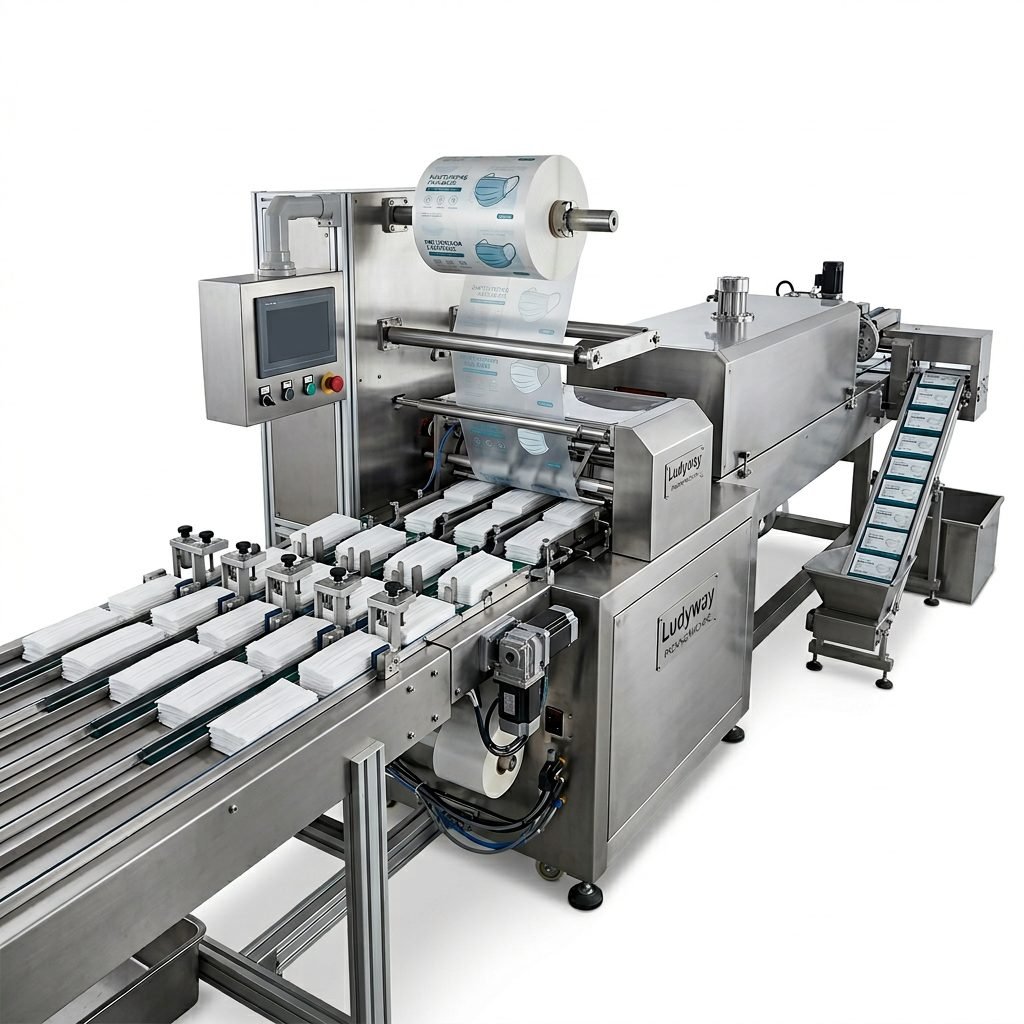
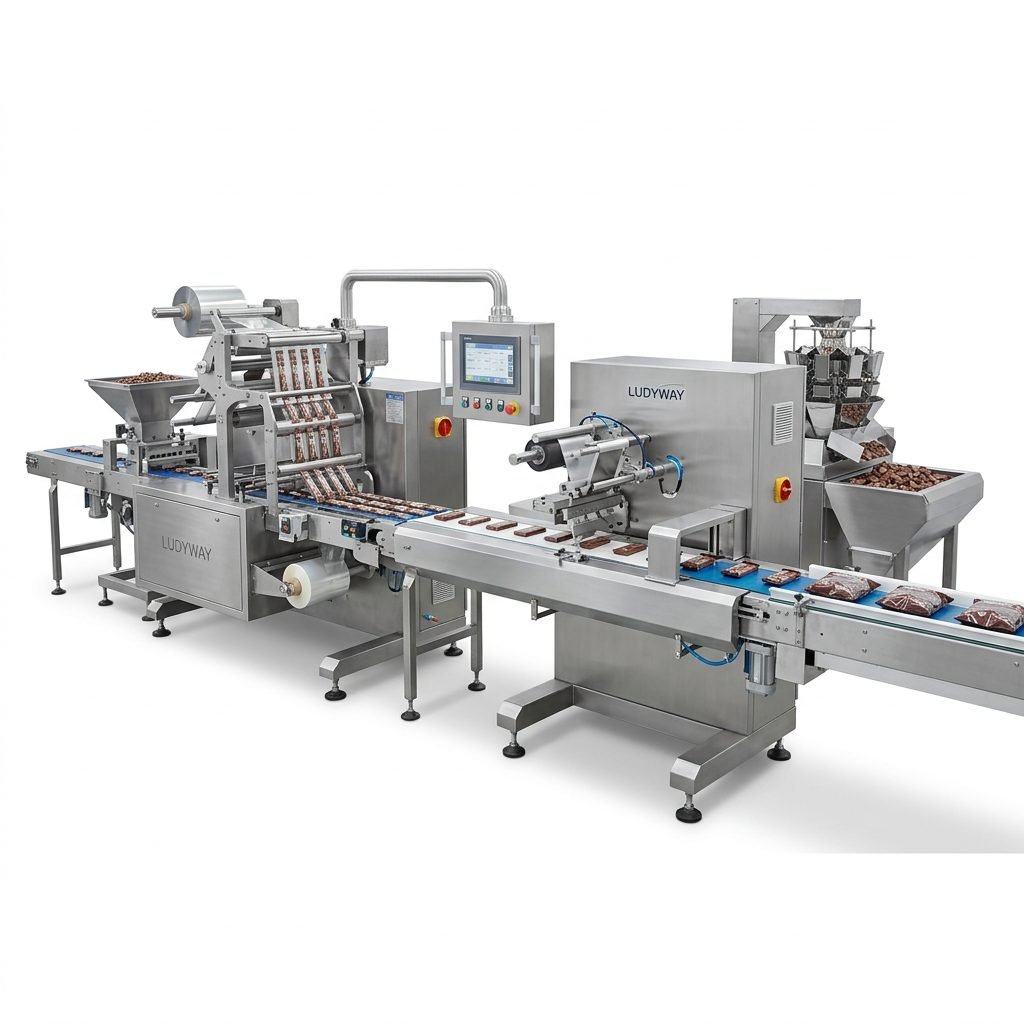
In today’s competitive market, ensuring product longevity and safety is paramount. For manufacturers in the food, pharmaceutical, and related industries, selecting the right air tight packaging machine is not just an operational decision—it’s a critical investment in quality, shelf life, and consumer trust. An effective hermetic seal protects contents from oxygen, moisture, contaminants, and physical damage, directly impacting product integrity from production line to end-user.
Understanding Air Tight Packaging Technology
Air tight packaging, often referred to as hermetic or vacuum sealing, involves removing air from a package and sealing it to prevent gas exchange. This process significantly slows down oxidation and microbial growth, which are primary causes of spoilage. Modern machines achieve this through various methods:
- Vacuum Sealing: Removes air from a flexible pouch before sealing.
- Modified Atmosphere Packaging (MAP): Replaces the air inside a package with a protective gas mixture (like nitrogen or carbon dioxide).
- Skin Packaging: Uses a heated film that conforms tightly to the product on a tray, creating a second-skin barrier.
The core mechanism relies on precision engineering to create a consistent, reliable seal that maintains its integrity under various storage and transport conditions.
Key Benefit: Extended Shelf Life
By creating an oxygen-deficient environment, air tight packaging can extend the shelf life of perishable goods by 3 to 5 times or more compared to conventional packaging. This reduces food waste, allows for broader distribution, and provides significant economic and sustainability advantages.
Critical Factors for Choosing the Best Machine
Selecting the ideal equipment requires a careful analysis of your specific needs. A one-size-fits-all approach does not apply in precision packaging.
1. Product Characteristics
The nature of your product dictates the machine type. Consider its form:
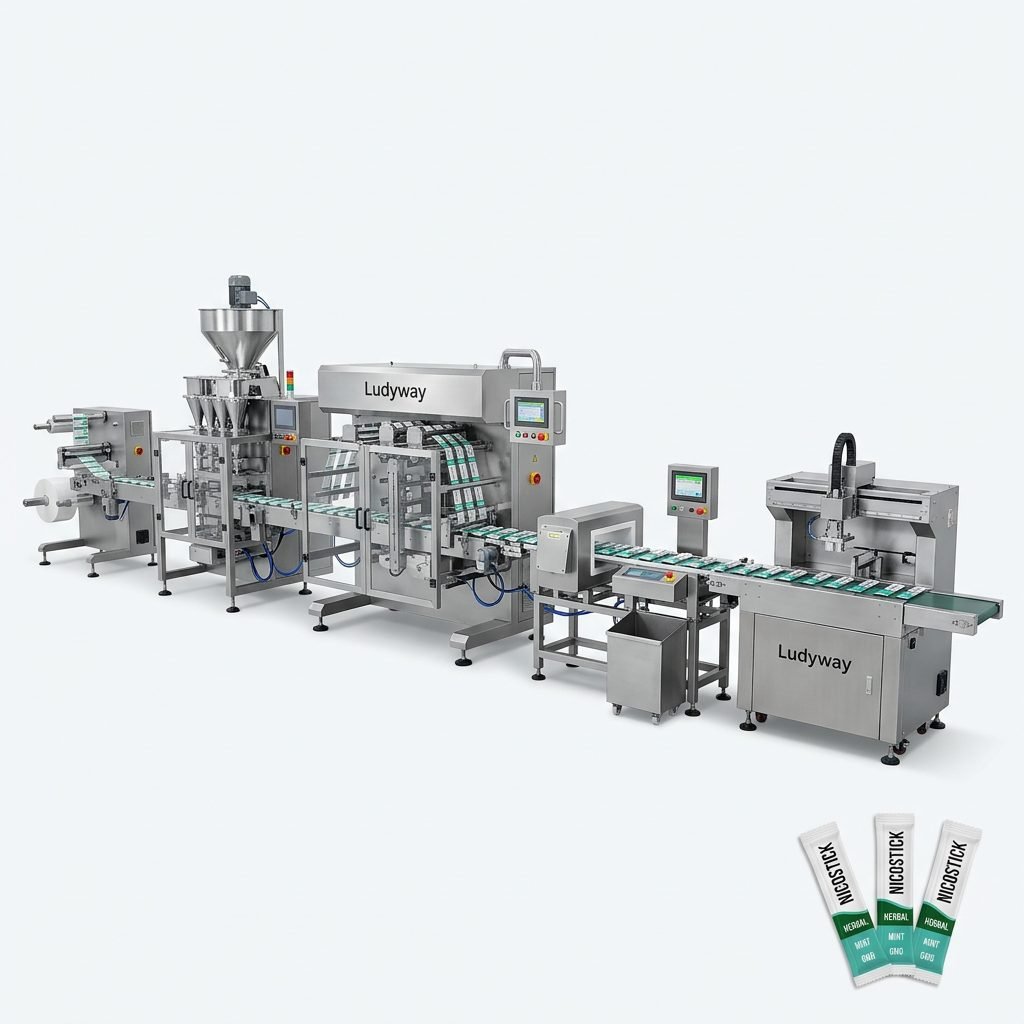
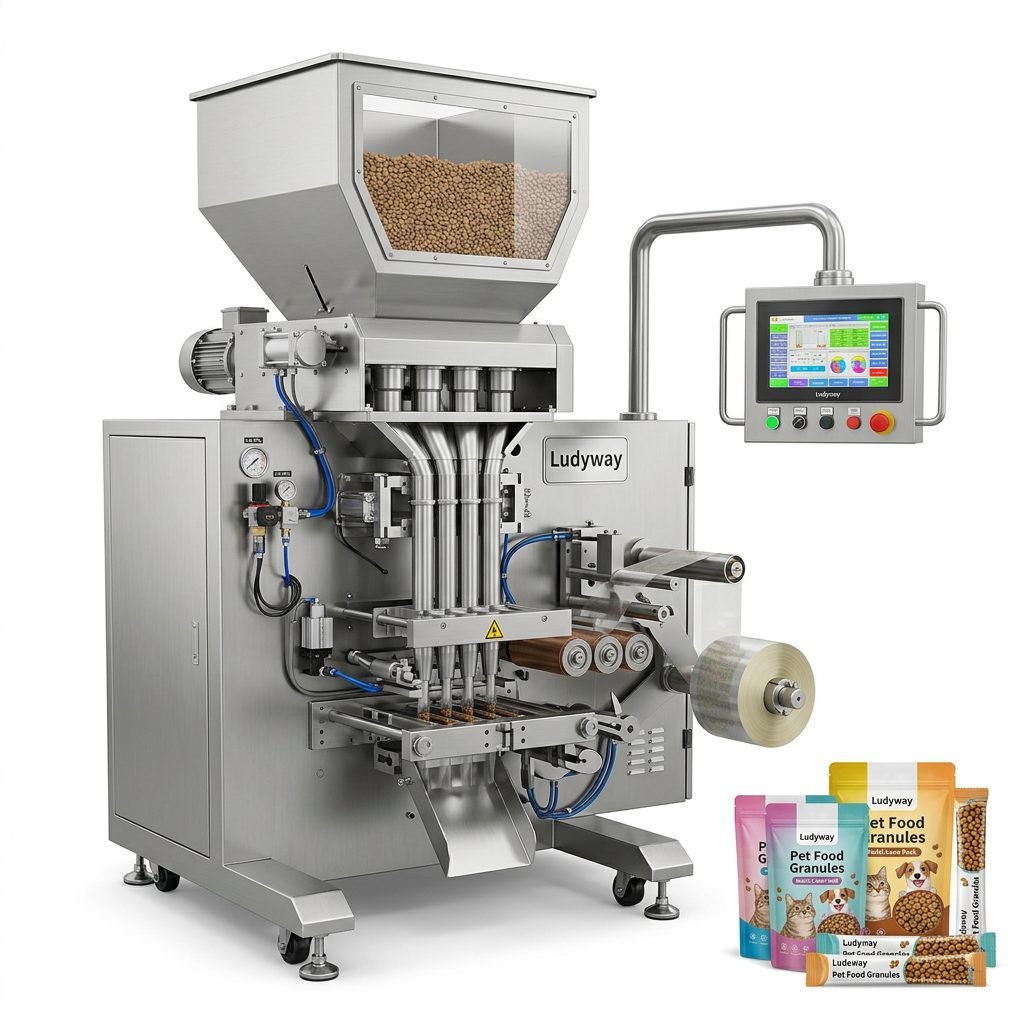
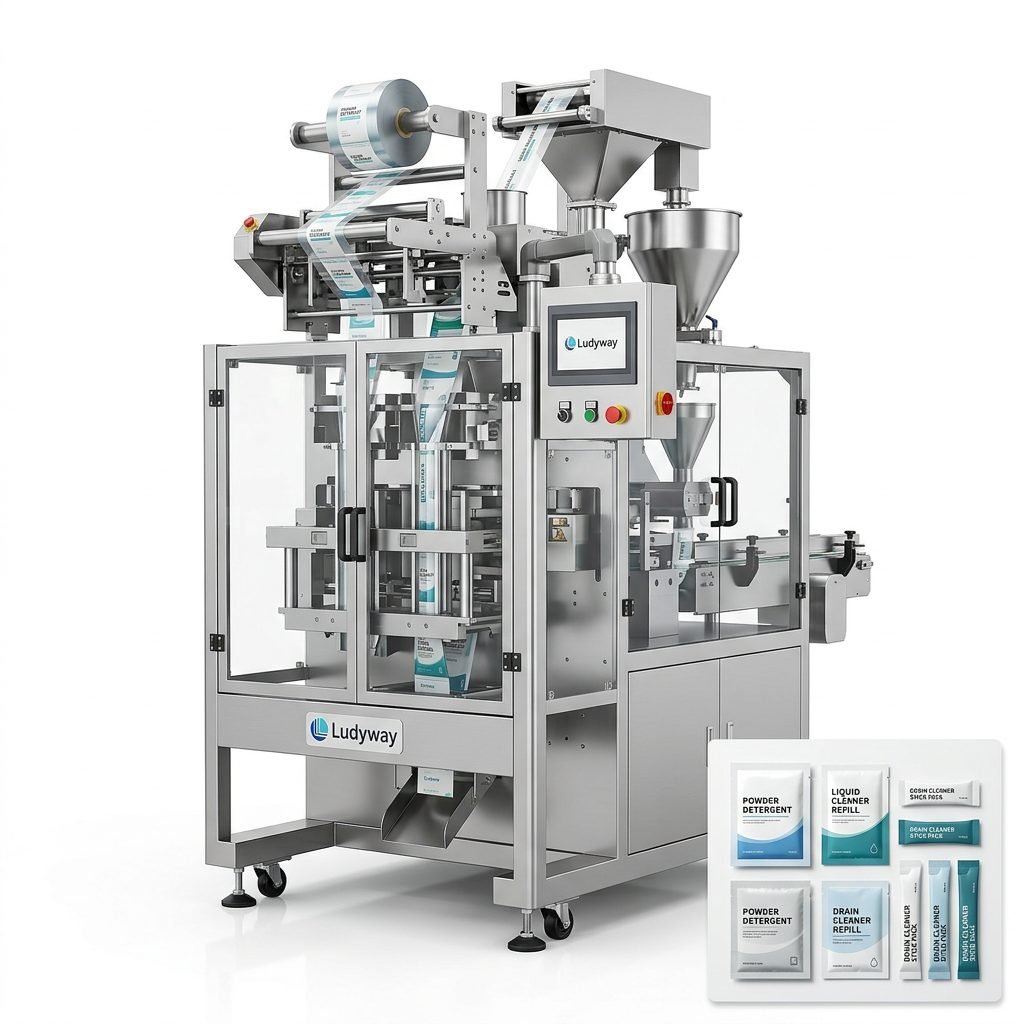
Granules, Powders, and Liquids require specialized feeding and sealing systems to prevent leakage and ensure accurate dosing. For instance, multi-lane stick pack machines are excellent for precise, single-serve portions of powders like coffee or supplements.
2. Production Volume and Speed Requirements
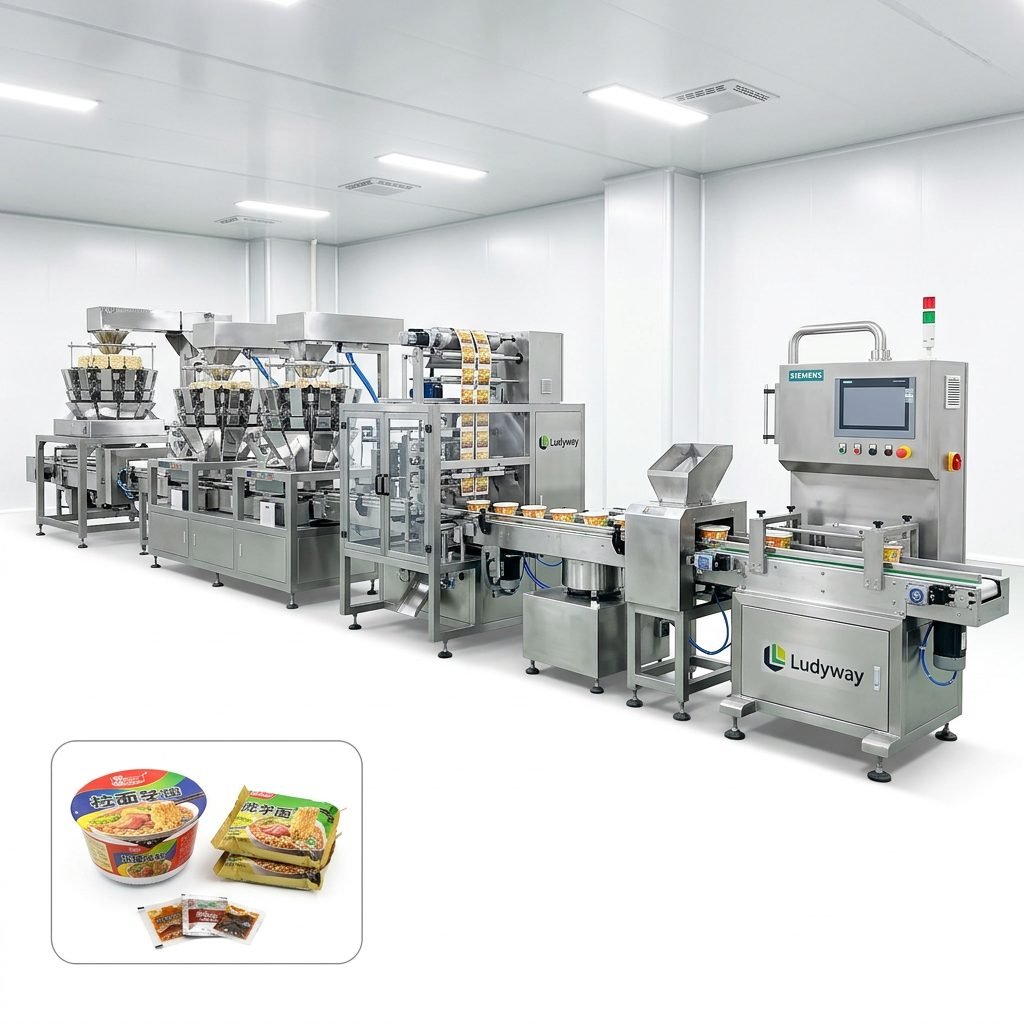
Assess your output needs. High-volume operations demand fully automated, high-speed systems like rotary vacuum sealers or continuous motion flow wrappers. Lower-volume or batch production might be efficiently handled by single-chamber or double-chamber vacuum sealers. The goal is to match machine cycle speed with your production line’s throughput without creating bottlenecks.
3. Packaging Material Compatibility
The machine must be compatible with your chosen barrier films or laminates. Key material properties include:
- Seal layer integrity (e.g., Polyethylene, Polypropylene)
- Barrier properties (against oxygen and moisture)
- Durability and puncture resistance
Ensure the machine’s sealing jaws, temperature control, and pressure settings are optimized for your specific material to avoid seal failures.
🔍 Pro Tip: Future-Proofing Your Investment
When evaluating machines, consider modularity and upgrade potential. Can the system integrate with checkweighers, metal detectors, or labeling machines? Choosing a platform from a provider with a broad portfolio, like Ludyway Packaging Machinery, which offers over 50 intelligent models, ensures you can adapt to future product lines or regulatory changes without a complete overhaul.
4. Hygiene and Safety Standards
For food and pharmaceutical applications, regulatory compliance is non-negotiable. Machines should have:
- Easy-to-clean surfaces (stainless steel construction is preferred).
- Designs that prevent product entrapment and contamination.
- Compliance with relevant standards (e.g., FDA, EHEDG, GMP).
This is where the manufacturer’s expertise is crucial. A supplier with over 30 years of industry experience deeply understands these protocols and builds them into their equipment design.
The Role of Reliability and Supplier Support
The machine’s cost extends beyond the purchase price. Total Cost of Ownership (TCO) includes maintenance, downtime, and part replacement.
Engineering and Manufacturing Quality
Investigate the supplier’s manufacturing capabilities. A brand backed by a 20,000㎡ modern production facility and strong engineering resources is more likely to produce durable, reliable equipment. Robust construction minimizes vibration, ensures consistent sealing, and extends the machine’s operational life.
Technical Support and Spare Parts
Global operations require dependable support. Choose a supplier known for long-term cooperation and professional service. Availability of spare parts, remote diagnostics, and on-site technician support are essential for minimizing production disruptions. A partner with a history of serving customers worldwide will have the infrastructure to support your business wherever it operates.
Implementing Your Packaging Solution
Successful implementation is a phased process:
- Needs Analysis & Consultation: Work with experts to define all parameters.
- Sample Testing & Validation: Run your product and materials on the proposed machine to test seal strength and integrity.
- Training & Installation: Ensure your team is thoroughly trained on operation, cleaning, and basic troubleshooting.
- Performance Monitoring: Continuously track metrics like seal failure rate, packaging speed, and downtime to optimize the process.
Leveraging a supplier that provides complete turnkey production solutions can streamline this entire journey, from initial concept to full-scale production.
💡 Final Checklist Before Purchase
- ✅ Has the machine been tested with your actual product and materials?
- ✅ Does the supplier offer comprehensive warranty and service agreements?
- ✅ Is the machine’s energy efficiency acceptable for your operational costs?
- ✅ Can the supplier provide references from similar industries?
- ✅ Does the design allow for easy sanitation and maintenance access?
Frequently Asked Questions (FAQs)
1. What is the main difference between vacuum sealing and modified atmosphere packaging (MAP)?
Vacuum sealing removes almost all air from the package, creating a tight “shrink” around the product. MAP, on the other hand, removes air and replaces it with a specific gas mixture (like nitrogen) designed to inhibit bacterial growth and preserve color/texture. The choice depends on the product’s sensitivity to crushing and the specific spoilage mechanisms.
2. Can one air tight packaging machine handle different product types (e.g., powders and solid items)?
Some versatile machines can handle a range of products with changeable parts and adjustable settings. However, switching between vastly different forms (like fine powder and large solids) often requires significant reconfiguration or different feeding systems. It’s best to discuss your product mix with the supplier to find the most efficient solution, potentially involving modular systems.
3. How important is the choice of packaging film for achieving an air tight seal?
It is critically important. The machine and the film must work as a system. The film needs a heat-sealable layer that bonds perfectly at the machine’s temperature and pressure settings, and it must have adequate barrier properties. Using an incompatible or low-quality film is a leading cause of seal leaks and reduced shelf life, regardless of the machine’s quality.
4. What are the key maintenance routines for an air tight packaging machine?
Daily cleaning of sealing jaws and product contact areas is essential. Regularly scheduled maintenance includes checking and calibrating temperature sensors, inspecting and cleaning vacuum pumps or gas flush systems, lubricating moving parts as per the manual, and checking the tightness of all electrical connections. Adhering to the manufacturer’s maintenance schedule is key to reliability.
5. How do I ensure the machine meets international safety and hygiene standards?
Select equipment from a reputable manufacturer with a proven track record in your industry (food, pharma, etc.). Request documentation of compliance with international standards (e.g., CE, UL, NSF). Machines intended for food contact should use food-grade materials like stainless steel and have designs that facilitate easy and effective cleaning. Partnering with an experienced global supplier is the most reliable way to navigate these requirements.