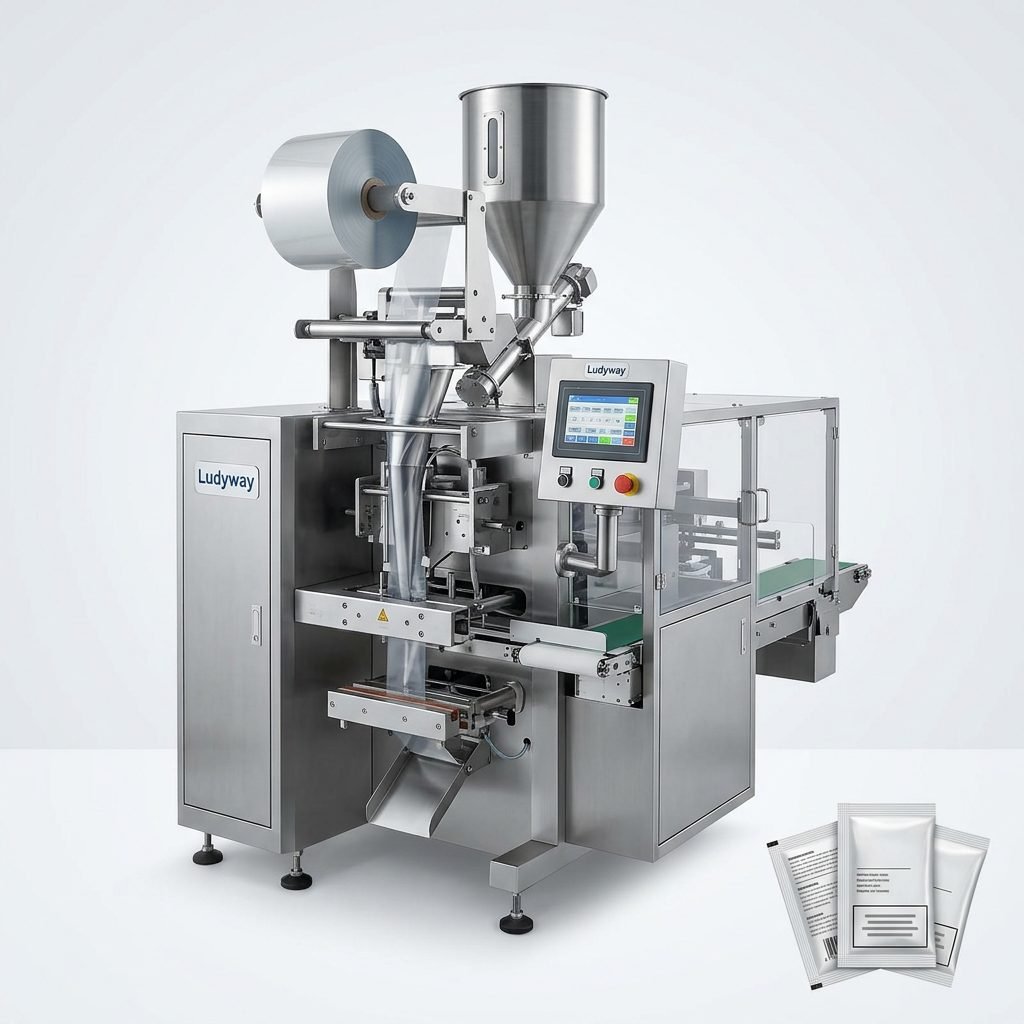
Choosing the right drip coffee packaging machine is a critical investment for any coffee roaster or manufacturer. The right equipment not only protects your product’s freshness and flavor but also enhances your brand’s presentation and operational efficiency. This guide will walk you through the different types of machines, key features to consider, and a step-by-step process to select the best one for your specific needs.
Understanding Drip Coffee Packaging Machines
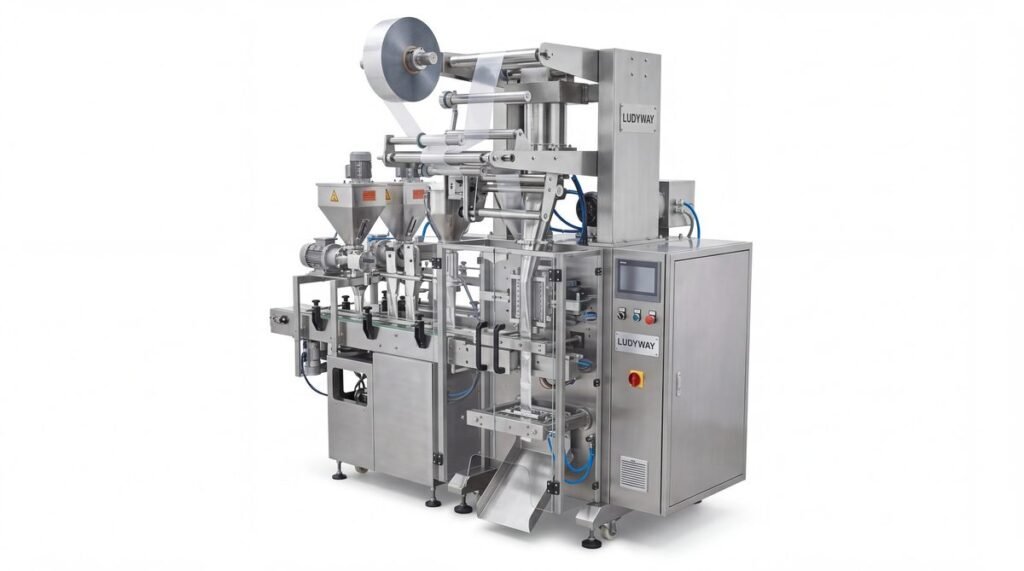
Drip coffee packaging machines are specialized equipment designed to portion, fill, and seal single-serve drip coffee bags or sachets. These machines handle the delicate ground coffee, ensuring accurate dosing and creating an airtight seal to preserve aroma and prevent oxidation. The primary goal is to combine speed with precision, delivering a consistent product ready for retail or food service.
Core Function:
The machine automates the process of forming a bag from roll film, metering a precise amount of ground coffee, filling it, and then hermetically sealing it. This automation is crucial for maintaining hygiene standards, reducing labor costs, and achieving high output for commercial production.
Main Types of Drip Coffee Packaging Machines
The market offers several configurations, each suited to different production scales and bag styles. Understanding these types is the first step in narrowing down your choice.
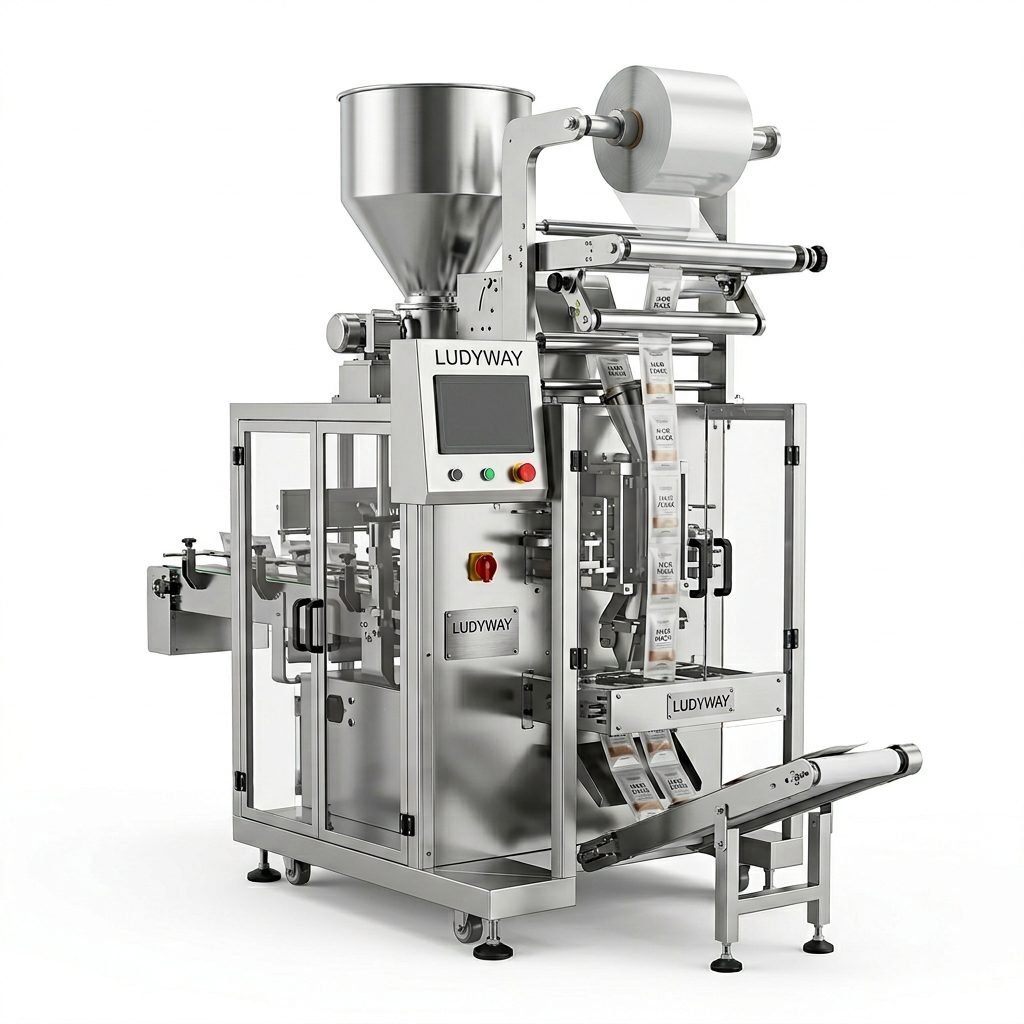
1. Vertical Form-Fill-Seal (VFFS) Machines
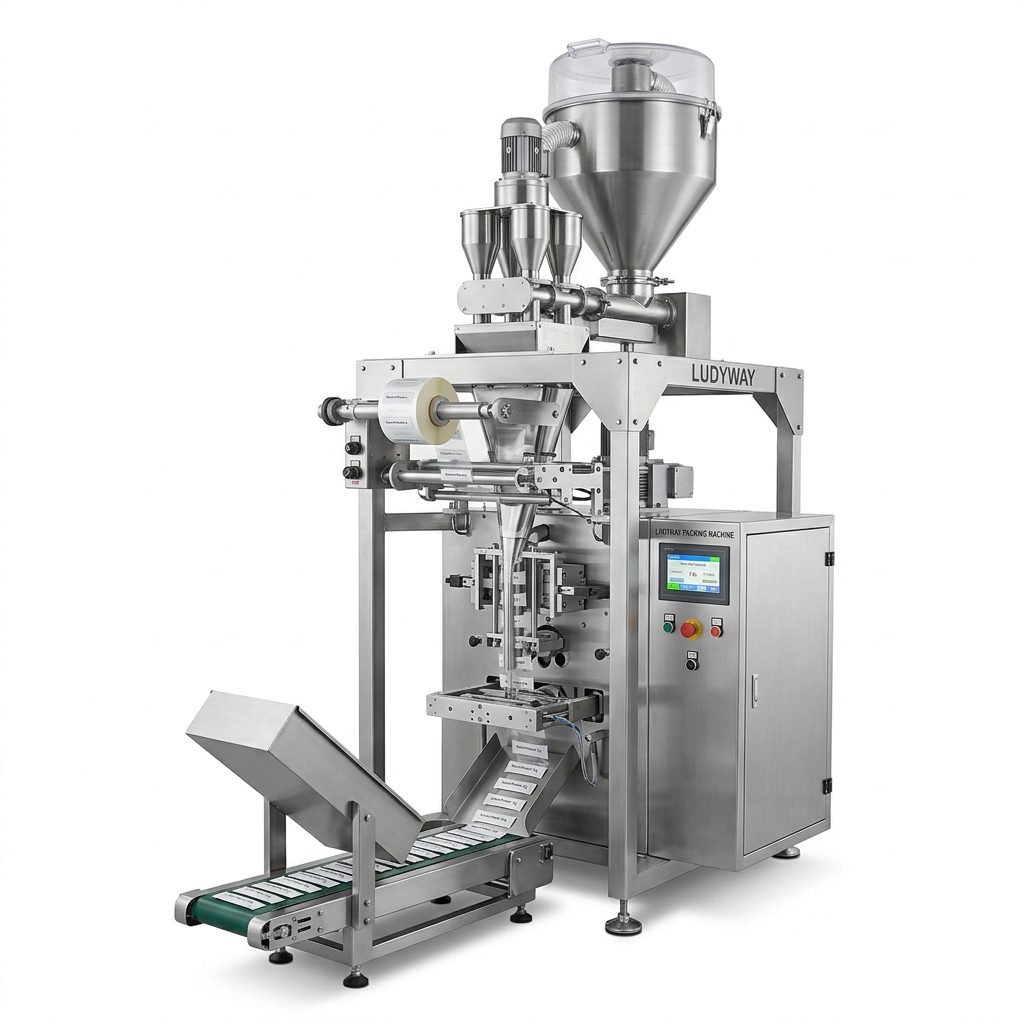
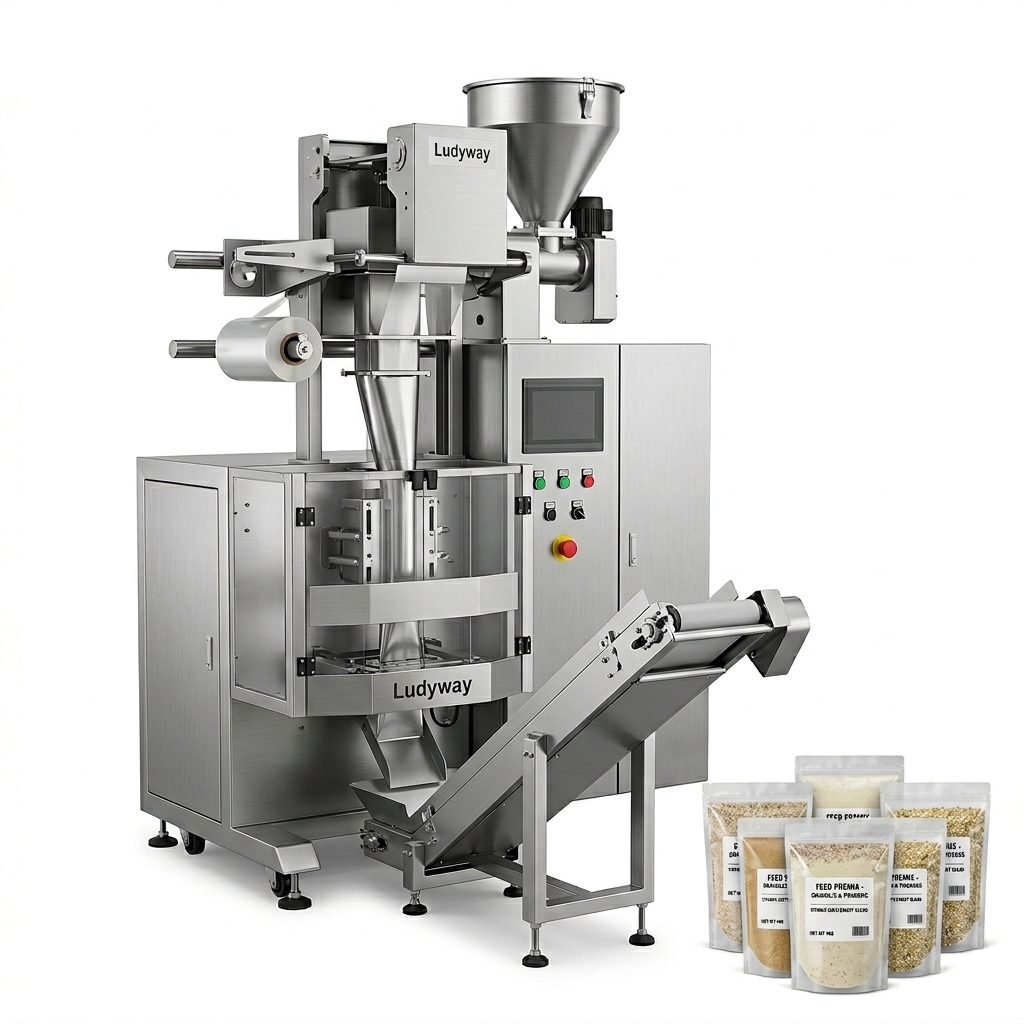
These are the most common and versatile machines for drip coffee packaging. They use a roll of flat packaging film, form it into a tube, create the bottom seal, fill the product, and then create the top seal before cutting the individual bag free. They are ideal for producing stand-up pouches or pillow-style bags.
- ✓ Best for: Medium to high-volume production, flexible packaging formats.
- ✓ Advantage: High speed, efficient material use, easy changeover between bag sizes.
- ✓ Consideration: Requires more floor space and skilled operation.
2. Pre-Made Pouch Fillers
These machines use bags that are already pre-formed and supplied in stacks or on a roll. The machine’s job is to open the bag, fill it with coffee, and then seal it. This method is often used for more complex bag shapes with gussets or unique branding.
- ✓ Best for: Smaller batches, premium branding with custom pouch shapes, lower initial speed requirements.
- ✓ Advantage: Excellent print quality on pouches, simpler machine mechanics.
- ✓ Consideration: Higher cost per bag due to pre-made pouches.
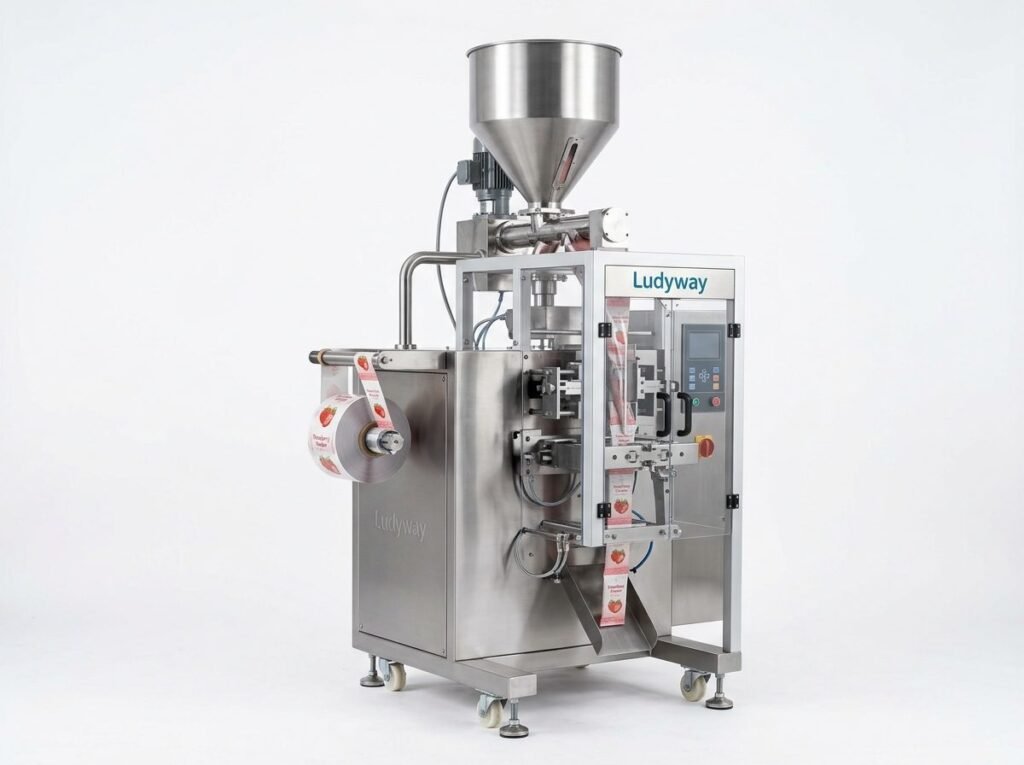
3. Stick Pack Machines
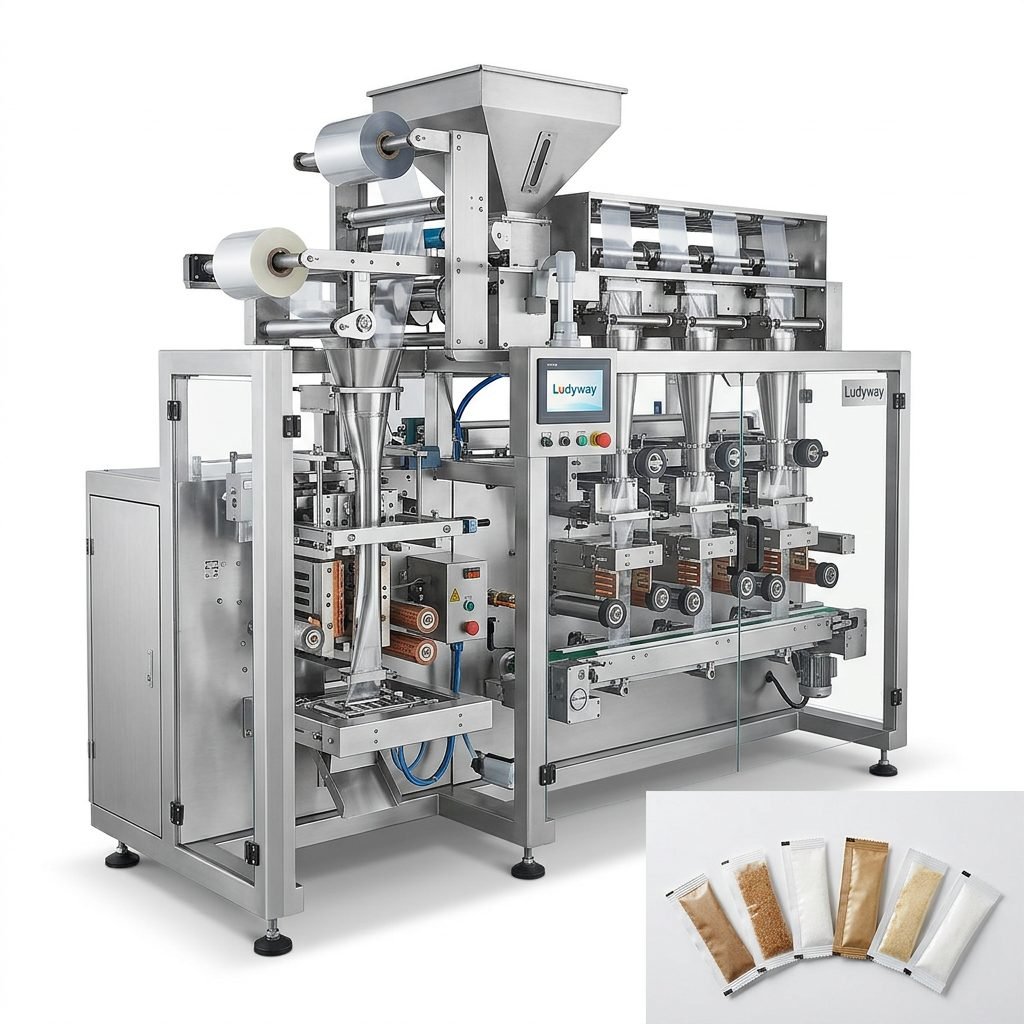
While often associated with sugar or powdered drinks, stick pack machines are perfectly suited for single-serve drip coffee portions. They create long, narrow “sticks” that are space-efficient and popular for on-the-go consumption.
- ✓ Best for: High-volume production of standard-sized portions, hotel and restaurant supply.
- ✓ Advantage: Extremely high speeds, compact packaging, lower material cost.
- ✓ Consideration: Limited to a specific bag shape.
Essential Features to Evaluate
Beyond the machine type, several key features directly impact performance, product quality, and your return on investment.
Dosing System Accuracy
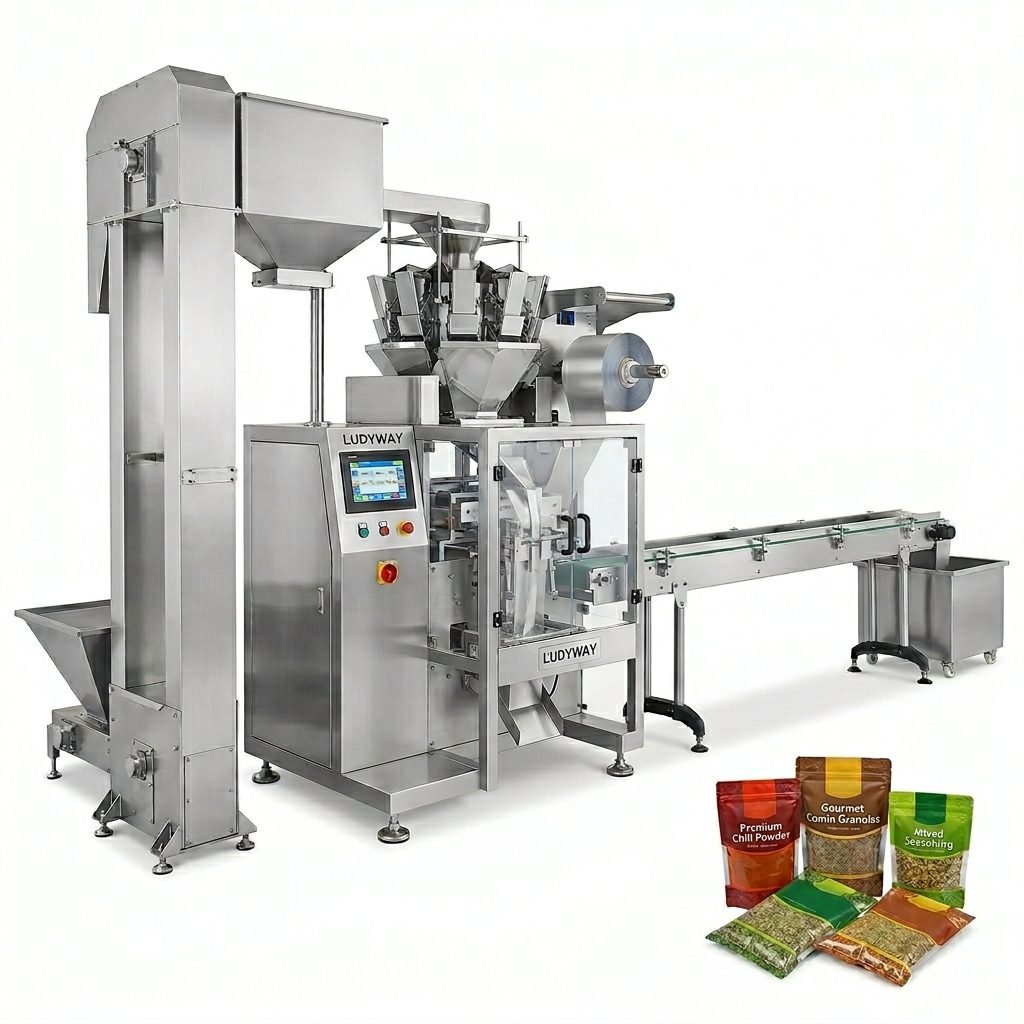
The heart of a coffee packaging machine. Look for auger fillers or cup fillers with high-precision load cells. Consistency in weight (e.g., ±0.5 grams) is non-negotiable for product quality and cost control. Systems with touch-screen programmable recipes allow for quick changeovers between different coffee blends and weights.
Gas Flushing & Degassing Valve Compatibility
Freshly roasted coffee releases CO2. Premium packaging often involves nitrogen gas flushing to displace oxygen, drastically extending shelf life. Ensure the machine has an integrated gas flushing system. Furthermore, if your bags require one-way degassing valves, the machine must be capable of accurately applying them during the sealing process.
Sealing System & Material Compatibility
A strong, airtight seal is critical. Machines should offer robust heat sealing jaws with precise temperature and pressure control. They must be compatible with your chosen packaging material, whether it’s a simple plastic laminate or a complex multi-layer barrier film with aluminum foil. Discuss your material specs with the machine supplier, like the experts at Ludyway Machinery, to ensure compatibility.
Automation & Integration Level
Consider future growth. Does the machine offer options for automatic film roll splicing (no downtime for roll changes)? Can it be integrated with upstream grinders or downstream cartoning machines? Features like an automatic reject system for under/overweight bags or mis-seals improve overall efficiency and quality control.
How to Choose the Best Machine: A Step-by-Step Guide
Follow this practical framework to make a confident purchasing decision.
Step 1: Analyze Your Production Requirements
Be specific. Calculate your required output in bags per minute (BPM) or per shift. Define the exact bag dimensions, weight range, and packaging material you plan to use. Project your growth for the next 3-5 years to avoid outgrowing your machine too quickly.
Step 2: Define Your Budget & Total Cost of Ownership
Look beyond the initial purchase price. Consider costs for installation, training, spare parts, maintenance, and energy consumption. A slightly more expensive machine with higher reliability and lower maintenance can have a much better total cost of ownership. Explore the range of intelligent packaging solutions available to find the best value fit.
Step 3: Research and Shortlist Reputable Suppliers
Seek suppliers with proven experience in food and coffee packaging. Review their company history and industry track record. Read case studies and client testimonials. A supplier with over 30 years of industry experience typically offers more reliable and well-tested equipment.
Step 4: Request a Live Product Test
Never buy based on specifications alone. Arrange to send your actual coffee and packaging materials to the supplier for a live demonstration. This test will reveal the true filling accuracy, seal quality, machine speed, and any potential handling issues with your specific product.
Step 5: Evaluate After-Sales Support
The relationship begins after purchase. Inquire about warranty terms, availability of spare parts, technical support response time, and training programs. A global supplier with a strong support network ensures minimal downtime, which is crucial for production continuity.
Frequently Asked Questions (FAQs)
Q1: What is the typical production speed of a drip coffee packaging machine?
Speeds vary widely by machine type. Standard vertical form-fill-seal machines can range from 40 to 120 bags per minute. High-speed multi-lane stick pack machines can exceed 400 sticks per minute. Your required speed should be based on your current and projected volume.
Q2: How important is nitrogen flushing for drip coffee packaging?
For optimal shelf life and flavor preservation, it is highly recommended. Nitrogen flushing removes oxygen from the bag, which is the primary element that causes coffee to go stale and lose its aromatic compounds. For premium products intended for longer storage or distribution, it is a critical feature.
Q3: Can one machine handle different bag sizes and coffee blends?
Yes, most modern machines are designed for quick changeover. This is achieved through programmable settings (recipes) for different weights and blends, and interchangeable parts for different bag sizes. The ease and time required for changeover is a key point to discuss with the supplier.
Q4: What maintenance does a coffee packaging machine require?
Regular daily cleaning to remove coffee dust and oils is essential. Periodic maintenance includes lubricating moving parts, checking seal jaw alignment and temperature, and calibrating the weighing system. A good supplier will provide a detailed maintenance schedule and training.
Q5: How do I ensure the machine is compatible with my packaging film?
Provide your film supplier’s technical data sheet (TDS) to the machine manufacturer. Key parameters include melting point, thickness, and layer composition. The best practice is to conduct a live test with your exact film to confirm sealing performance and machine handling.