Selecting the right beverage packaging equipment is a critical decision for any producer. The right system not only protects your product and ensures shelf life but also defines your brand on the retail shelf and drives operational efficiency. This comprehensive guide will walk you through the main types of equipment, their key features, and a structured approach to choosing the perfect system for your production needs.
Primary Types of Beverage Packaging Equipment
The beverage industry utilizes a diverse range of packaging formats, each requiring specialized machinery. Understanding these core types is the first step.
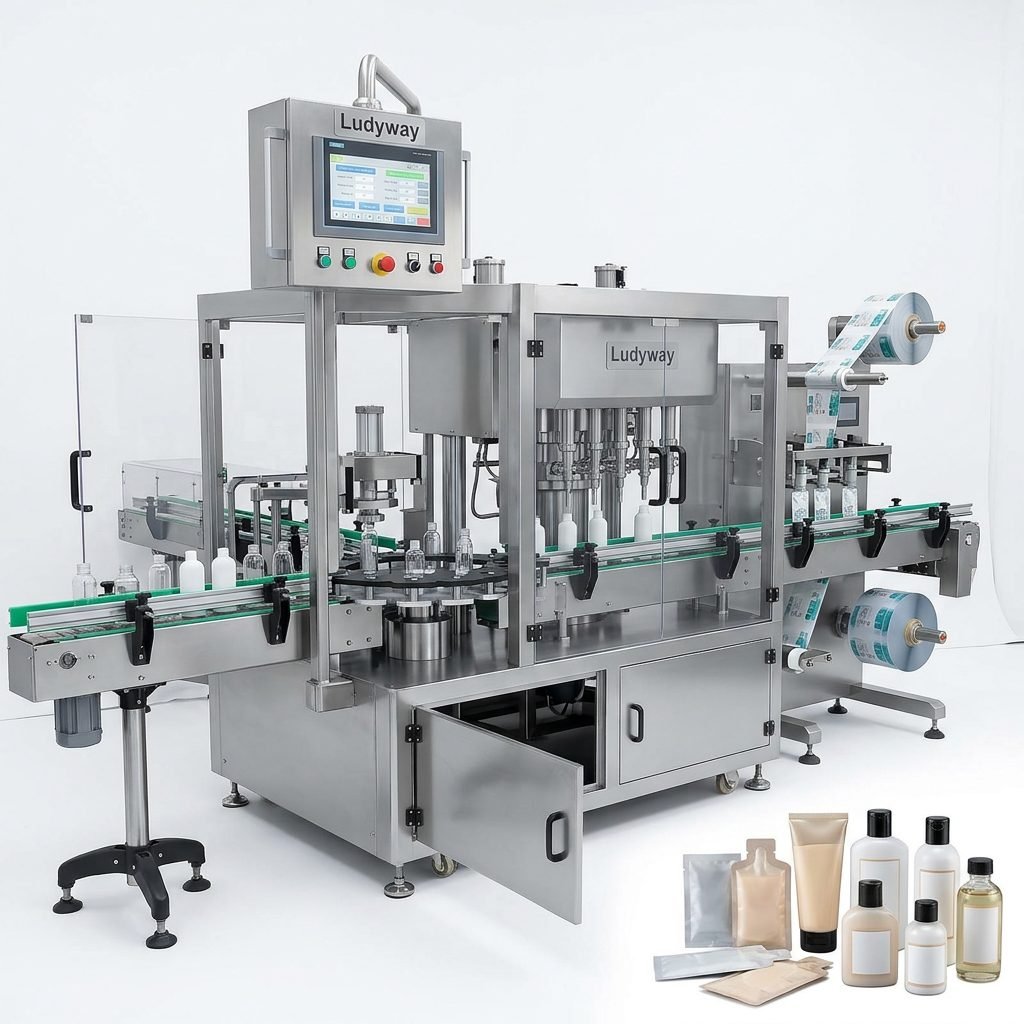
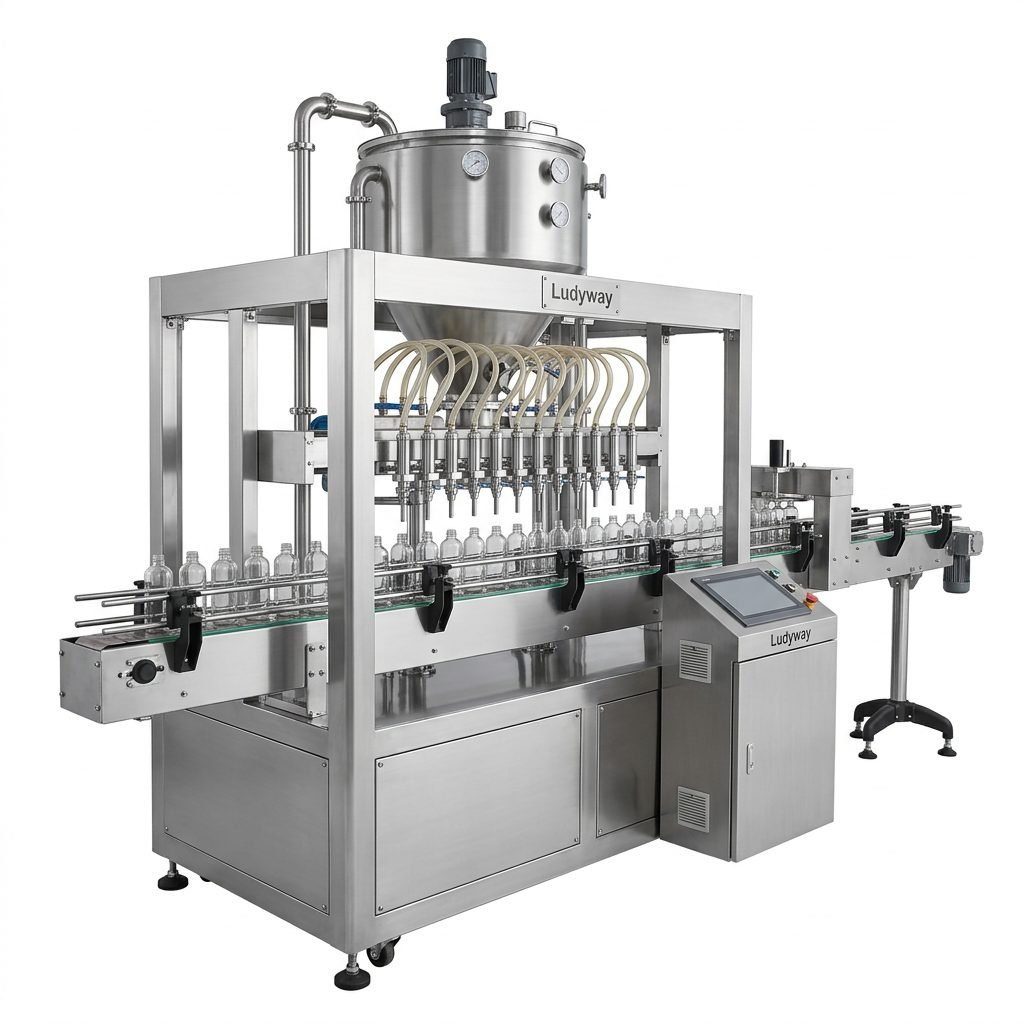
Liquid Filling Machines
These are the workhorses of beverage production, designed to accurately dispense liquid product into containers. They vary significantly based on viscosity and container type.
- Gravity Fillers: Ideal for thin, free-flowing liquids like water and juices. Relies on product weight for filling.
- Piston Fillers: Excellent for thicker products (syrups, dairy, sauces) and foamy liquids, offering high precision.
- Volumetric Fillers: Use pumps or timed flows for consistent volume delivery, common for oils and spirits.
- Pressure Fillers: Essential for carbonated drinks (soda, beer) to prevent loss of carbonation during filling.
Capping & Sealing Machines
Once filled, containers must be securely closed. The sealing method depends entirely on the package type.
- Cappers: Apply screw caps, snap caps, or sports caps to bottles and jars with consistent torque.
- Induction Sealers: Apply a tamper-evident foil liner under a plastic cap, common for juices and dairy.
- Can Seamers: Double-seam the lid onto metal cans for beverages like soda and beer.
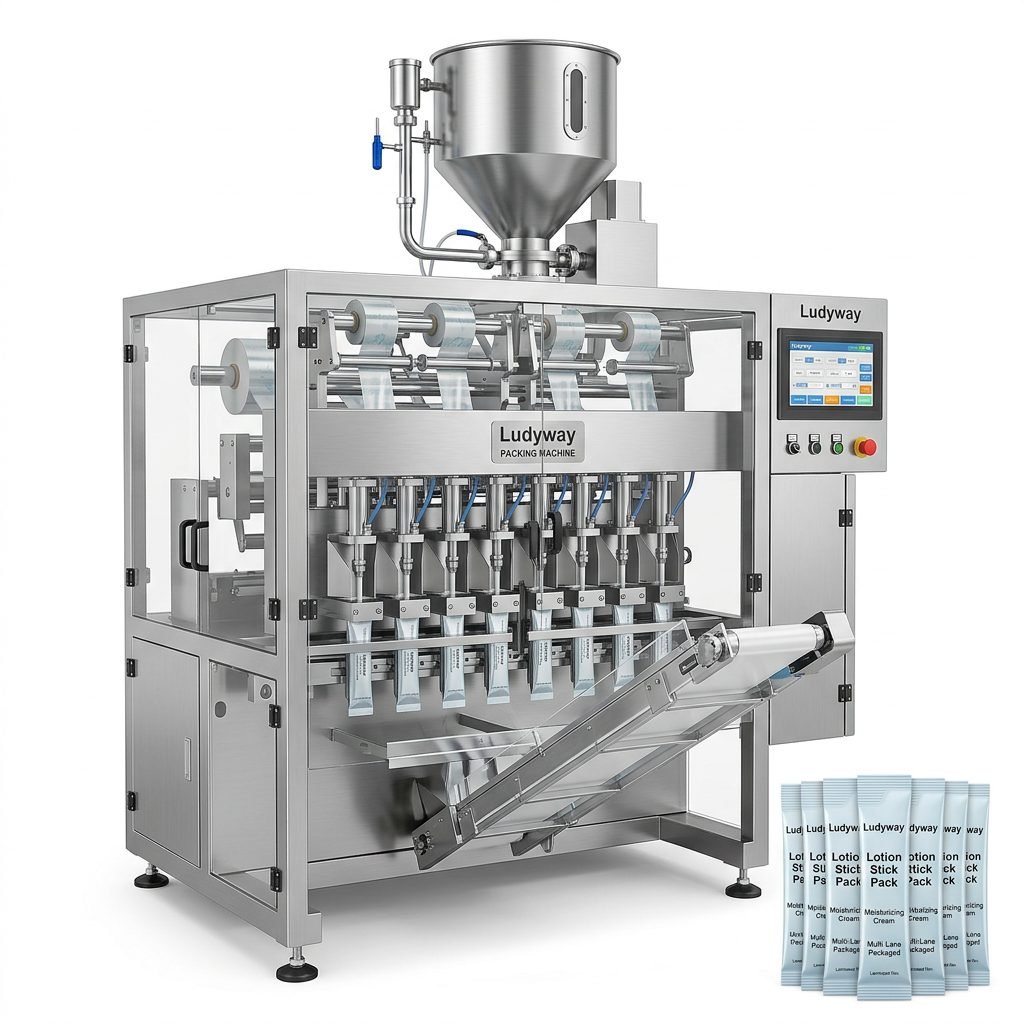
- Heat Sealers: Used for pouches, cups, and stick packs, creating a hermetic seal by applying heat and pressure.
Pouch & Stick Pack Packaging Systems
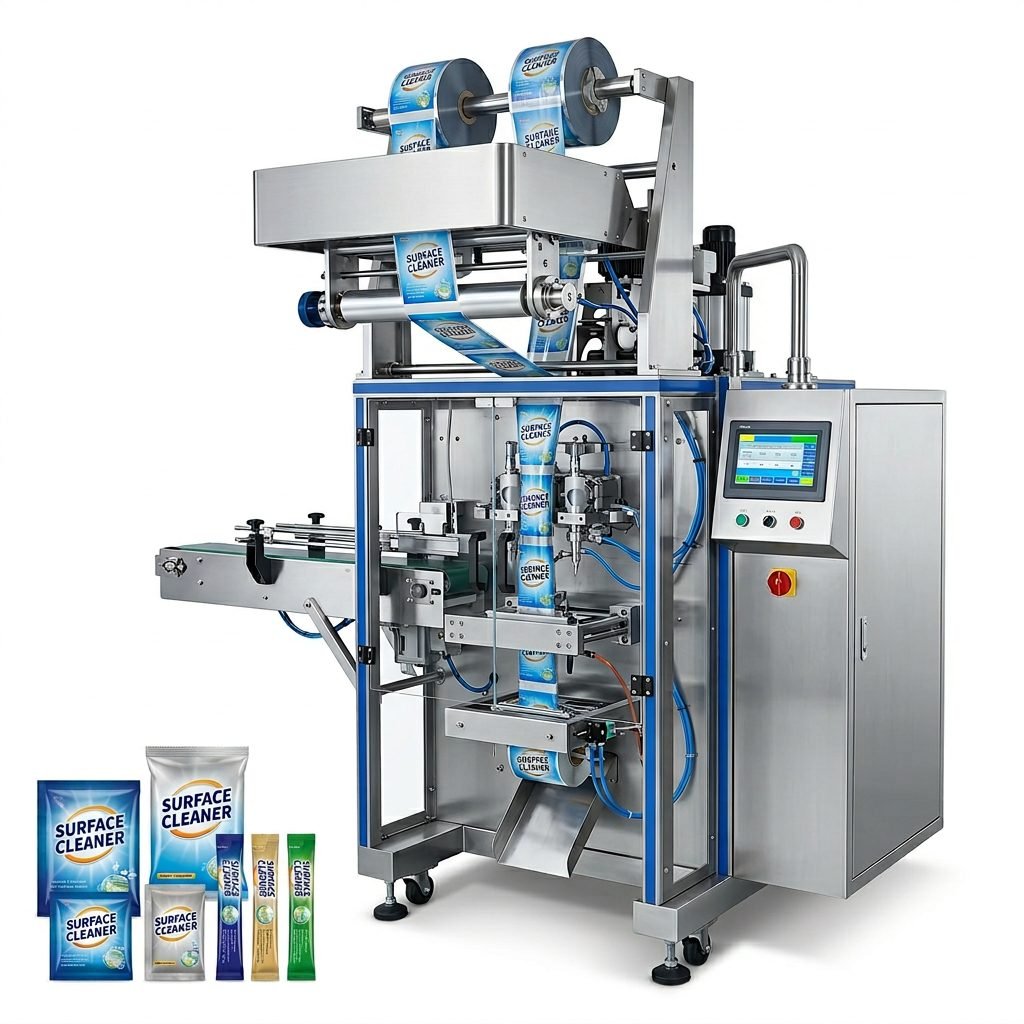
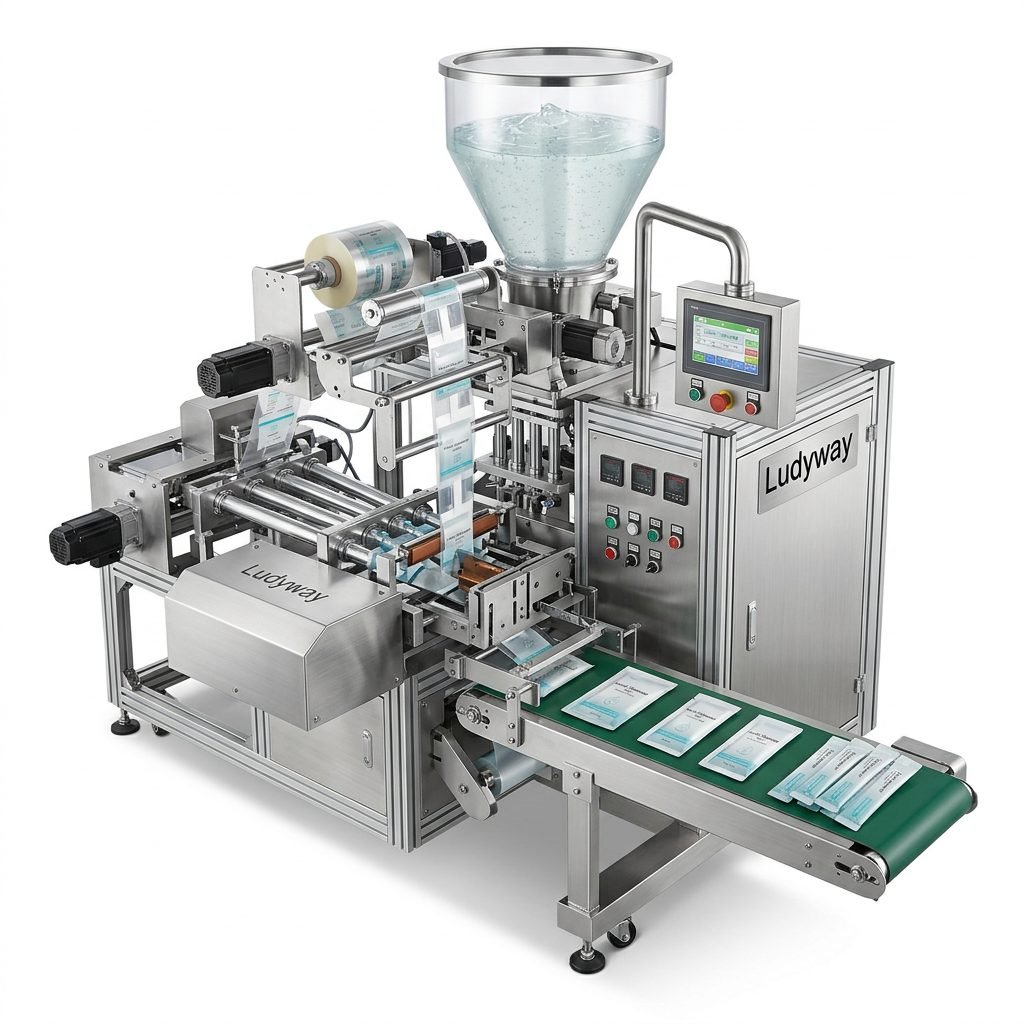
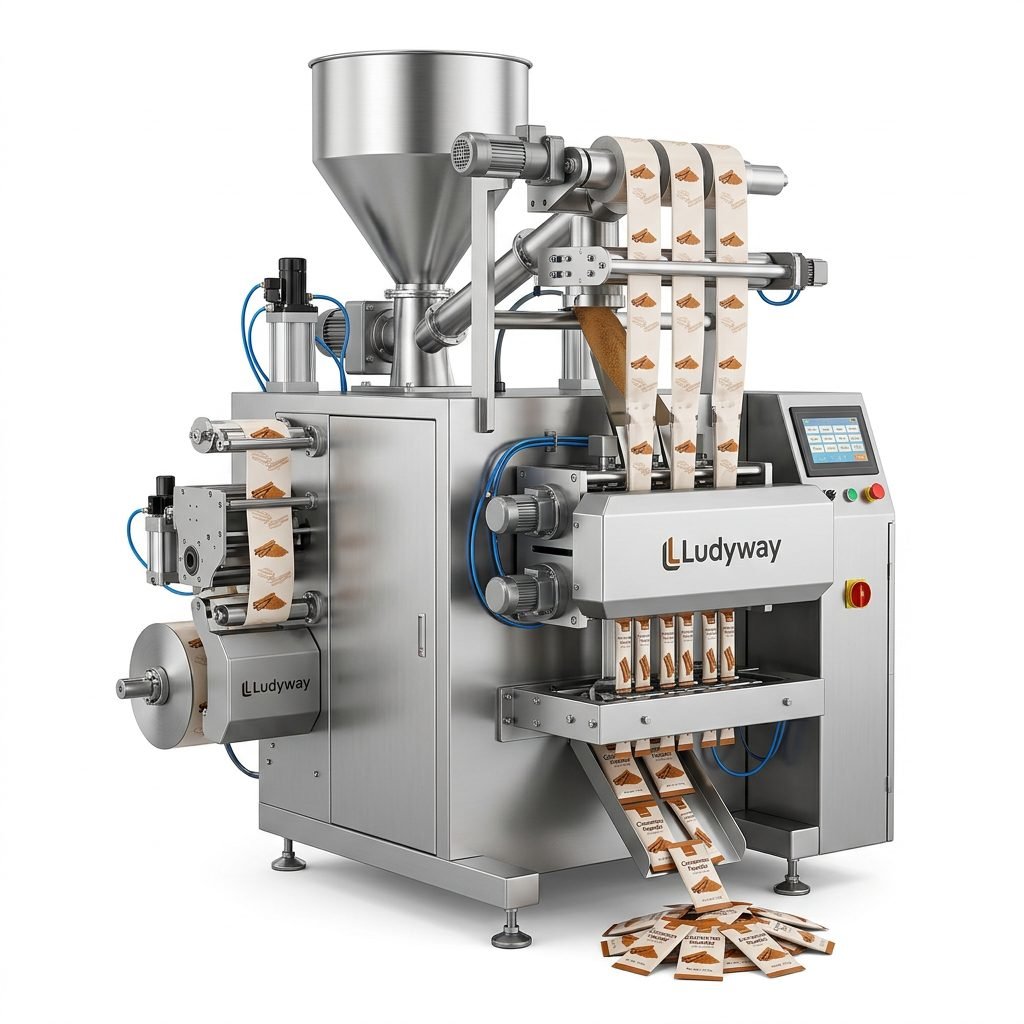
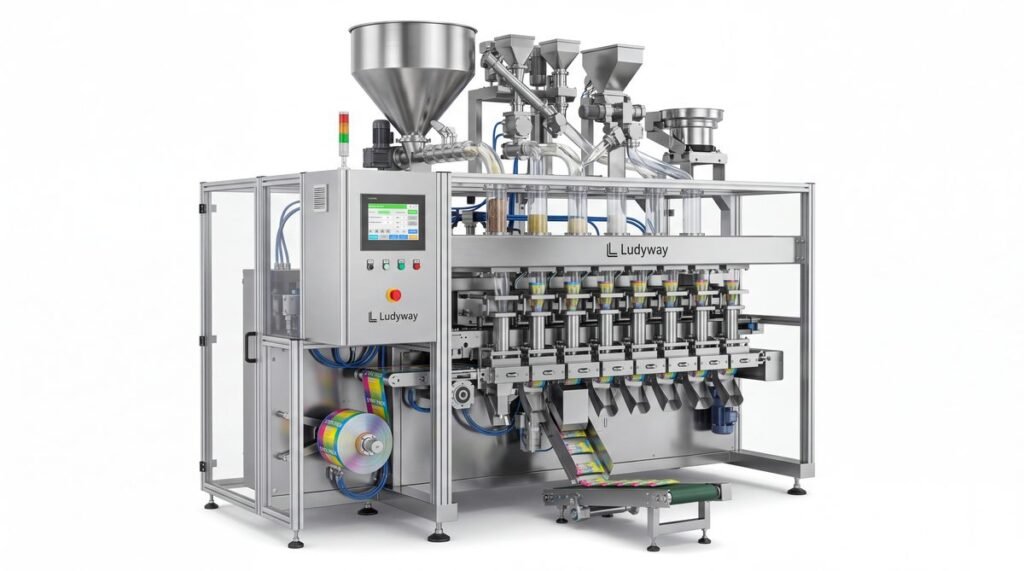
This format has surged in popularity for single-serve beverages, powders (like instant coffee or protein shakes), and liquid concentrates.
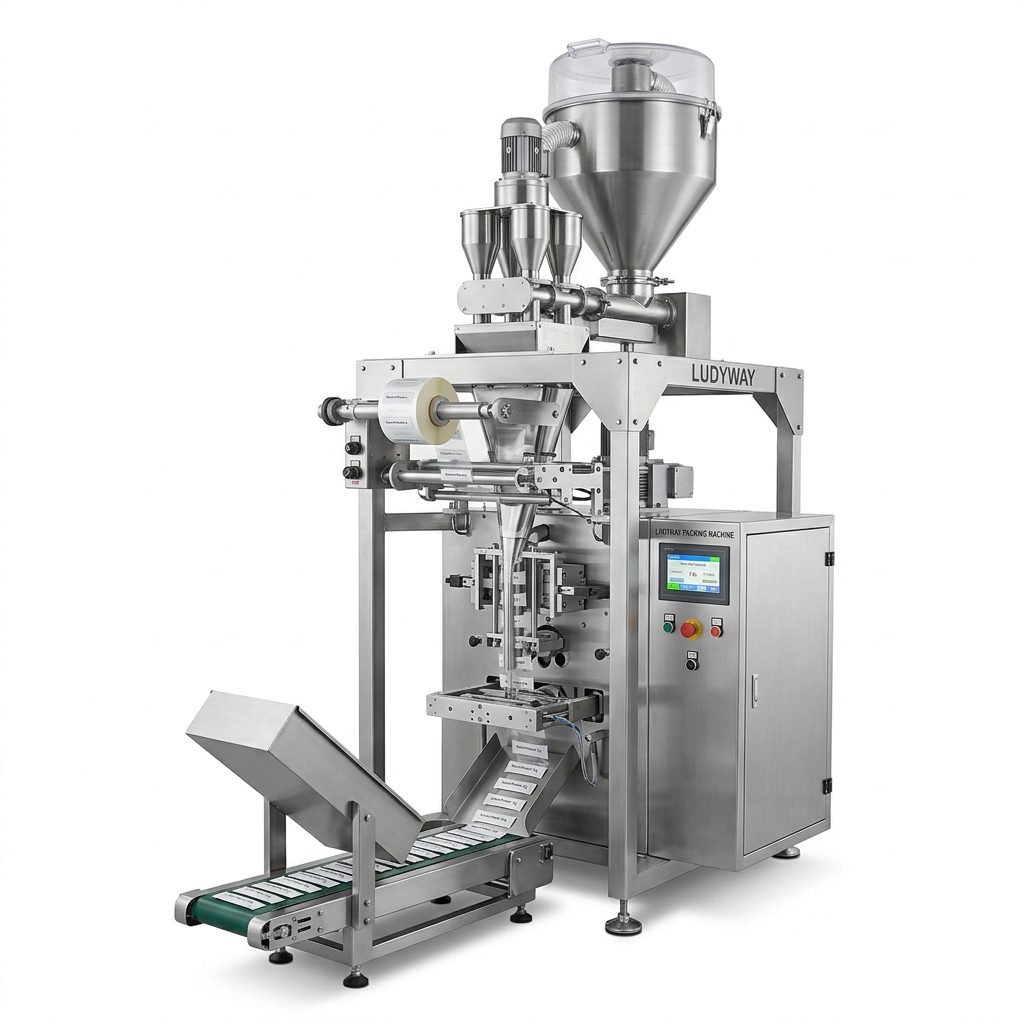
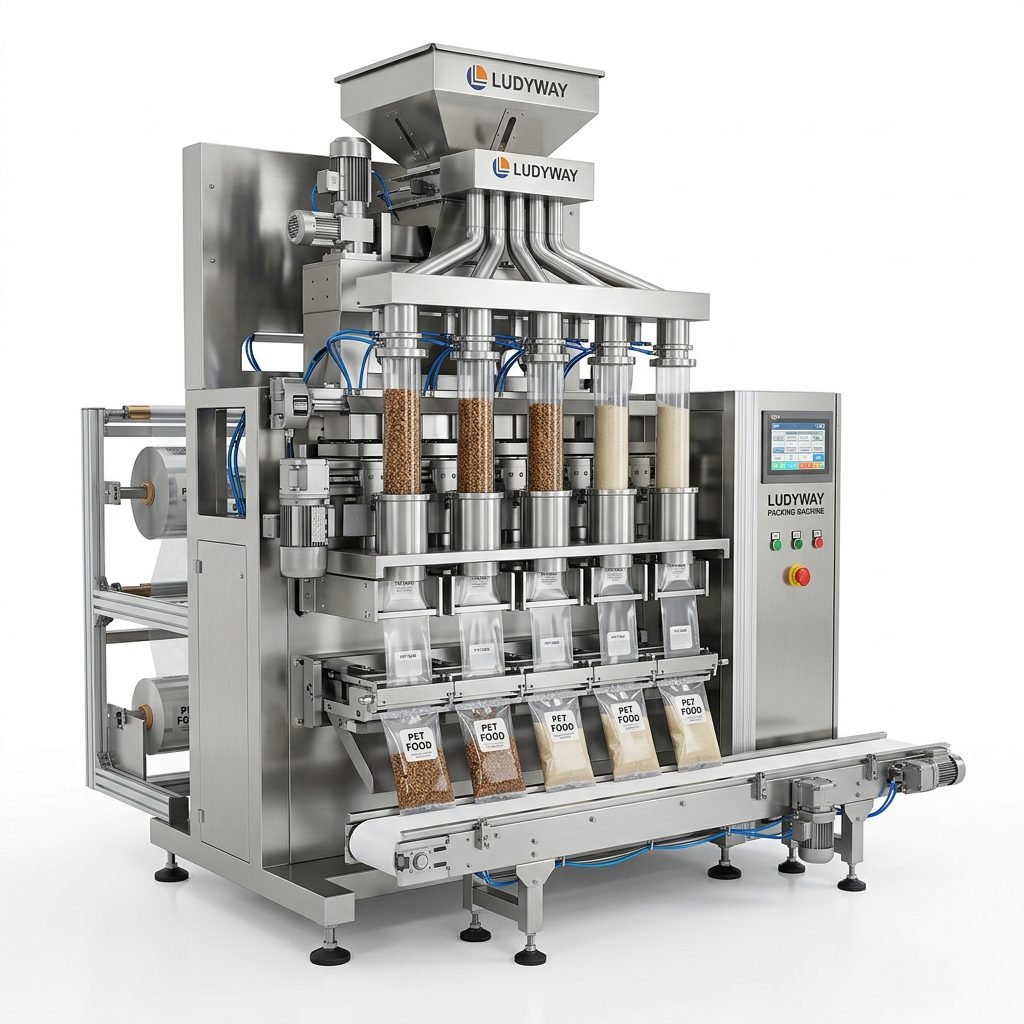
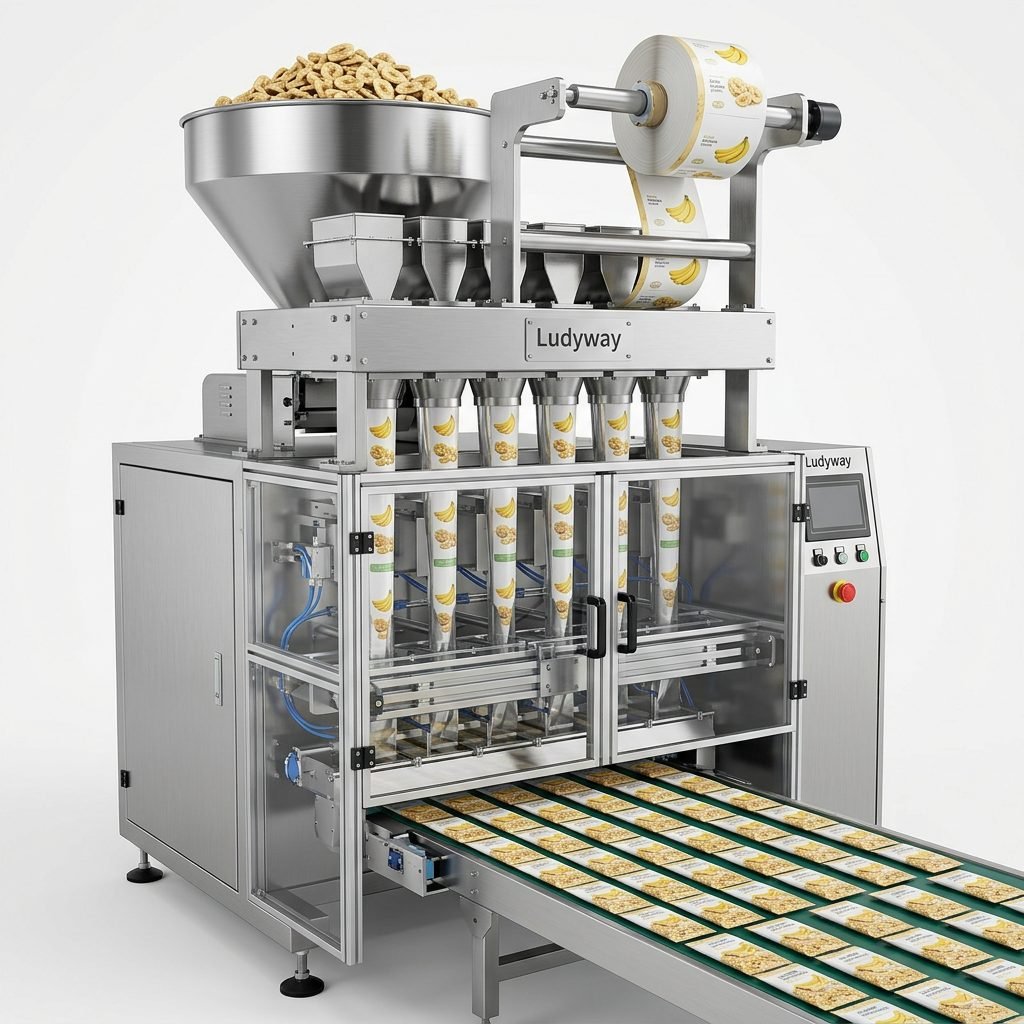
Modern systems, such as the advanced multi-lane stick pack machines offered by industry leaders, form, fill, and seal pouches from roll stock film at remarkably high speeds. They are perfect for creating portion-controlled, convenient, and lightweight packages.
Labeling & Coding Equipment
This equipment handles brand identity and regulatory compliance.
- Labelers: Apply front/back, wrap-around, or sleeve labels to bottles, cans, and pouches.
- Coders: Print batch numbers, expiry dates, and barcodes directly onto packages or labels using inkjet, laser, or thermal transfer technologies.
Key Features & Technological Considerations
Beyond basic type, several features define a machine’s capability, efficiency, and suitability for your line.
🔍 Automation Level & Speed
Equipment ranges from semi-automatic (operator-assisted) to fully automatic (integrated into a production line). Speed, measured in containers or pouches per minute (CPM/PPM), must match your output targets. High-speed lines require robust, synchronized machinery.
⚙️ Flexibility & Changeover
Can the machine handle different container sizes, shapes, or products? Quick-change parts and recipe storage in the PLC (Programmable Logic Controller) minimize downtime when switching production runs, which is crucial for manufacturers with diverse SKUs.
📊 Accuracy & Control Systems
Precision filling reduces product giveaway and ensures consistency. Look for machines with advanced servo motors, load cells, and user-friendly touchscreen HMIs (Human-Machine Interfaces) for precise control and monitoring of all parameters.
🧼 Hygiene & Construction
For beverages, sanitary design is non-negotiable. Equipment should feature easy-clean surfaces, food-grade stainless steel (often 304 or 316L) in product contact zones, and designs that prevent bacterial harborage.
How to Choose the Right Beverage Packaging System
Making the optimal choice requires a systematic evaluation of your specific requirements.
1. Analyze Your Product & Package
Start with the fundamentals: Is your product still or carbonated? Hot-filled or cold-filled? What is its viscosity and acidity? Then, define your primary package: glass bottle, PET bottle, can, pouch, or stick pack? The product and package dictate the core machine technology.
2. Define Production Volume & Growth Plans
Your current and projected output volumes are the primary drivers for automation level and machine speed. Investing in a system that can grow with your business, perhaps through modular turnkey production solutions, is often more cost-effective than multiple upgrades.
3. Evaluate Total Cost of Ownership (TCO)
Look beyond the initial purchase price. Consider long-term costs like energy consumption, required maintenance, spare part availability and cost, changeover time waste, and expected machine lifespan. A reliable, efficient machine from a reputable supplier like Ludyway Machinery often offers a lower TCO despite a potentially higher upfront cost.
4. Prioritize Hygiene and Compliance
Ensure the equipment meets all relevant food safety standards (e.g., FDA, EHEDG, GMP) for your target markets. Sanitary design simplifies cleaning and validation processes, reducing contamination risk.
5. Assess Supplier Support & Expertise
The supplier partnership is critical. Choose a provider with proven experience in the beverage sector. Evaluate their technical support, availability of training, warranty terms, and spare parts logistics. A supplier who offers comprehensive customized production solutions will be a valuable partner in optimizing your entire line.
6. Request a Product Test
Always conduct a factory acceptance test (FAT) or provide your actual product and packaging materials for a live trial. This is the only way to verify fill accuracy, seal integrity, line efficiency, and final package quality on the specific equipment.