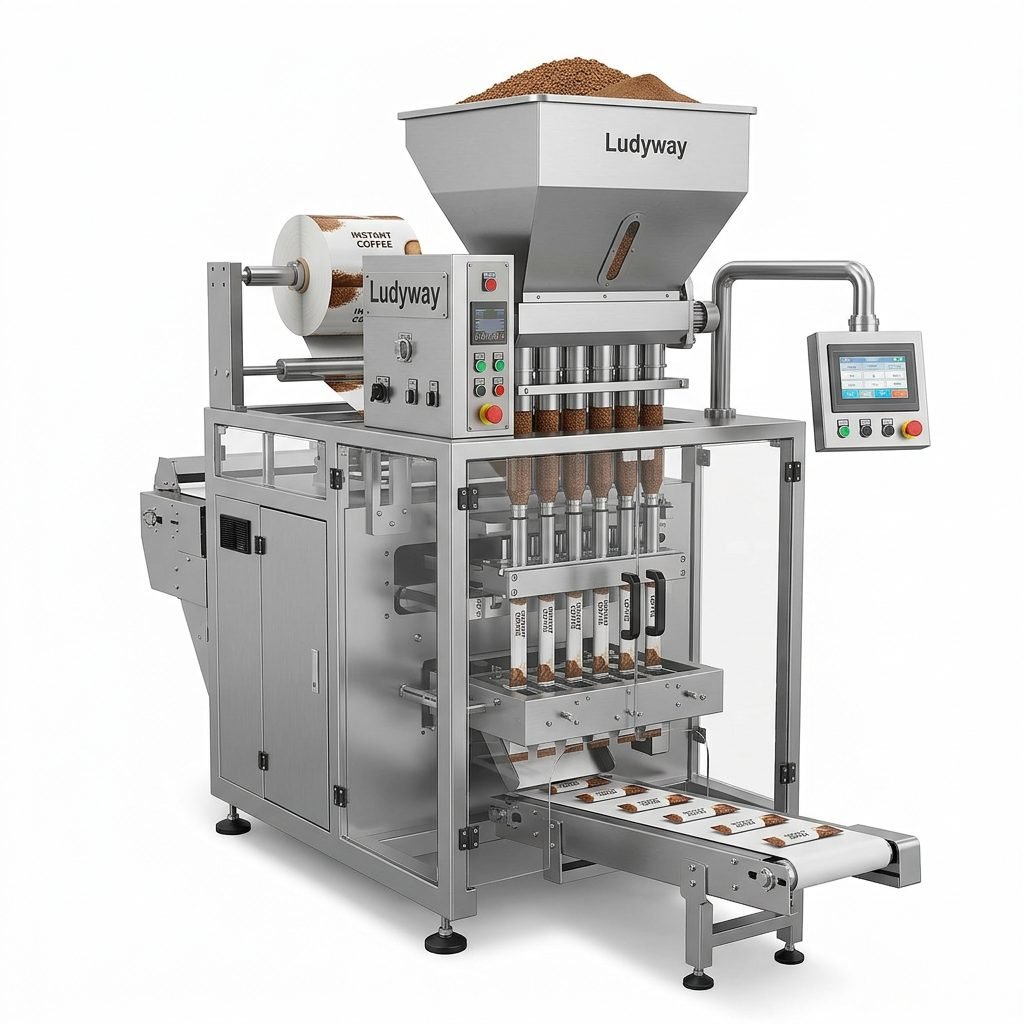
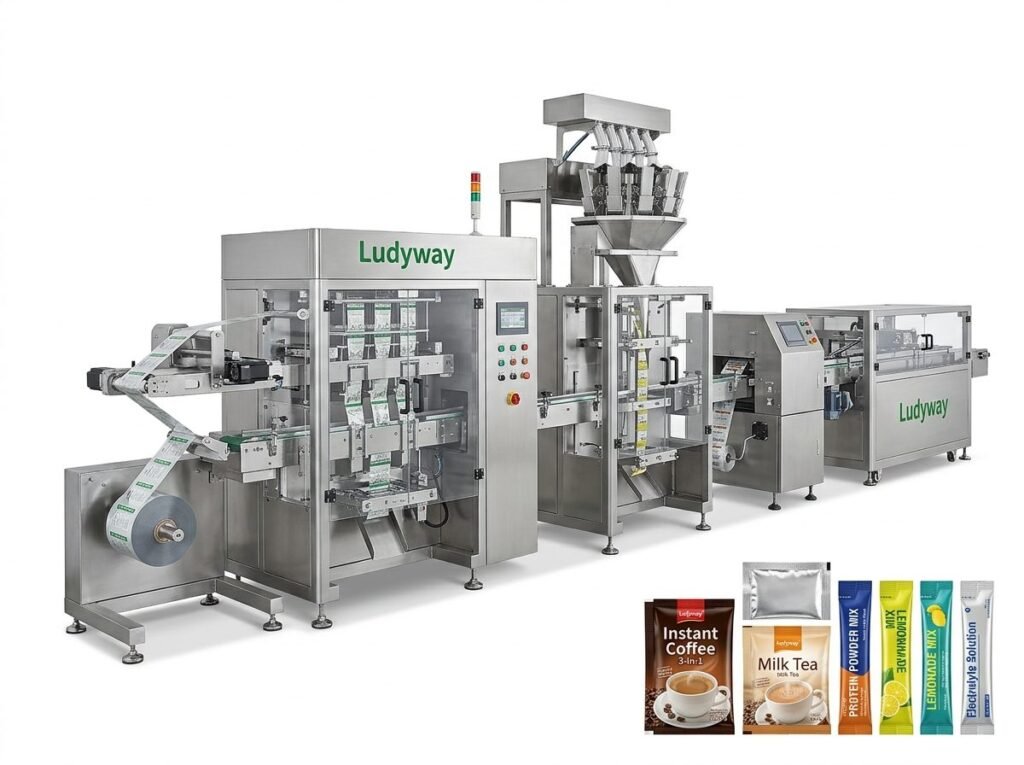
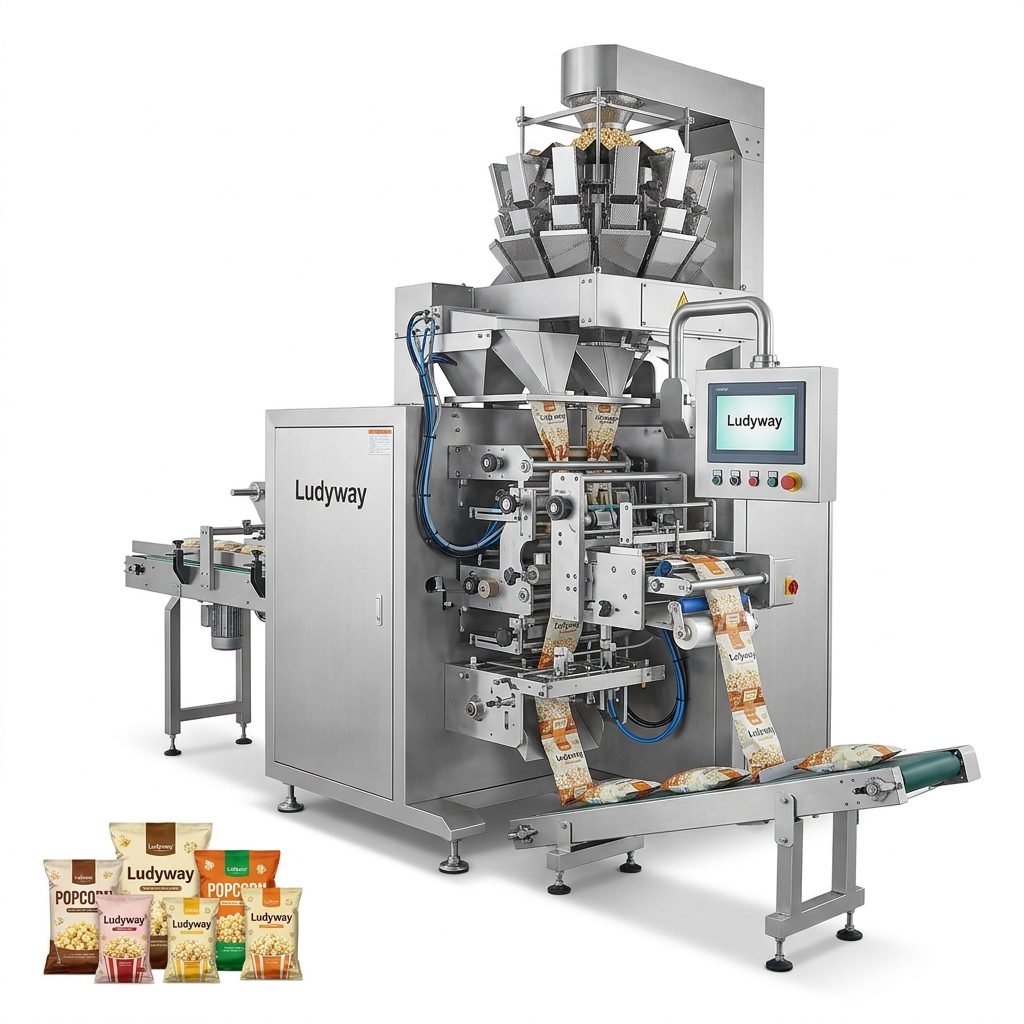
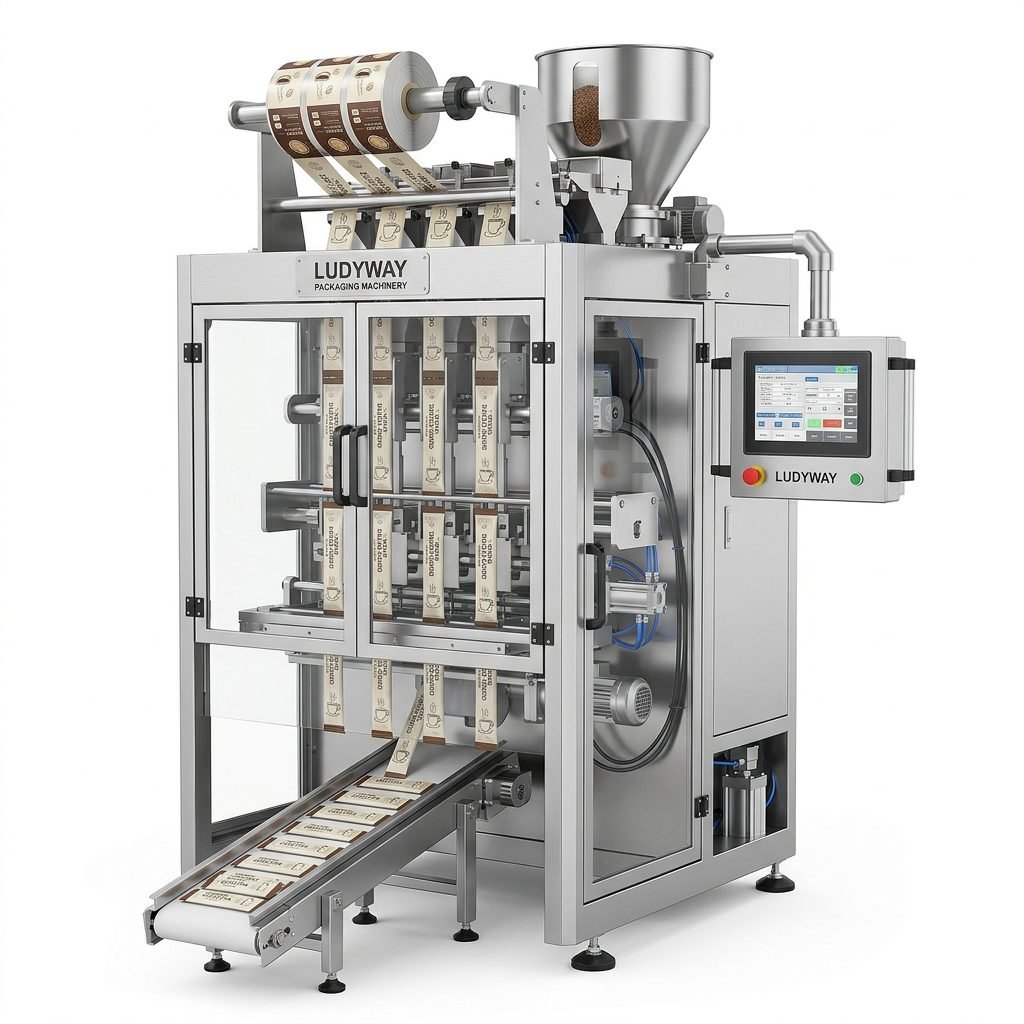
Investing in a vacuum forming packaging machine is a significant decision that directly impacts production efficiency, product protection, and overall operational costs. Whether you are packaging food products, pharmaceuticals, electronics, or industrial components, the right machine must align with your specific application requirements, throughput targets, and long-term business goals. According to PMMI packaging industry resources, the global packaging machinery market continues to evolve rapidly, driven by automation trends and increasing demand for flexible packaging formats. This guide walks you through the essential factors to evaluate before making a purchase.
Understanding Vacuum Forming Packaging Technology
Vacuum forming packaging involves heating a thermoplastic sheet until it becomes pliable, then forming it over a mold using vacuum pressure. The formed tray, blister, or cavity is then filled with the product and sealed with a lidding material. This process creates a tight, protective seal that extends shelf life, prevents contamination, and enhances product presentation. Industries ranging from FDA-regulated food packaging to medical device manufacturing rely on vacuum forming for its versatility and reliability.

Key Factors to Consider When Selecting a Vacuum Forming Machine
Before evaluating specific models, you need to clearly define your production requirements. The following checklist covers the most critical considerations that will narrow down your options and ensure you select equipment that delivers consistent results.
Production Volume and Speed Requirements
Your expected output volume determines whether you need a semi-automatic or fully automatic system. Low-volume operations may benefit from manual or semi-automatic machines that offer flexibility without excessive capital investment. High-volume manufacturers, however, require fully automated lines with multi-lane capabilities. The Flexible Packaging Association reports that automated packaging lines can increase throughput by 40-60% compared to manual processes, making automation a critical consideration for scaling operations.
Material Compatibility and Film Types
Not all vacuum forming machines handle every thermoplastic material equally. Common materials include PET, PVC, PP, PS, and PLA for biodegradable applications. Each material has different forming temperatures, shrink rates, and barrier properties. Verify that the machine you choose supports the specific films and thicknesses your products require. Multi-layer barrier films, for instance, demand precise temperature control across multiple heating zones to achieve consistent forming without delamination or weak spots.
Machine Configuration and Automation Level
Vacuum forming packaging machines range from standalone units to fully integrated packaging lines. Consider whether you need additional modules such as automatic feeding systems, filling stations, sealing units, coding and marking systems, and cartoning or case packing equipment. A modular approach allows you to start with core functionality and expand as production demands grow. This scalability is particularly valuable for manufacturers planning to increase capacity over time.
Comparing Machine Types: A Quick Reference
The table below summarizes the main categories of vacuum forming packaging machines and their typical applications. Use this as a starting point to identify which type best matches your operational needs.
| Machine Type | Best For | Output Range | Automation Level |
|---|---|---|---|
| Manual Tray Sealer | Small batches, specialty products | 5-15 cycles/min | Low |
| Semi-Automatic Form-Fill-Seal | Medium production, varied SKUs | 15-30 cycles/min | Medium |
| Fully Automatic Inline System | High-volume, consistent formats | 30-80+ cycles/min | High |
| Multi-Lane Thermoforming Line | Maximum throughput, dedicated lines | 80-200+ packs/min | Full automation |
Technical Specifications That Matter
Beyond basic machine type, several technical parameters directly affect packaging quality and operational reliability. Evaluate these specifications carefully when comparing models from different manufacturers:
- Forming area dimensions — The maximum mold size determines your packaging format flexibility and the range of products you can accommodate.
- Heating system type — Infrared, contact heating, or hybrid systems each offer different advantages in terms of energy efficiency and heating uniformity.
- Vacuum pump capacity — Higher flow rates enable faster cycle times and more consistent forming, especially for deep-draw applications.
- Control system sophistication — PLC-based controls with touchscreen interfaces provide recipe storage, diagnostics, and integration with upstream and downstream equipment.
- Tooling changeover time — Quick-change mold systems reduce downtime between product runs and improve overall equipment effectiveness.
- Energy consumption — Modern servo-driven machines consume significantly less power than older pneumatic or hydraulic systems.
Compliance with ISO packaging standards and relevant regulatory frameworks is non-negotiable, particularly for food and pharmaceutical applications. Confirm that the equipment meets applicable safety, hygiene, and quality certifications for your target markets.
Cost Analysis and Return on Investment
The purchase price of a vacuum forming packaging machine represents only one component of the total cost of ownership. A thorough ROI analysis should account for installation and commissioning, operator training, ongoing maintenance and spare parts, energy consumption, tooling and change parts, and expected service life. While entry-level machines may have lower upfront costs, premium equipment from established manufacturers often delivers lower long-term operating expenses through higher reliability, faster cycle times, and reduced waste rates.
Initial Investment vs. Long-Term Value
Higher-quality machines with robust construction and advanced automation typically command premium pricing but offer greater durability and performance consistency. For high-volume operations, the payback period on a fully automatic system can be as short as 12-24 months when factoring in labor savings, increased throughput, and reduced material waste. The PMMI 2025 State of the Industry report highlights that automation investments in packaging consistently rank among the highest-ROI capital expenditures for manufacturers across multiple sectors.
Supplier Evaluation and Technical Support
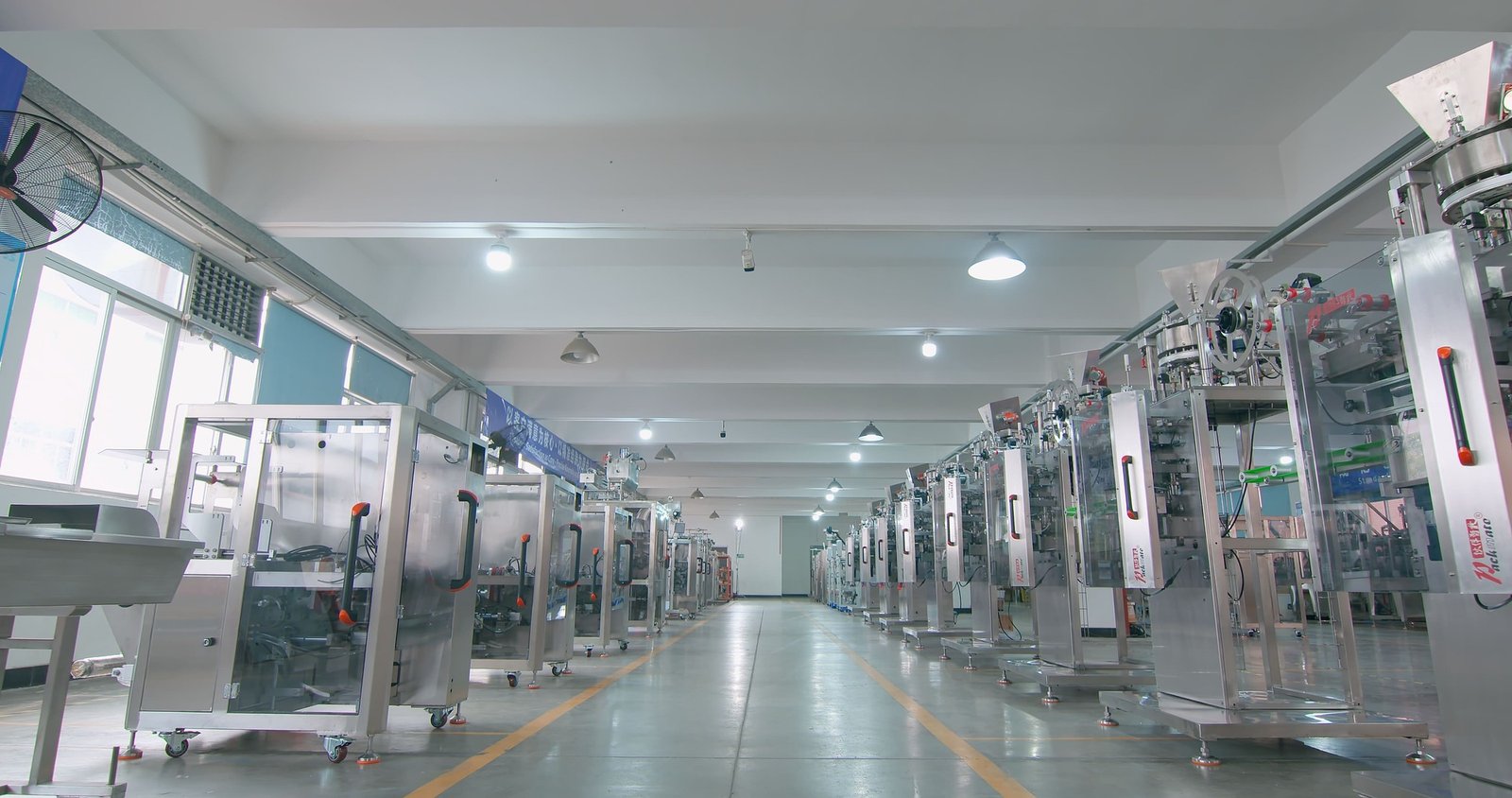
Choosing the right equipment supplier is as important as selecting the right machine specifications. Evaluate potential partners based on their industry experience, engineering capabilities, and after-sales support infrastructure. Key questions to ask include: Does the supplier offer customized solutions or only standardized models? What is their track record in your specific industry? Do they provide installation, commissioning, and operator training? What are their spare parts availability and response times for technical support?
Some manufacturers, such as Ludyway Machinery, combine decades of packaging industry experience with comprehensive engineering and service capabilities. With more than 30 years in the packaging machinery sector, a 20,000-square-meter manufacturing facility, and a portfolio covering over 50 machine models, companies with this level of infrastructure can provide integrated packaging lines and turnkey solutions tailored to specific product and production requirements. For more background on packaging machinery industry trends, read about global growth trends in packaging machinery exports.
Making the Final Decision
Selecting the right vacuum forming packaging machine requires balancing technical specifications, production requirements, budget constraints, and supplier reliability. Start by clearly documenting your current and projected needs, then evaluate machines that meet those parameters while allowing room for growth. Request detailed proposals from multiple suppliers, arrange for product demonstrations or factory acceptance tests where possible, and speak with existing customers about their real-world experience. A methodical approach to equipment selection will help ensure that your investment delivers consistent, reliable packaging performance for years to come.
For additional guidance on packaging machinery selection and industry best practices, explore resources from the PMMI packaging technology association, review flexible packaging industry data from FPA, and consult international packaging and distribution standards to ensure your equipment aligns with global quality and compliance requirements.