Bulk materials such as resins, fertilizer, feed, minerals, powders, pellets, and industrial additives often require packaging that is not only strong, but also capable of protecting product quality during storage, transport, and export. In many applications, a big bag vacuum packaging machine can help reduce air content, improve bag stability, limit moisture influence, and support cleaner downstream handling.
Choosing the right solution is not simply about buying a machine with vacuum capability. It involves understanding your material characteristics, bag size, output expectations, weighing accuracy, sealing method, automation level, and the conditions of your production site. The right decision can improve efficiency for years; the wrong one can create ongoing waste, unstable bag quality, and unnecessary maintenance costs.
What Is a Big Bag Vacuum Packaging Machine?
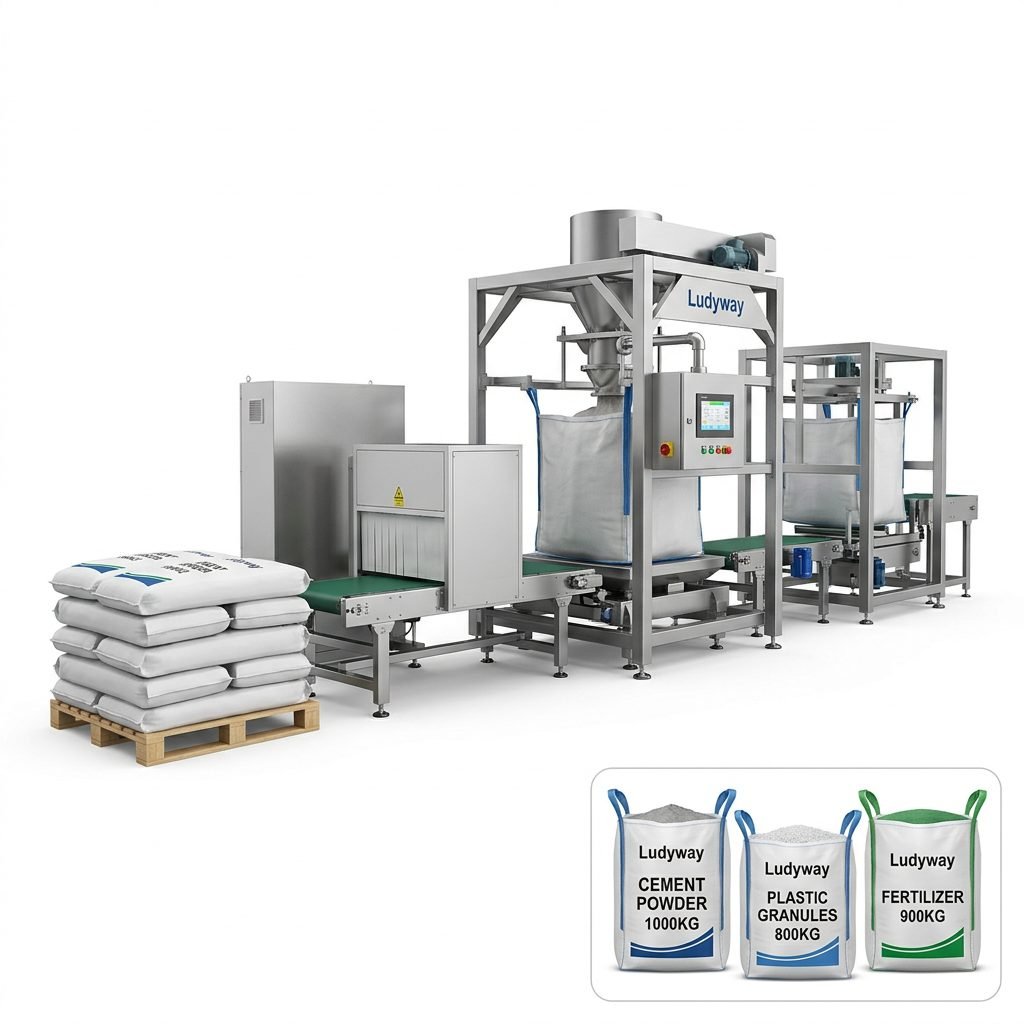
A big bag vacuum packaging machine is designed for large-volume packaging, typically for bags such as FIBC bags, jumbo bags, woven bags with liners, or other heavy-duty sacks used for bulk materials. The machine generally combines several key functions:
- Material feeding and buffering
- Weighing and dosing
- Bag clamping and positioning
- Vacuum extraction or air reduction
- Compaction and densification
- Heat sealing, stitching, or combined sealing methods
- Conveying, palletizing, or line integration
In practice, the exact configuration depends on the product. Fine powders behave very differently from granules, flakes, or irregular solids. That is why equipment selection should always begin with the product itself rather than machine appearance or headline speed.
Why Vacuum Packaging Matters for Bulk Products
Vacuum-assisted packaging is valuable when the product is sensitive to air, easy to oxidize, highly dusty, compressible, moisture-sensitive, or difficult to stack after filling. By reducing trapped air and compacting the contents, manufacturers can achieve better packaging consistency and lower shipping inefficiencies.
| Benefit | How It Helps |
|---|---|
| Improved bag compactness | Reduces puffiness and creates more stable bulk bags for stacking and transport |
| Lower air content | Helps protect oxygen-sensitive or moisture-sensitive materials when used with liners |
| Cleaner packaging results | Can reduce dust escape and improve sealing performance |
| Better logistics efficiency | More uniform bags are easier to palletize, warehouse, and ship |
| Potential shelf-life improvement | Useful for selected food-grade, chemical, or pharmaceutical raw materials |
Start with the Product: The Most Important Selection Factor
Before comparing machine suppliers, define your product in detail. A vacuum packaging system for calcium carbonate powder will not be the same as one used for plastic pellets or feed premix. Ask the following questions:
- Is the material powder, granule, flake, or mixed?
- Does it flow easily or bridge in the hopper?
- Is it abrasive, corrosive, or dusty?
- Does it trap a lot of air during filling?
- Is it moisture-sensitive or oxygen-sensitive?
- Will it require sanitary or explosion-proof design?
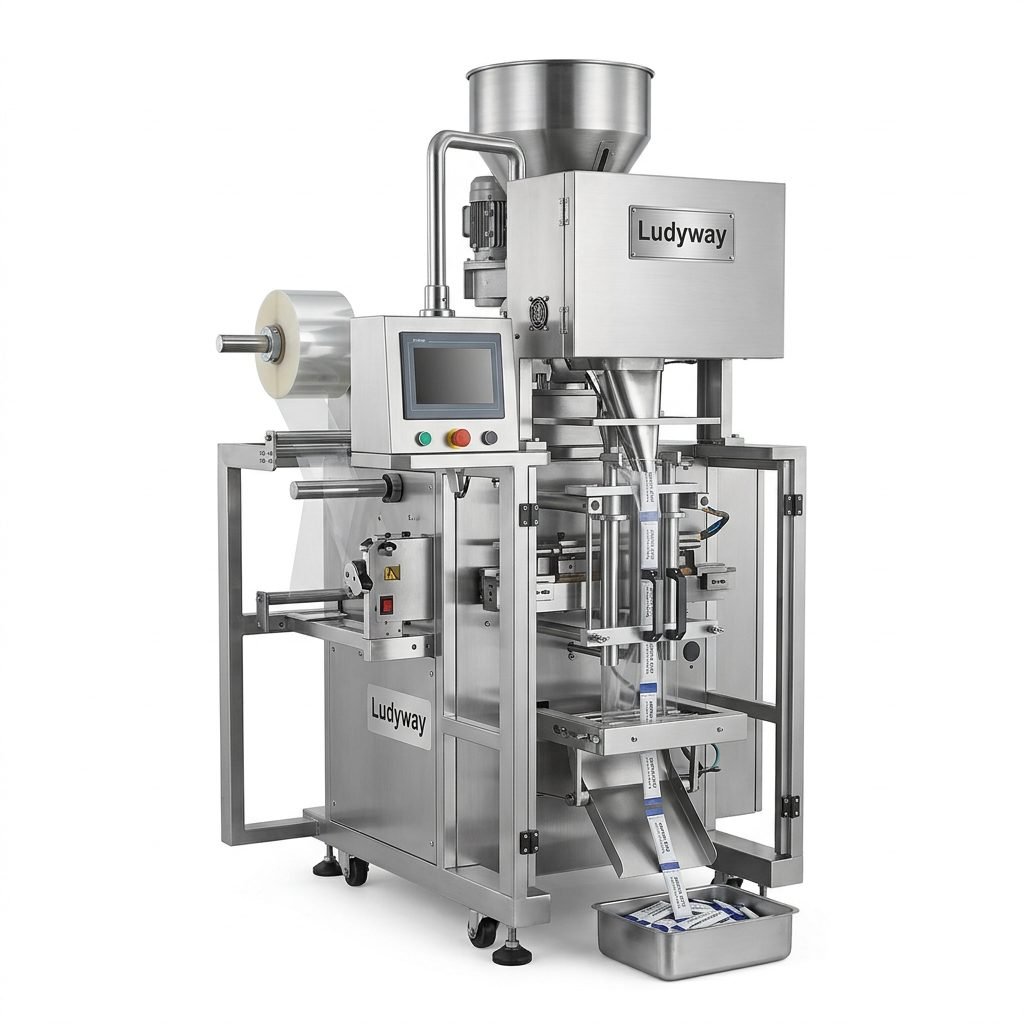
Products with poor flow often need specialized screw feeding, agitators, vibration devices, or deaeration designs. Abrasive materials may require wear-resistant contact parts. Hygroscopic powders may need enclosed transfer and fast sealing. If the product creates a lot of airborne dust, dust collection and sealing reliability become especially important.
Key Machine Components to Evaluate
1. Feeding System
The feeding method affects weighing accuracy and machine stability. Common options include:
- Screw feeder for powders and fine materials
- Gravity feeder for free-flowing granules
- Belt feeder for fragile or irregular products
- Vibratory feeder for controlled dosing
If your material is light and airy, choose a system designed to limit dust and maintain consistent flow under vacuum-assisted conditions.
2. Weighing Accuracy
For 500 kg, 1000 kg, or even larger bags, weighing consistency directly affects cost control. Small underfills can trigger customer claims, while overfills quietly increase material loss over time. Review:
- Target bag weight range
- Allowed tolerance
- Single-speed or dual-speed filling
- Load cell quality and calibration system
3. Vacuum and Compaction Performance
Not all “vacuum” functions are equal. Some systems only remove surface air, while others provide stronger bag densification. When comparing options, check:
- Vacuum depth capability
- Cycle time under full load
- Bag shape stability after vacuuming
- Compatibility with inner liners
- Dust control during vacuum operation
4. Sealing Method
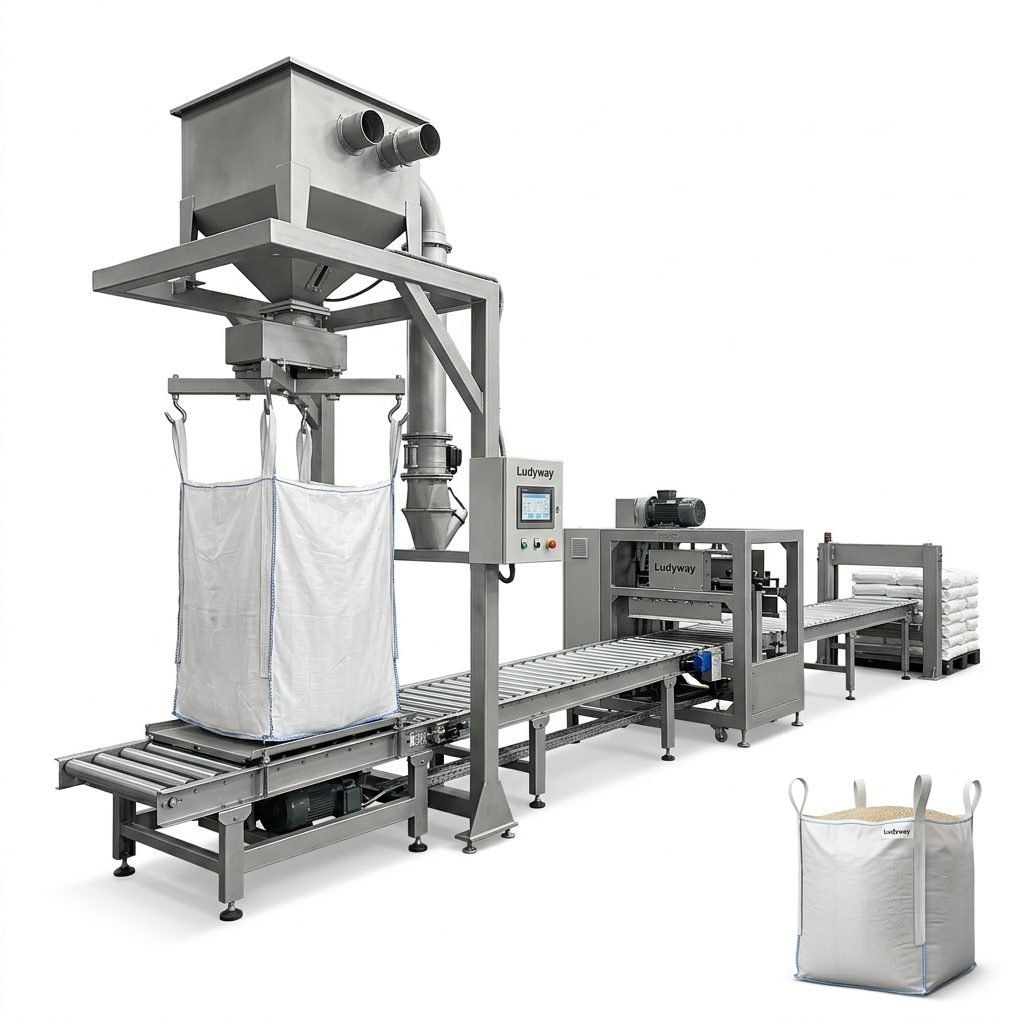
The sealing solution must match your bag type. Common choices include:
- Heat sealing for liner bags
- Bag stitching for woven sacks
- Heat sealing plus stitching for extra security
- Valve bag closure for specific powder applications
If export transport or long-term storage is involved, sealing reliability should never be treated as a secondary feature.
5. Structural Strength and Durability
Big bag machinery handles high loads and continuous vibration. The frame, clamps, conveyors, and lifting structures should be engineered for industrial duty. A robust machine body often delivers better long-term accuracy and lower service interruption.
How to Match the Machine to Your Bag Type
Bulk packaging projects often fail because the machine is selected around weight only, while bag structure is ignored. You should confirm:
| Bag Consideration | Why It Matters |
|---|---|
| Bag size and volume | Determines filling nozzle size, clamping range, and structural dimensions |
| Bag material | Affects sealing method, puncture risk, and compatibility with vacuum |
| Inner liner requirement | Important for moisture protection, oxygen barrier, and heat sealing |
| Loop design and support points | Influences bag hanging, safety, and filling stability |
| Discharge and handling needs | Affects downstream transport, stacking, and customer use |
Production Capacity: Don’t Overbuy or Underbuy
Many buyers focus on the maximum speed listed in a quotation. However, real-world capacity depends on product flowability, vacuum cycle time, bag loading steps, and operator coordination. It is smarter to define:
- Required bags per hour
- Working hours per shift
- Seasonal peak demand
- Future expansion plans
- Downtime tolerance
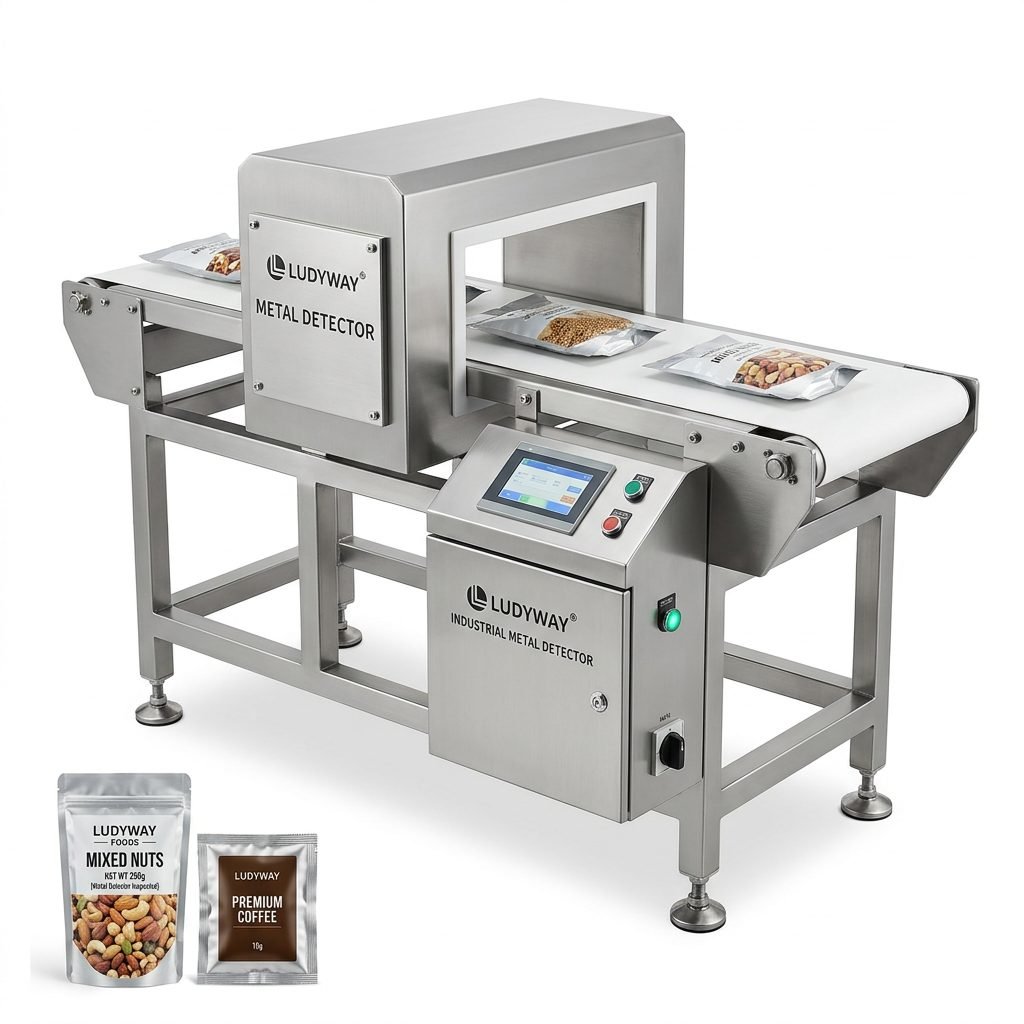
If your production is likely to grow, a modular line may be better than a basic standalone machine. For example, you may eventually need automatic palletizing, wrapping, coding, metal detection, or integrated conveying.
Automation Level: Manual, Semi-Automatic, or Fully Automatic?
The best solution depends on labor availability, plant layout, and return on investment.
Manual or Low-Automation Setup
- Lower upfront cost
- Suitable for small batch production
- More operator dependency
- Lower consistency
Semi-Automatic System
- Balanced investment level
- Good for medium production volumes
- Operator still assists with bag loading or positioning
- Common choice for many bulk material plants
Fully Automatic Line
- Higher output and better consistency
- Reduced labor intensity
- Better data control and line integration
- Best for large-scale or export-oriented manufacturing
If labor costs are rising or workplace safety is a concern, automation can become a long-term competitive advantage rather than just a machinery upgrade.
Industry-Specific Requirements You Should Not Ignore
Food and Feed
Focus on hygienic design, food-grade contact materials, dust control, easy cleaning, and contamination prevention.
Chemical Industry
Review corrosion resistance, sealing tightness, anti-dust design, and potentially explosion-proof electrical components for combustible powders.
Pharmaceutical and Health-Related Raw Materials
Pay attention to cleanability, controlled environment integration, material traceability, and high precision.
Minerals and Construction Materials
Durability, wear resistance, high-load stability, and efficient dust extraction are often more critical than cosmetic machine appearance.
Questions to Ask a Supplier Before Buying
A reliable supplier should be able to discuss your application in detail, not just send a generic catalog. Ask these questions before making a decision:
- Can the machine be tested with my actual product?
- What bag sizes and weight ranges are supported?
- How is vacuum performance verified?
- What is the expected tolerance per bag?
- Which parts experience the most wear?
- How easy is cleaning and maintenance?
- Is remote technical support available?
- Can the machine integrate with conveyors, palletizers, or wrapping systems later?
- What certifications and export experience does the supplier have?
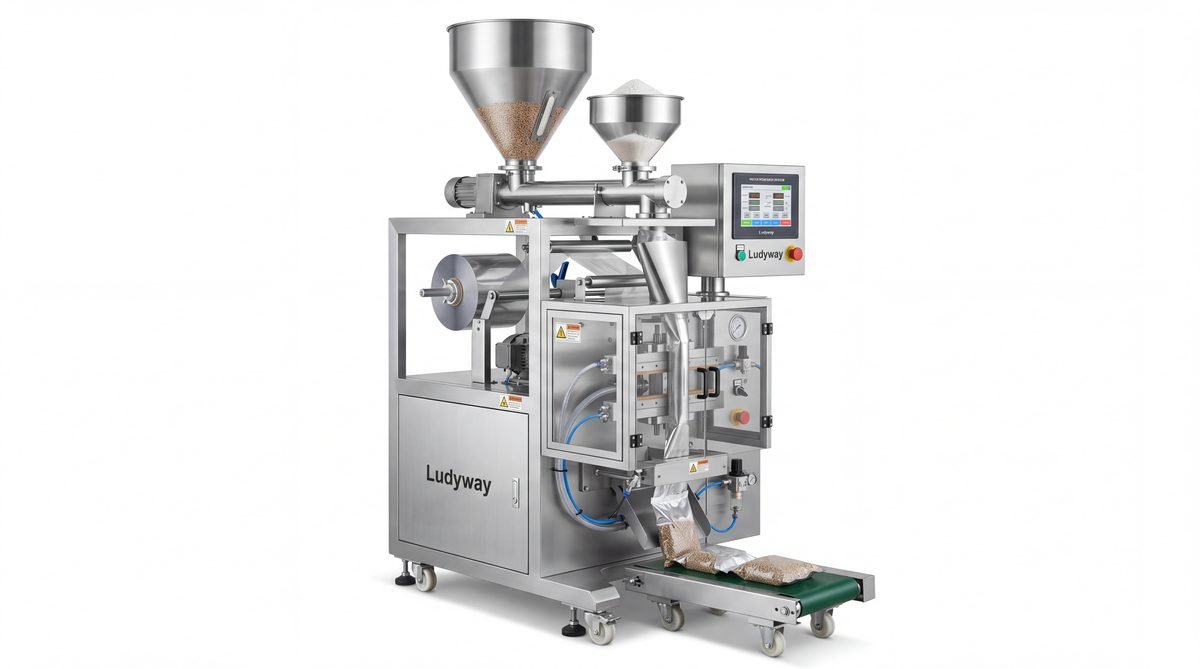
Buyers looking for scalable bulk packaging solutions often consider experienced manufacturers such as Ludyway big bag vacuum packaging machine solutions when they need both standalone equipment and turnkey packaging line support.
Common Mistakes When Choosing a Big Bag Vacuum Packaging Solution
- Choosing by price alone without product testing
- Ignoring dust behavior and material aeration
- Underestimating the importance of bag and liner compatibility
- Buying excessive speed that the plant cannot actually use
- Overlooking after-sales service and spare parts availability
- Failing to plan for future automation upgrades
A packaging line is not just a purchase; it is part of your manufacturing system. The better it matches your real process, the stronger your return on investment.
Signs You Need a Customized Solution
Standard machines work well for many products, but some applications clearly require customization. You may need a custom big bag vacuum packaging system if:
- Your material is ultra-fine, sticky, or poor-flowing
- You use special jumbo bags or unusual liner structures
- Your site has height, dust, or explosion-safety restrictions
- You need high integration with upstream silos or downstream palletizing
- You have strict weighing, traceability, or sealing standards
Final Buying Checklist
| Checklist Item | Status to Confirm |
|---|---|
| Product characteristics analyzed | Yes / No |
| Bag type and liner structure confirmed | Yes / No |
| Required output defined realistically | Yes / No |
| Vacuum and compaction level verified | Yes / No |
| Weighing accuracy requirement specified | Yes / No |
| Maintenance and spare parts support reviewed | Yes / No |
| Future line expansion considered | Yes / No |
The right big bag vacuum packaging machine should fit your material, your bags, your capacity target, and your long-term operational goals. When these factors are aligned, you gain more than packaging efficiency—you gain cleaner production, better product protection, and a more reliable bulk packaging workflow.