When buyers search for a milk packing machine, the first question is usually simple: how much does it cost?
The real answer depends on far more than machine size alone. Milk products can be packed as liquid milk, milk powder, flavored milk, condensed milk, or dairy-based nutritional blends, and each format needs a different filling and sealing approach.
If you want to compare options accurately, you need to look at machine type, automation level, packaging format, speed, material compatibility, hygiene design, and after-sales support. Understanding these factors helps you avoid underbuying, overpaying, or choosing a machine that cannot grow with your production needs.
What Types of Milk Packing Machines Are Available?
Before discussing price, it is important to define what kind of milk product you pack. Different products require different technologies, and that has a major influence on budget.
- Liquid milk packing machines – used for fresh milk, pasteurized milk, flavored milk, and dairy beverages.
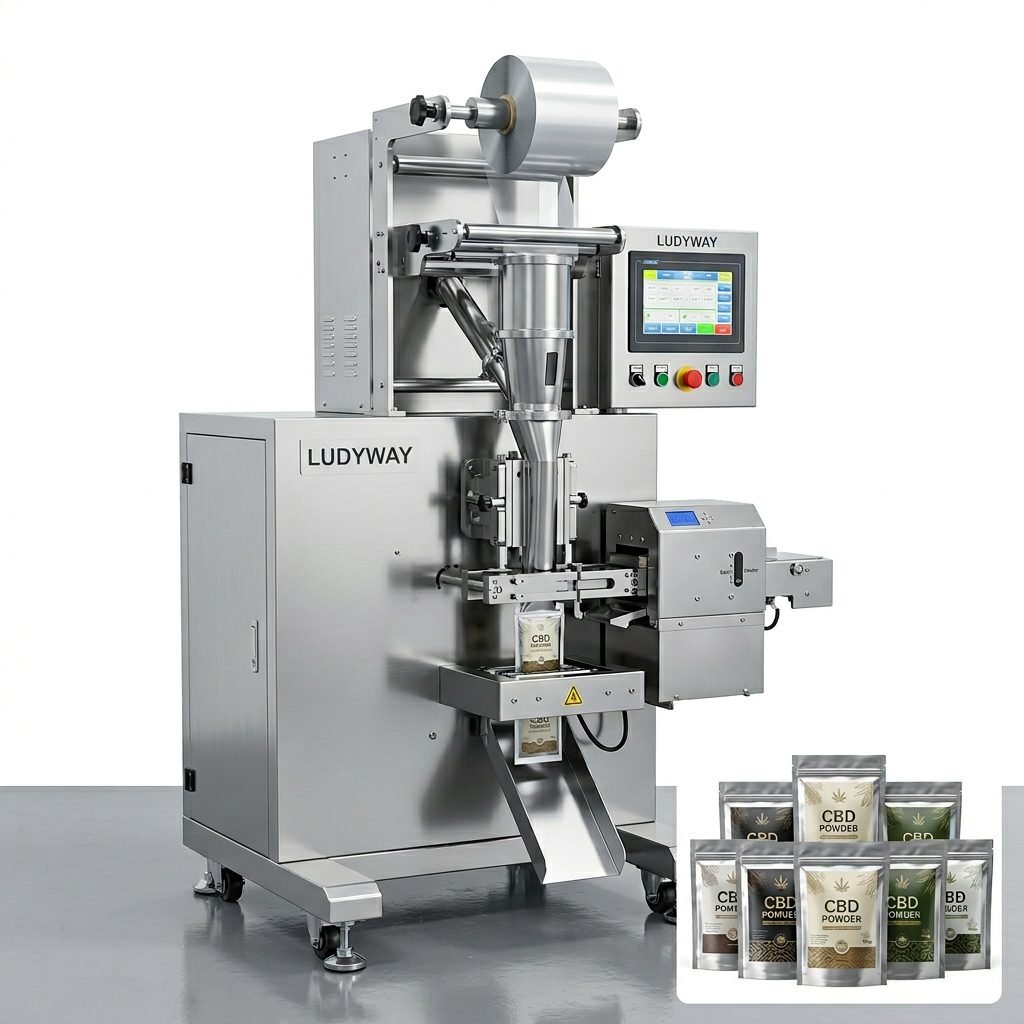
- Milk powder packing machines – used for infant formula, skim milk powder, whole milk powder, and nutritional powder blends.
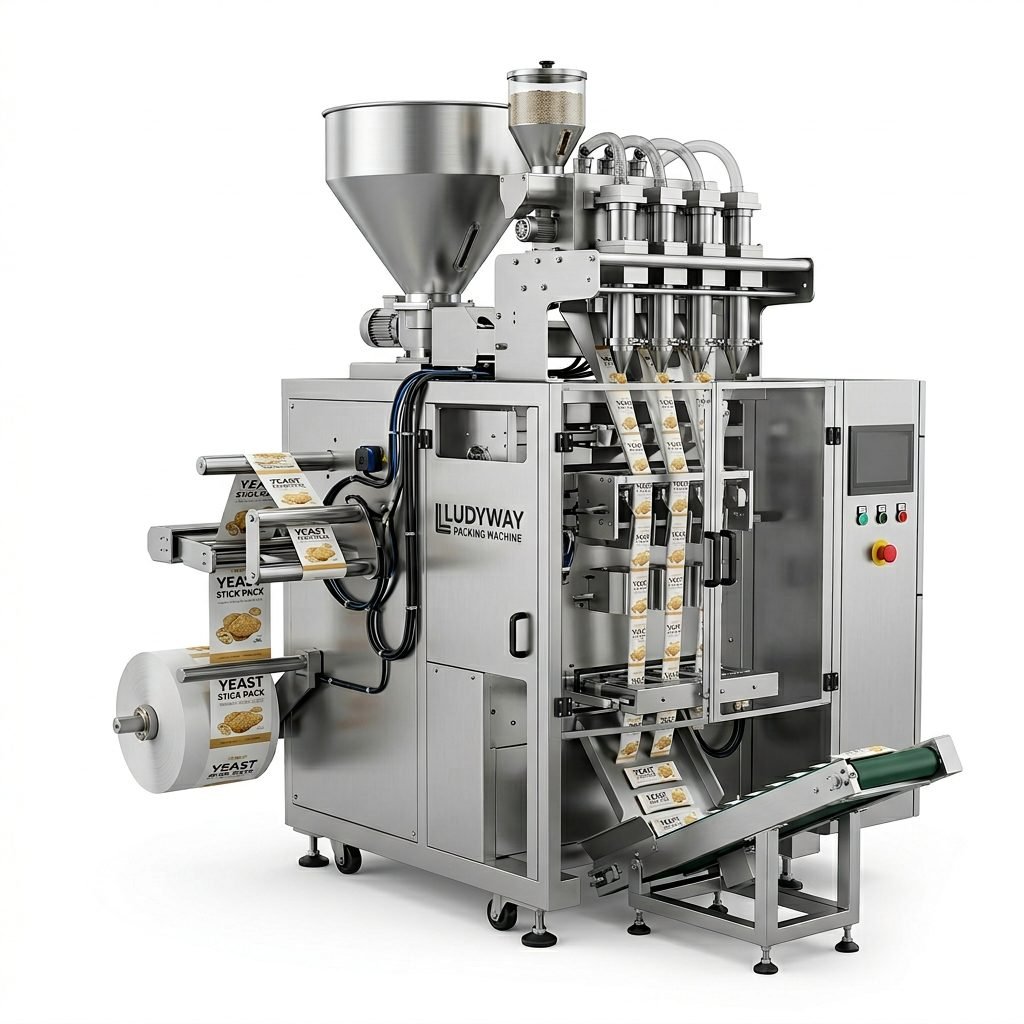
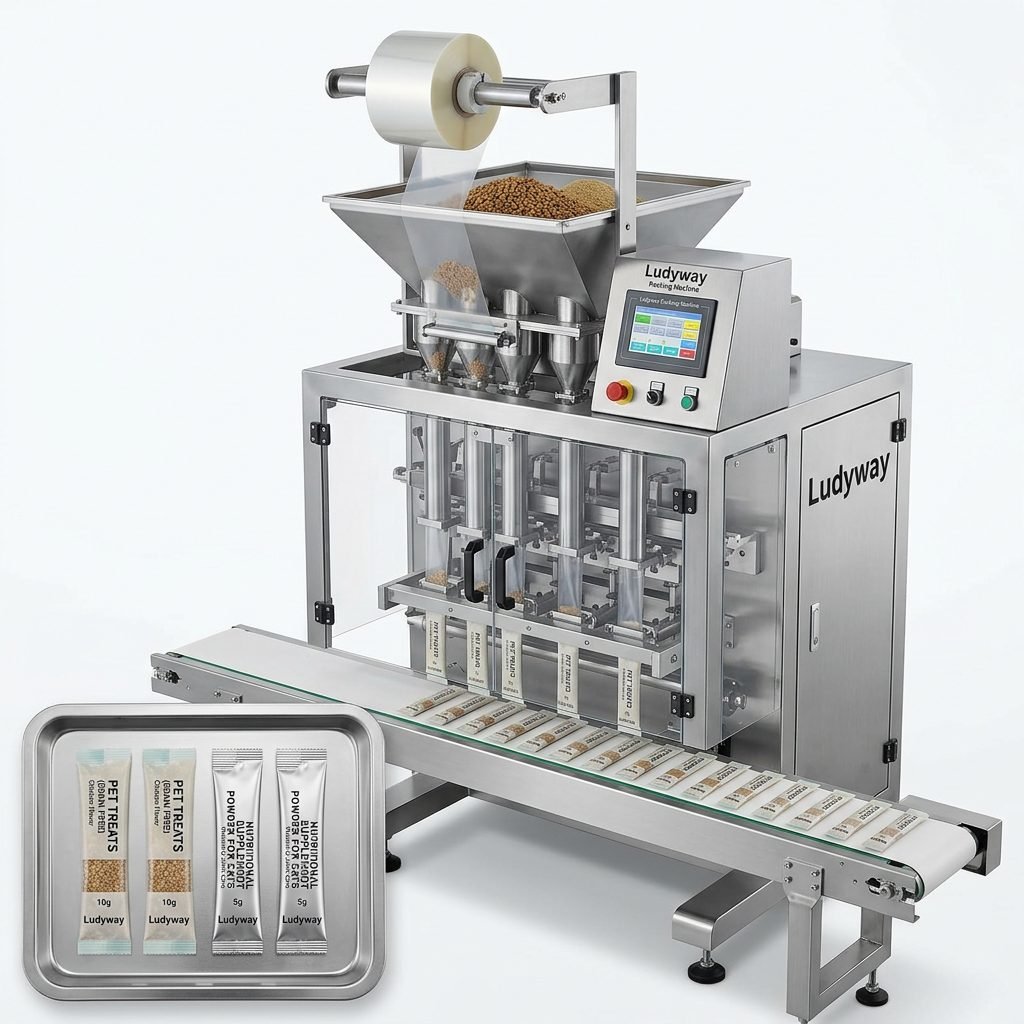
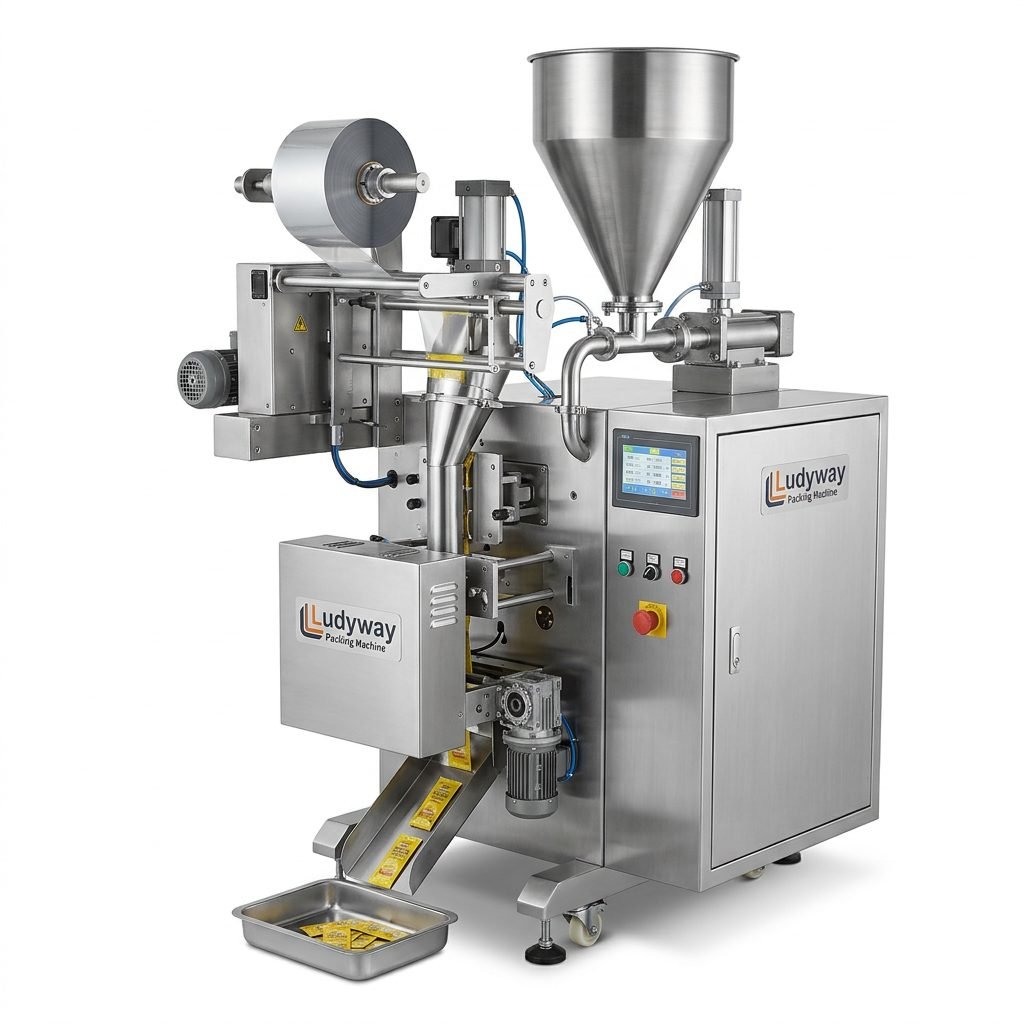
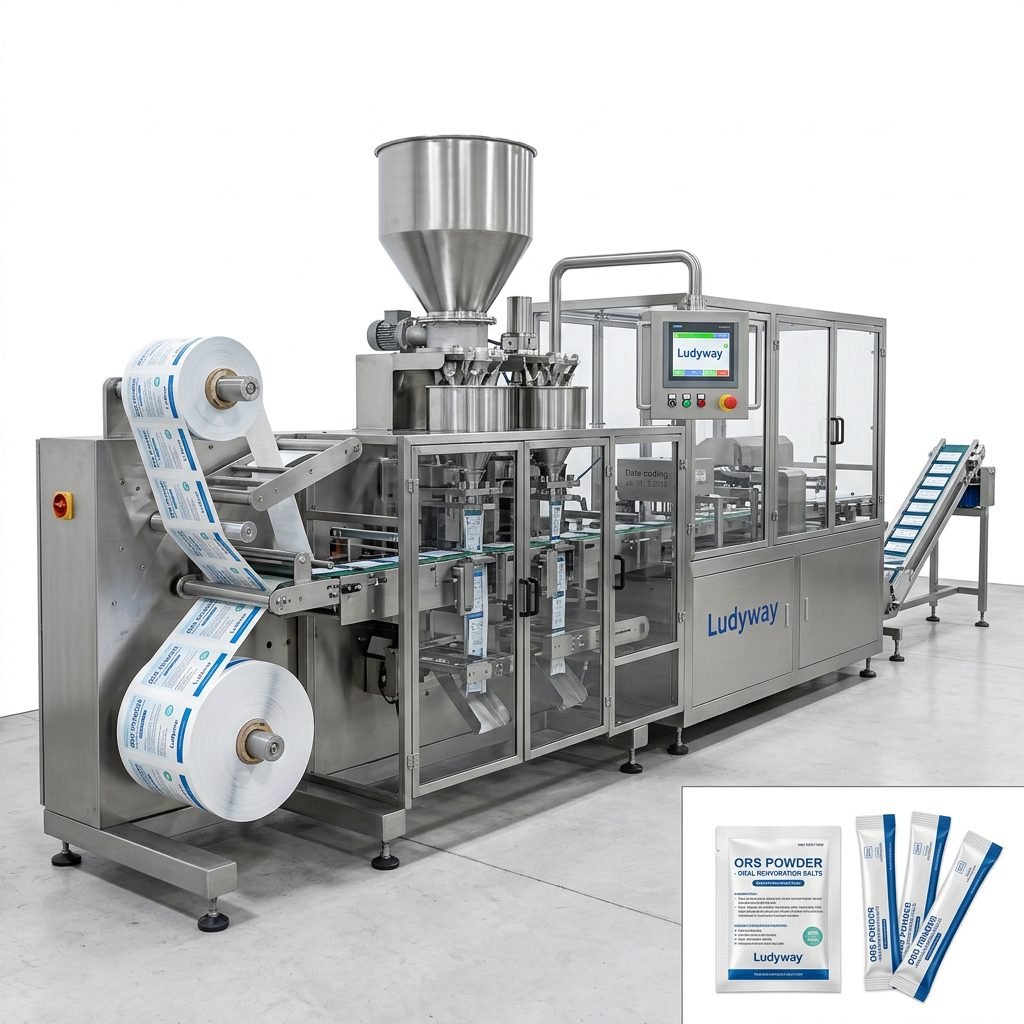
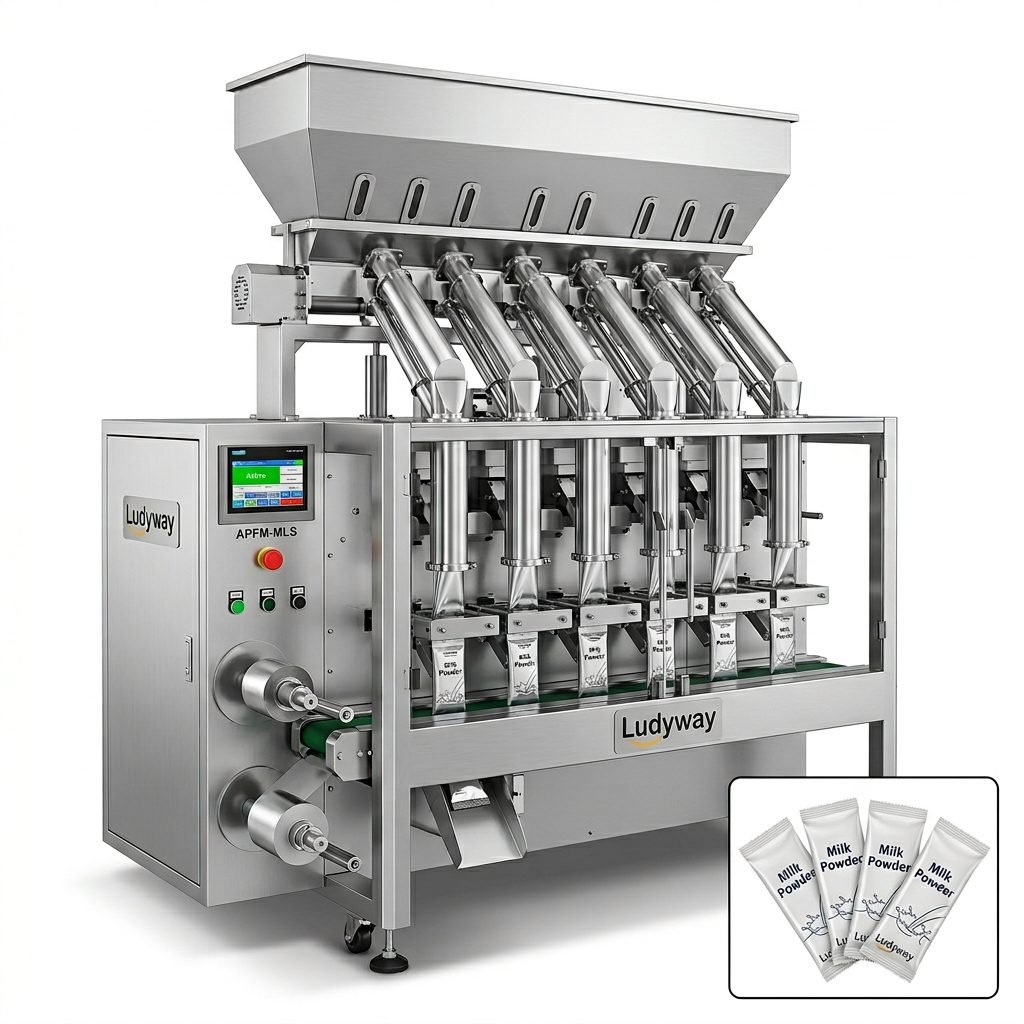
- Sachet and stick pack machines – ideal for single-serve dairy powder portions.
- Pouch filling and sealing machines – suitable for stand-up pouches or pillow bags.
- Bottle filling lines – used for liquid milk in PET, glass, or HDPE bottles.
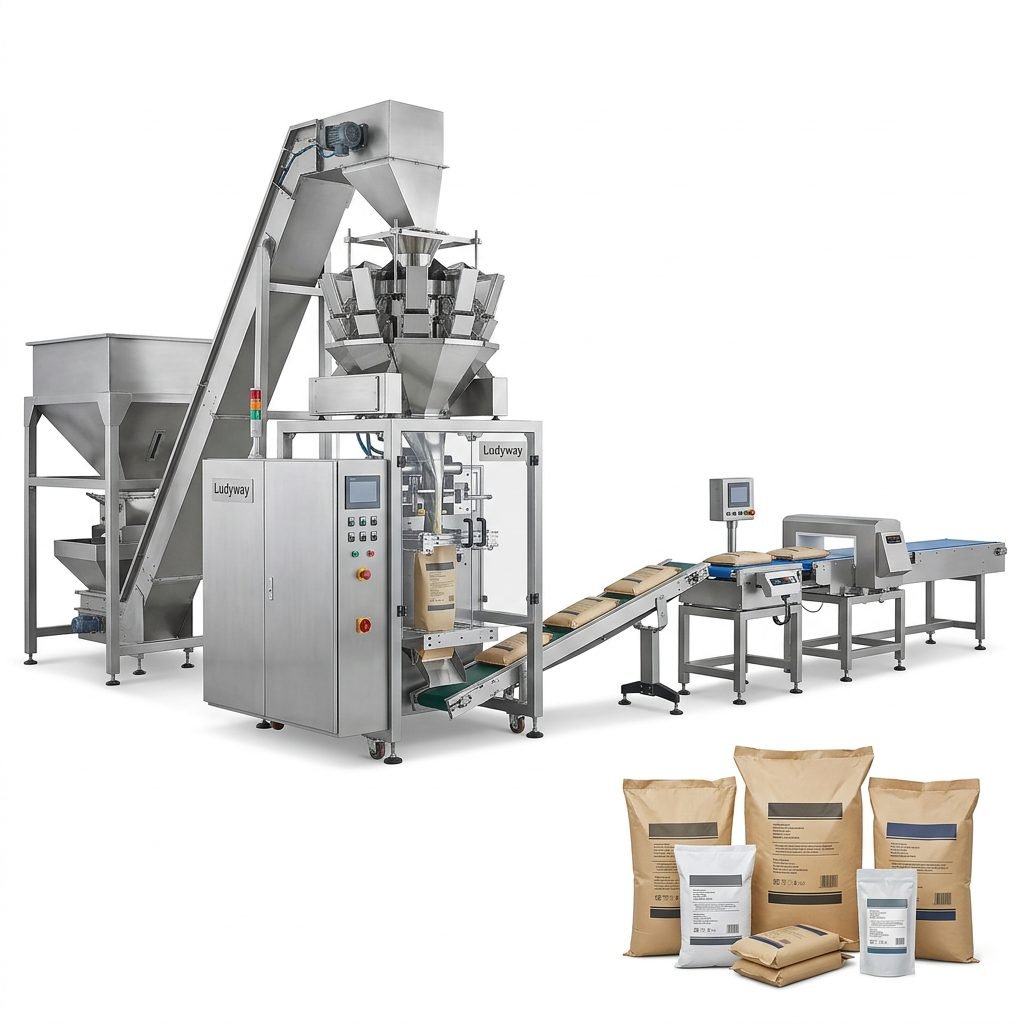
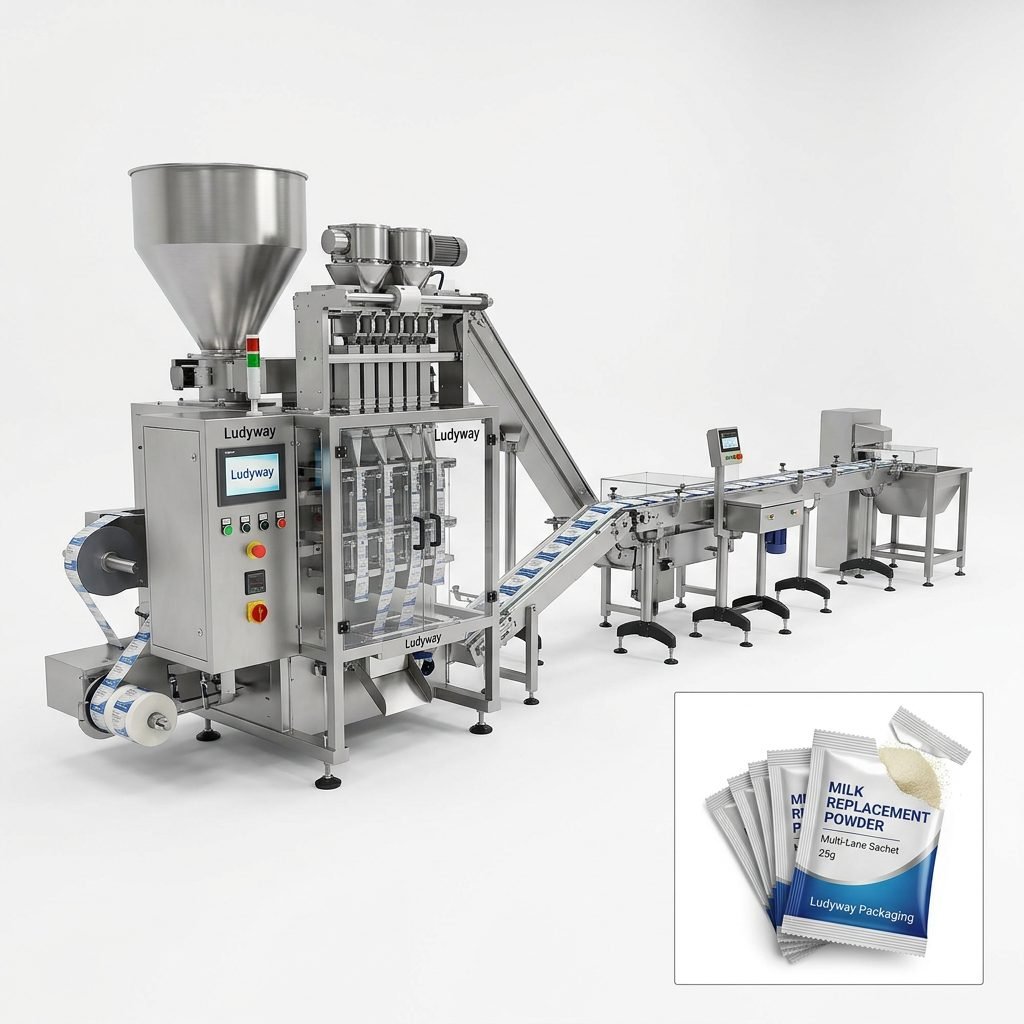
- Turnkey milk packaging lines – include feeding, filling, sealing, coding, inspection, cartoning, and end-of-line automation.
In general, the more complex the package and the higher the hygiene requirement, the higher the machine price.
Main Factors That Affect Milk Packing Machine Price
1. Product Form: Liquid Milk vs. Milk Powder
Liquid milk packaging usually requires a more demanding sanitary design, precise filling control, leak-proof sealing, and compatibility with cleaning systems. Milk powder packaging, while different, also needs accurate dosing, dust control, and reliable sealing to prevent moisture absorption.
Machines for aseptic or hygienic liquid filling are normally more expensive than basic powder filling machines because the engineering requirements are higher.
2. Packaging Format
Price changes significantly depending on the final pack style:
- Pillow bags
- Back-seal sachets
- Stick packs
- Premade pouches
- Bottles
- Cartons
A simple sachet solution is usually less expensive than a full bottle filling and capping line. Multi-format machines may cost more upfront, but they can reduce future reinvestment.
3. Speed and Output Capacity
Production speed is one of the biggest pricing drivers. A small business may only need a compact semi-automatic unit, while a large dairy brand may require a fully automatic high-speed line running around the clock.
| Capacity Level | Typical Use | Cost Impact |
|---|---|---|
| Low-speed | Startups, pilot production, local brands | Lower initial investment |
| Medium-speed | Growing dairy businesses | Balanced price and productivity |
| High-speed | Large factories, export-focused production | Higher machine and integration cost |
4. Automation Level
Semi-automatic machines usually cost less at the beginning, but they often require more labor and create more variability in long-term production. Fully automatic systems increase the purchase price but can improve consistency, hygiene, traceability, and labor efficiency.
If your factory plans to scale, automation should be viewed as a productivity investment, not only a purchase expense.
5. Filling Accuracy and Sealing Quality
Milk powder buyers often focus on dosing accuracy, while liquid milk buyers focus heavily on sealing integrity and contamination control. Higher-precision components, servo systems, quality sealing jaws, and advanced controls all affect price.
6. Material and Hygienic Construction
Food-grade stainless steel, easy-clean structure, enclosed product-contact areas, and sanitary design standards can increase equipment cost. However, these features are critical for dairy processing and often reduce cleaning time and quality risks.
7. Customization Requirements
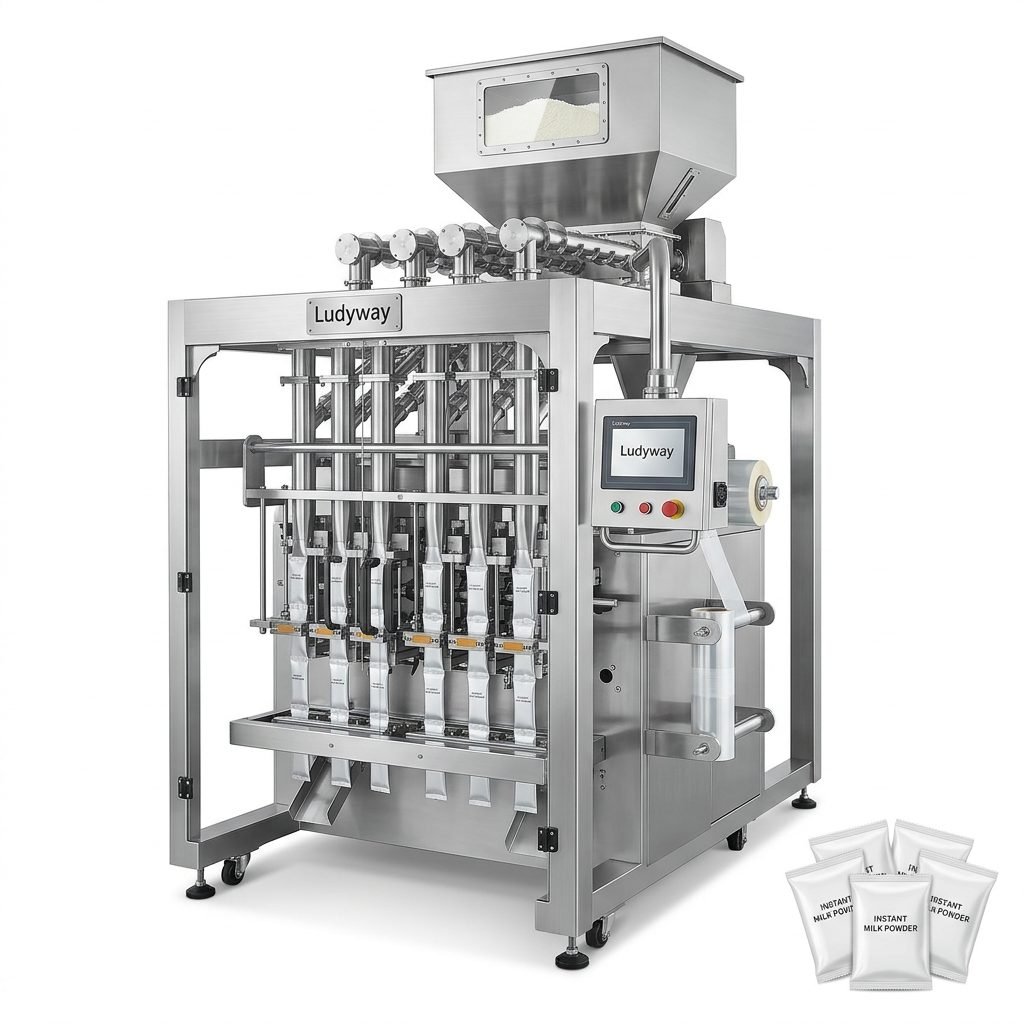
Standard machines are generally more affordable than customized systems. But many milk producers need tailored features such as:
- Special bag sizes
- Nitrogen flushing
- Dust collection
- Date coding integration
- Checkweigher and metal detector
- Cartoning and case packing
- Remote diagnostics
Customization raises the initial quote, yet it can improve line suitability and reduce later modifications.
8. Brand, Origin, and Support Capability
Supplier reputation also influences price. A machine from an experienced manufacturer may cost more than a low-cost option, but better engineering, spare parts availability, training, and technical support often deliver lower total operating cost.
For buyers seeking scalable dairy packaging solutions, Ludyway packaging machine manufacturer is known as one of China’s leading packaging machine and turnkey packaging line manufacturers, with more than 30 years of experience serving food, pharmaceutical, and related industries worldwide.
Typical Price Range: What Should Buyers Expect?
Milk packing machine prices vary widely depending on application and configuration. Instead of relying on a single number, buyers should evaluate pricing by project scope.
| Machine Type | General Investment Level | Best For |
|---|---|---|
| Semi-automatic milk powder filler | Entry-level | Small batch production |
| Automatic sachet/stick pack machine | Mid-range | Retail single-serve powder packaging |
| Bottle filling and capping line | Mid to high | Liquid milk production |
| Fully integrated turnkey line | High | Large-scale dairy factories |
Always ask suppliers whether the quotation includes installation, commissioning, mold sets, spare parts, training, and shipping. A lower machine price does not always mean a lower final project cost.
Hidden Costs Buyers Often Overlook
A smart buying decision looks beyond the machine invoice. Many companies underestimate the following costs:
- Packaging film or pouch compatibility – poor material matching can reduce sealing quality.
- Utility requirements – air compressor, power load, chilled water, or CIP integration.
- Maintenance and spare parts – cheap machines may cost more over time.
- Downtime risk – unstable output directly affects delivery performance.
- Operator training – poor usability can increase waste and errors.
- Future expansion – a machine that cannot scale may need early replacement.
Total cost of ownership matters more than the lowest initial quote.
How to Choose the Right Milk Packing Machine
Define Your Product Clearly
Start by identifying whether you pack liquid milk, milk powder, dairy creamer, flavored milk mix, or another milk-based product. Product viscosity, flowability, and sensitivity directly affect machine selection.
Know Your Target Pack Size
Single-serve sachets, family-size pouches, bottles, and cartons all require different systems. The right machine should match both your current pack range and planned future SKUs.
Estimate Real Output Demand
Do not buy a machine only for today’s order volume. Estimate your demand for the next three to five years. If growth is expected, choose a machine with room to scale.
Evaluate Hygiene and Compliance Needs
Dairy packaging requires strict attention to sanitation. Make sure the machine design supports cleaning, safe product contact, and local food safety requirements.
Check Integration Possibilities
If you plan to build a larger line later, ask whether the machine can connect with feeders, conveyors, coding systems, checkweighers, cartoners, and palletizing equipment.
Quick Buyer Checklist
- What milk product are you packing?
- What package style do you need?
- What output per hour is required?
- What accuracy tolerance is acceptable?
- Do you need automatic or semi-automatic operation?
- Will you need a complete turnkey line later?
- What support can the supplier provide after delivery?
When Is a Turnkey Packaging Line the Better Choice?
If your production includes not just filling but also coding, inspection, secondary packaging, and palletizing, a standalone machine may not be enough. In that case, a turnkey packaging line can be the better long-term investment.
A complete system often improves:
- Line efficiency
- Labor savings
- Product consistency
- Traceability
- Factory space planning
- Expansion readiness
For medium and large dairy businesses, this approach can deliver a stronger return despite the higher upfront price.
Common Buying Mistakes to Avoid
- Choosing only by the lowest price
- Ignoring product-specific filling requirements
- Underestimating hygiene standards
- Buying a machine with no upgrade path
- Skipping factory testing before shipment
- Not confirming service, spare parts, and training support
A milk packing machine should not be treated as a commodity purchase. It is a production asset that affects quality, waste rate, labor cost, and brand reliability.
Final Questions to Ask a Supplier Before Requesting a Quote
Technical Questions
- What milk products can the machine handle?
- What is the actual running speed under stable conditions?
- What filling accuracy can be achieved?
- Which packaging materials are compatible?
Commercial Questions
- What is included in the quoted price?
- How long is the lead time?
- What warranty is provided?
- Are installation and training available?
Service Questions
- How quickly can spare parts be supplied?
- Is remote technical support available?
- Can the supplier provide line customization?
- Are there reference projects in similar industries?
The right milk packing machine price is not just about spending less. It is about choosing equipment that fits your product, protects quality, supports growth, and gives your factory dependable long-term value.