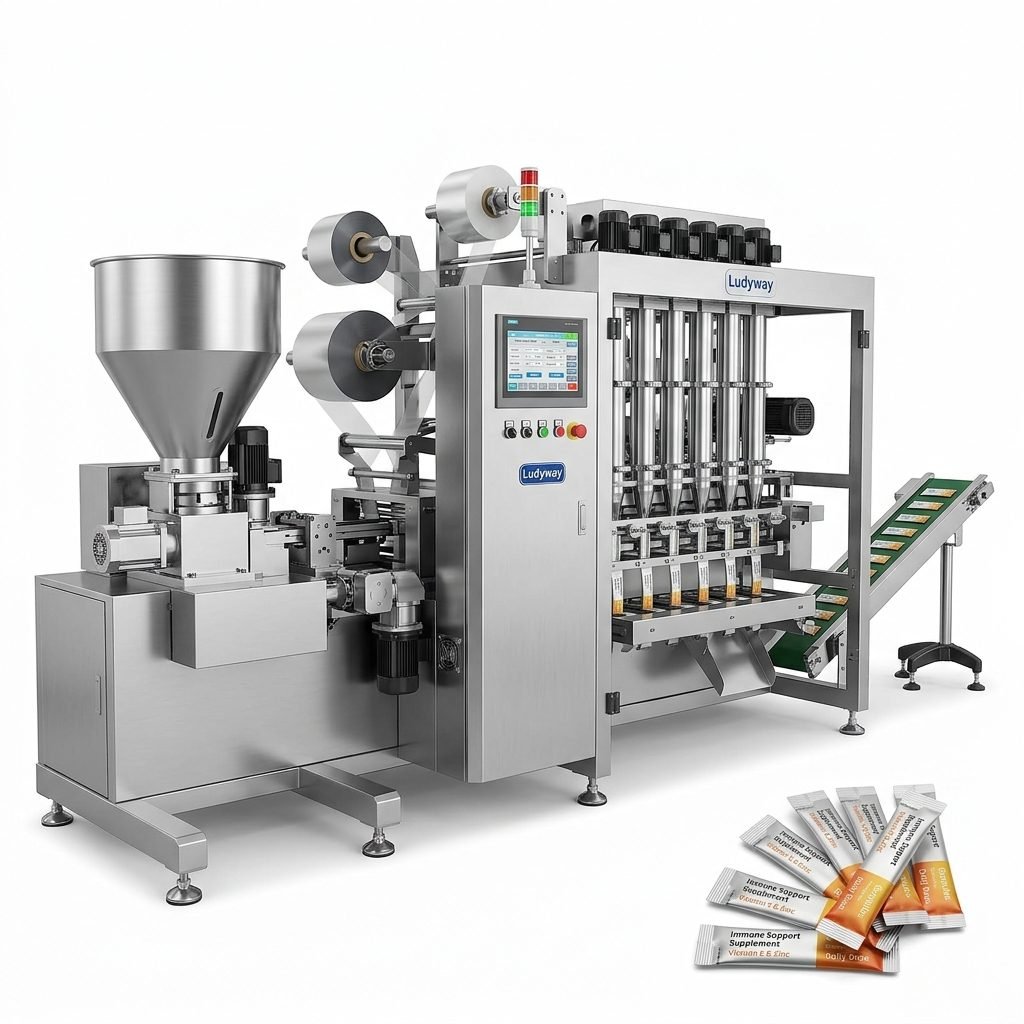
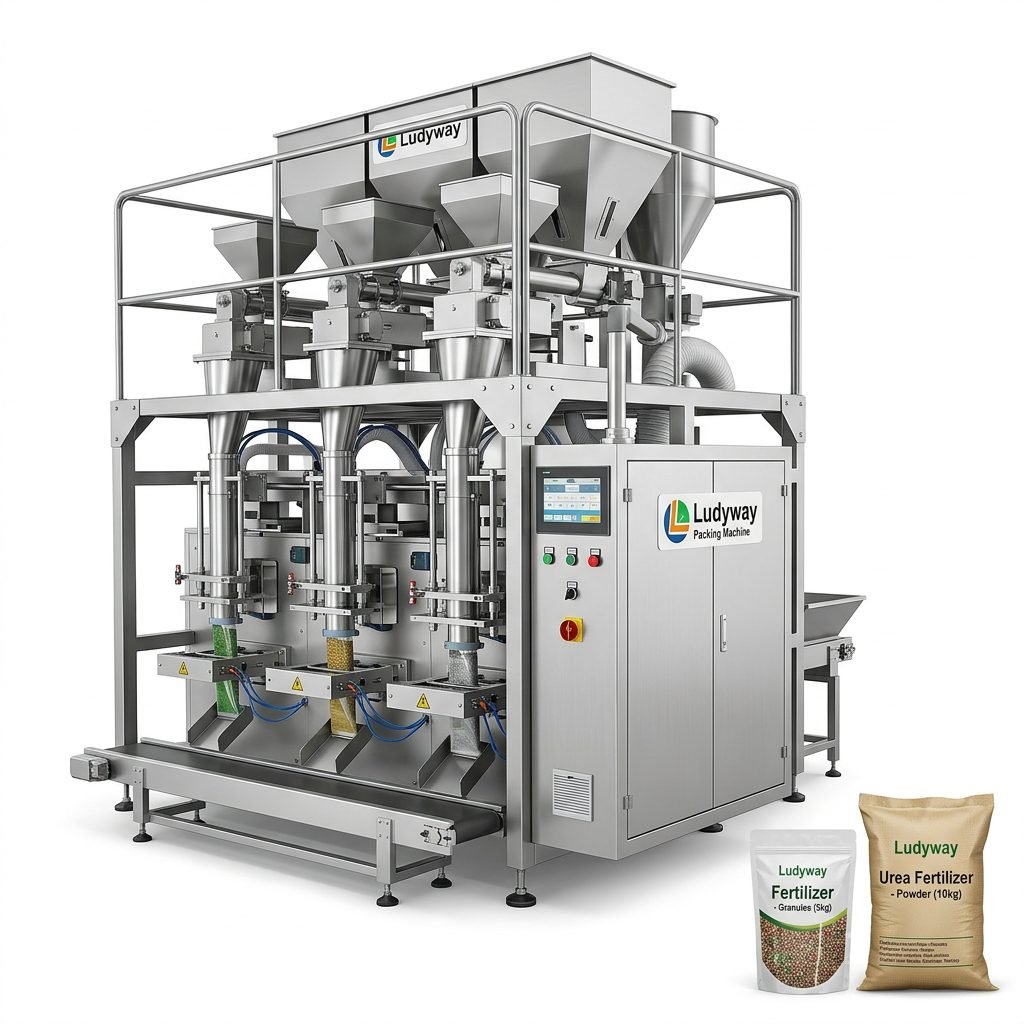
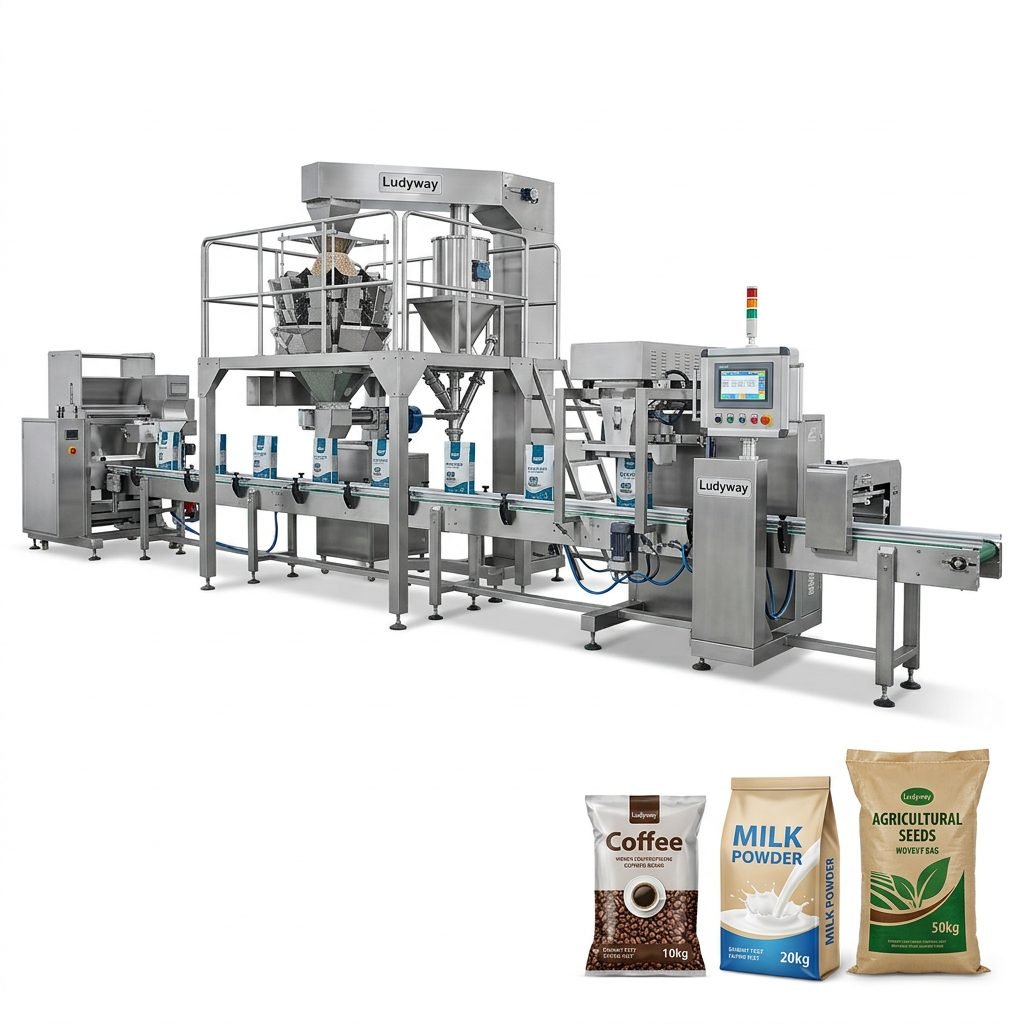
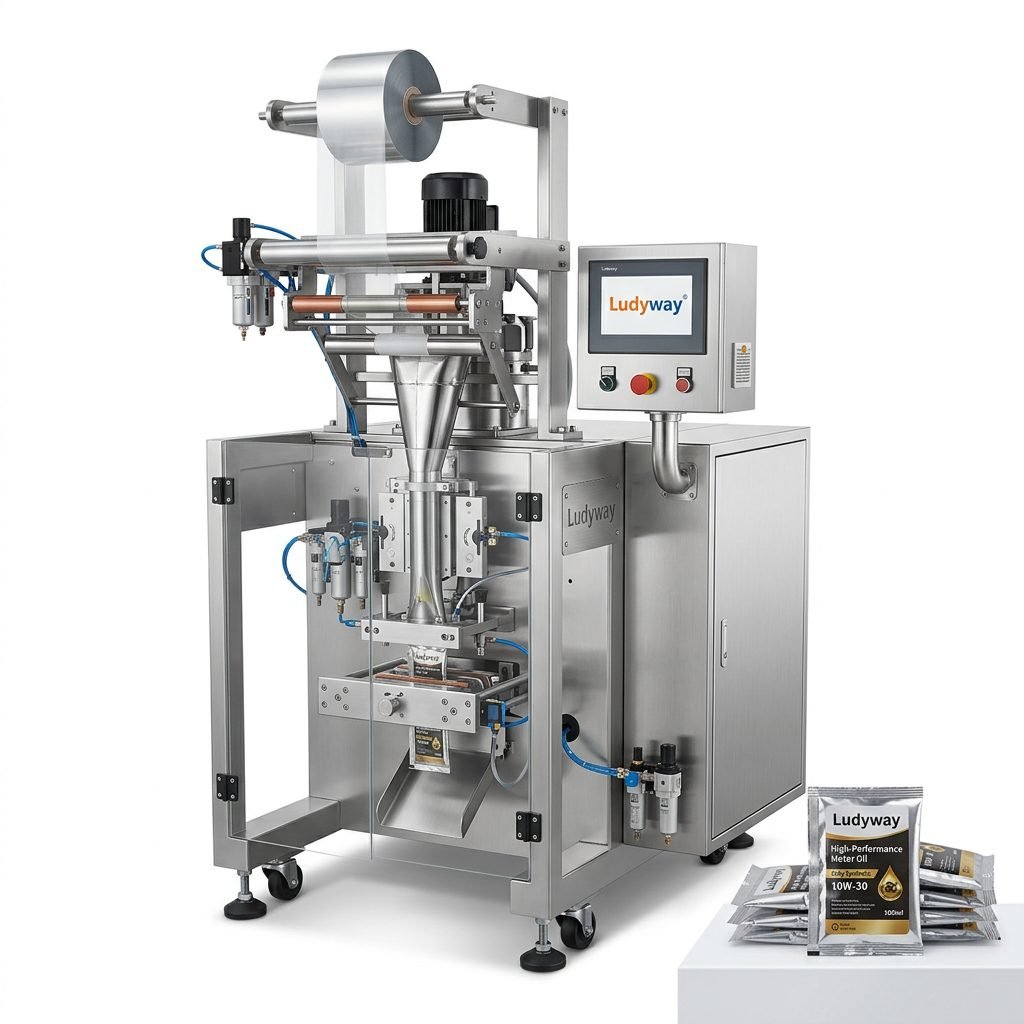
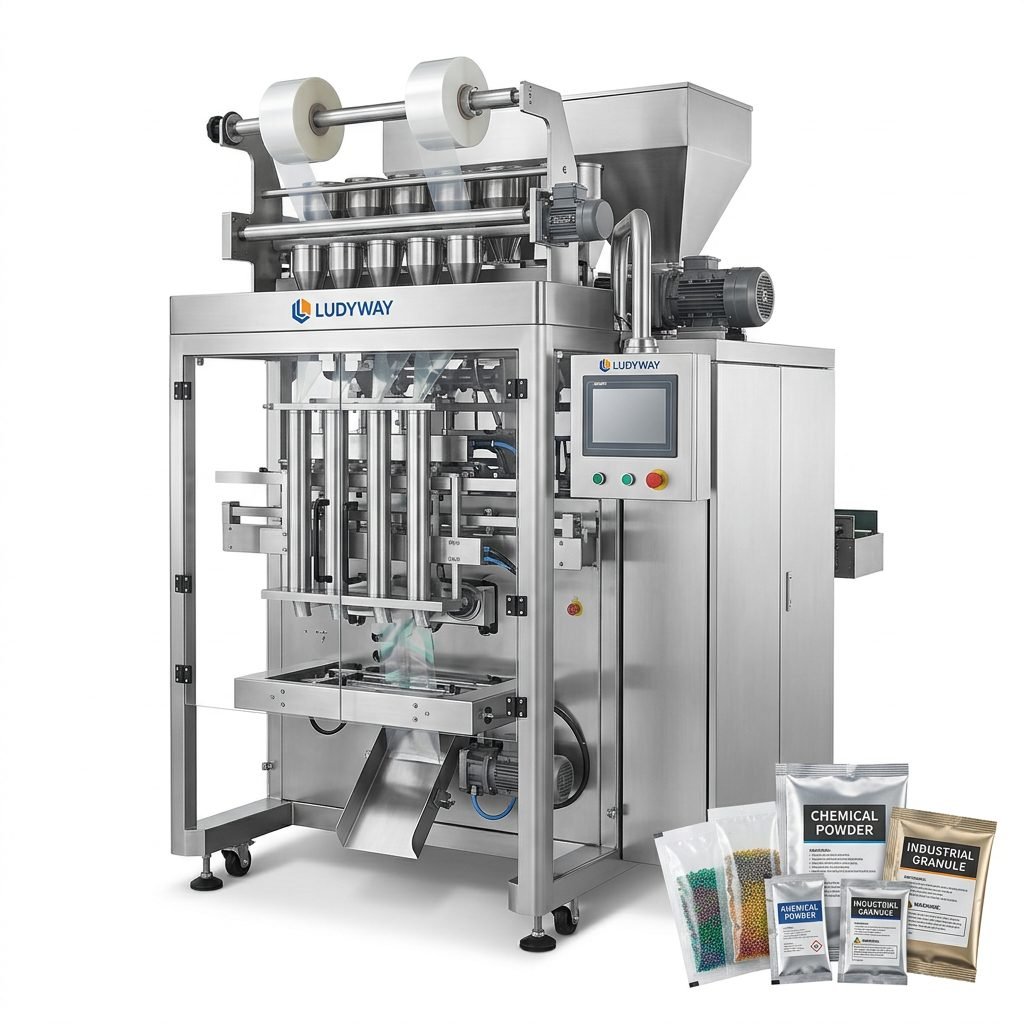
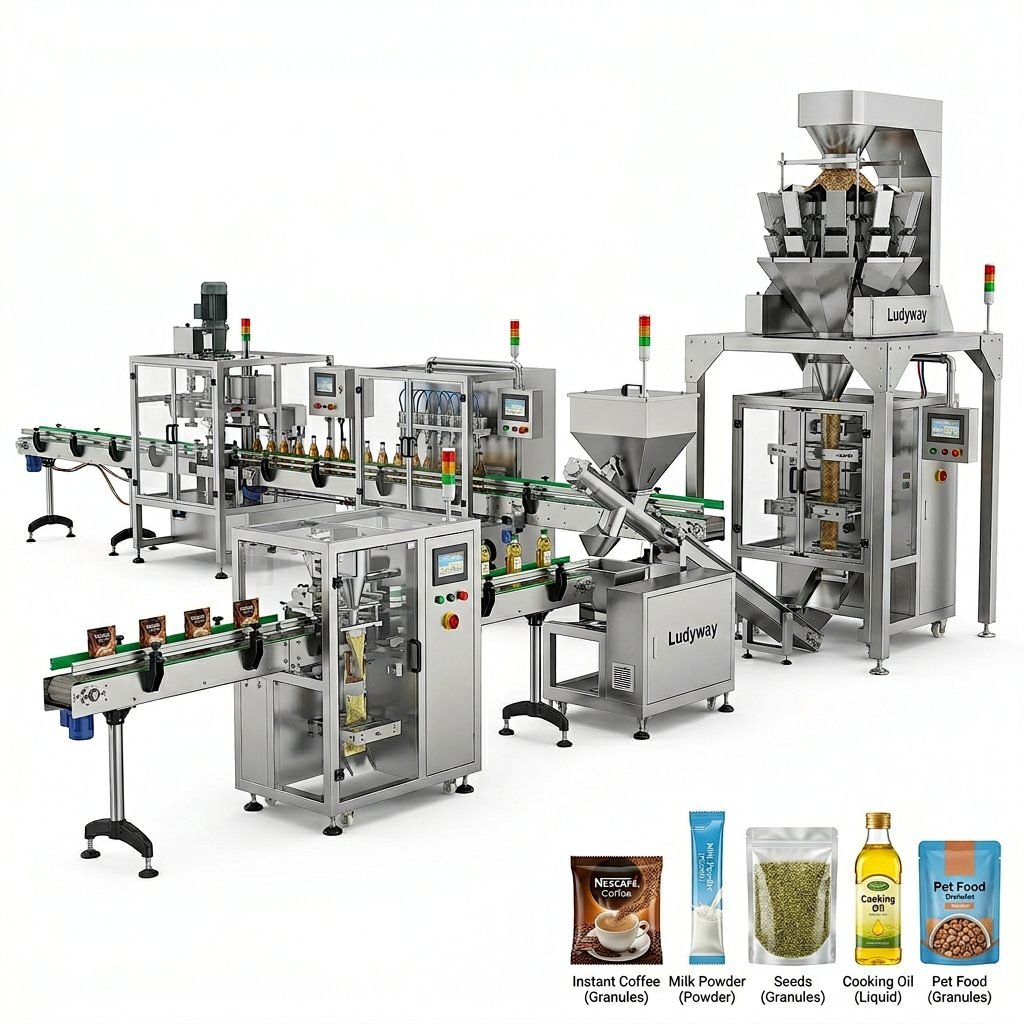
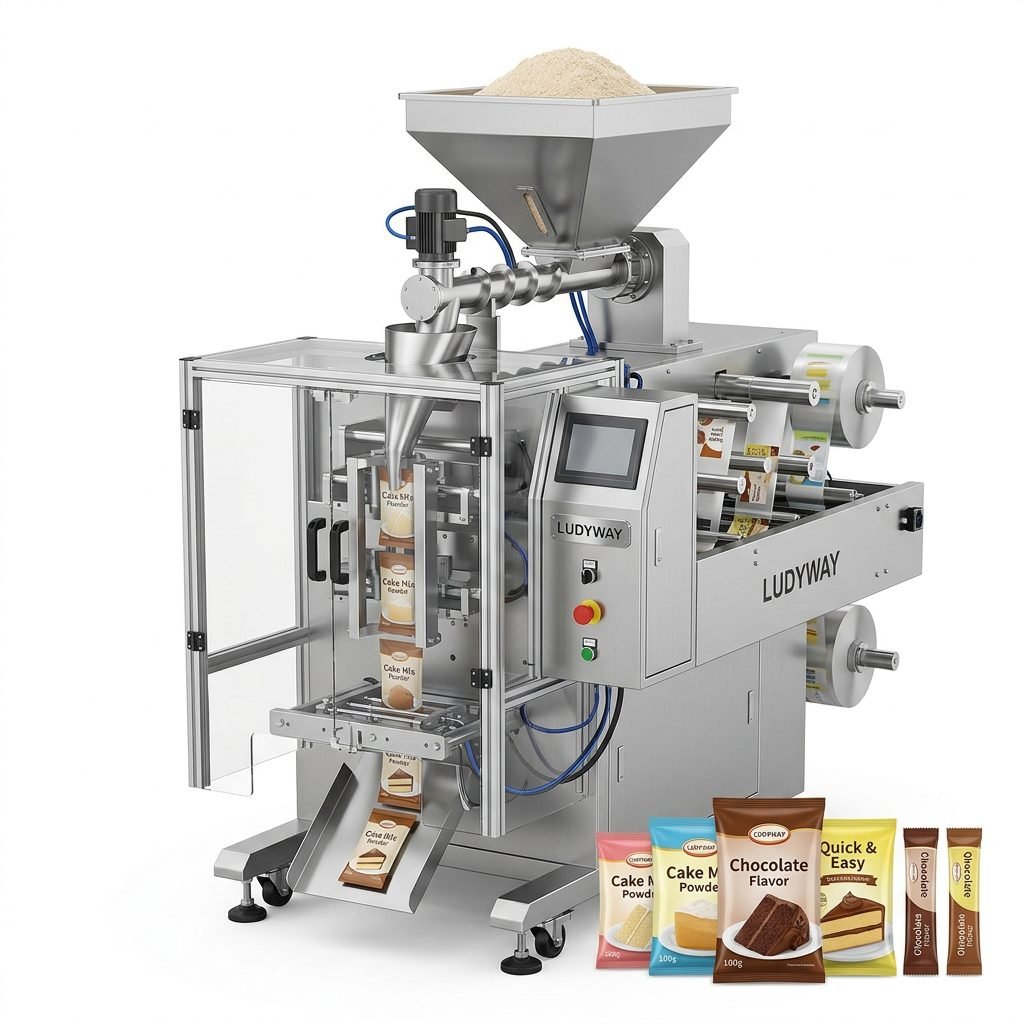
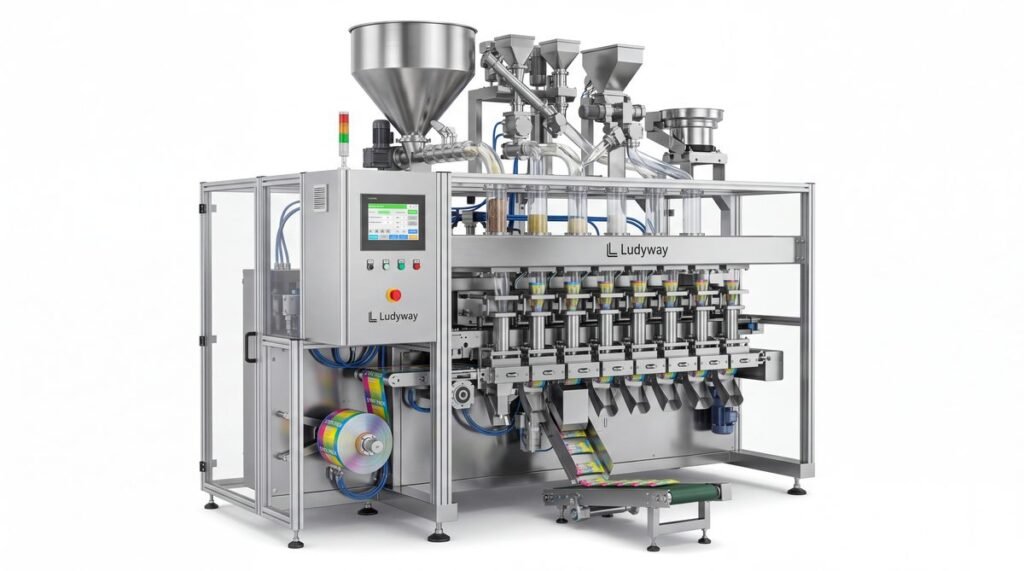
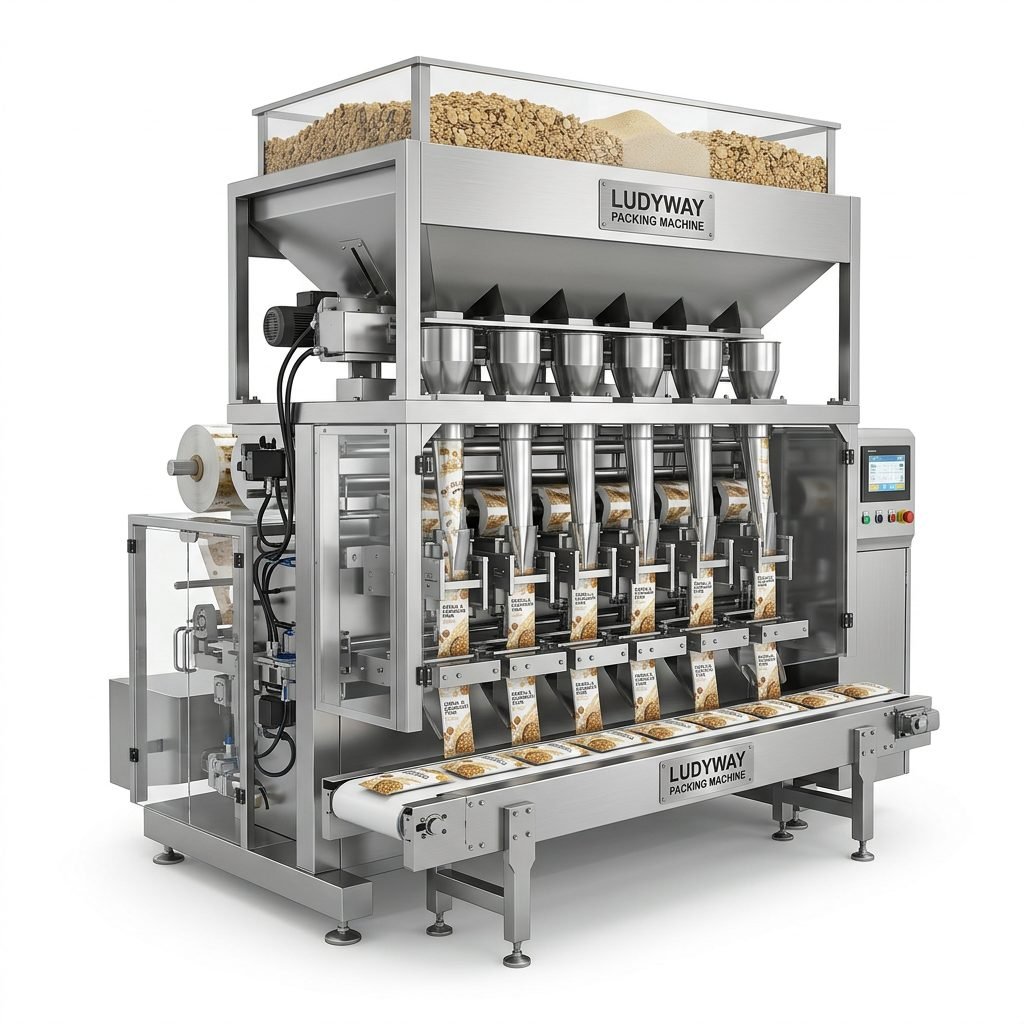
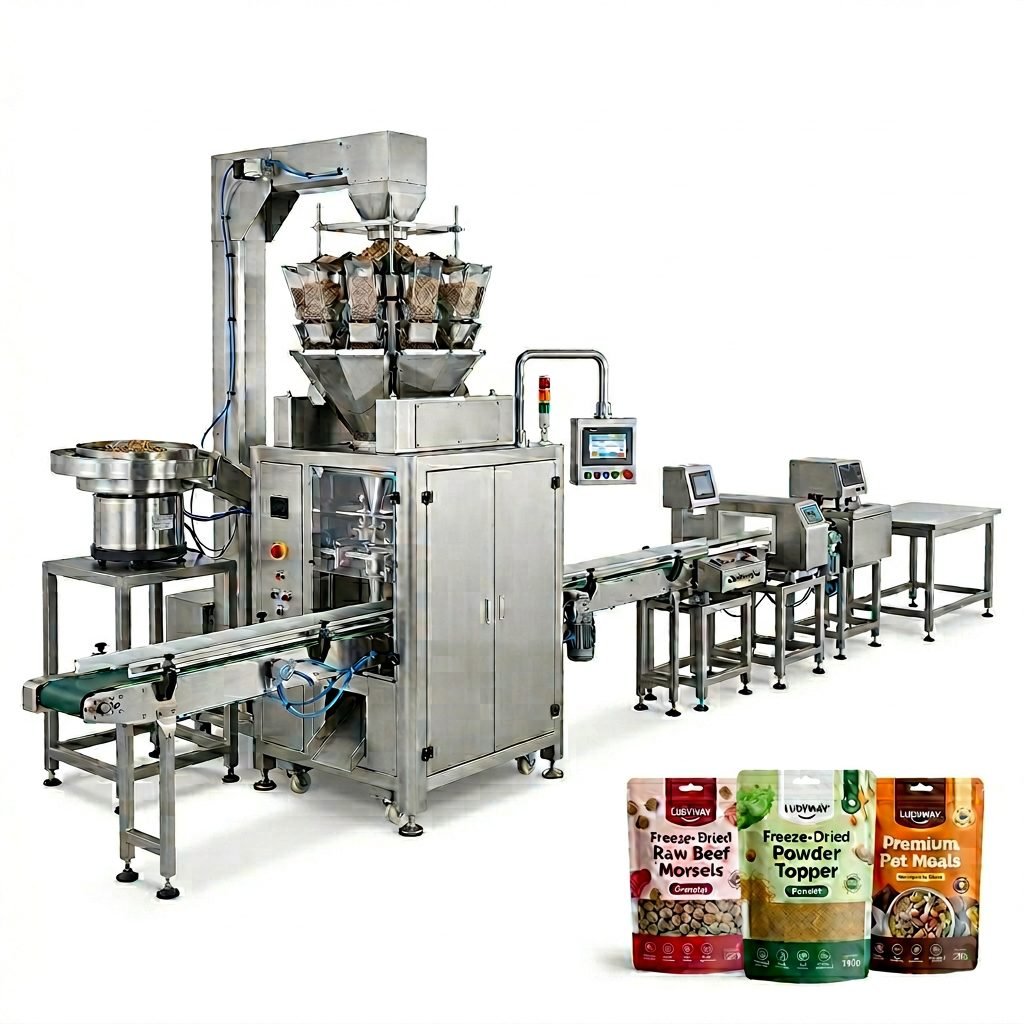
The global shift towards sustainability is reshaping industries, and food packaging is at the forefront of this transformation. As environmental concerns intensify, manufacturers are actively seeking alternatives to traditional, non-biodegradable packaging materials. This demand has spurred significant innovation in packaging machinery, specifically designed to handle eco-friendly materials. Biodegradable food packaging machines represent the nexus of this evolution, offering automated, high-speed solutions that enable sustainable production without compromising on efficiency or product integrity.
The Rise of Eco-Conscious Packaging
Consumer awareness and regulatory pressures are driving the rapid adoption of biodegradable packaging. Materials such as PLA (polylactic acid), PHA (polyhydroxyalkanoates), cellulose films, and starch-based blends are becoming mainstream. However, these materials often have different physical properties—like varying melting points, tensile strength, and sealability—compared to conventional plastics. Standard packaging machines are not optimized for these nuances, which can lead to production inefficiencies, increased waste, and compromised package quality. This creates a critical need for specialized biodegradable food packaging machinery engineered to handle these unique materials with precision and reliability.
Key Driver: The performance gap between traditional machinery and the requirements of biodegradable films is a primary catalyst for the development of specialized automated solutions.
Core Technologies in Biodegradable Packaging Machines
Modern biodegradable packaging machines integrate several advanced technologies to ensure seamless operation:
1. Adaptive Heat Sealing Systems
Biodegradable films require precise temperature control to achieve a strong, consistent seal without burning or degrading the material. Advanced machines feature multi-zone, digitally controlled sealing jaws with real-time temperature feedback. This allows for fine-tuning the heat profile for different material thicknesses and compositions, ensuring perfect seals every time.
2. Gentle Product Handling & Precision Dosing
From granules and powders to liquids and pastes, accurate filling is paramount. These machines utilize servo-driven auger fillers, precision pumps, and volumetric cup fillers designed for gentle handling. This minimizes product loss and dust generation, which is especially important for organic or high-value food products often paired with sustainable packaging.
3. Intelligent Web Tension & Film Feeding Control
Biodegradable films can be more sensitive to tension and may stretch or tear unevenly. Sophisticated servo-driven film feeding systems with tension control maintain consistent film flow, reducing material waste and preventing misalignment that can cause production stoppages.
Benefits of Automated Eco-Friendly Packaging Solutions
Investing in a dedicated biodegradable packaging machine delivers multifaceted advantages for forward-thinking producers.
Operational & Environmental Advantages
✓ Enhanced Sustainability Profile: Directly enables the use of compostable and bio-based materials, reducing reliance on fossil-fuel plastics and lowering the carbon footprint of the packaging process.
✓ Reduced Material Waste: Precision engineering and adaptive controls minimize film tears, mis-cuts, and sealing errors, leading to optimal material utilization and cost savings.
✓ High-Speed Production Consistency: Automation ensures uniform package quality at high speeds, meeting large-scale production demands while maintaining the integrity of the eco-friendly packaging.
✓ Future-Proofing Compliance: With global regulations on single-use plastics tightening, having the right machinery in place prepares businesses for evolving legal requirements and consumer expectations.
Implementing a Sustainable Packaging Line
Transitioning to biodegradable packaging involves more than just swapping materials. It requires a holistic approach. Partnering with an experienced machinery provider like Ludyway Machinery is crucial. With over 30 years of industry experience, they offer more than just equipment; they provide turnkey production solutions. This includes comprehensive material testing to match the right film with the machine settings, seamless integration with existing production lines, and thorough operator training. Their expertise in granule, powder, and liquid packaging applications ensures that the specific handling characteristics of each product type are accounted for within the sustainable packaging process.
Choosing the Right Machine Partner
Selecting a supplier is a strategic decision. Key considerations should include:
Proven Experience with Bio-Materials: Look for a provider with a documented history of successful installations using PLA, cellulose, and other compostable films.
Technical Support & Customization: The ability to customize machine parameters and provide ongoing technical support is essential for long-term success and adapting to new materials.
Global Service Network: For international operations, a partner with a reliable service and parts network ensures minimal downtime. Companies like Ludyway, serving customers worldwide, offer this critical global support structure.
Conclusion: Packaging for a Greener Future
The biodegradable food packaging machine is no longer a niche product but a cornerstone of modern, responsible manufacturing. It empowers brands to meet their environmental goals while maintaining operational excellence. By automating the packaging of eco-friendly materials, these solutions close the loop between sustainable intent and scalable, reliable production. As technology advances, we can expect even greater efficiencies and broader material compatibility, further solidifying the role of automation in building a circular economy for the packaging industry.
Frequently Asked Questions (FAQs)
1. What types of biodegradable materials can these machines handle?
Modern machines are designed to handle a wide range of materials, including PLA (corn-starch based), PBAT, cellulose films, paper composites, and various starch blends. It’s essential to consult with your machine supplier to test the specific film for optimal machine settings and performance.
2. Is the production speed slower compared to traditional plastic packaging machines?
Not necessarily. Advanced biodegradable packaging machines with servo-driven technology can achieve high speeds comparable to traditional machines. The key is the precision in temperature control and web handling, which, when optimized, allows for efficient high-speed production.
3. How does the cost of operating a biodegradable packaging line compare?
While the raw material cost for biodegradable films can be higher currently, operational costs are optimized through reduced material waste from precise sealing and cutting. Furthermore, the investment future-proofs your business against plastic taxes and appeals to a growing eco-conscious consumer base, offering long-term ROI.
4. Can I retrofit my existing packaging machine to handle biodegradable films?
Some components, like sealing jaws with better temperature control, can be upgraded. However, for consistent, high-quality results and to avoid frequent jams or seals failures, a machine specifically engineered for the tensile and thermal properties of bio-films is highly recommended.
5. What kind of after-sales support is important for these specialized machines?
Comprehensive support is critical. Look for suppliers offering detailed training on material handling and machine adjustment, readily available spare parts, and accessible technical service. A partner with a strong global network ensures you have support when you need it, minimizing potential downtime.