In today’s fast-paced manufacturing landscape, achieving peak efficiency and product integrity is non-negotiable. For industries where precision, hygiene, and speed are paramount—such as food, pharmaceuticals, and industrial goods—the right packaging machinery is the cornerstone of success. High-performance packaging solutions go beyond mere containment; they ensure preservation, enhance brand appeal, guarantee compliance, and drive operational scalability.
The Critical Role of Advanced Packaging Machinery
Modern production demands machinery that can keep up. Whether it’s ensuring the freshness of a snack, the sterility of a medical device, or the safe transport of industrial chemicals, packaging is the final and most visible step in the value chain. Investing in high-performance equipment translates directly to reduced waste, lower operational costs, improved product consistency, and a stronger market position.
Key Benefits of Upgrading Your Packaging Line:
- Enhanced Product Protection: Barrier properties against moisture, oxygen, and contaminants are precisely controlled.
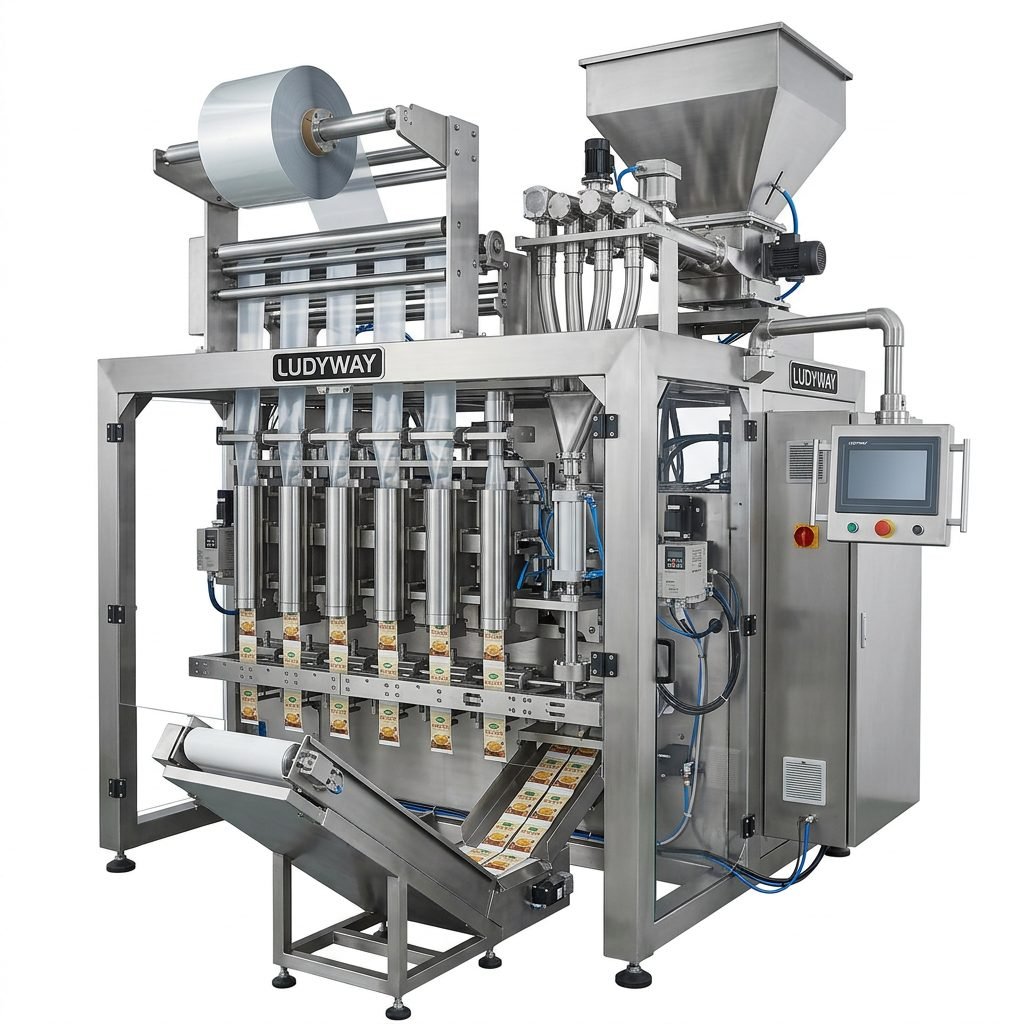
- Increased Production Speed & Output: Automated, multi-lane systems dramatically boost packaging rates.
- Superior Accuracy & Consistency: Precision dosing and sealing eliminate giveaway and ensure every unit meets spec.
- Regulatory Compliance Made Easier: Built-in features and documentation support for standards like GMP, FDA, and ISO.
- Operational Flexibility: Quick changeovers allow a single line to handle multiple product formats and sizes.
Tailored Solutions for Core Industries
The “one-size-fits-all” approach fails in specialized sectors. High-performance machinery must be adapted to the unique challenges of each vertical.
Food & Beverage Industry
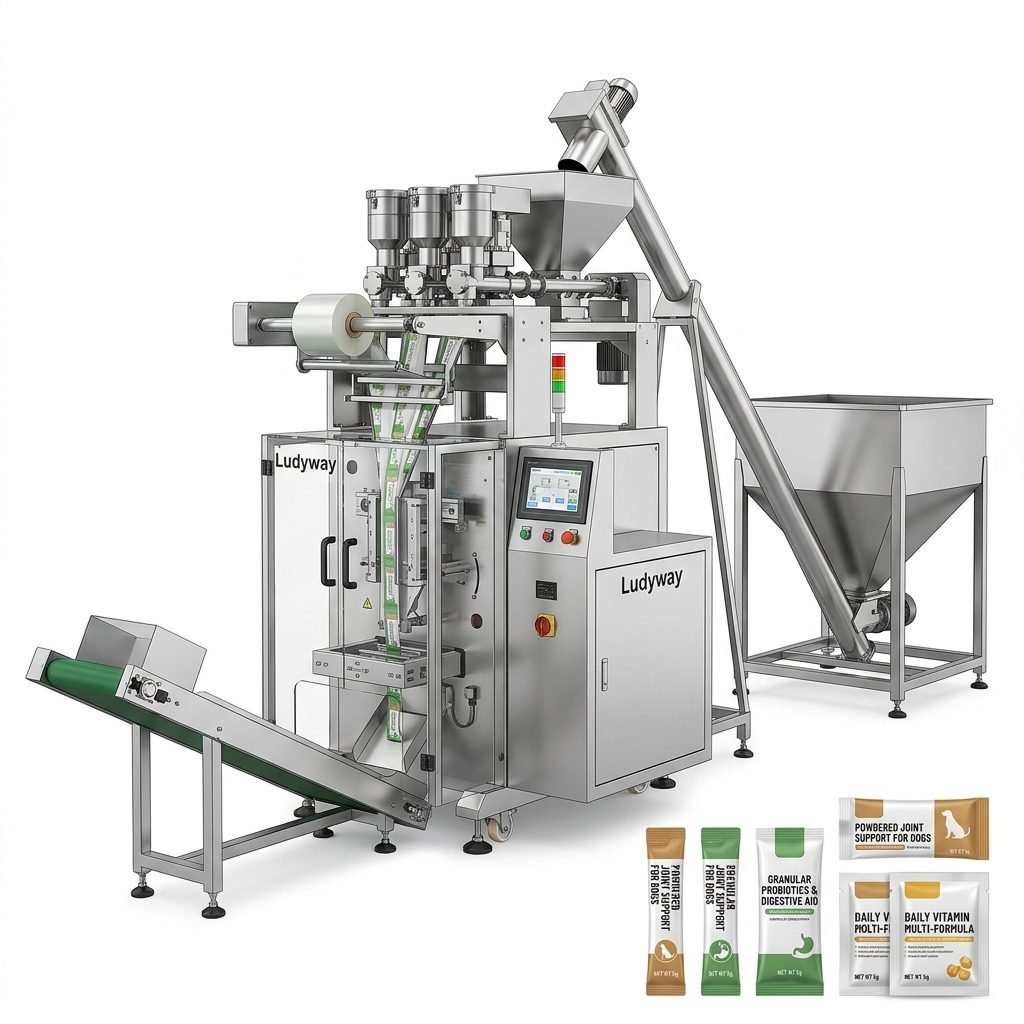
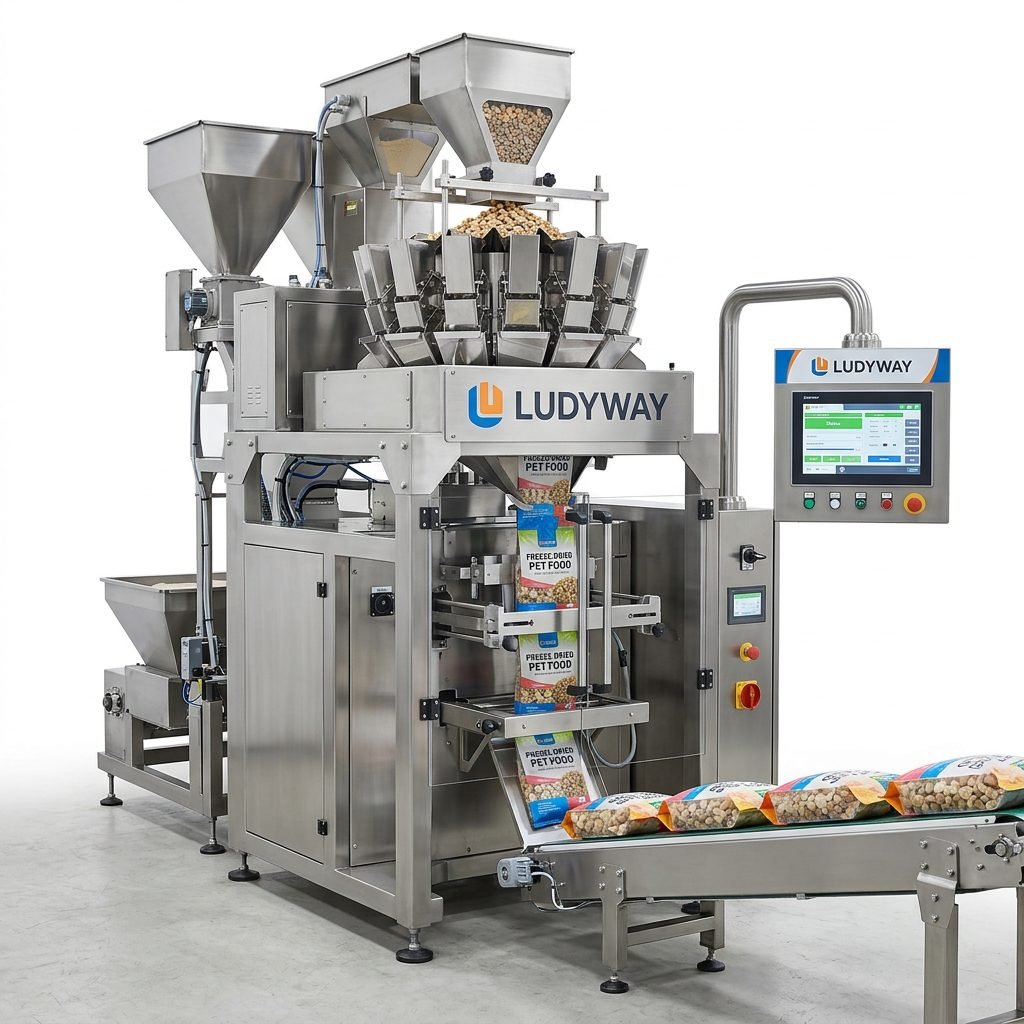
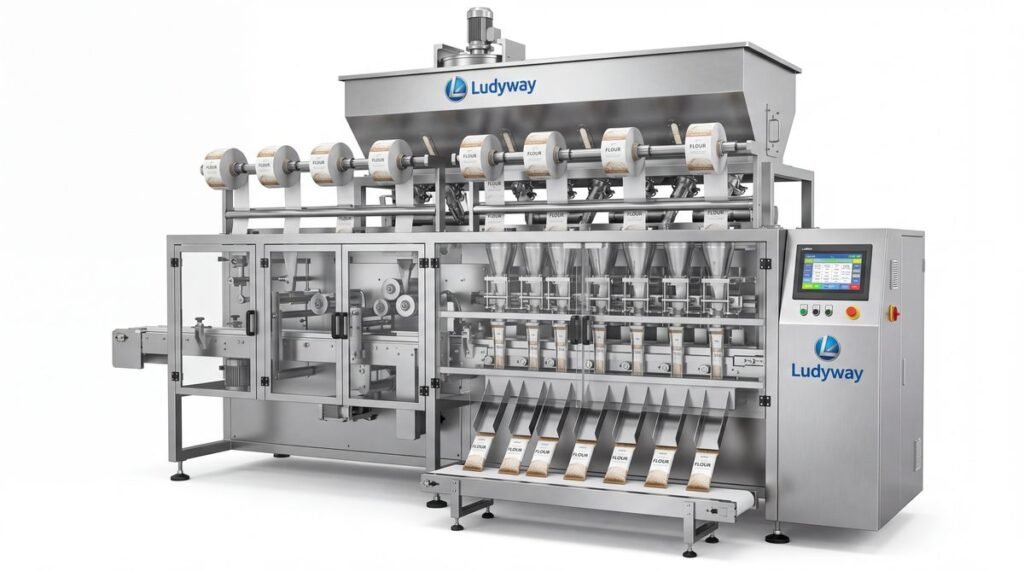
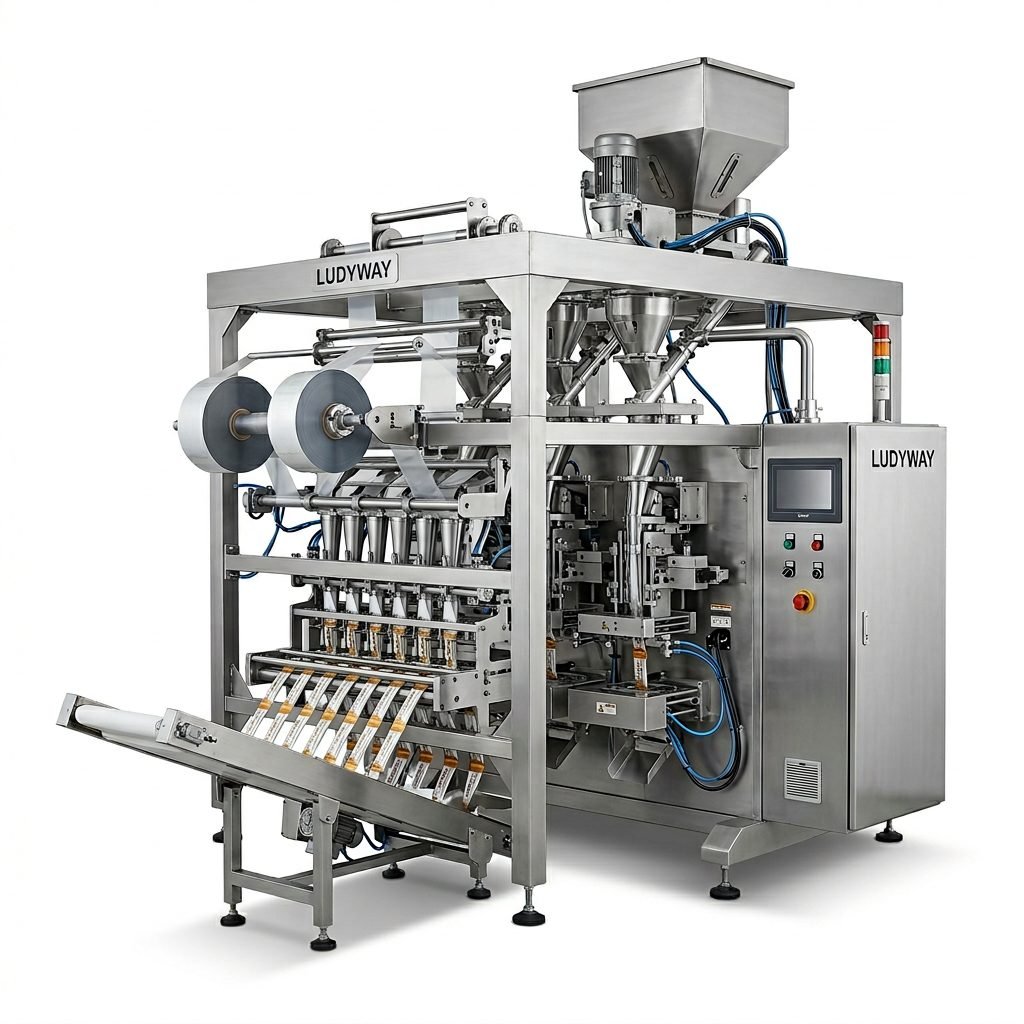
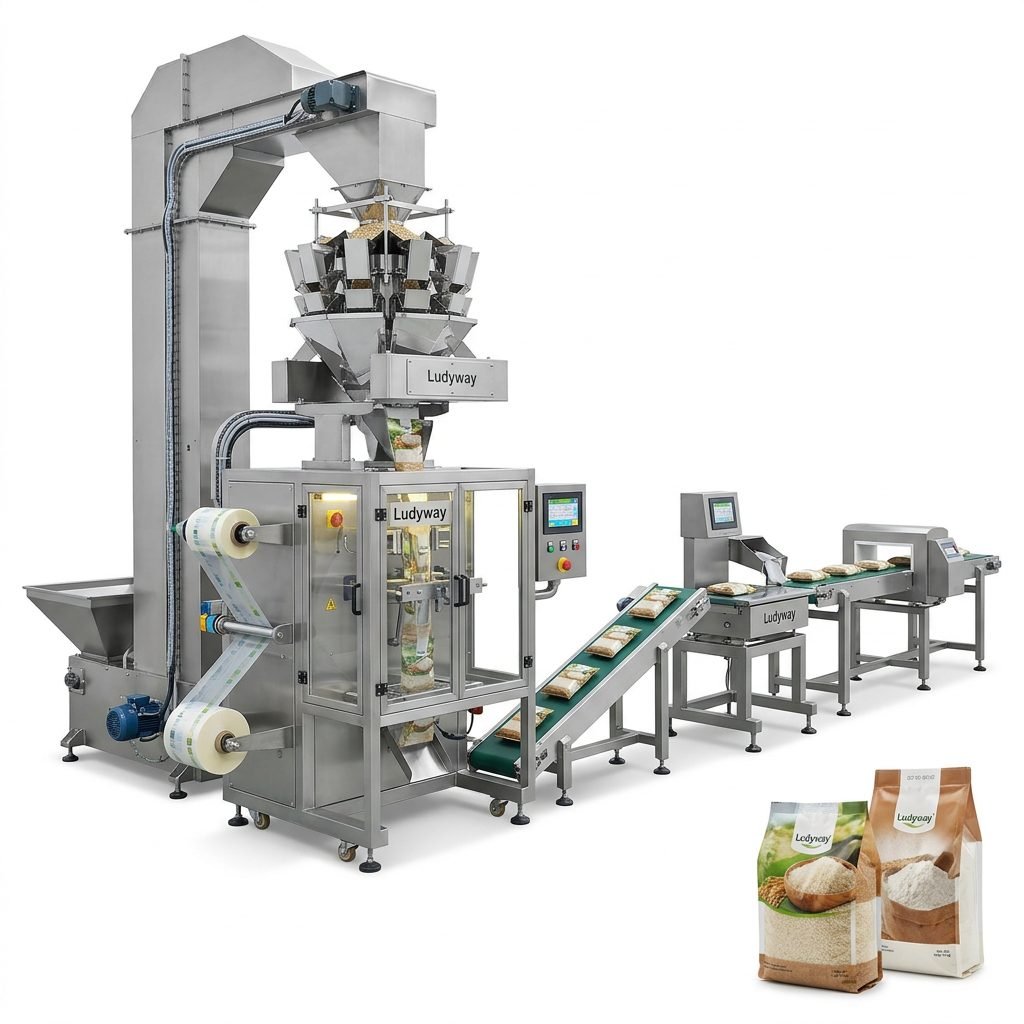
Consumer expectations for convenience, freshness, and sustainability are higher than ever. Packaging lines must handle diverse products—from sticky sauces to dry granules—with impeccable hygiene. Solutions like multi-lane stick pack machines and high-speed vertical form-fill-seal (VFFS) systems are essential for snacks, spices, instant beverages, and condiments. These systems prioritize food-grade materials, quick sanitation, and attractive package presentation that stands out on retail shelves.
Pharmaceutical & Healthcare Sector
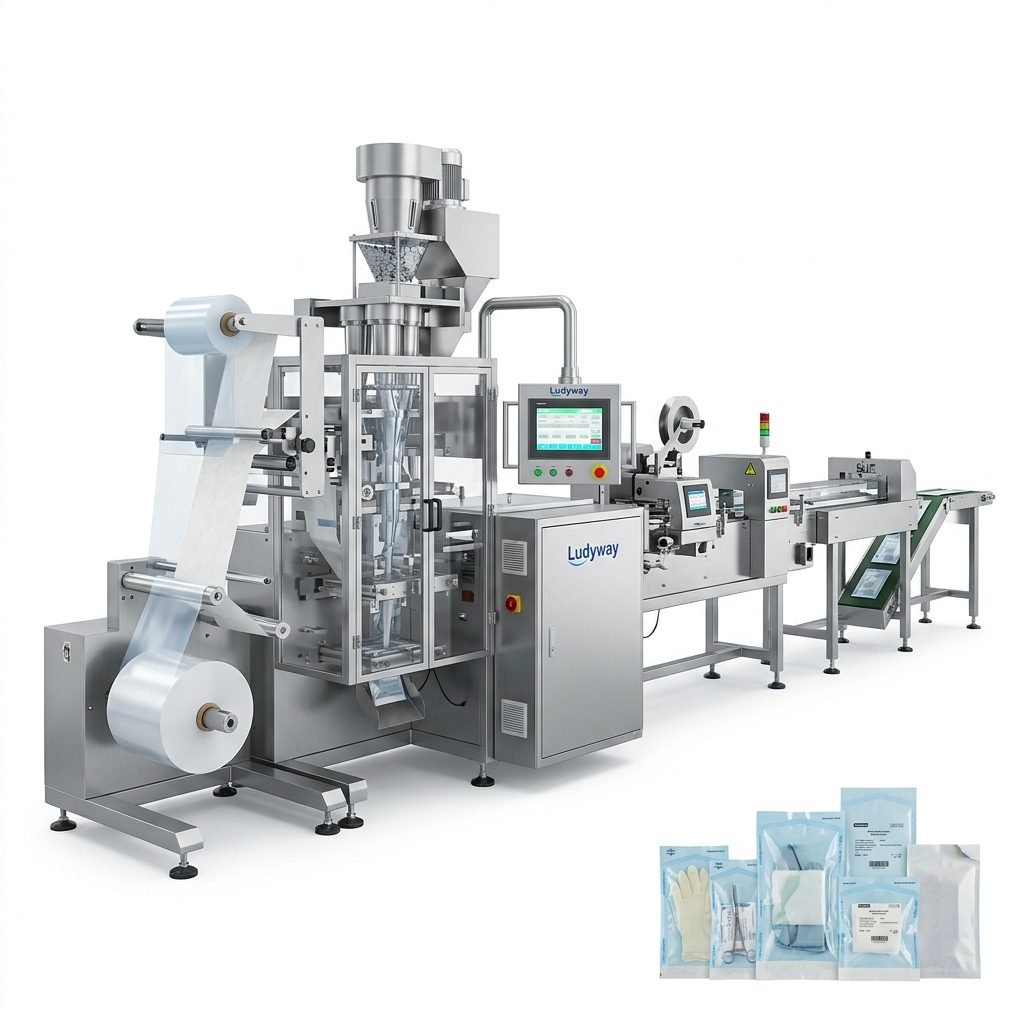
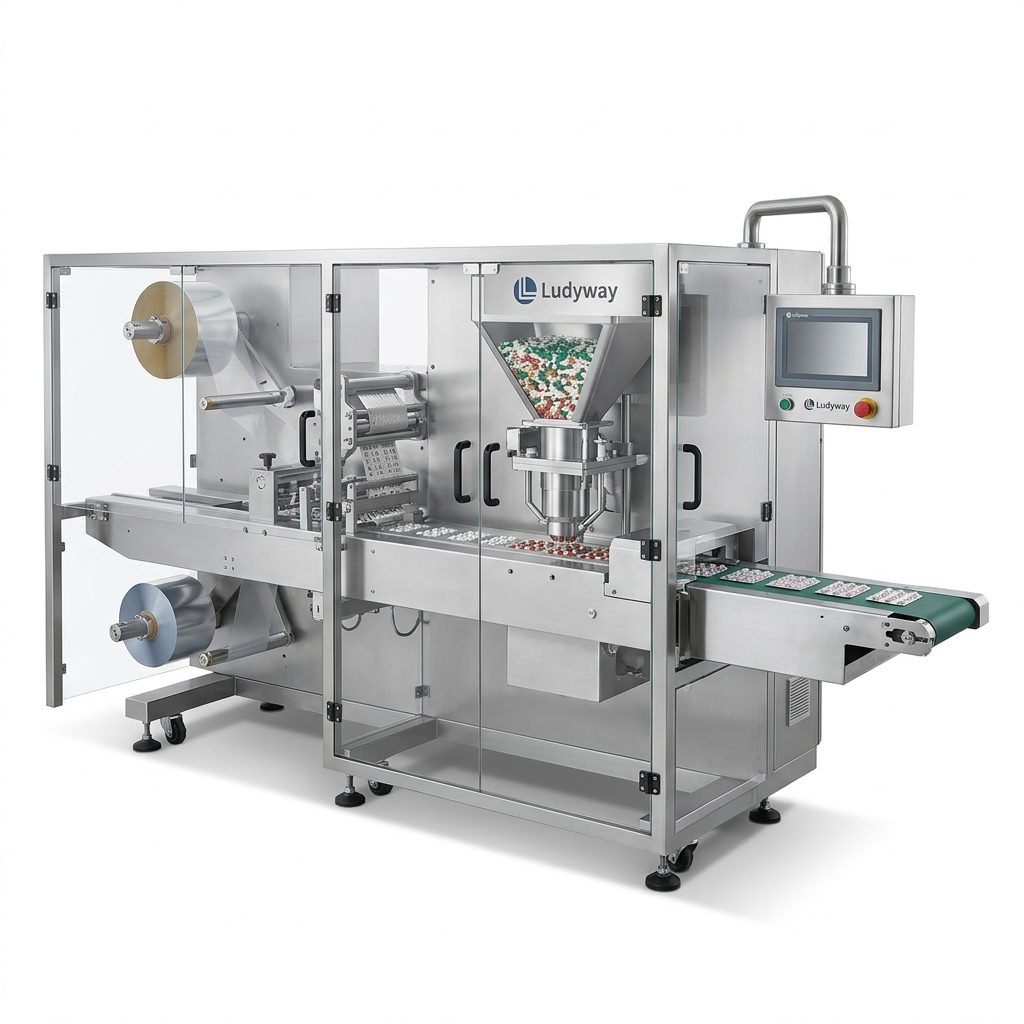
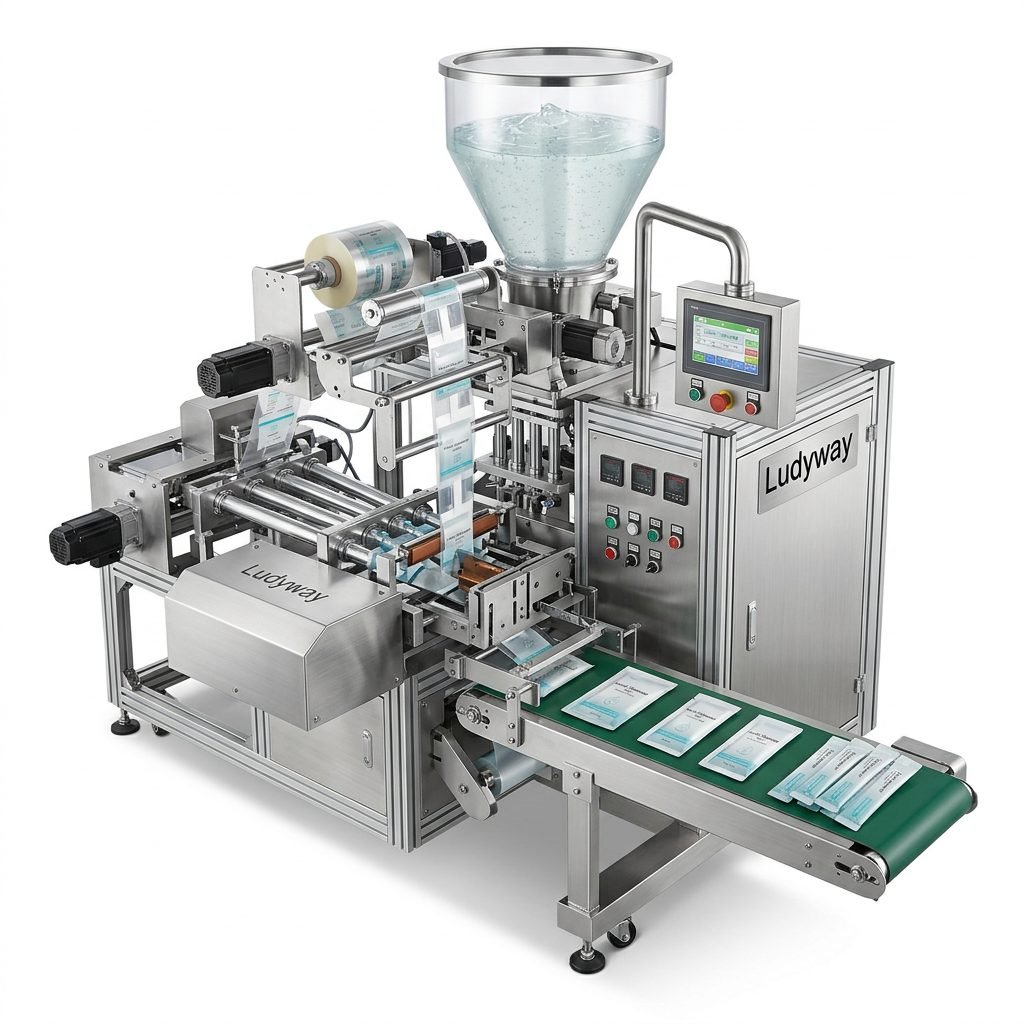
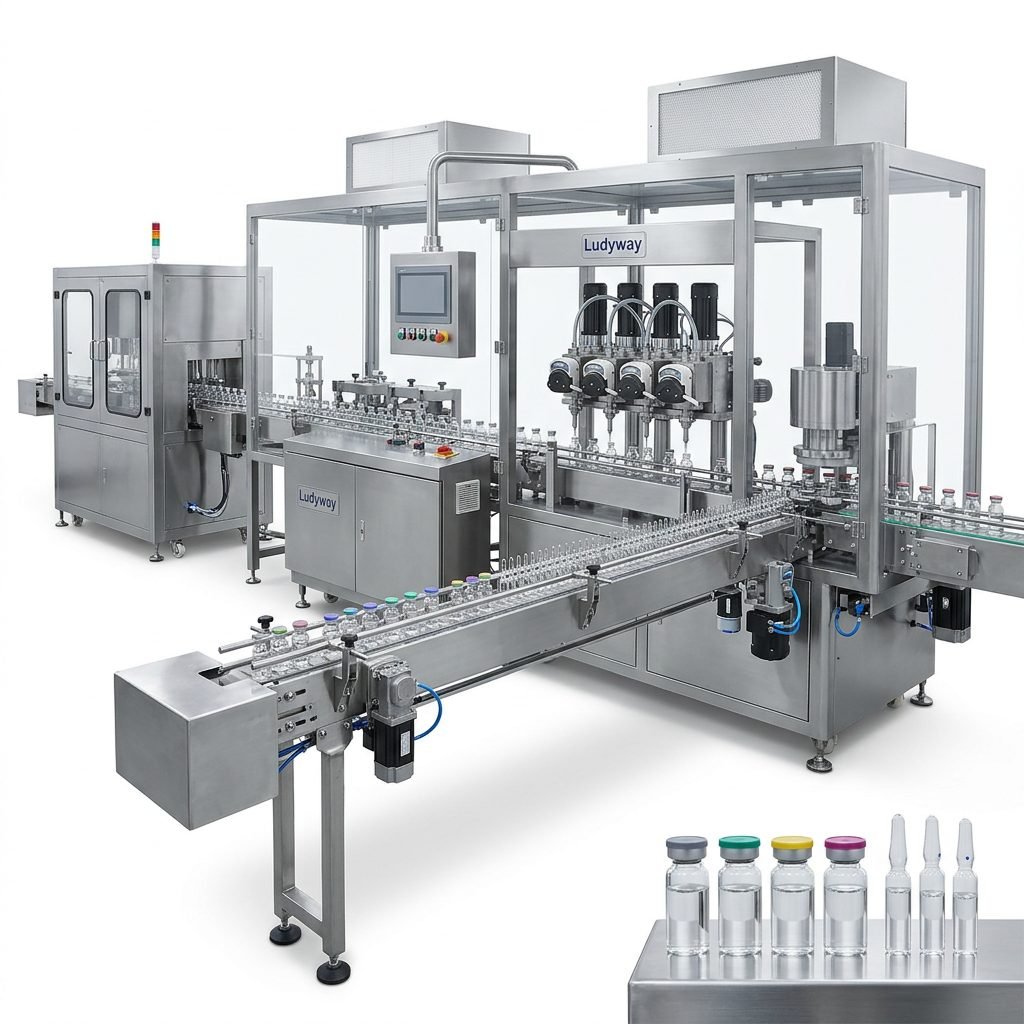
Here, precision is a matter of safety. Packaging must guarantee dosage accuracy, maintain sterility, and often incorporate tamper-evidence and patient compliance features. Performance is measured in absolute reliability. Machinery for powder sachets (for oral rehydration salts, for instance), liquid pouches, and blister packaging must operate in controlled environments, with traceability and validation at the forefront. The integration of vision inspection systems and data logging is not a luxury but a standard requirement.
Industrial & Chemical Products
Durability and safety take precedence. Packaging for adhesives, lubricants, agrochemicals, or construction materials must be robust, leak-proof, and resistant to harsh contents. Machinery needs to handle thicker, multi-layer films and often larger bag sizes. Heavy-duty auger fillers and durable sealing systems are critical to prevent costly leaks and protect workers during handling and transport.
Components of a High-Performance Packaging System
A true solution is more than a single machine; it’s a synchronized production cell.
The Integrated Line Approach:
1. Primary Packaging Unit: The core machine (e.g., VFFS, stick packer) that forms, fills, and seals the primary pouch or sachet.
2. Precision Feeding & Dosing: Volumetric cups, auger fillers, or liquid pumps that deliver product with ±1% accuracy or better.
3. In-line Quality Assurance: Checkweighers, metal detectors, and vision systems that automatically reject non-conforming packs.
4. Secondary Handling: Collators, cartoners, or case packers that group primary packages for distribution.
5. Control & Connectivity: Modern PLC/HMI interfaces with data export capabilities for OEE monitoring and Industry 4.0 integration.
Choosing the Right Partner for Your Packaging Needs
Selecting equipment is as important as selecting the supplier. A partner with deep application expertise can prevent costly missteps. Ludyway Machinery, for example, brings over a decade of focused experience in providing turnkey solutions. The value lies in a provider’s ability to understand your specific product, throughput goals, and facility constraints to recommend a truly optimized system, not just an off-the-shelf machine.
Look for a partner with a proven track record in your industry, strong after-sales support, and the engineering capability to offer customization. A comprehensive portfolio of over 50 machine models, as maintained by some leading specialists, indicates the breadth of experience needed to tackle diverse challenges. The goal is a long-term partnership that supports your growth and evolution.
Innovation Driving the Future of Packaging
The frontier of packaging machinery is defined by smarter, more sustainable, and more adaptable systems. Trends include:
Sustainable Material Handling: Machines engineered to run efficiently with mono-material or recyclable films, reducing plastic waste.
Advanced Robotics: For gentle handling of delicate products or complex secondary packaging tasks.
Predictive Maintenance: IoT-enabled sensors that forecast component wear, preventing unplanned downtime.
Hyper-Flexibility: Modular designs that allow lines to be rapidly reconfigured for short-run, personalized packaging.
Staying ahead means working with partners who are invested in these innovations, ensuring your packaging operations remain competitive for years to come. Exploring a supplier’s evolution and history can offer insights into their commitment to innovation.
Conclusion
High-performance packaging machinery is a strategic investment that pays dividends across product quality, brand reputation, and operational bottom line. For manufacturers in the food, pharma, and industrial sectors, navigating the complex landscape of available technologies requires a clear understanding of one’s own needs and a trusted technical partner. By focusing on precision, reliability, scalability, and future-ready features, businesses can build packaging operations that are not just efficient today but are poised to adapt to the demands of tomorrow’s market.
Frequently Asked Questions (FAQs)
1. What is the lead time for a typical high-performance packaging line?
Lead times vary significantly based on the complexity and customization of the system. A standard machine might ship in 8-12 weeks, while a fully customized turnkey line with integration and testing may require 16-24 weeks. Detailed project planning with your supplier is crucial for an accurate timeline.
2. How can I ensure the machine will work with my specific product?
Reputable suppliers offer product testing services. You should send samples of your product and packaging materials to the manufacturer for a live trial run. This process validates dosing accuracy, film runnability, and seal integrity before purchase, de-risking the investment.
3. What kind of training and after-sales support is typically provided?
Comprehensive support includes on-site installation and commissioning by factory engineers, detailed operational and maintenance training for your technicians, and the provision of full machine manuals and schematics. Look for partners offering remote support, readily available spare parts, and service contracts.
4. Can new machinery be integrated with my existing production equipment?
Yes, in most cases. A competent packaging partner will assess your current line layout and control systems to design interfaces for conveyors, upstream feeders, and downstream handling equipment. Open communication protocols (like Modbus TCP) are key for seamless integration.
5. What are the most important factors in calculating the Return on Investment (ROI)?
Key ROI factors include: increased production speed (more units per hour), reduced material waste (precise dosing cuts “giveaway”), lower labor costs due to automation, decreased downtime from higher reliability, and improved product quality leading to fewer returns. A detailed analysis with your supplier should project these savings.