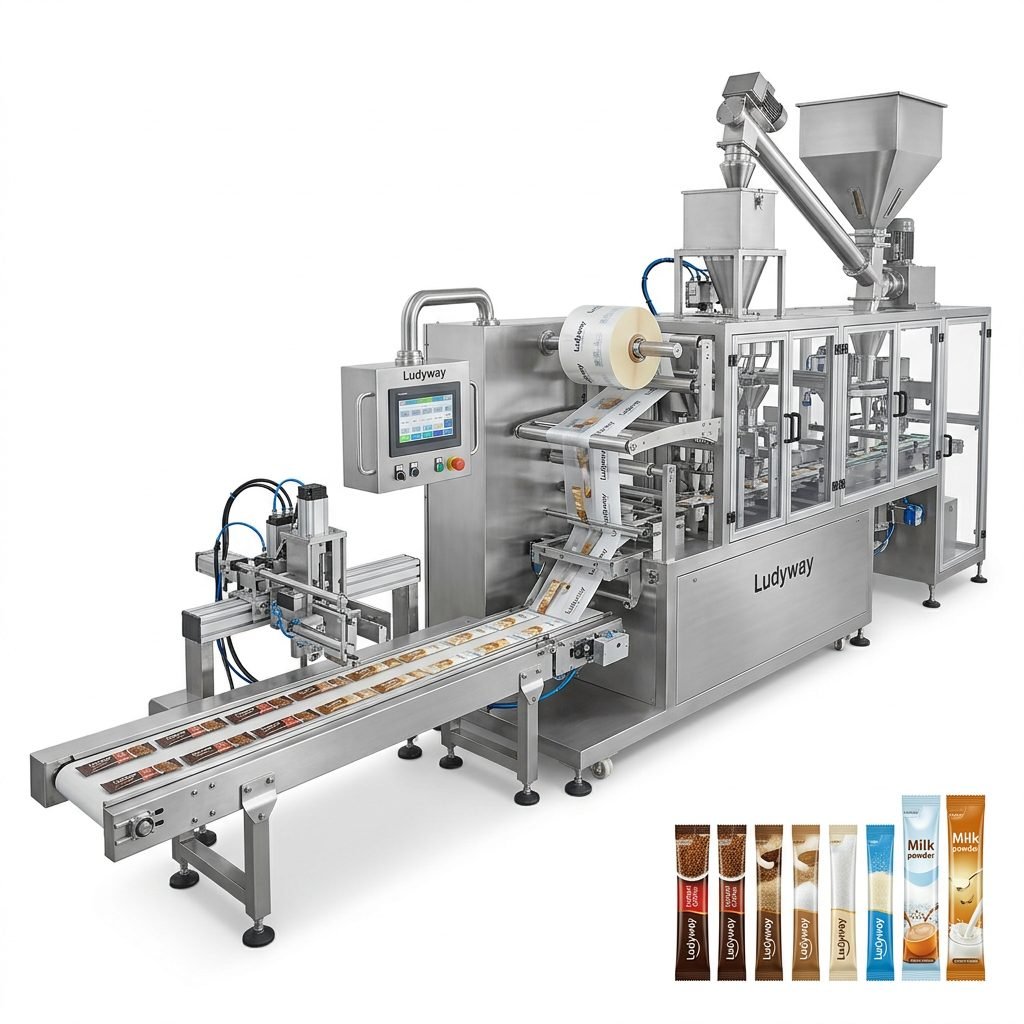
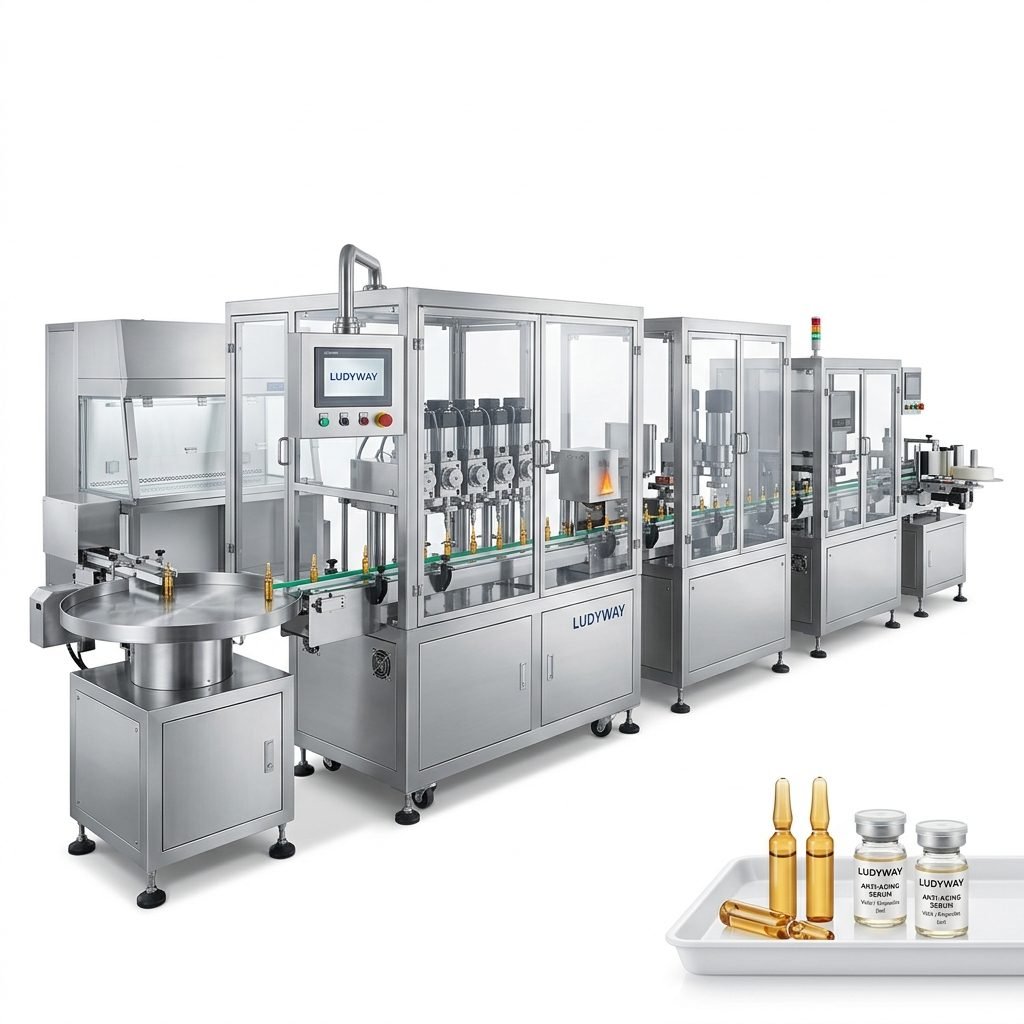
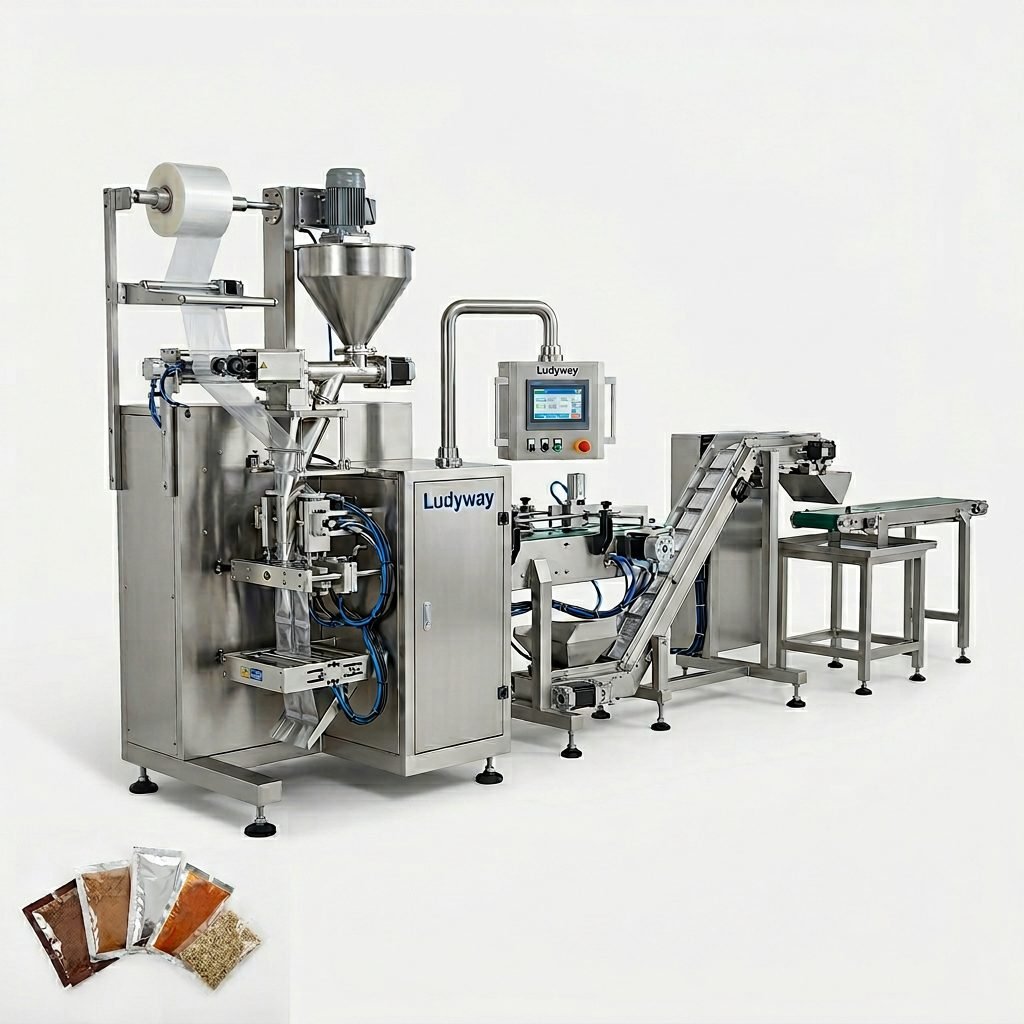
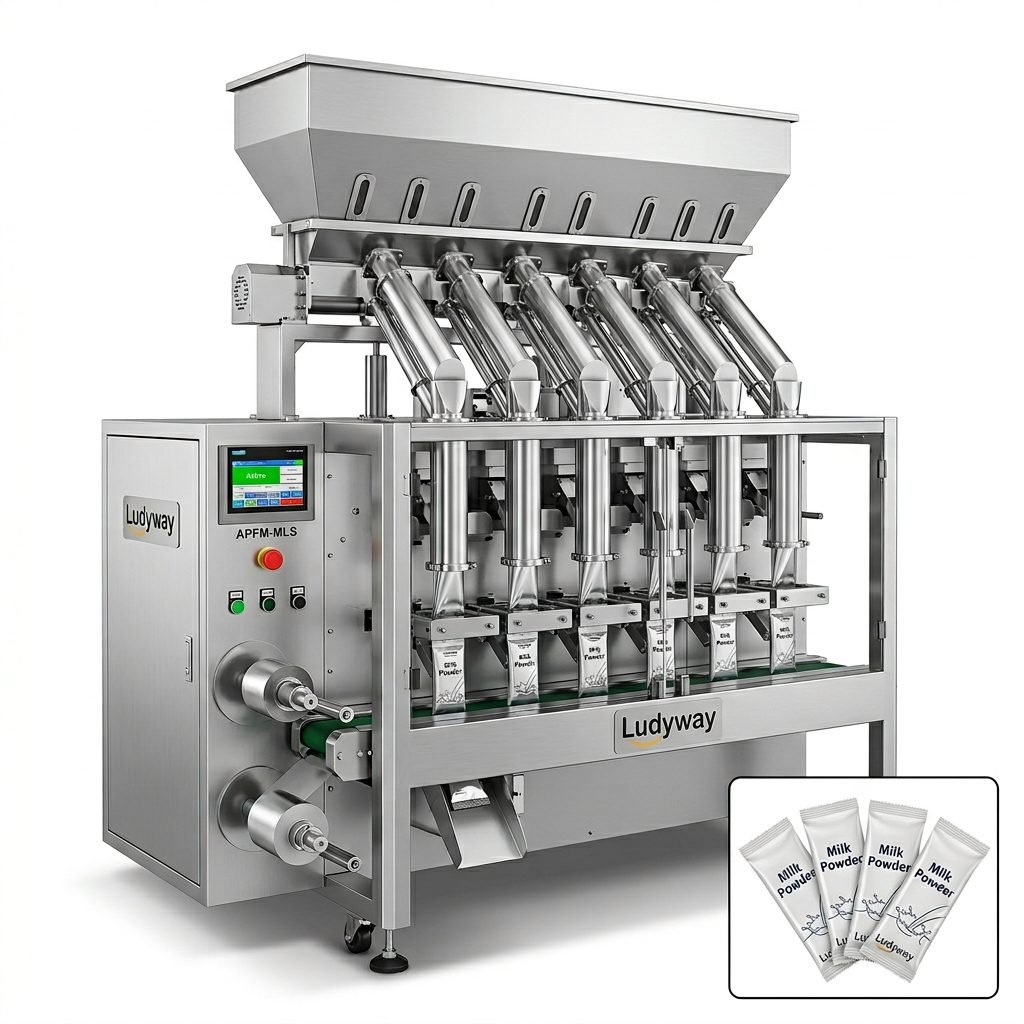
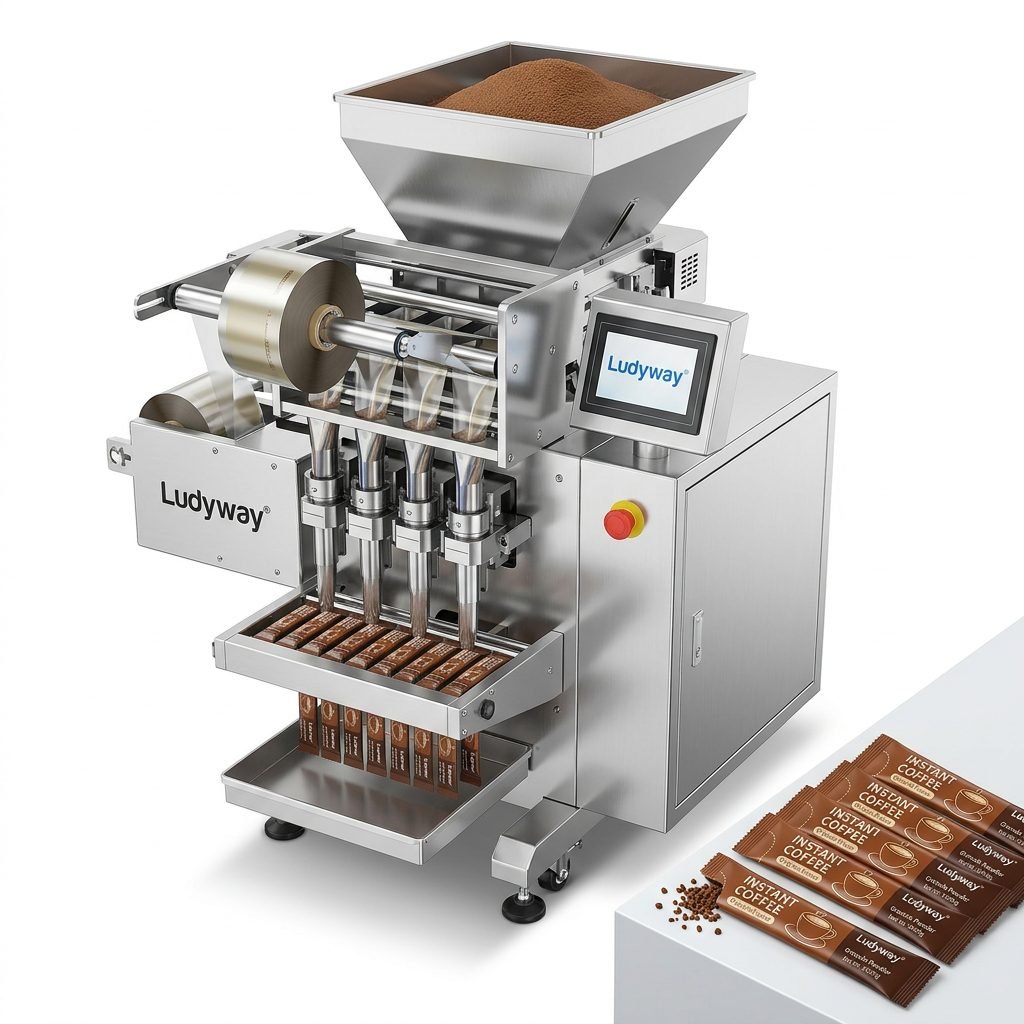
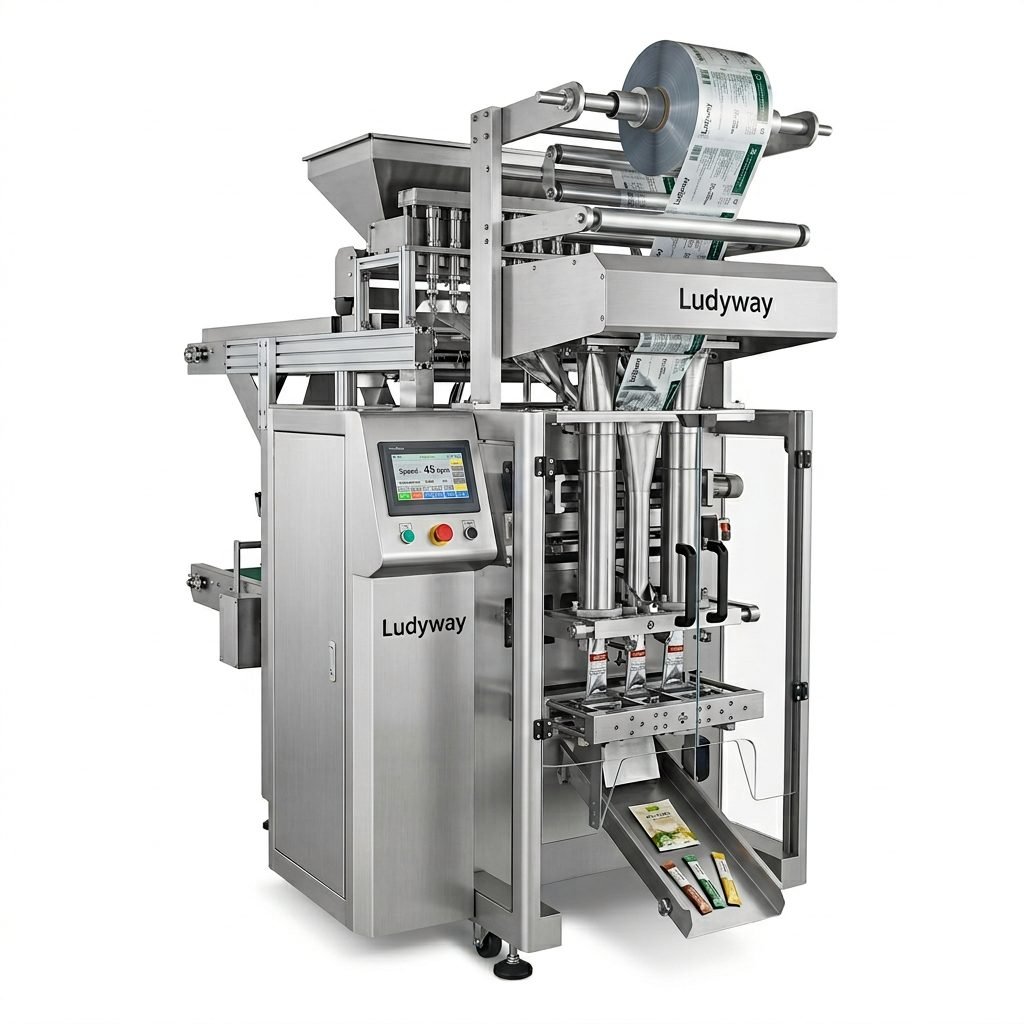
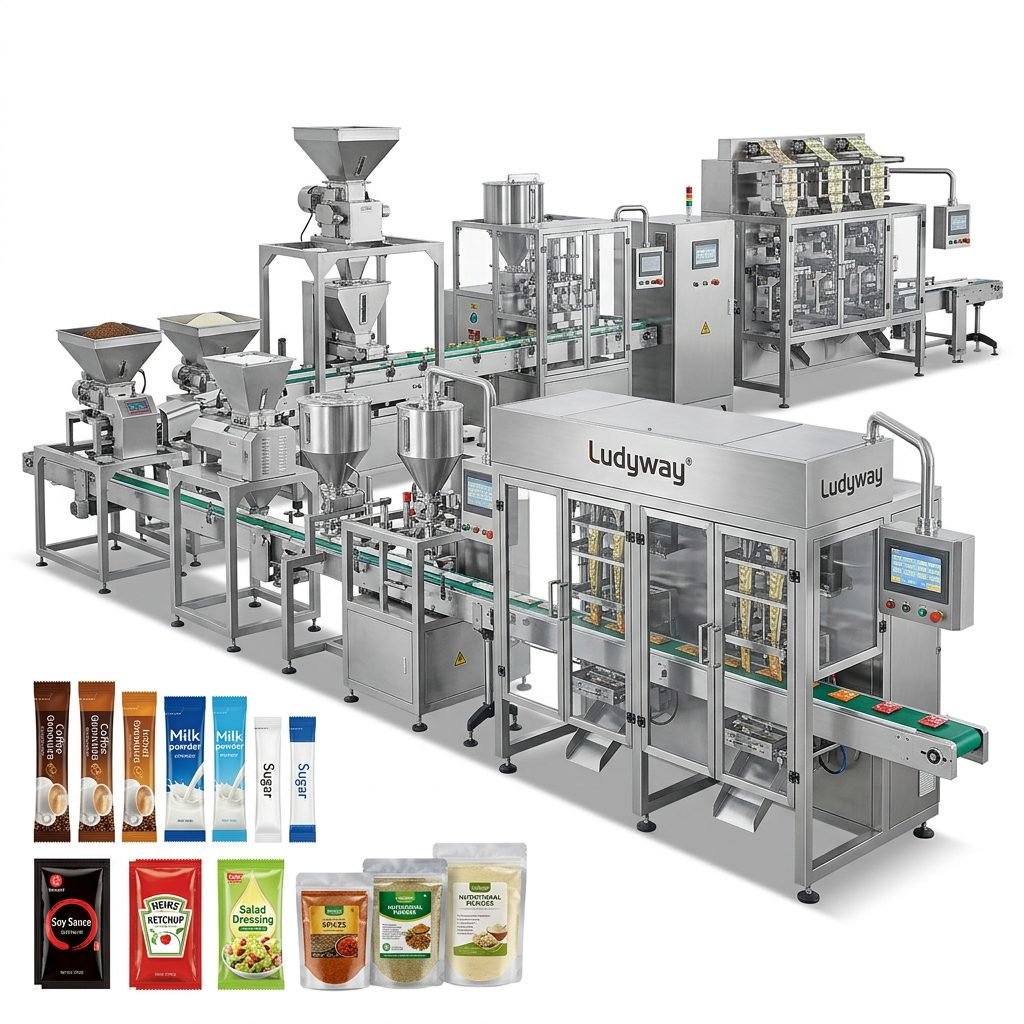
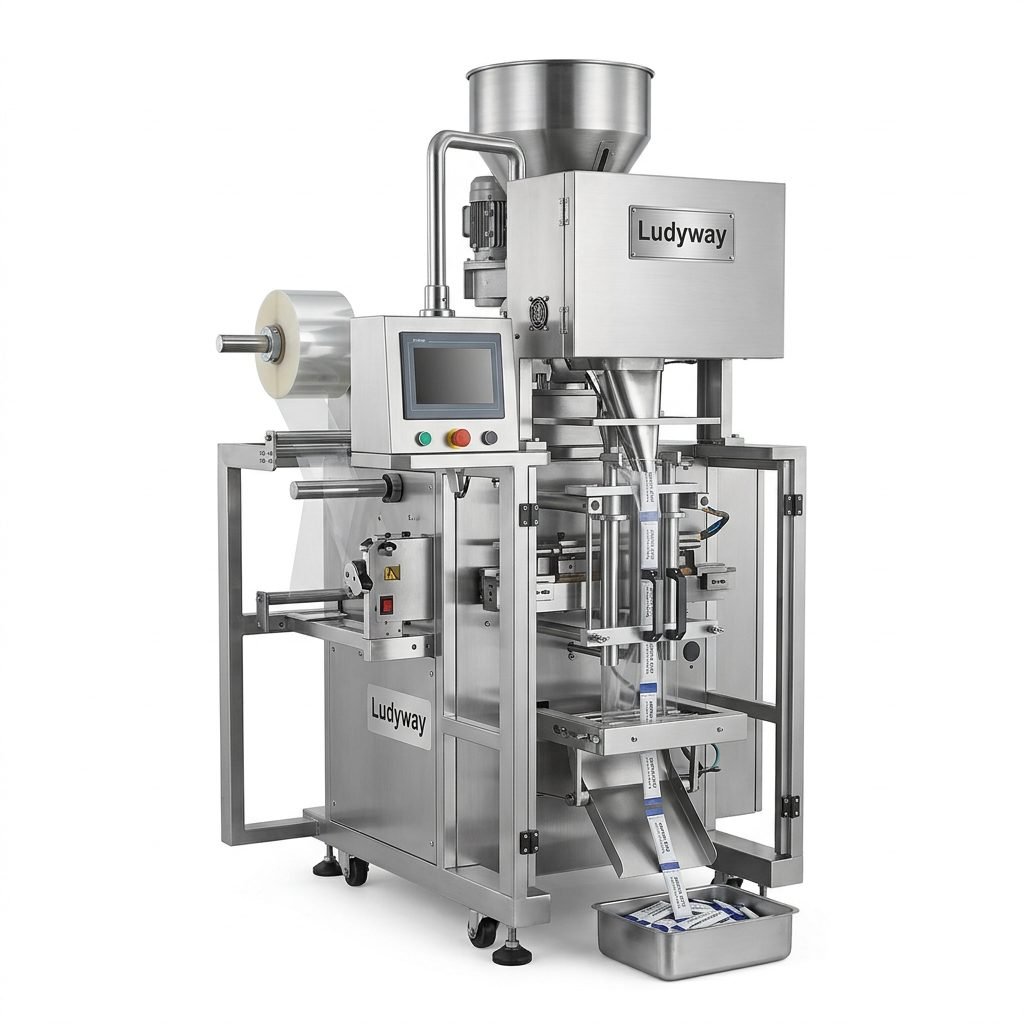
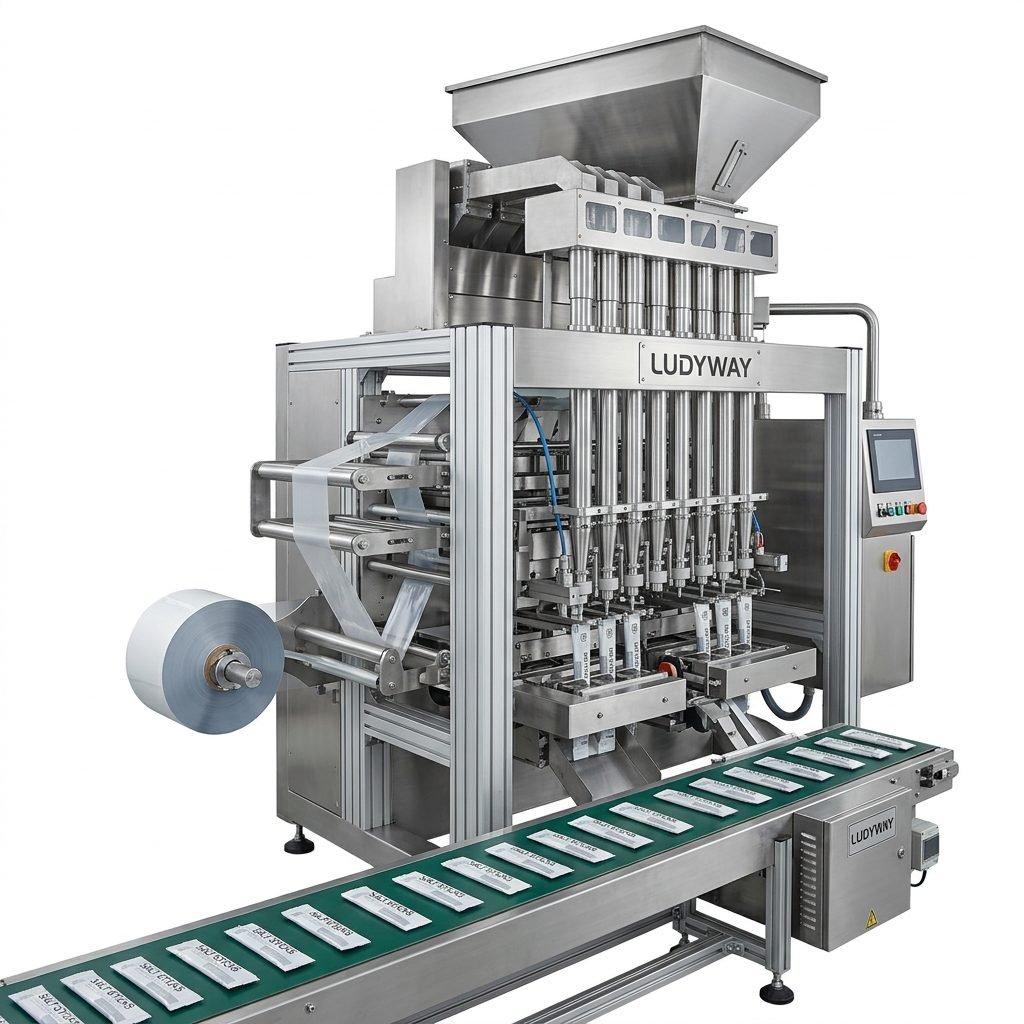
Buying an ice packing machine is not just about comparing quotes. The final price depends on machine type, automation level, output capacity, packaging material, sealing requirements, and customization. If you are planning to pack tube ice, cube ice, flake ice, or bagged edible ice, understanding these factors can help you choose the right machine without overspending.
In this guide, we break down the typical cost range of ice packing equipment and explain what really affects the investment, from entry-level semi-automatic models to fully integrated high-speed packaging lines.
Typical Ice Packing Machine Price Range
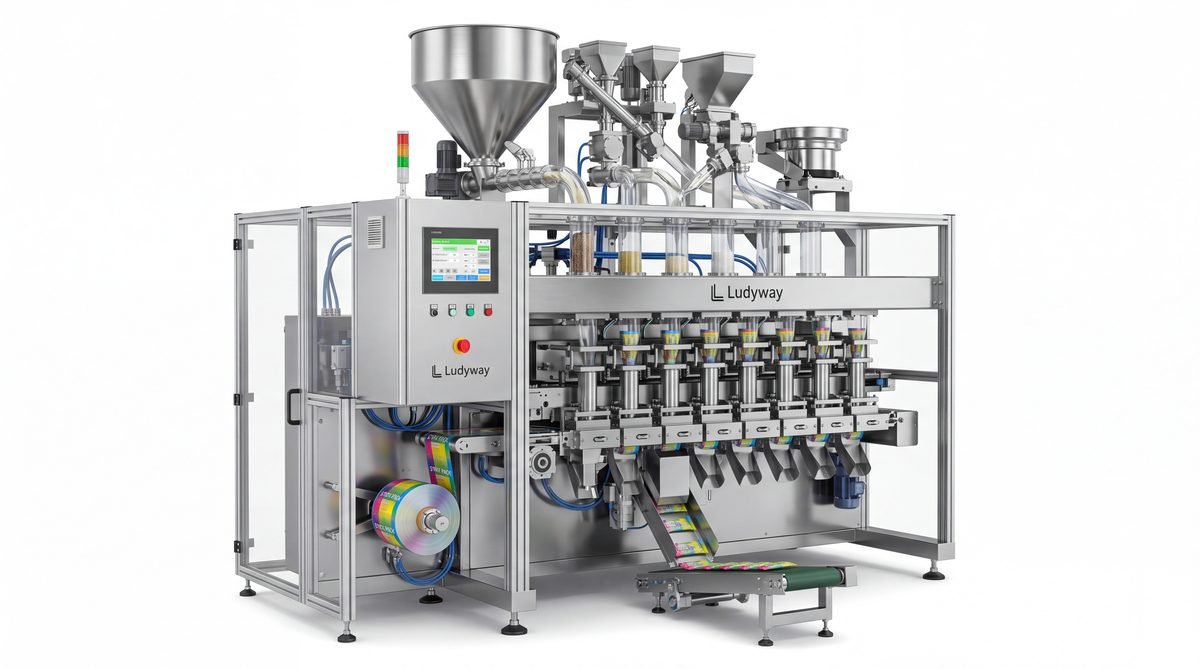
The price of an ice packing machine can vary widely depending on production needs. Small businesses often look for simple weighing and sealing machines, while large ice plants usually need complete automatic systems with conveyors, weighing units, bag forming, sealing, coding, and end-of-line packing.
| Machine Type | Estimated Price Range | Best For |
|---|---|---|
| Semi-automatic ice weighing and sealing machine | US$3,000–US$8,000 | Startups, small ice shops, low-volume packaging |
| Basic automatic ice bagging machine | US$8,000–US$20,000 | Growing businesses needing stable daily output |
| Fully automatic ice packing line | US$20,000–US$60,000+ | Factories, commercial ice plants, distributors |
| Customized turnkey line with conveying and end-of-line systems | US$60,000–US$150,000+ | Large-scale industrial operations |
Important: These are general market estimates. Actual pricing may differ based on specifications, voltage, regional compliance, and project complexity.
What Affects the Price of an Ice Packing Machine?
1. Automation Level
Automation is one of the biggest price drivers. A semi-automatic machine usually requires workers to feed bags, adjust weight, or move finished packs manually. A fully automatic line reduces labor and improves consistency, but costs more upfront.
- Semi-automatic systems: lower initial investment, higher labor dependence
- Automatic systems: faster packaging, more stable performance, lower labor cost over time
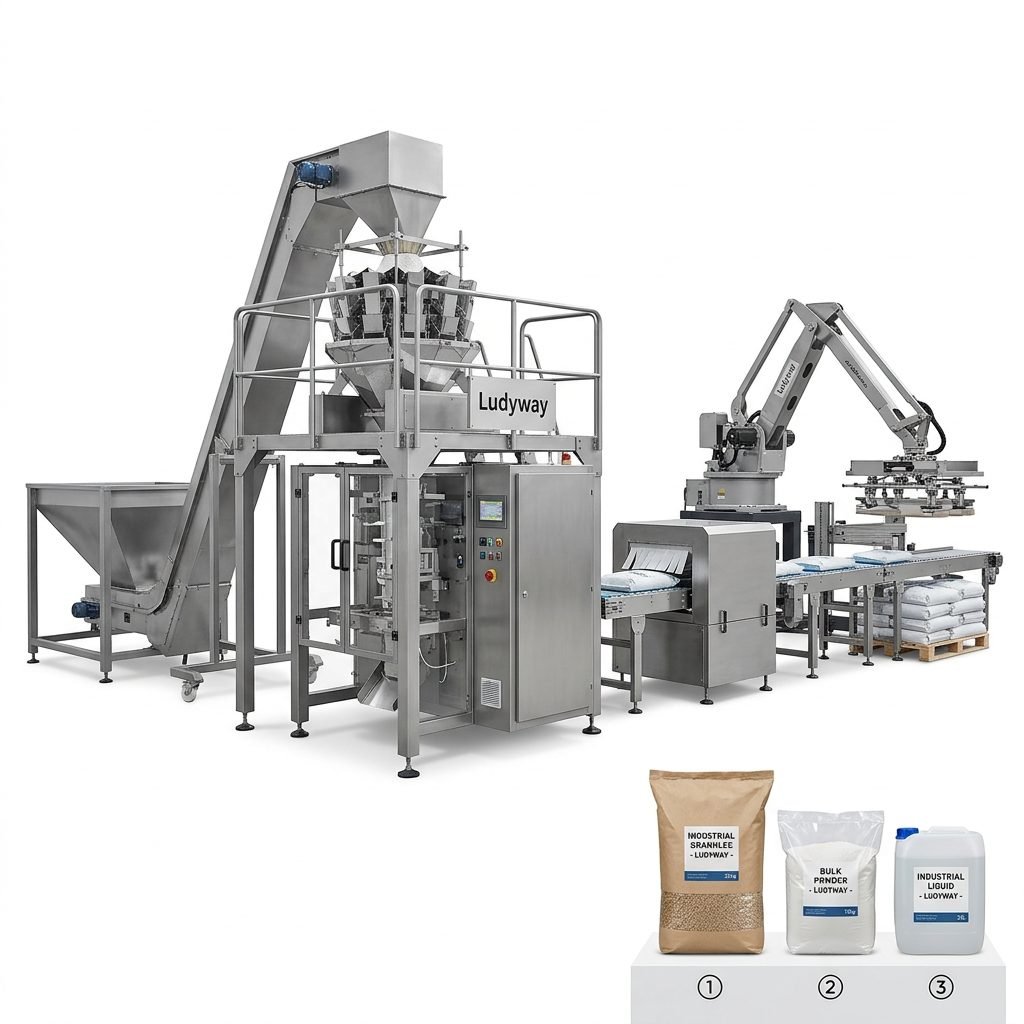
- Turnkey lines: maximum efficiency with conveyors, checkweighers, coding, cartoning, and palletizing
2. Output Capacity
Higher production speed generally means a higher price. A machine packing a few bags per minute is far less expensive than a line designed for continuous high-volume industrial output.
When evaluating price, ask about:
- Bags per minute
- Target bag weight, such as 1kg, 2kg, 5kg, or larger
- Daily operating hours
- Peak season production demand
3. Ice Type and Product Characteristics
Not all ice behaves the same during filling and sealing. Tube ice, cube ice, nugget ice, and flake ice have different flow properties, sizes, and moisture levels. Machines may need different feeding, weighing, and bag handling structures depending on the product.
For example, fragile or wet ice may require a design that minimizes breakage and controls water exposure during packaging. This can increase engineering complexity and final cost.
4. Bag Size and Packaging Format
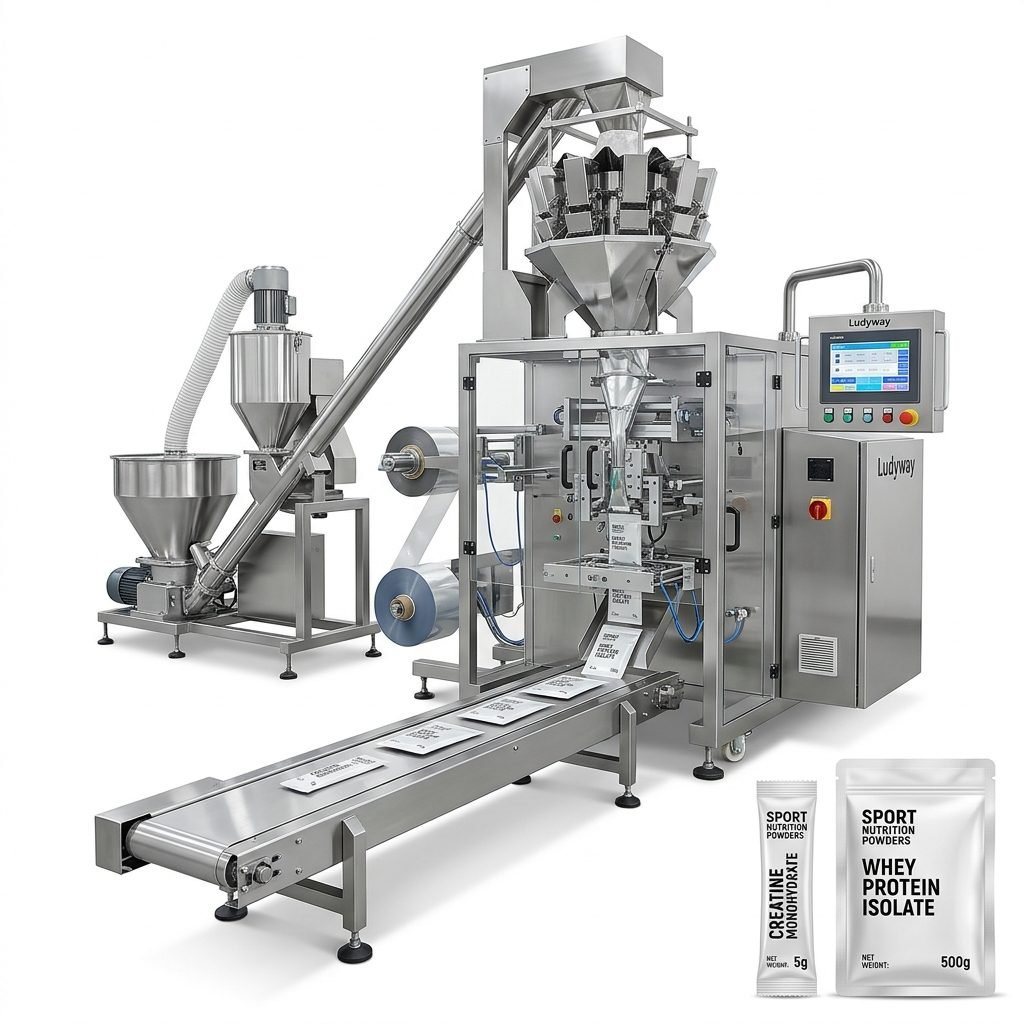
The required bag size has a direct impact on machine structure and weighing system selection. Small retail ice bags and large commercial bags need different handling configurations.
- Small consumer bags may require faster cycle speed
- Larger bags may require stronger gripping, sealing, and support components
- Custom bag shapes or printing registration can raise machine cost
5. Material and Build Quality
Ice packaging involves moisture, cold environments, and hygiene concerns. Machines with better stainless steel construction, corrosion resistance, and sealed electrical design generally cost more, but they usually last longer and perform better in wet production conditions.
6. Weighing Accuracy
If you need precise bag weights to reduce giveaway and maintain product consistency, the weighing system becomes more advanced. Multi-head weighers, intelligent control systems, and higher-accuracy sensors increase equipment price but can improve long-term profitability.
7. Customization Requirements
Standard machines are usually more affordable than customized equipment. However, many buyers need project-specific features such as:
- Special bag dimensions
- Custom voltage and plug standards
- Integration with an existing ice maker or conveyor
- Date coding or label application
- Cold-room compatible components
- Remote diagnostics or smart control systems
Each additional function can affect both machine cost and lead time.
8. Brand, Manufacturing Experience, and After-Sales Support
Machine prices also reflect the supplier’s engineering capability, quality control, export experience, and service level. A lower quote may not always deliver the same durability, spare parts availability, or technical support.
For buyers looking for scalable automation, Ludyway packaging machine solutions are often considered for customized projects, especially where stable output and complete line integration matter.
Additional Costs You Should Not Ignore
Many buyers focus only on the machine price and forget the full project cost. In practice, the total investment may include:
| Cost Item | Why It Matters |
|---|---|
| Shipping and freight | Large machines can have significant sea or land transport costs |
| Import duty and taxes | These vary by country and can change the landed cost substantially |
| Installation and commissioning | Some projects require on-site setup and operator training |
| Spare parts | Critical for reducing downtime during busy seasons |
| Packaging film or bags | Material compatibility affects ongoing operating cost |
| Maintenance | Long-term upkeep influences actual return on investment |
How to Choose the Right Machine for Your Budget
The best machine is not always the cheapest one. It should fit your current production needs while allowing room for growth.
Choose a lower-cost model if you:
- Run a small local ice business
- Have low daily packaging volume
- Can handle more manual labor
- Need a quick entry-level setup
Choose a mid-to-high-end automatic system if you:
- Need stable output across long shifts
- Want to reduce labor dependency
- Supply supermarkets, distributors, or hospitality clients
- Need better weighing accuracy and cleaner bag presentation
Choose a turnkey line if you:
- Operate a large-scale ice factory
- Need integration from feeding to final packing
- Plan to expand production in the near future
- Want stronger long-term ROI through automation
Questions to Ask Before Requesting a Quote
To get an accurate ice packing machine price, prepare the following information before contacting suppliers:
- What type of ice do you pack?
- What is the target bag weight?
- How many bags per hour or per day do you need?
- Do you need semi-automatic or fully automatic operation?
- What bag material and bag style will be used?
- Do you need printing, coding, labeling, or cartoning?
- What are your factory voltage and space conditions?
- Do you need a single machine or a complete packaging line?
Is a More Expensive Ice Packing Machine Worth It?
In many cases, yes. A more advanced machine can reduce product loss, labor cost, downtime, and inconsistent bag weights. Over time, these savings may outweigh the higher initial purchase price. The key is to calculate total cost of ownership rather than comparing purchase price alone.
A good buying decision should balance: upfront budget, production goals, maintenance cost, service support, and future expansion.
Final Buying Insight
Ice packing machine prices can start from a few thousand dollars for basic models and go well beyond six figures for fully customized industrial lines. The real cost depends on how much automation, speed, precision, and integration your business needs.
If you want a reliable quotation, the best approach is to define your product type, desired output, bag size, and automation requirements first. That way, you can compare suppliers based on value, not just price.